Get new episodes in your feed. Follow us on:ThreadsBluesky
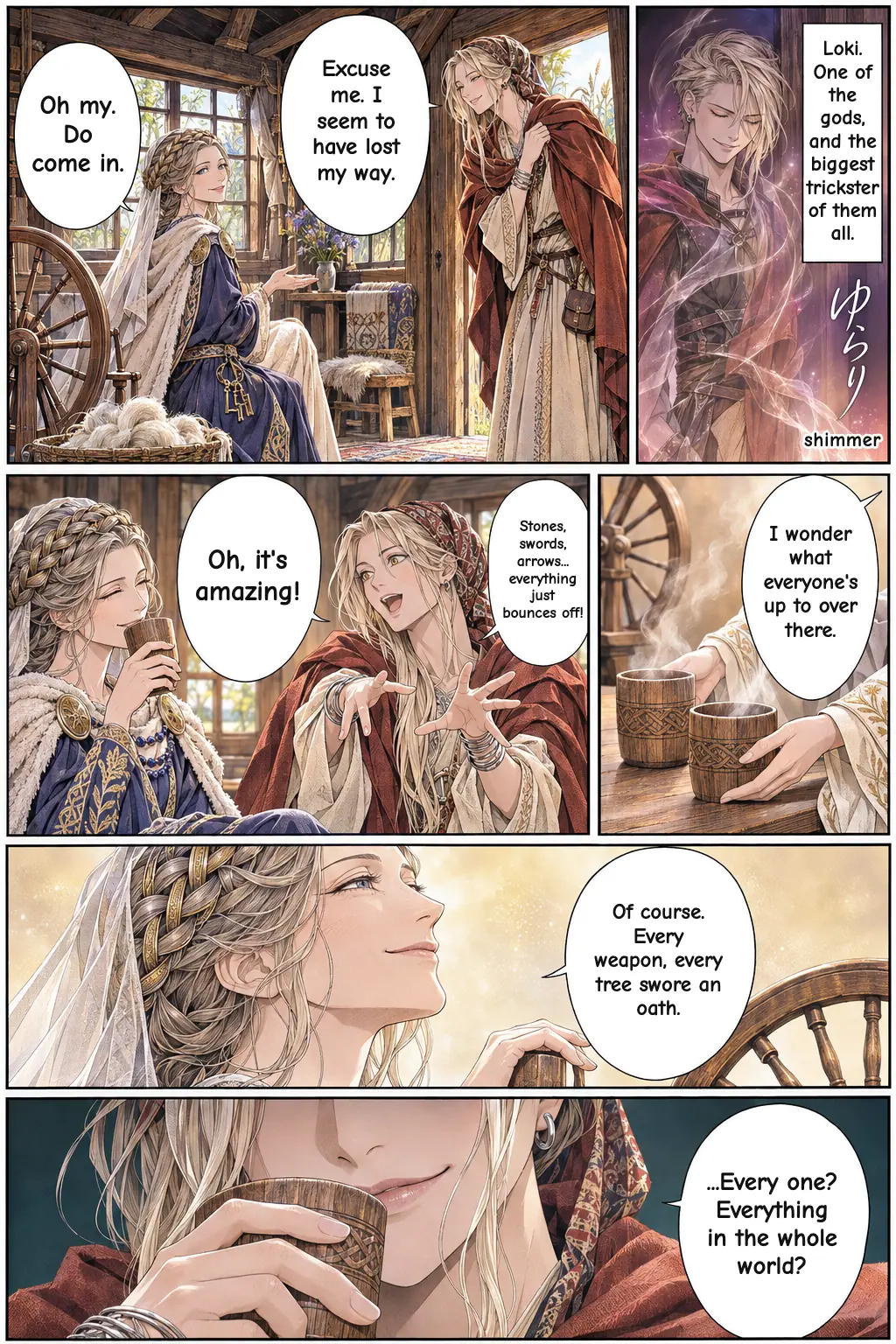
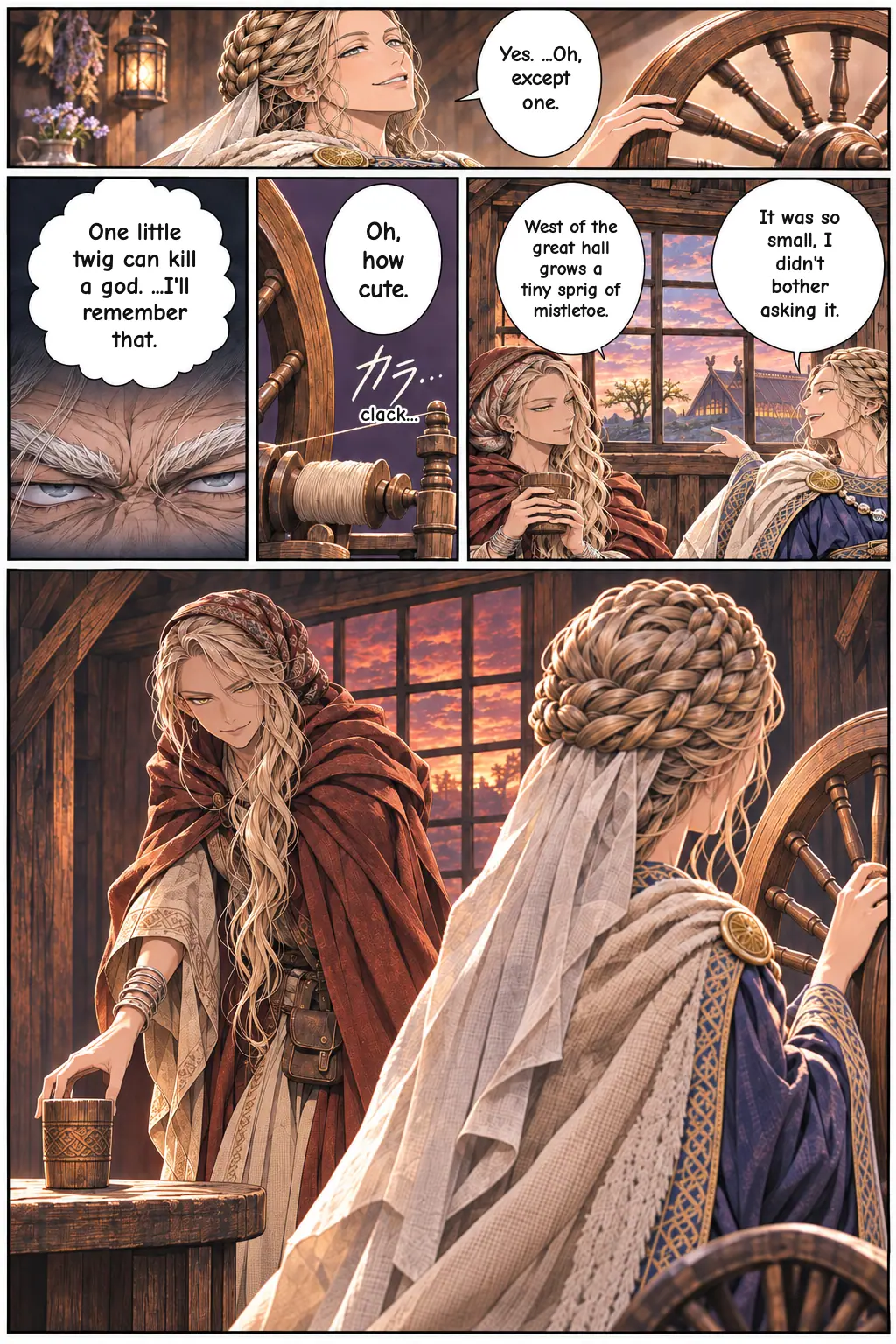
The whole world swears never to harm Baldr, the god of light, and the gods make a game of throwing anything they like at him without leaving a scratch. But one tiny sprig was never asked to swear. Gangleri, the traveling king who came to learn the gods' weaknesses, ends up asking not how to defeat them, but whether there is a way to bring Baldr back.
Story summary
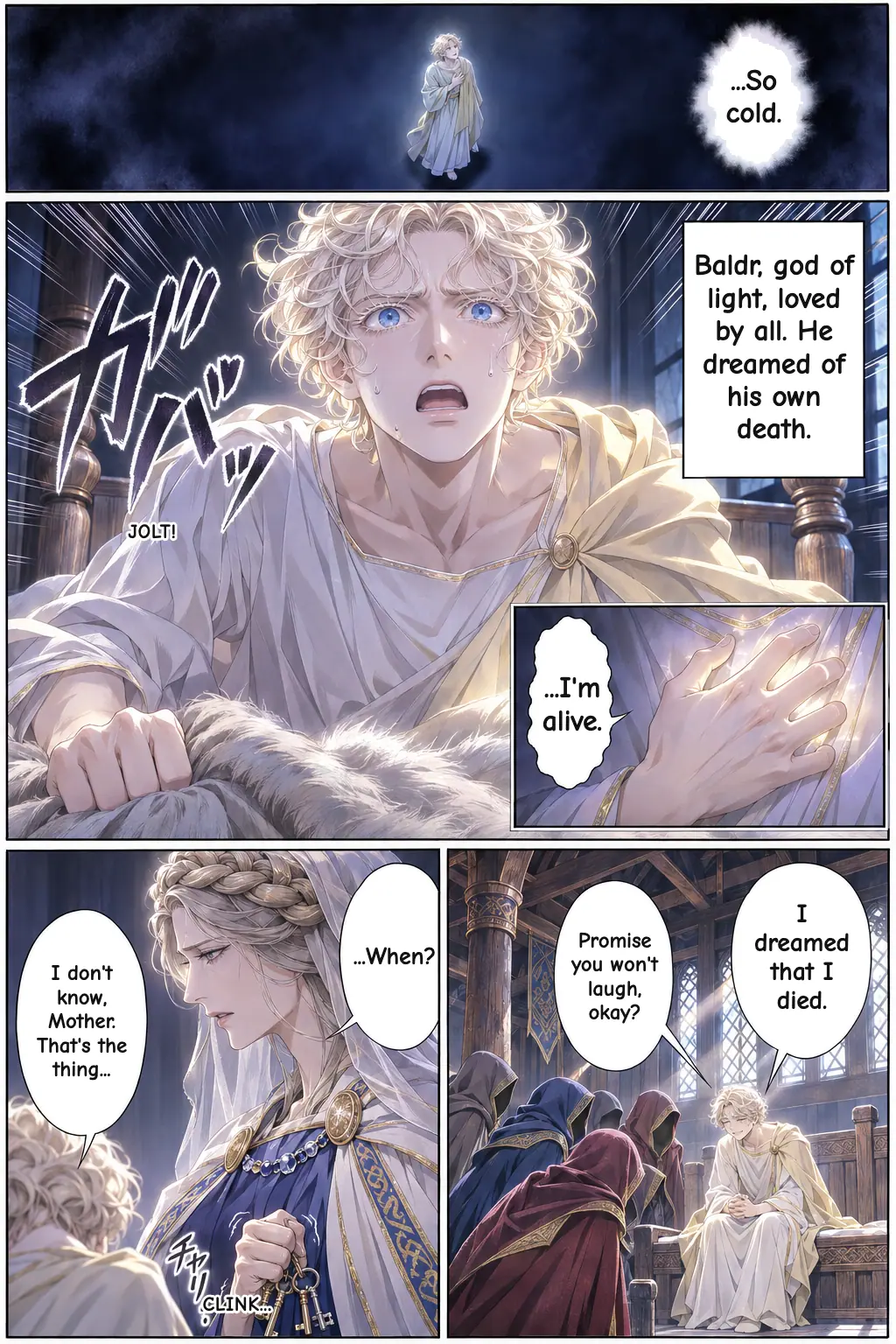
In Gylfaginning, a Swedish king named Gylfi travels in disguise as "Gangleri" and questions three mysterious figures, led by one called High (Hár), about the gods. When he asks for more tales of the Æsir (the main family of gods), High tells him what the gods counted as their worst event: the death of Baldr the Good. Baldr has heavy, ominous dreams warning that his life is in danger, and he tells the other gods. They agree to protect him, and his mother Frigg travels the world collecting oaths.
The Death of Baldr Explained: Loki, the Mistletoe and the Norse Myth
In short: The death of Baldr is the Norse myth in which every thing in the world swears never to harm Baldr, the shining god, except one young sprig of mistletoe. Loki learns the secret, puts the mistletoe into the hands of the blind god Höðr, and Baldr is killed, the greatest misfortune the gods ever suffered. The story is told in Gylfaginning, the first part of Snorri Sturluson's Prose Edda (early 13th century).
The Story in the Original Myth
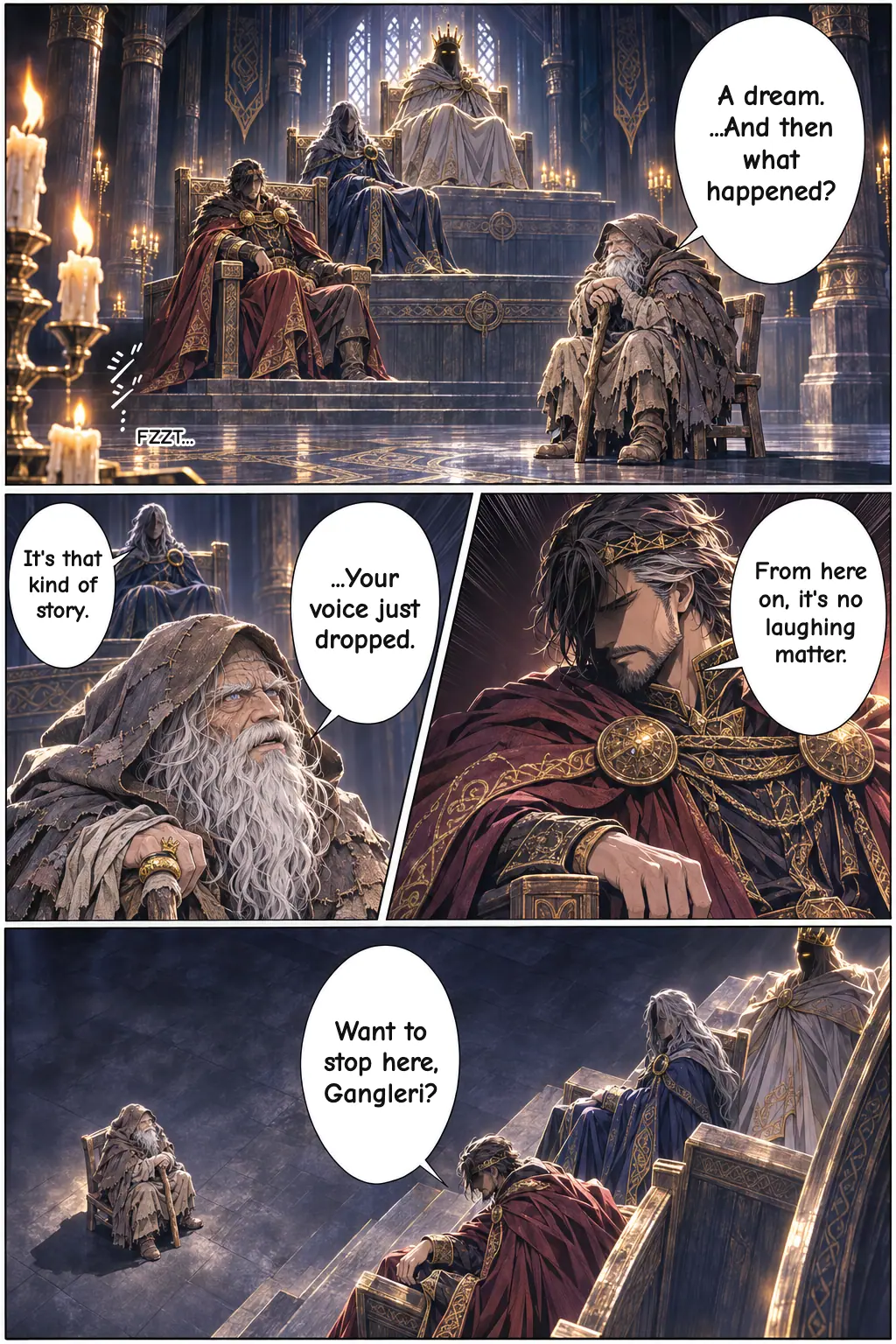
In Gylfaginning, a Swedish king named Gylfi travels in disguise as "Gangleri" and questions three mysterious figures, led by one called High (Hár), about the gods. When he asks for more tales of the Æsir (the main family of gods), High tells him what the gods counted as their worst event: the death of Baldr the Good.
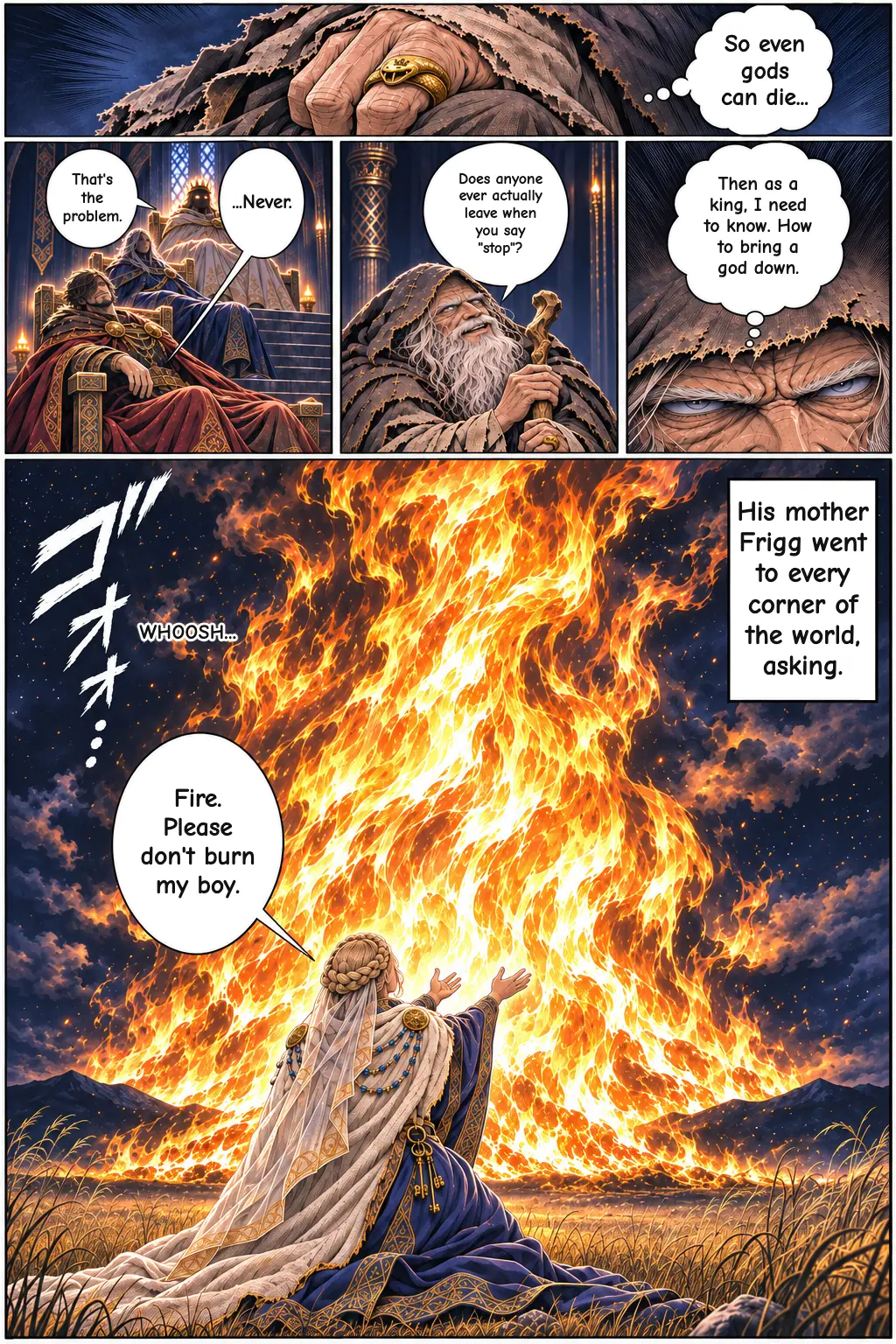
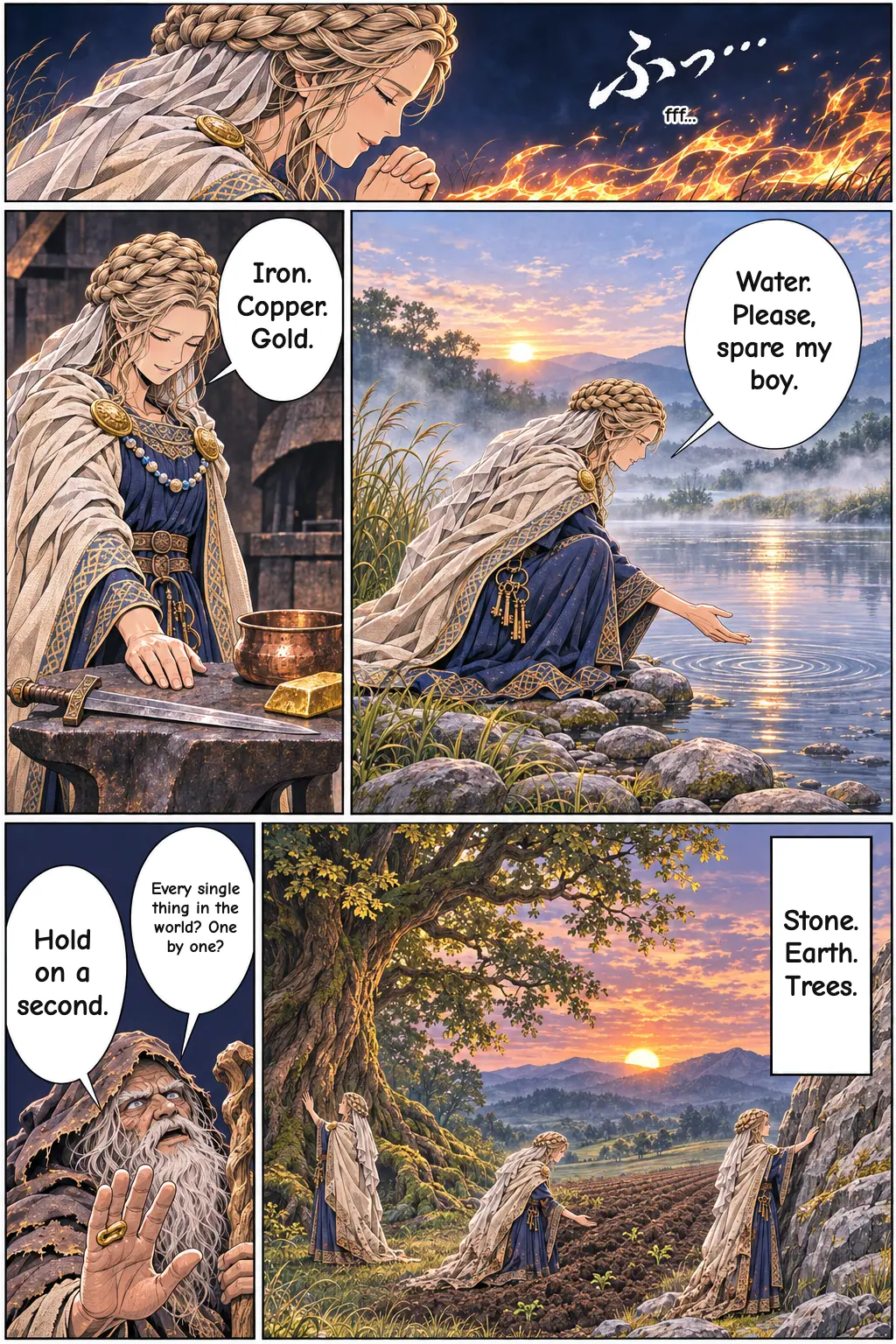
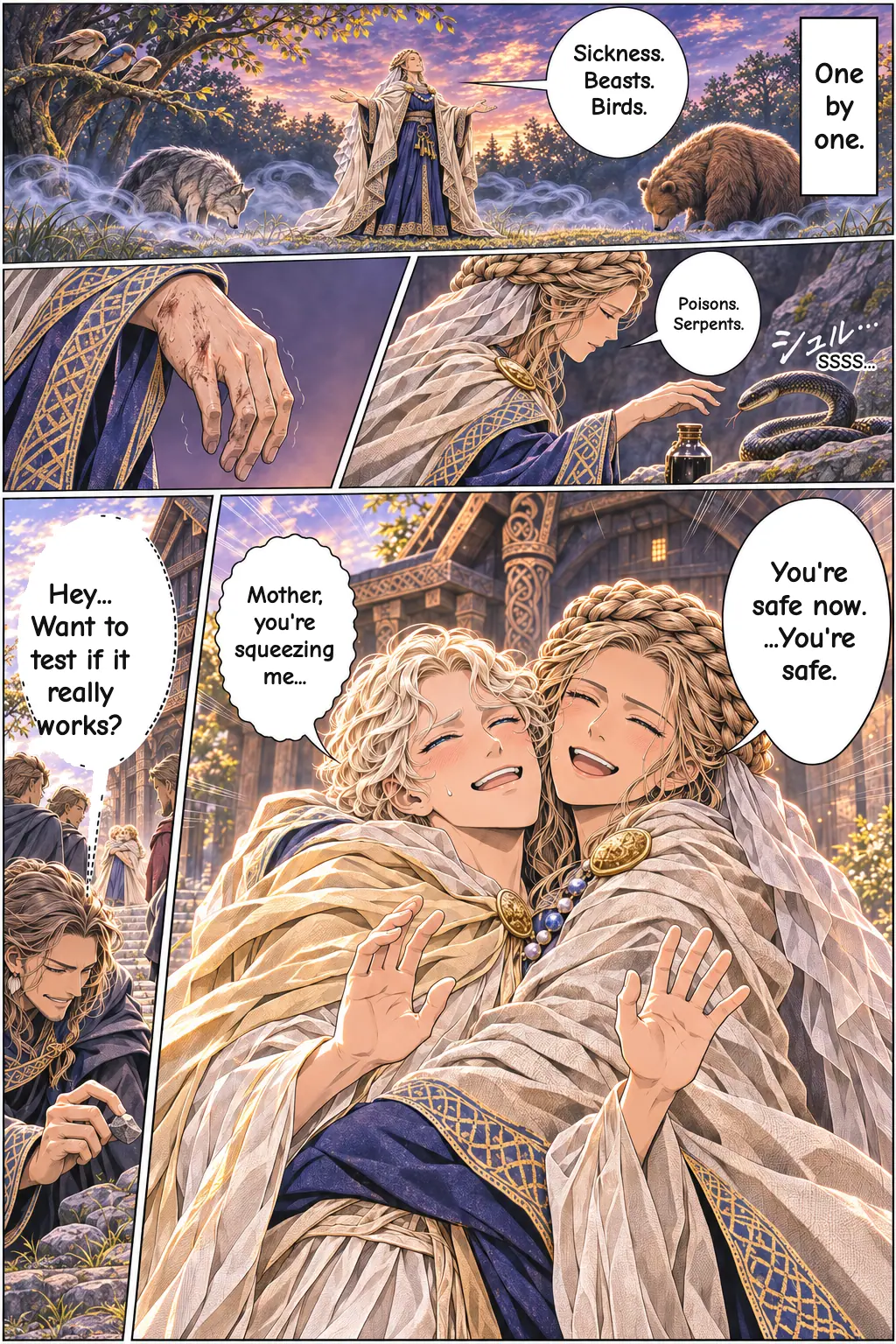
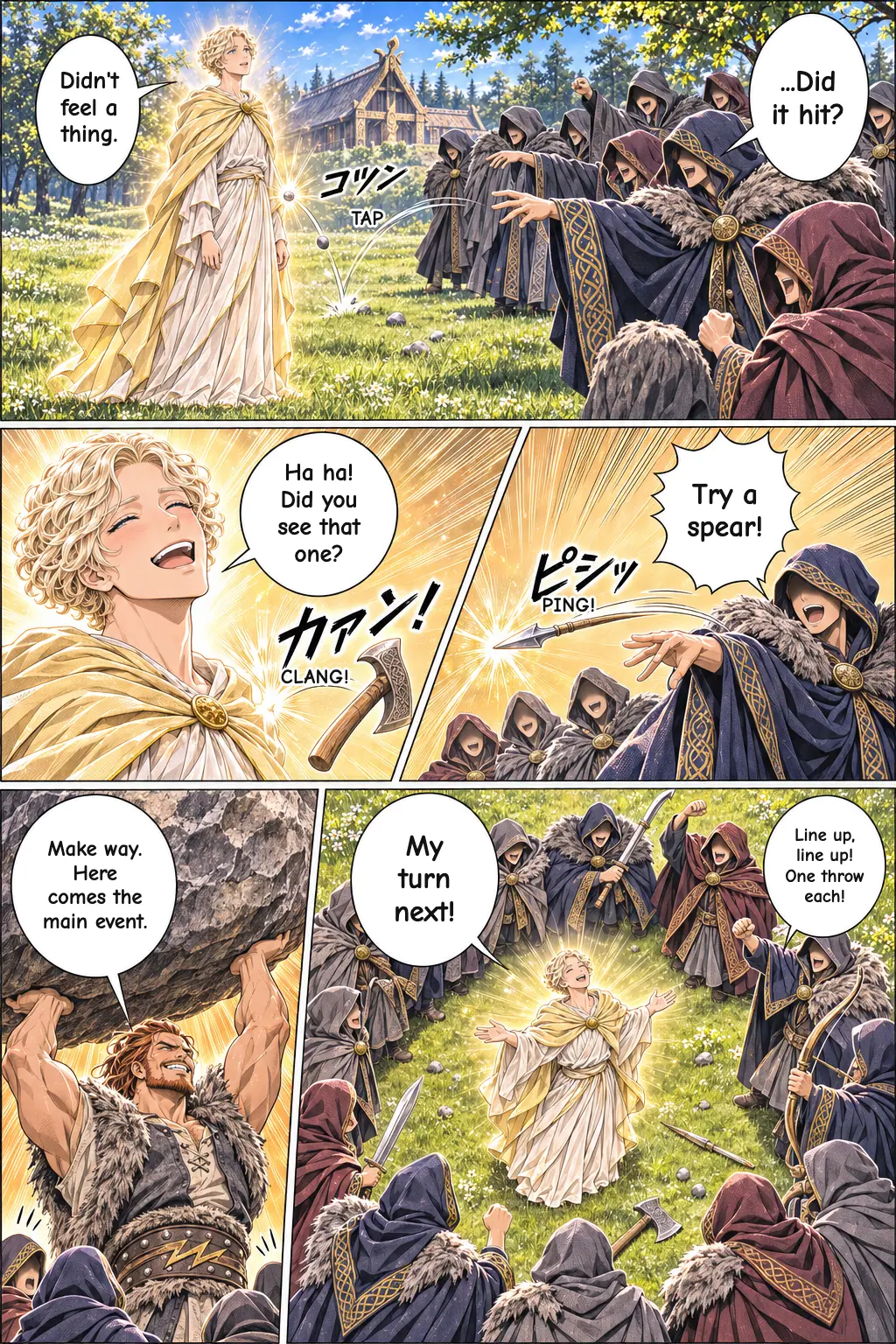
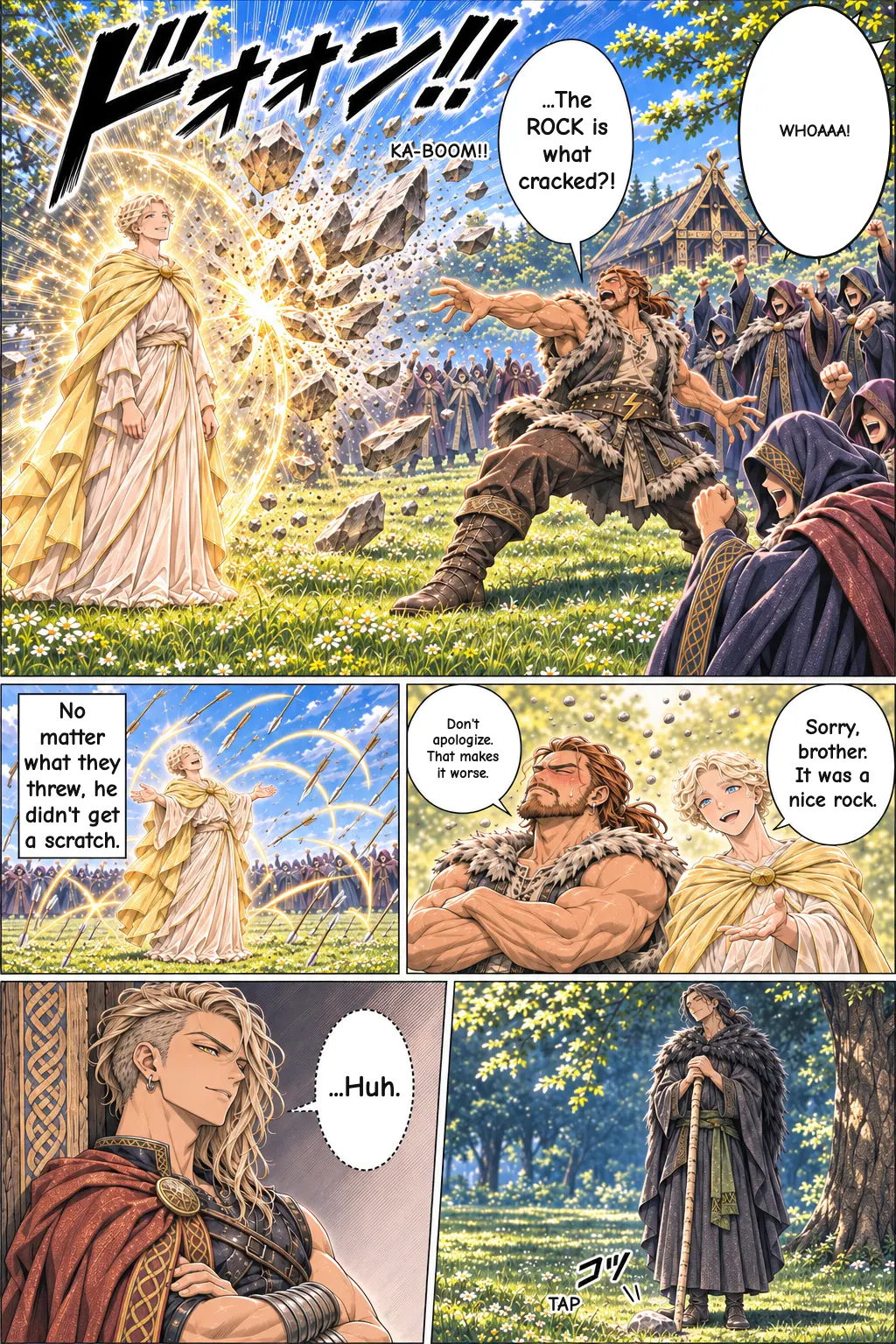
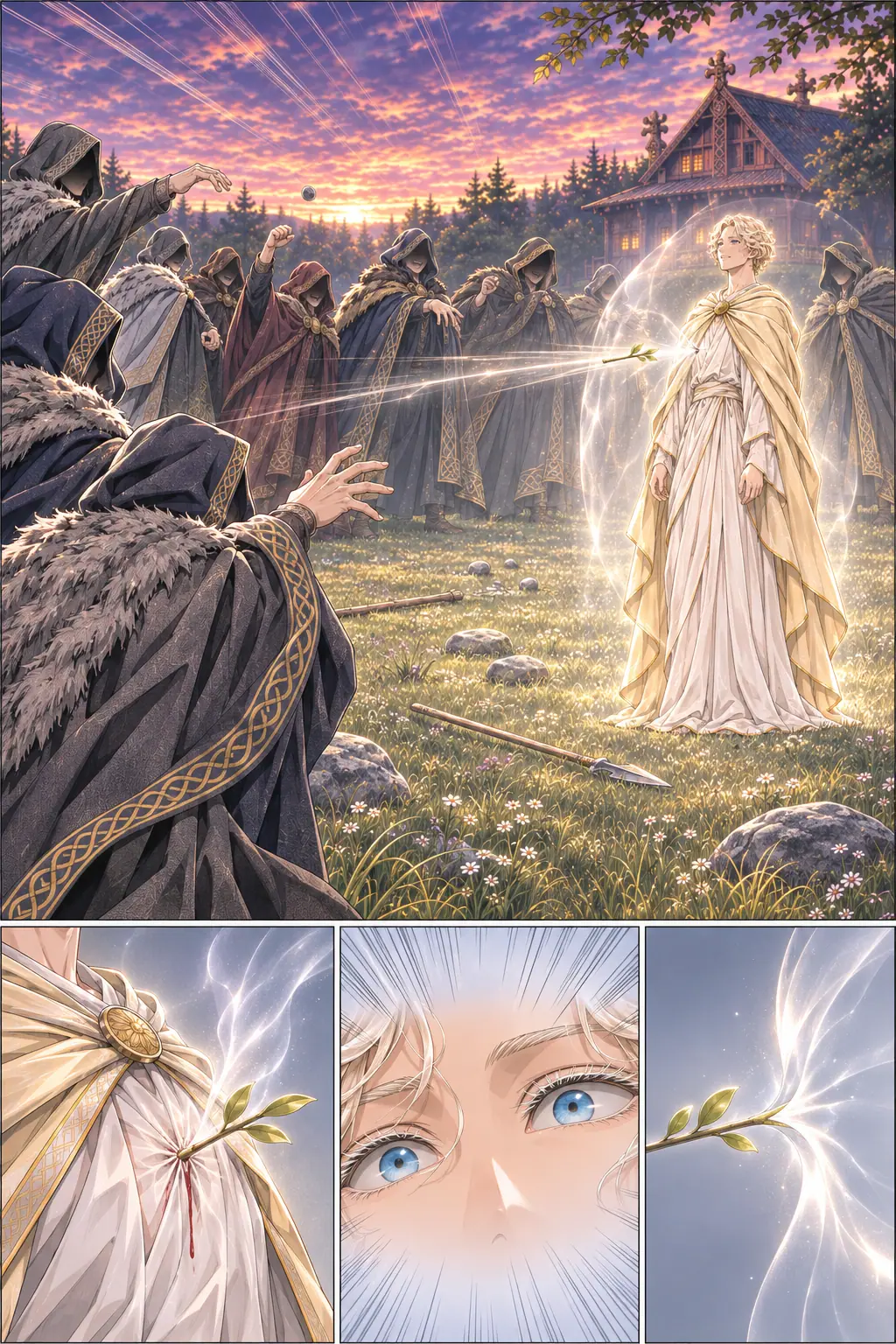
Baldr has heavy, ominous dreams warning that his life is in danger, and he tells the other gods. They agree to protect him, and his mother Frigg travels the world collecting oaths. Fire and water, iron and every other metal, stones, earth, trees, sicknesses, beasts, birds, poisons and serpents all promise never to hurt him. Once this is done, the gods turn it into a game at their assembly place: Baldr stands in the middle while they shoot at him, strike him and throw stones. Nothing leaves a mark, and the gods see this as a great honor.
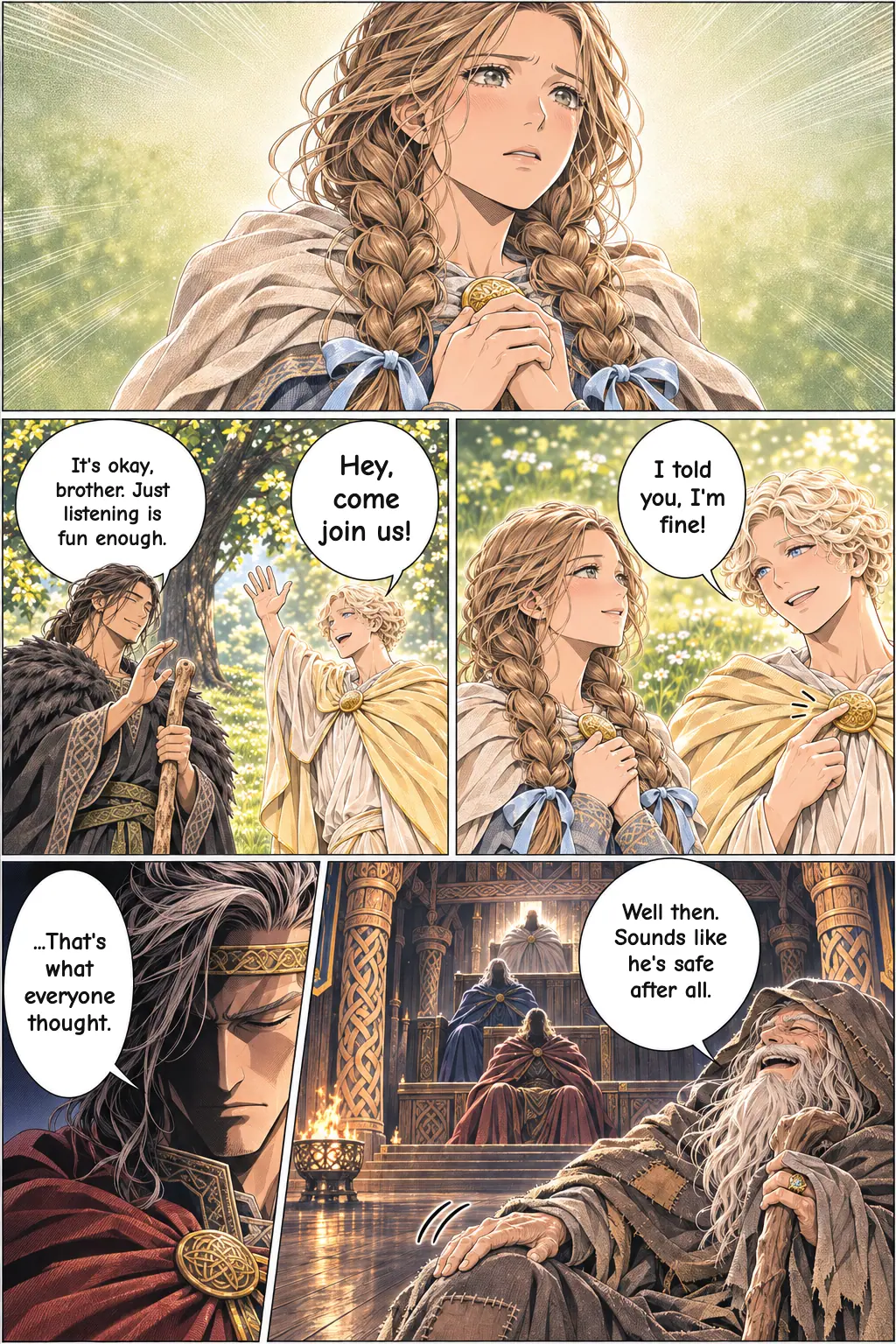
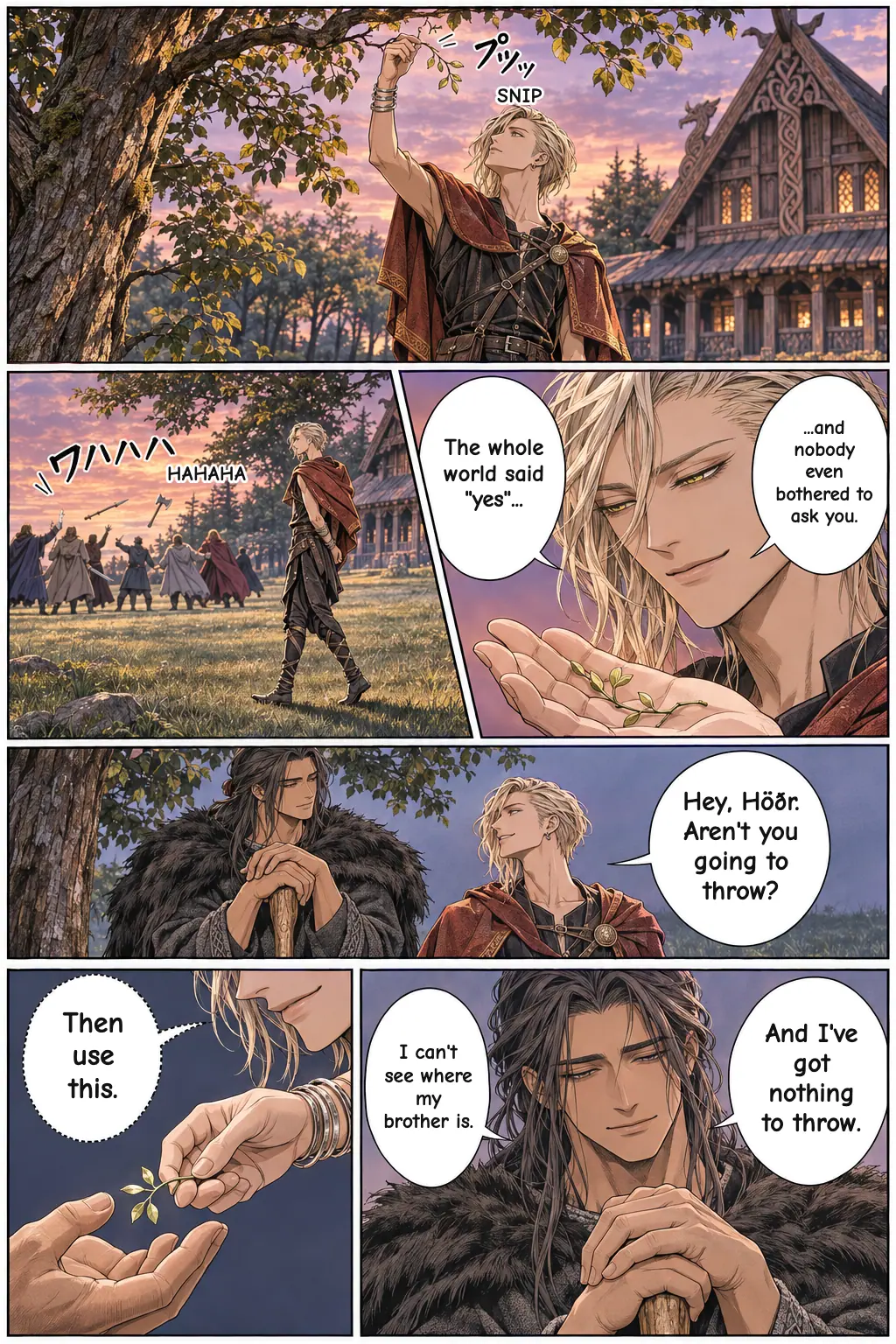
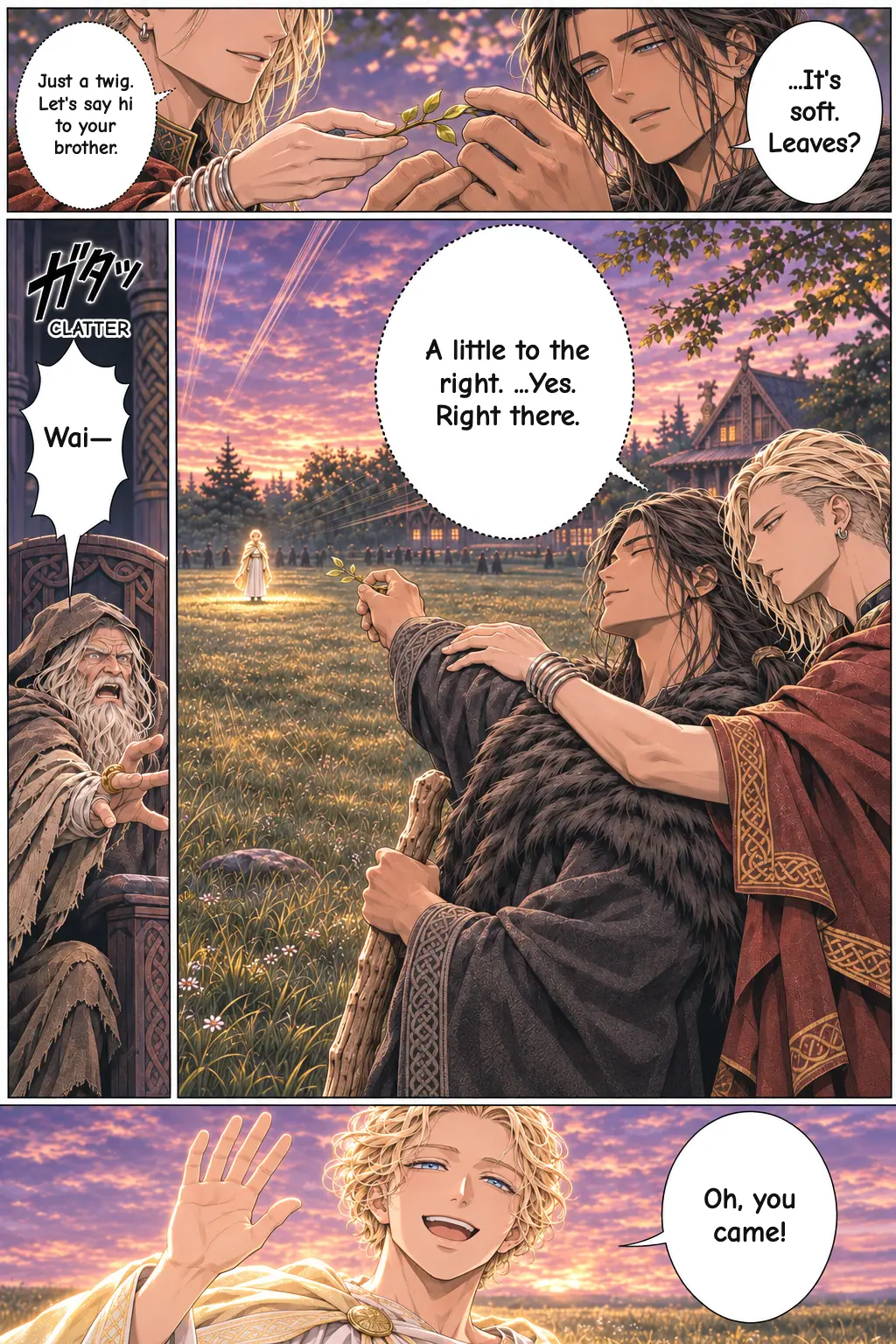
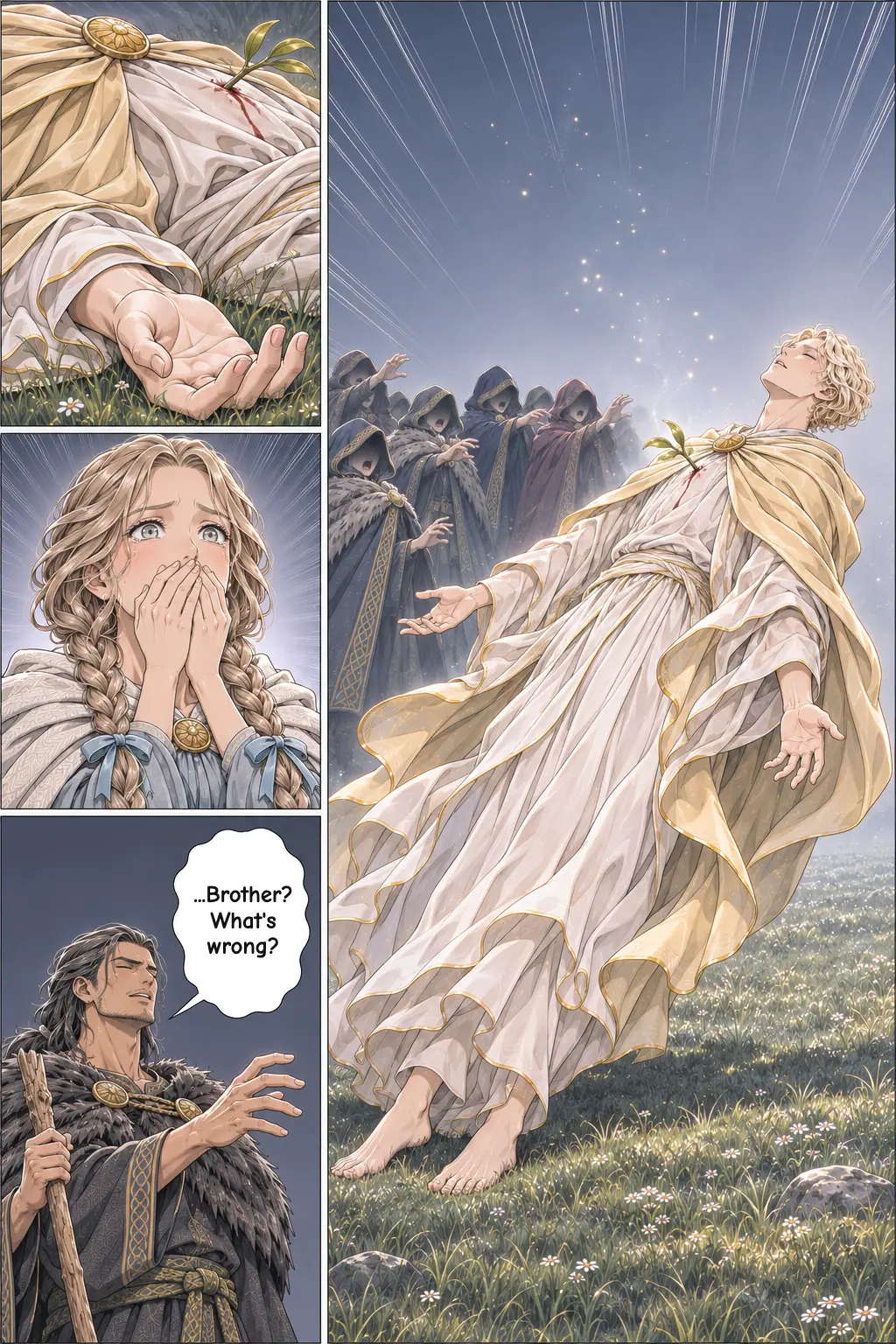
Loki, son of Laufey, dislikes the sight. He disguises himself as a woman and visits Frigg at her hall, Fensalir. In casual conversation Frigg admits that one plant, a young shoot called mistletoe growing west of Valhalla, seemed too young to ask for an oath. Loki pulls it up and returns to the assembly. There he finds Höðr, who is blind, standing outside the circle because he cannot see Baldr and has no weapon. Loki offers to point the way, hands him the mistletoe and tells him to honor Baldr like everyone else. Höðr shoots, the sprig pierces Baldr, and he falls dead.
Grief, a Messenger to Hel, and the Funeral Ship
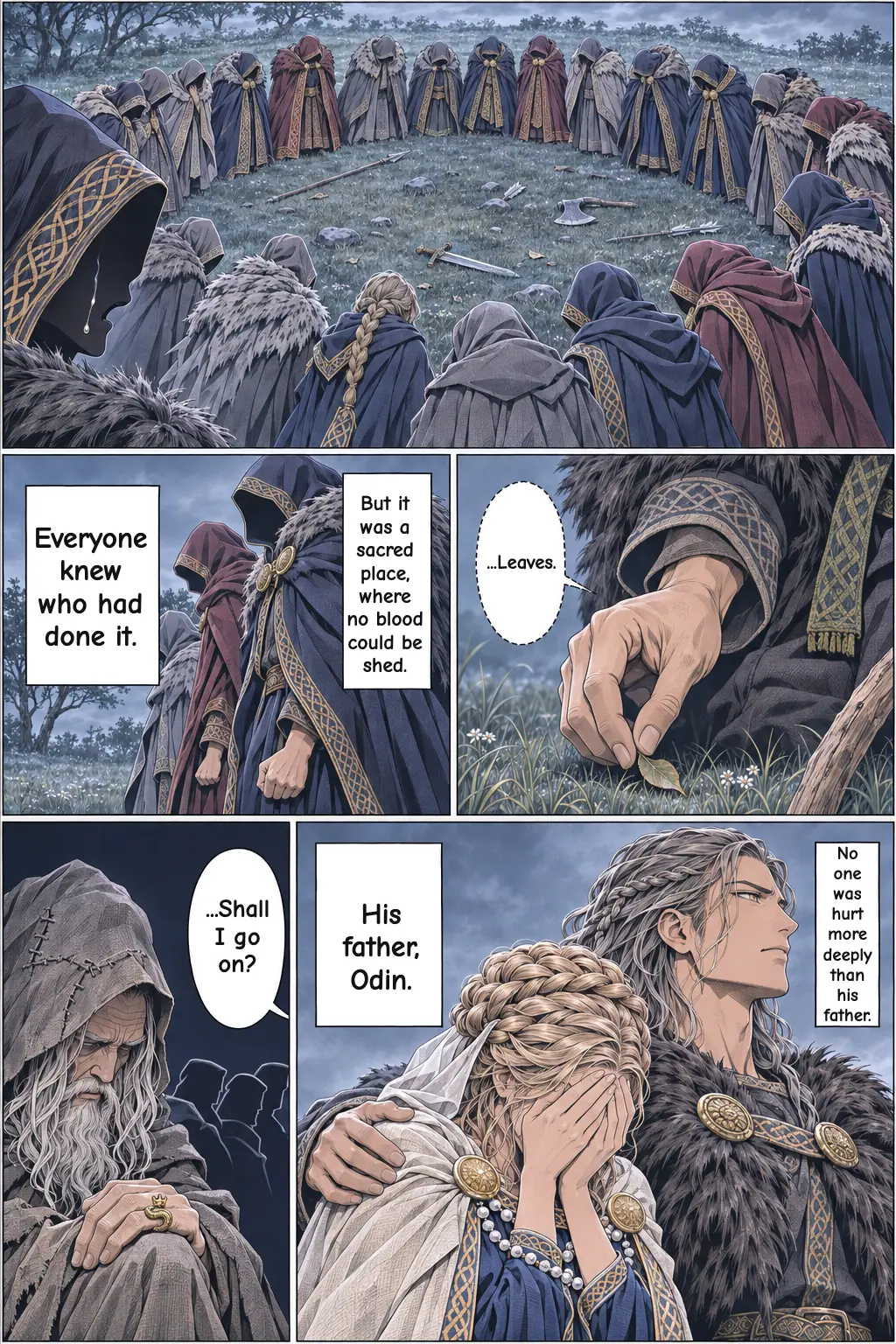
The gods are struck speechless and cannot even lift Baldr up. Each wants revenge, but the place is a sanctuary where no blood may be avenged, so they can only weep. Odin, Baldr's father, grieves most deeply because he understands best how great the loss is. Frigg then asks who will ride to Hel, the realm of the dead, to offer a ransom for Baldr's return. Hermóðr the Bold, a son of Odin, volunteers and sets out on Odin's eight-legged horse Sleipnir. In the source, his departure comes before the funeral; his journey itself is told in the second half of the chapter.
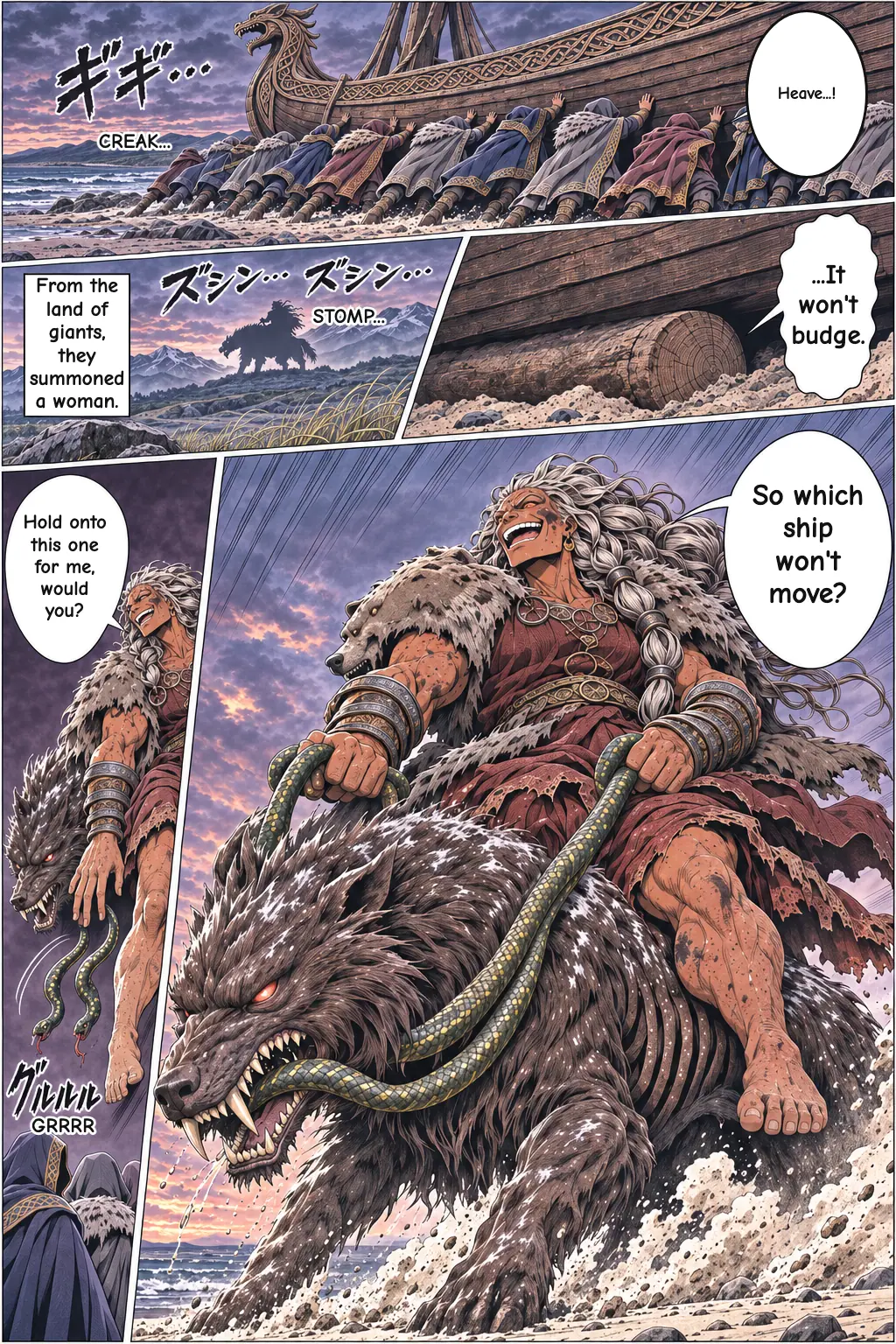
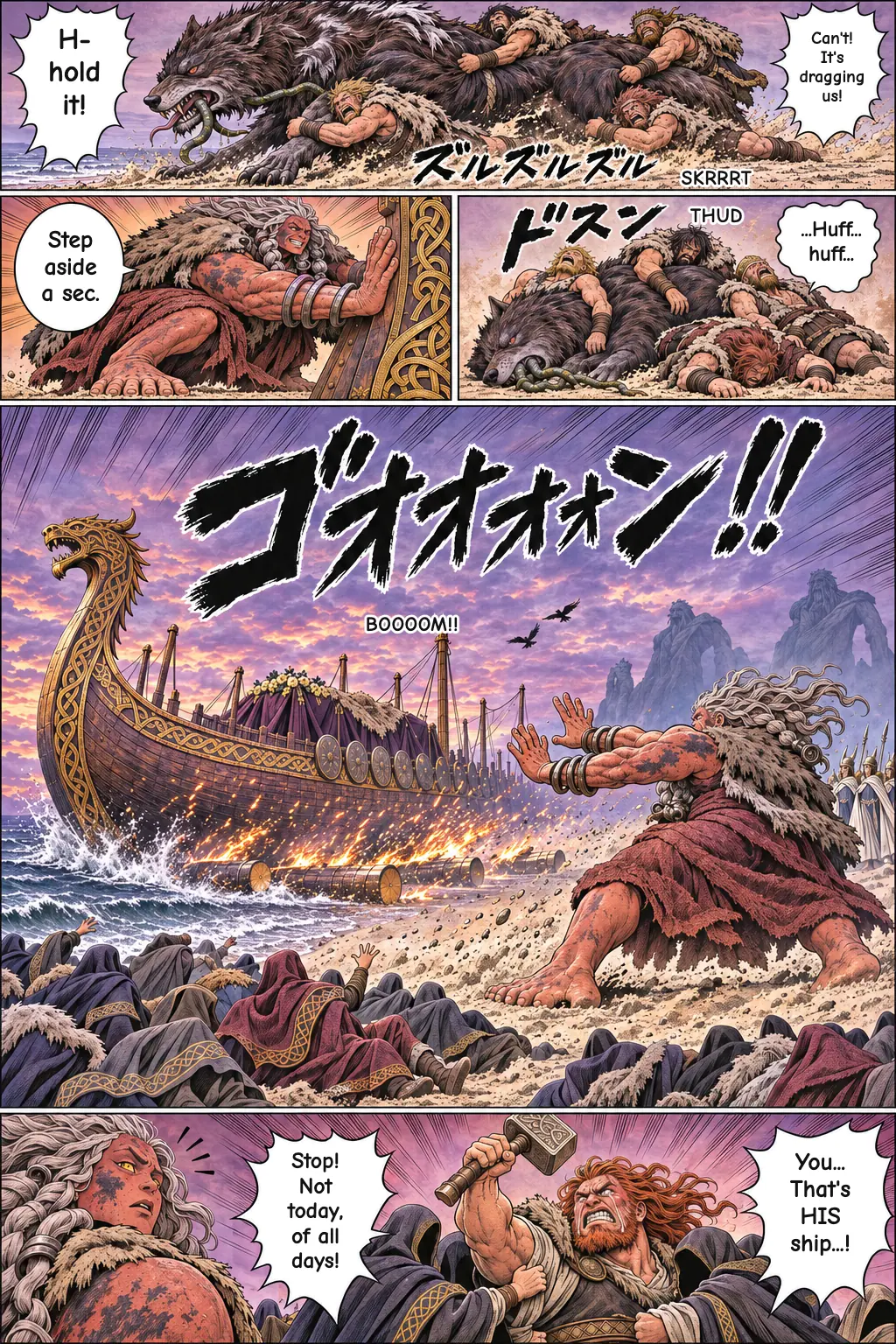
The gods carry Baldr to the shore to burn him on his great ship, Hringhorni, but it will not budge. They send to Jötunheim, the land of giants, for the giantess Hyrrokkin, who arrives riding a wolf with vipers for reins. Four berserkers (frenzied warriors) have to knock the wolf down to hold it. With one push, Hyrrokkin launches the ship so hard that fire flies from the rollers and the earth shakes. Thor, the thunder god, wants to smash her head, but the gods talk him out of it.
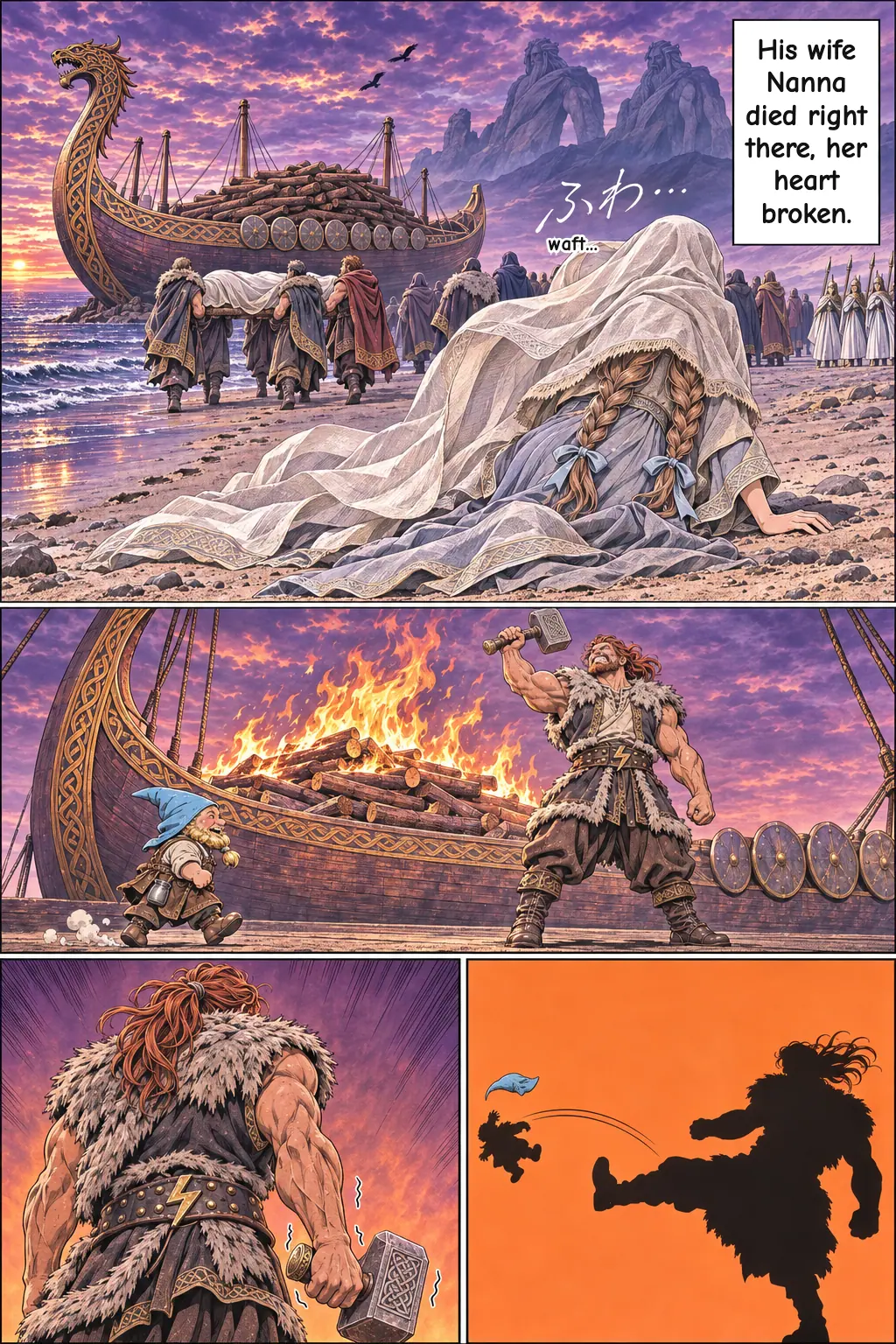
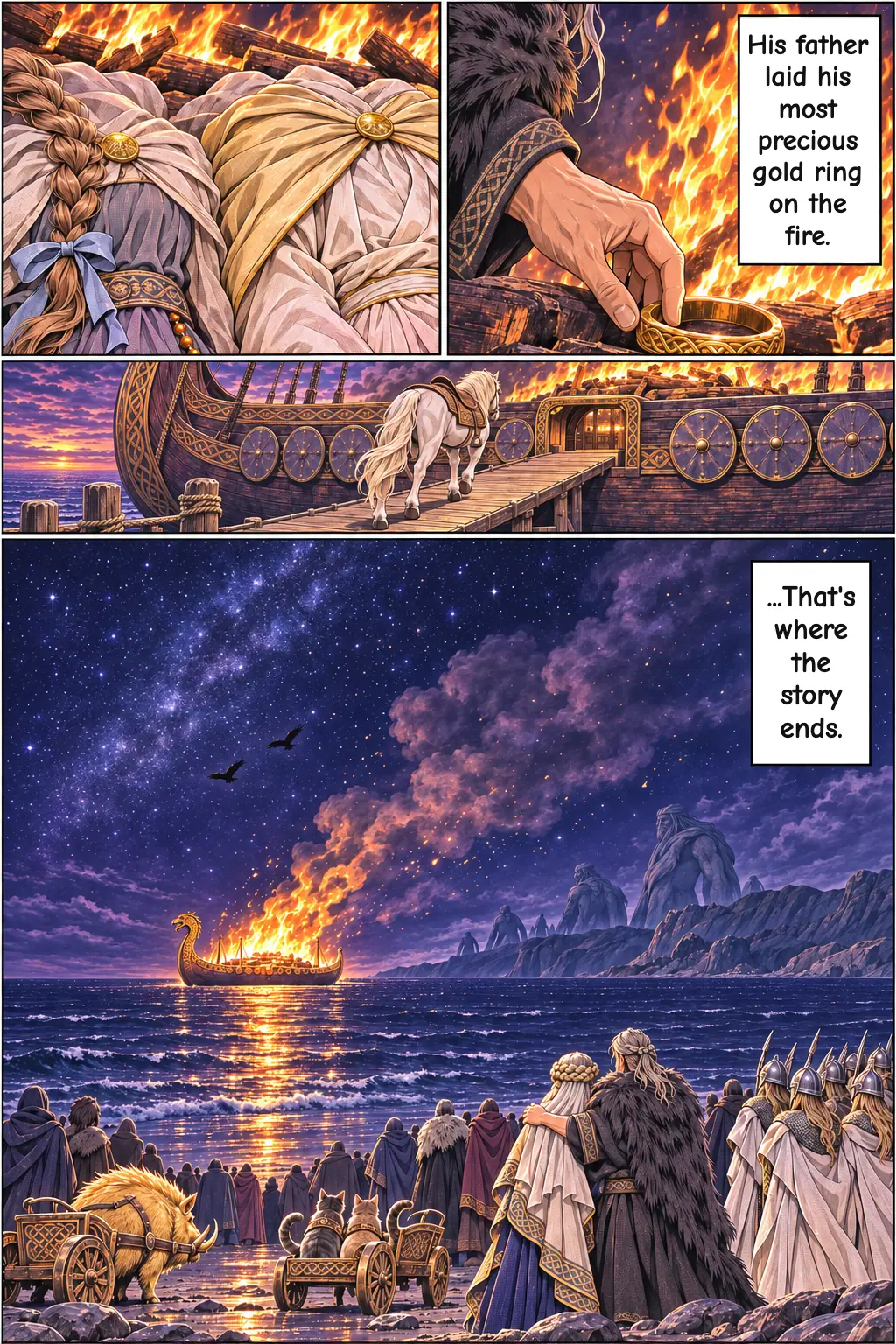
When Baldr's body is brought aboard, his wife Nanna dies of grief and is laid on the pyre beside him. Thor blesses the fire with his hammer Mjölnir and kicks a dwarf named Litr, who runs in front of his feet, into the flames. Gods and giants alike attend. Odin lays his gold ring Draupnir on the pyre (afterward, every ninth night it drops eight rings of equal weight), and Baldr's horse is burned with all its gear.
Main Characters
Baldr is the beloved god whose death drives the story. Frigg is the mother whose protection fails because of one overlooked sprig. Loki is the trickster who arranges the killing without striking the blow himself. Höðr is the blind god who throws or shoots the mistletoe, guided by Loki. Odin feels the loss most deeply, while Hermóðr, Hyrrokkin, Nanna and Thor carry the aftermath and the funeral.
What the Myth Tells Us
The core idea is that total protection is impossible: one small thing judged too young to matter undoes an oath sworn by the entire world. The story also shows the limits of the gods. They cannot take revenge because of the sanctuary, and they cannot simply undo death.
Snorri was a Christian Icelander writing about two centuries after Iceland's conversion, retelling older poetic traditions. Baldr's death is also mentioned in earlier poems such as Völuspá, and later in Gylfaginning he is said to return after Ragnarök, the end of the gods. Some scholars have compared Baldr to Christian ideas of an innocent, returning figure, while others see older roots; this is debated. The Danish historian Saxo Grammaticus tells a quite different version in which Baldr and Höðr are human rivals for Nanna.
What the Manga Changes
Episode 13 follows the order and the key details of the source: the dream, Frigg's list of oaths, the game, Loki's disguise, the mistletoe, Höðr and the funeral. Several parts are the manga's own invention. The source only calls Baldr's dreams heavy and dangerous, so their imagery is new. The gods' laughter, dialogue and who throws what, Loki's look and voice as a woman, and Höðr's feelings are all added. The source says Höðr "shot" the sprig without saying it was an arrow or dart, so how that moment is drawn is an interpretation. Hyrrokkin's design, the comic struggle with the wolf, and Litr's appearance are also creative choices.
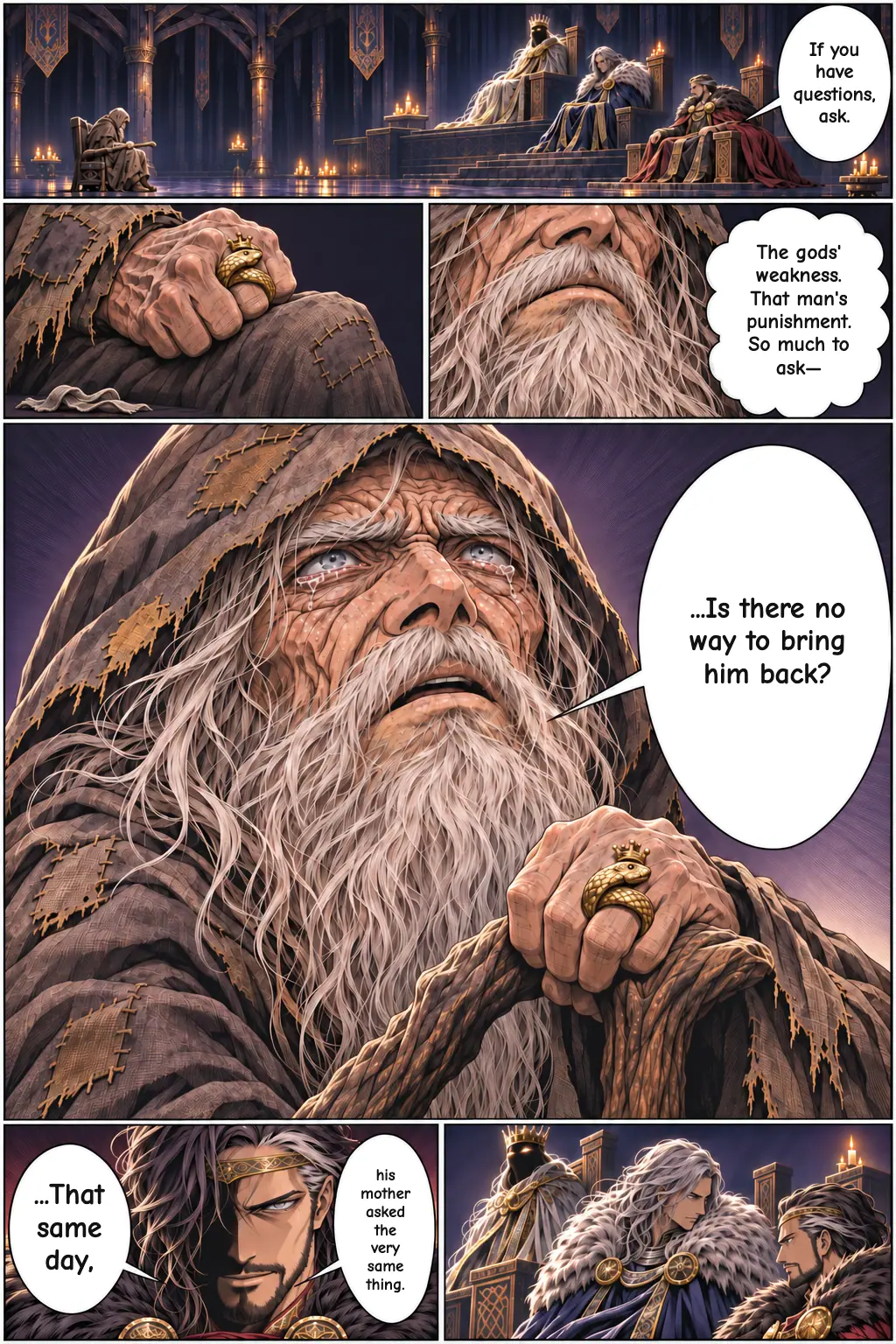
The closing scene, where Gangleri asks whether Baldr can be brought back, uses the story's frame as a cliffhanger. In Snorri's text the rescue attempt begins with Hermóðr before the funeral, and there is no such question from Gylfi at that point.
Where to Read It
If you want to see the oath, the game and that single sprig of mistletoe unfold scene by scene, read Episode 13 of NORSE MYTHOLOGY: The King Who Heard the End of the Gods here on Manga Portal. Every episode is free, with no sign-up, and the next one follows Hermóðr's ride to Hel.
Characters in this episode
Baldr
The radiant, beloved son of Odin and Frigg, protected by oaths from almost everything in the world.
Frigg
Baldr's mother, who gathers the world's oaths but skips the young mistletoe.
Loki
The trickster god, son of Laufey, who learns Frigg's secret in disguise and arranges Baldr's death.
Höðr
A blind god who, guided by Loki, shoots the mistletoe that kills Baldr.
Odin
Chief of the gods and Baldr's father, who grieves most deeply and places his ring Draupnir on the pyre.
Gangleri (King Gylfi)
A Swedish king in disguise who hears this story while questioning the mysterious figure High.
FAQ
How did Baldr die in Norse mythology?
Every thing in the world swore not to harm Baldr except the mistletoe, which Frigg thought too young to ask. Loki gave a sprig of it to the blind god Höðr and guided his aim, and it pierced and killed Baldr.
Why was mistletoe the only thing that could kill Baldr?
According to Snorri's Prose Edda, Frigg did not ask the mistletoe growing west of Valhalla for an oath because it seemed too young. Being the only thing that never swore, it was the only thing that could hurt him.
Why didn't the gods take revenge on Loki right away?
Baldr was killed at a sanctuary, a place where vengeance was forbidden, so the gods could only weep. Loki's punishment is told later in the Prose Edda.
Who was Höðr, and was he to blame?
Höðr was a blind god who stood outside the game because he could not see and had no weapon. Loki handed him the mistletoe and pointed his aim, so the plot was Loki's, even though Höðr's hand made the shot.
Where does the story of Baldr's death come from?
The fullest version is in Gylfaginning, part of the Prose Edda written by the Icelander Snorri Sturluson in the early 13th century. Older poems such as Völuspá refer to it, and Saxo Grammaticus records a different Danish version.