Episode 4The Baby Born With a Full Set of TeethThe Birth of Benkei and Mount Shosha
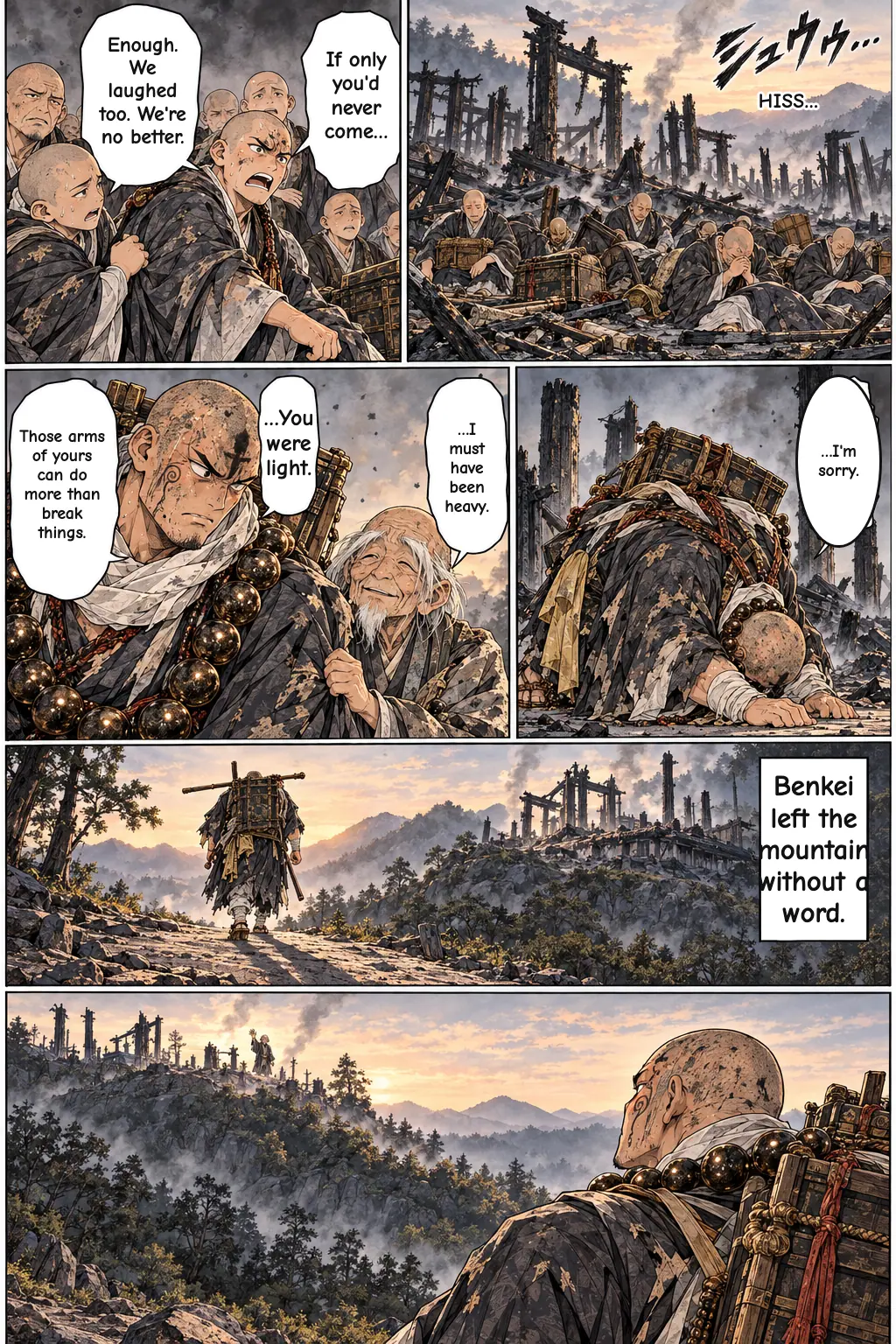
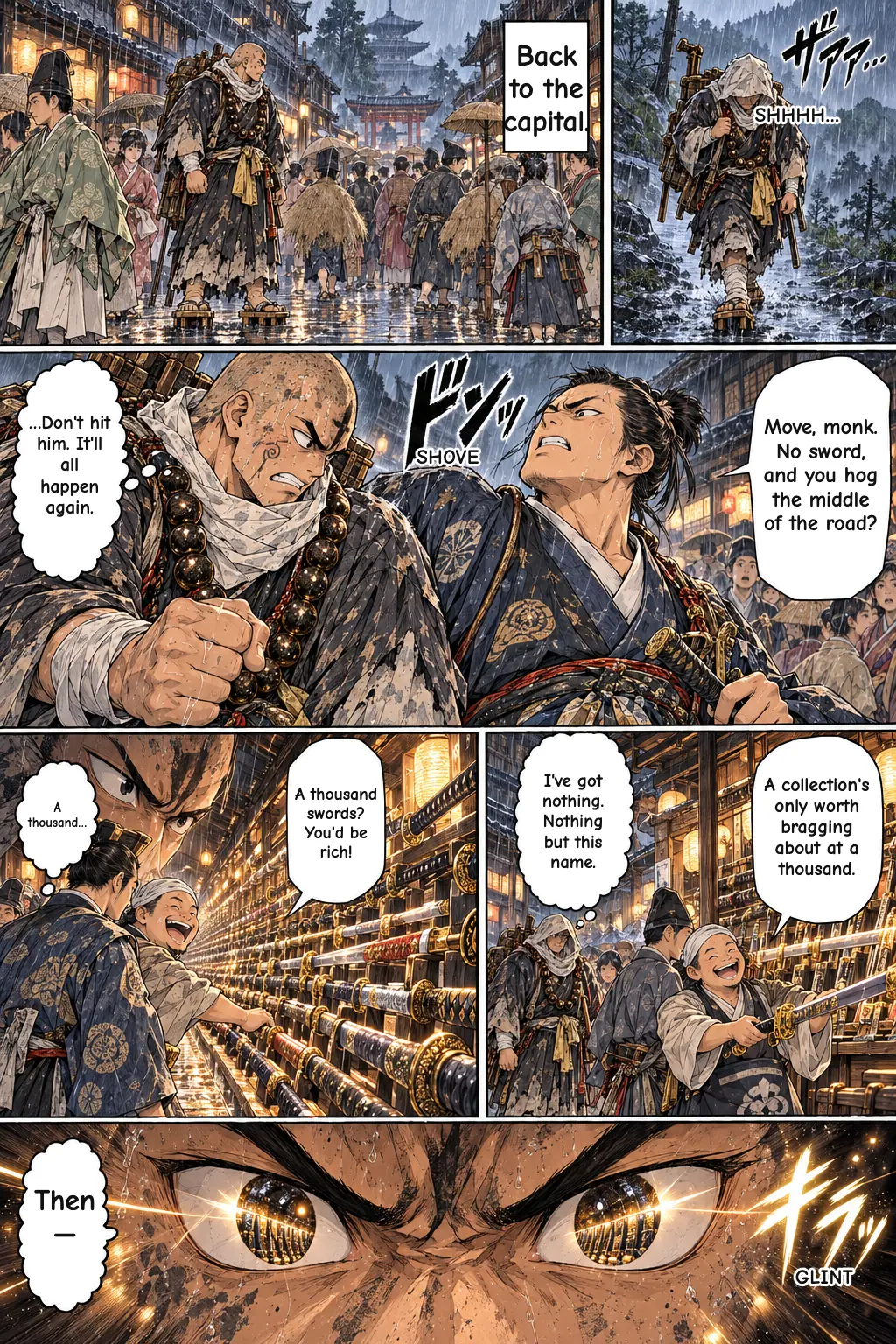
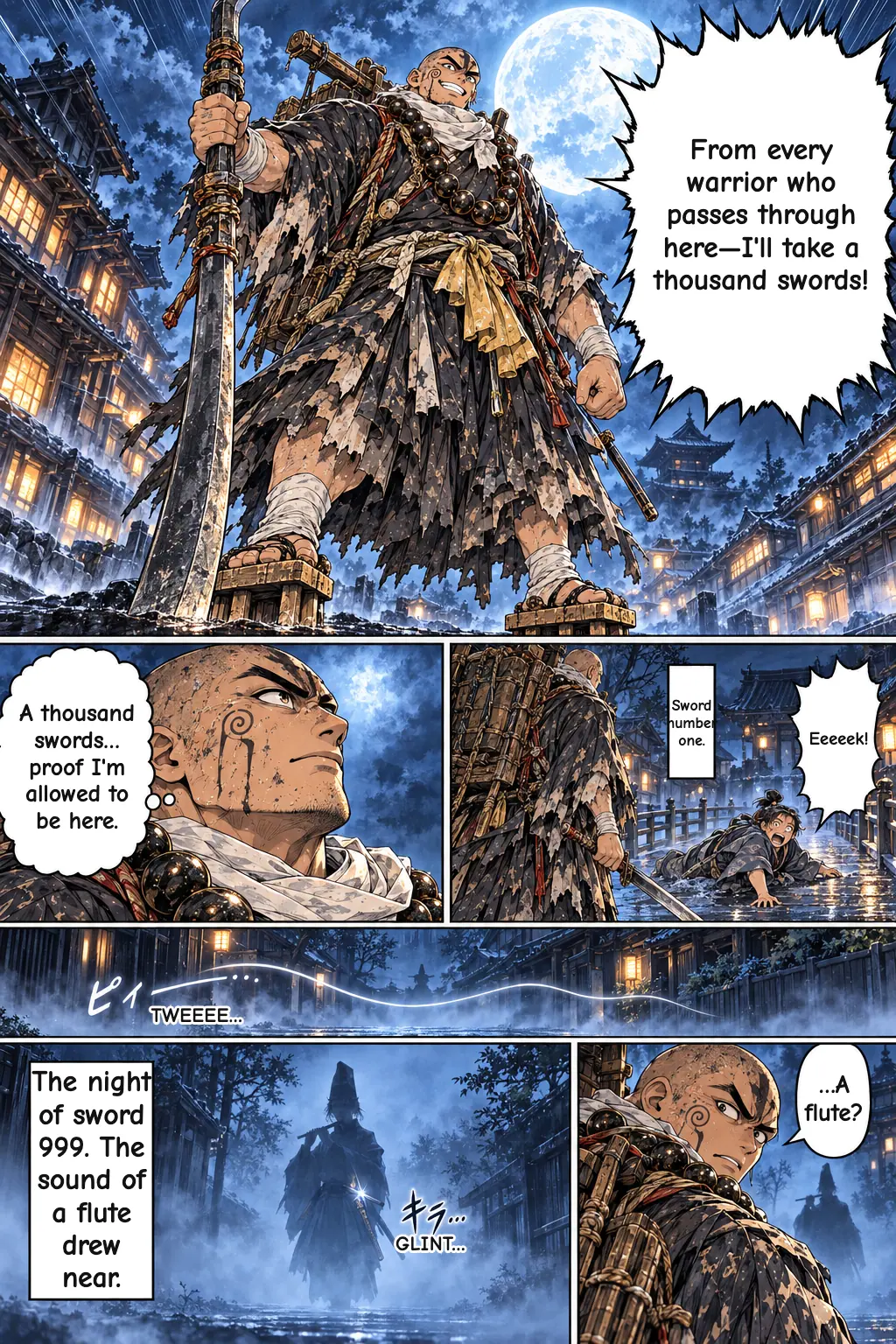
(19 pages). Born with a full set of teeth, a boy feared as a "demon child" is driven off Mount Hiei and names himself Musashibō Benkei. When he is mocked on Mount Shosha, his fury ends in a great fire. With nowhere left to belong, he vows to take a thousand swords from the warriors who pass through the capital.
Benkei's Birth and the Mount Shosha Fire: The Gikeiki Story Explained
The Original Story: How Benkei Was Born
The Gikeiki (roughly, "The Chronicle of Yoshitsune") is a Japanese war tale by an unknown author. It is generally thought to have taken shape in the early Muromachi period, around the late 14th or early 15th century. Most of it follows Minamoto no Yoshitsune, the brilliant and ill-fated samurai commander. In Book Three, however, it stops to explain where his most famous companion came from: Musashibō Benkei, the giant warrior monk.
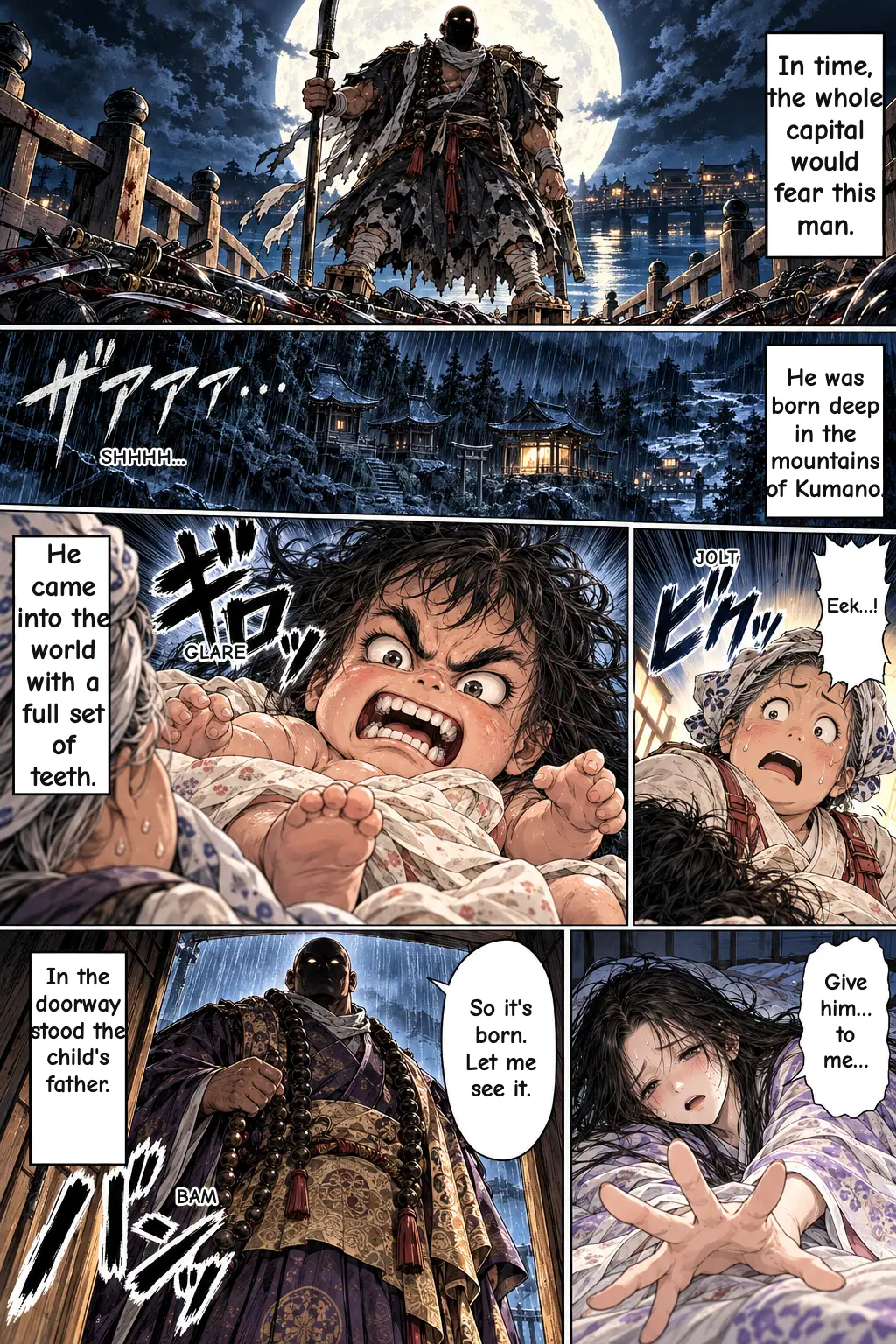
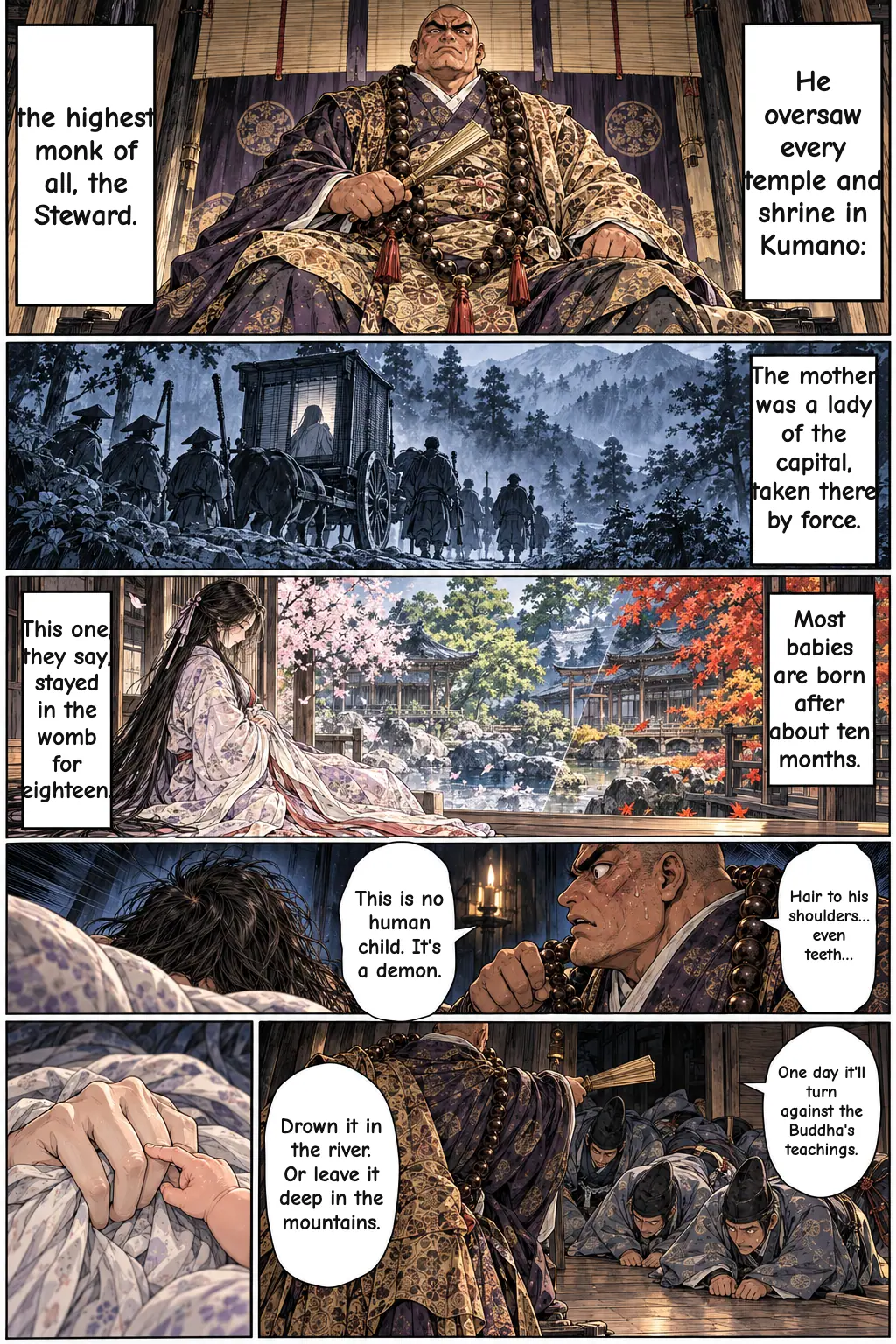
Benkei's father is the bettō (chief administrator) of Kumano, the great complex of shrines and temples in the mountains of Kii Province. The text calls this high-ranking monk Benshō and traces his family back to the Fujiwara court nobility. When the daughter of a nobleman of the Second Rank, a Dainagon (major counselor), comes to Kumano on pilgrimage, the bettō becomes infatuated with her. He takes her away by force and makes her his wife. The chapter title calls this his "misconduct."
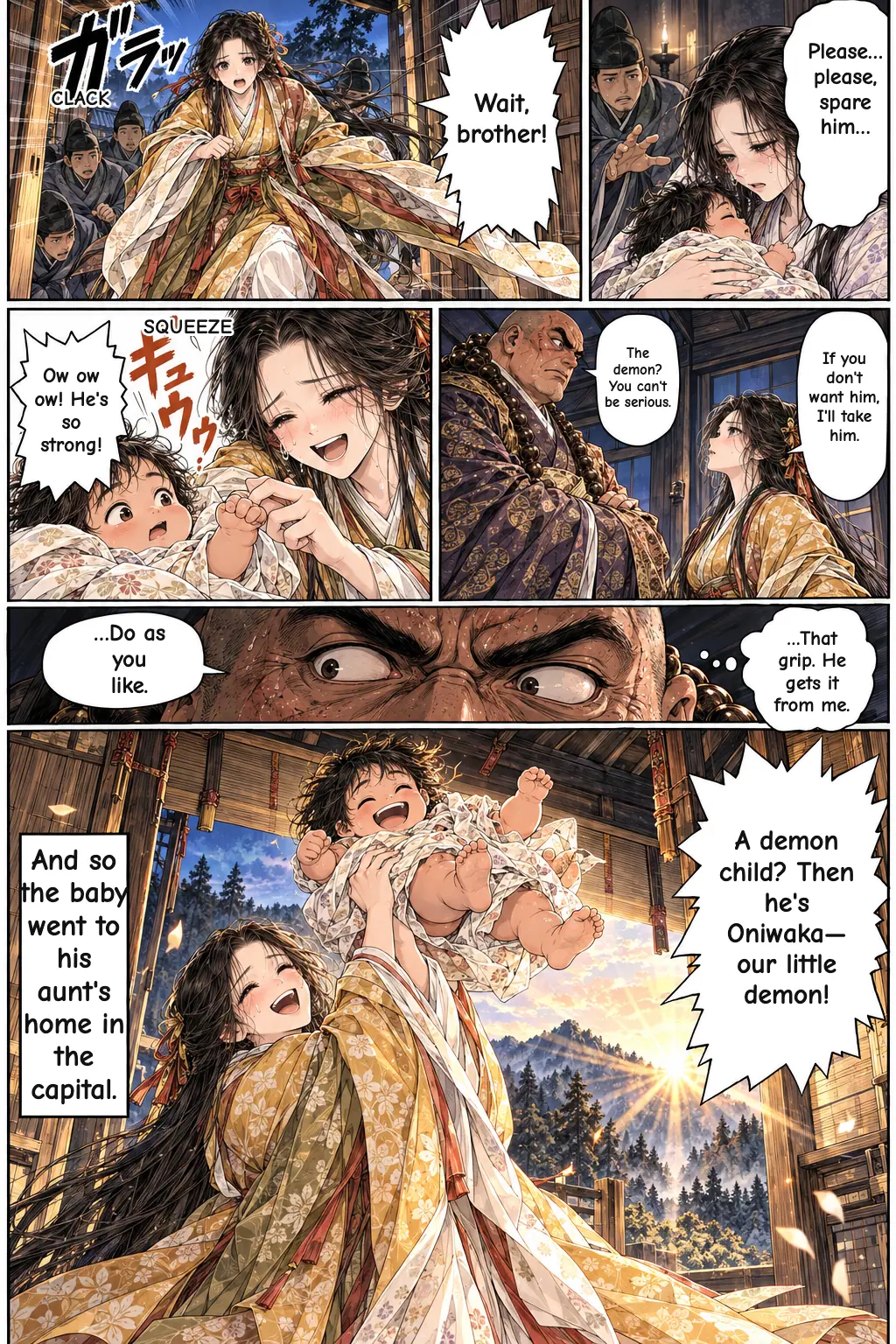
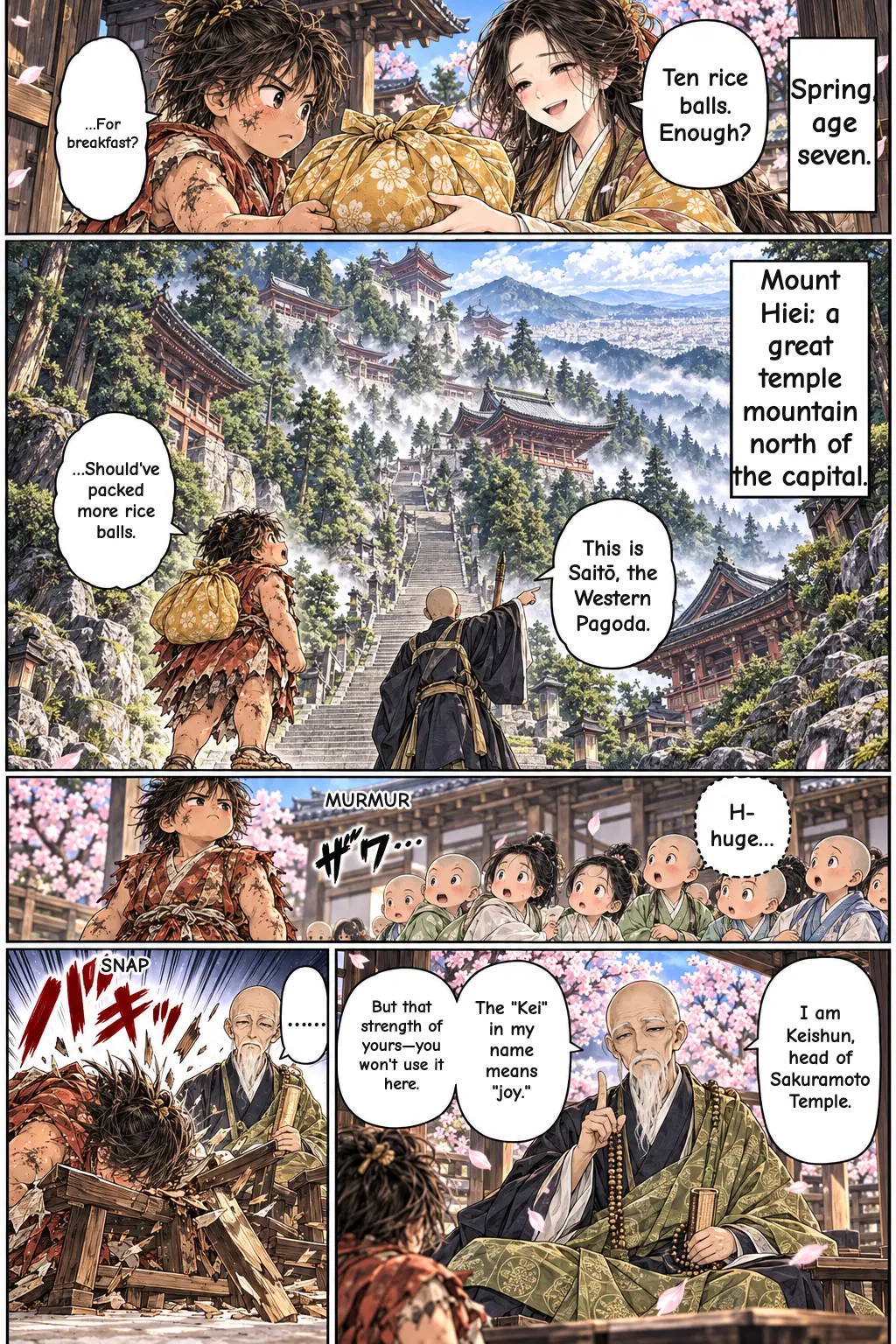
She becomes pregnant, but the child stays in the womb for eighteen months, about twice as long as normal. At birth, his hair already hangs past his shoulders and his large back teeth and front teeth have all come in. Horrified, the father declares the baby a demon who will grow up to become an enemy of the Buddhist Law. He orders the child drowned or killed deep in the mountains. The bettō's sister steps in. She is the wife of a Kyoto nobleman, identified as Yamanoi no Sanmi. She asks to take the baby, raises him in the capital, and names him Oniwaka, meaning "demon youth."
From Mount Hiei to Mount Shosha: A New Name and a Great Fire
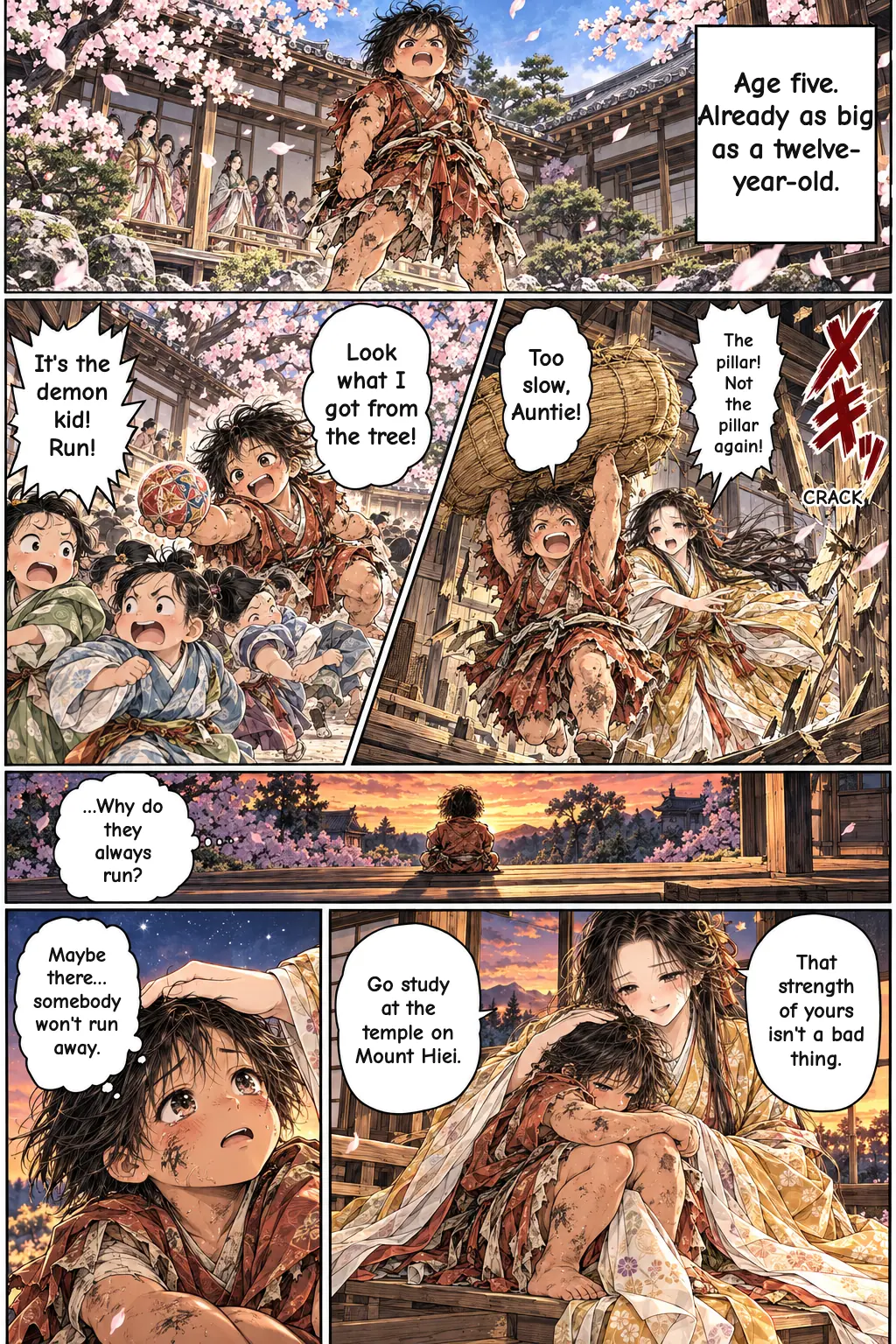
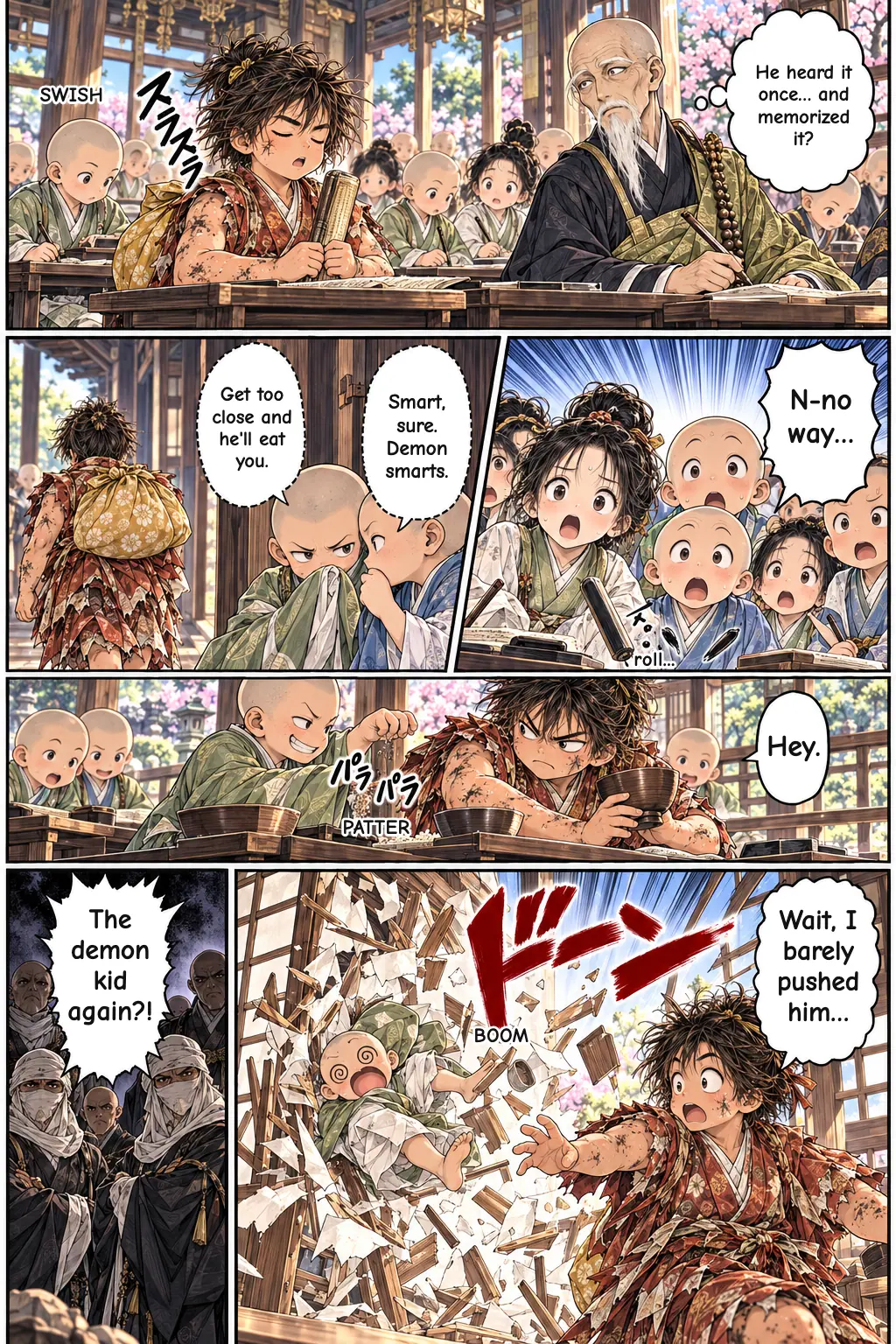
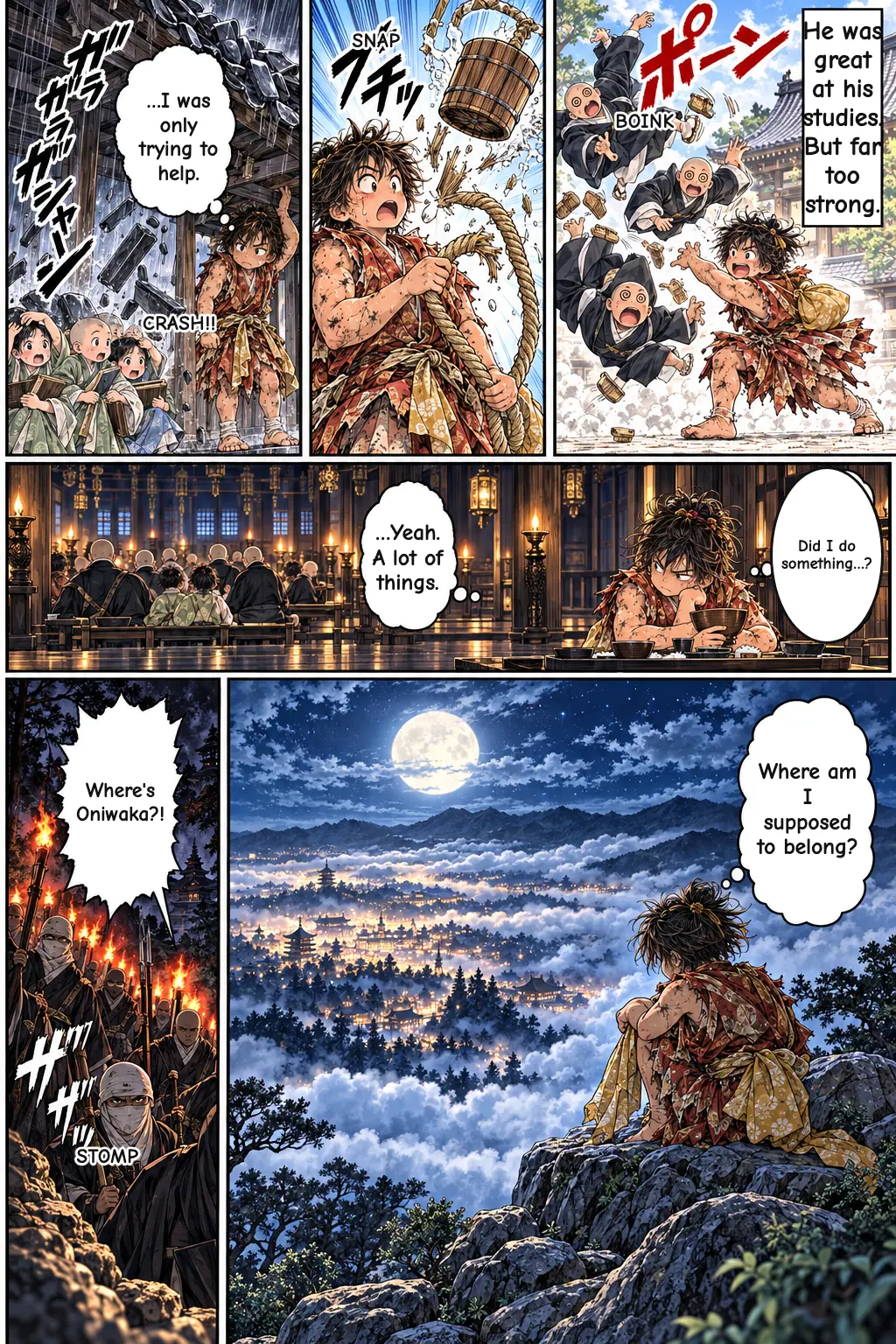
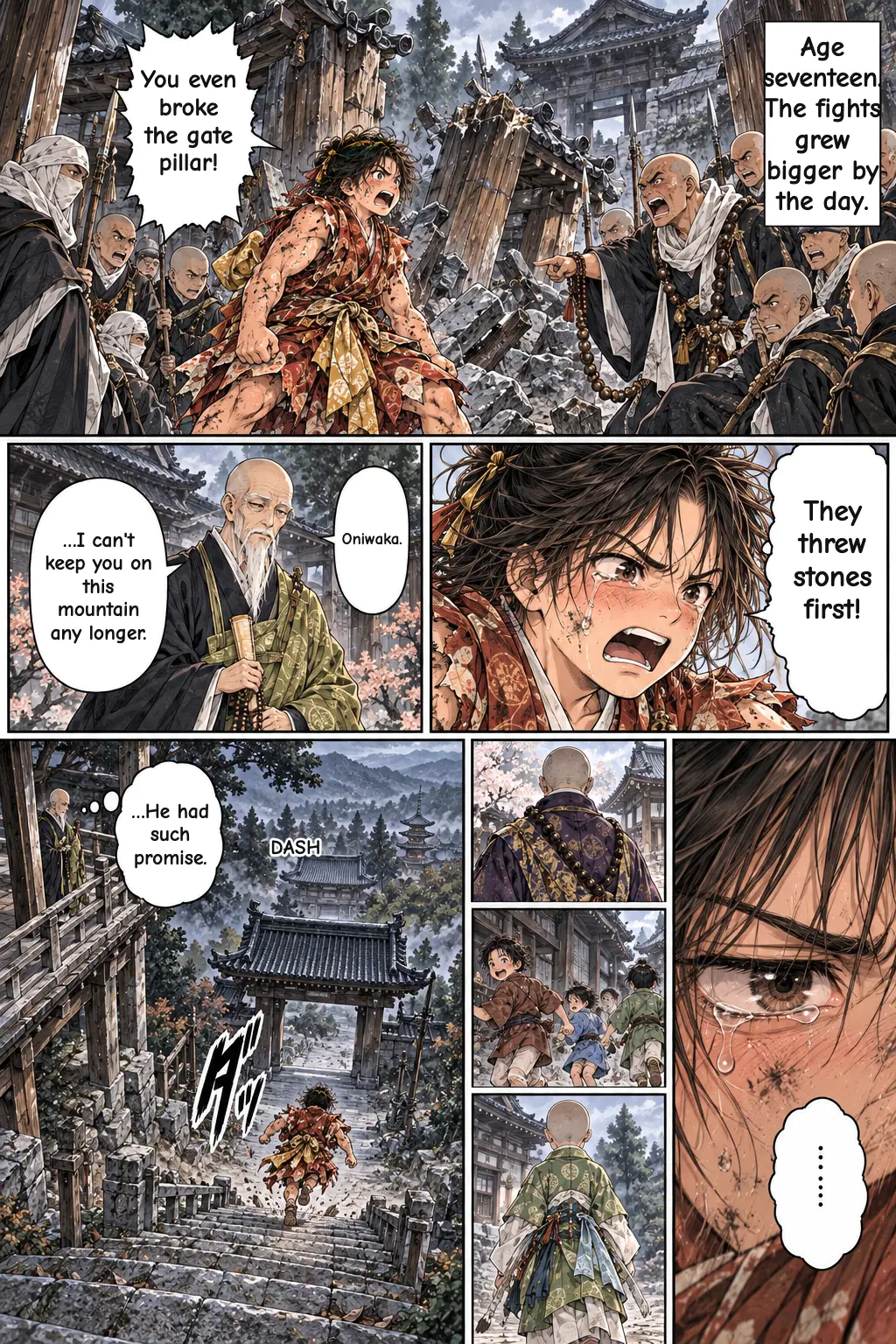
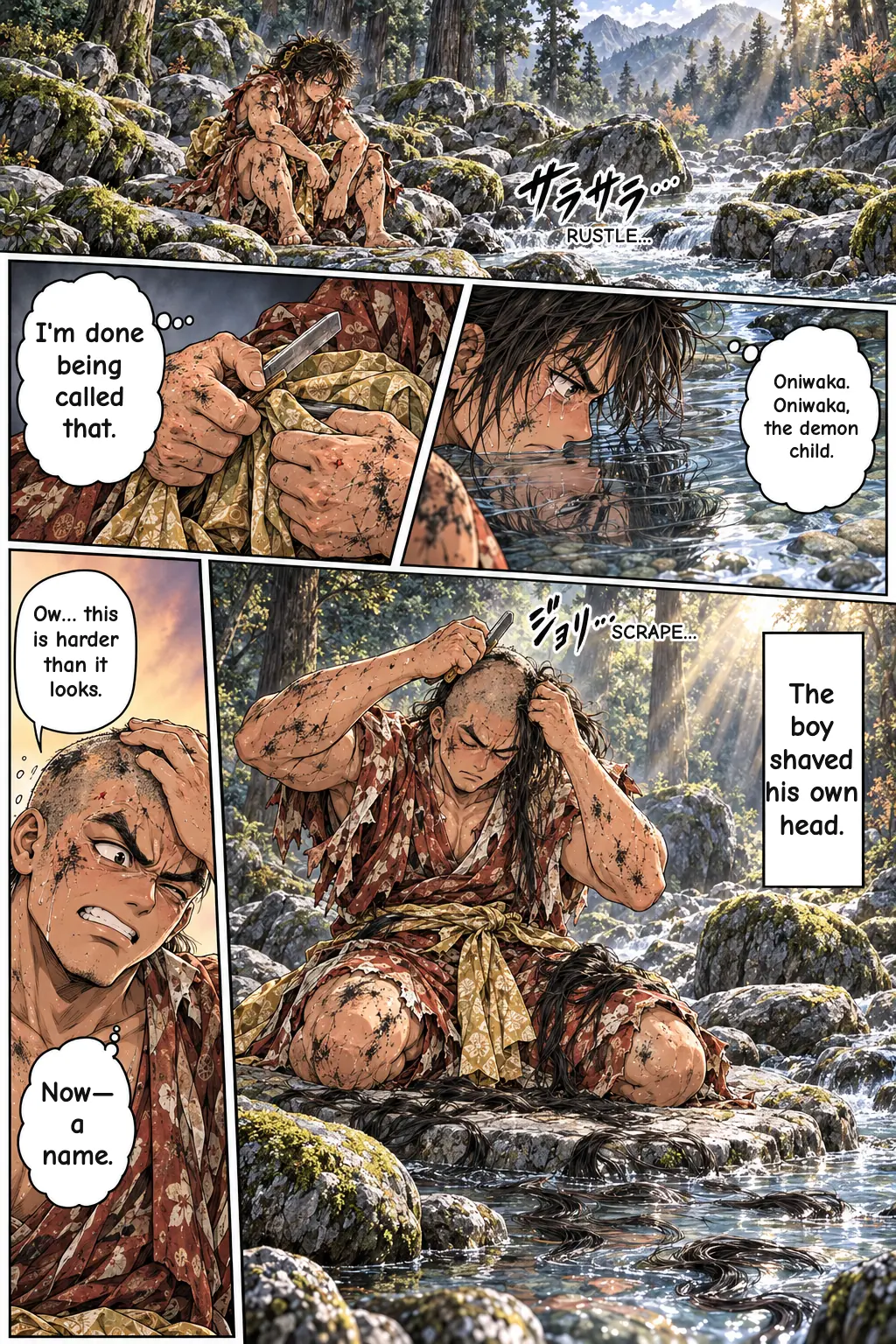
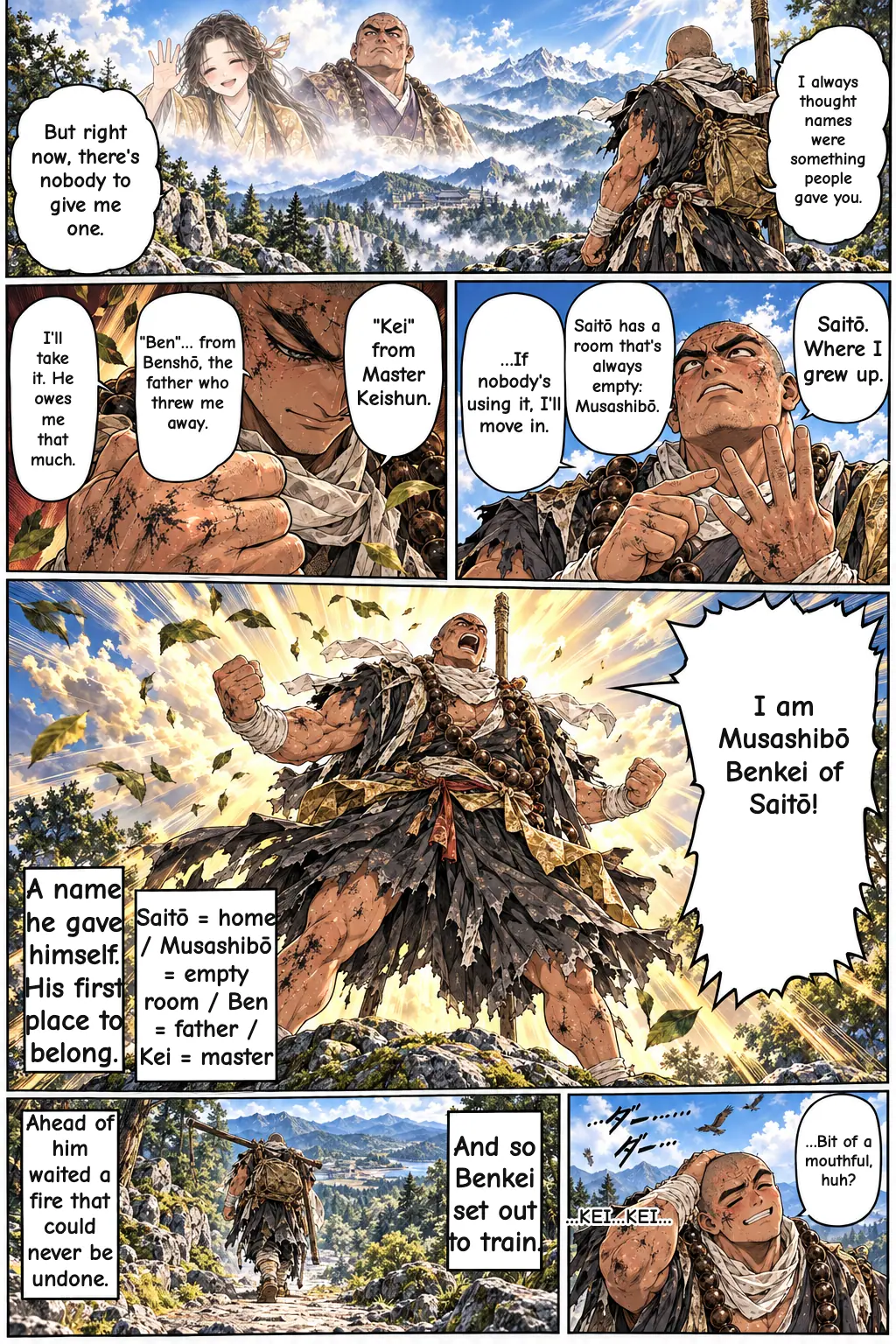
Oniwaka grows unusually large for his age, and his hair is left wild. His aunt sends him to the Saitō (Western Pagoda) area of Mount Hiei, the headquarters of Tendai Buddhism outside Kyoto, to study under a teacher called Sakuramoto no Sōjō. He turns out to be a capable student. Even so, his strength and violent temper set him against the other monks and temple boys again and again, until he can no longer stay on the mountain. He shaves his own head and gives himself a name: Musashibō Benkei of Saitō. Then he sets out to wander the provinces as a traveling monk.
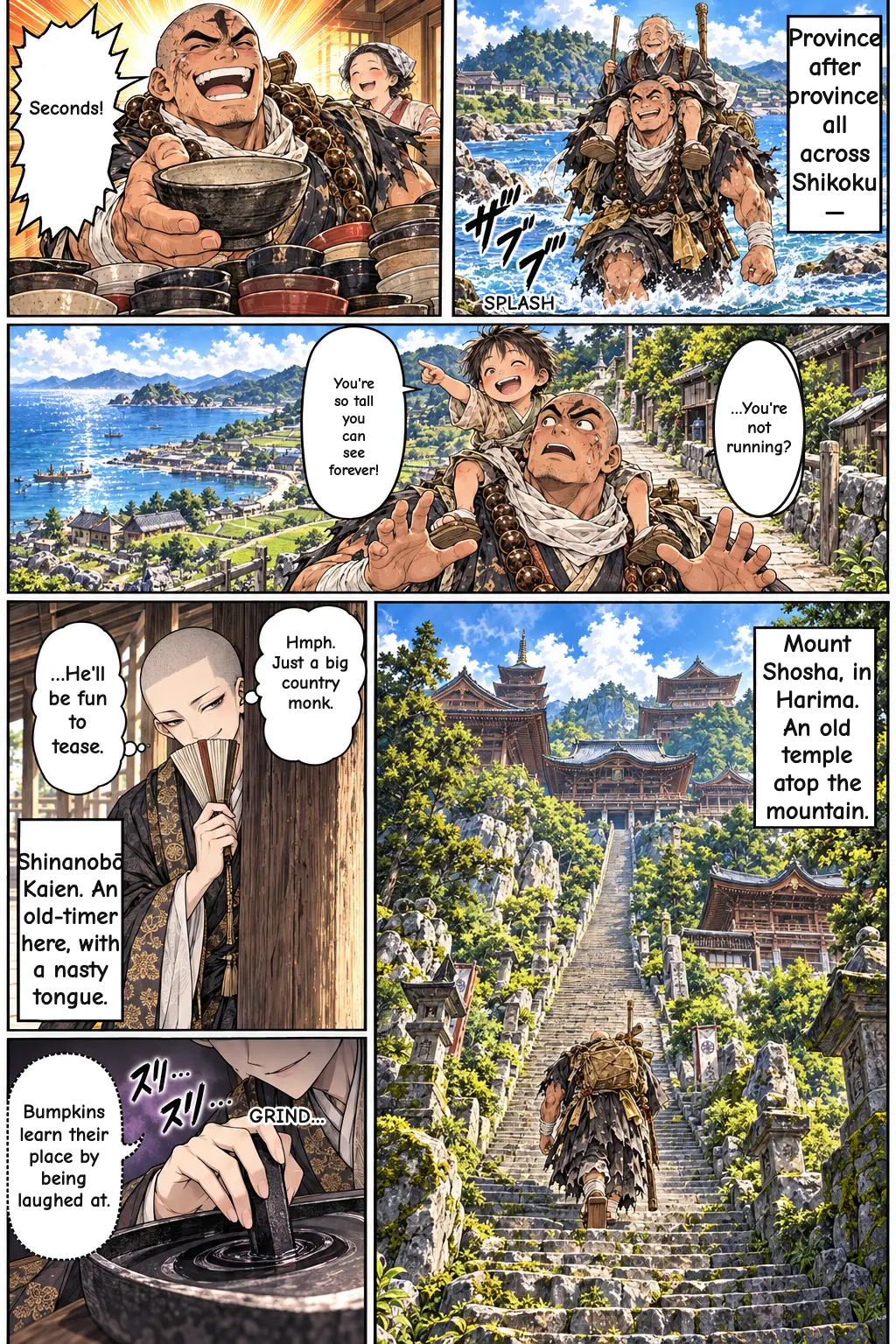
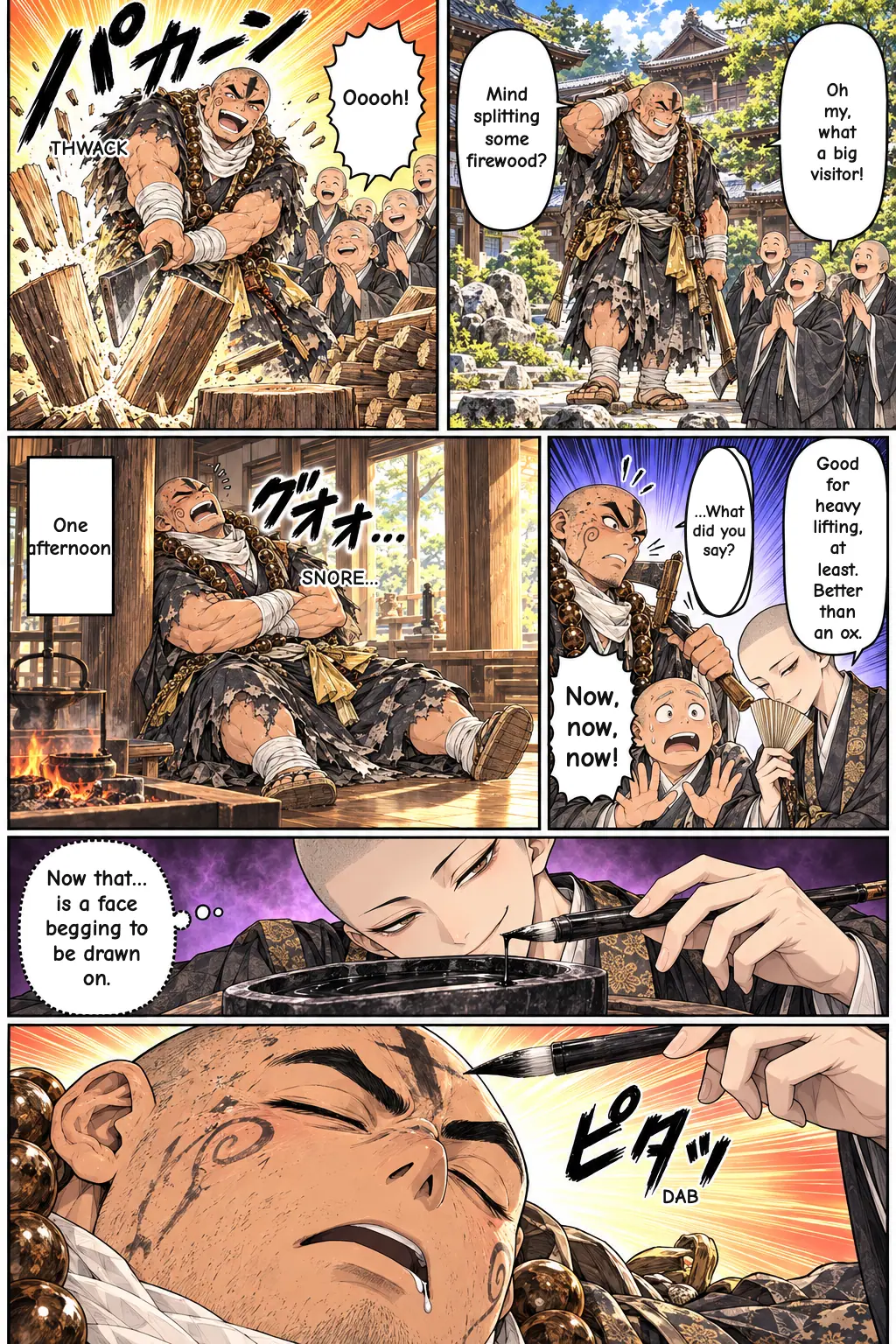
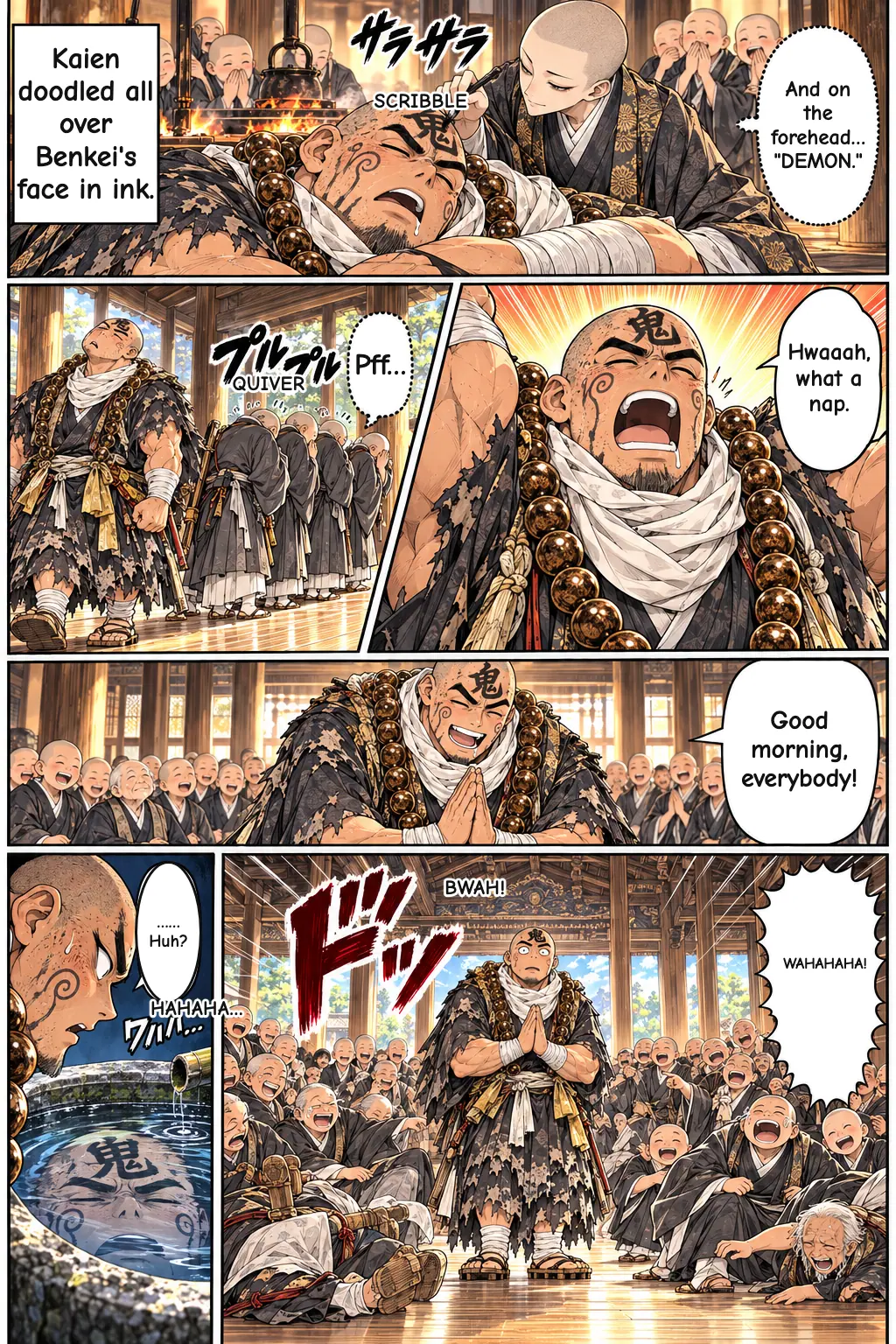
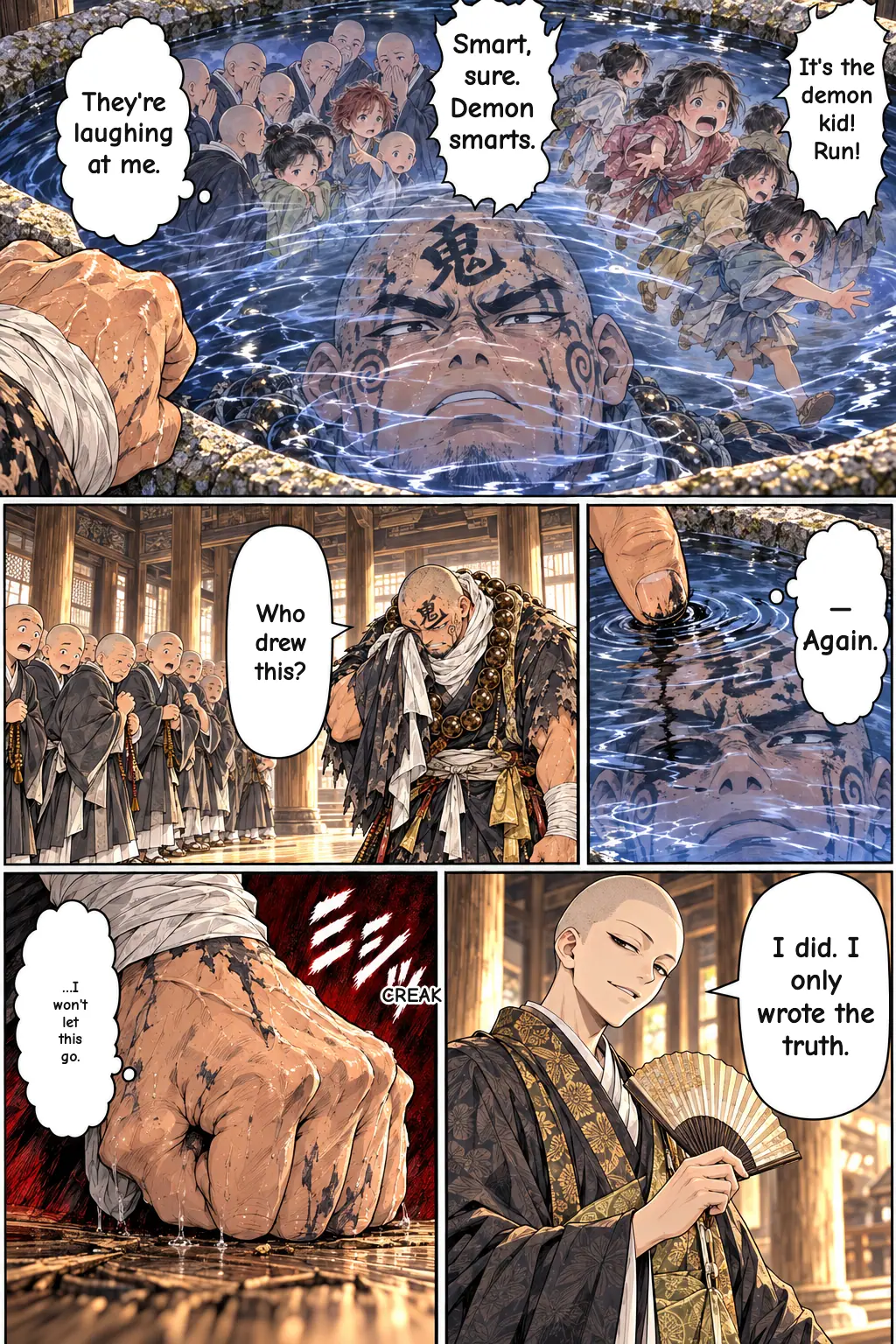
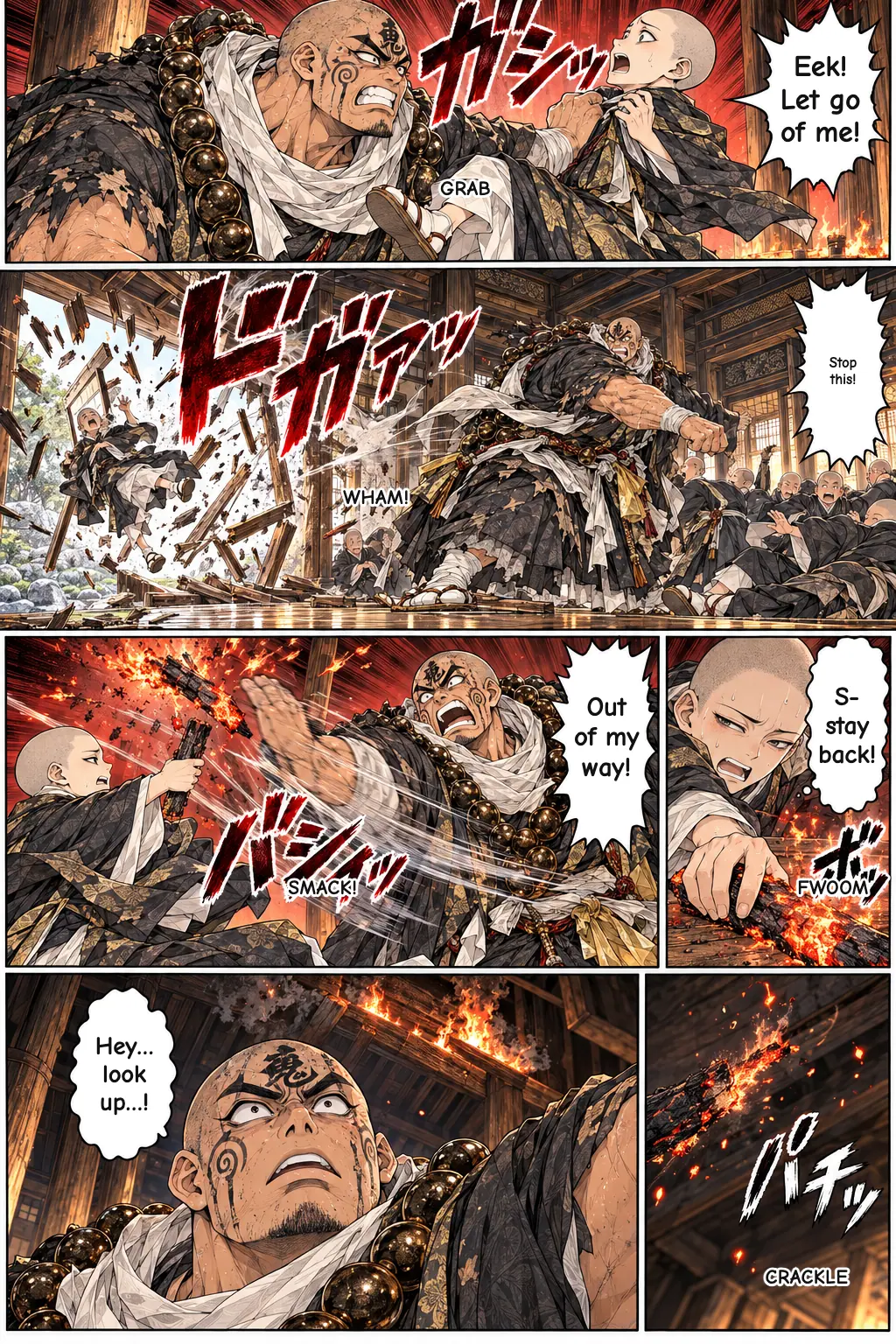
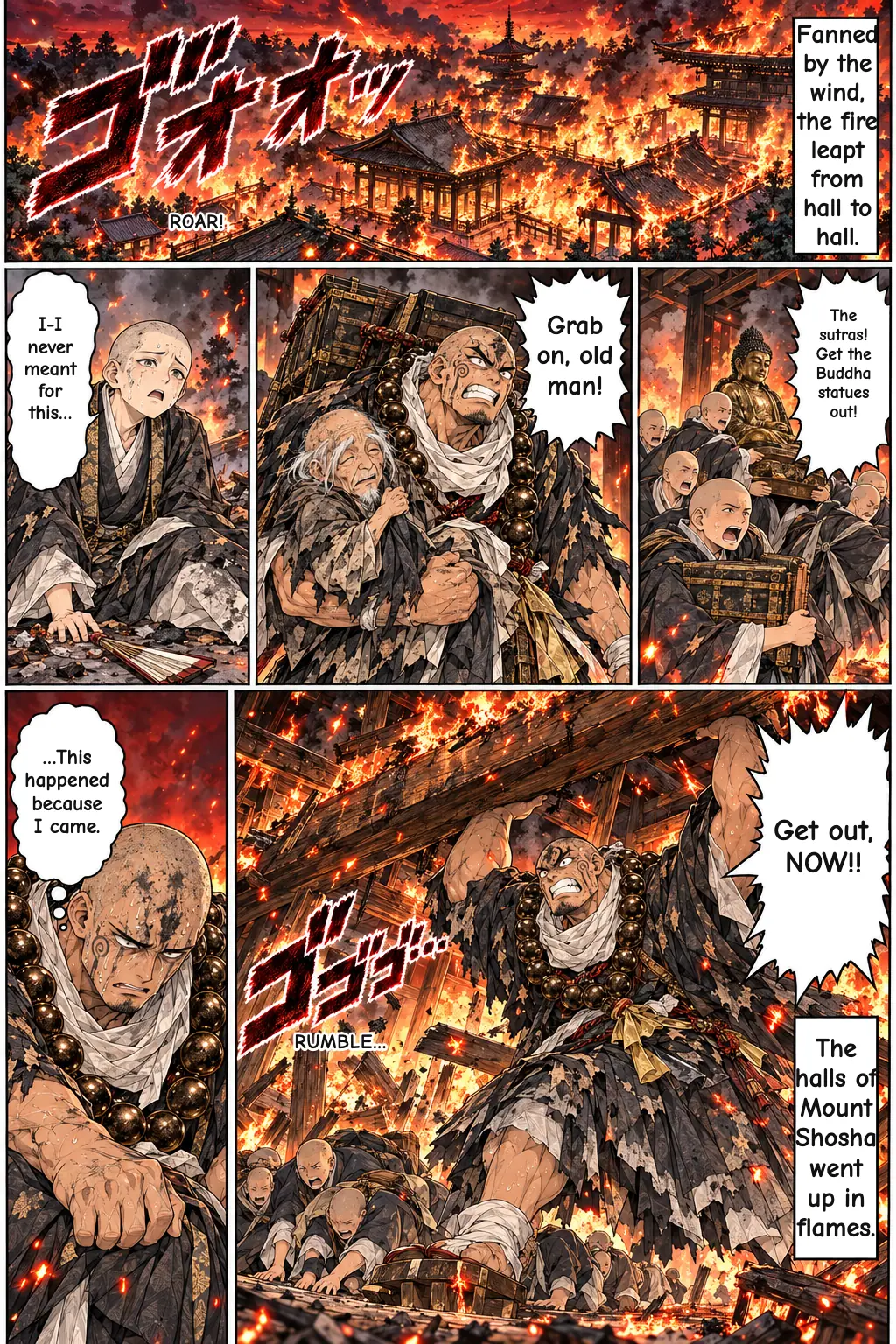
After his travels, Benkei arrives at Mount Shosha in Harima Province, near present-day Himeji, which was home to a long-established temple. The resident monks dislike the rough newcomer. While he is dozing, a monk named Shinanobō Kaien uses ink to scribble on his face. Benkei walks into a crowd without knowing, and everyone laughs at him. When he finds out why, he flies into a rage, and a brawl with Kaien breaks out. During the fight, burning firewood sets the buildings alight, and the temple halls of Mount Shosha go up in flames.
Benkei leaves for the capital. There, at the start of the next chapter, he reasons that true treasures are collected in sets of a thousand. He resolves to gather a thousand swords by taking them from the men who pass through the city. That vow sets up his famous meeting with the young Yoshitsune, who is still known by his childhood name, Ushiwaka.
What the Legend Tells Us: Omens, Monks, and Medieval Japan
In many legends, a strange birth marks a child as special. Here, the long pregnancy, the full head of hair, and the teeth are read as signs of a demon. The story plays with that fear. The child his father thought would destroy Buddhism becomes a monk, and in later chapters he becomes Yoshitsune's most loyal retainer. The "demon" turns out to be a guardian.
The setting also reflects real history. Kumano, Mount Hiei, and Mount Shosha were powerful religious institutions, and armed monks were a familiar sight in Heian and Kamakura Japan. A man named Benkei does appear briefly in historical records among Yoshitsune's followers. However, almost everything people remember about him, including this childhood, comes from literature such as the Gikeiki and from later plays and stories.
Some popular versions differ from the Gikeiki. The well-known duel between Benkei and Ushiwaka on Gojō Bridge comes from later songs and storybooks. In the Gikeiki, the two meet at Gojō Tenjin shrine and Kiyomizu temple instead. Tanabe in Wakayama also has a local tradition that Benkei was born there, but that tradition is separate from the Gikeiki's account.
What the Manga Changes and Adds
Episode 4 keeps the original sequence of events: the fearsome birth, rescue by his aunt, expulsion from Mount Hiei, the name he chooses for himself, the ink prank while he sleeps, the brawl, the fire, and the vow of a thousand swords. Because the Gikeiki describes actions but rarely feelings, the manga fills in the emotional side.
The following parts are the manga's own additions: scenes of Oniwaka's childhood in his aunt's home and the affection between them; the specific quarrels on Mount Hiei and the loneliness behind them; Benkei's inner monologue as he shaves his head and picks his name; small episodes on his travels; the comic staging of the ink prank, with Benkei wandering about unaware while others try not to laugh; and his regret and confusion after the fire. His mother hardly speaks in the original, so her quiet expressions in the manga are also a gentle invention.
Where to Read It
If you would like to see this story told in pictures, "THE LEGEND OF YOSHITSUNE: Ushiwaka and Benkei" on Manga Portal follows the Gikeiki closely, and Episode 4 covers Benkei's birth and the Mount Shosha fire in 19 pages. Every episode is free to read, and you do not need to sign up. Read it here, then continue to the next episode to see what happens when Benkei sets out to collect his thousand swords.
Characters in this episode
Oniwaka / Musashibō Benkei
Born after eighteen months in the womb with long hair and a full set of teeth, he is feared as a demon child and grows into a huge, hot-tempered monk who gives himself his own name.
The Bettō of Kumano (Benshō)
Benkei's father, a powerful monk-administrator of Kumano, who takes a noblewoman by force and later orders his strange newborn son killed.
The Dainagon's Daughter
Benkei's mother, a Kyoto noblewoman carried off during a pilgrimage to Kumano, who barely speaks in the original text.
Benkei's Aunt
The bettō's sister and wife of a Kyoto noble, who saves the baby, names him Oniwaka, and sends him to Mount Hiei.
Sakuramoto no Sōjō
Oniwaka's teacher at the Saitō area of Mount Hiei, named in the story but hardly described.
Shinanobō Kaien
A monk of Mount Shosha who scribbles on the sleeping Benkei's face with ink, starting the brawl that leads to the fire.
FAQ
Why was Benkei called a demon child?
According to the Gikeiki, he stayed in his mother's womb for eighteen months and was born with long hair and a full set of large teeth. His father took these as signs of a demon who would become an enemy of Buddhism, and he ordered the baby killed. His aunt saved him and named him Oniwaka, meaning "demon youth."
How did Benkei get his name?
After his violent behavior forced him to leave Mount Hiei, he shaved his own head and called himself Musashibō Benkei of Saitō, after the part of Mount Hiei where he had studied. In the Gikeiki, the name is one he chose for himself rather than one he was given.
Did Benkei burn down Mount Shosha?
In the Gikeiki, the fire grows out of a brawl. A monk named Kaien drew on Benkei's face with ink while he slept, Benkei was laughed at and fought back, and burning firewood from the fight spread flames to the temple buildings. Retellings differ on how much of the blame falls on Benkei himself.
Why did Benkei want to collect 1,000 swords?
After arriving in Kyoto, he reasoned that true treasures come in sets of a thousand, so he decided to take a thousand swords from the warriors who passed through the city. This vow is what leads him to the young Yoshitsune (Ushiwaka).
Did Benkei and Yoshitsune really meet on Gojō Bridge?
The famous Gojō Bridge duel comes from later songs and storybooks. In the Gikeiki, Benkei meets Ushiwaka at Gojō Tenjin shrine and then at Kiyomizu temple.