Episode 1He Hurled Incense at His Father's FuneralThe Great Fool of Owari
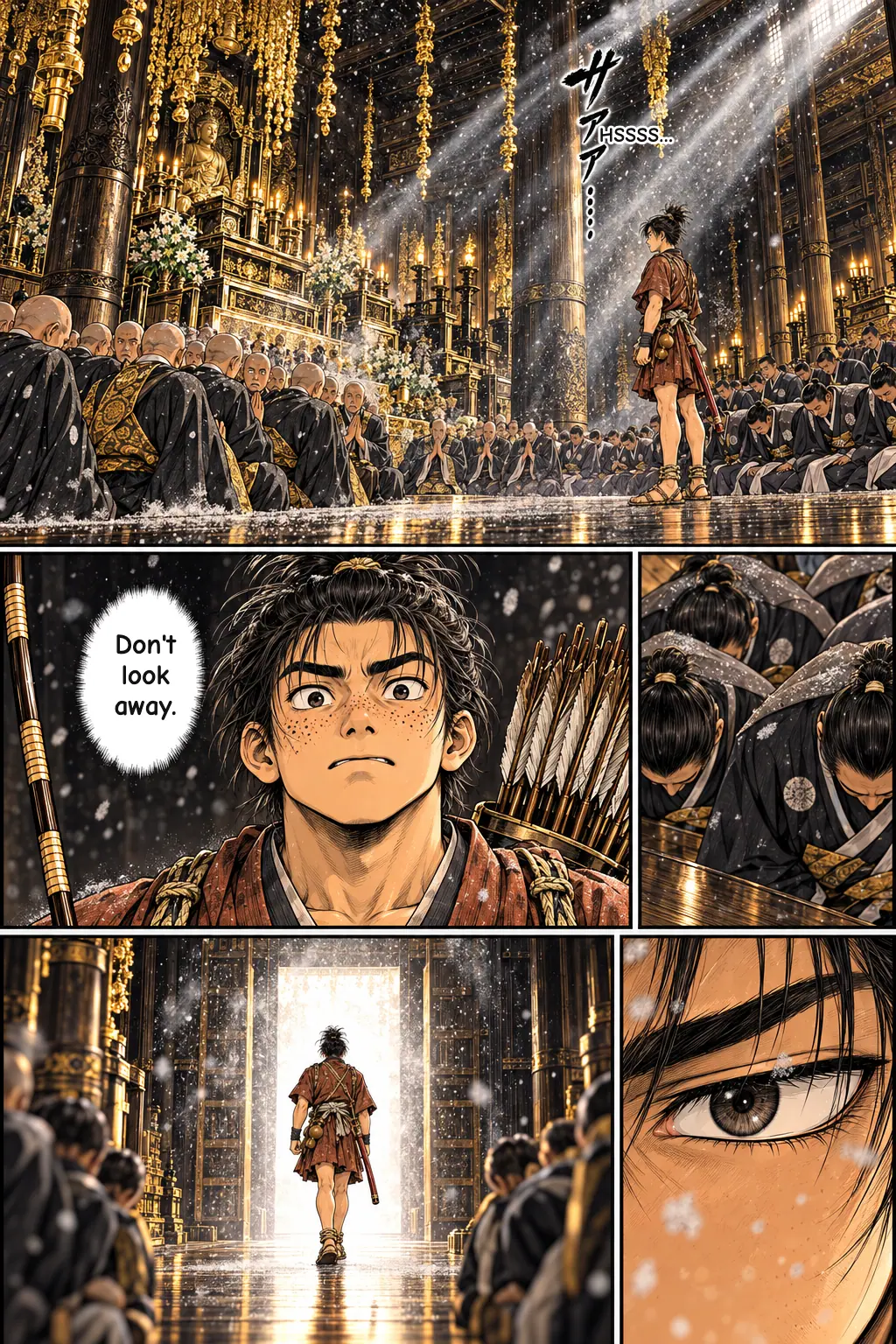
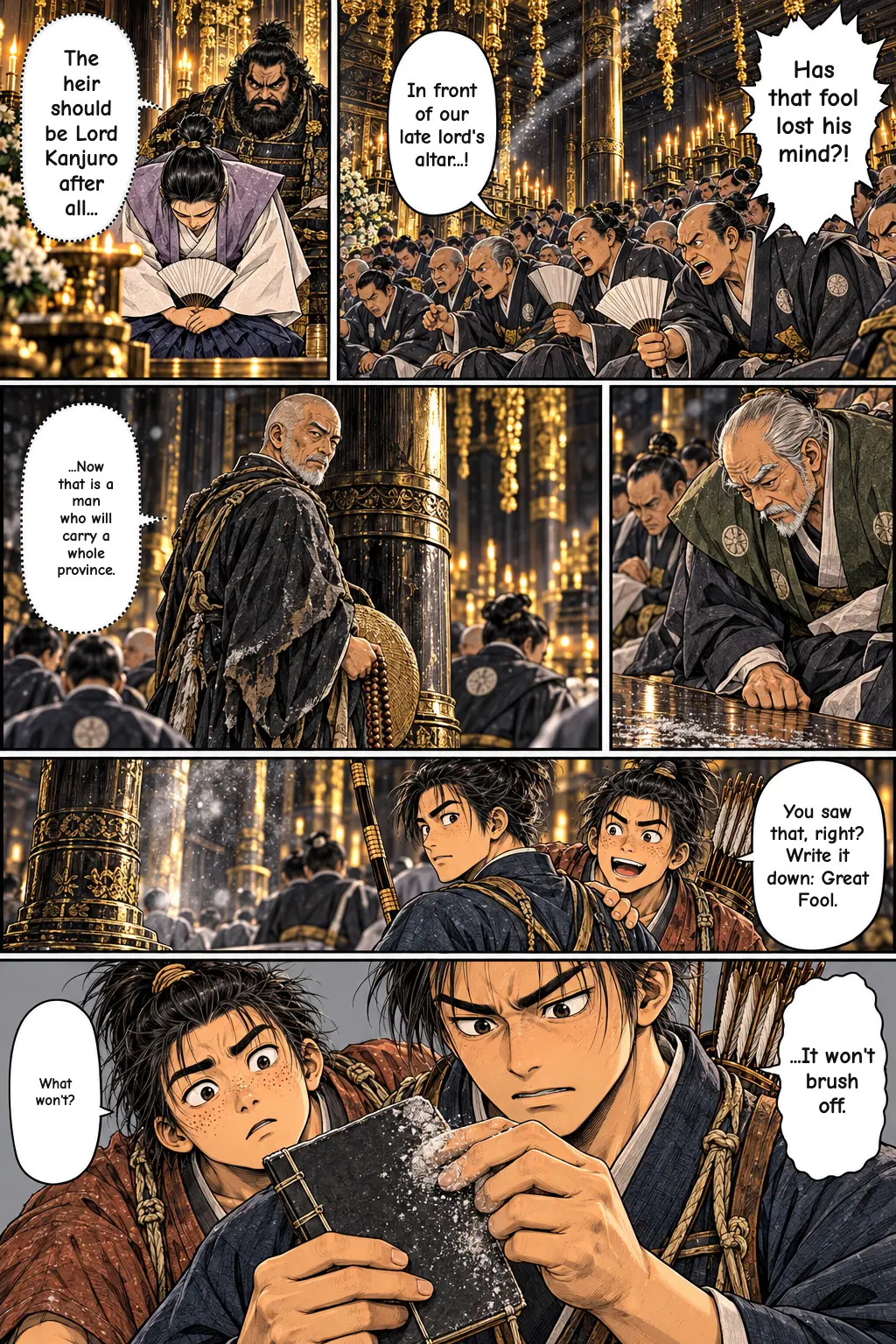
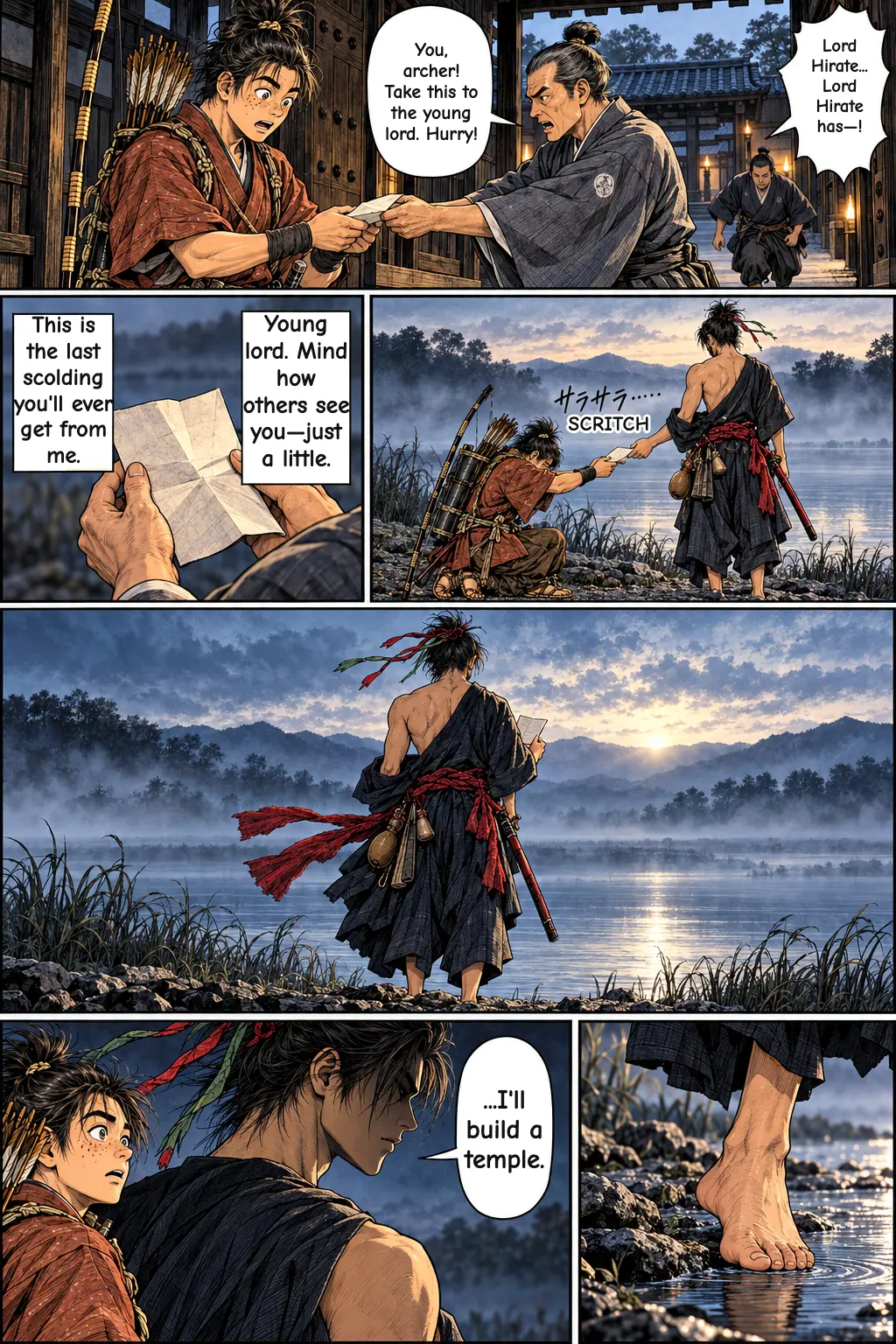
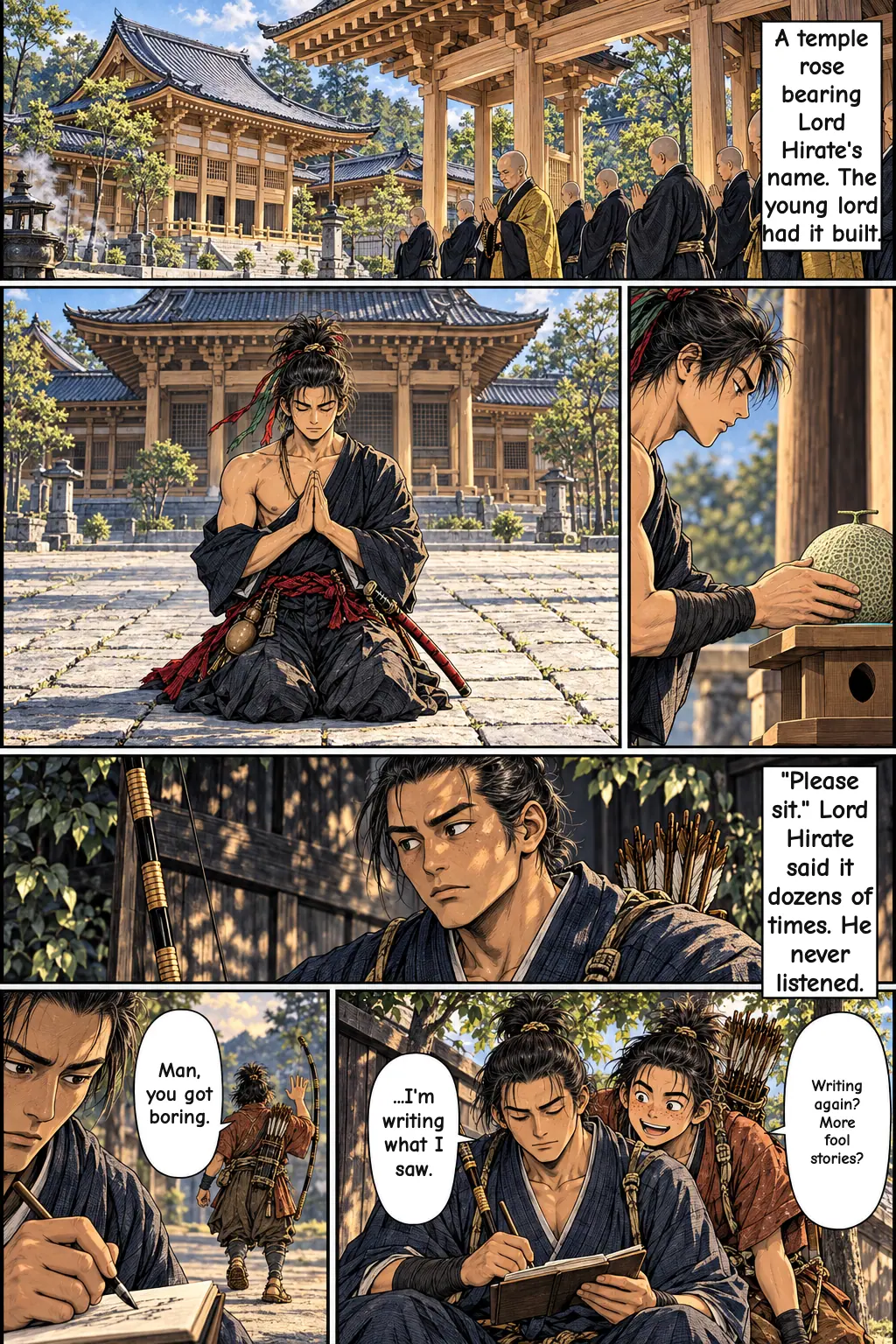
The whole town laughs at the young lord they call the Great Fool. But one young archer, Ota Gyuichi, sees what nobody else does: the young lord training alone at dawn. At his father's funeral, the young lord hurls incense at the altar. Then his guardian, Hirate Masahide, takes his own life. In Episode 1, what was the first thing the chronicler wrote down?
Get new episodes in your feed. Follow us on:ThreadsBluesky
Story summary
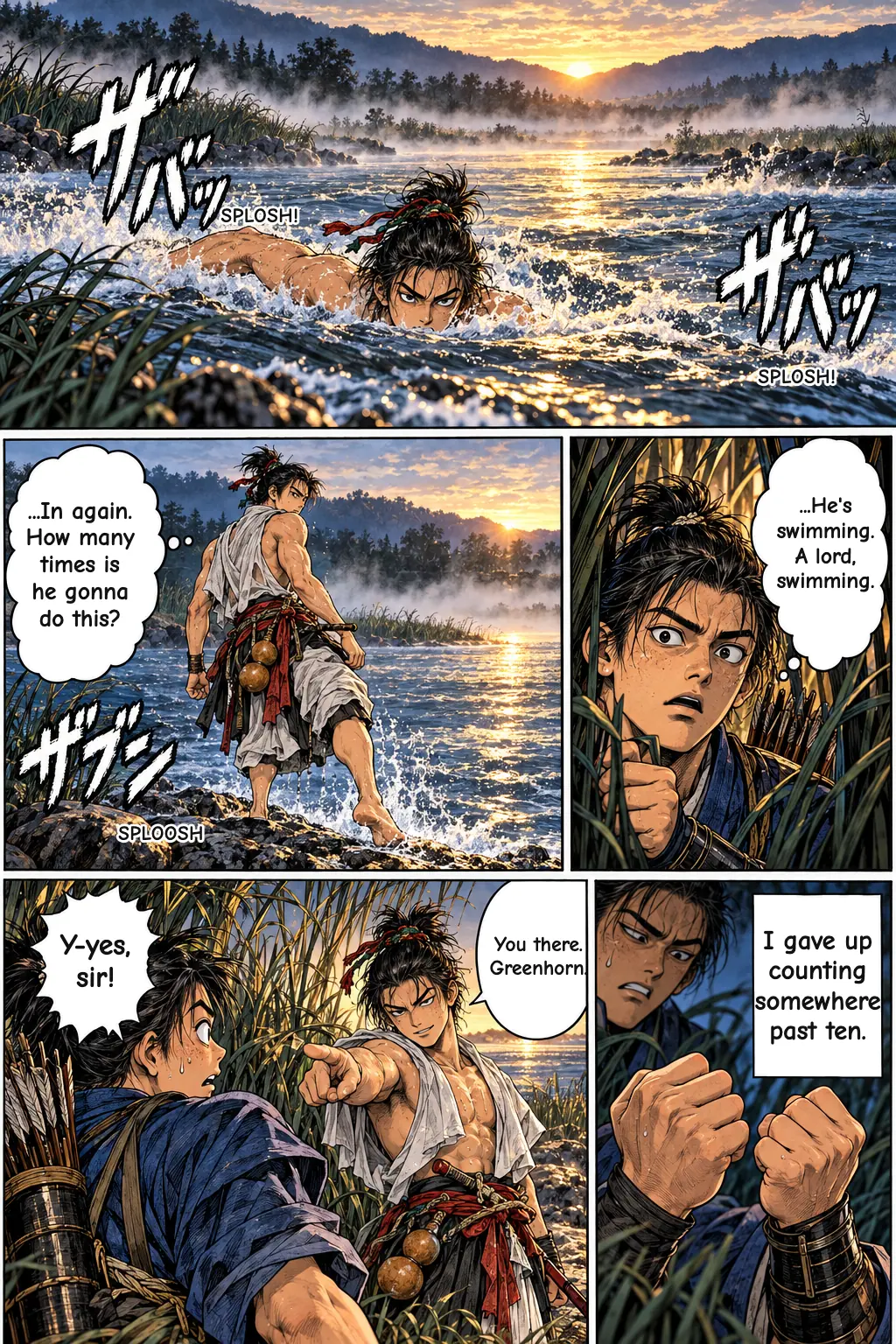
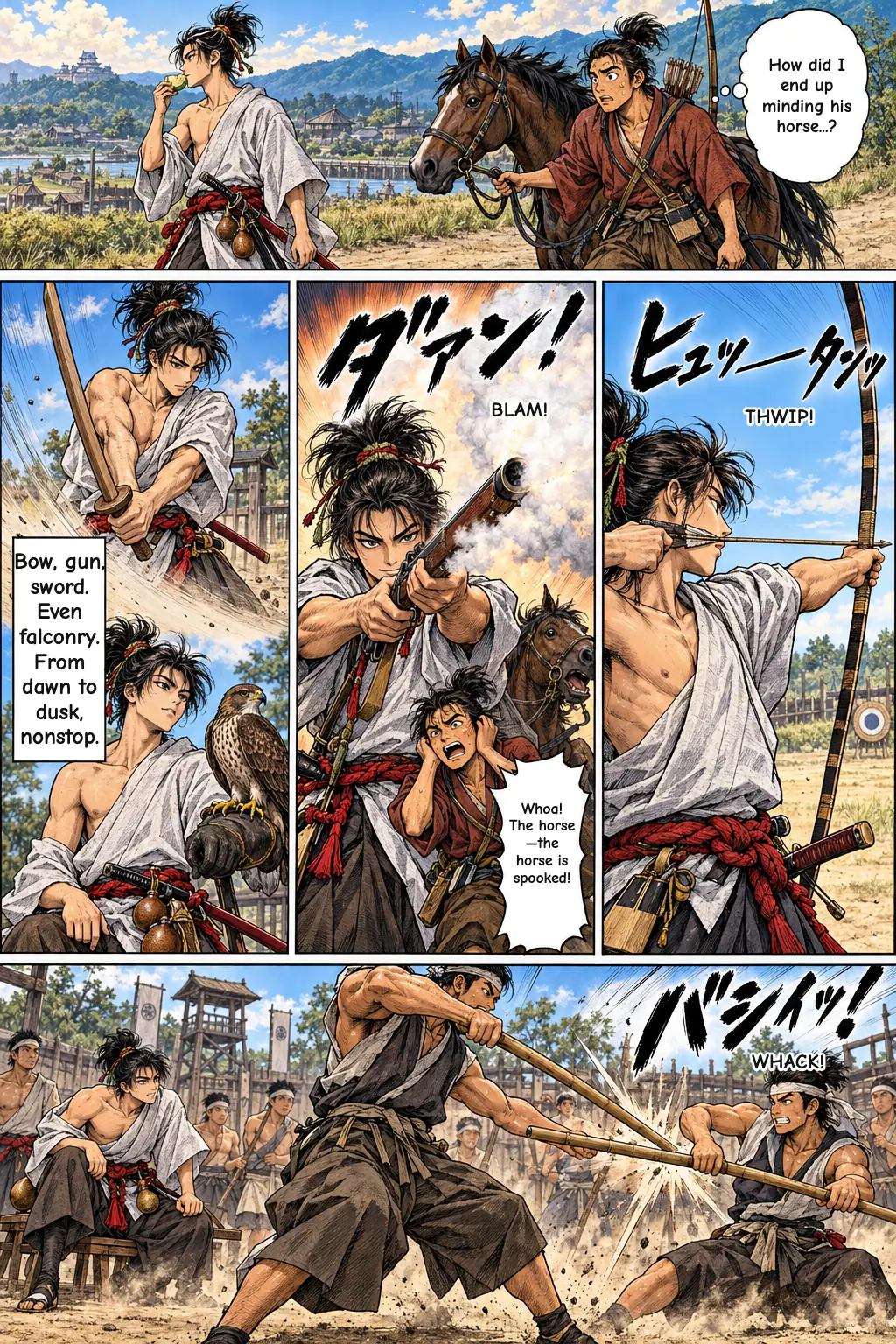
Oda Nobunaga (1534–1582) later became the most feared warlord of Japan's Warring States period. The Shinchō Kōki ("The Chronicle of Lord Nobunaga") begins with his teenage years in Owari Province, near today's Nagoya. Its picture of him is a strange mix of discipline and bad manners. Until about the age of sixteen to eighteen, the chronicle says, Nobunaga had no time for ordinary amusements. He rode horses morning and evening and swam in the river from spring to autumn. He studied archery, firearms and military strategy under named teachers, and he went falconing.
Oda Nobunaga, the "Great Fool of Owari": The Incense at His Father's Funeral Explained
In short: "The Great Fool of Owari" is the story of young Oda Nobunaga, a teenage lord who dressed outrageously and ate in the streets while quietly training hard every day. At his father's funeral he threw a handful of incense at the altar, and later his guardian, Hirate Masahide, took his own life. The story comes from the opening book of the Shinchō Kōki, the chronicle of Nobunaga's life written by his retainer Ōta Gyūichi.
The Original Story: The Great Fool of Owari
Oda Nobunaga (1534–1582) later became the most feared warlord of Japan's Warring States period. The Shinchō Kōki ("The Chronicle of Lord Nobunaga") begins with his teenage years in Owari Province, near today's Nagoya. Its picture of him is a strange mix of discipline and bad manners.
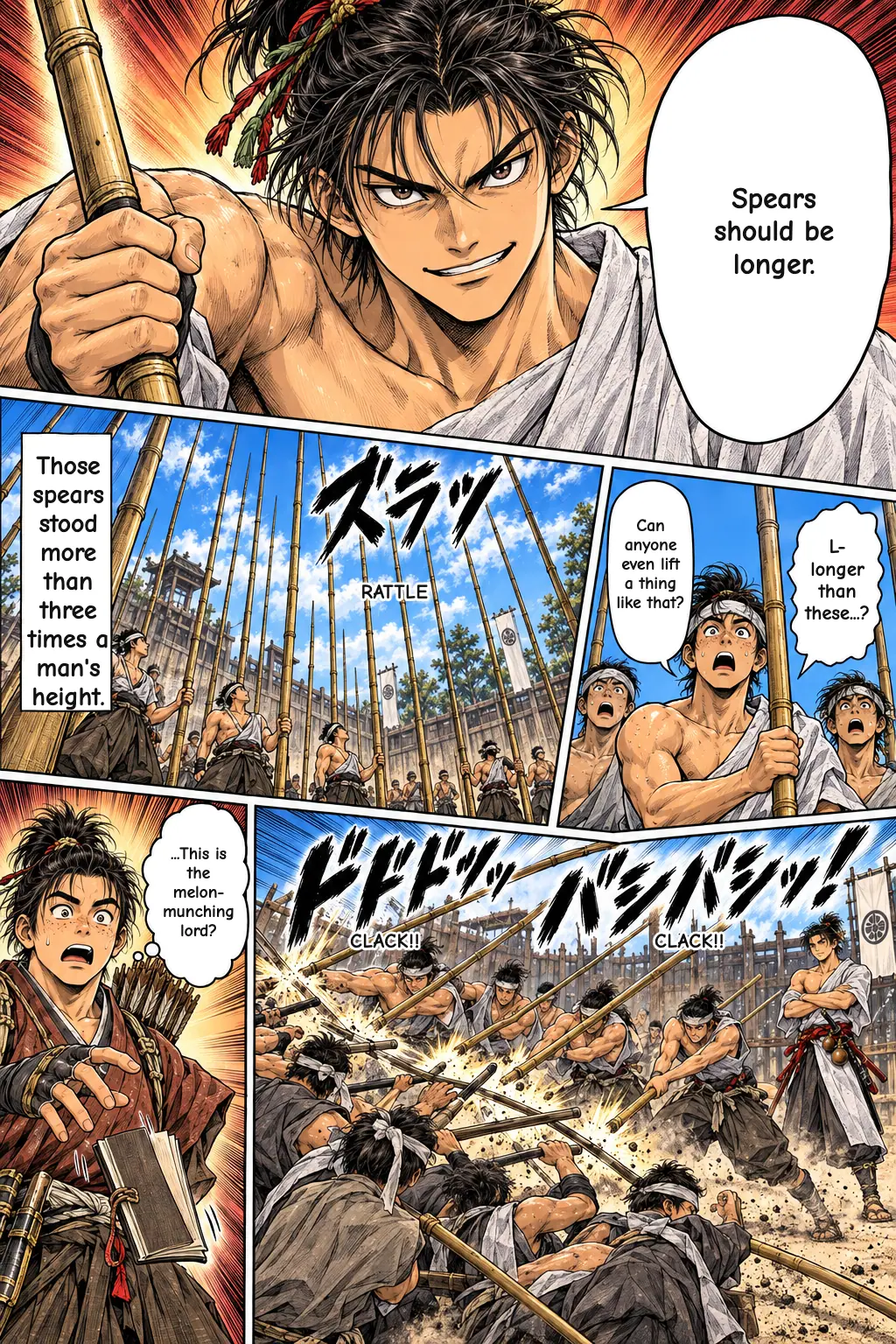
Until about the age of sixteen to eighteen, the chronicle says, Nobunaga had no time for ordinary amusements. He rode horses morning and evening and swam in the river from spring to autumn. He studied archery, firearms and military strategy under named teachers, and he went falconing. Watching his men fight mock battles with bamboo spears, he decided that short spears were a weakness. He had his troops' spears made about three to three and a half ken long, roughly 5.5 to 6.5 meters (18 to 21 feet).
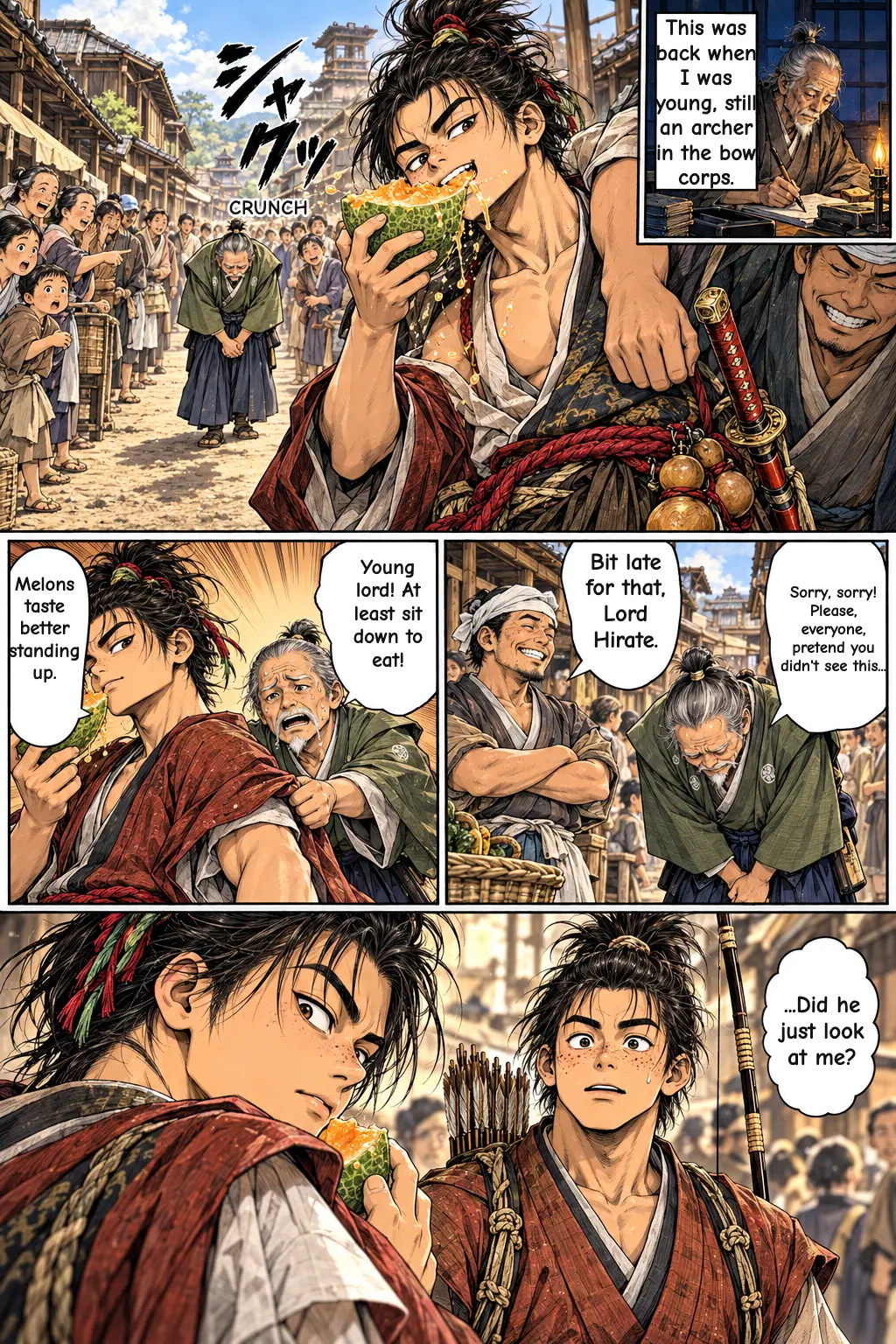
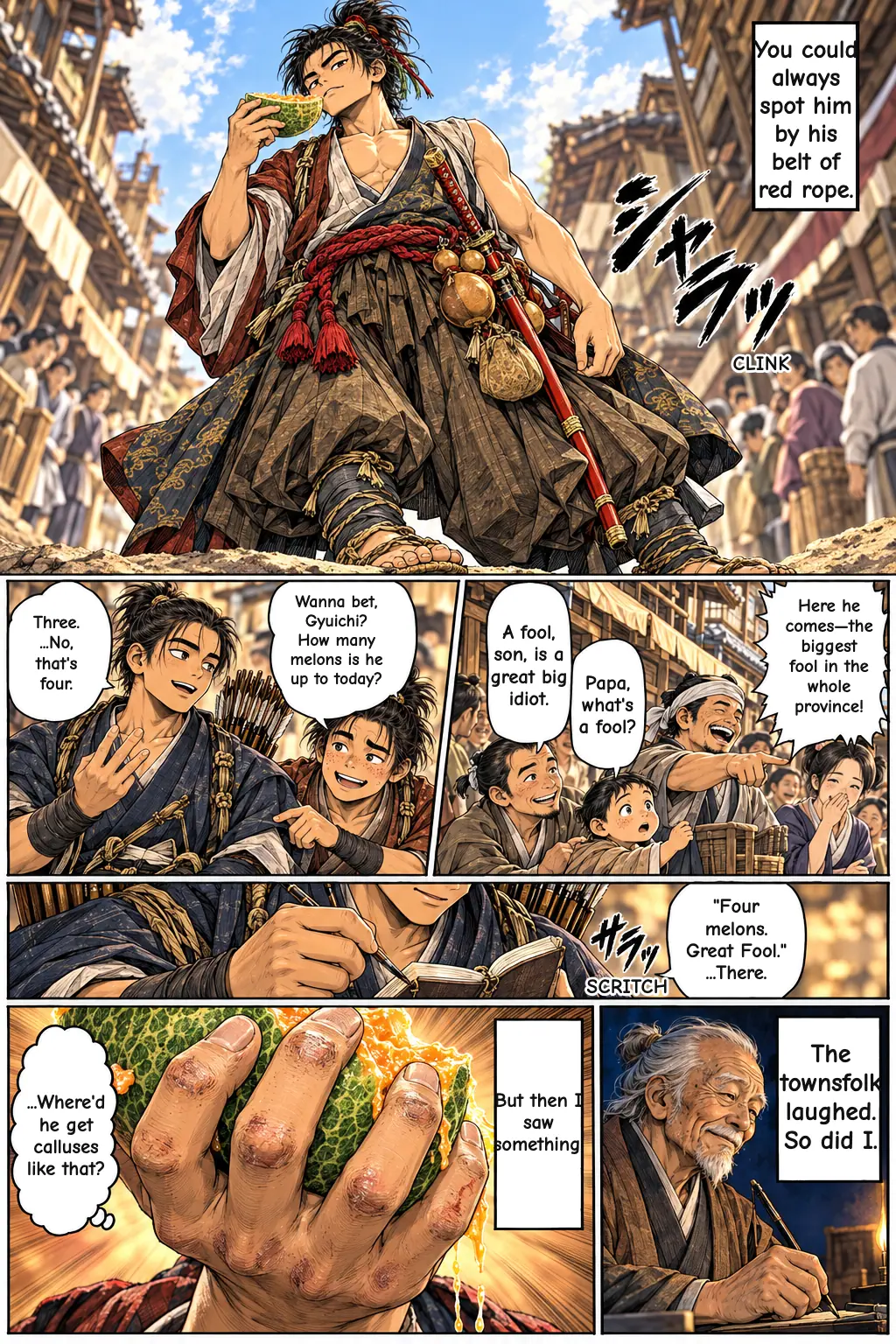
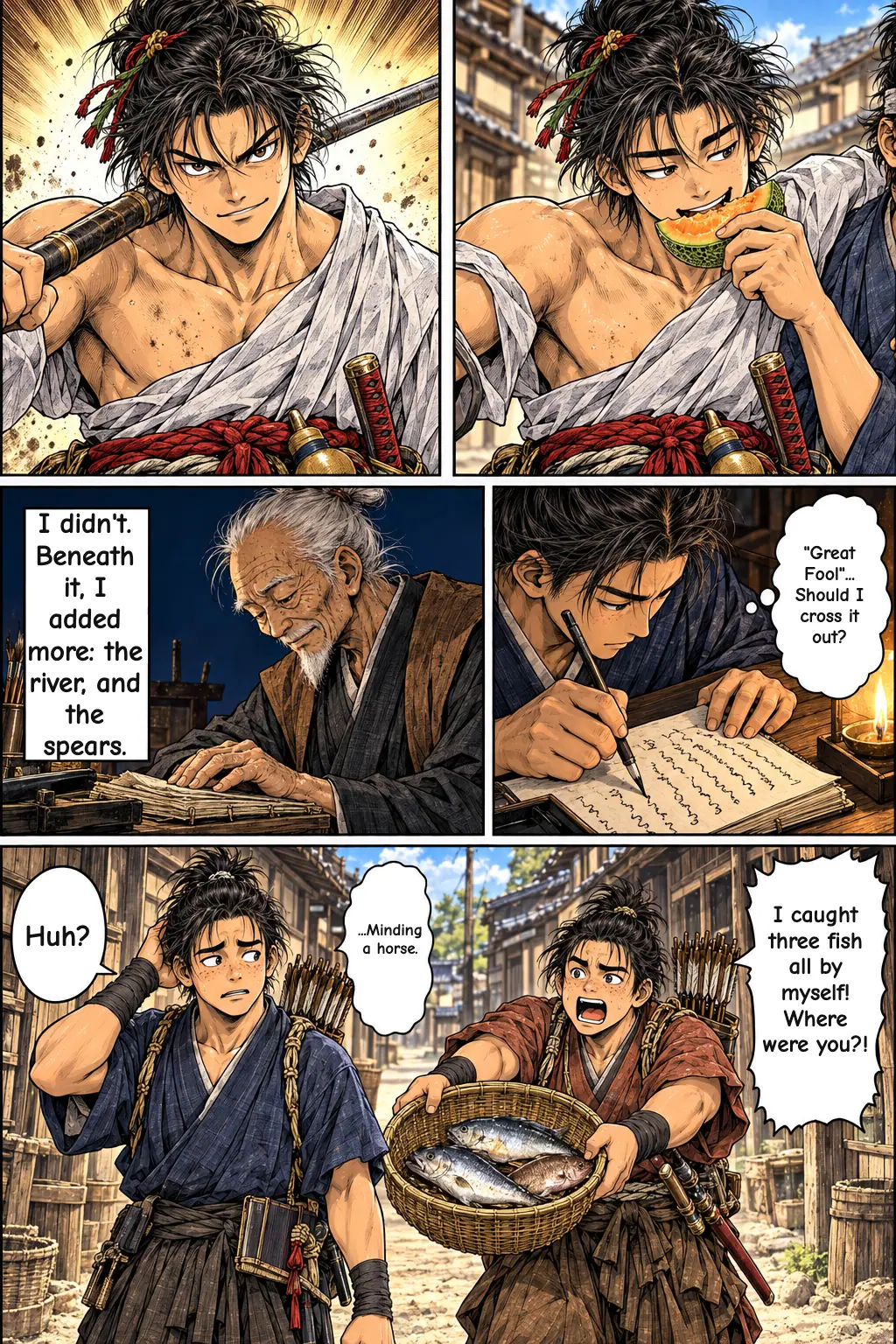
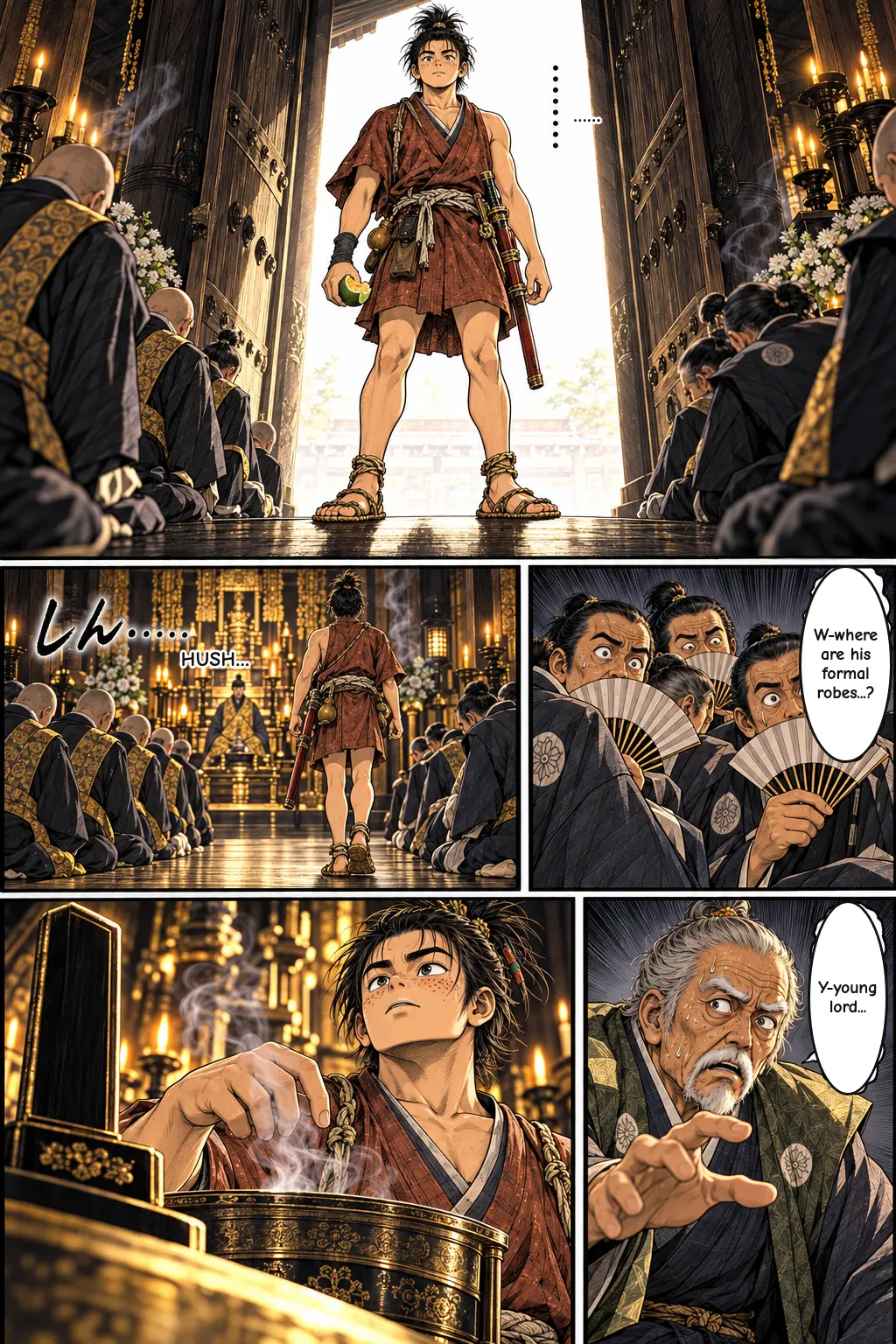
But in public he looked like a delinquent. He wore a light bathing robe with the sleeves pulled off and short trousers. Pouches, including one for flint and steel, hung from his belt. His topknot was tied up with brightly colored cord, and he carried a long sword in a red scabbard. He munched chestnuts, persimmons and melons as he walked through town, ate rice cakes standing up, and leaned or hung on other people's shoulders. People called him the "Great Fool" (ō-utsuke).
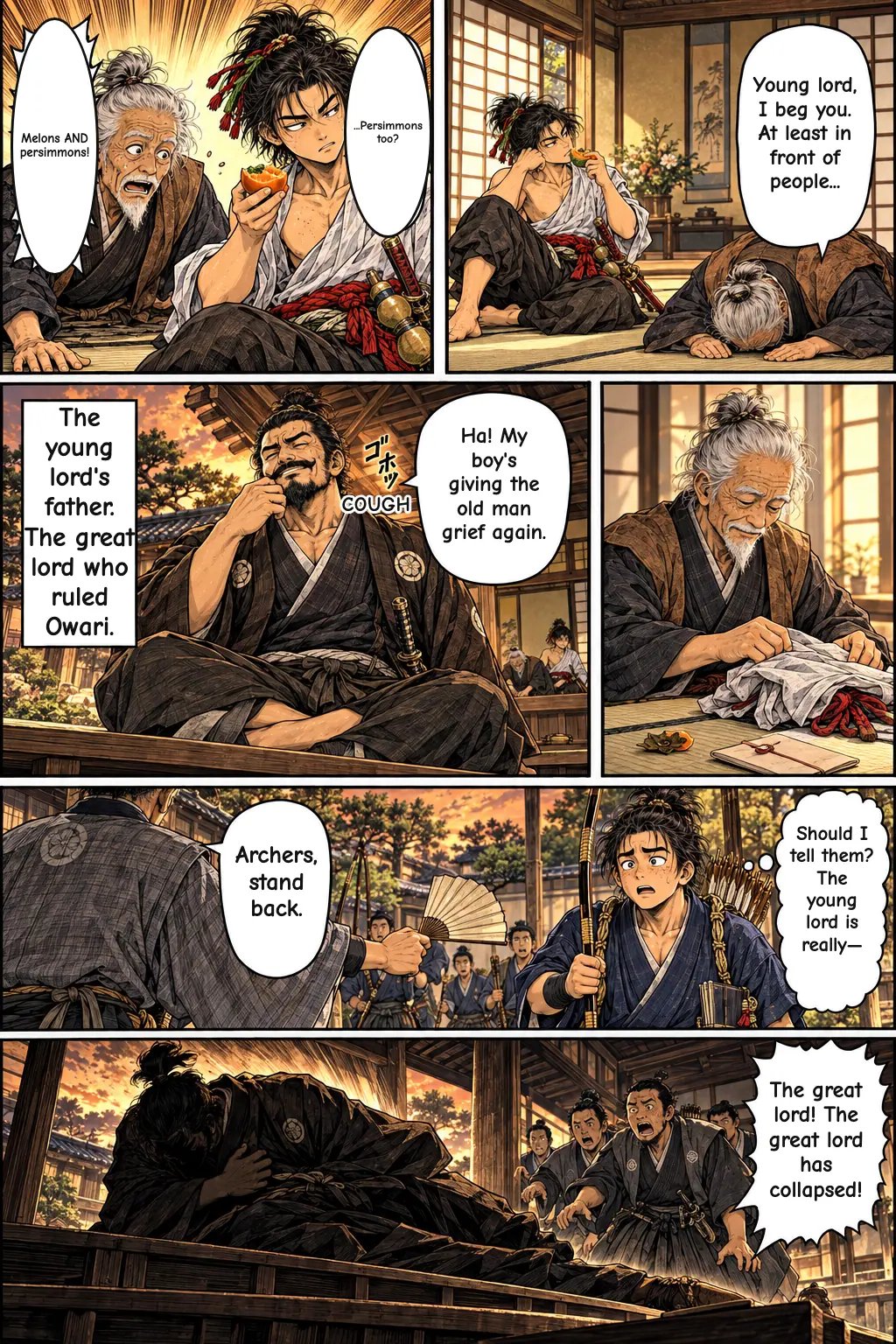
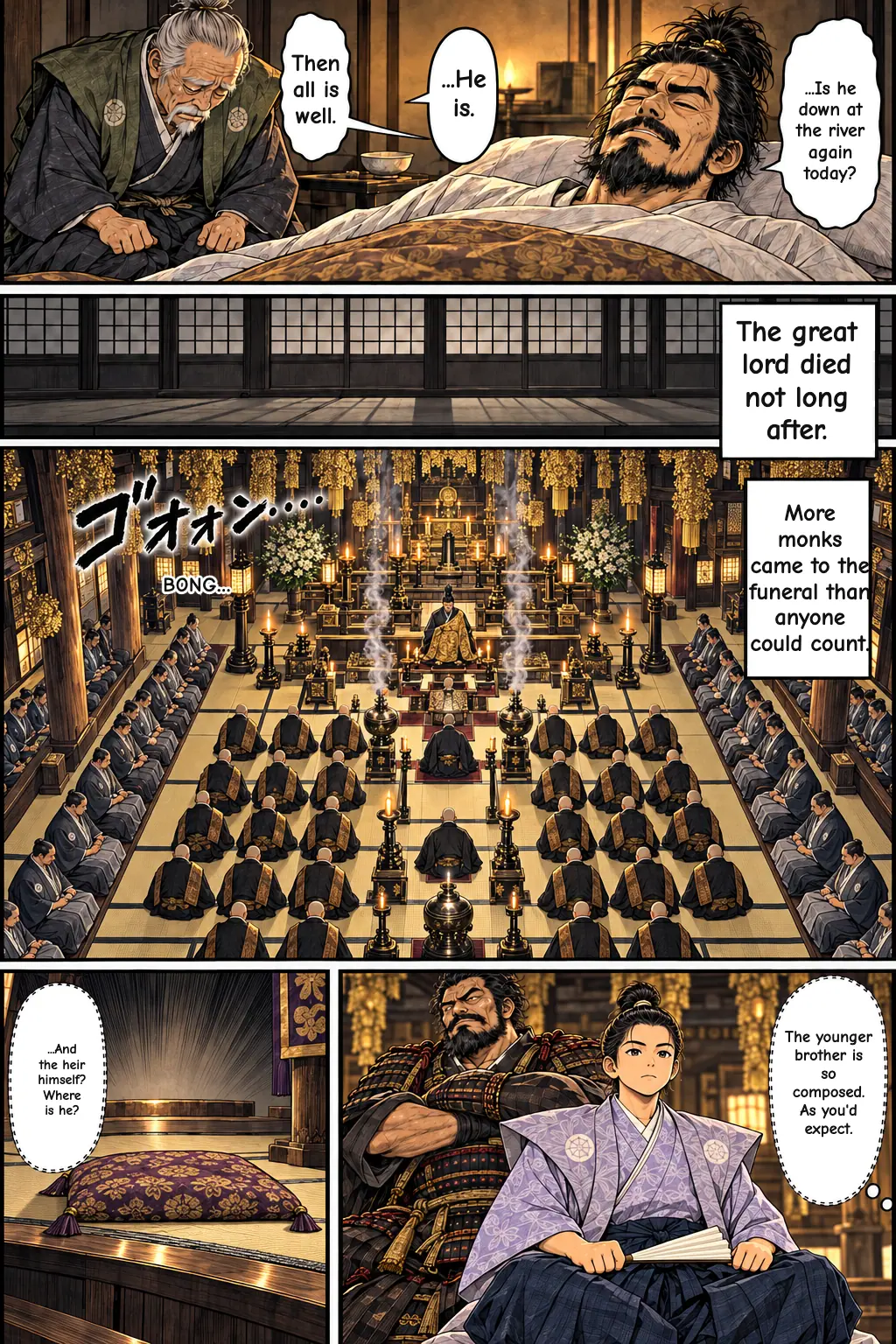
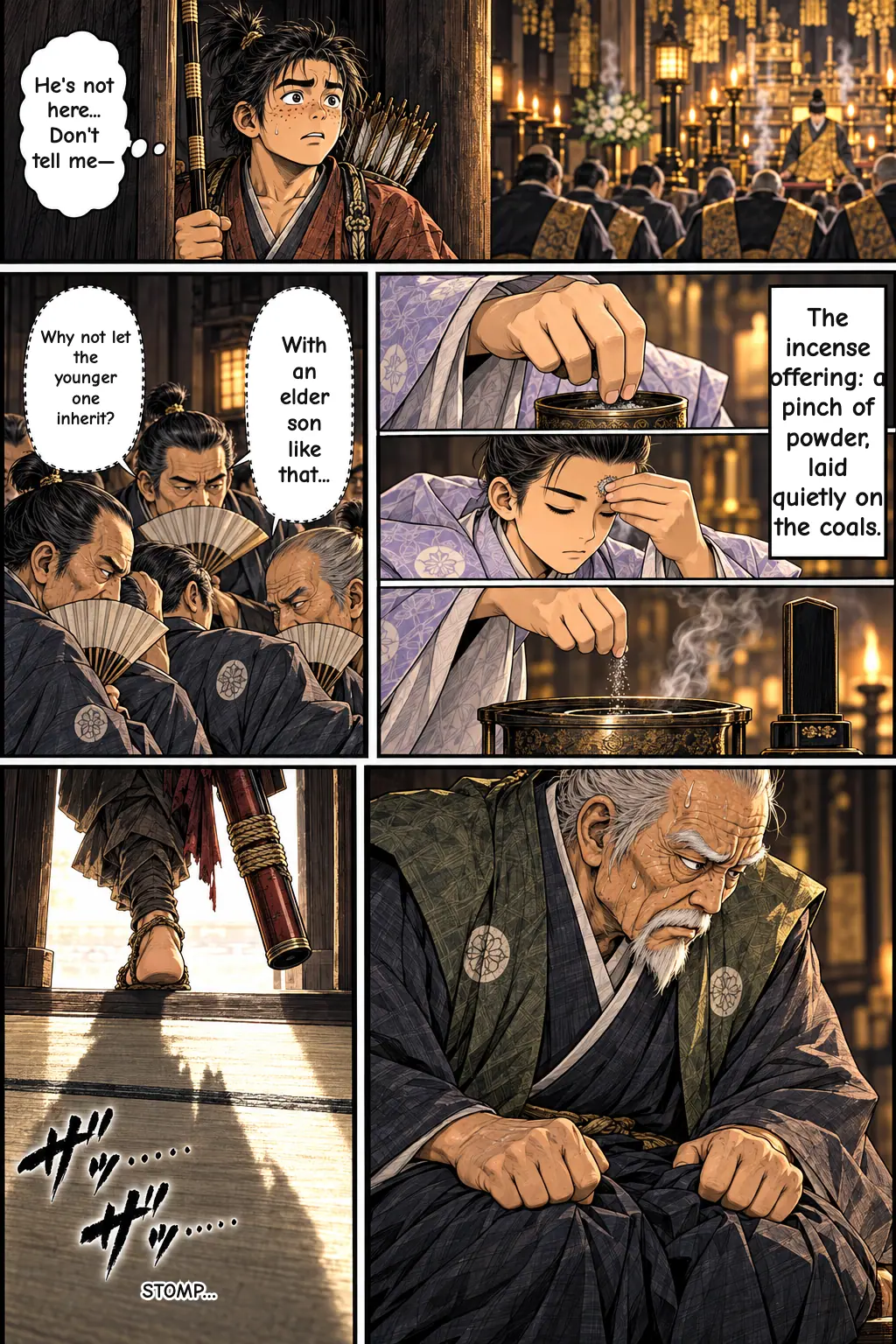
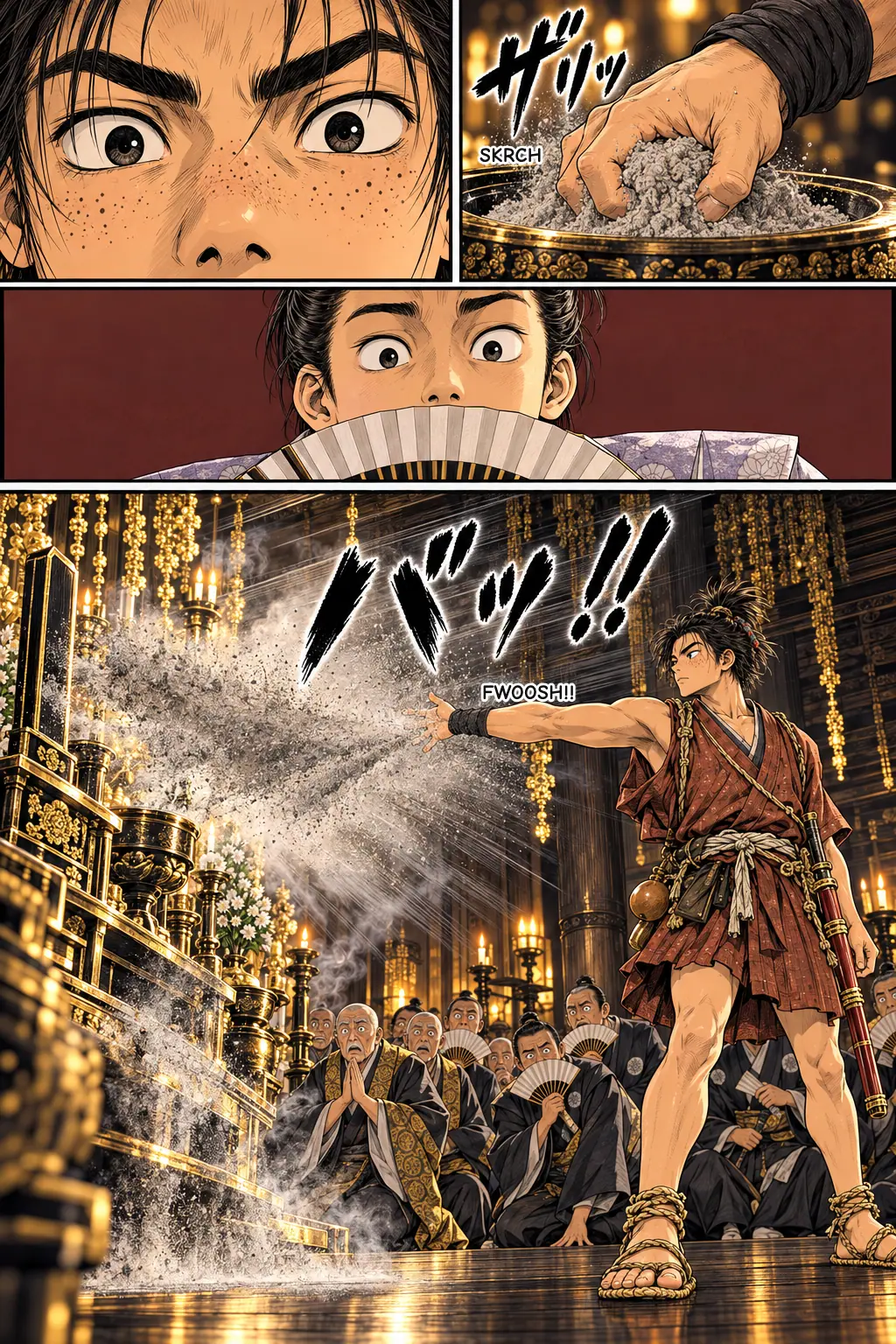
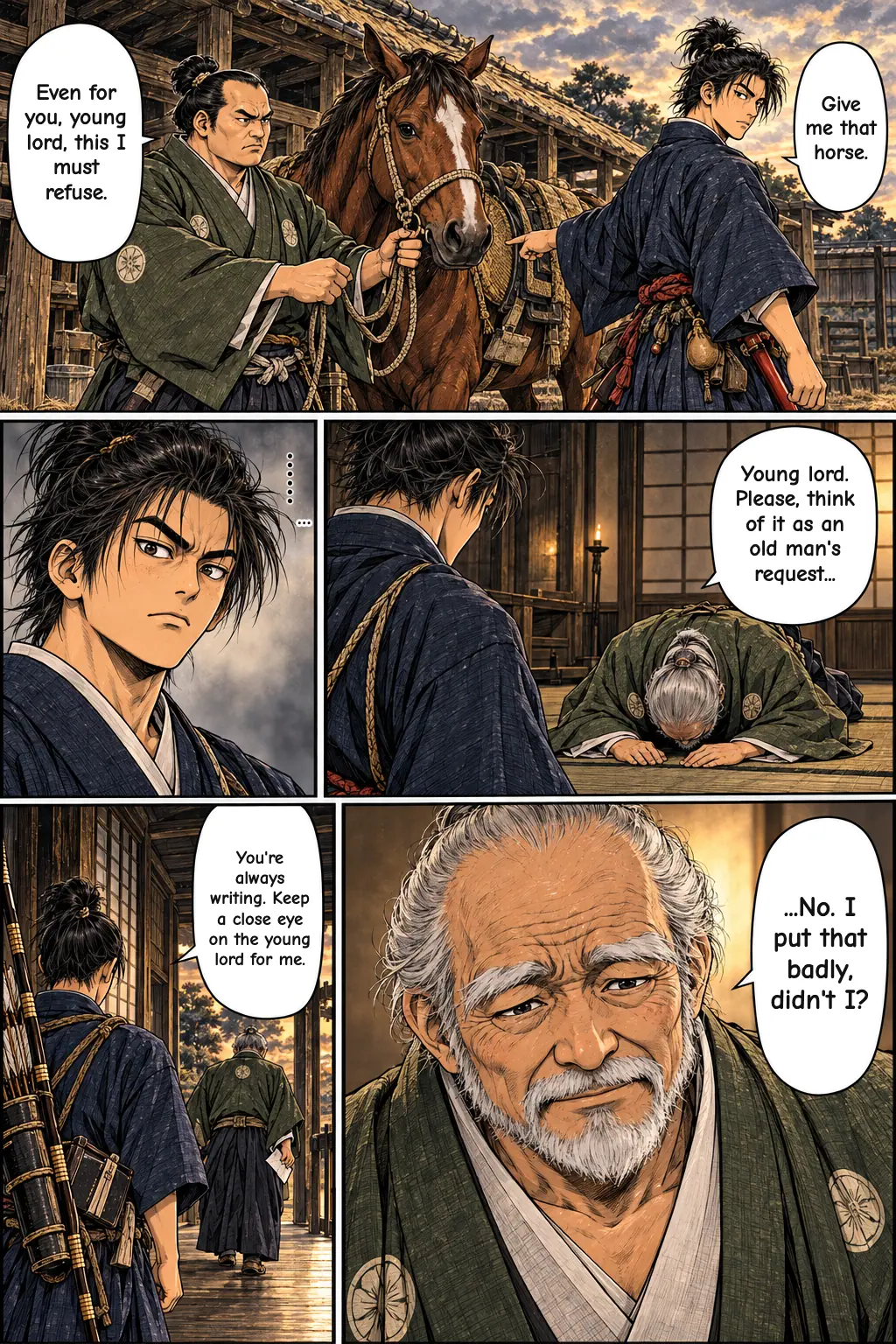
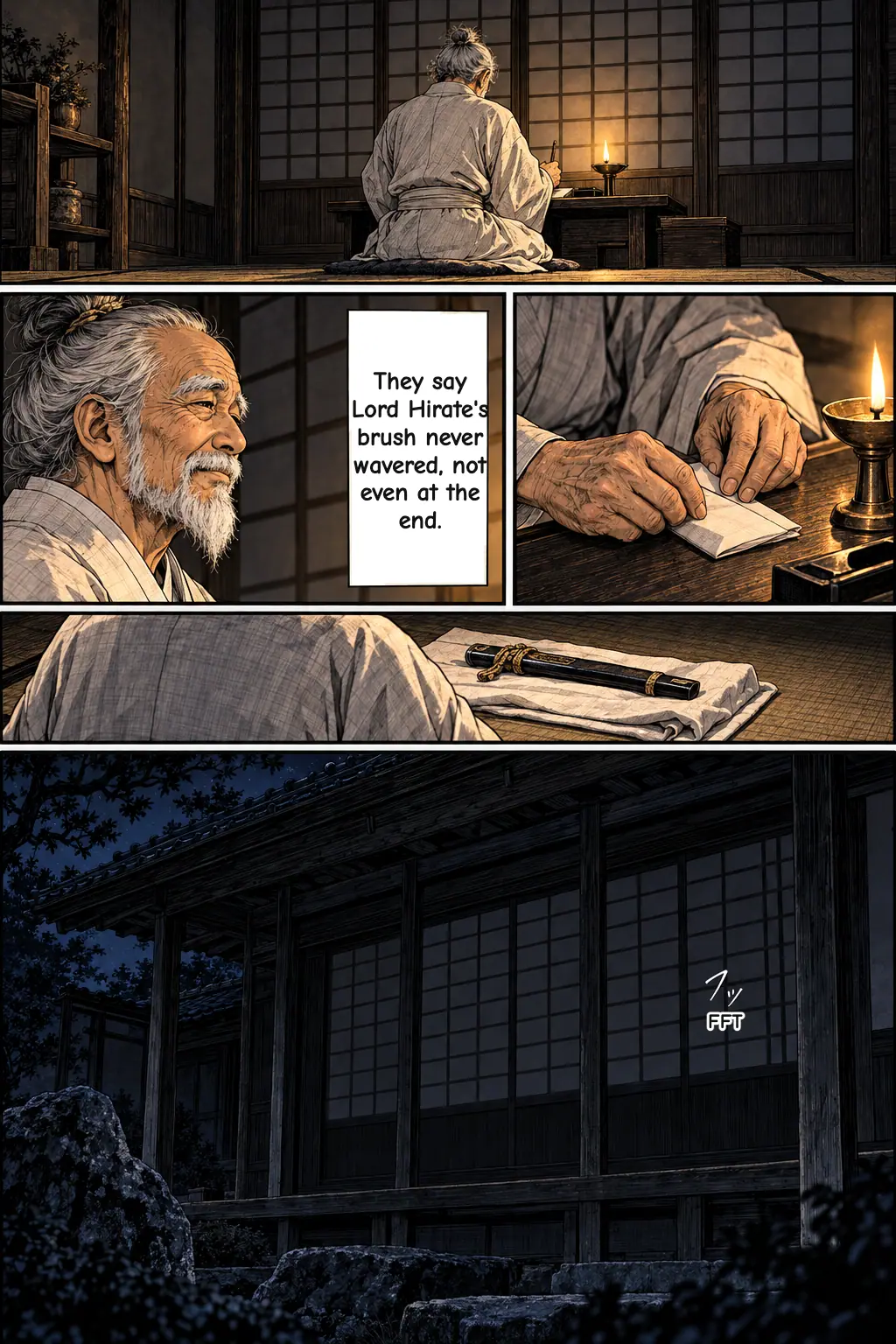
Meanwhile his guardian, Hirate Masahide, cleverly arranged Nobunaga's marriage to a daughter of Saitō Dōsan, the powerful lord of neighboring Mino. Then Nobunaga's father, Oda Nobuhide, died of illness. Sources disagree on the year, with 1551 and 1552 both proposed. A grand funeral with many monks was held at Banshō-ji temple. Nobunaga arrived with his swords bound in rough straw rope, his hair in the same wild topknot and no formal trousers. He grabbed a fistful of powdered incense, flung it at the altar and left. His younger brother, Kanjūrō, wore proper formal clothes and behaved correctly. The retainers whispered that it was "the Great Fool again." Only one visiting monk from Tsukushi (Kyushu) said that here was a man who would rule a province. Later, after a quarrel over a horse between Nobunaga and Hirate's son, Hirate Masahide cut open his own belly, grieving that the young lord would not change. Nobunaga built a temple, Seishū-ji, to honor his memory.
Main Characters
Oda Nobunaga: heir of the Oda house of Owari, mocked as a fool but training seriously in riding, swimming, archery, guns and tactics. Oda Nobuhide: his father, a strong regional warlord whose death opens a dangerous succession. Oda Kanjūrō: Nobunaga's well-behaved younger brother, known in other records as Nobuyuki or Nobukatsu. Hirate Masahide: Nobunaga's guardian and senior retainer, admired for his cleverness. The monk from Tsukushi: the one guest who sees greatness in Nobunaga. Ōta Gyūichi: the retainer who later wrote the chronicle.
What This Story Tells Us (Historical Background)
In the mid-1500s Japan had no strong central ruler, and local lords fought constantly. When a lord died, the choice of heir could split a family apart. That is why the funeral matters so much. Retainers were openly comparing Nobunaga with his correct, respectable brother, and the comparison later turned into real conflict between the brothers.
Ōta Gyūichi wrote years afterward, knowing how Nobunaga's life would turn out. Part of the story's power is the gap between how others saw the young lord and what he was actually doing: drilling with long spears and practicing with firearms, which were still new in Japan. Why he threw the incense, the chronicle never explains. Readers have long argued over whether it was grief, anger, contempt for empty ritual or simply rudeness. It is best to leave that question open.
Hirate Masahide's death is often described as a remonstrance suicide, a guardian dying to shock his lord into changing. Some later accounts say he left a letter of warning. The chronicle itself does not clearly say so, and his son's quarrel with Nobunaga is also part of the story.
What the Manga Changed
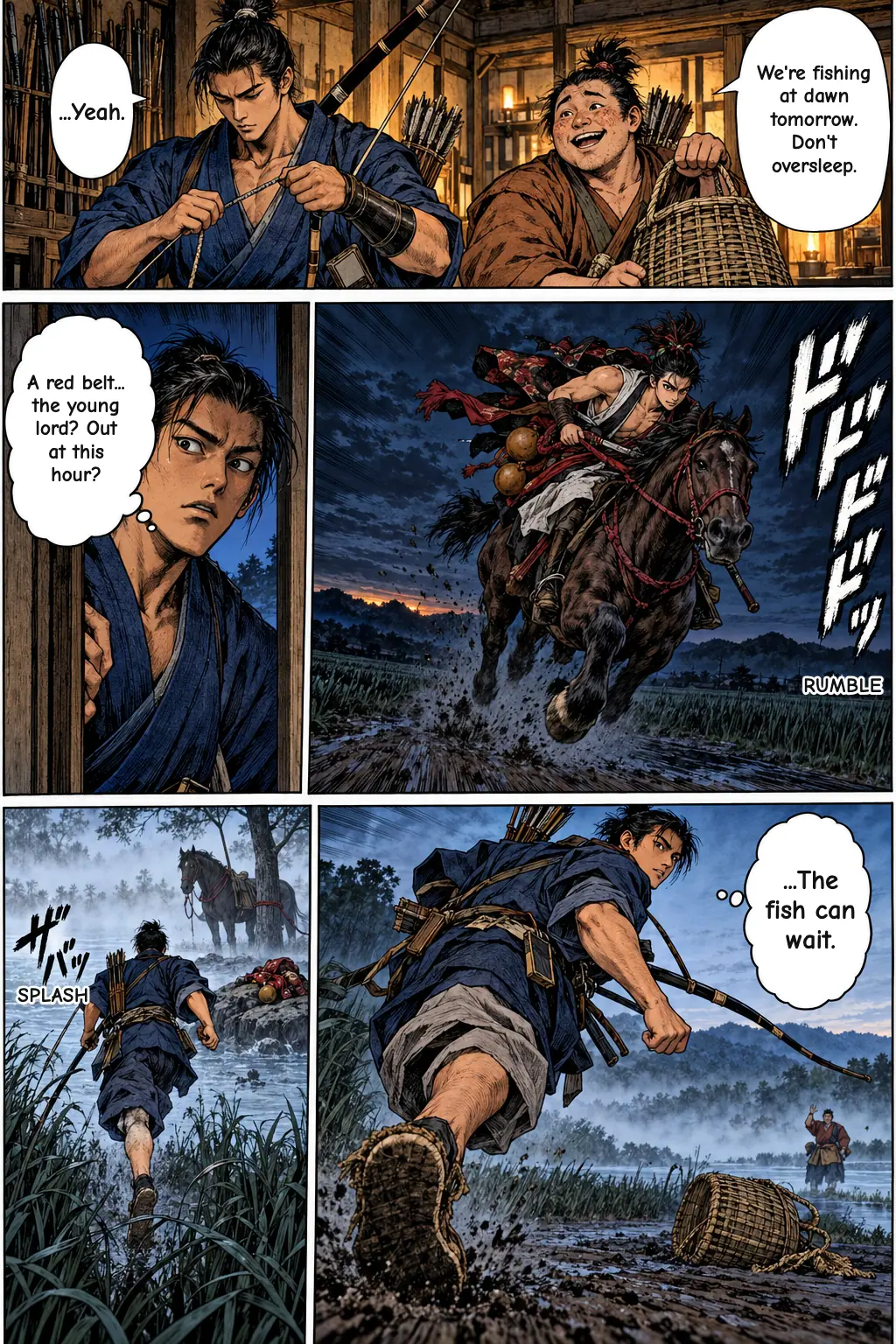
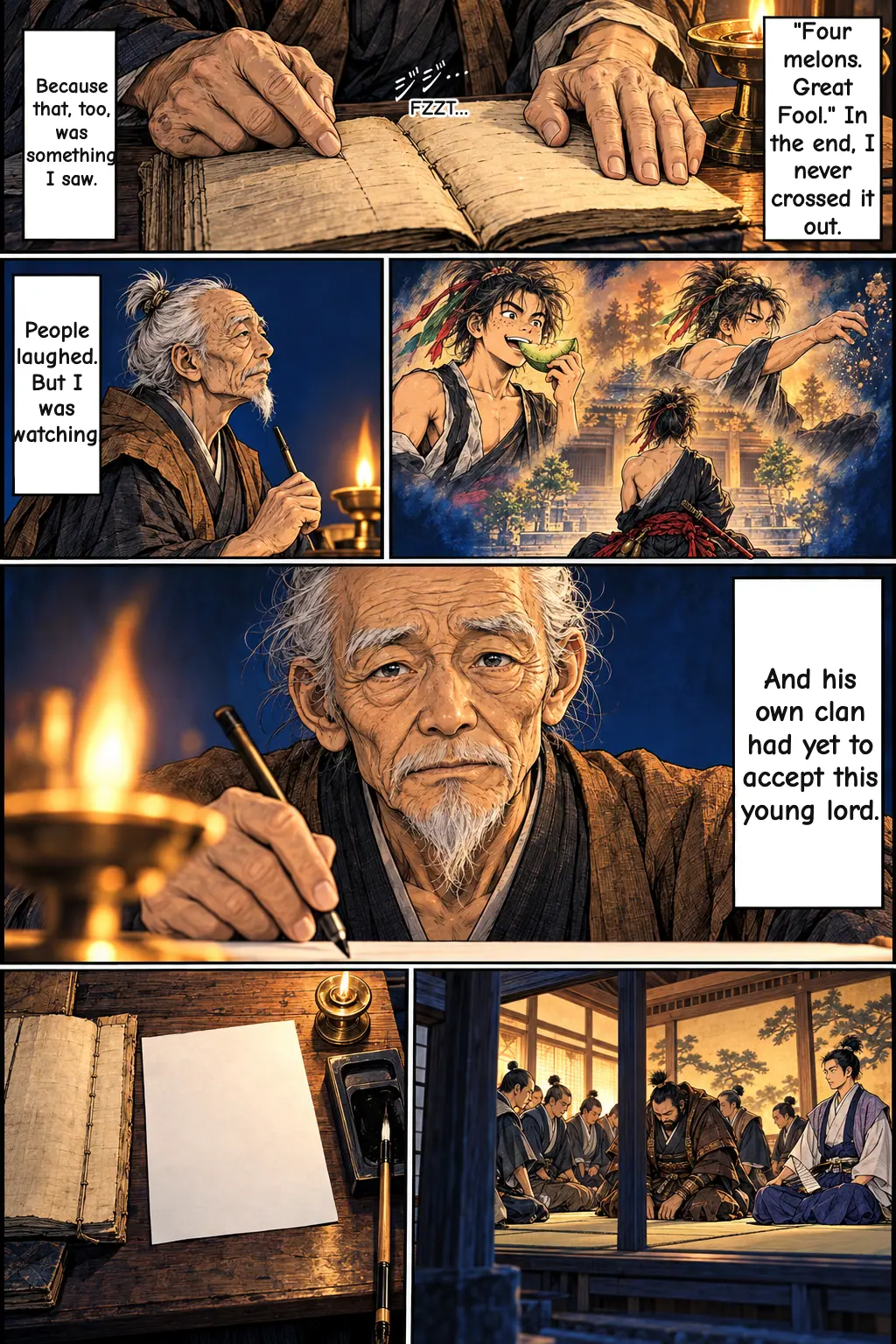
The manga keeps the main events and their order: the training and the strange clothes, the marriage arranged by Hirate, the funeral, the monk's remark, Hirate's death and the temple. Some parts were added or imagined. The frame story, with an old Ōta Gyūichi looking back and remembering a dawn training session he saw as a young archer, is not in the original. Nobunaga's feelings at the moment he throws the incense are shown only through his face and silence, because the chronicle records none. The townspeople's gossip, the details of the river and spear scenes, the monk's appearance, how Hirate's death is shown, how Nobunaga reacts to it, and any wording of a farewell letter are all dramatized. The manga does not present them as historical fact.
Where to Read It
If you want to see the incense scene, Hirate's sacrifice and the young lord nobody understood, start with Episode 1 of ODA NOBUNAGA: The Demon King of the Warring States on Manga Portal. Every episode is free to read, and you don't need to sign up. The story follows the Shinchō Kōki closely and clearly marks what the manga has added.
Characters in this episode
Oda Nobunaga
The young heir of Owari, mocked as the "Great Fool" while secretly training harder than anyone.
Oda Nobuhide
Nobunaga's father, a powerful Owari warlord whose death and grand funeral open the story.
Oda Kanjūrō (Nobuyuki)
Nobunaga's younger brother, whose correct behavior at the funeral makes the retainers compare the two.
Hirate Masahide
Nobunaga's clever guardian, who arranges his marriage and later takes his own life in grief over the young lord's conduct.
The Monk from Tsukushi
A traveling monk who alone declares at the funeral that Nobunaga will rule a province.
Ōta Gyūichi
Nobunaga's retainer and the author of the Shinchō Kōki, who narrates the manga in a frame story the manga invented.
FAQ
Why was Oda Nobunaga called the "Great Fool of Owari"?
As a teenager he wore odd clothes, such as a sleeveless robe with pouches hanging from his belt, ate in the street and hung on people's shoulders. The townspeople and his own retainers called him ō-utsuke, the "Great Fool," even though he was training seriously in riding, swimming, archery and firearms.
Why did Nobunaga throw incense at his father's funeral?
The Shinchō Kōki records that he threw a handful of incense at the altar and left, but it never says why. Explanations like grief, anger or contempt for empty ritual are later interpretations, not facts from the source.
Why did Hirate Masahide commit seppuku?
According to the Shinchō Kōki, Hirate, Nobunaga's guardian, cut open his belly in grief that the young lord's behavior would not improve. A quarrel over a horse between Nobunaga and Hirate's son had also damaged relations. Nobunaga later built Seishū-ji temple in his memory.
What is the Shinchō Kōki?
It is a chronicle of Oda Nobunaga's life written by Ōta Gyūichi, a retainer who served him. Historians consider it one of the most important sources on Nobunaga, and its opening book covers his youth.
Who predicted that Nobunaga would become a great ruler?
At his father's funeral, while everyone else mocked Nobunaga, one visiting monk from Tsukushi (Kyushu) said that he was a man who would rule a province.