Episode 4His Lord Is Dead. He Parties Every Night.Oishi Kuranosuke, "The Daytime Lantern"
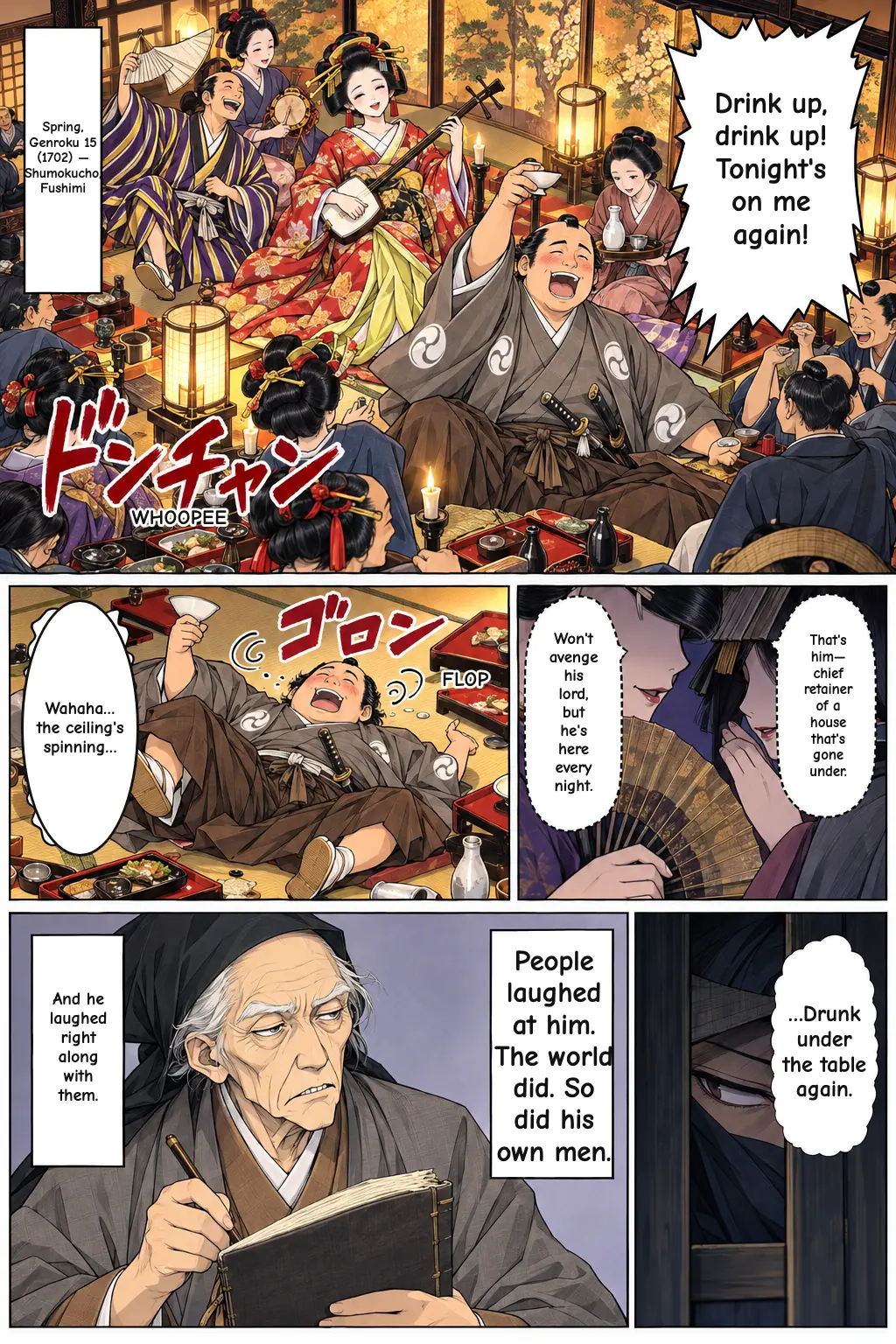
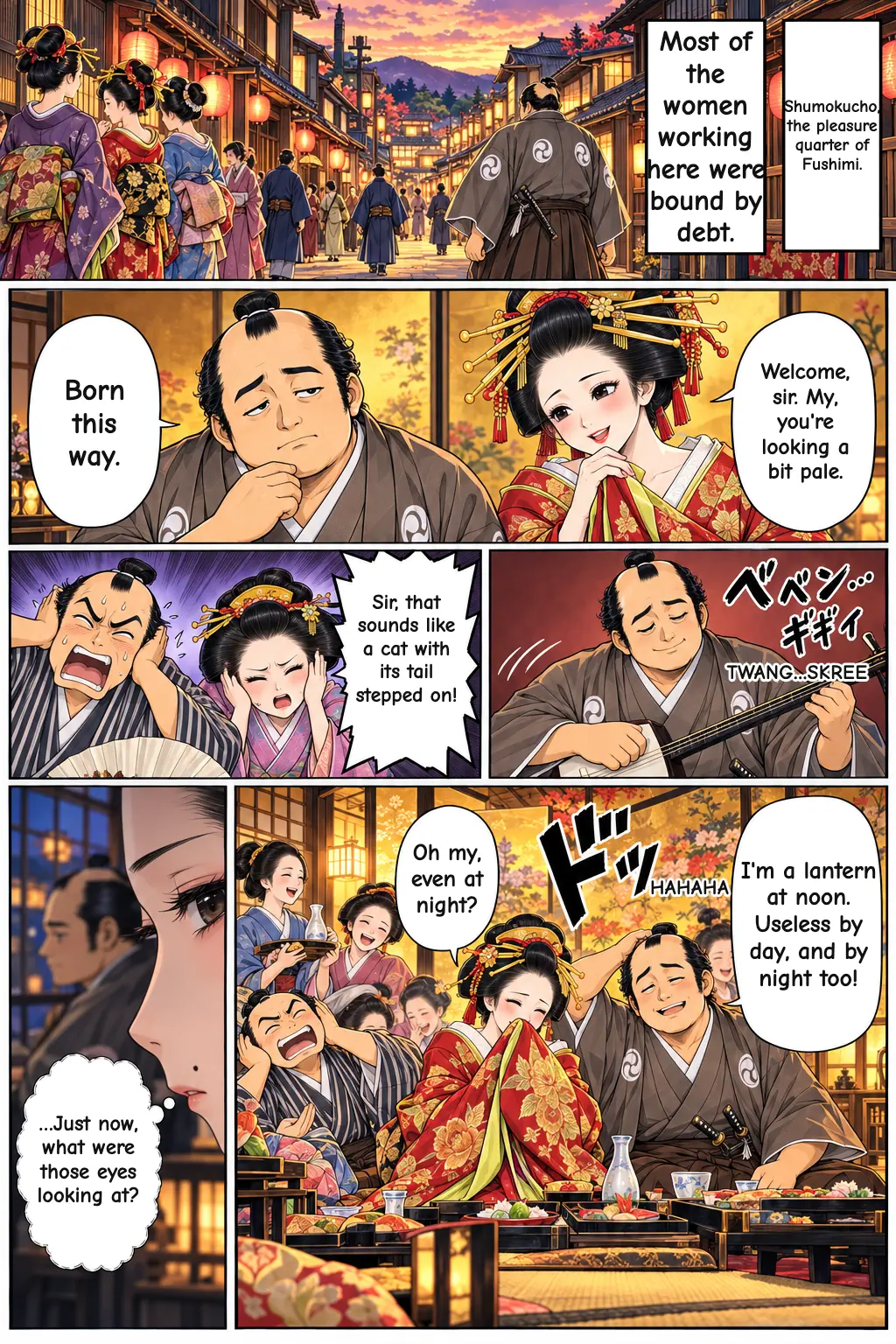
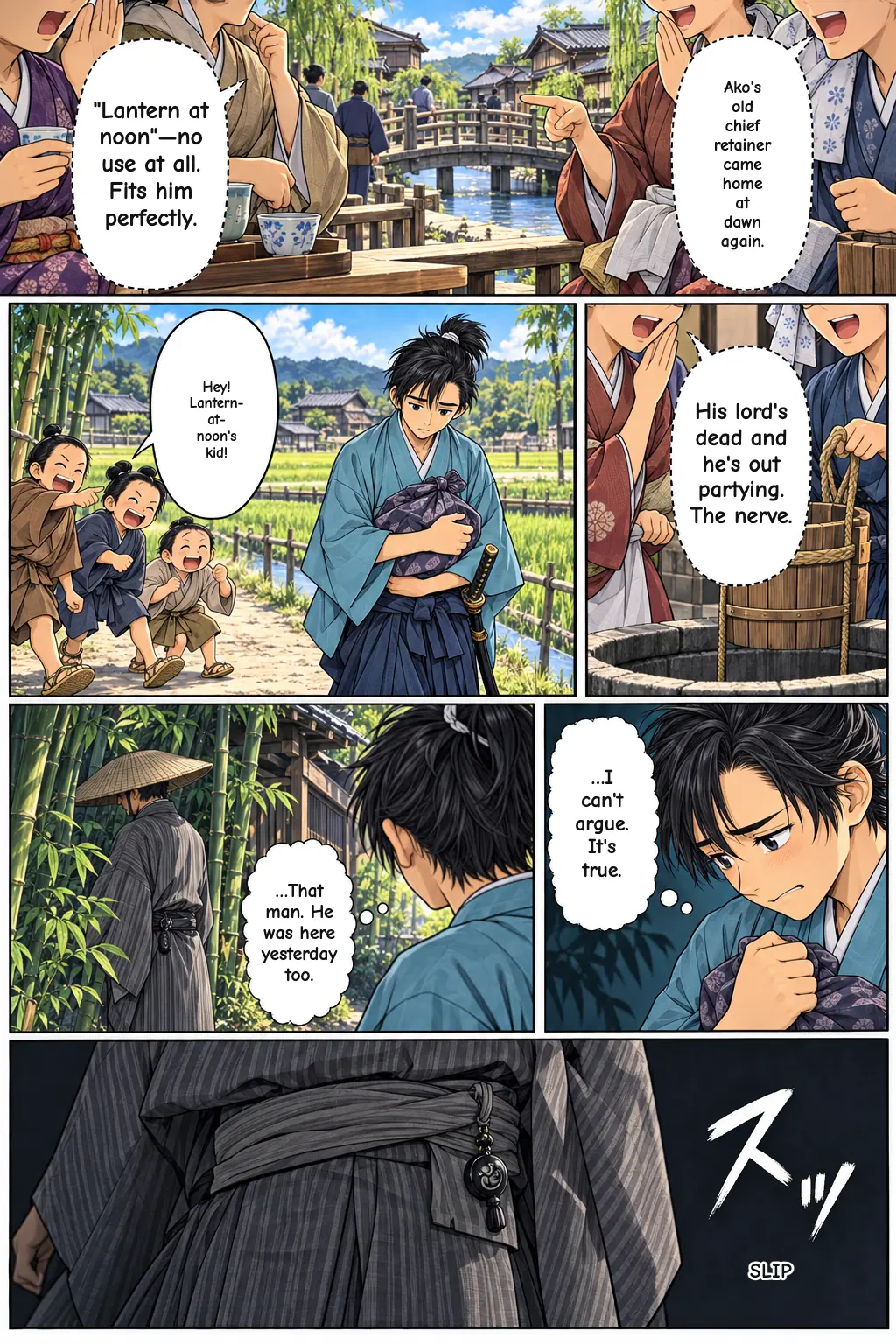
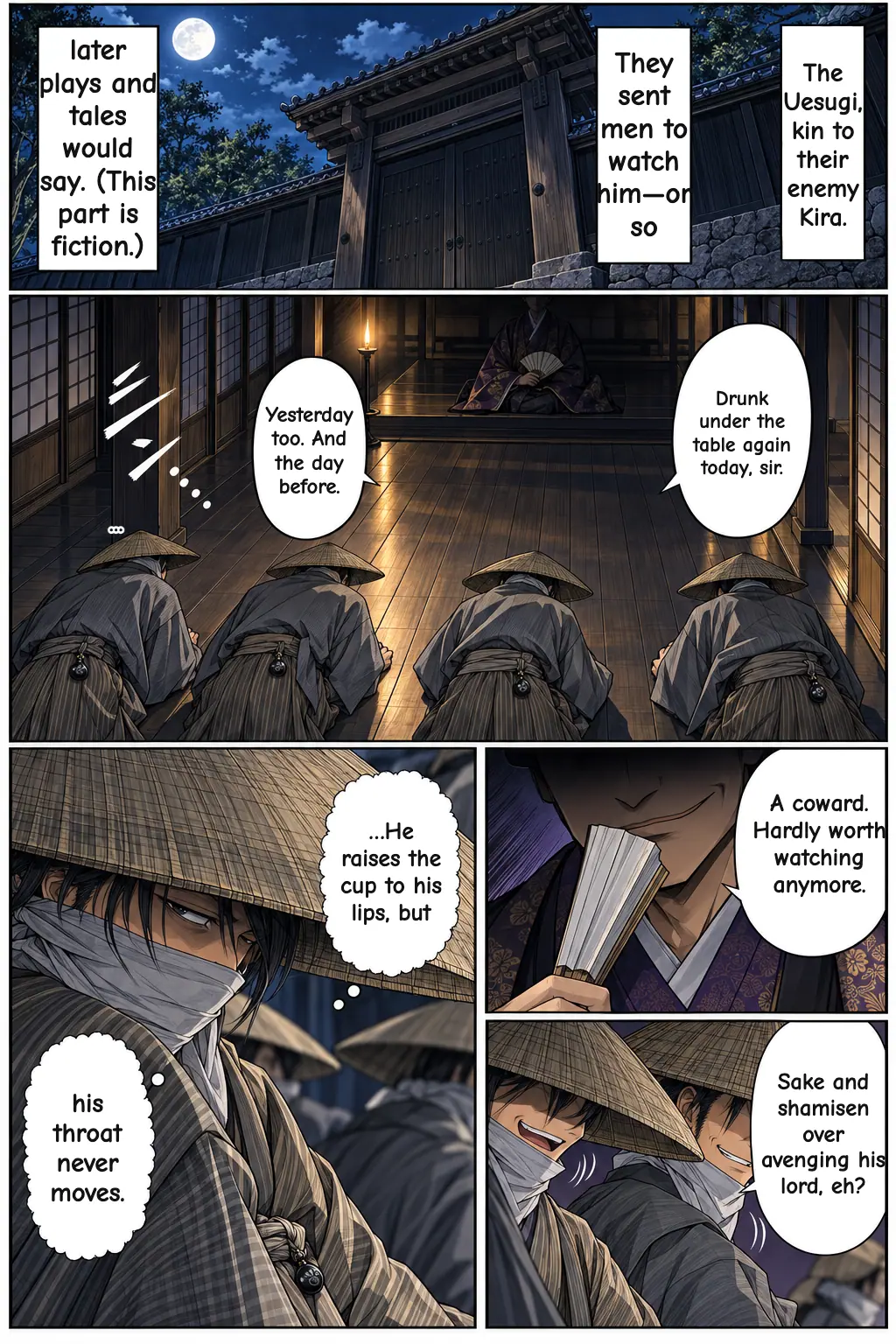
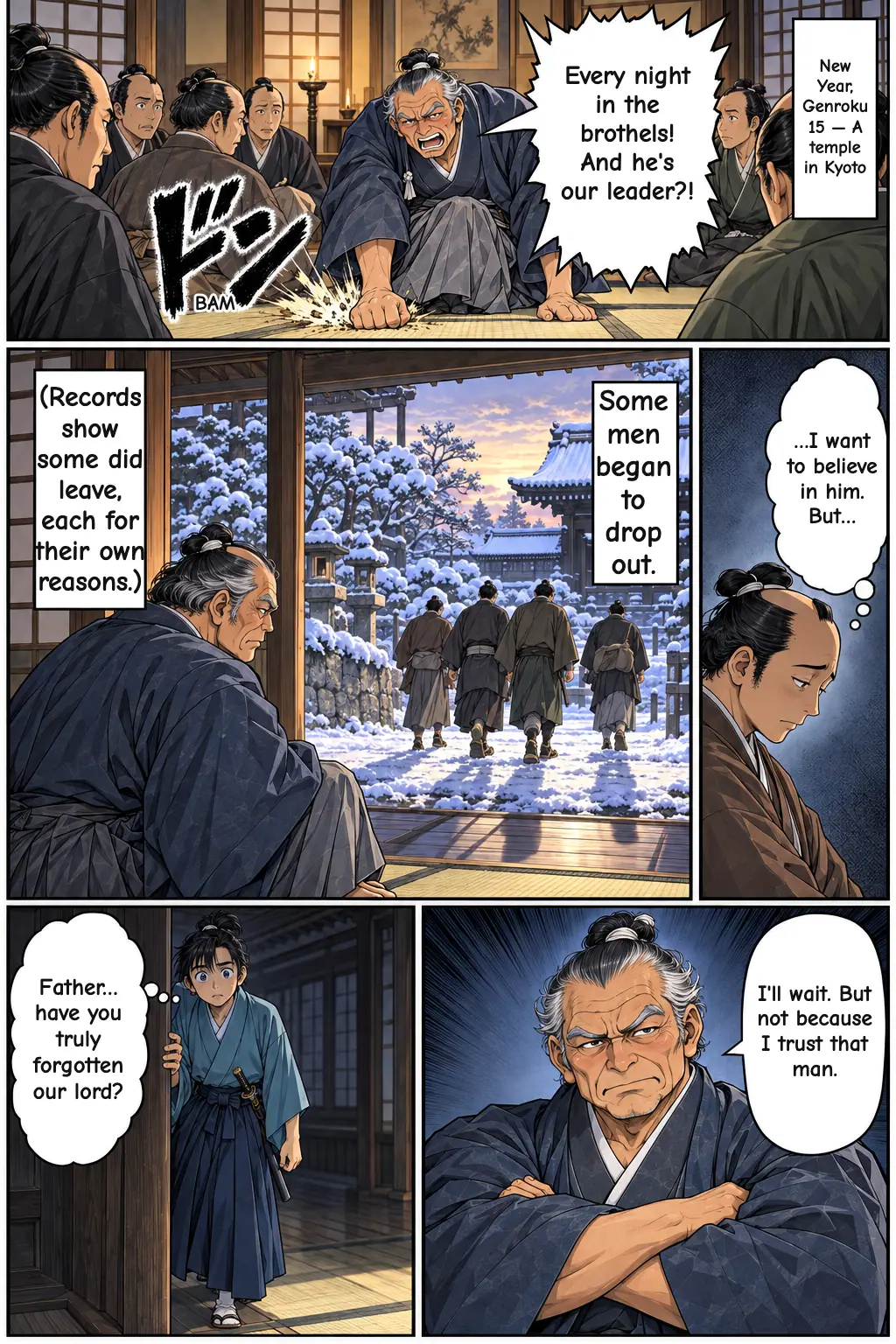
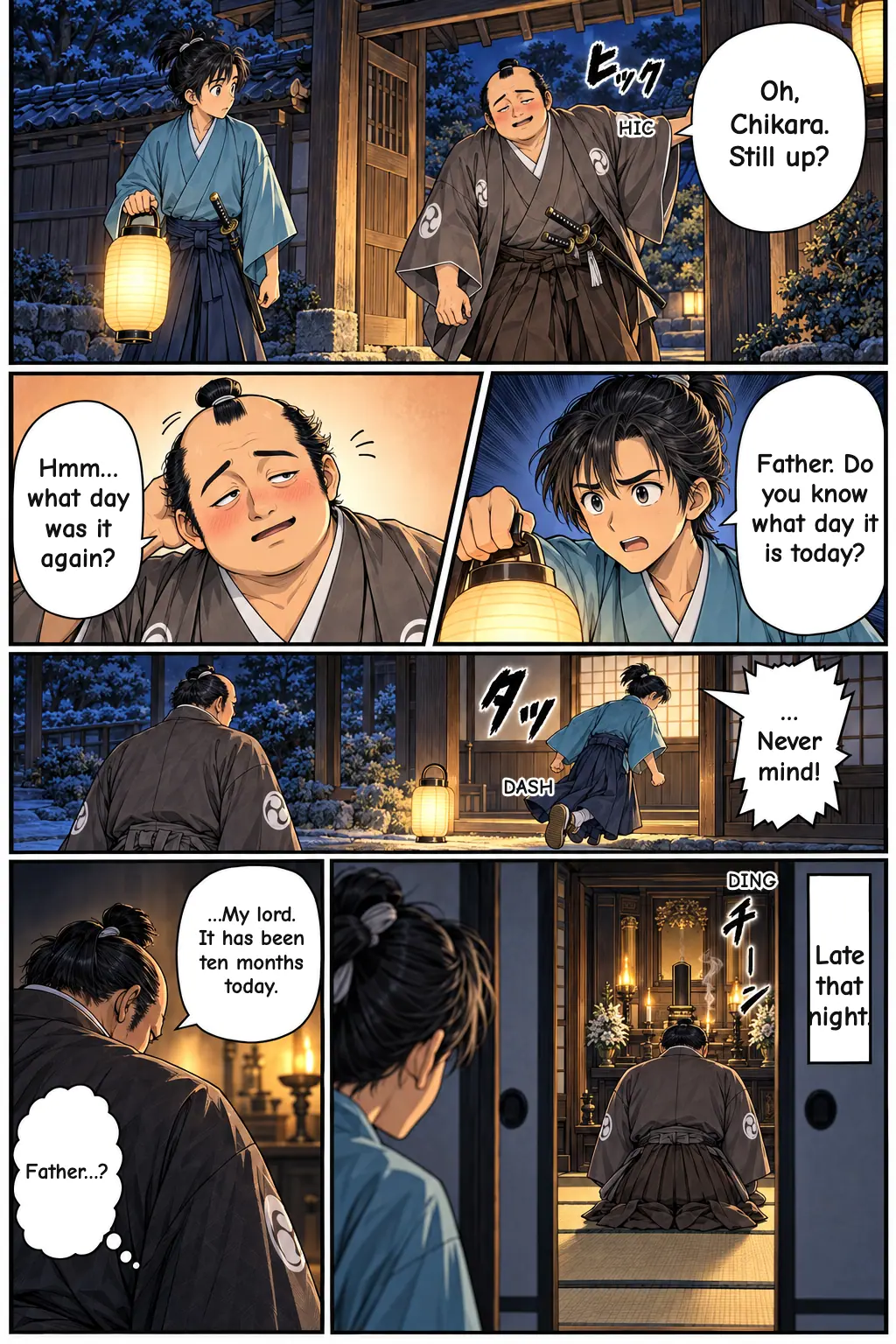
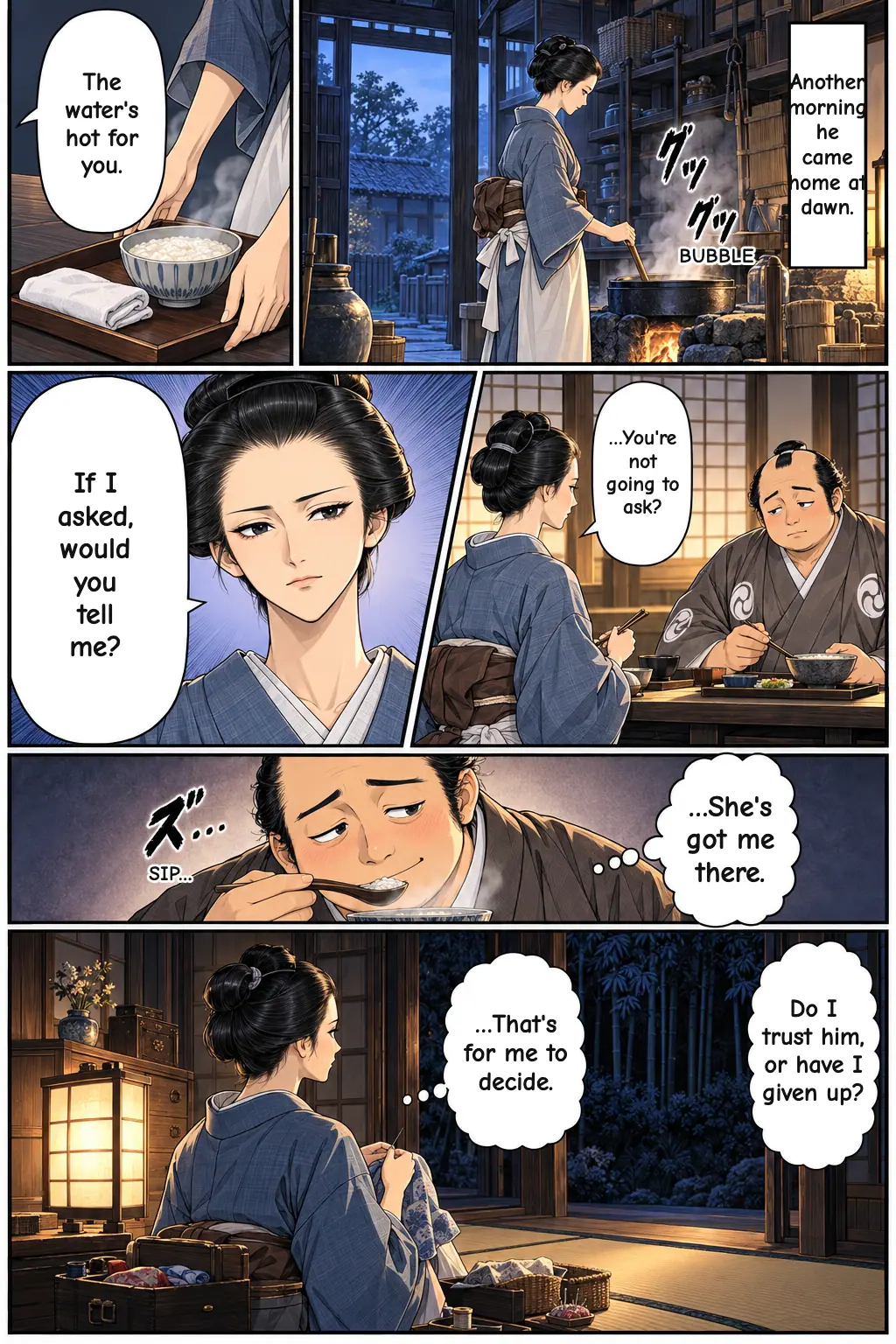
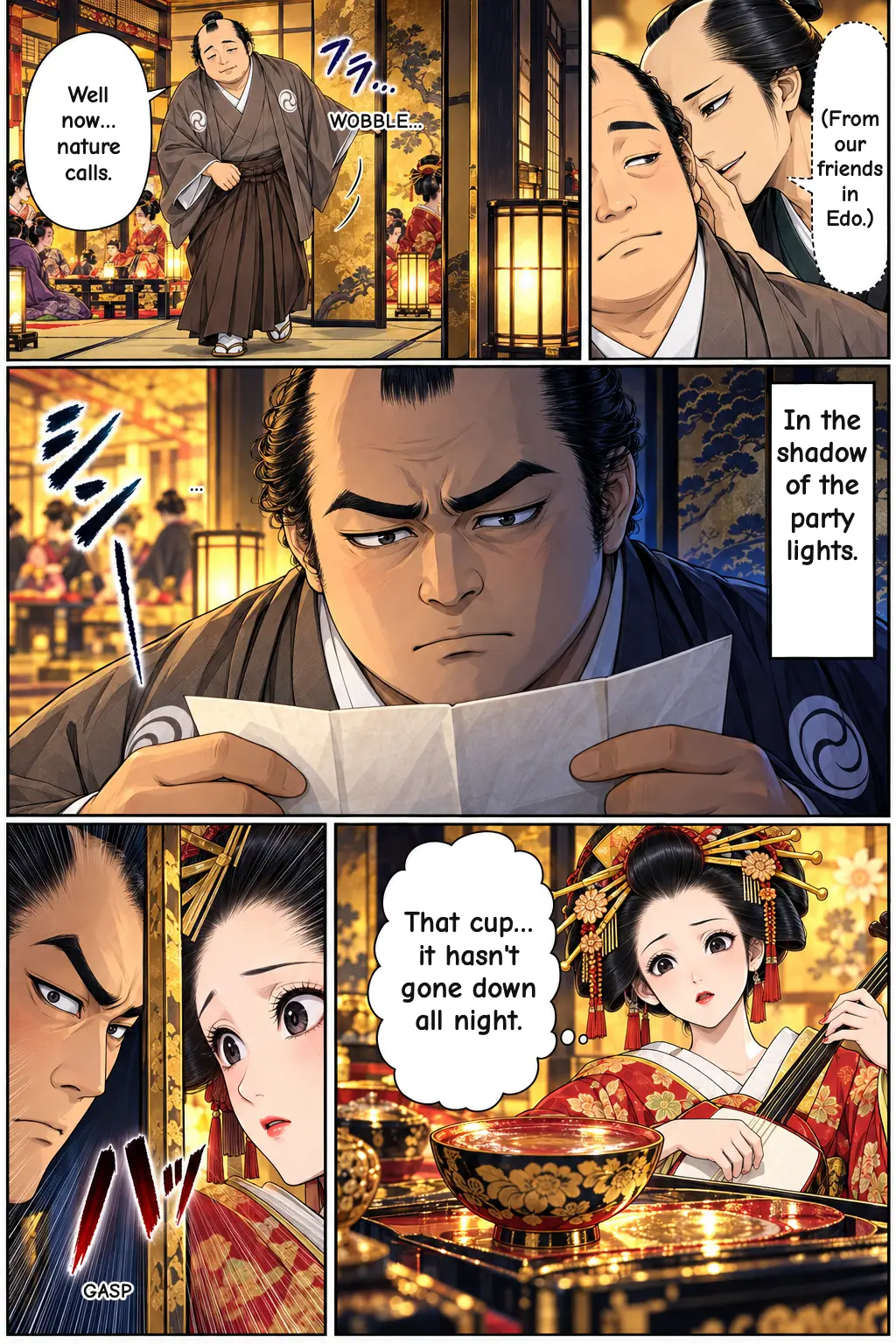
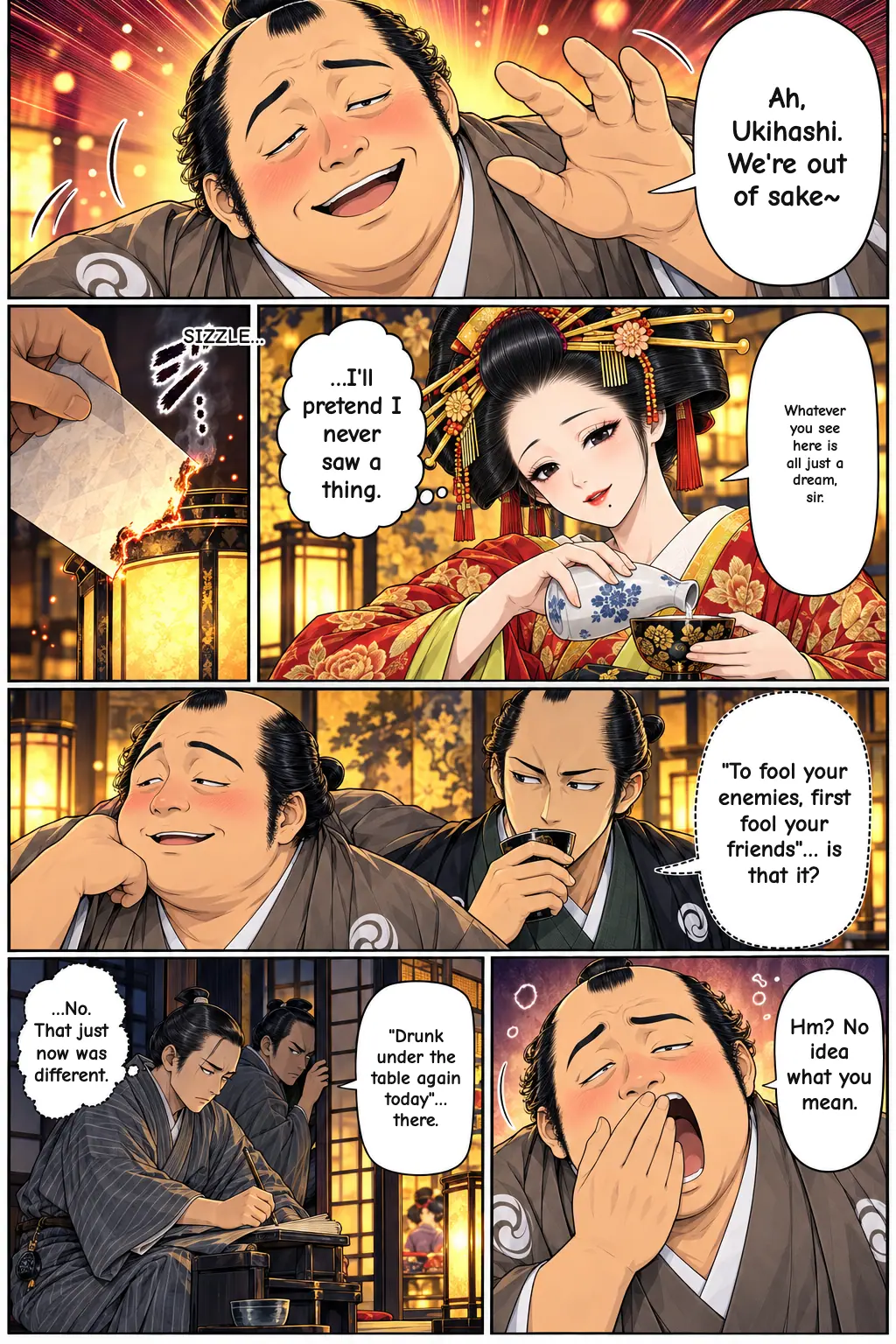
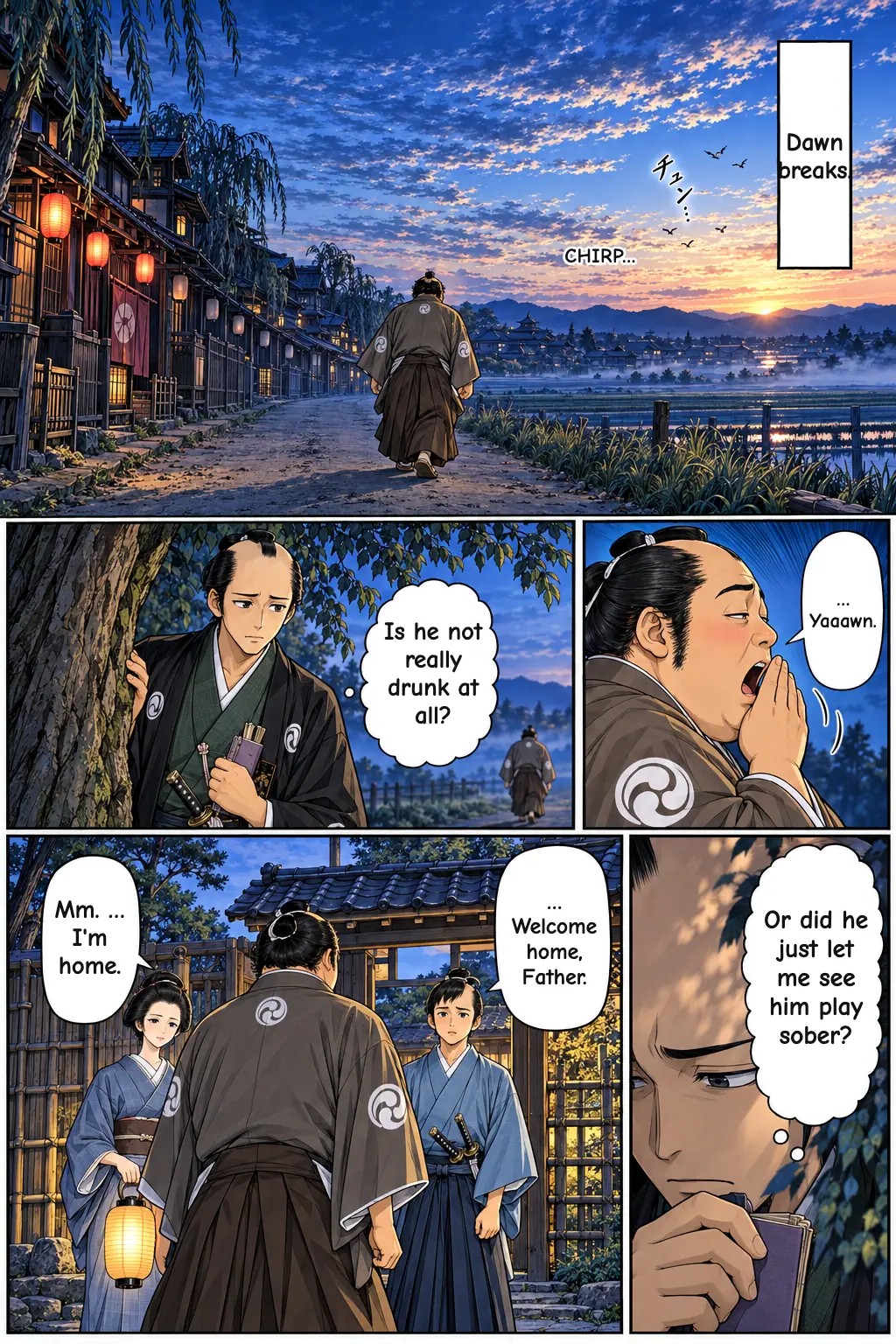
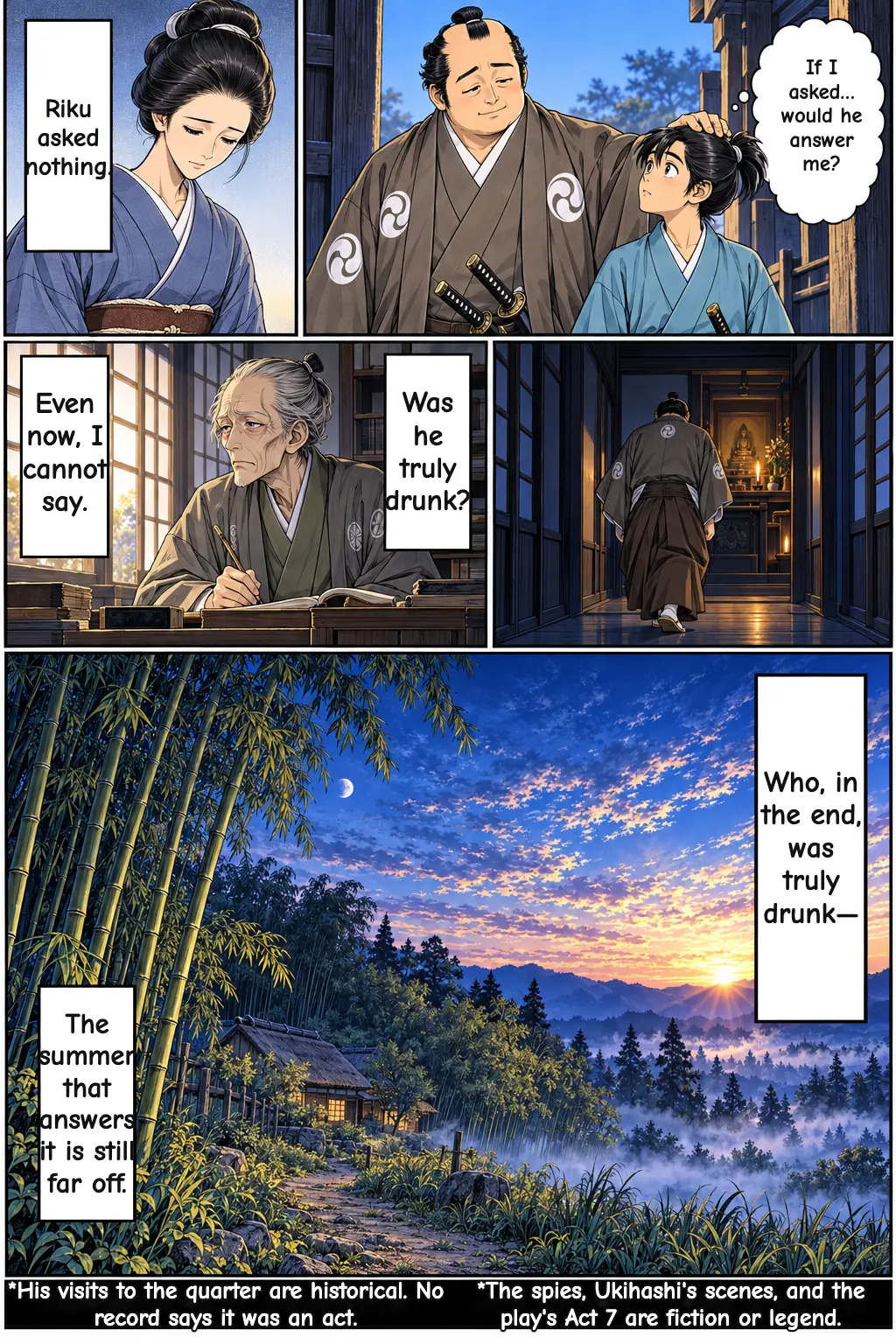
of the 47 Ronin series. His lord is dead and his house abolished, yet chief retainer Oishi Kuranosuke Yoshio still hopes the clan can be restored. Meanwhile he spends every night in the pleasure quarters, and the townsfolk and his own comrades all laugh at him. For one moment, in the shadows behind the party lights, he shows a stone-cold sober look. Was it an act, or the real man? Dawn comes with no answer.
Oishi Kuranosuke & the 47 Ronin: The Daytime Lantern Explained
What Really Happened: Oishi's Life After His Lord's Death
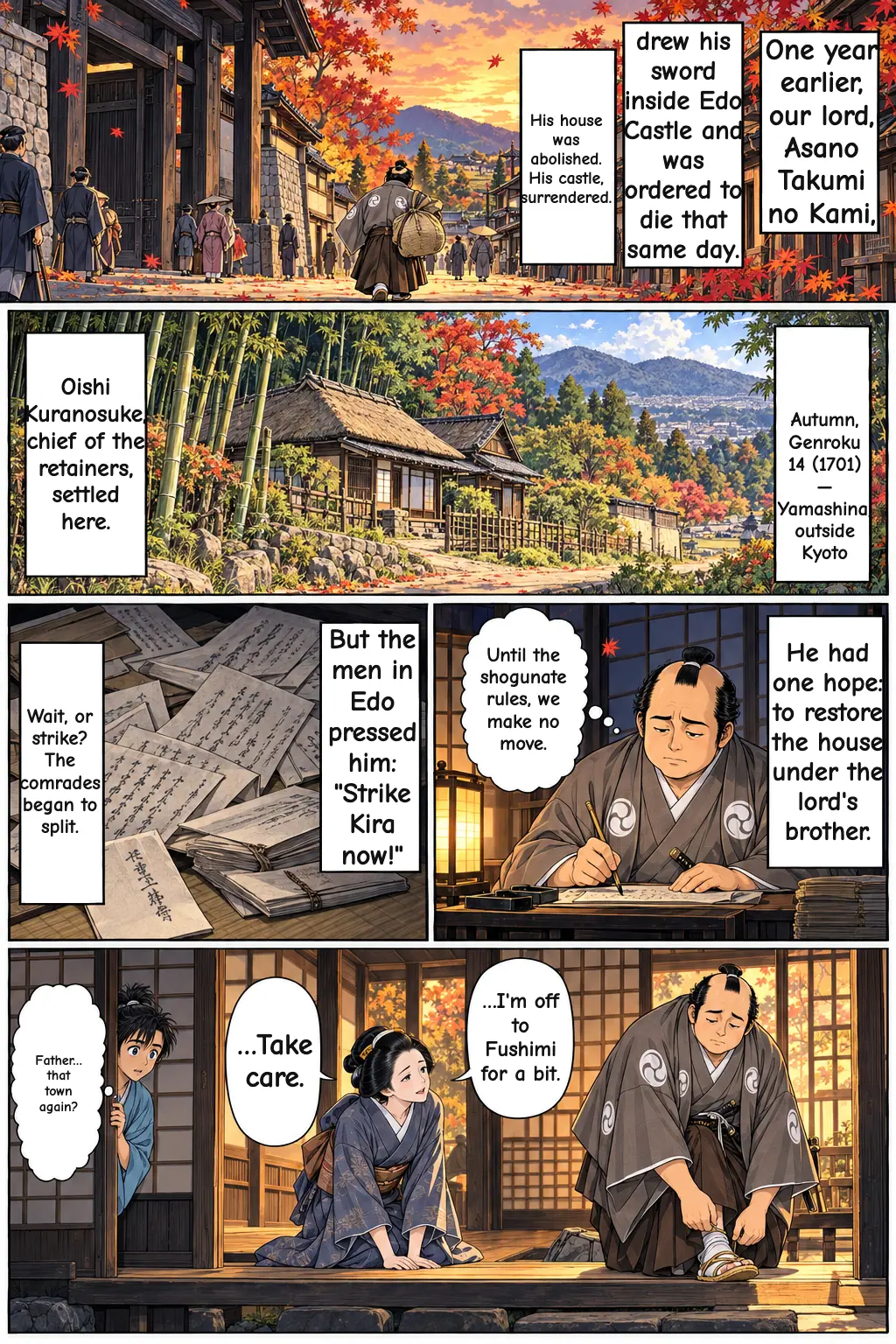
The story of the 47 Ronin begins in the spring of 1701. Asano Takumi-no-kami, the lord of the Ako domain, drew his sword on a senior official, Kira Kozukenosuke, inside Edo Castle. Drawing a blade in the shogun's castle was a grave crime. Asano was ordered to commit seppuku (ritual suicide) that same day, and his house was abolished. Kira survived. Hundreds of Asano's retainers suddenly became ronin, samurai with no master.
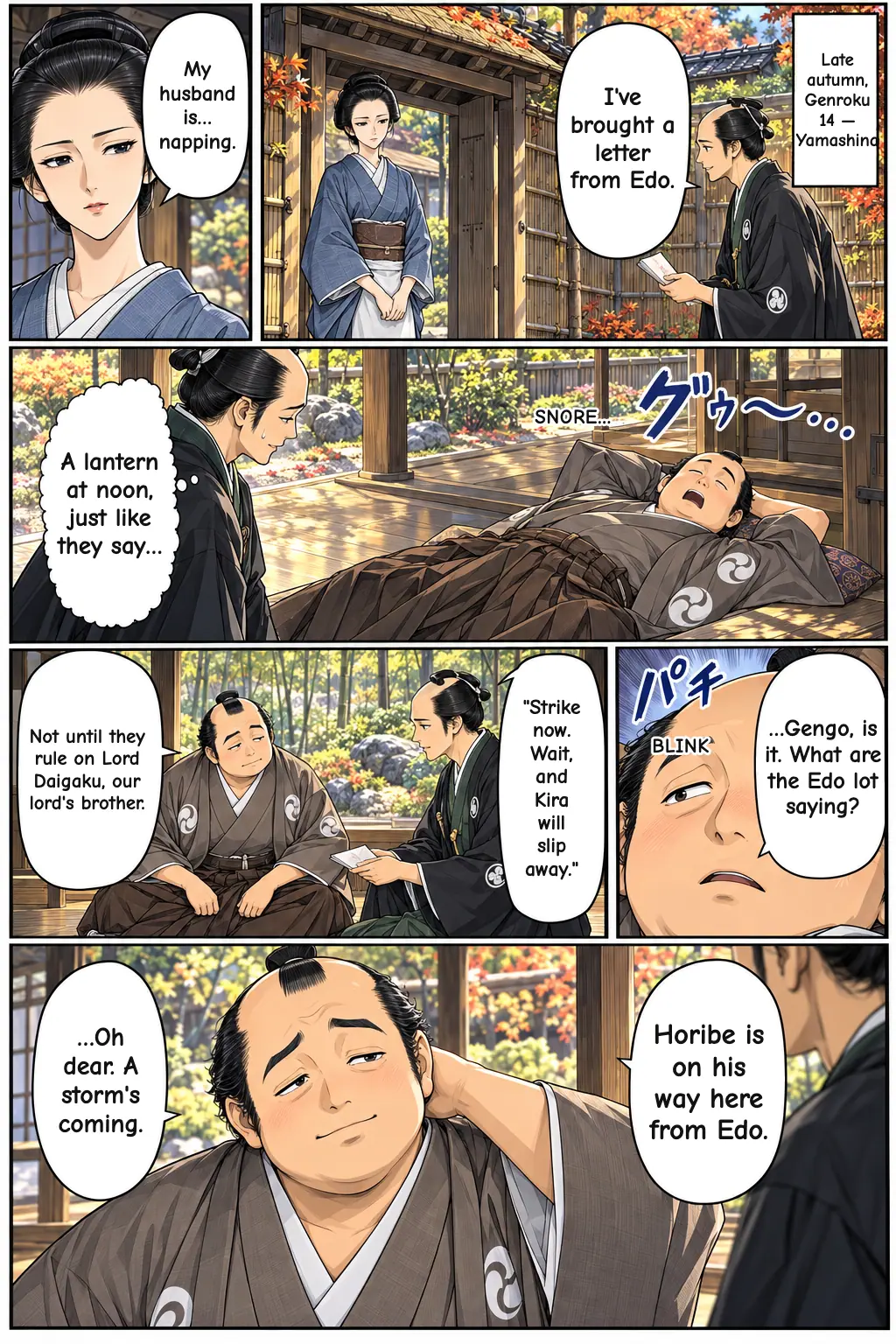
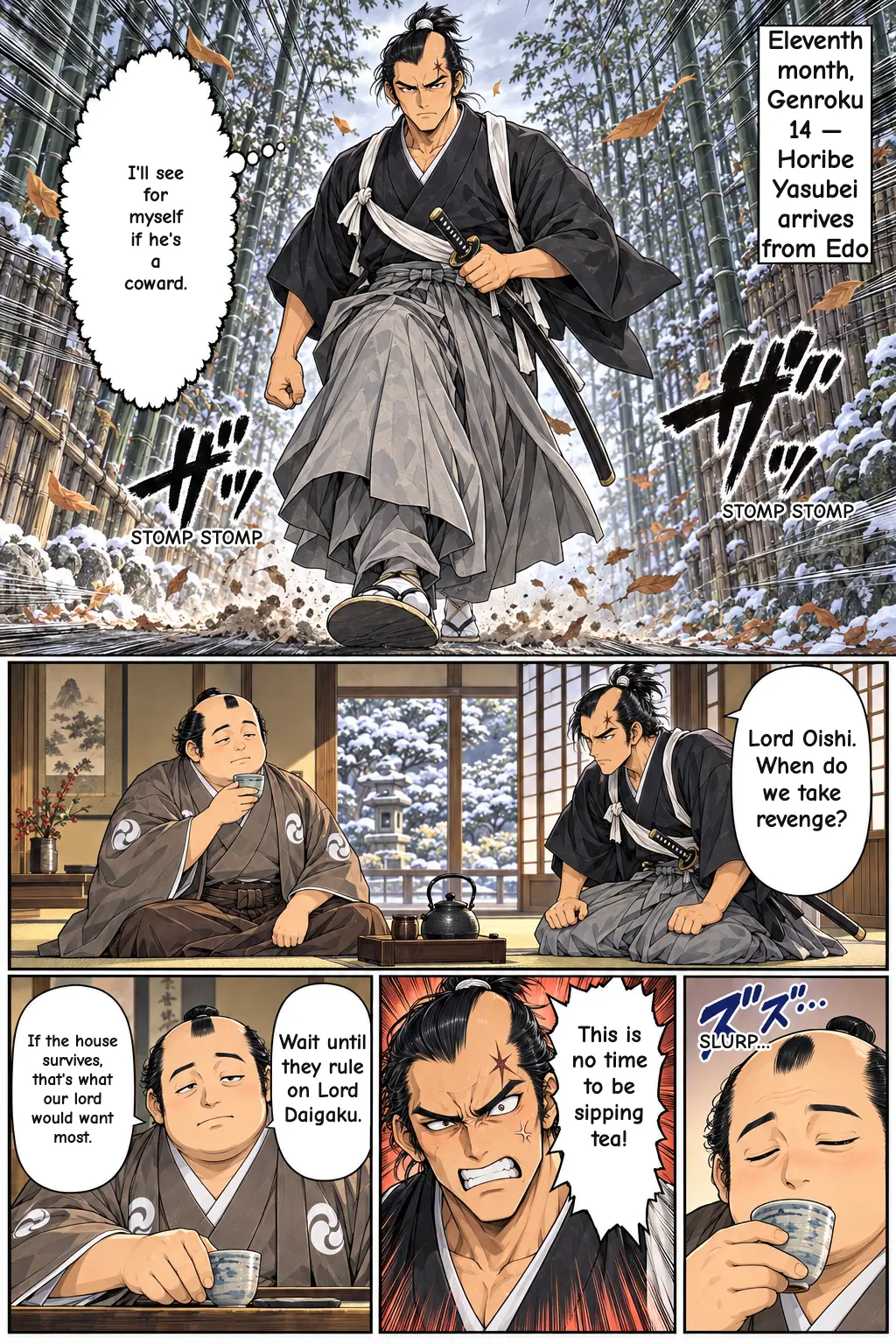
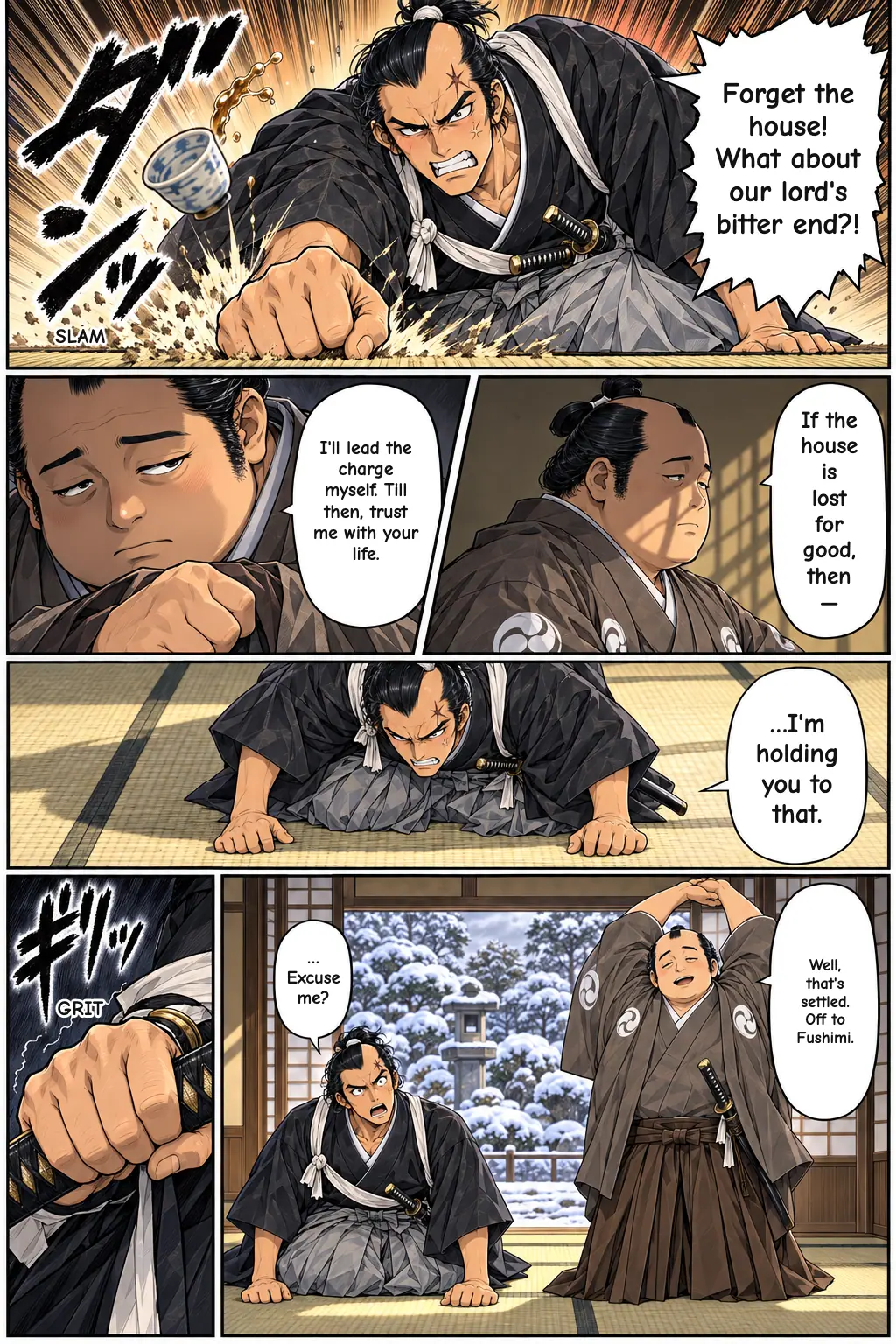
In April the retainers handed over Ako Castle. Their chief retainer, Oishi Kuranosuke Yoshio, then moved to Yamashina, a village on the outskirts of Kyoto. His first goal was not revenge. He worked to have the Asano house restored under Asano Daigaku, the dead lord's younger brother. His surviving letters show him again and again telling the hot-headed ronin in Edo, such as the swordsman Horibe Yasubei, to wait and do nothing until the shogunate had decided Daigaku's fate.
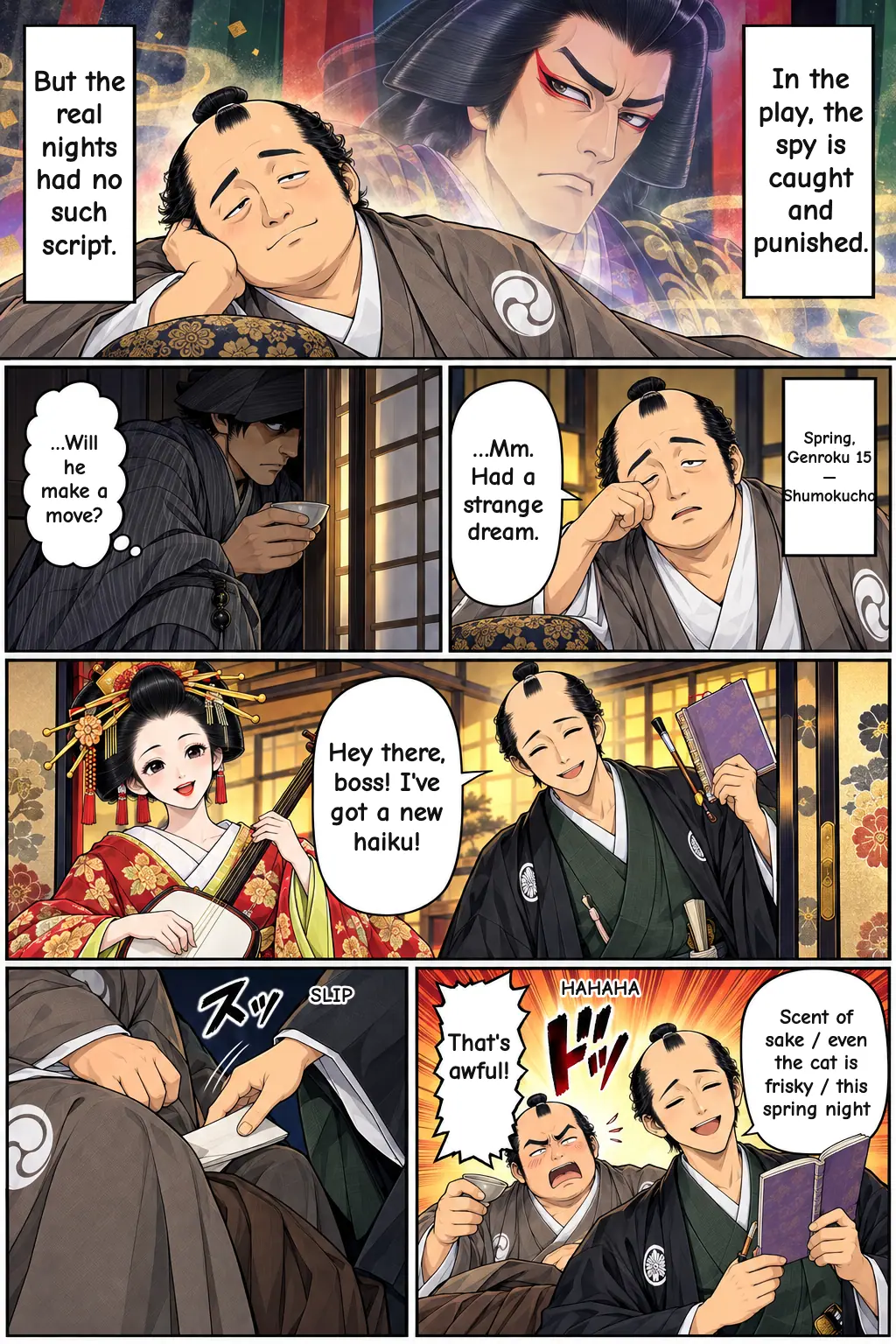
Records from the period also say Oishi visited pleasure quarters, including the district of Shumoku-cho in Fushimi, and rumors about his loose living spread. In 1702 he divorced his wife, Riku, and sent her back to her family in Toyooka, then kept a Kyoto woman named Karu near him. In July 1702 Daigaku was placed in the custody of the main Asano family in Hiroshima, which ended any hope of restoring the house. Later that month Oishi met his comrades at Maruyama in Kyoto, and they decided to attack Kira.
Was the Partying an Act? The Legend vs. the Evidence
The most famous explanation is that Oishi's partying was a trick. In this account, spies working for Kira's side, often linked to the Uesugi family and its senior retainer Chisaka Hyobu, were watching him, and he played the drunken fool so they would stop worrying. No document from that time supports this. The sources record what Oishi did, but they never say why he did it.
A second popular idea holds that his comrades lost faith in him because of the partying, and that this drove some to quit the league. Many members did drop out, and that is on record. But the link between the dropouts and his nights in the pleasure quarters was made by later storytellers. So the honest answer is that historians do not know whether Oishi was acting, grieving, or simply relaxing, and it may have been some mix of all three.
The Stage Version: Act Seven of Kanadehon Chushingura
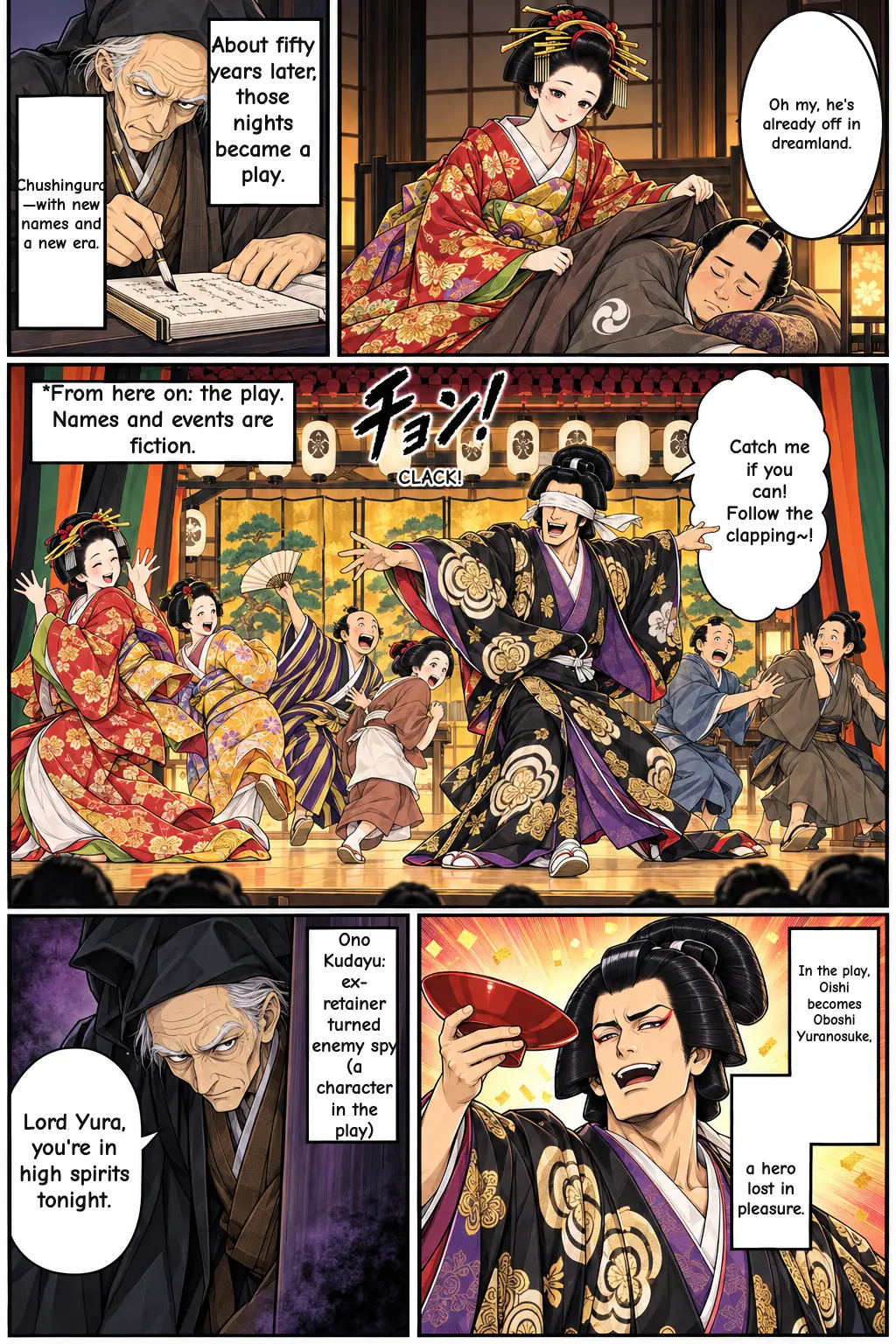
Most people know Oishi from Kanadehon Chushingura ("The Treasury of Loyal Retainers"), a puppet play first staged in 1748 by Takeda Izumo, Miyoshi Shoraku, and Namiki Senryu. Plays were not allowed to show recent events involving samurai openly, so the writers moved the story to an earlier era and changed every name. Oishi becomes Oboshi Yuranosuke, and his lord becomes Enya Hangan.
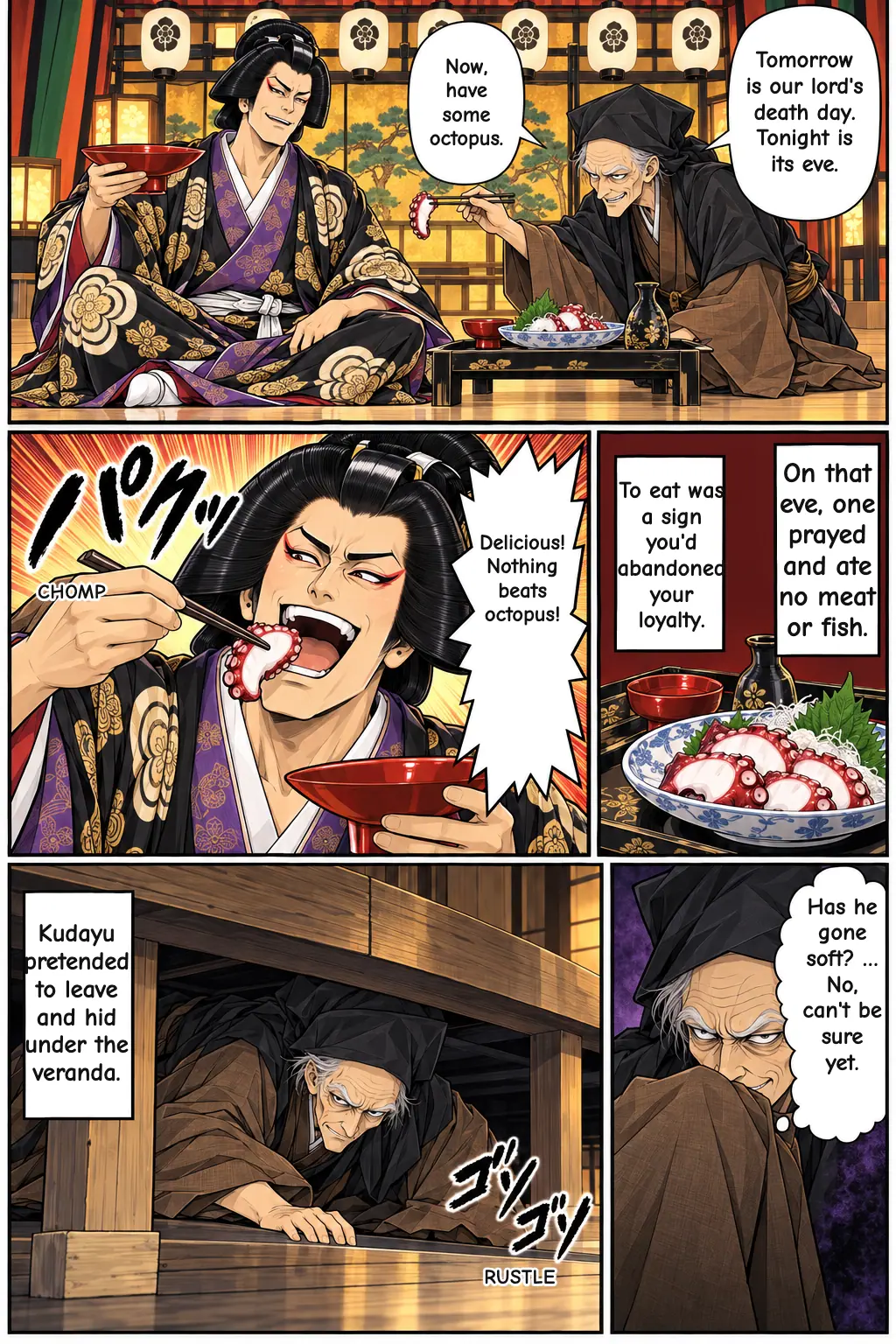
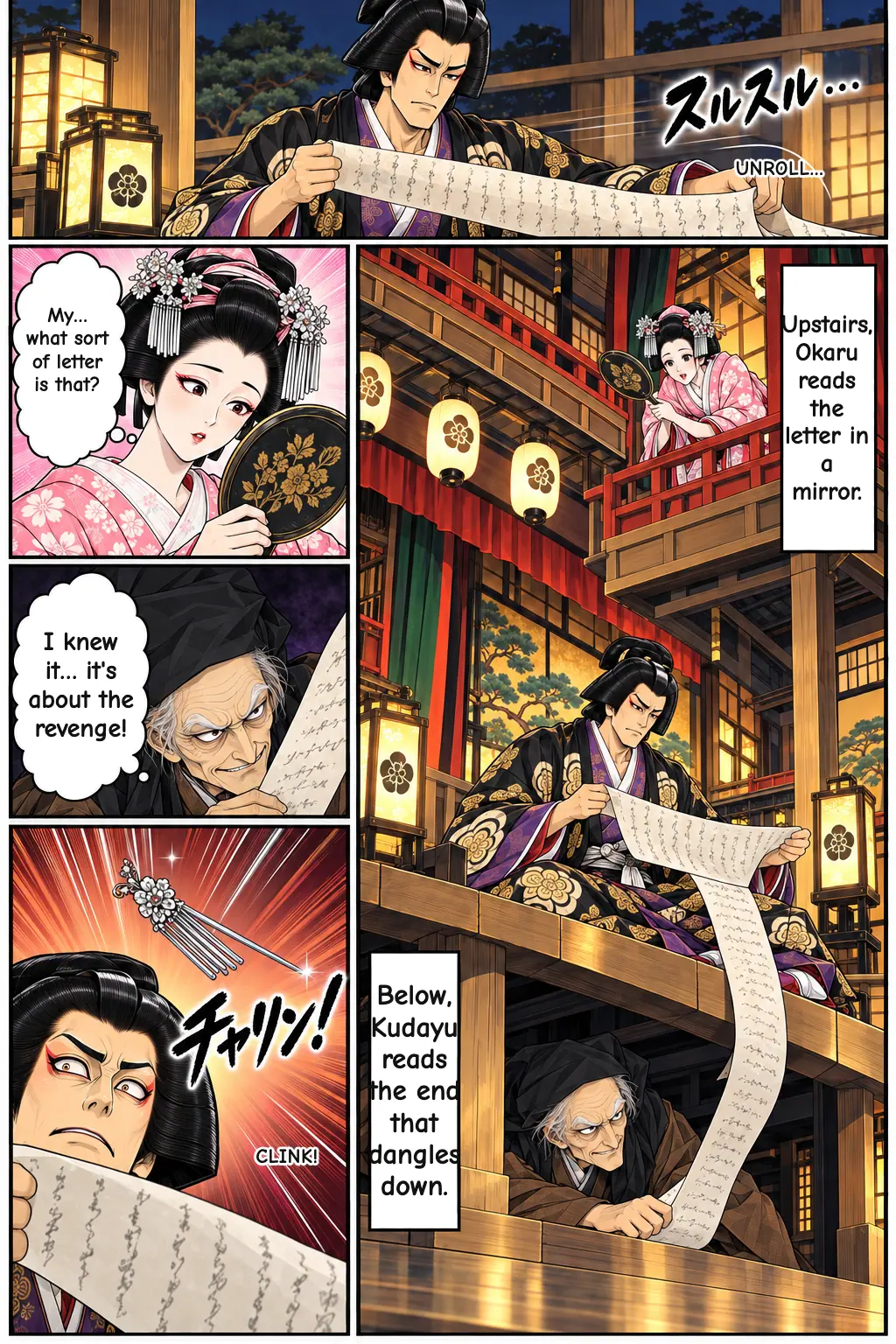
Act Seven takes place at the Ichiriki teahouse in Gion, Kyoto. Comrades come to test Yuranosuke's resolve, and he pretends to be too drunk to talk. Then Ono Kudayu, a former retainer who has gone over to the enemy, offers him octopus on the eve of his lord's death anniversary, a night when a loyal man would avoid such food. Yuranosuke eats it calmly. Kudayu hides under the veranda. When Yuranosuke reads a secret letter by lamplight, Okaru, a courtesan upstairs, reads it in a hand mirror, while Kudayu reads the end of the scroll as it hangs down.
Okaru's hairpin falls and gives her away. Yuranosuke suddenly offers to buy her freedom. Her brother, Teraoka Heiemon, a foot soldier, realizes this means Yuranosuke plans to silence her, and he tries to kill her himself to earn a place among the avengers. In this moment Okaru learns that her husband and her father are both dead. Yuranosuke stops them, accepts Heiemon into the league, and guides Okaru's hand as she stabs the hidden spy through the floor. The scene is pure fiction, but it shaped how audiences have pictured the real Oishi ever since.
Why "The Daytime Lantern"?
The episode title uses a well-known Japanese phrase, hiru-andon, meaning a lantern lit in broad daylight. It describes someone who looks dim and useless, and tradition has long attached it to Oishi. The phrase holds the whole puzzle of his character: is he a lamp that gives no light, or one whose glow simply cannot be seen yet? The story of the 47 Ronin became a lasting symbol of loyalty in Japan, and this part of it asks a quieter question: what does loyalty look like while you are still waiting, and how far can you trust anyone's mask?
What the Manga Changes
The manga follows the historical outline. Oishi still hopes the house can be restored, he spends his nights in the pleasure quarters, and both townsfolk and comrades laugh at him. The inner life is the manga's own invention. The brief sober look in the shadows behind the party lights is a creative choice, because no source tells us what Oishi felt. Details such as the rooms, the lamps, the conversations, and any minor characters who speak for the disappointed comrades are also created for the story.
The saying "To fool your enemy, first fool your friends" is an old proverb. If the manga puts it in Oishi's mouth, that is dramatization, since no record shows he said it. Notably, the episode ends at dawn without deciding whether his revels were an act. That open ending is in fact very faithful to history, which leaves the same question unanswered.
Where to Read It
If you want to see how one night in the pleasure quarters can hold both laughter and a hidden resolve, read Episode 4 of THE 47 RONIN: Chushingura – A Vow in the Winter Snow here on Manga Portal. Every episode is free, and you don't need to sign up. It's a quick way to meet the man behind the legend before the snow falls on the night of the raid.
Characters in this episode
Oishi Kuranosuke Yoshio
The chief retainer of the Ako domain, who worked to restore his lord's house and later led the 47 Ronin, while gaining a name for nightly partying.
Asano Takumi-no-kami
The lord of Ako, whose sword attack in Edo Castle led to his forced suicide and the fall of his house.
Kira Kozukenosuke
The senior official Asano attacked, who survived and became the ronin's target.
Asano Daigaku
Asano's younger brother, whom Oishi hoped would become head of a restored Asano house.
Horibe Yasubei
A famous swordsman among the Edo ronin who pressed for quick revenge and received Oishi's letters urging patience.
Oboshi Yuranosuke
The stage character based on Oishi in Kanadehon Chushingura, who hides his true purpose behind drunken play at the Ichiriki teahouse.
FAQ
Why did Oishi Kuranosuke party in the pleasure quarters?
Nobody knows for sure. The popular story says he faked a wild life to fool enemy spies, but no record from the time supports that. The sources show that he went, not why he went.
What does "hiru-andon" (daytime lantern) mean?
It is a Japanese expression for a lantern lit in daylight, meaning a person who seems dull or useless. Tradition attaches the nickname to Oishi, and the joke is that his real worth was hidden until the right moment.
Is Okaru from Chushingura a real person?
No. Okaru is a fictional courtesan from the 1748 play Kanadehon Chushingura. The real Oishi did keep a Kyoto woman named Karu near him, but she is a different person whose name only sounds similar.
Why did the 47 Ronin wait so long to take revenge?
At first Oishi tried to have his lord's house restored under Asano Daigaku, and he told the eager ronin to hold back until that question was settled. When Daigaku was placed in custody in July 1702, the restoration plan died, and the group decided to attack Kira.
What happens in Act Seven of Chushingura?
At the Ichiriki teahouse in Gion, Oboshi Yuranosuke pretends to be a drunken fool while a traitor, Ono Kudayu, spies on him. A secret letter is read by both the courtesan Okaru and the hidden spy, and in the end Yuranosuke guides Okaru's hand to kill Kudayu.