Episode 5He Was Late Once. He Won't Wait AgainHoribe Yasubei and the Duel at Takadanobaba
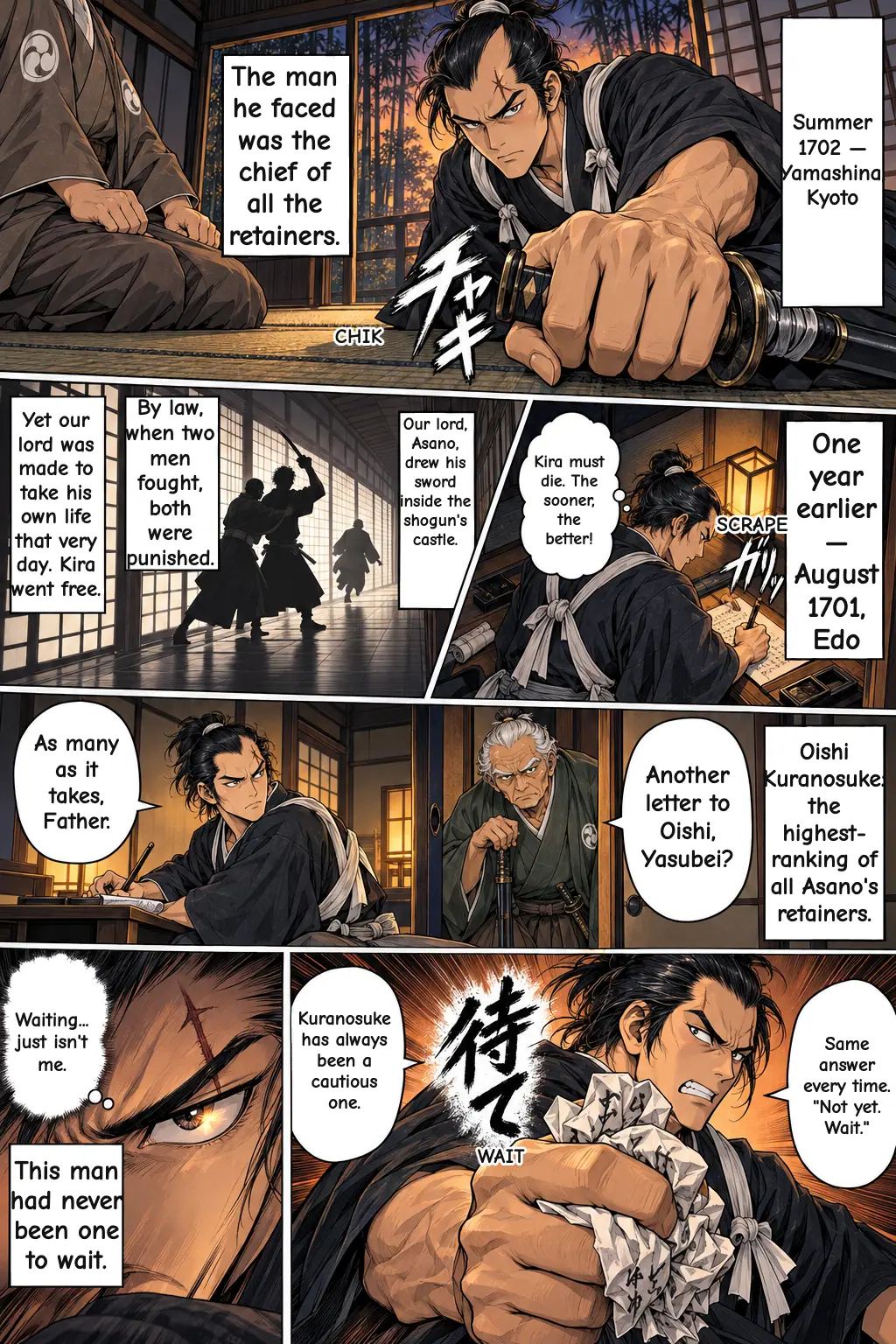
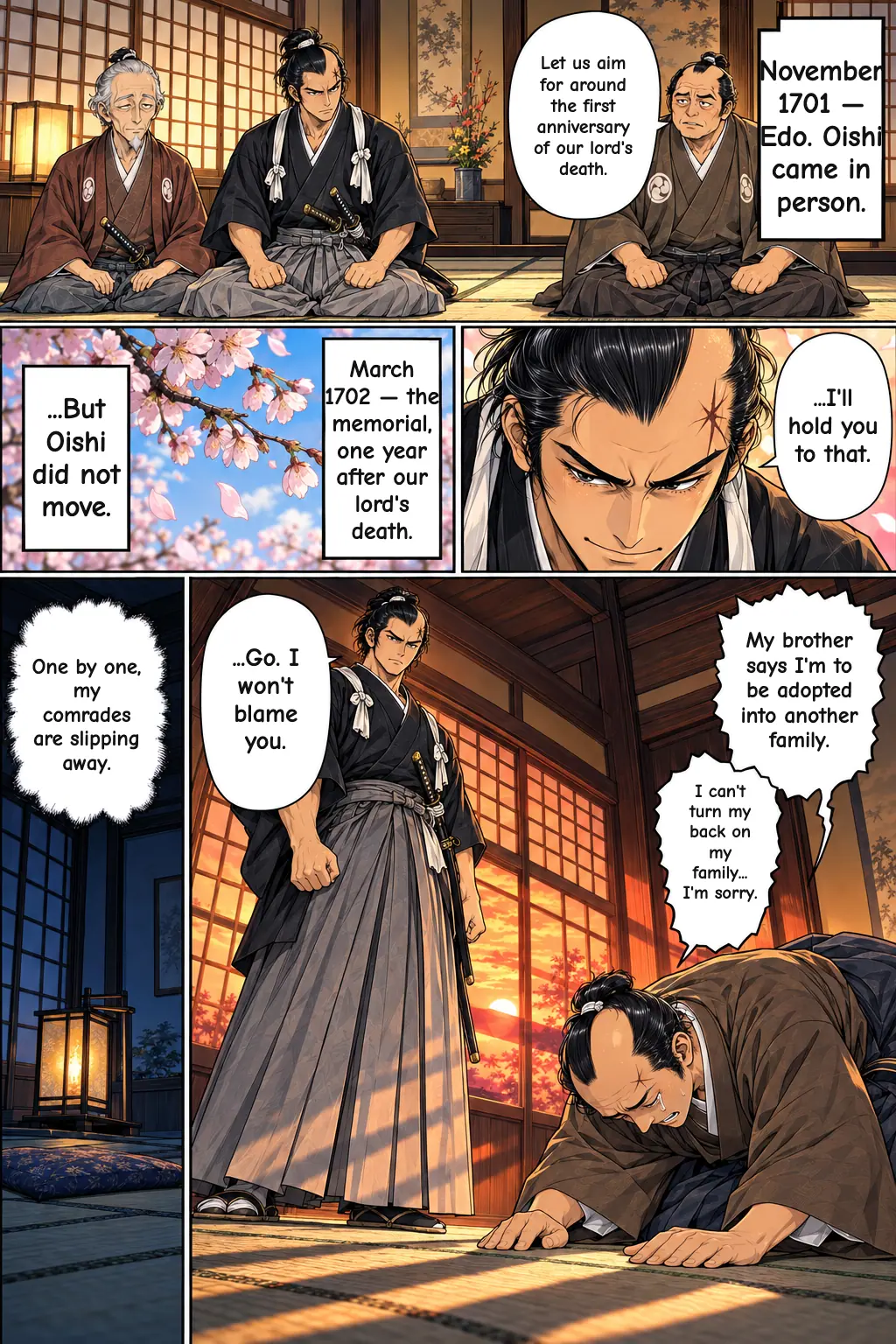
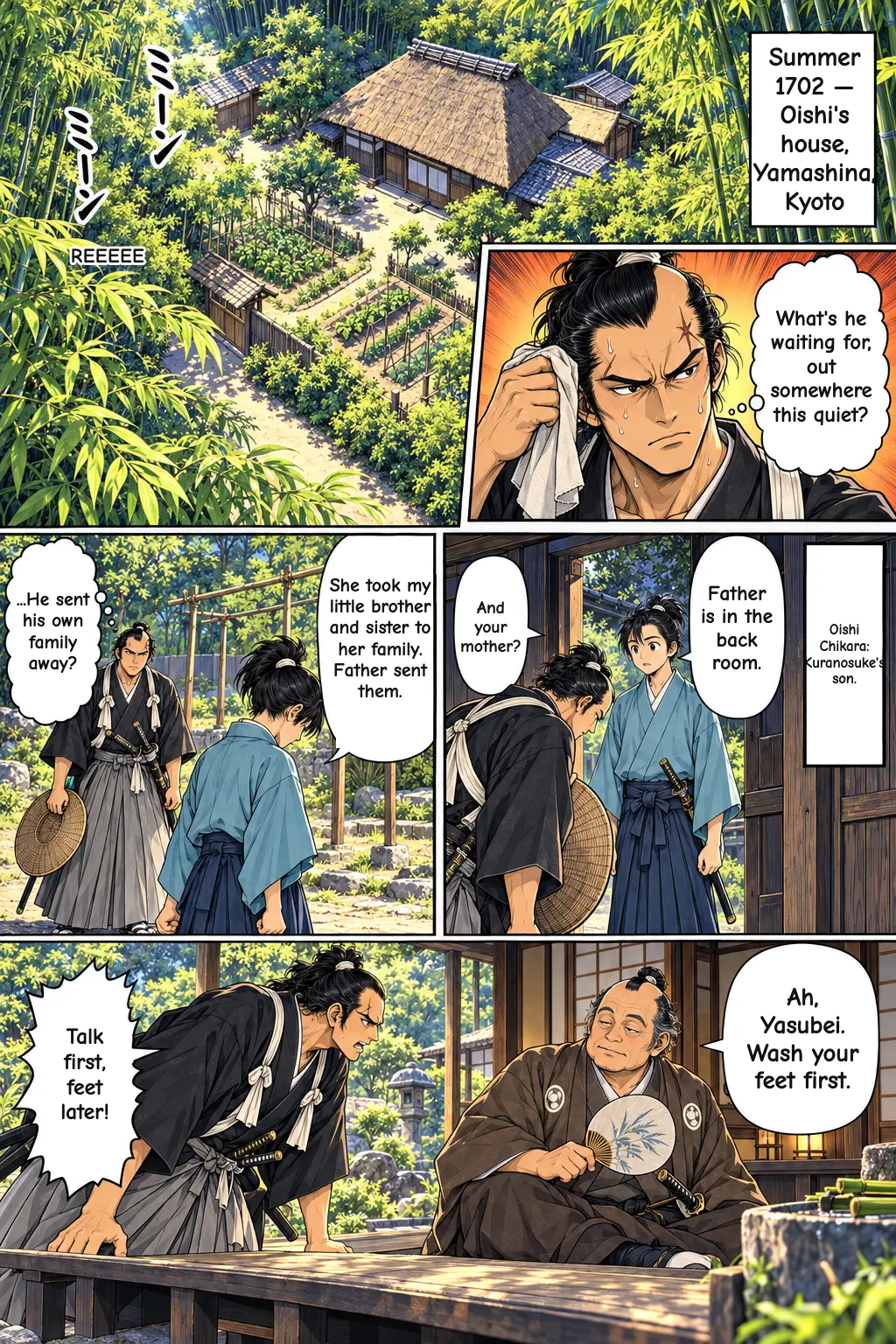
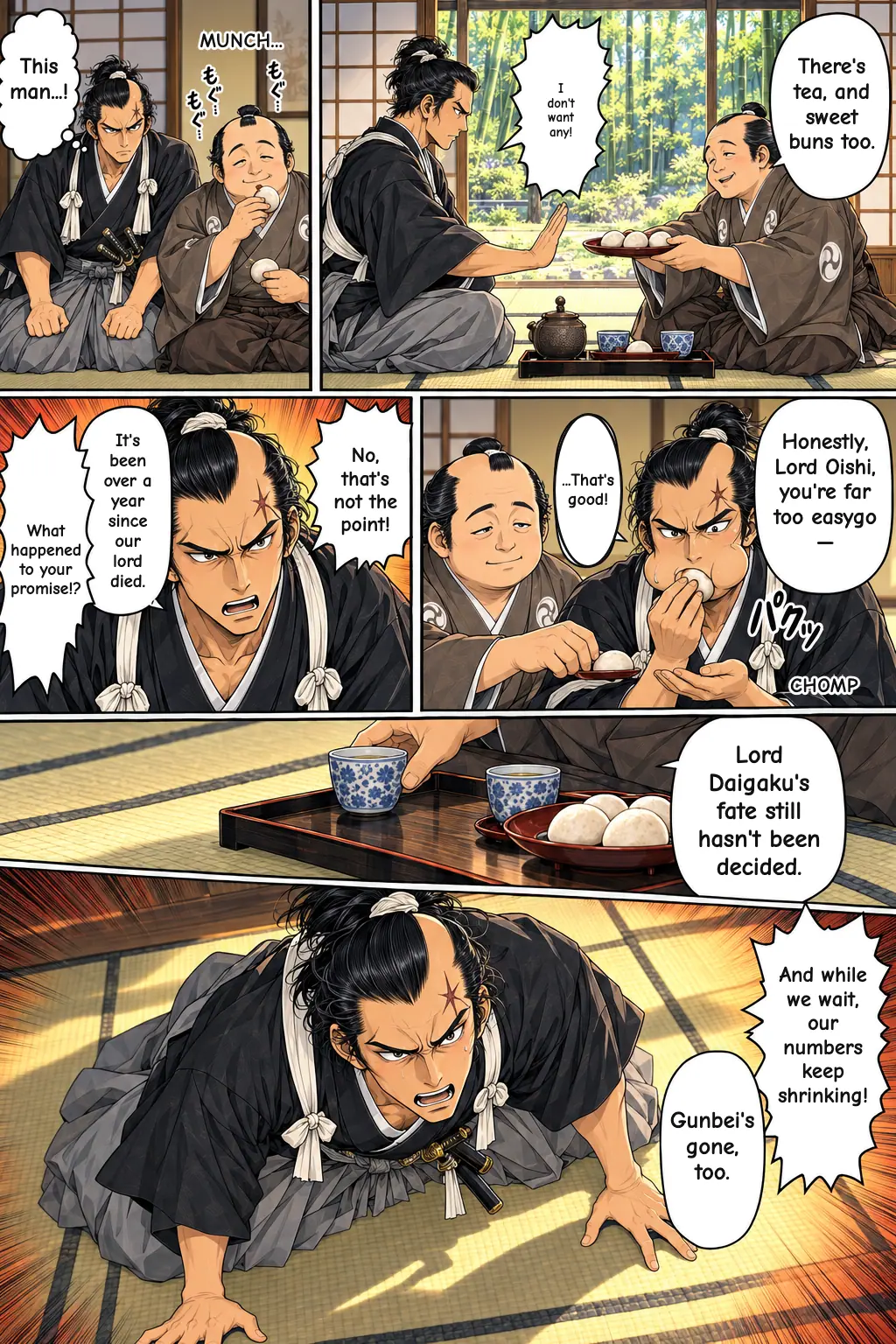
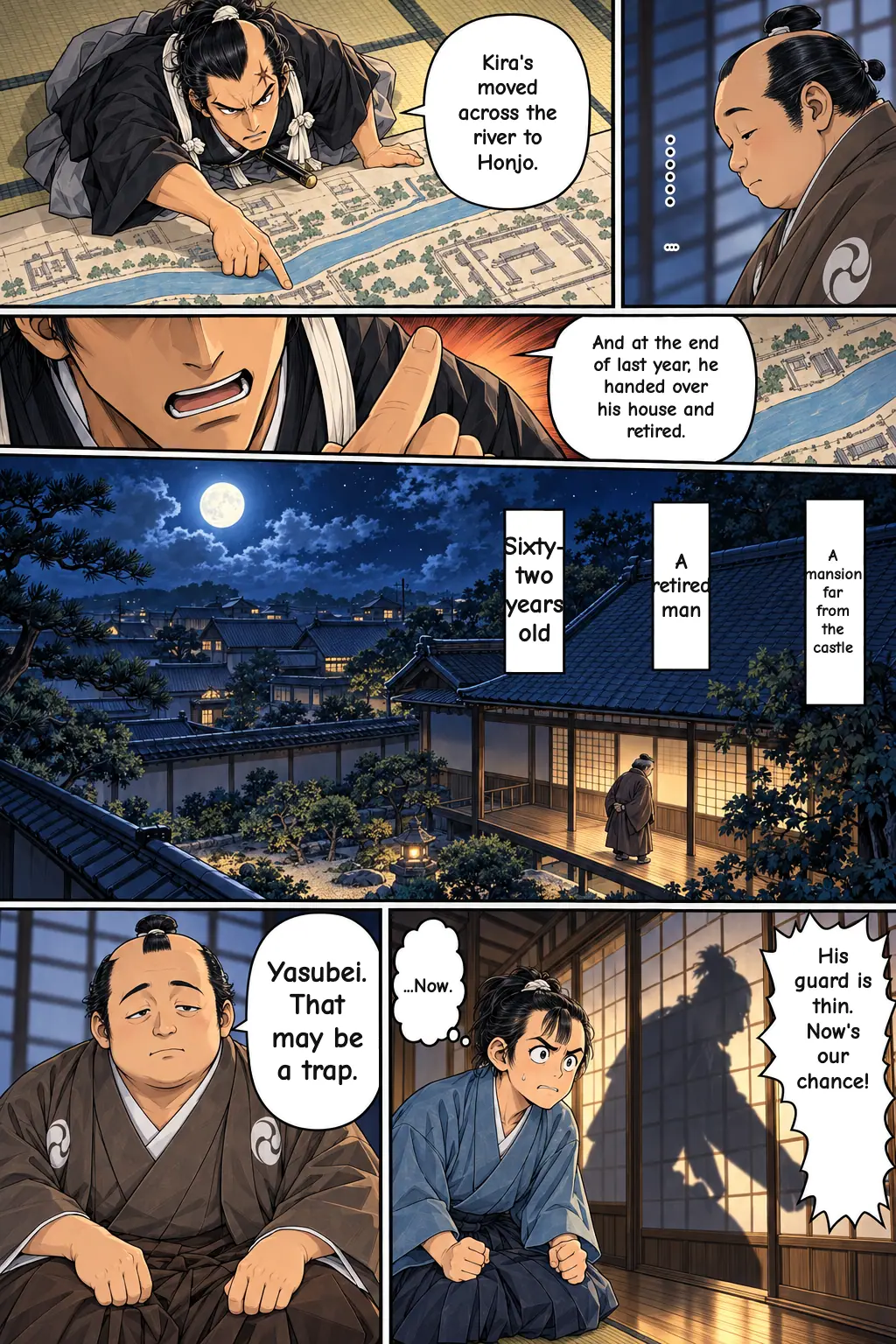
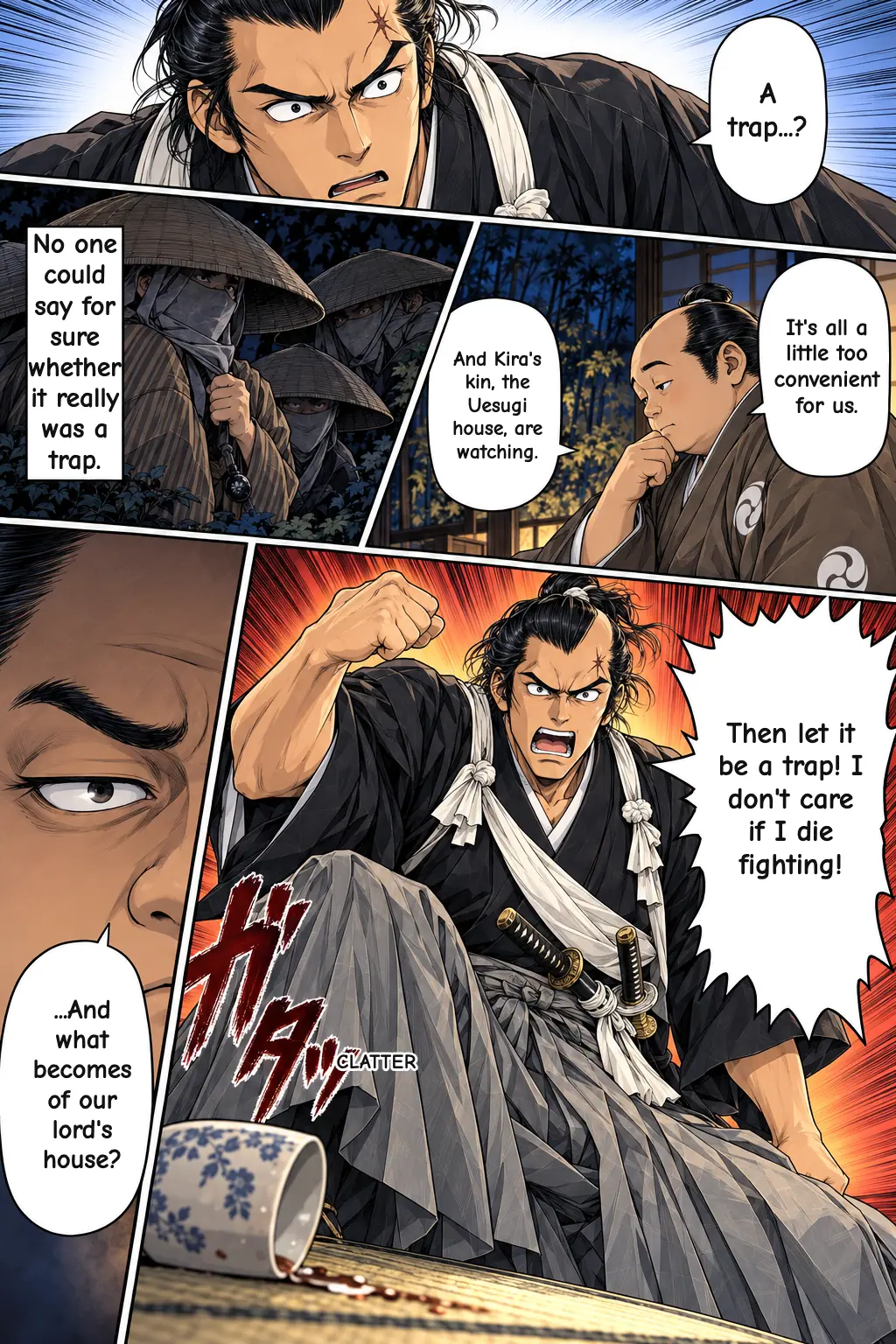
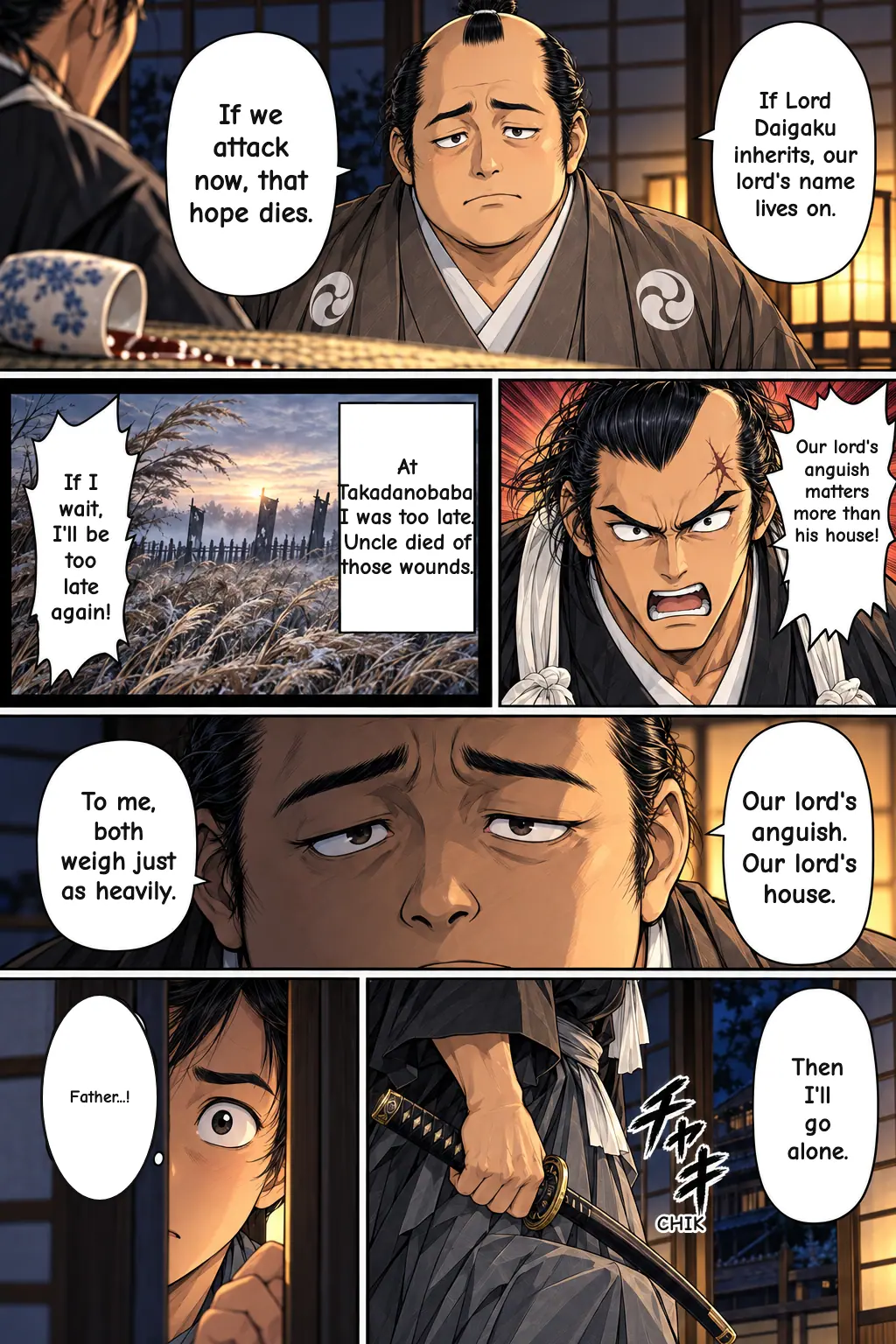
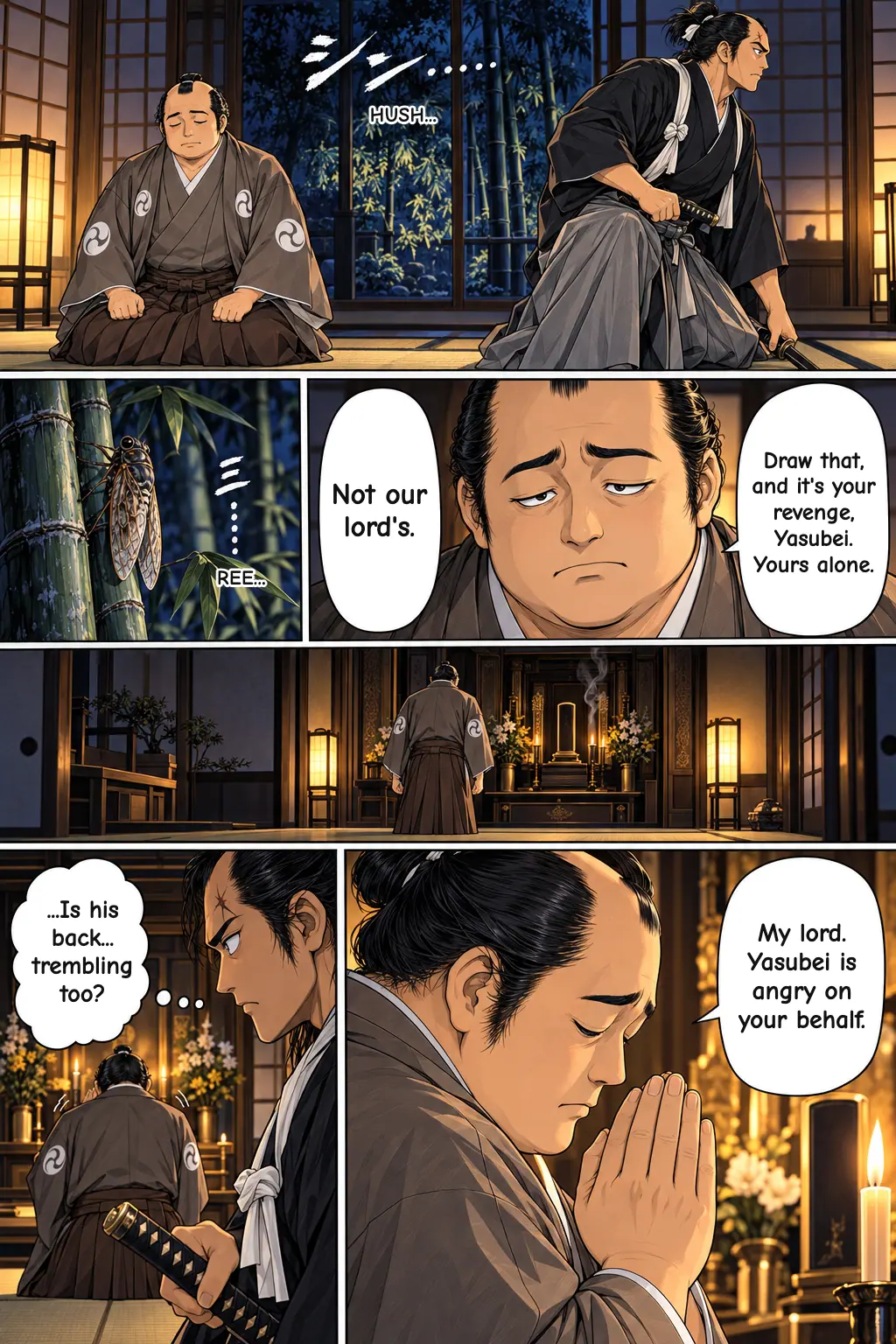
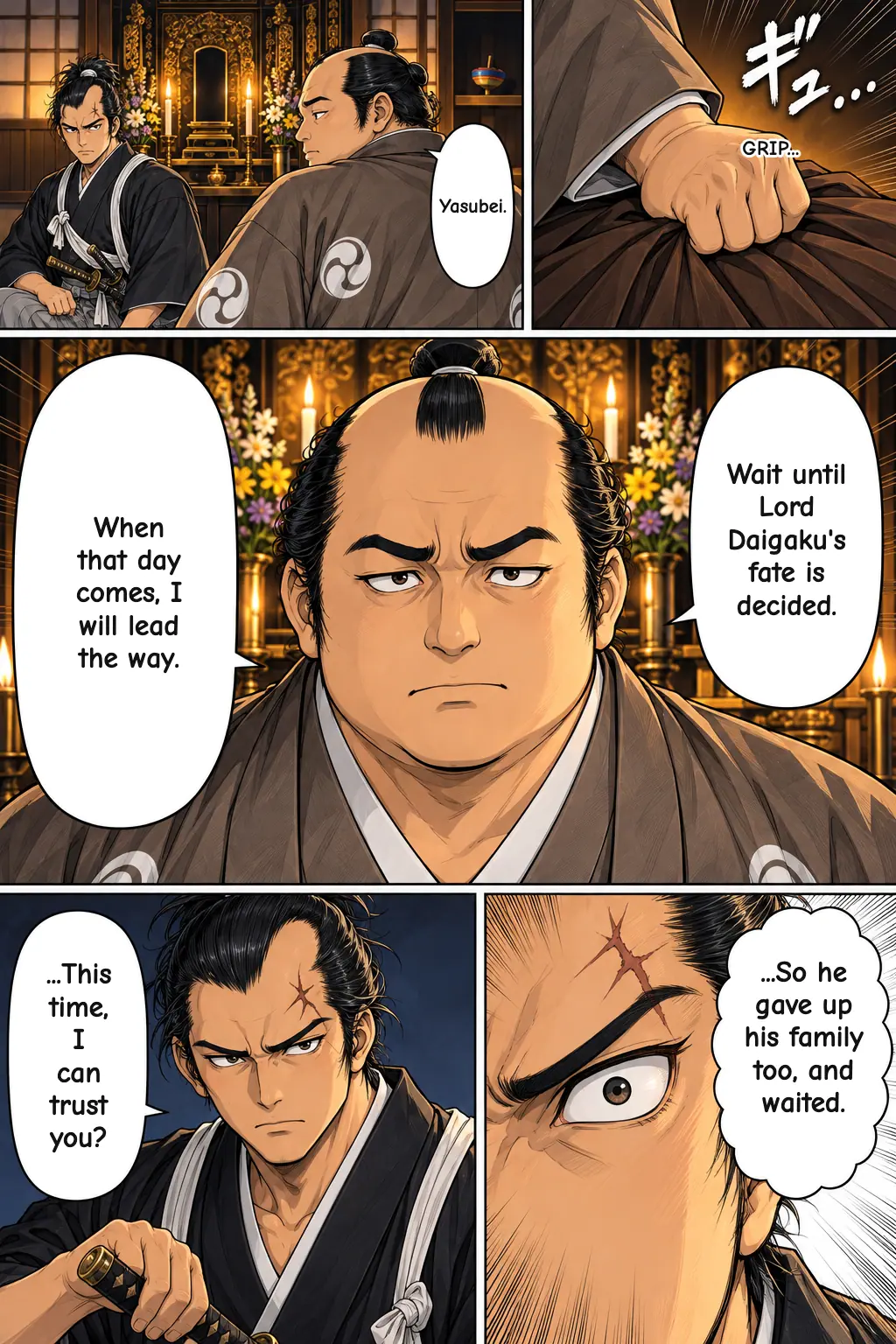
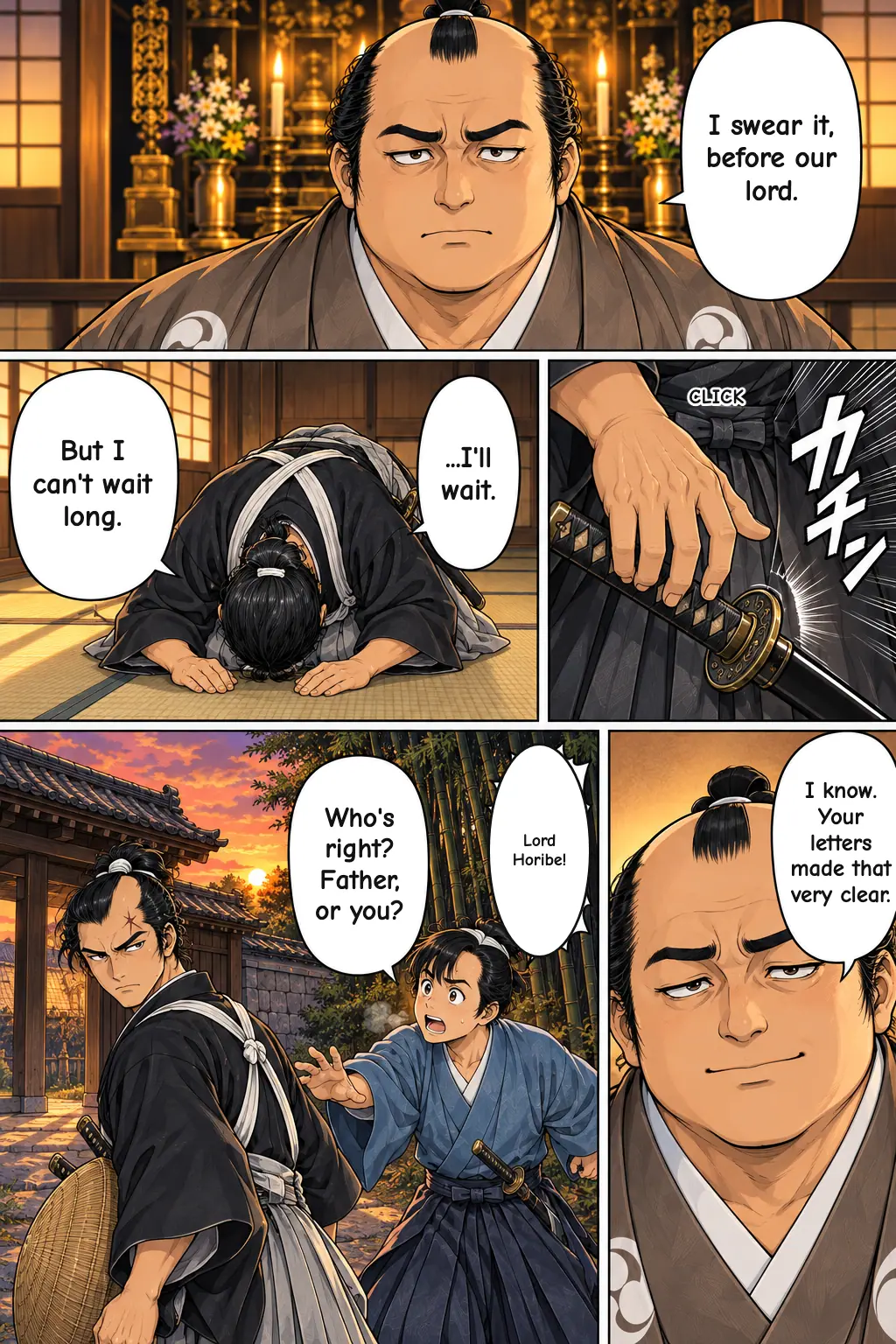
Years ago, the swordsman Horibe Yasubei arrived too late to save the man who raised him in a duel. Now he pushes Oishi, the chief retainer who keeps telling everyone to wait, to strike Kira down as soon as possible. When Kira moves house and retires, Yasubei sees his chance. He storms into Yamashina, and in front of Oishi, his hand goes to his sword.
Horibe Yasubei and the 47 Ronin: Takadanobaba Duel Explained
The Story Behind Episode 5: A Swordsman Who Refused to Wait
Chushingura, the tale of the 47 Ronin, is Japan's most famous story of loyalty and revenge. In the third month of 1701, Asano Takumi no Kami, the lord of the Ako domain, drew his sword on the court official Kira Kozukenosuke inside Edo Castle. Asano was ordered to commit seppuku (ritual suicide) that same day. His domain was abolished, and Kira received no punishment at all. Hundreds of Asano's retainers suddenly became ronin, masterless samurai.
Most people know the ending: a band of these ronin raided Kira's mansion and took his head. Fewer know how bitterly they argued over when to do it. Episode 5 focuses on that argument, and on the man who pushed hardest for action: Horibe Yasubei, a swordsman already famous in Edo before any of this began.
The Takadanobaba Duel: History and Legend
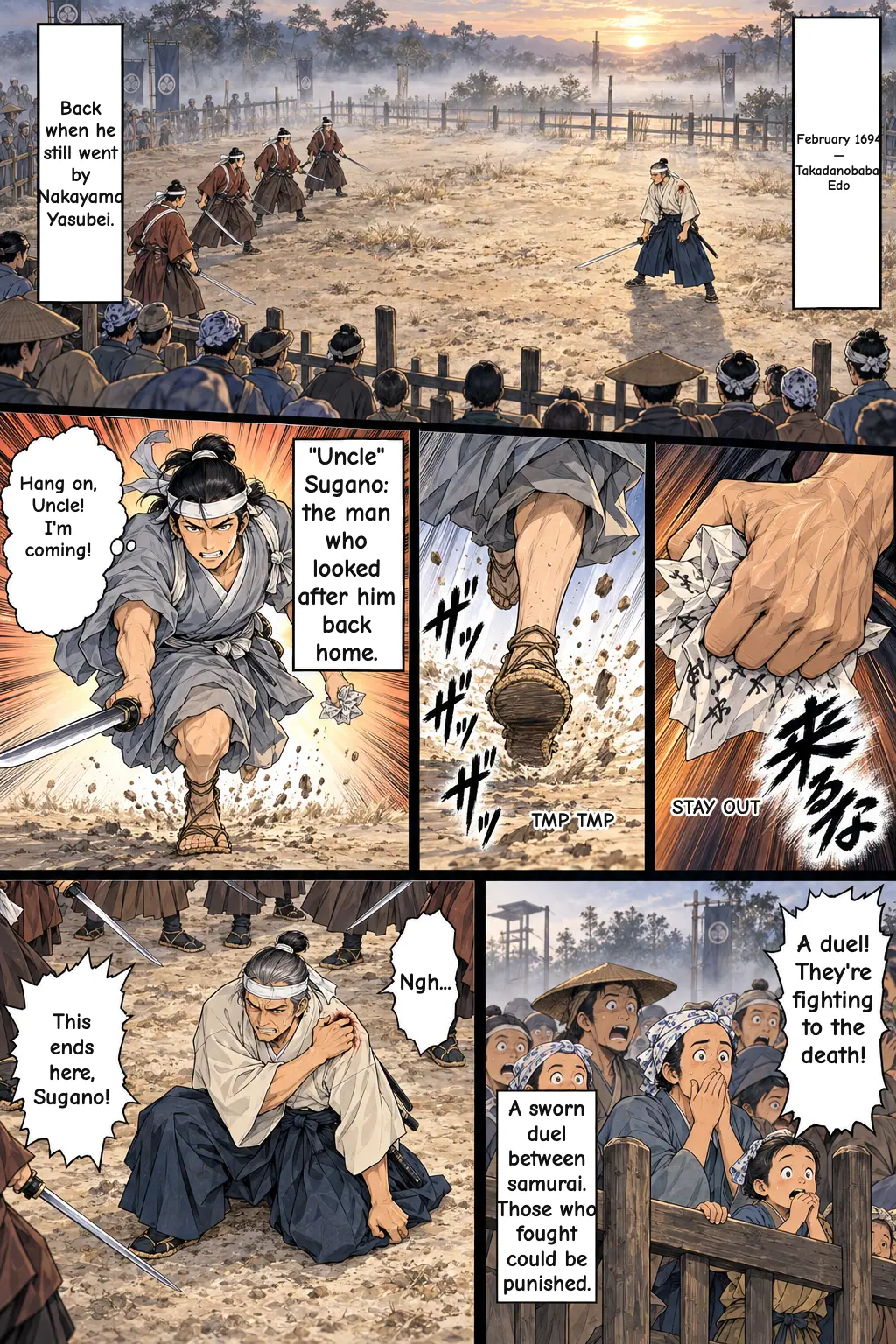
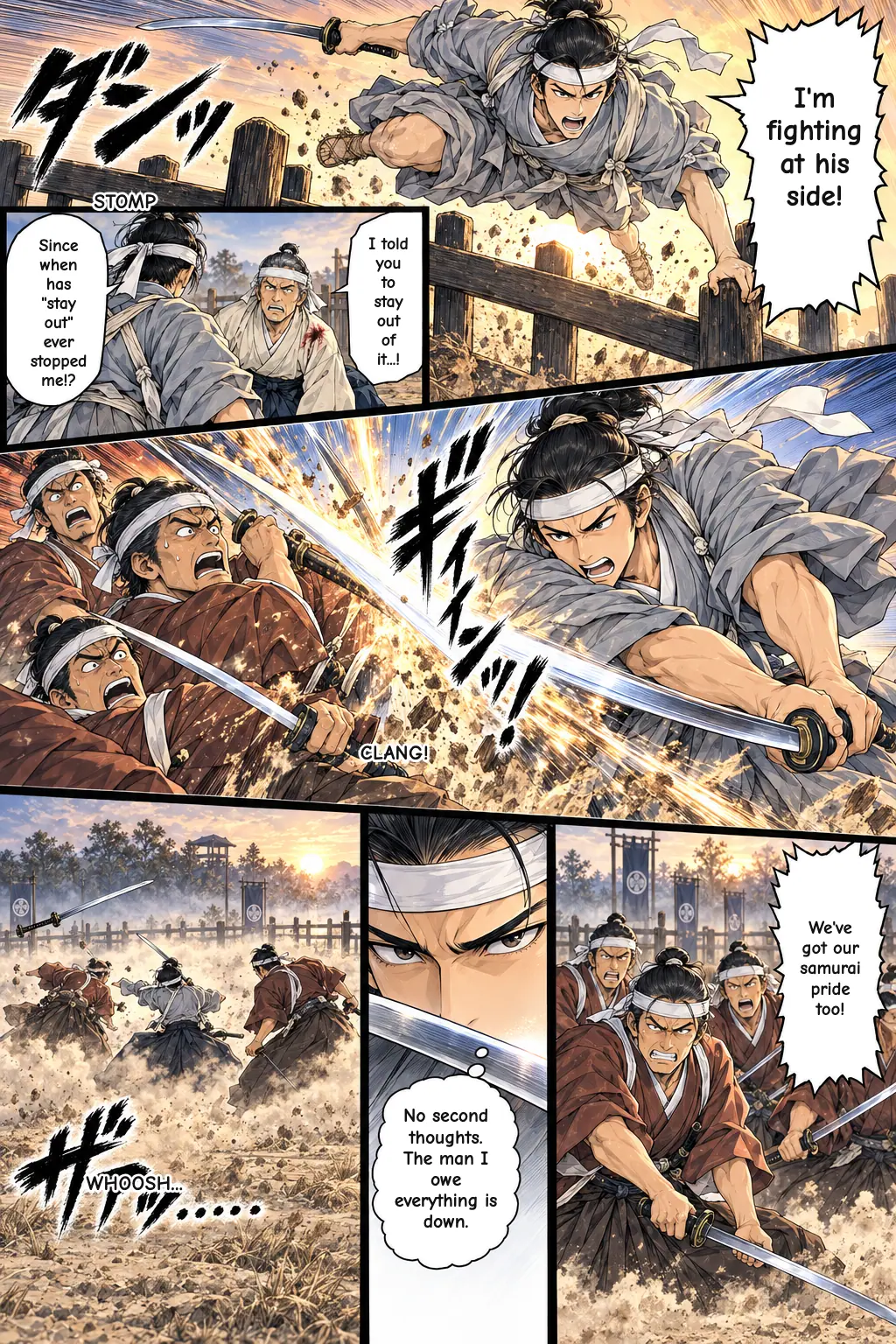
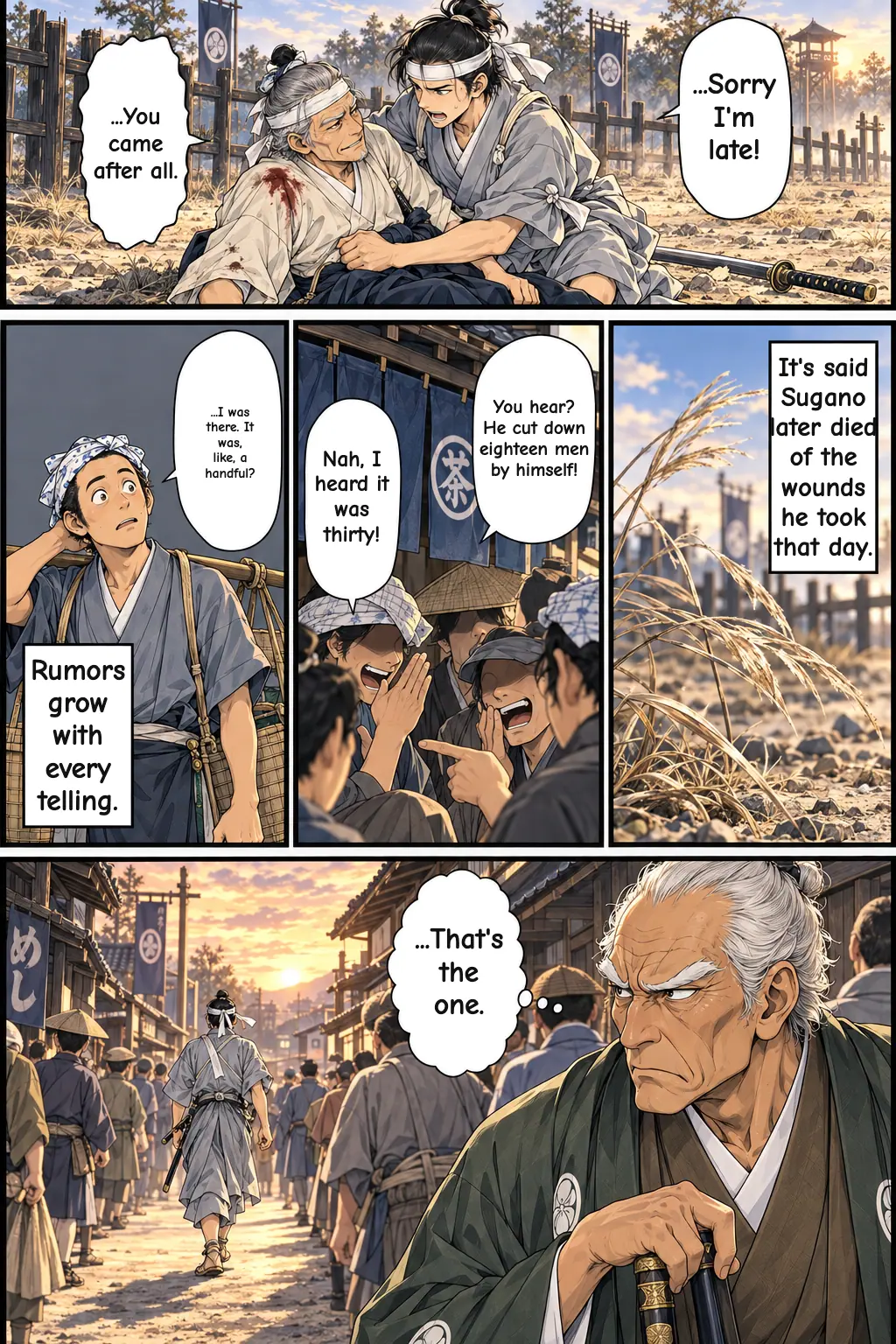
Yasubei was born into the Nakayama family of Shibata in Echigo province and was living in Edo as a ronin, training at a fencing school. In the second month of 1694, a samurai named Sugano Rokurozaemon of the Iyo-Saijo domain was due to fight a duel against Murakami Shozaemon and his side at Takadanobaba, a riding ground on the edge of Edo. Sugano was not Yasubei's blood relative, but he came from the same home province and was an older friend, a kind of honorary uncle. Yasubei went to help him and cut down men on the other side. Sugano is said to have died of the wounds he took that day.
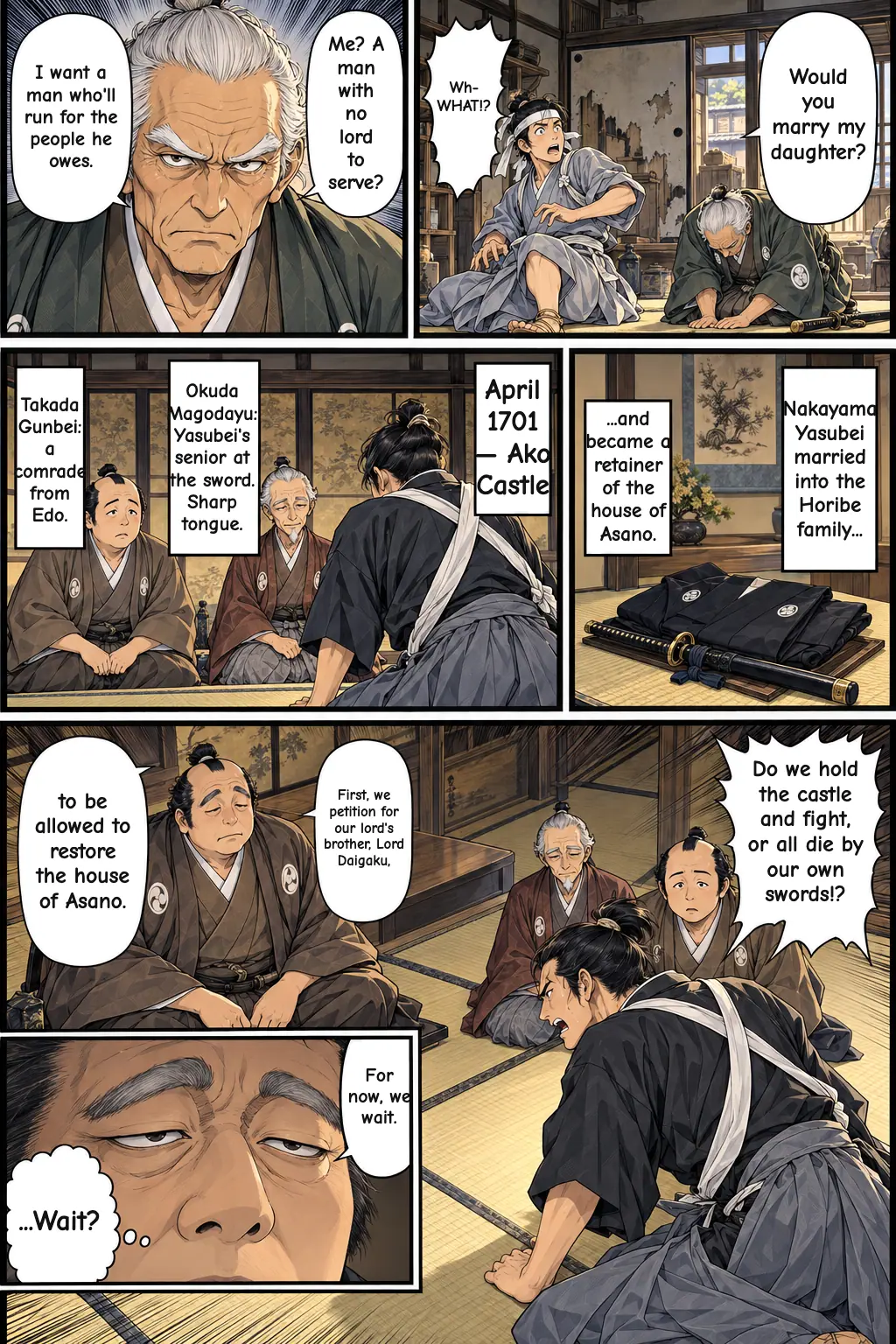
Most records put the number Yasubei killed at only a few. The famous 'eighteen men cut down' and the image of Yasubei rushing to the field while still drunk come from later kodan, the dramatic storytelling of the Edo period, and are best treated as legend. What is clear is that the fight made his name. Horibe Yahei, an elderly retainer of Ako, asked Yasubei to marry into his family as his adopted heir, and that is how Yasubei came to serve the Asano house.
Yasubei vs. Oishi: The Real Conflict
When the news of Asano's death reached Edo, Yasubei rode to Ako with two fellow retainers, Okuda Hyozaemon and Takada Gunbei. They urged Oishi Kuranosuke, the domain's chief retainer, to take a hard line: defend the castle or die by seppuku there. Oishi refused. His first priority was a petition to let Asano's younger brother, Asano Daigaku, revive the family. As long as that hope existed, he would not strike.
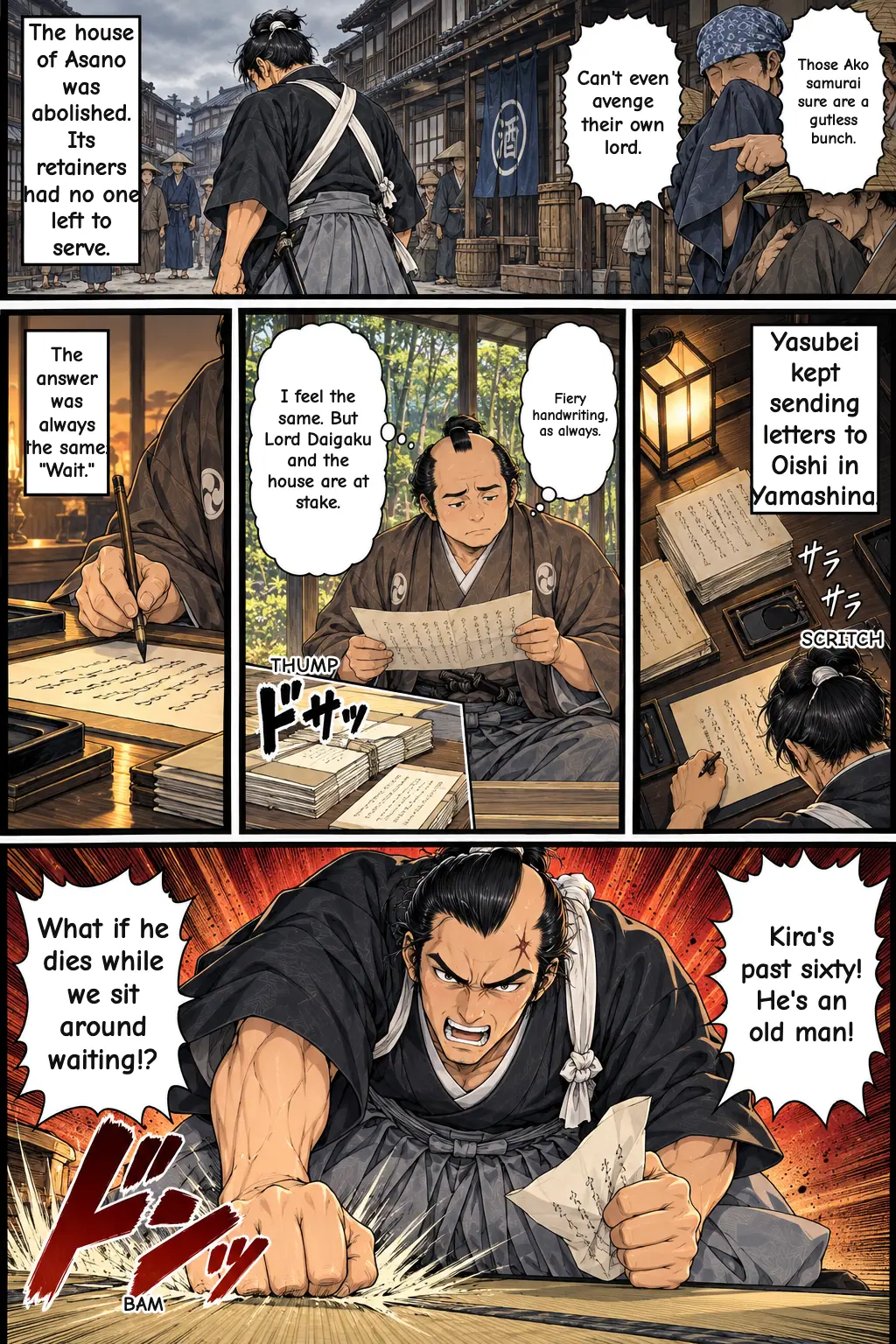
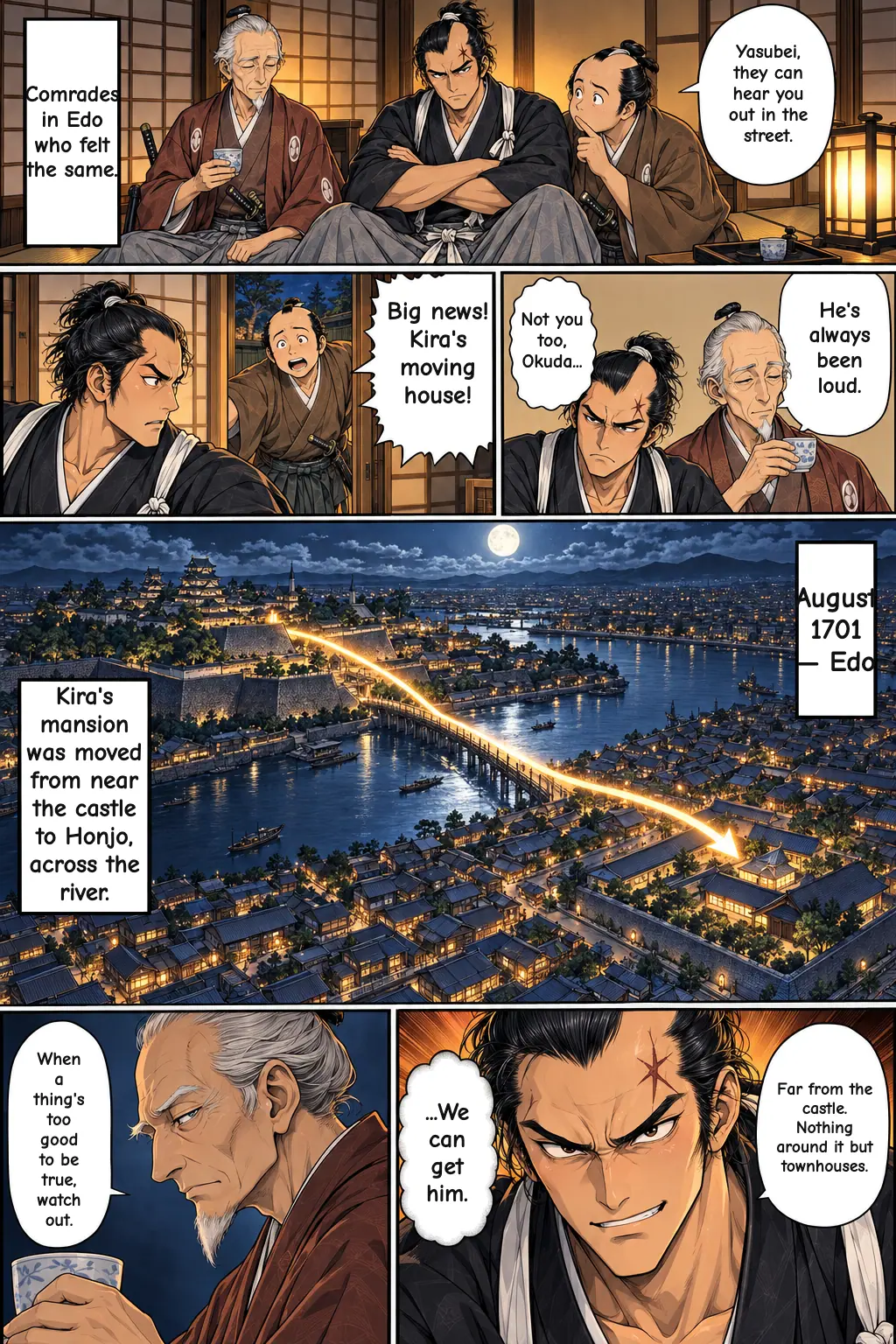
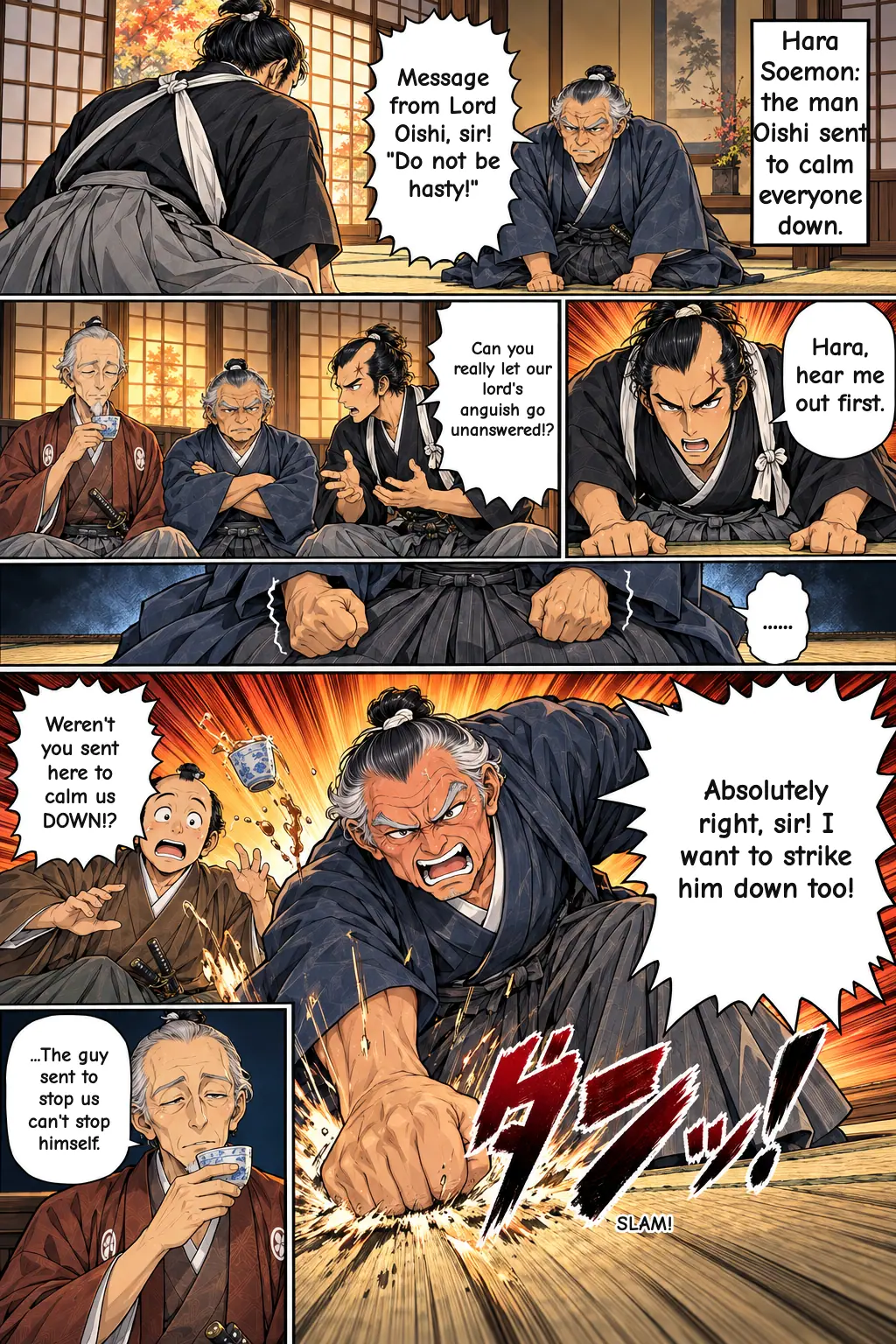
Back in Edo, Yasubei and his allies sent letter after letter to Oishi, who was living in Yamashiro near Kyoto. Yasubei kept copies, and they survive as the Horibe Taketsune Hikki, the main source for this part of the story. Events kept pushing the radicals forward. In the eighth month of 1701, Kira's residence was moved from Gofukubashi, inside the city, to Honjo across the Sumida River, which the radicals saw as a chance to reach him. Envoys Oishi sent to calm them, including Hara Soemon, ended up joining their side instead.
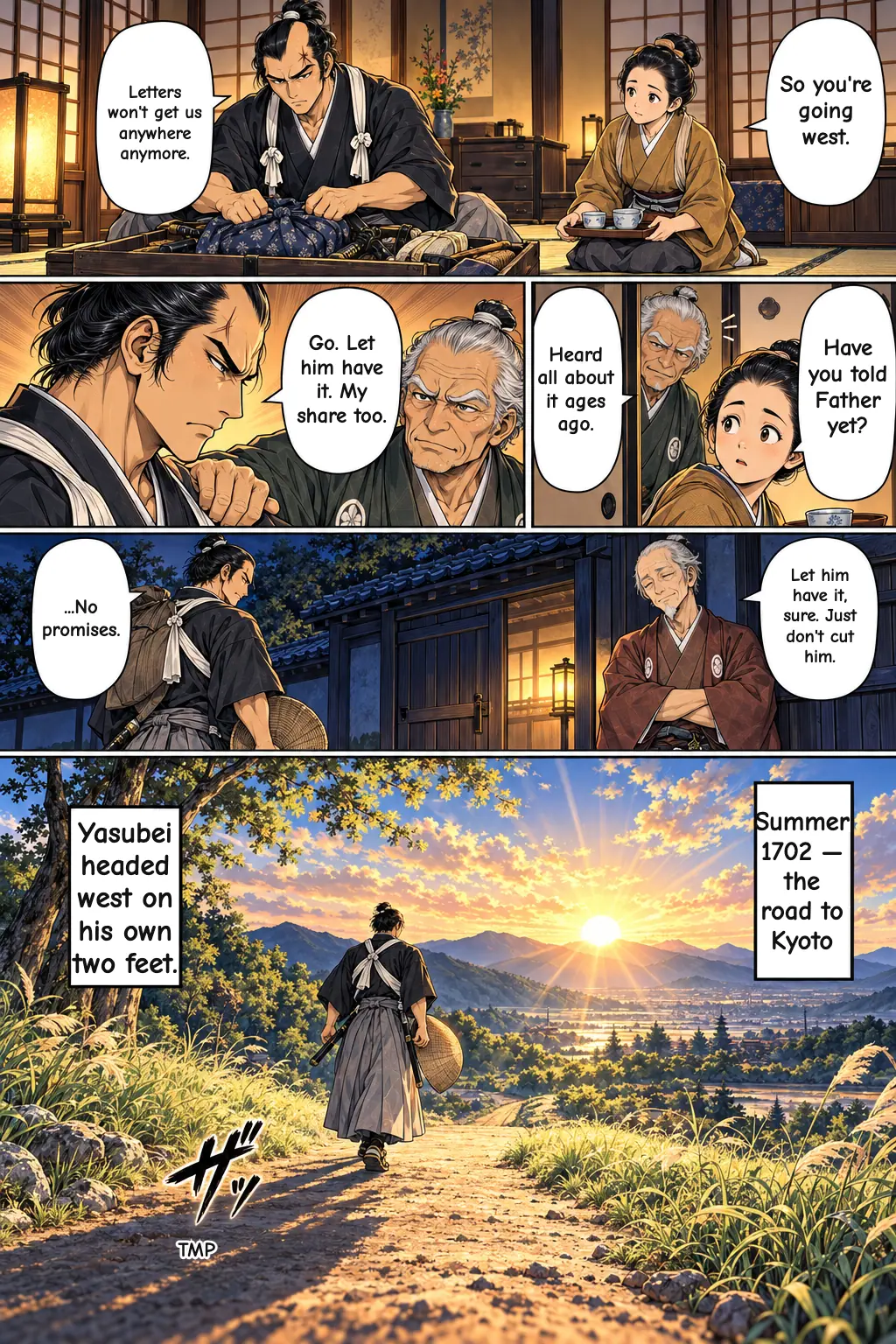
In the eleventh month of 1701, Oishi travelled to Edo himself and promised to act around the first anniversary of Asano's death. In the twelfth month, Kira retired and passed his family headship to his adopted son. Yet the anniversary came and went, and Oishi still waited. Takada Gunbei left the group over family pressures, and Yasubei wrote of him harshly. Yasubei also travelled west to speak with Oishi in person. Finally, in the seventh month of 1702, Asano Daigaku was placed in the custody of the main Asano house in Hiroshima, which ended the hope of revival. At the Maruyama meeting in Kyoto later that month, the ronin decided on the raid. Yasubei's view had won at last. The raid came on the night of the 14th day of the 12th month by the old calendar, in early 1703 by the Western one.
What This Episode Says About Loyalty in Edo Japan
The clash between Yasubei and Oishi was not simply 'brave man versus coward'. Both men were loyal, but they understood loyalty differently. For Oishi, saving the Asano name came first, and revenge too early would destroy that chance. For Yasubei, every day Kira lived was a shame on their dead lord. Oishi did not just order the radicals to be quiet; he negotiated, sent envoys and set deadlines. The story shows how a group of samurai with no lord and no domain still tried to act together. Kira's reputation as a greedy villain, by the way, comes mostly from later plays and storytelling. The letters themselves tell us little about his character.
What the Manga Changes
In history, the argument between Yasubei and Oishi was spread across a meeting in Ako, the Edo meeting, talks in the Kyoto area and many letters. The manga gathers it into one tense face-to-face confrontation in Yamashina, with its own dialogue and pacing. Oishi's single promise, 'Wait until the hope of revival is gone. Then, without fail,' is a dramatic summary built from the deadlines he actually set, not a recorded quote.
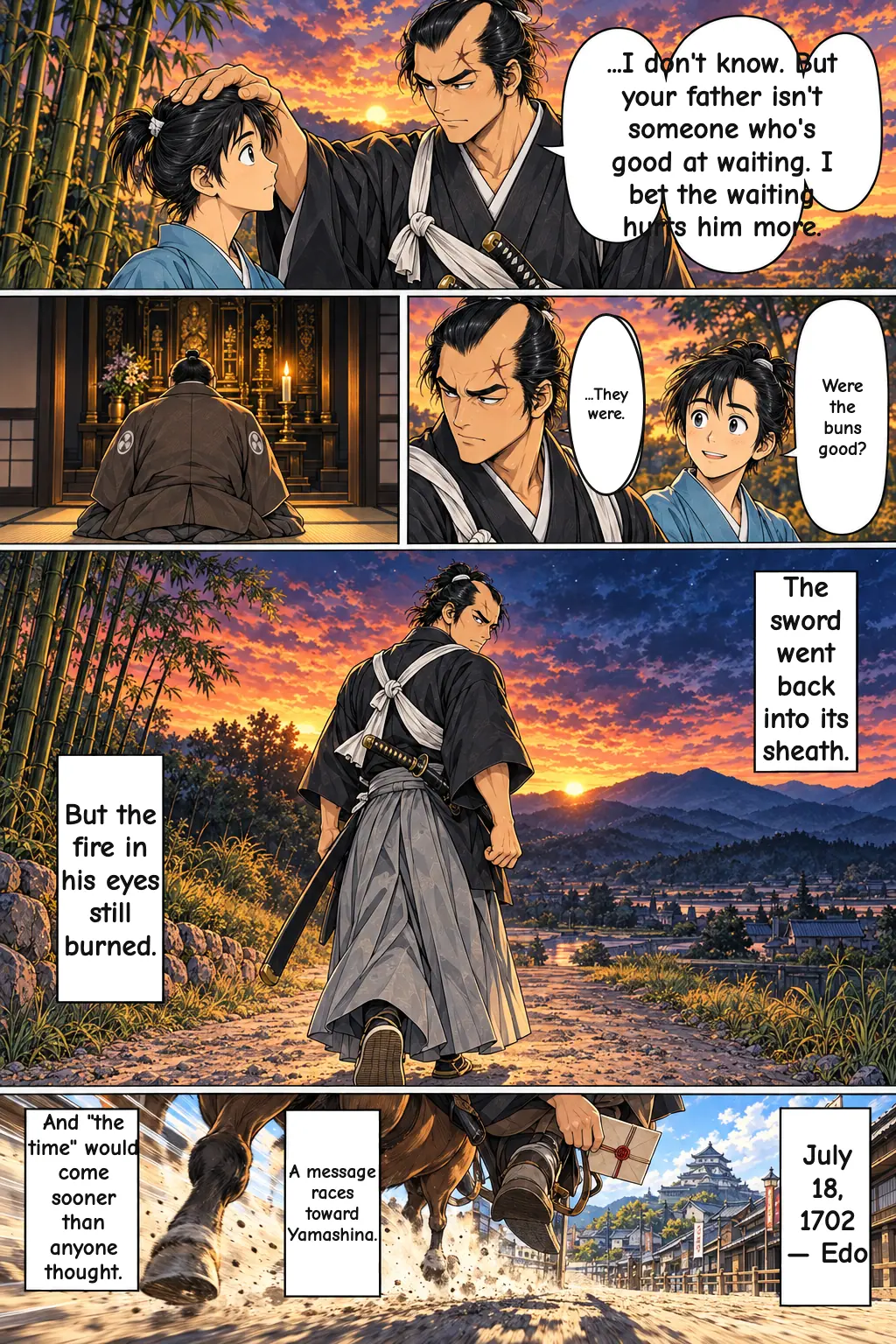
Characters in the manga also wonder whether Kira's move to Honjo is a trap, or a sign the shogunate wants him killed. Rumors like this circulated at the time and were repeated later, but there is no evidence that Yasubei and Oishi discussed them in their letters, so the manga presents them as the characters' own guesses. The choreography, weather and onlookers at Takadanobaba, the scenes of Yasubei writing his letters, his moments with his wife (Yahei's daughter), and the final image of him sheathing his sword with eyes still burning are all the manga's own additions. The duel itself is kept to a realistic scale rather than the legendary eighteen men.
Where to Read It
If you want to see this story come alive, Episode 5 of THE 47 RONIN: Chushingura – A Vow in the Winter Snow is on Manga Portal. Every episode is free to read, with no sign-up needed. Start here to meet Yasubei at his most impatient, then follow the ronin toward that snowy night in Honju... in Honjo.
Characters in this episode
Horibe Yasubei (born Nakayama Yasubei)
A swordsman famous for the Takadanobaba duel who led the Edo radicals demanding an early attack on Kira.
Oishi Kuranosuke
The chief retainer of Ako who put reviving the Asano house first and kept delaying the revenge.
Okuda Hyozaemon
An older Edo-based retainer who stood with Yasubei and co-signed letters urging Oishi to act.
Takada Gunbei
One of the original Edo radicals who left the group over family pressures.
Sugano Rokurozaemon
An older friend from Yasubei's home province whose duel at Takadanobaba Yasubei joined, and who is said to have died of his wounds.
Kira Kozukenosuke
The high-ranking court official Asano attacked, who went unpunished, moved to Honjo and retired.
FAQ
Who was Horibe Yasubei?
Horibe Yasubei was one of the 47 Ronin of Ako. Before joining the Asano house he became famous for fighting in a duel at Takadanobaba in 1694, and after his lord's death he led the faction demanding an immediate attack on Kira.
Did Horibe Yasubei really kill 18 men at Takadanobaba?
Probably not. Most records say he cut down only a few men, and the 'eighteen men' story, along with the tale that he arrived drunk, comes from later storytellers.
Why did Oishi Kuranosuke wait so long to attack Kira?
Oishi was petitioning for Asano's younger brother, Asano Daigaku, to restore the family, and an attack would have ruined that chance. Only after Daigaku was placed in the custody of the Hiroshima Asano house in 1702 did the ronin decide on the raid.
What is the Horibe Taketsune Hikki?
It is a record compiled by Horibe Yasubei, keeping copies of the letters exchanged between the Edo radicals and Oishi. It is a key source for the debate over when to take revenge.
When did the 47 Ronin attack Kira?
They raided Kira's mansion in Honjo, Edo, on the night of the 14th day of the 12th month of Genroku 15 by the old Japanese calendar, which falls in early 1703 on the Western calendar.