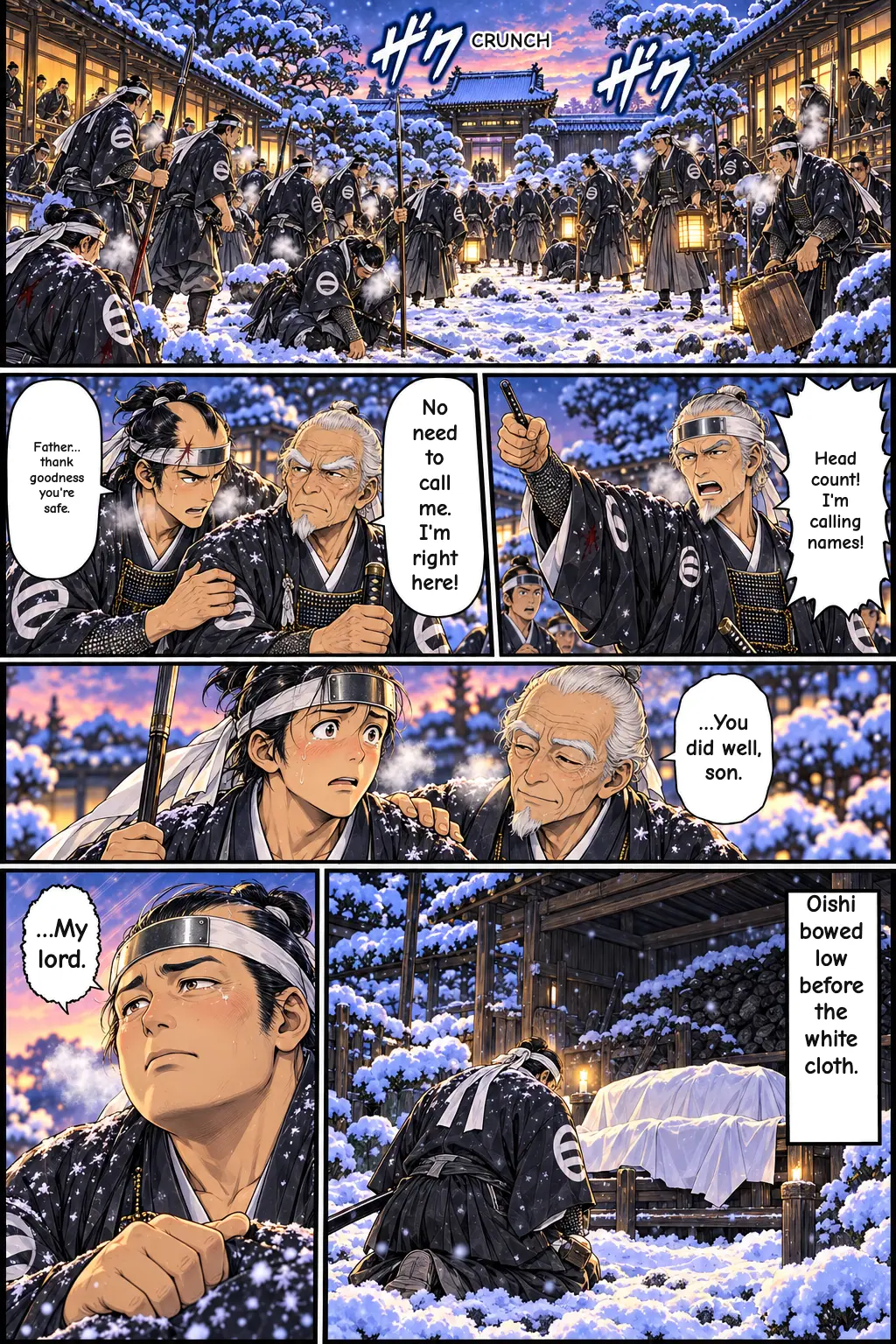
Episode 10Their Enemy Was Shivering in the DarkThe Raid on Kira's Mansion
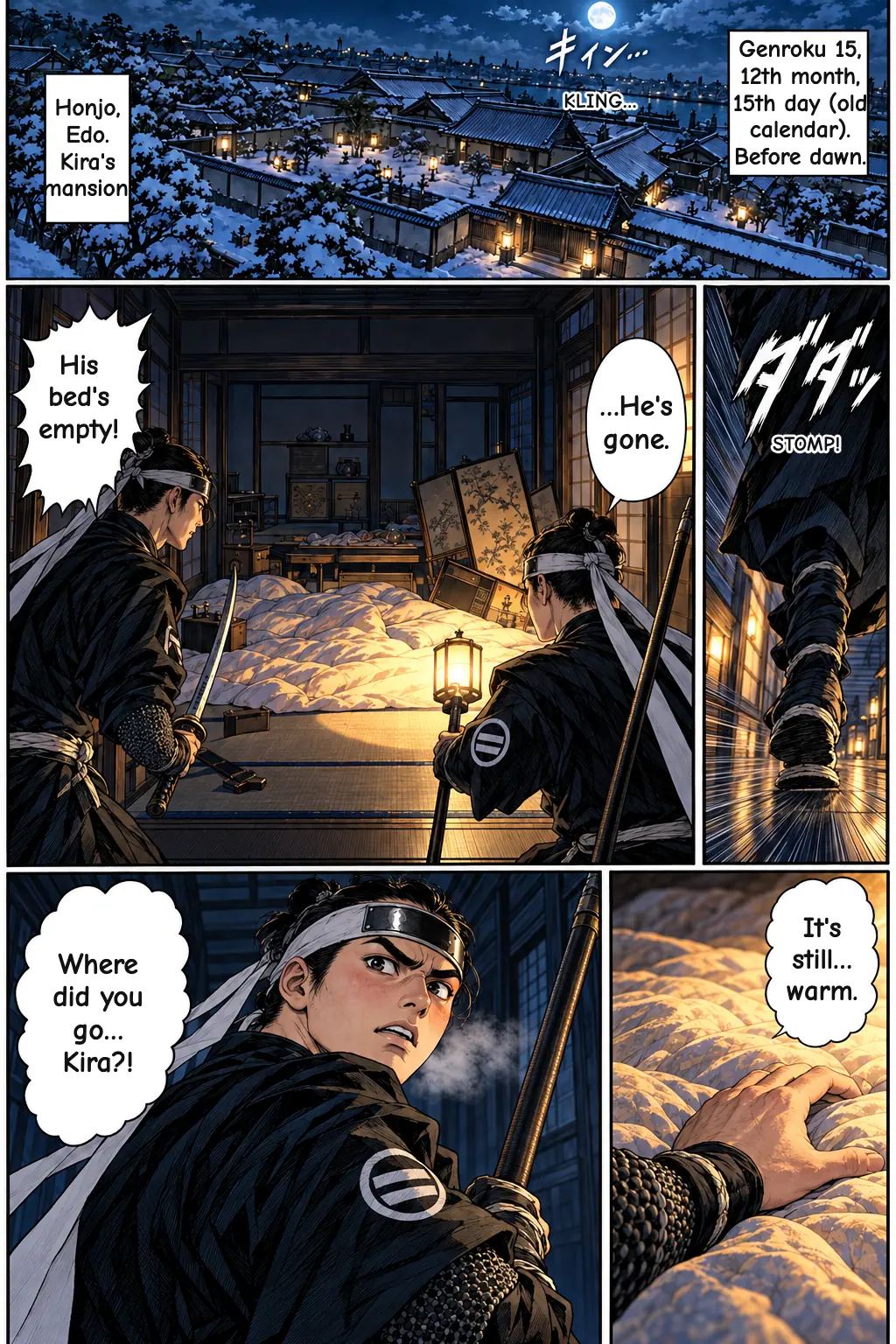
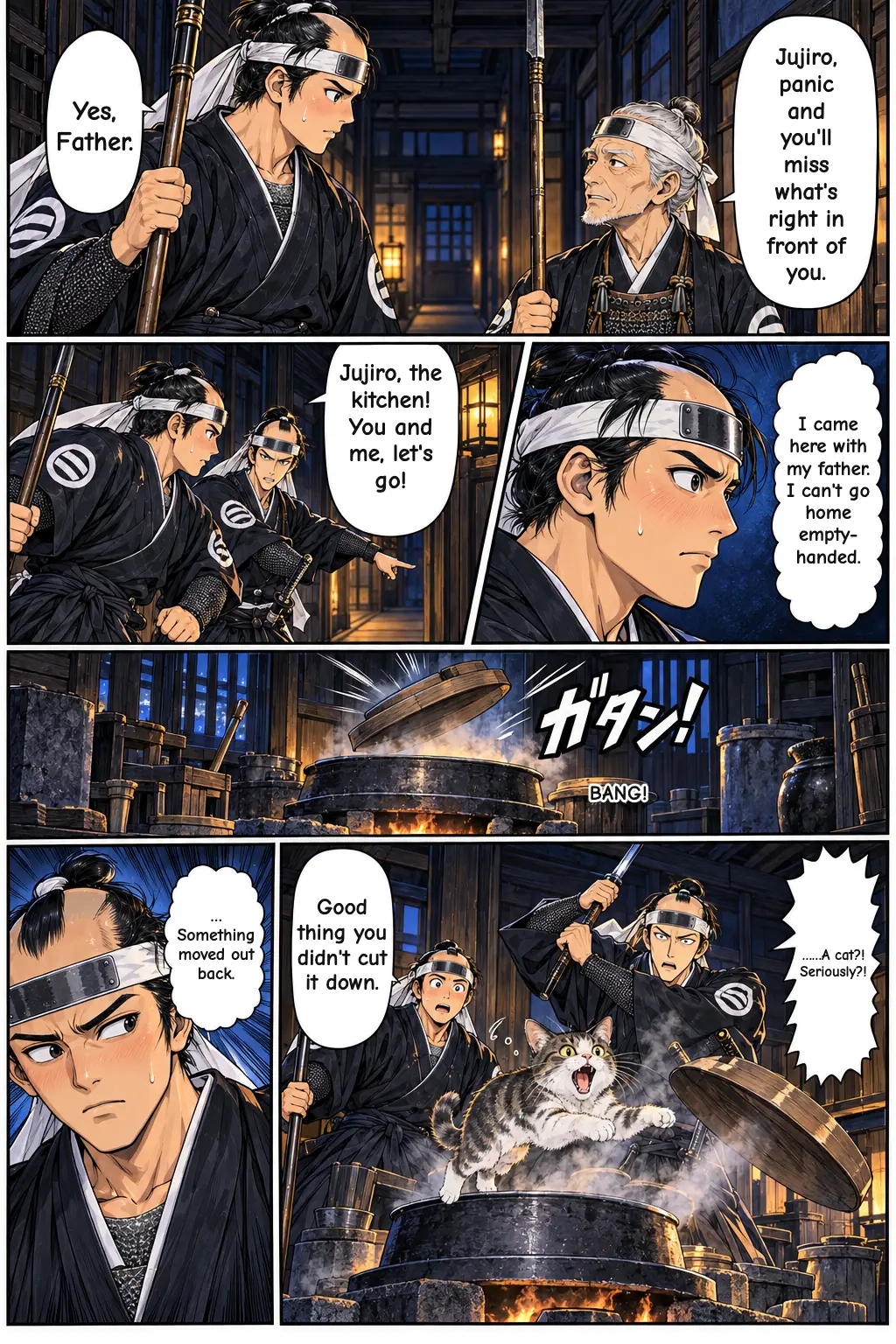
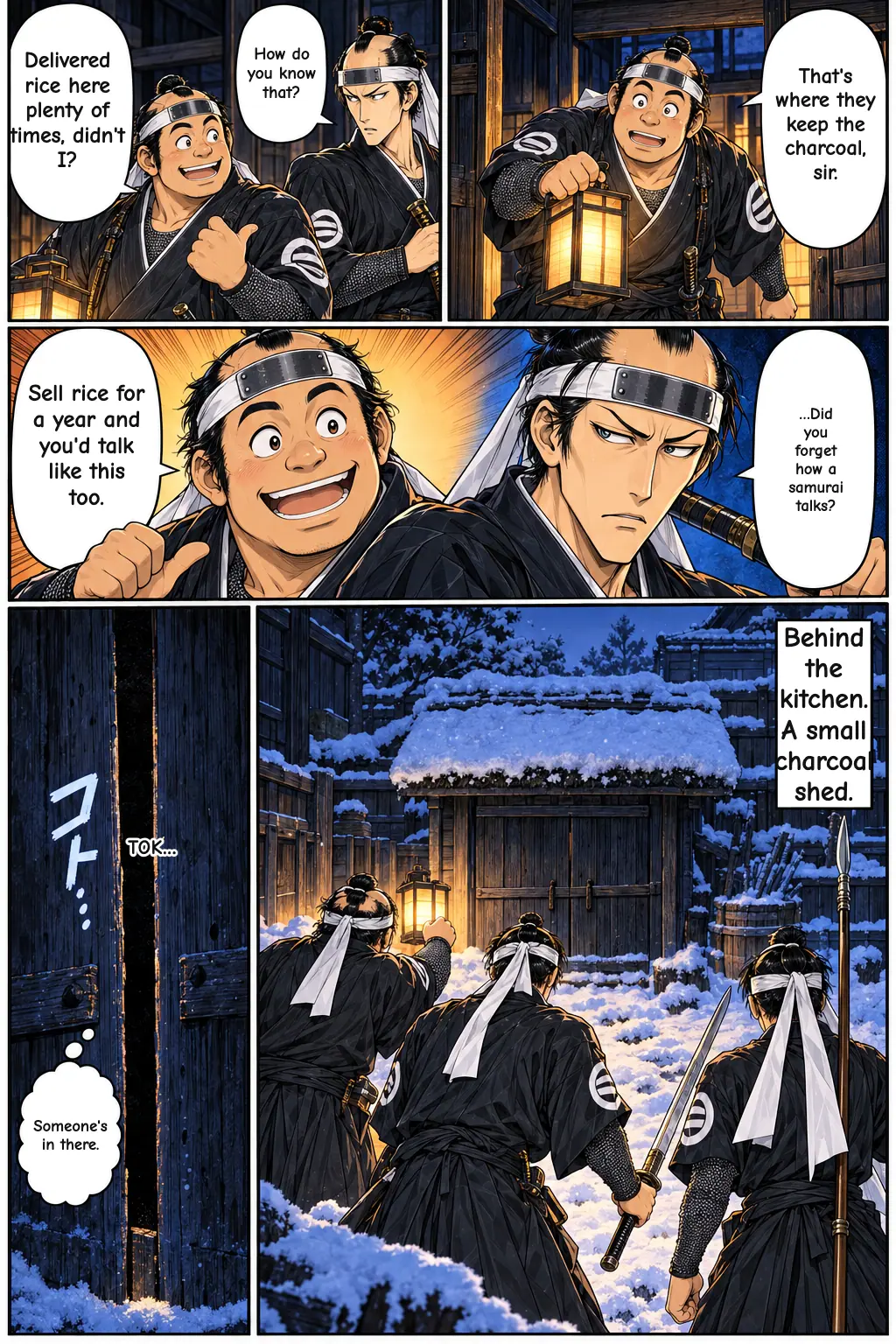
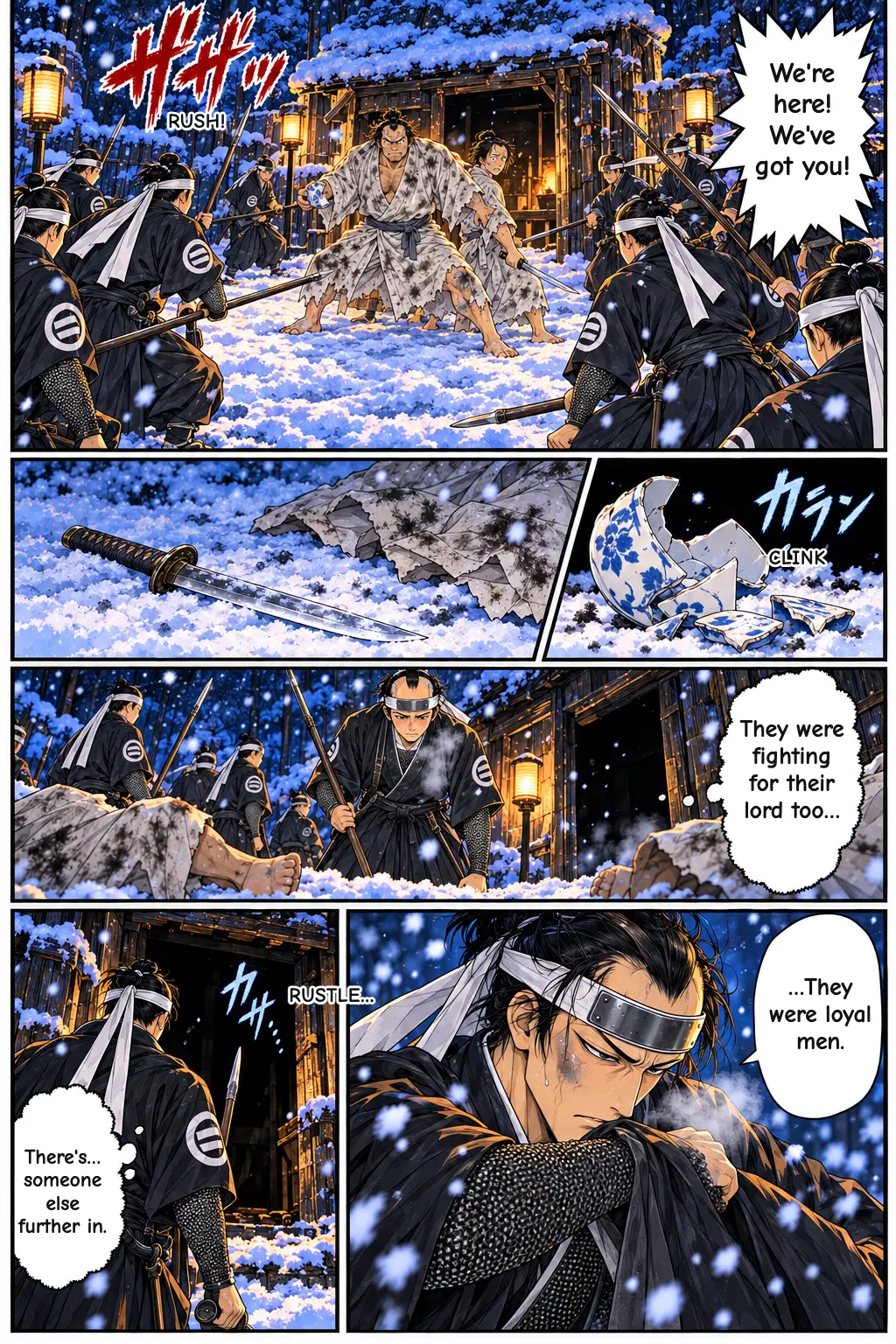
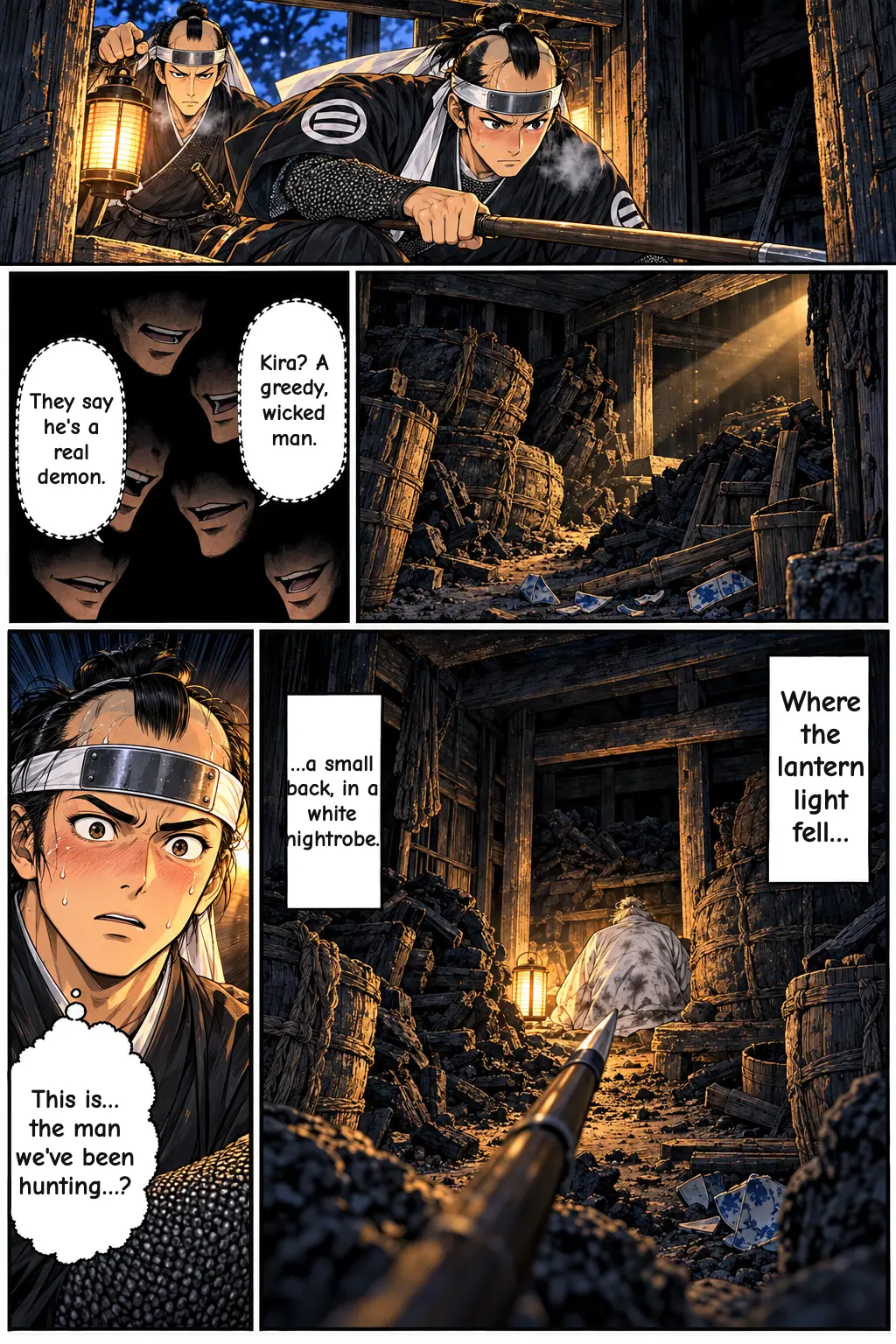
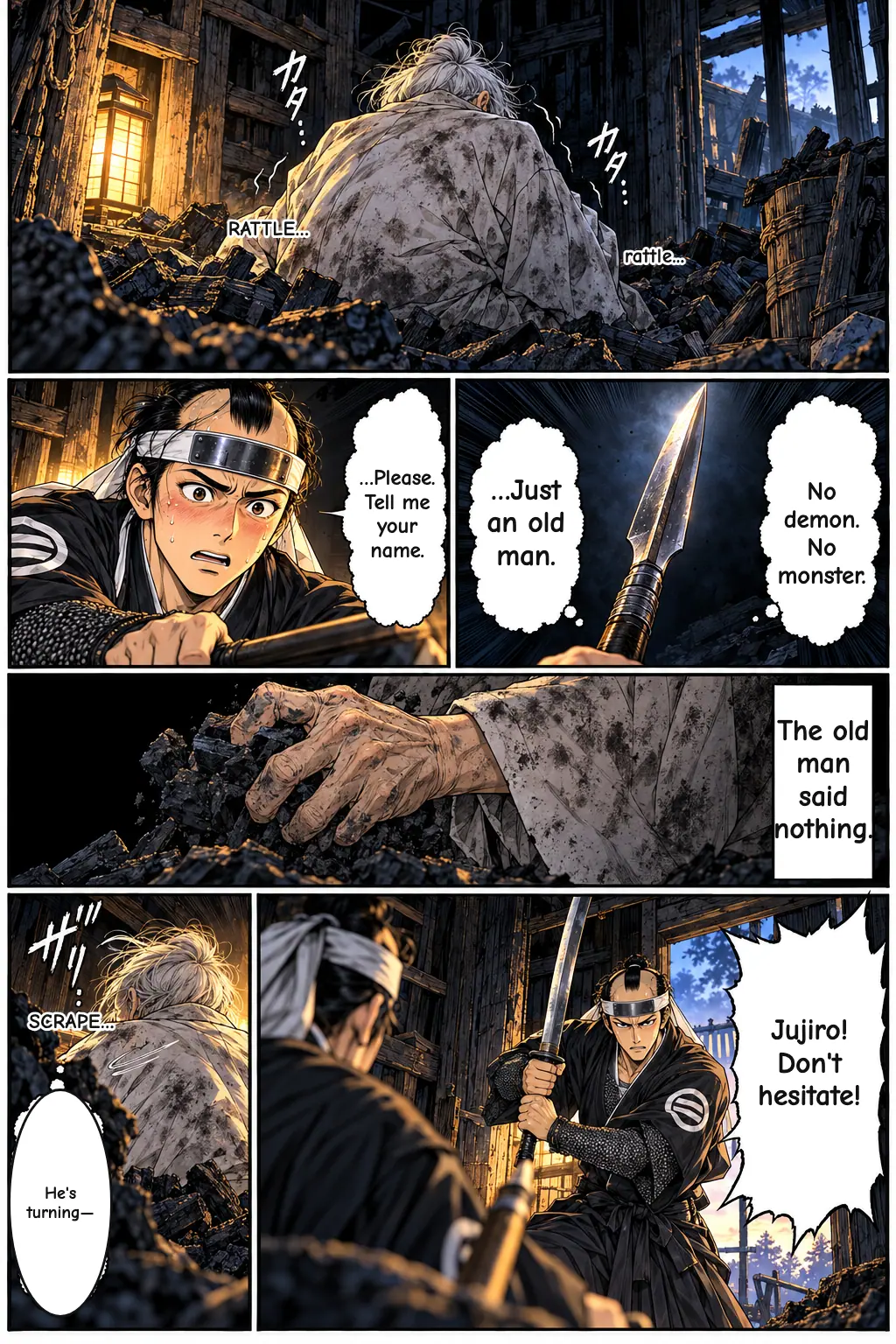
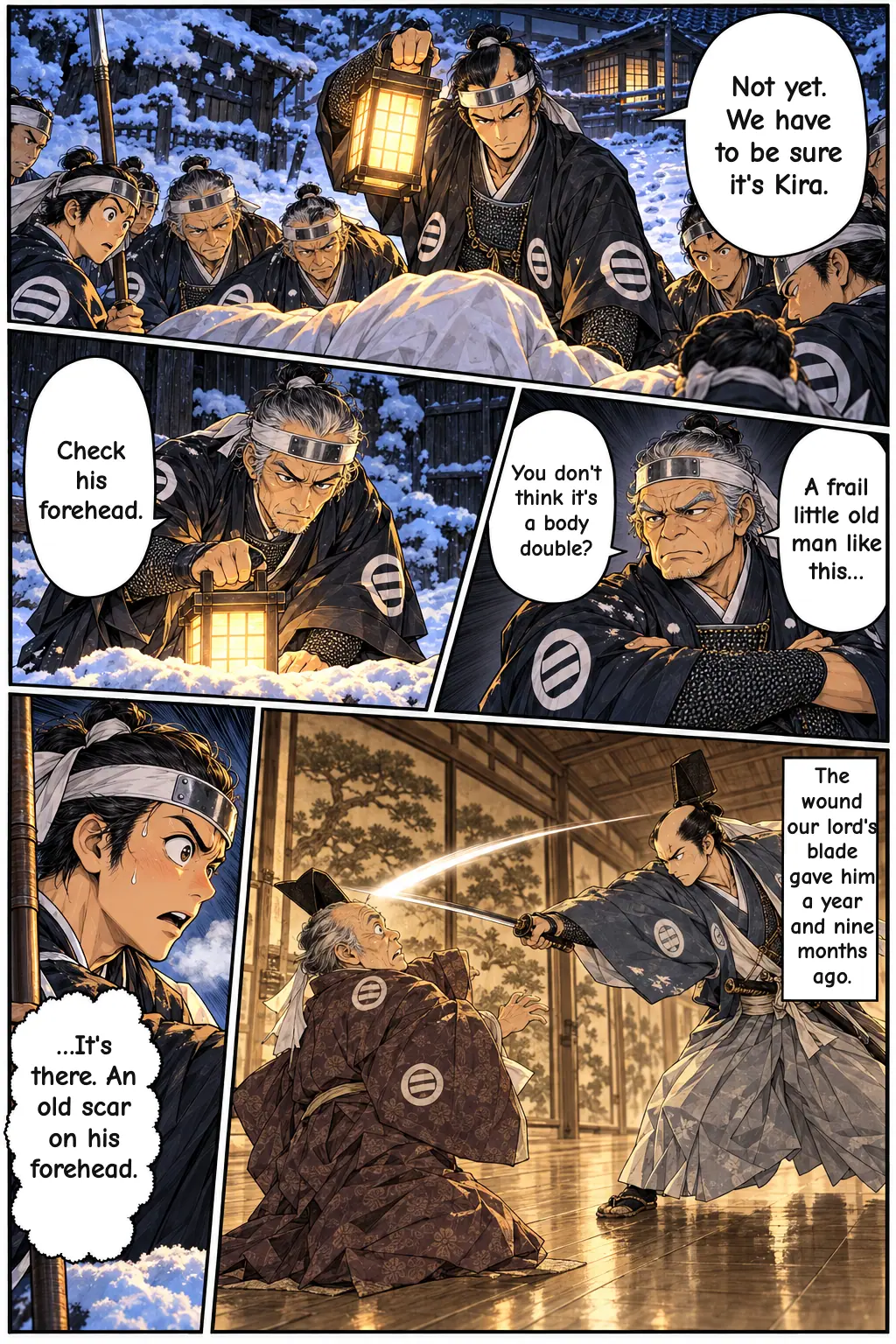
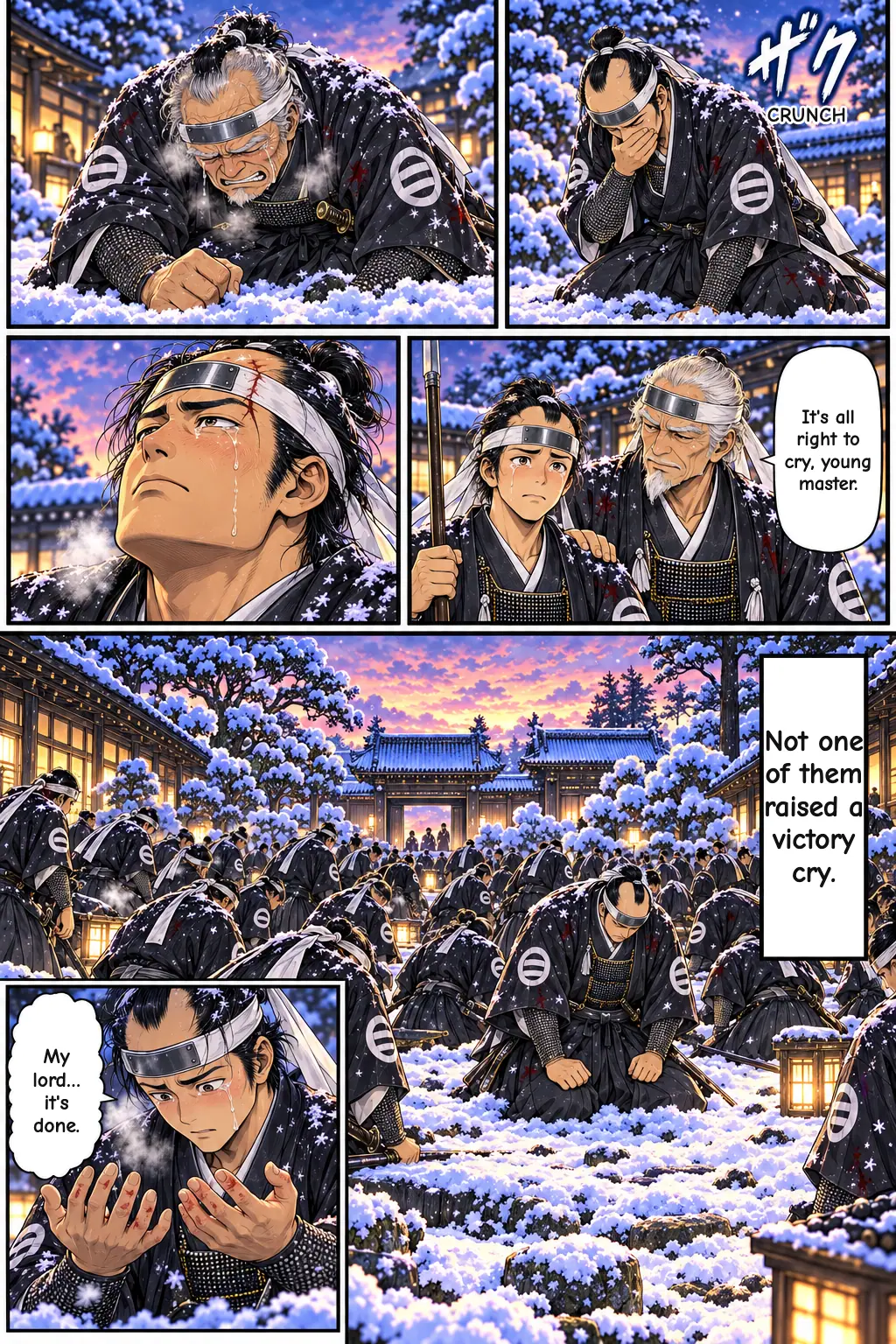
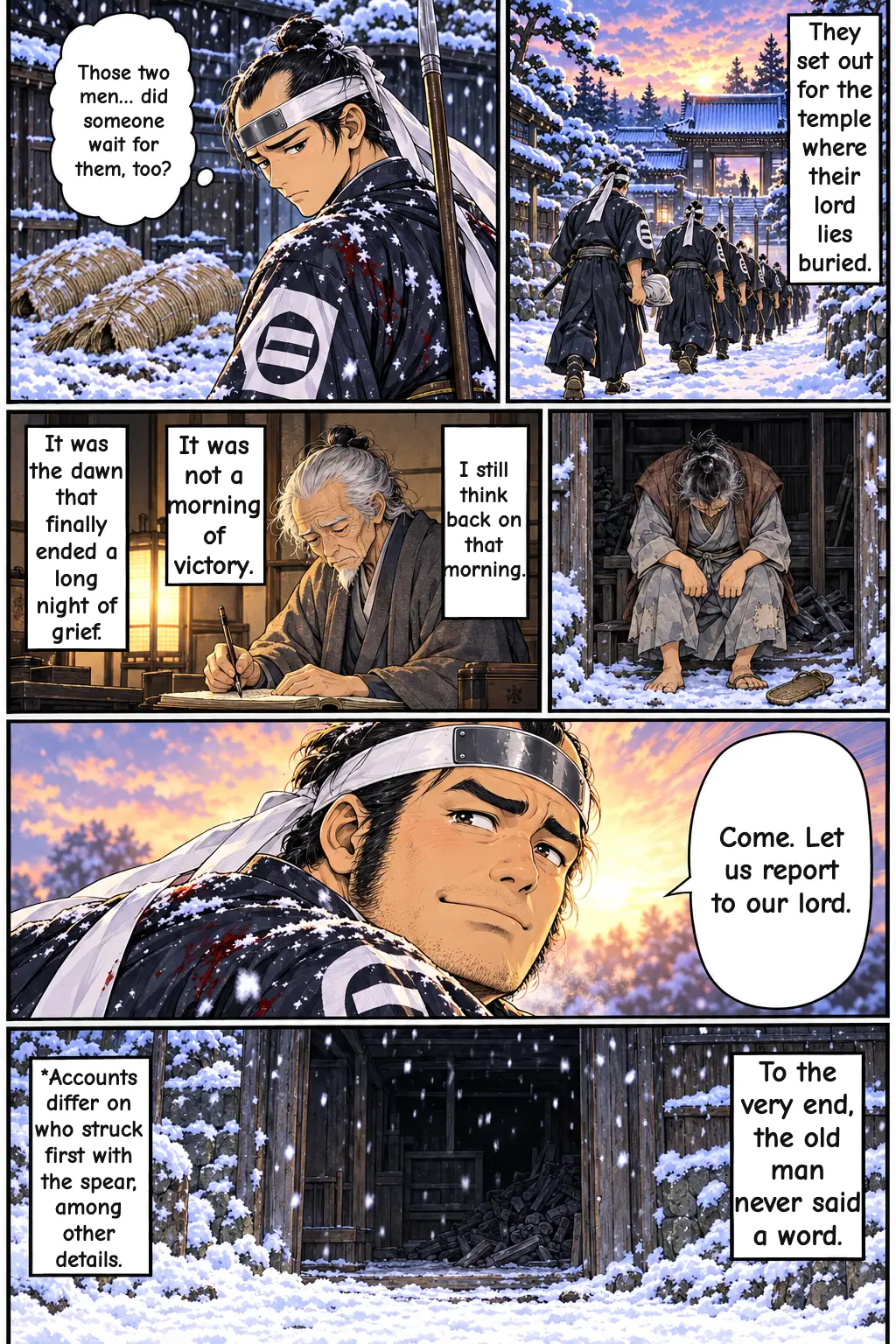
Dawn is closing in, and Lord Kira Kozuke-no-Suke Yoshinaka is still nowhere to be found. In a dark charcoal shed behind the kitchen, the ronin find only a frail old man in a white nightrobe, trembling. When the hunt that lasted a year and nine months finally ends, nobody cheers. There are only quiet tears.
The 47 Ronin Raid on Kira's Mansion Explained: How Kira Was Found
The Story So Far: Why the Ronin Came for Kira
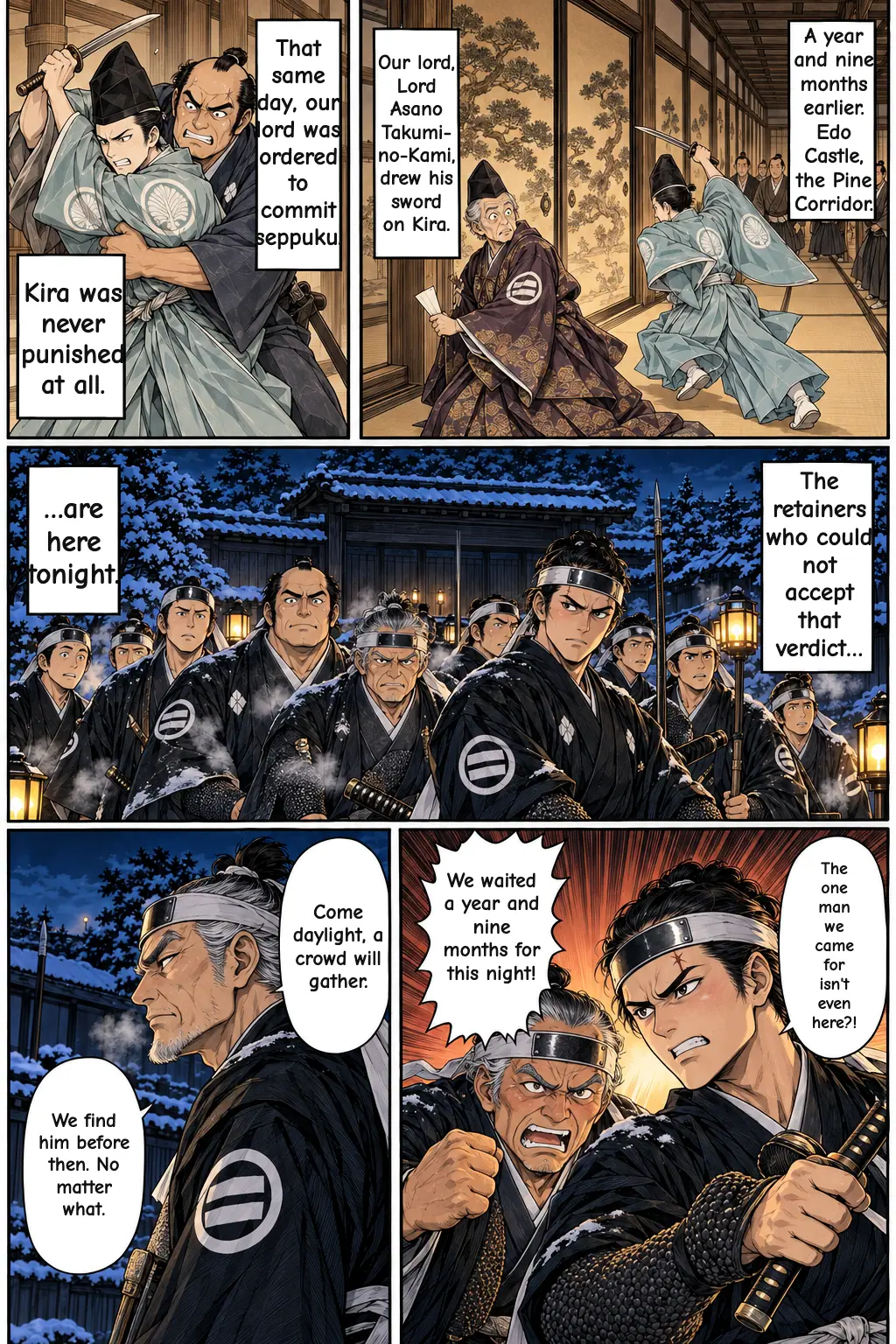
The tale known in Japan as Chushingura is based on a real event, often called the Ako Incident. In 1701, Asano Takumi-no-Kami, the young lord of the Ako domain, drew his sword on Kira Kozuke-no-Suke Yoshinaka inside Edo Castle, in a corridor remembered as the Pine Corridor (Matsu no Roka). Kira was a koke, an official in charge of ceremony and etiquette for the shogun's government. Asano was ordered to commit seppuku (ritual suicide) that same day and his domain was taken away, while Kira went unpunished.
Asano's former retainers, now ronin (samurai without a master), spent about a year and nine months planning in secret. Episode 10 covers the climax of that long wait: the night they broke into Kira's mansion in Honjo, Edo, and the desperate search to find him before dawn.
What the Historical Records Say Happened
The raid began in the early hours of the 15th day of the 12th month of Genroku 15 (late January 1703 in the Western calendar), though it is usually dated to the night of the 14th. The ronin split into two groups. Oishi Kuranosuke, the former chief retainer of Ako, led the front-gate group. His teenage son Oishi Chikara was the nominal leader of the rear-gate group, supported by the senior ronin Yoshida Chuzaemon. They entered using ladders and had agreed in advance on a password, matching identification marks, and a whistle signal to gather everyone once Kira was killed.
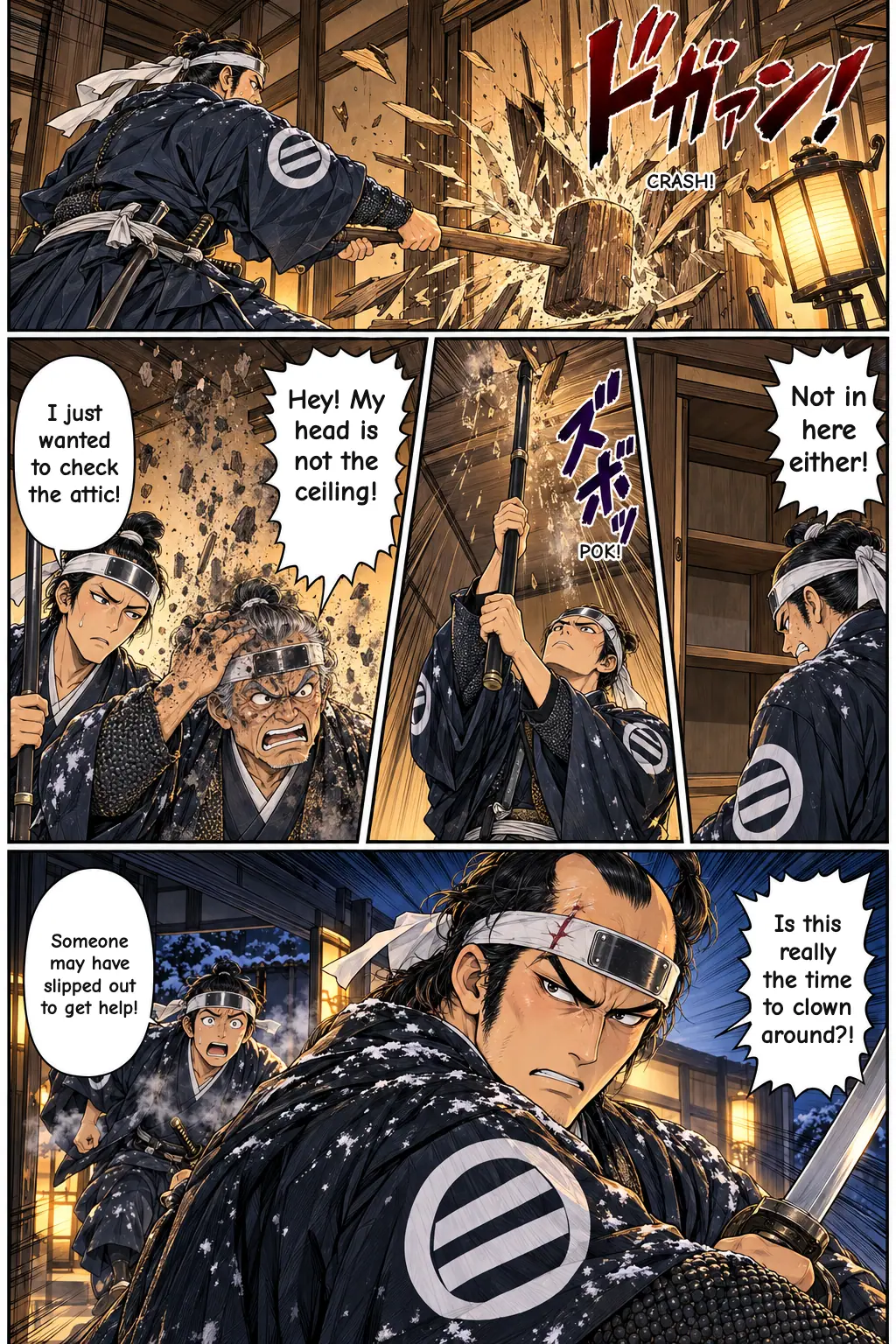
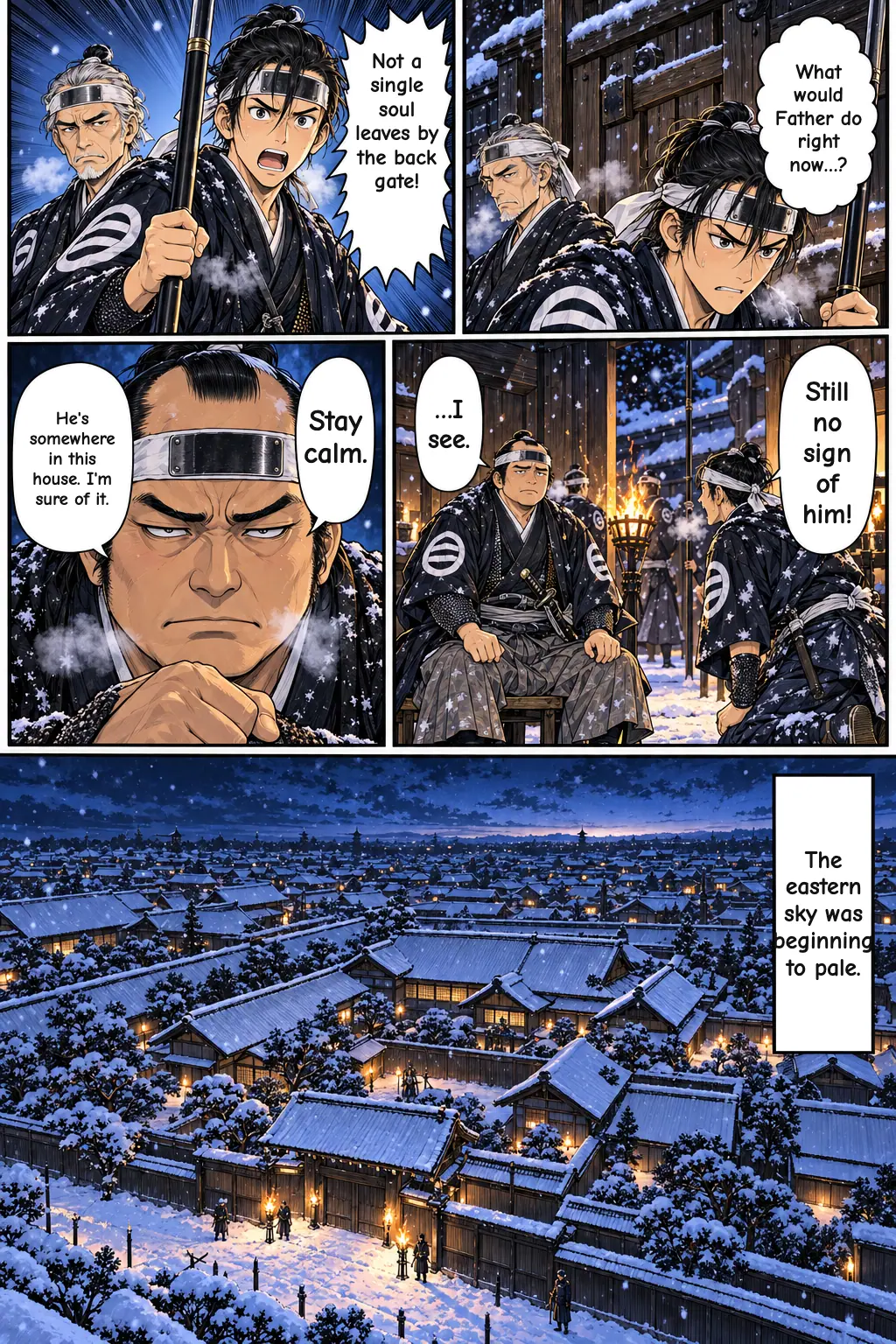
Fighting broke out with Kira's samurai in different parts of the estate, while the ronin kept the people in the row houses (nagaya) from coming out. But when they reached Kira's bedchamber, he was not there. They searched the mansion again and again, and time slipped away. According to the ronin's own records, the whole operation, from break-in to withdrawal, took around two hours.
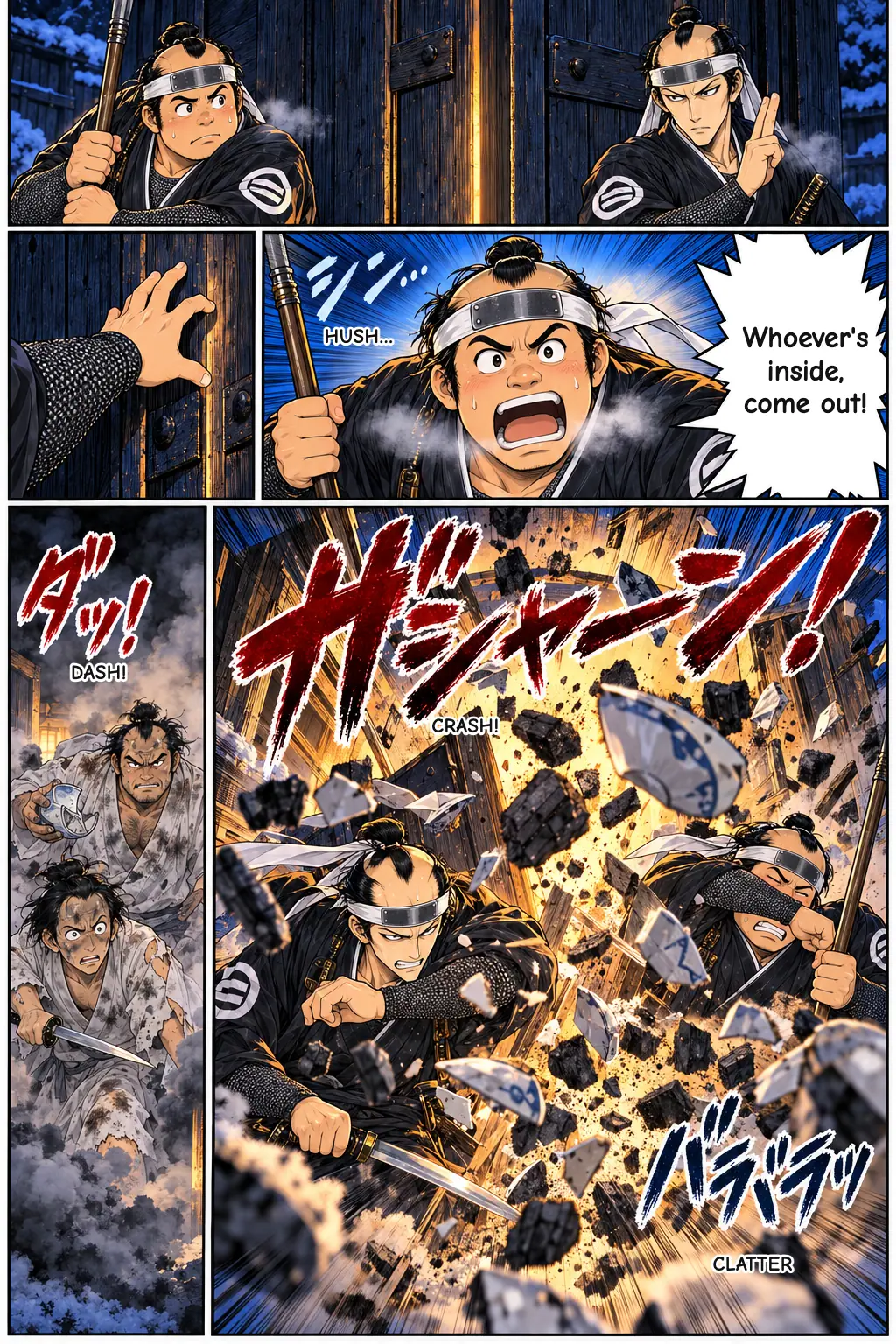
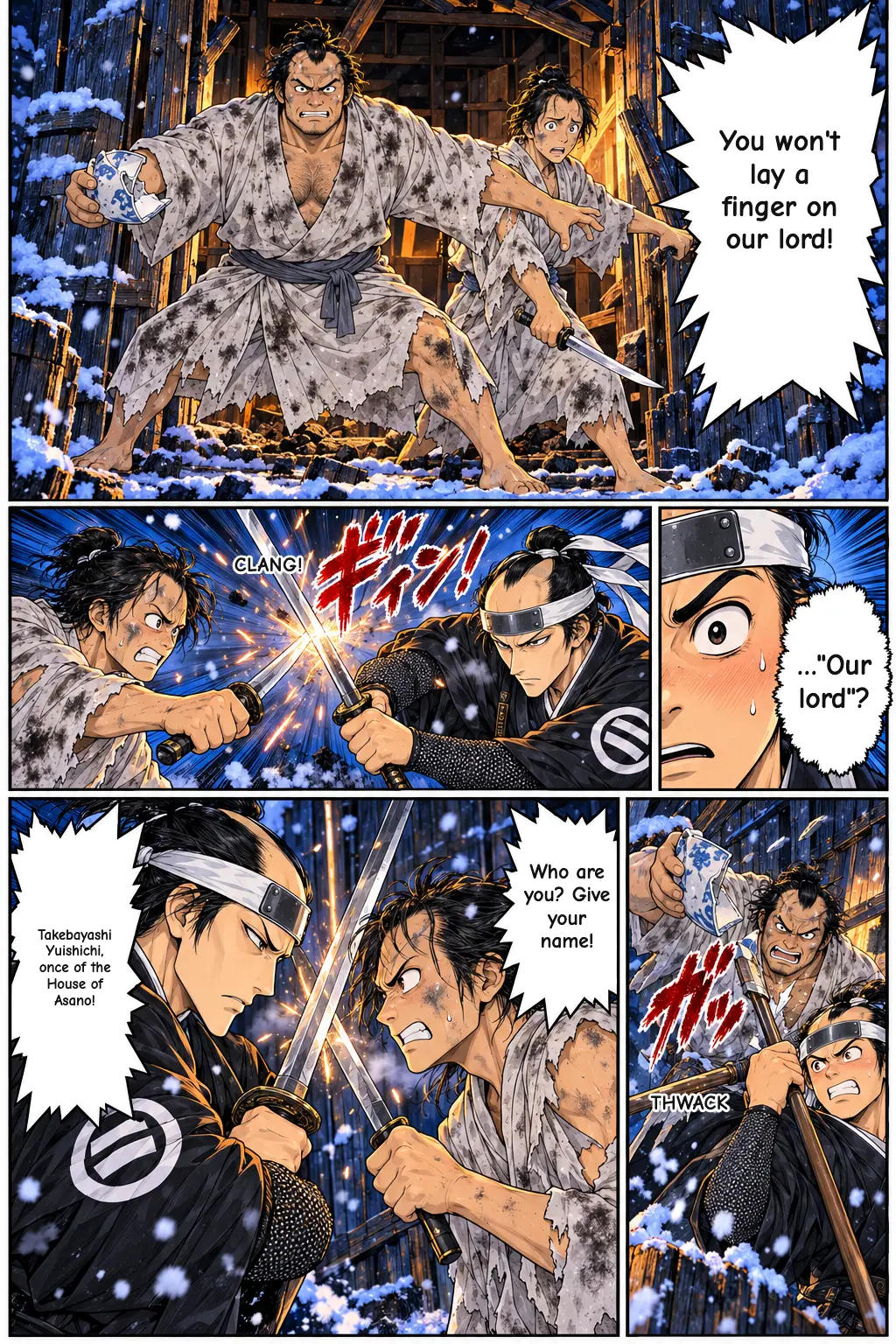
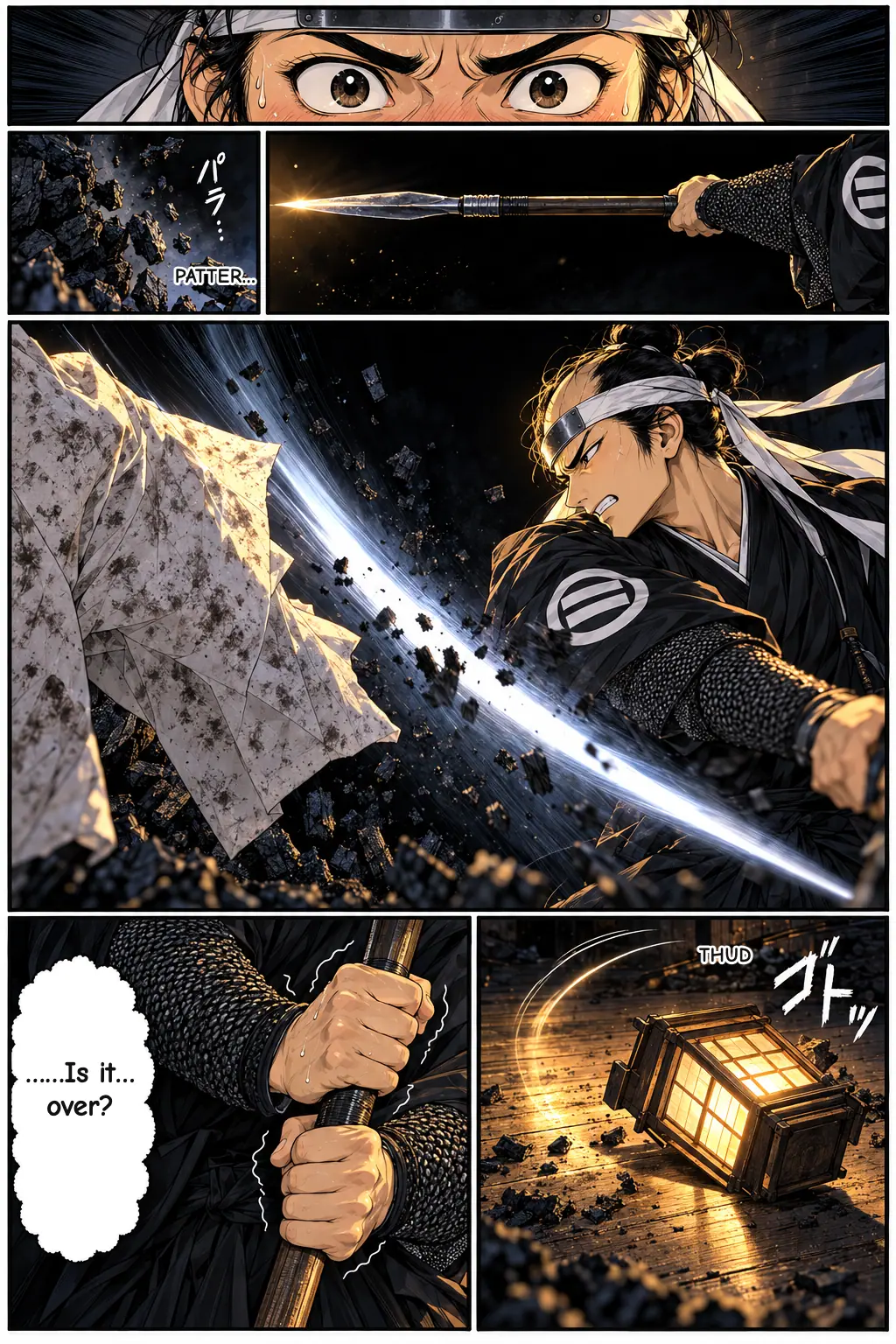
Finally they checked a charcoal storage shed near the kitchen. Tea bowls, plates and lumps of charcoal were thrown out from inside, and men from Kira's side came out fighting and were cut down. Deeper inside was an old man in a white kosode, a simple robe worn for sleeping. Hazama Jujiro, a young ronin, thrust at him with a spear, Takebayashi Tadashichi struck with his sword, and Jujiro took the head. The ronin's accounts agree that Jujiro landed the first spear and took the head, though they describe the second blow in slightly different ways.
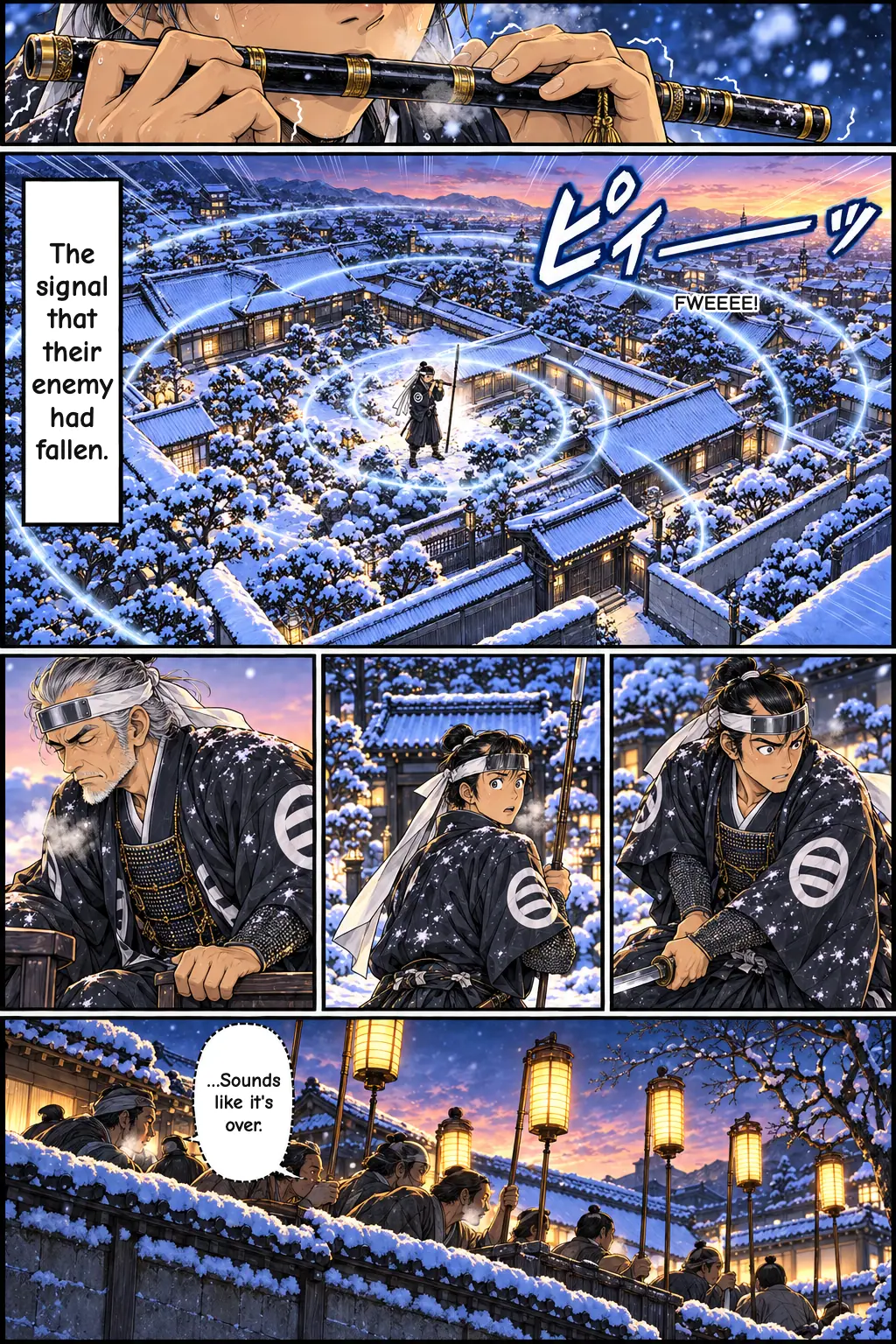
Once they were sure the old man was Kira, they blew the whistle, gathered, and counted their members. They then left the mansion carrying the head, and marched to Sengakuji temple to place it before Lord Asano's grave. On the way, Yoshida Chuzaemon and Tomimori Suke'emon went to report the deed to Sengoku Hoki-no-Kami, a senior government inspector (ometsuke).
Famous Details That Are Not Clearly in the Sources
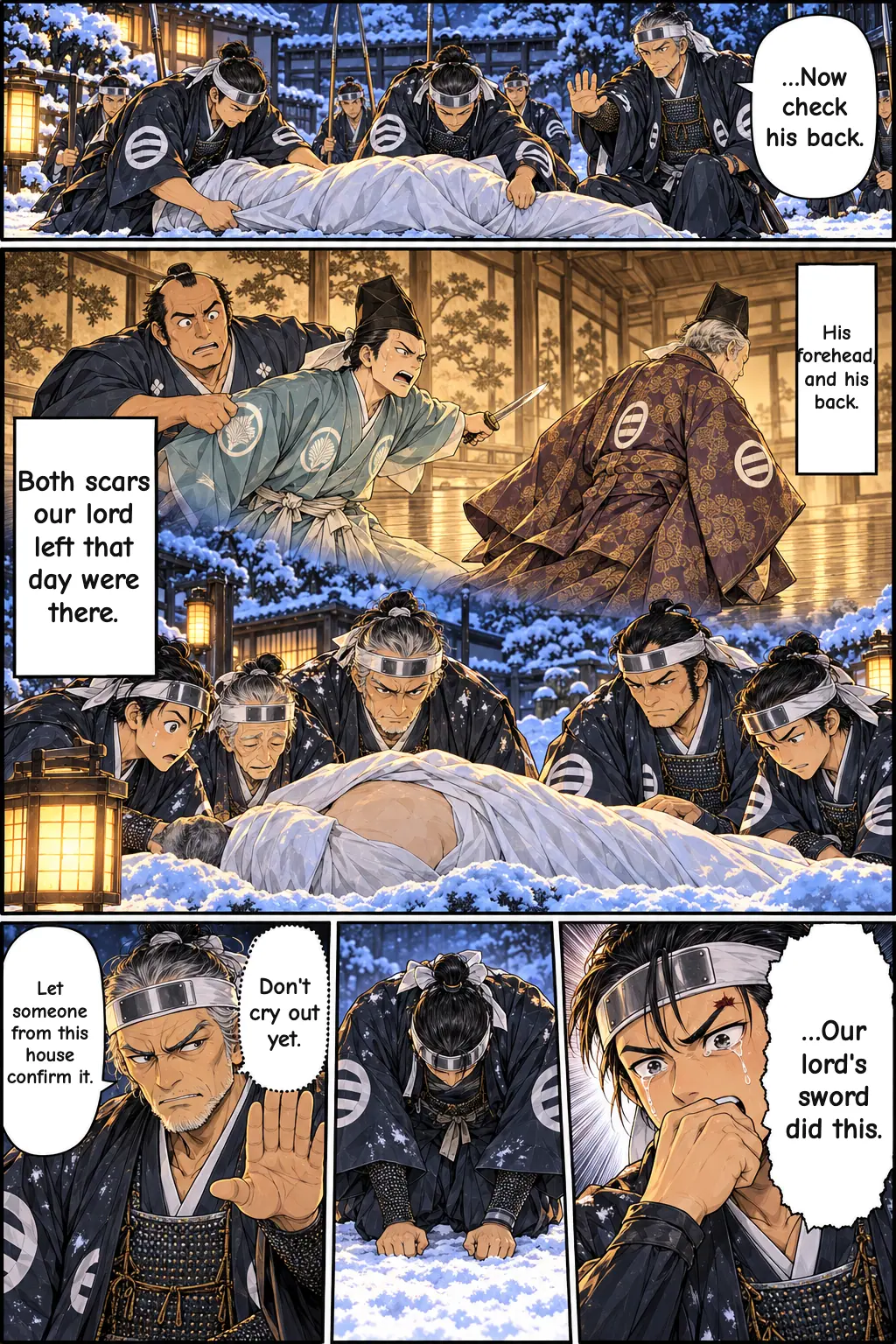
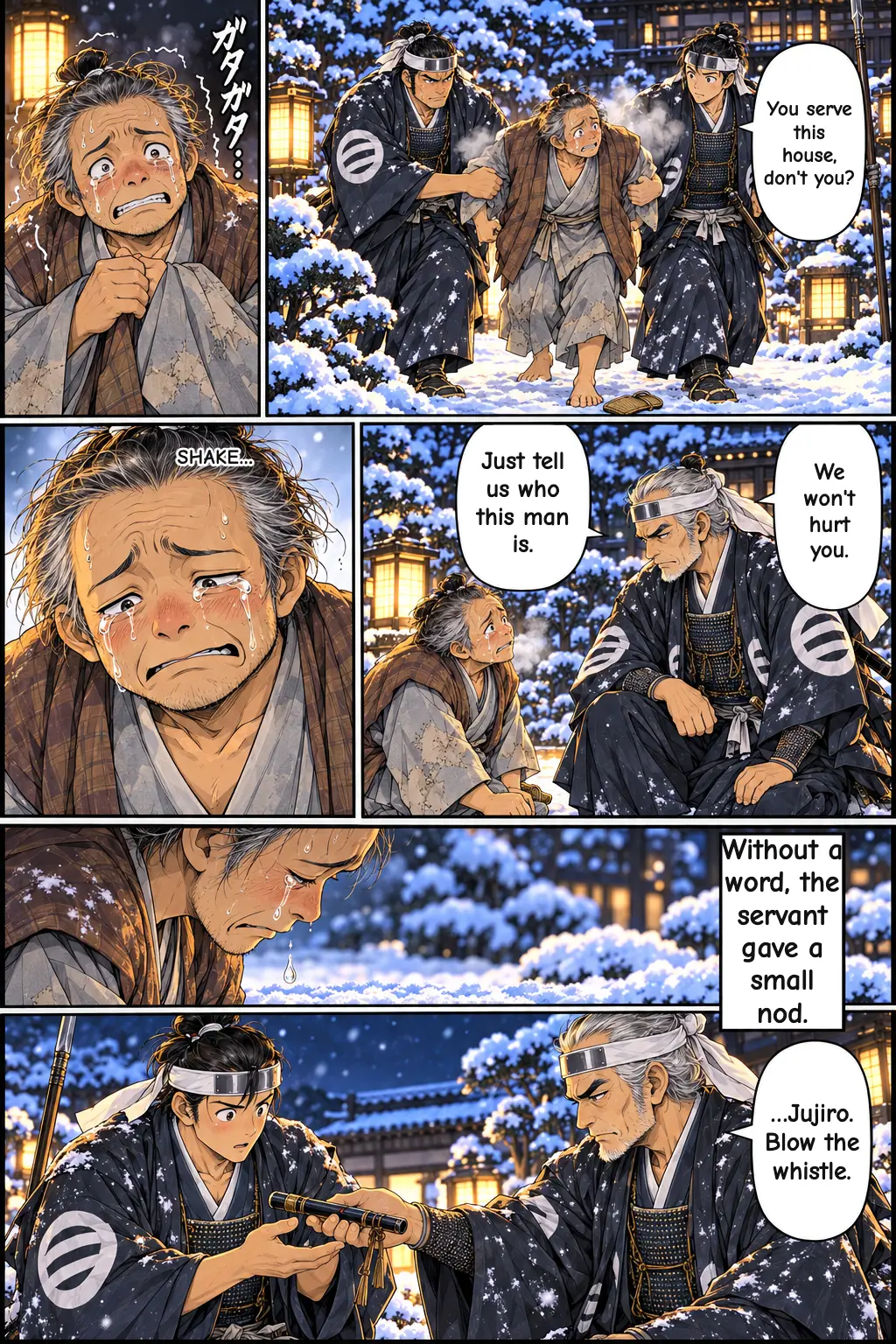
Several well-known parts of the story are popular tradition rather than details confirmed in the main sources behind this episode. One says the ronin felt Kira's bedding still warm and knew he could not have gone far. Another says they identified him by the old sword scars on his forehead and back from the Pine Corridor attack. Records of the 1701 incident do say Asano cut Kira around the back and forehead, but whether the scars were checked on the night of the raid is not confirmed here. A third tradition says a captured servant was made to look at the face and confirm it.
The names and number of Kira's men who burst out of the shed are also uncertain. Later tellings often name the swordsman Shimizu Ichigaku, but that identification comes from later popular belief. The image of the ronin in matching firefighter-style coats owes a lot to later kabuki theater; the records mention identification marks and protective gear such as chain mail.
What the Raid Meant in Its Time
For the ronin, the raid was the fulfillment of loyalty to a dead lord, and they behaved as if carrying out a duty, not a riot. They reported themselves to the authorities immediately. They were then placed in the custody of several daimyo houses, where some of them talked about the night in detail. Those conversations, along with the notes of Terasaka Kichiemon, a foot soldier who joined the raid, are a major reason we know so much today.
Terasaka left the group during the march to Sengakuji, and the reason is still unclear. That is why 47 men took part in the raid, but 46 were later ordered to commit seppuku in 1703. Within decades the story became theater, most famously the puppet and kabuki play Kanadehon Chushingura (1748), which gave the legend its lasting name.
How the Manga Tells It Differently
The manga follows the main historical events: the two-gate attack, the failed search of the bedchamber, the charcoal shed, Hazama Jujiro and Takebayashi Tadashichi, the whistle, and the march to Sengakuji. What it adds is the inner side of the night. The ronin's growing panic as the sky begins to lighten, their whispered conversations, and the faces of Kira's defenders are all creative choices.
Because no last words from Kira are recorded, the manga lets him stay silent, a trembling old man in white. The scene where the ronin kneel in the snow and weep quietly is invented; no source describes it. The moonlight, the leftover snow, the design of their outfits, and the drawn-out moment of the whistle calling everyone together are also the artist's interpretation. Tradition says the night was clear with snow still on the ground from the day before, but that too is a popular account.
Where to Read It
If you want to see this night unfold panel by panel, from the empty bedchamber to the silence after the whistle, Episode 10 of THE 47 RONIN: Chushingura – A Vow in the Winter Snow is available on Manga Portal. Every episode is free to read, with no sign-up needed, so you can start from Episode 1 or jump straight into the raid and read on to see what waits for the ronin after Sengakuji.
Characters in this episode
Kira Kozuke-no-Suke Yoshinaka
A former master of ceremonies for the shogunate, over sixty at the time of the raid, found hiding in a charcoal shed in a white sleeping robe.
Hazama Jujiro
A young ronin who found Kira, struck the first spear blow, and took his head.
Takebayashi Tadashichi
A ronin who cut Kira with his sword after Jujiro's spear thrust.
Oishi Kuranosuke
The leader of the ronin, former chief retainer of Ako, who commanded the front-gate group and planned the passwords, marks and whistle signal.
Oishi Chikara
Kuranosuke's teenage son and the nominal leader of the rear-gate group.
Terasaka Kichiemon
A foot soldier who joined the raid, left notes about it, and separated from the group afterward for reasons that remain unclear.
FAQ
Where was Kira hiding during the 47 Ronin raid?
According to the ronin's records, Kira was hiding in a charcoal storage shed near the kitchen of his mansion. The ronin found him only after searching the bedchamber and the rest of the estate.
Who killed Kira in the 47 Ronin story?
Hazama Jujiro struck him first with a spear, Takebayashi Tadashichi cut him with a sword, and Jujiro took his head. The sources agree on Jujiro's role, but they describe the second blow in slightly different ways.
Is the story of the 47 Ronin true?
Yes, it is based on a real event of 1701 to 1703 called the Ako Incident. Later plays and novels added many dramatic details, so popular versions mix history with legend.
How did the ronin know the old man was Kira?
The records say they confirmed his identity before blowing the whistle, but the method is less certain. Popular tellings say they checked the old scars from Asano's attack or had a captive identify him, but these details are not clearly confirmed in the main sources.
Why were there 47 ronin but only 46 ordered to commit seppuku?
Terasaka Kichiemon left the group after the raid during the march to Sengakuji, so he was not among those held and sentenced. Why he left is still debated.