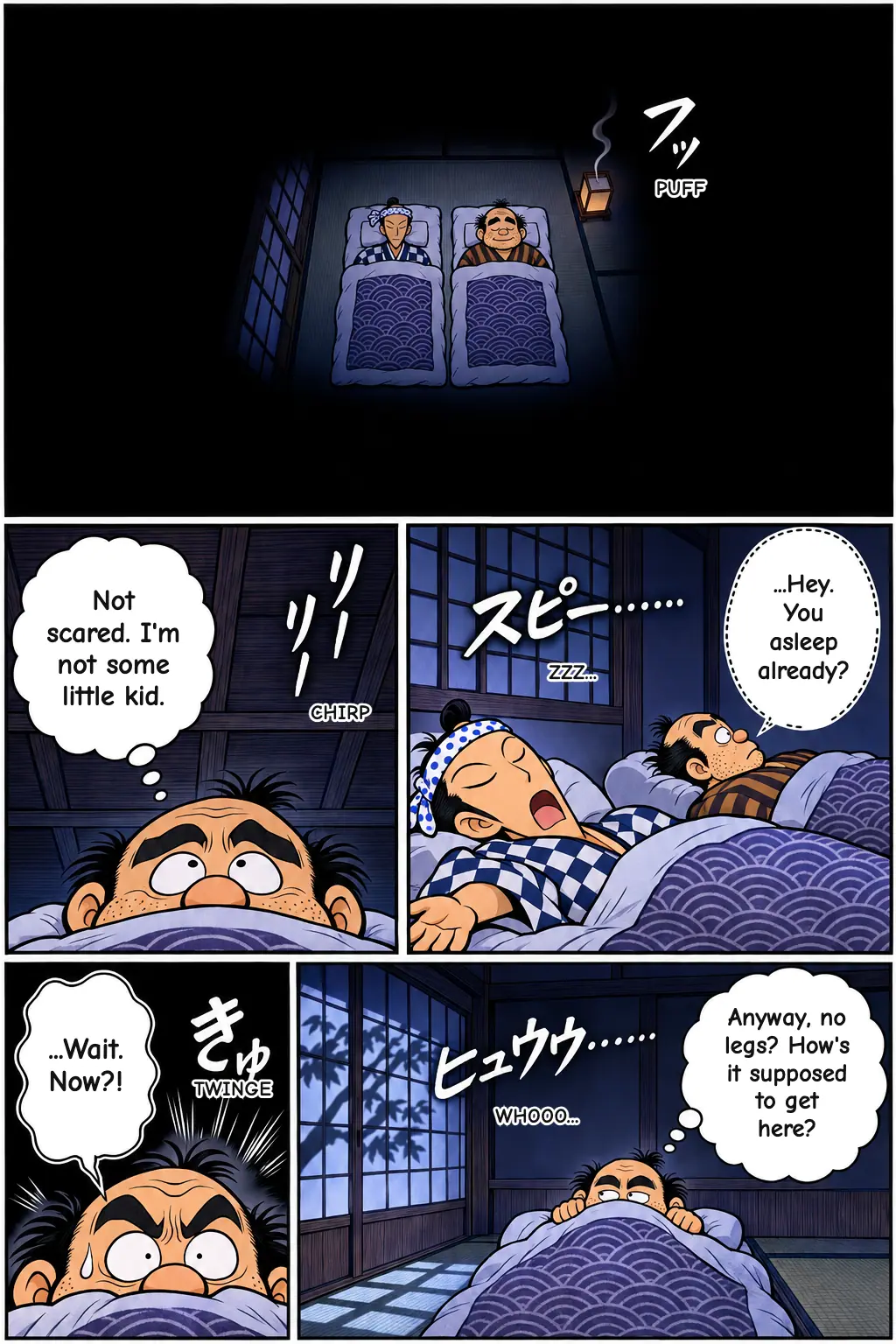
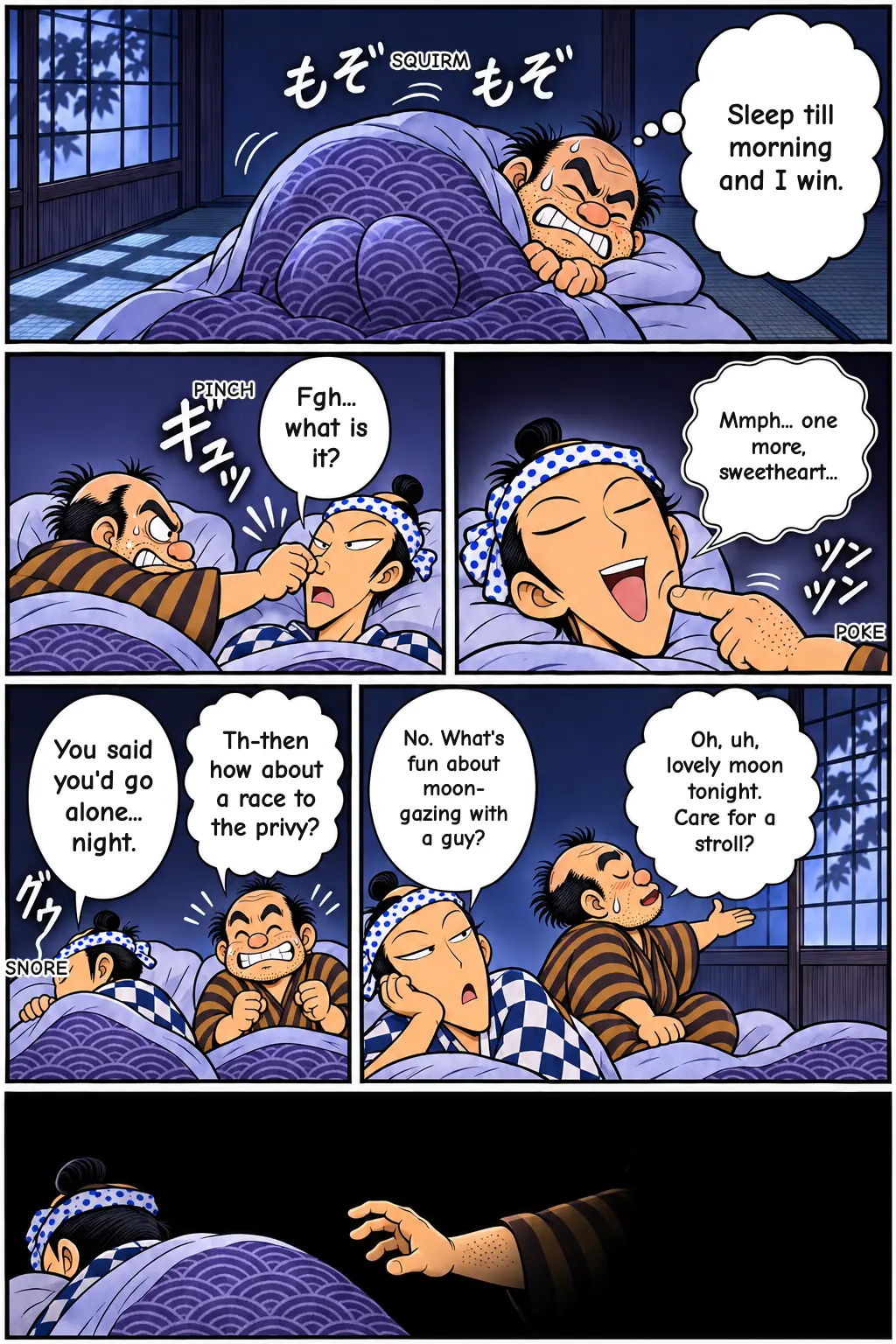
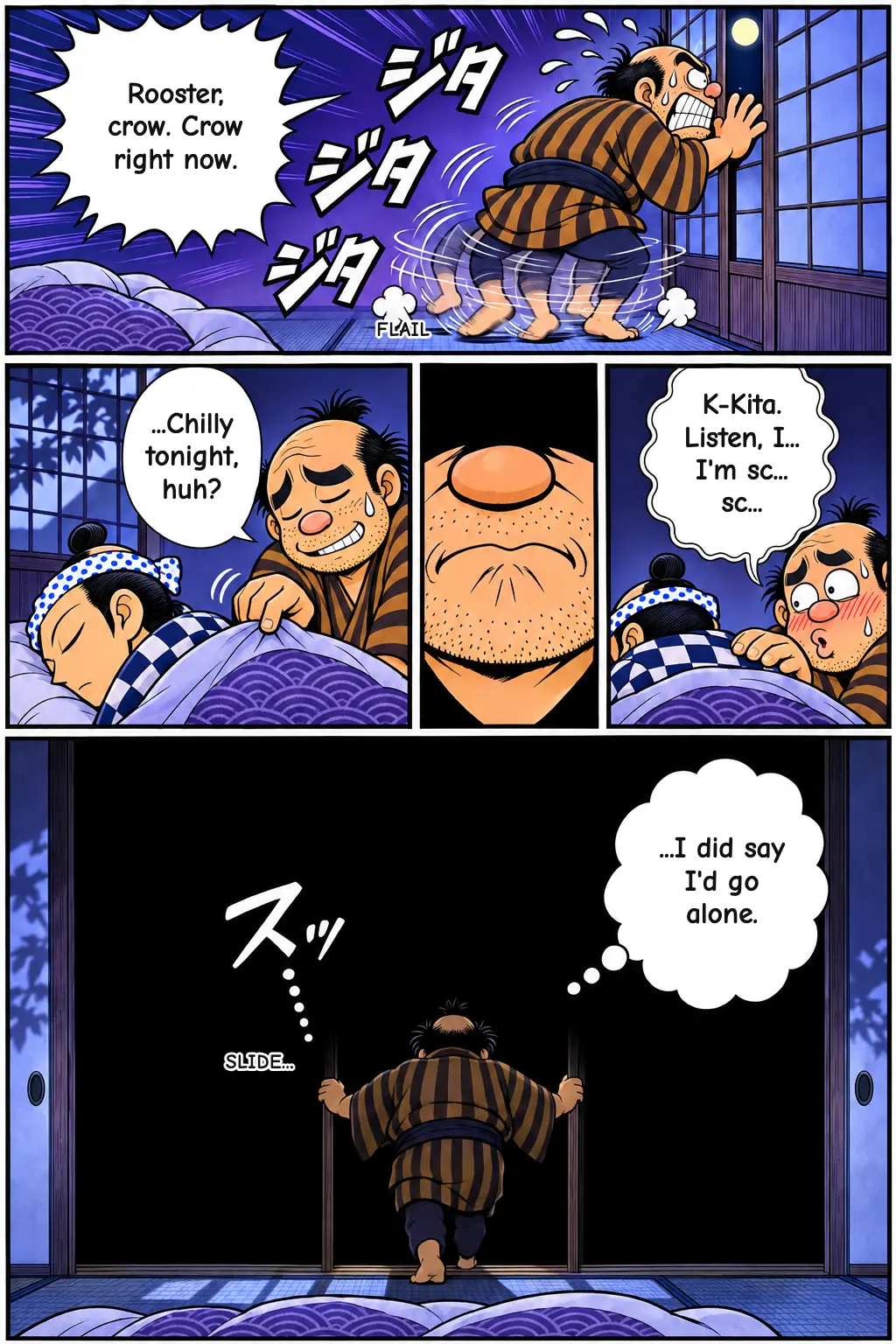
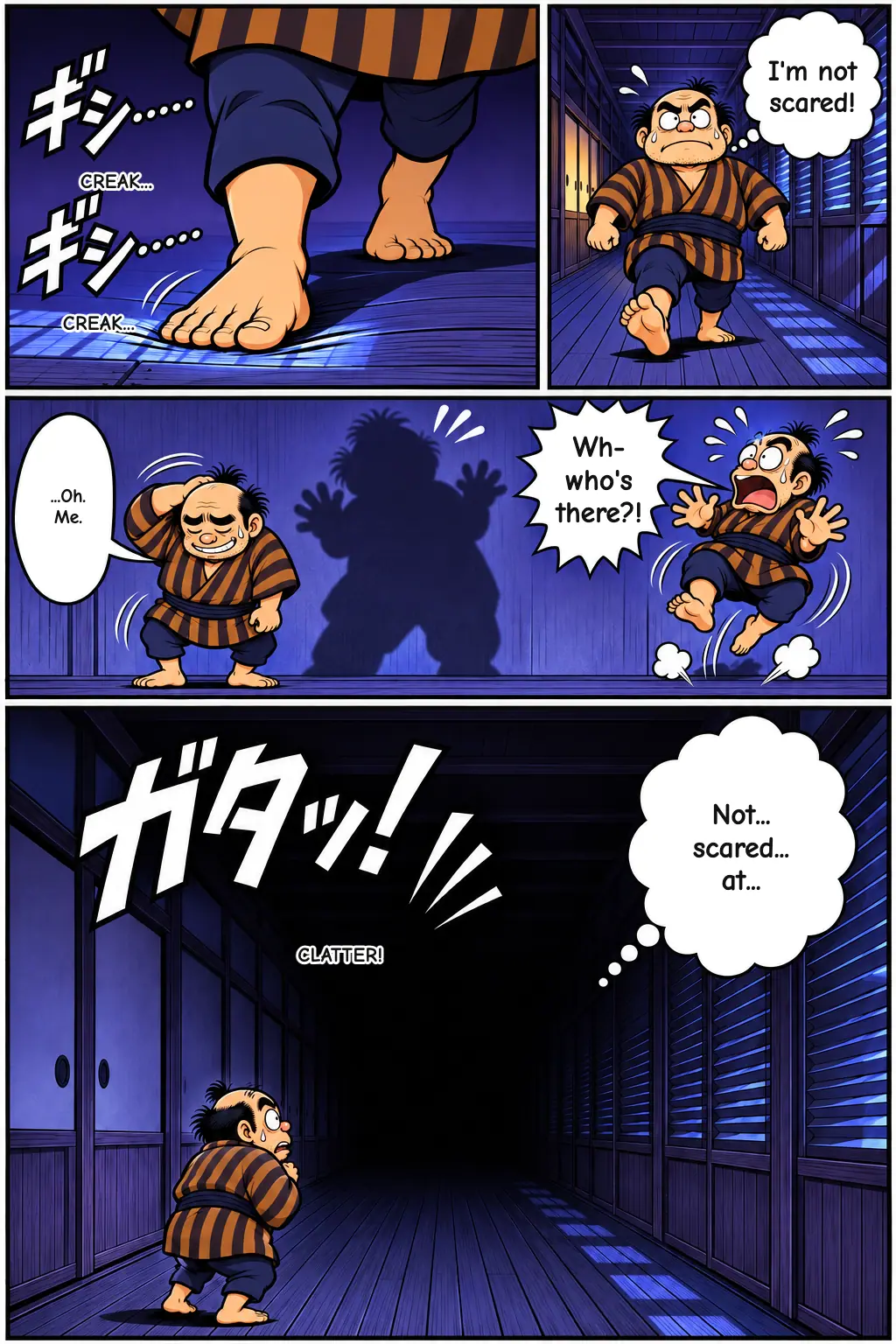
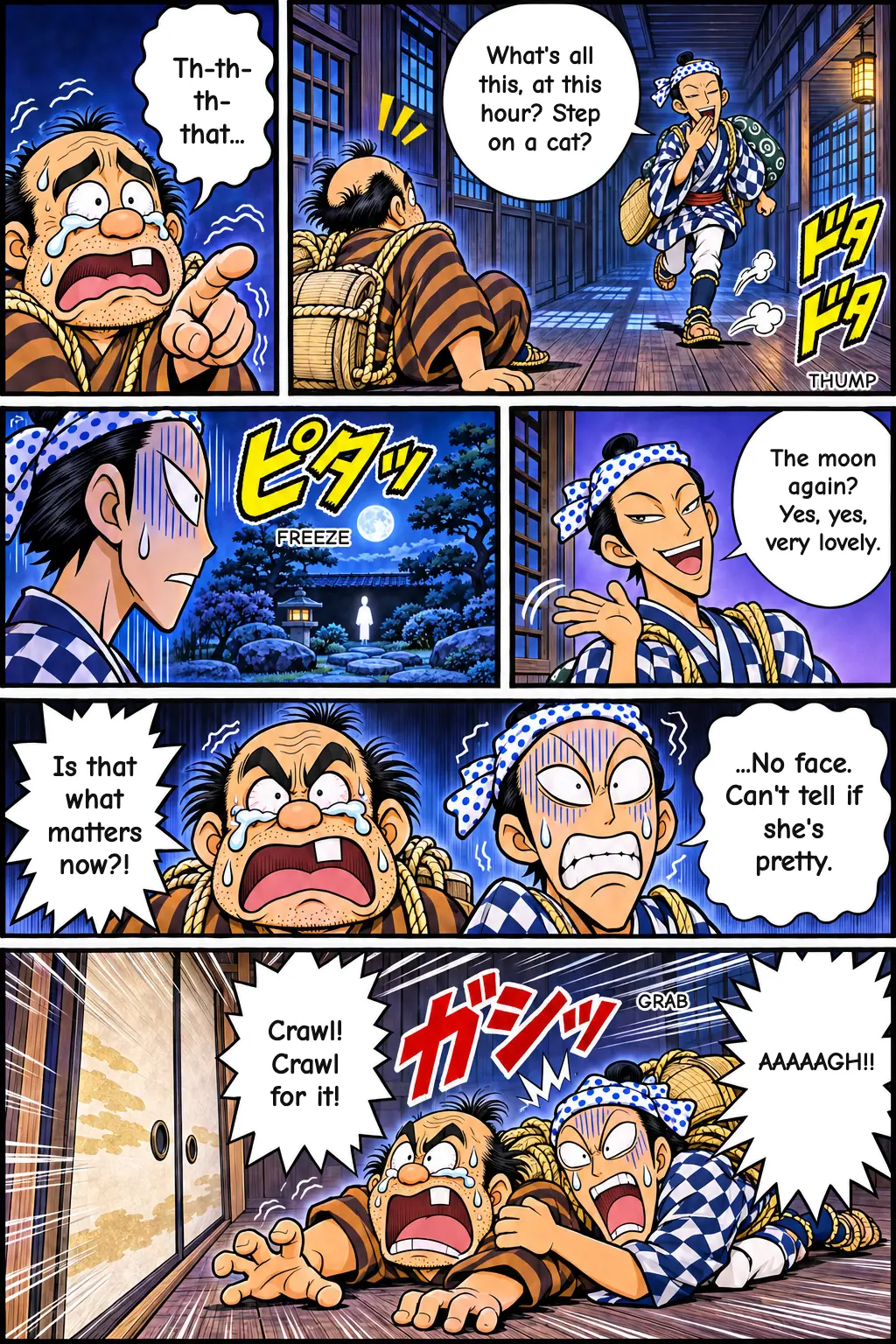
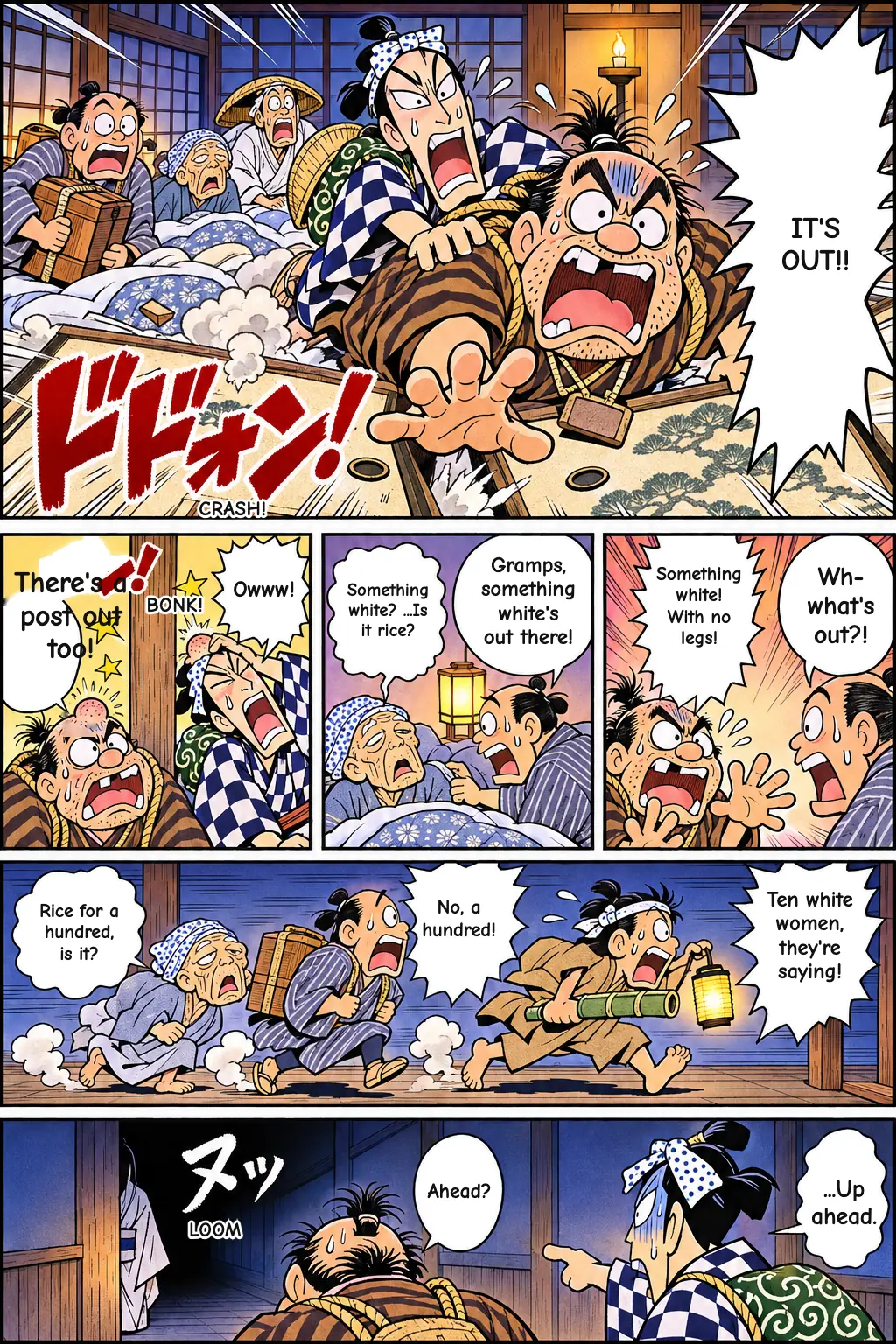
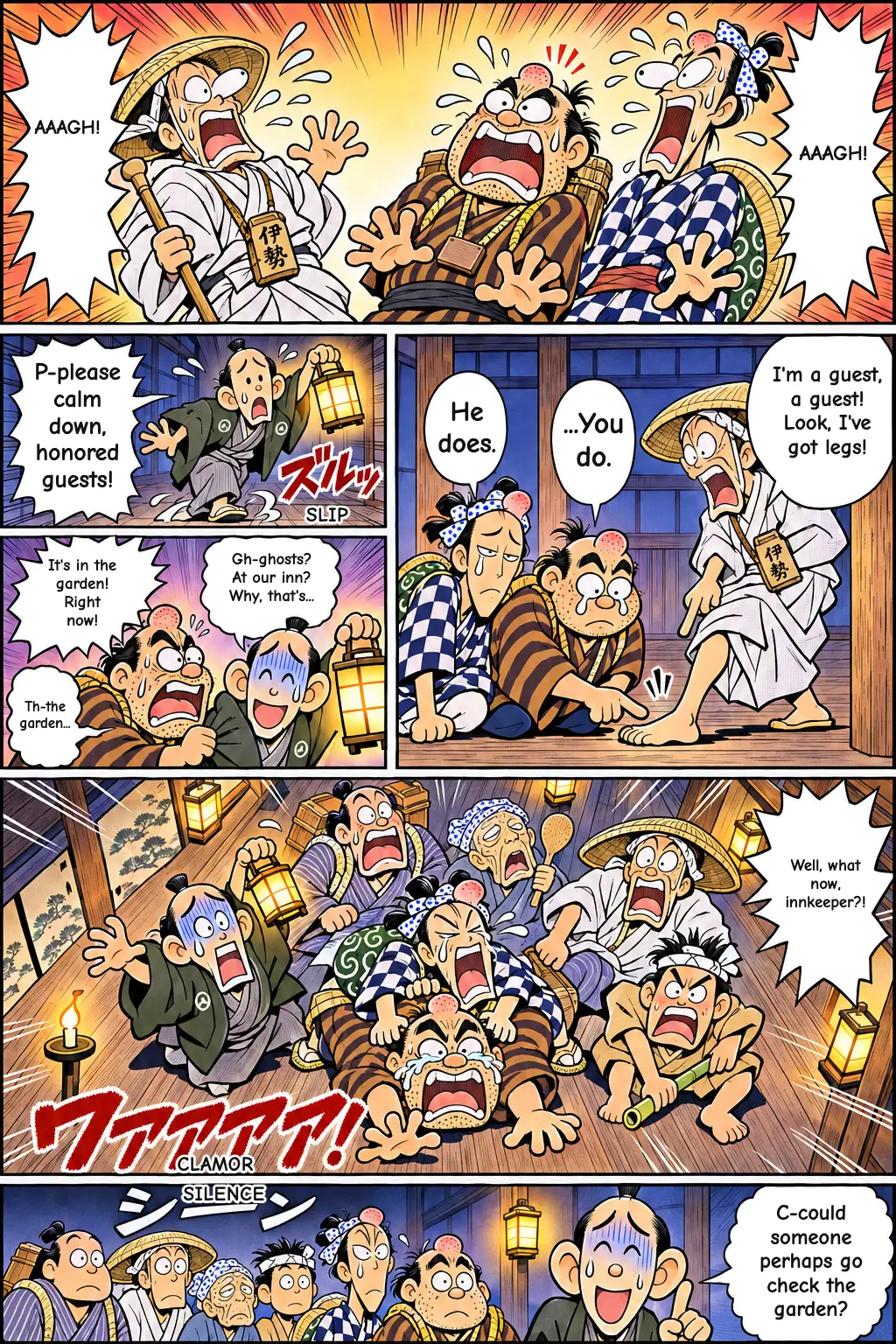
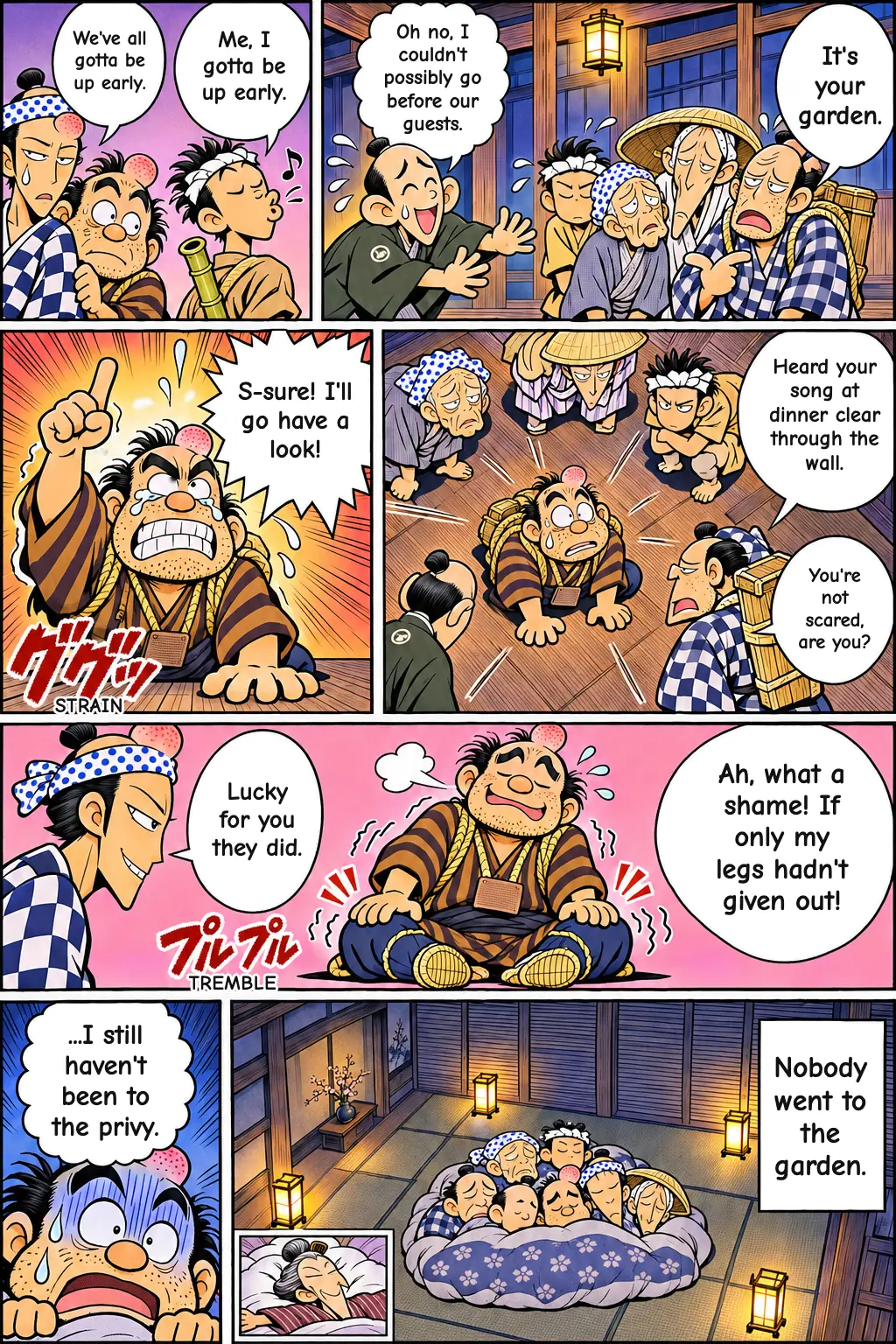
Episode 7Not Scared. Just 12 Steps to the Toilet.Hizakurige: The Hamamatsu Ghost
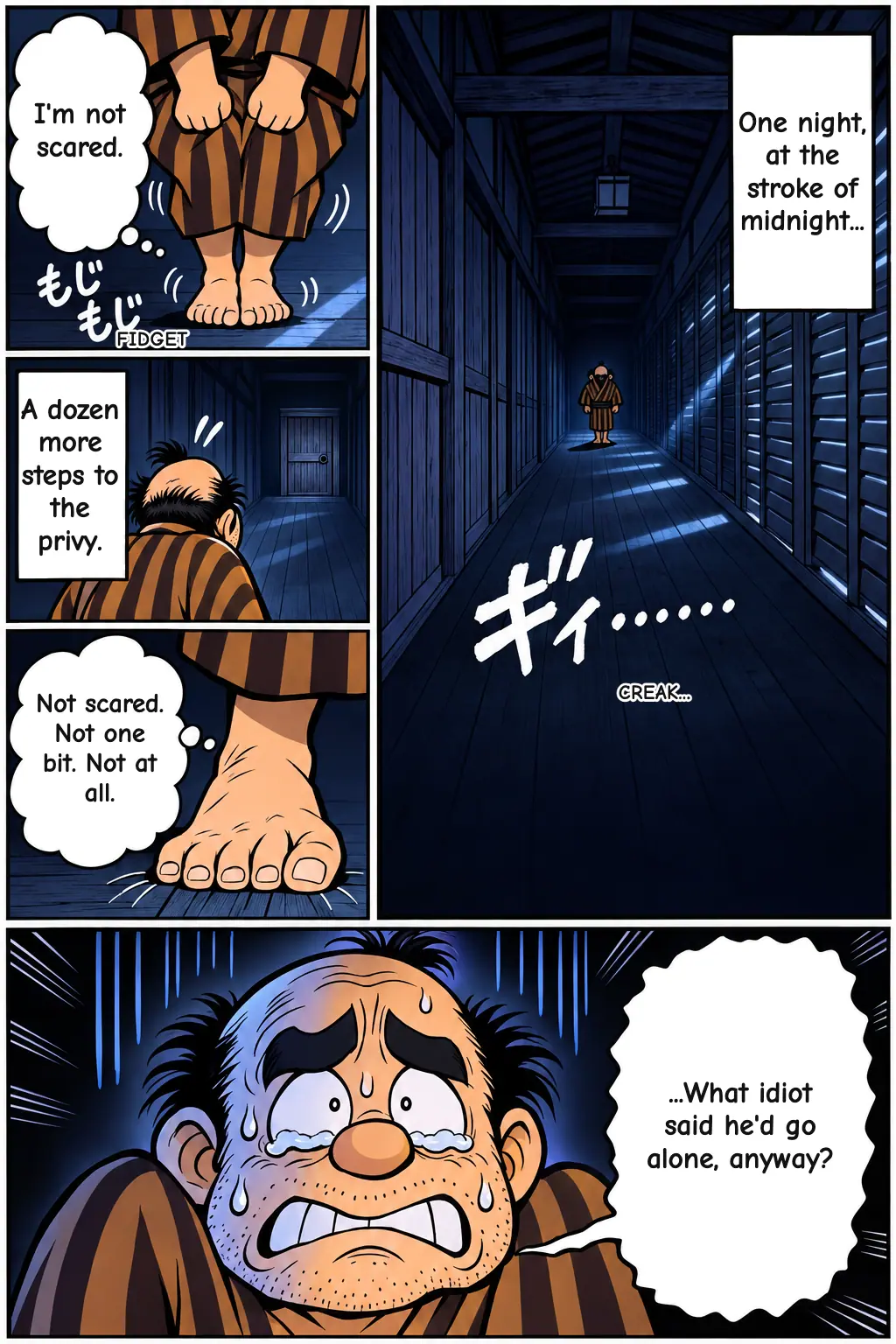
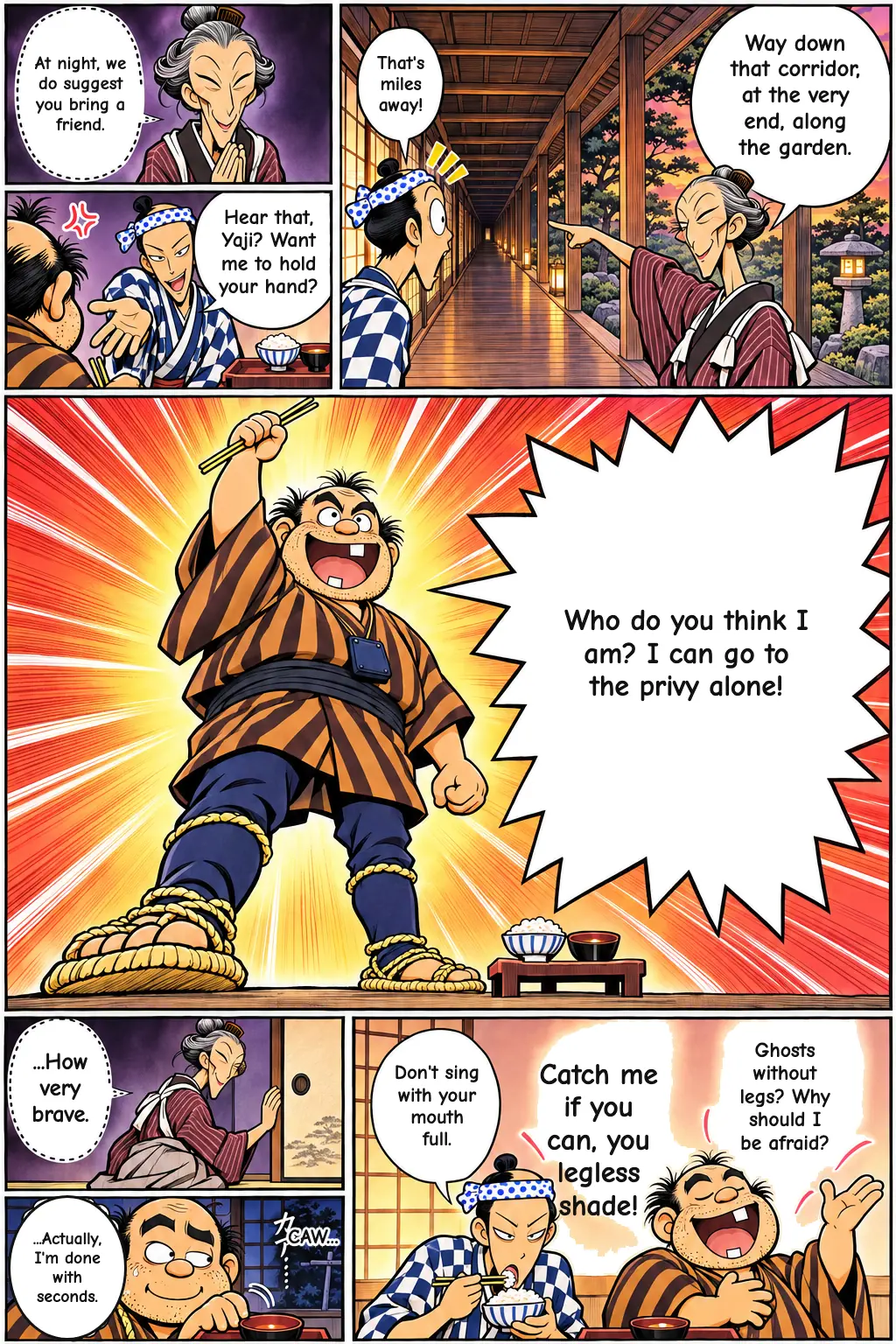
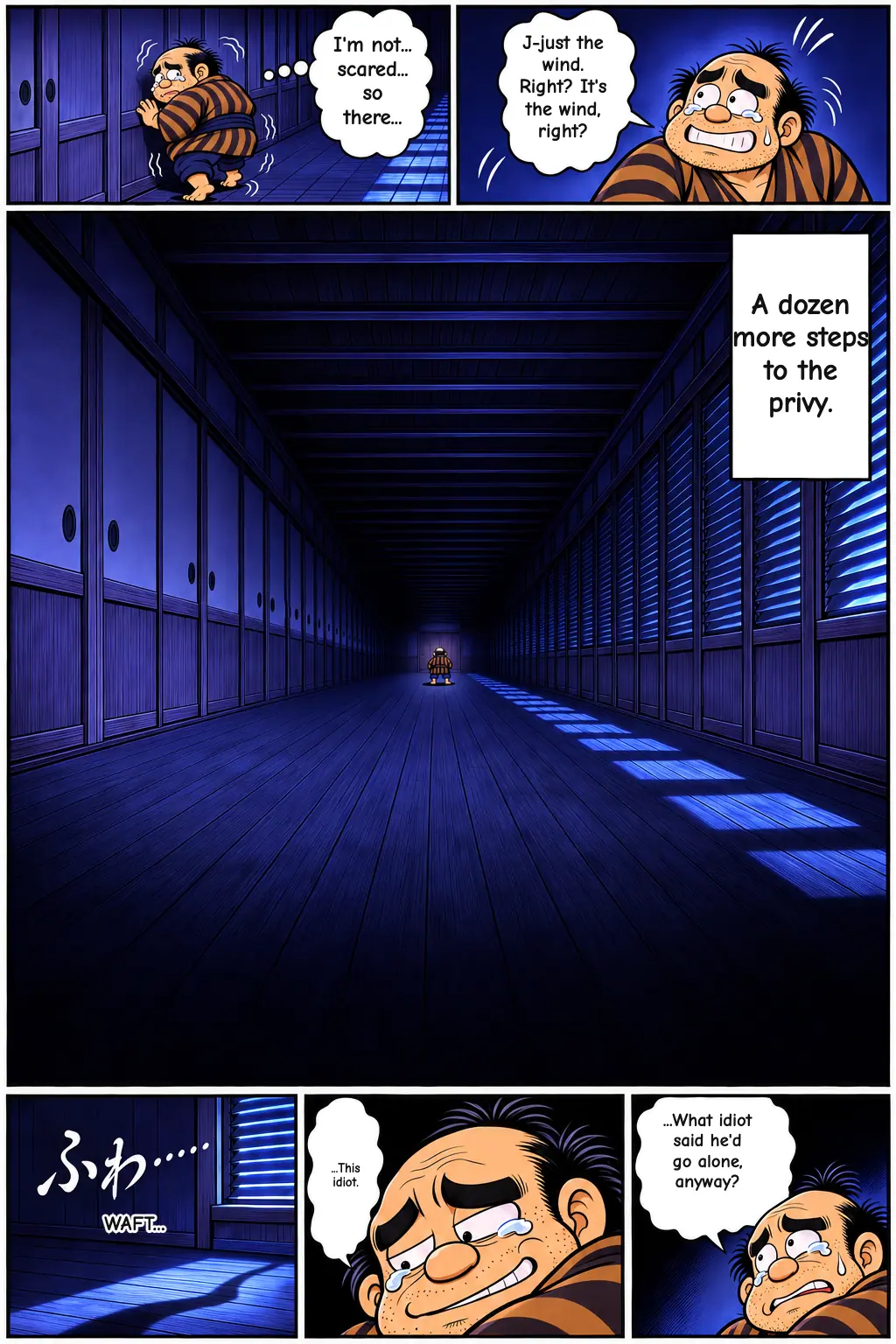
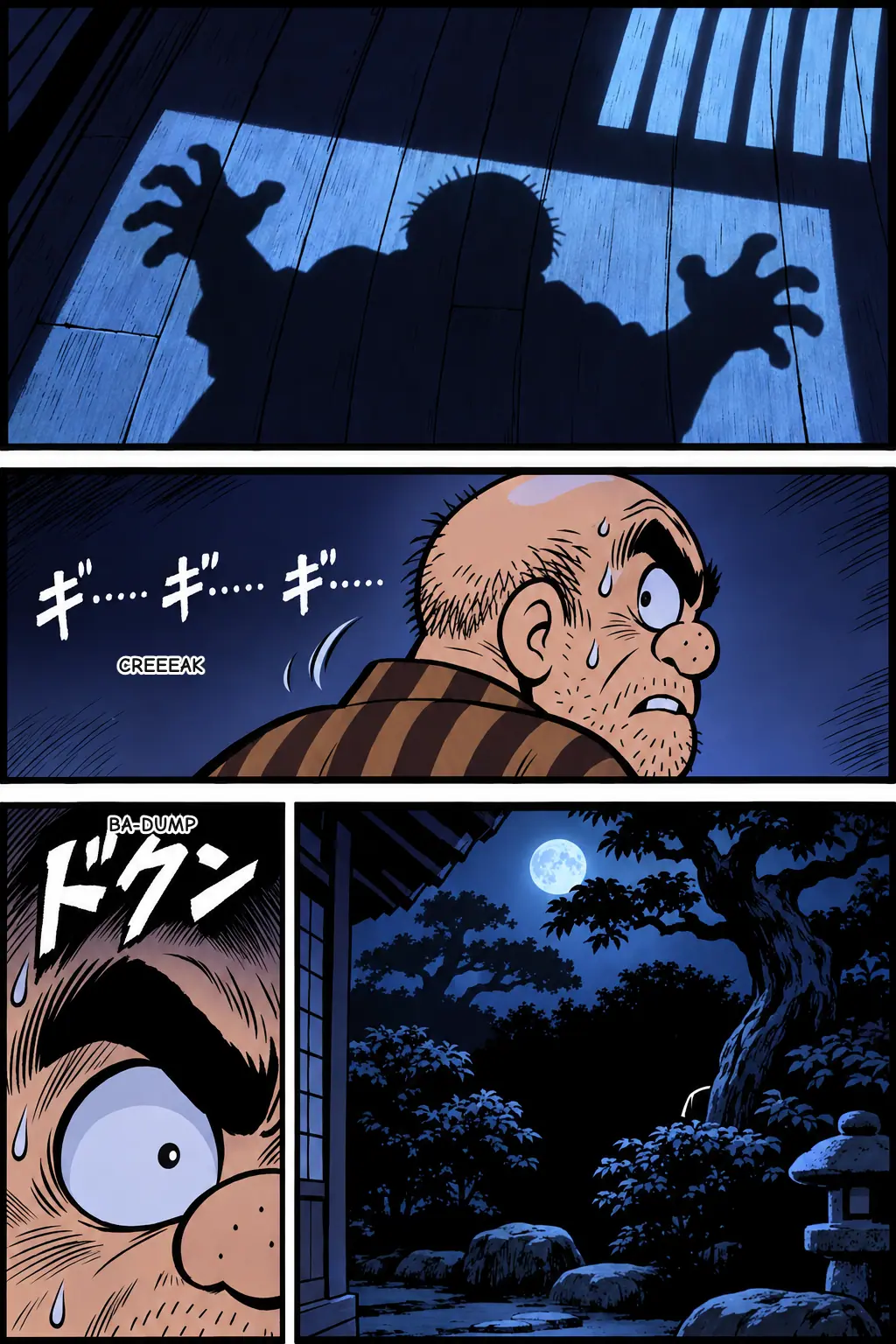
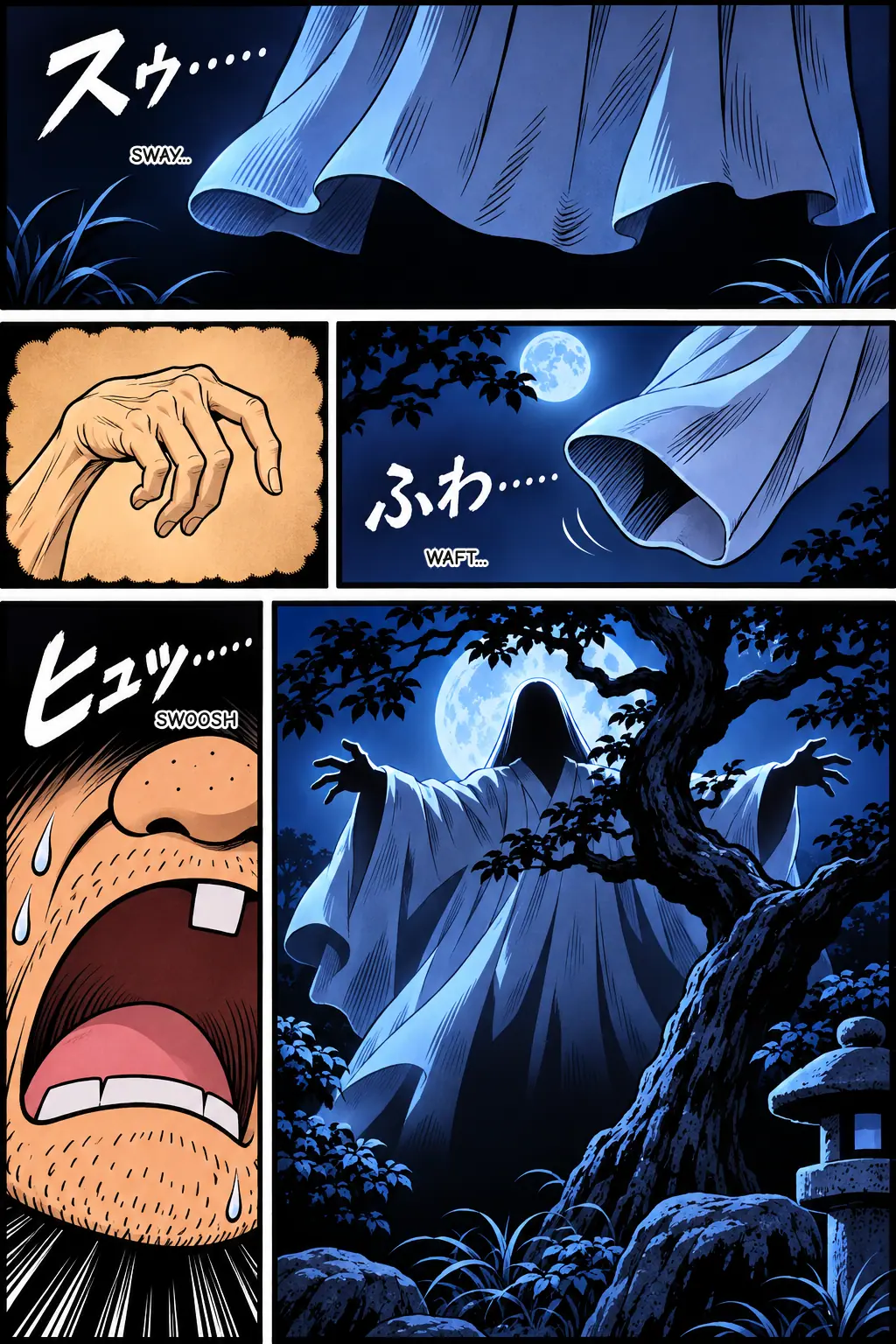
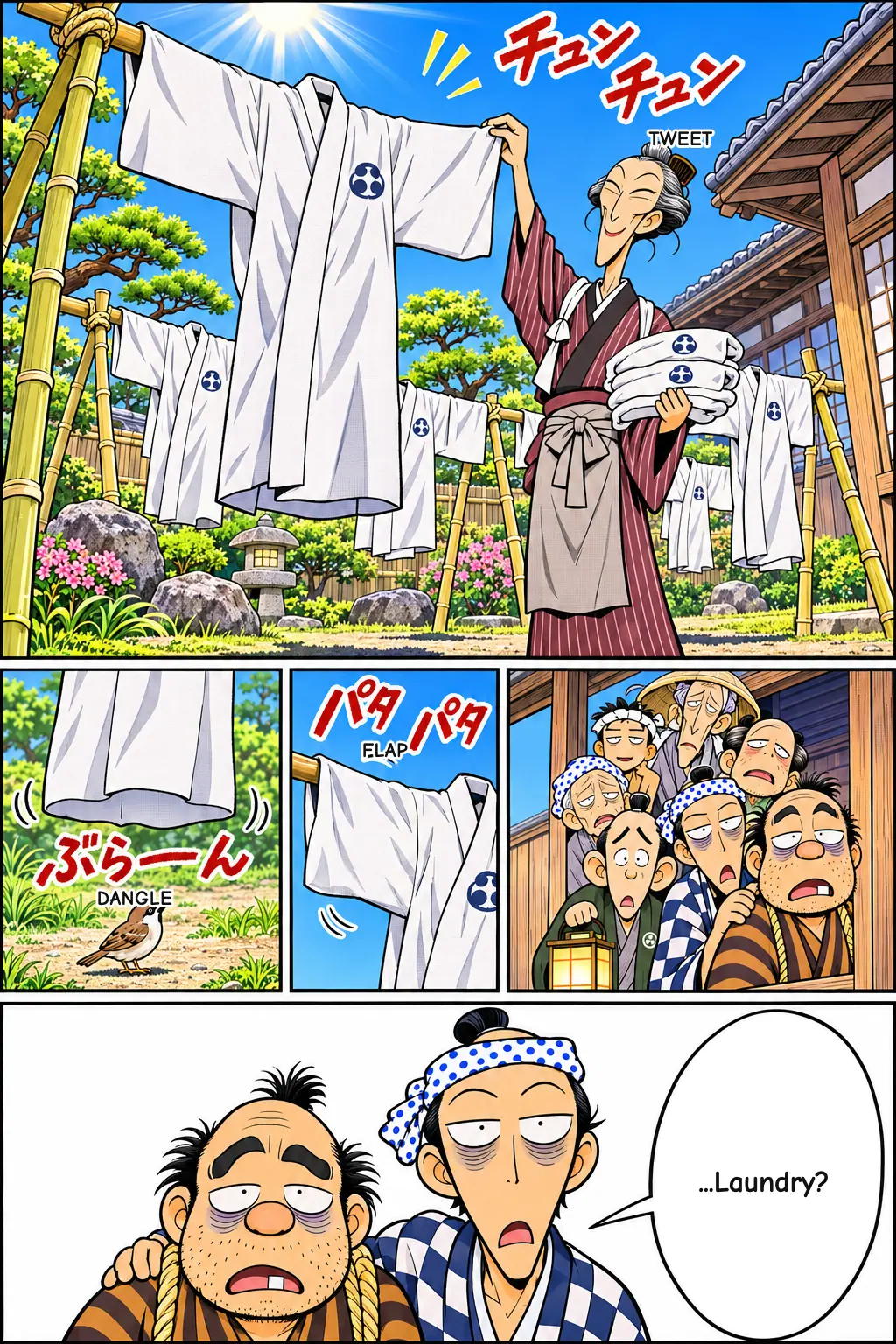
"I can go to the privy alone!" Yaji laughs off the ghost story, then steps into the long corridor by himself at midnight. Just a dozen steps from his goal, he freezes: a white shape is swaying in the moonlit garden.
Get new episodes in your feed. Follow us on:ThreadsBluesky
Story summary
Tokaidochu Hizakurige, often known in English as Shank's Mare, is a comic novel by Jippensha Ikku that began appearing in 1802. It follows two men from Edo (now Tokyo) as they walk west along the Tokaido, the great highway linking Edo and Kyoto, on a pilgrimage to the Ise Shrine. The ghost scare comes in the third part of the book, when they stop for the night at Hamamatsu, a post town in old Totomi Province, in today's Shizuoka Prefecture. The story itself is simple. That night at the inn, the pair hear talk of a ghost, and it leaves them uneasy as they settle down to sleep.
Yaji and Kita's Hamamatsu Ghost Story: Hizakurige Summary Explained
In short: The Hamamatsu ghost story is a comic episode from Tokaidochu Hizakurige, the road-trip novel by Jippensha Ikku first published in 1802. After hearing ghost talk at an inn, Yaji and Kita panic at night over a white shape in the garden, which turns out to be nothing but clothing hung up to dry.
The Hamamatsu Ghost Story in the Original Hizakurige
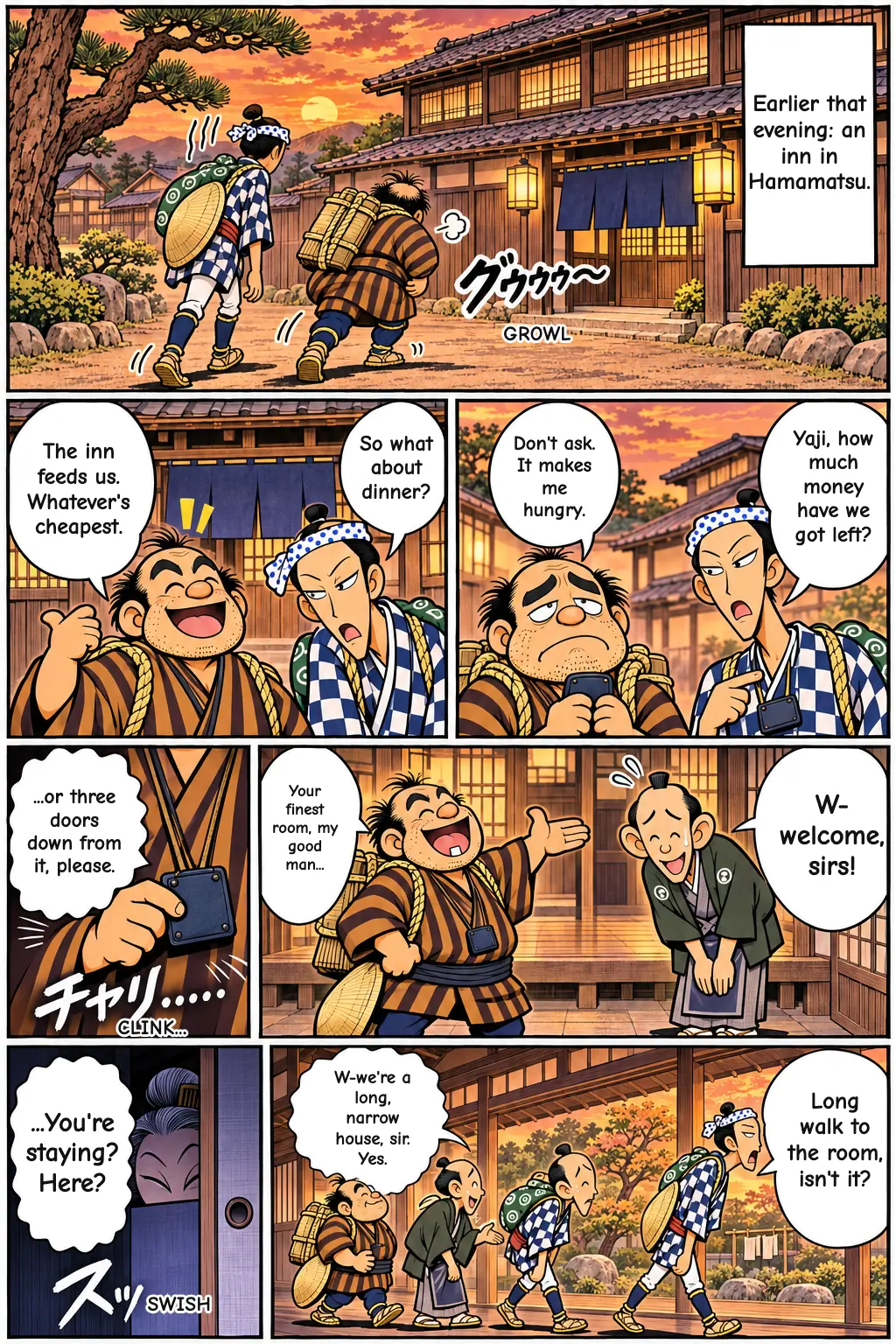
Tokaidochu Hizakurige, often known in English as Shank's Mare, is a comic novel by Jippensha Ikku that began appearing in 1802. It follows two men from Edo (now Tokyo) as they walk west along the Tokaido, the great highway linking Edo and Kyoto, on a pilgrimage to the Ise Shrine. The ghost scare comes in the third part of the book, when they stop for the night at Hamamatsu, a post town in old Totomi Province, in today's Shizuoka Prefecture.
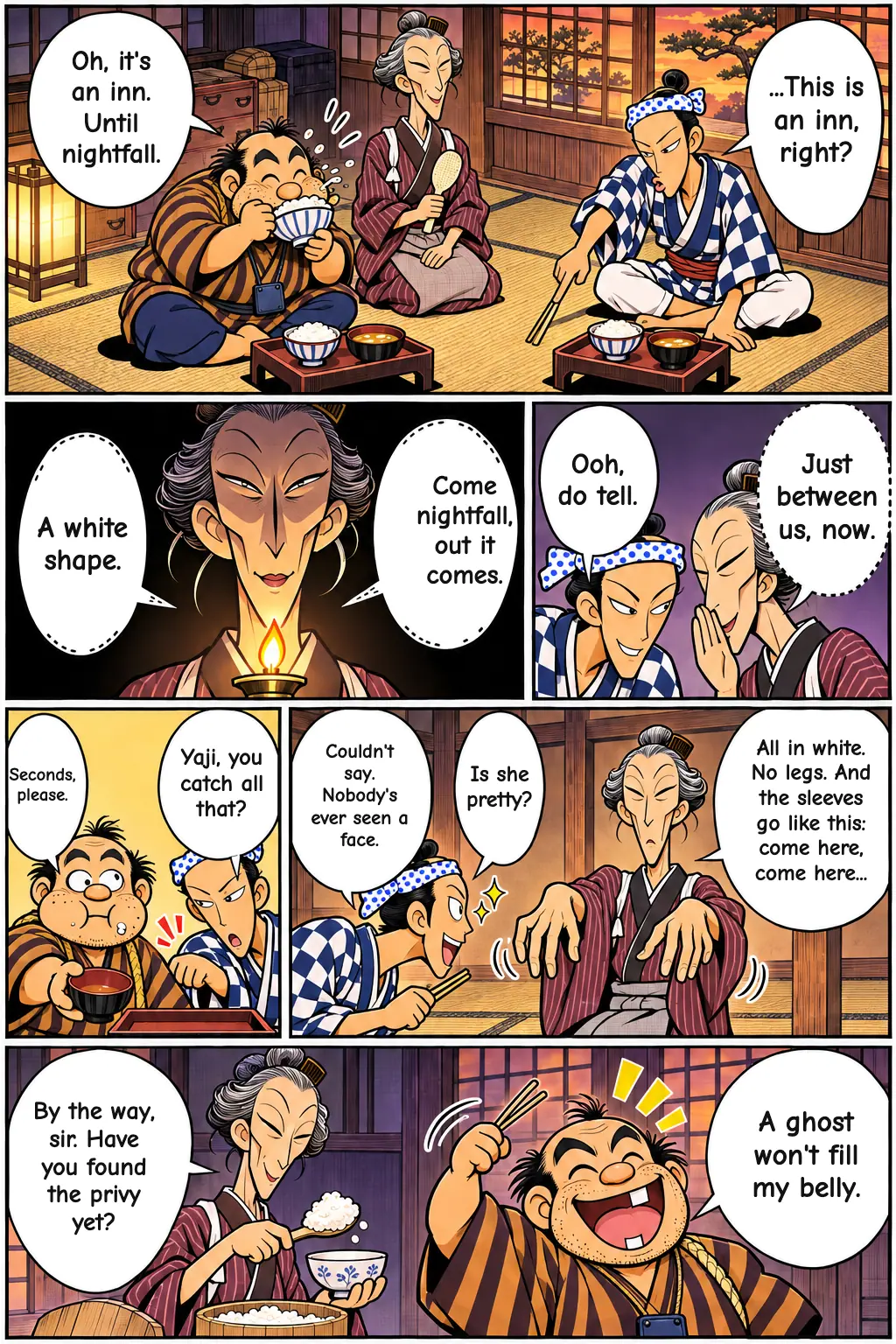
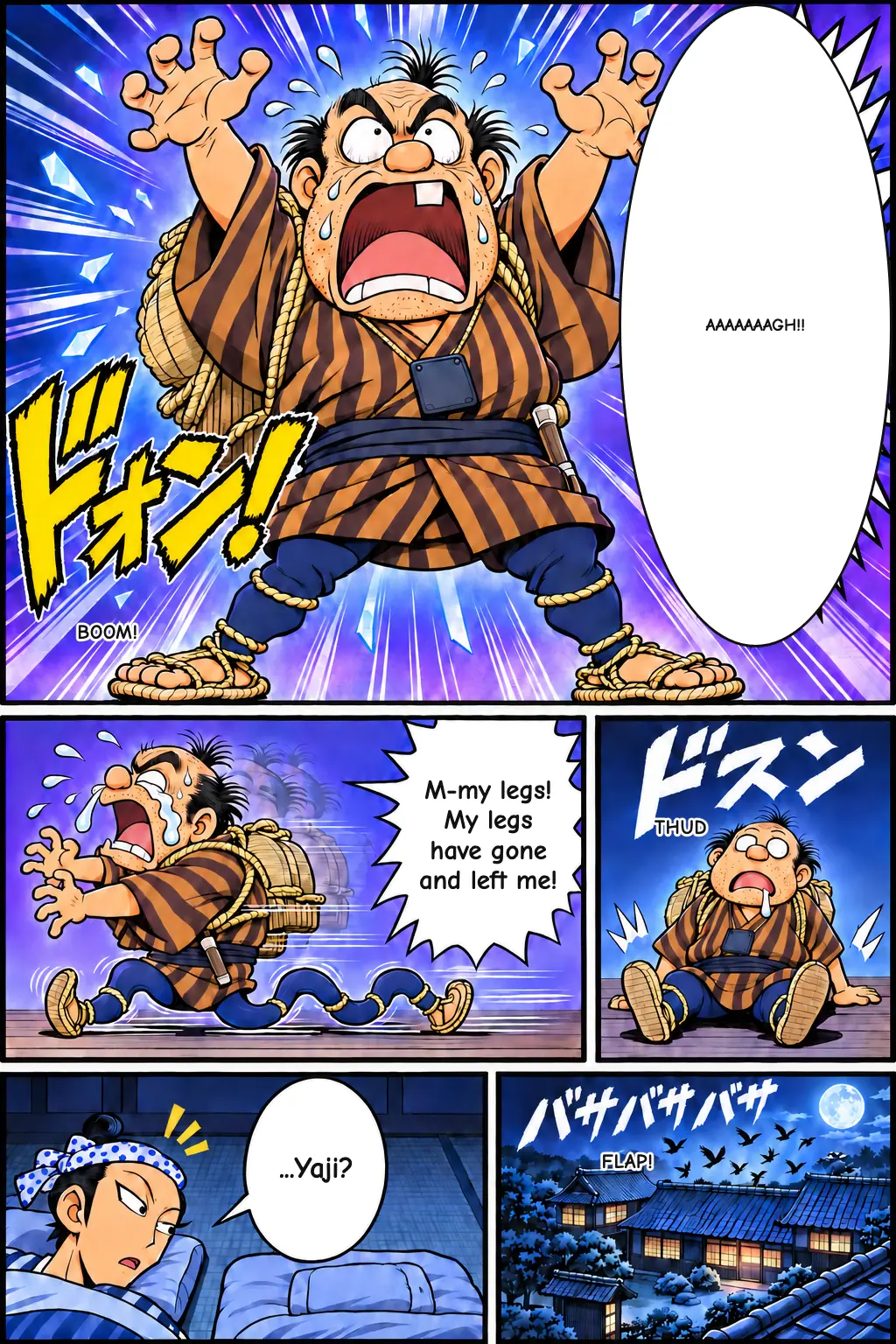
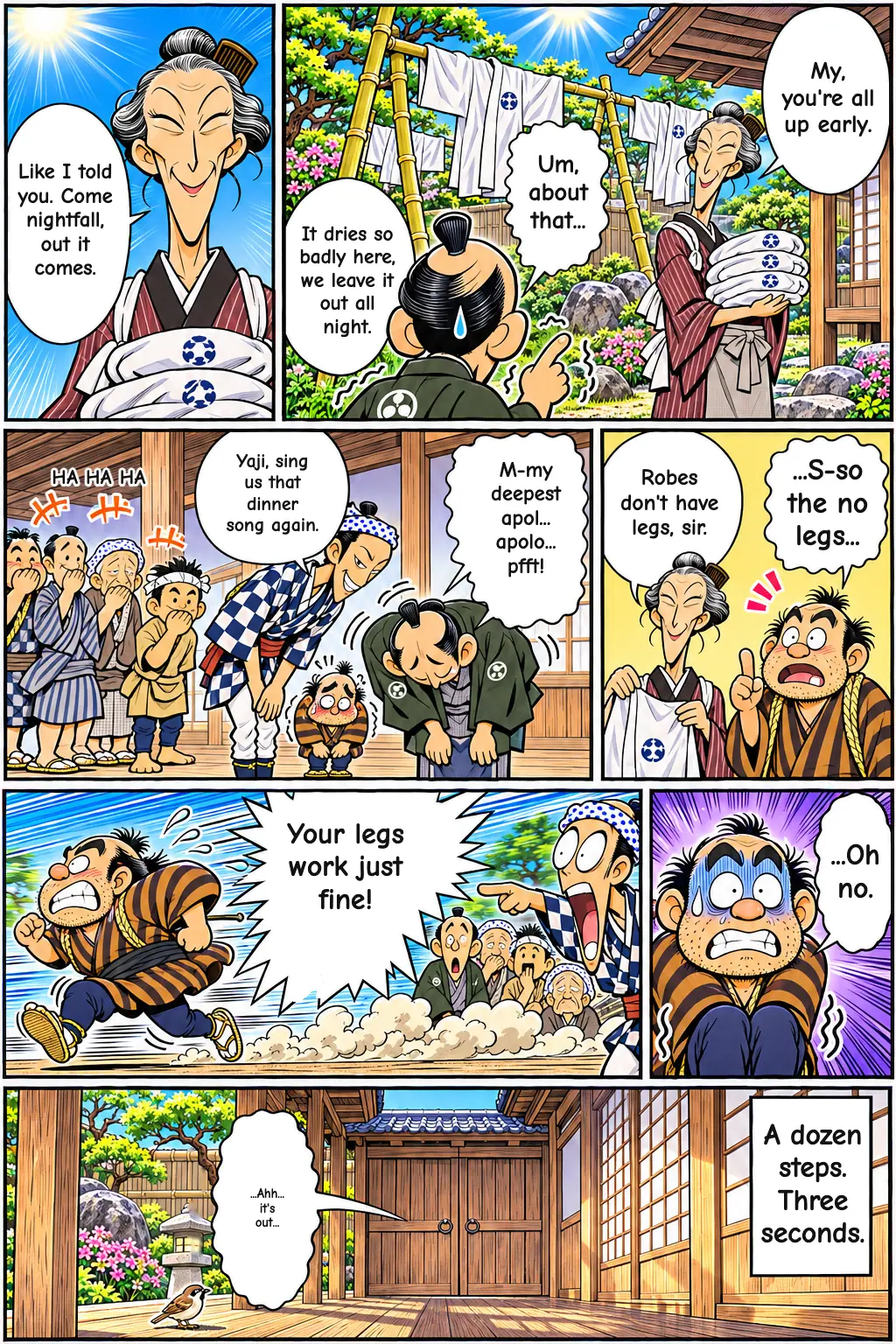
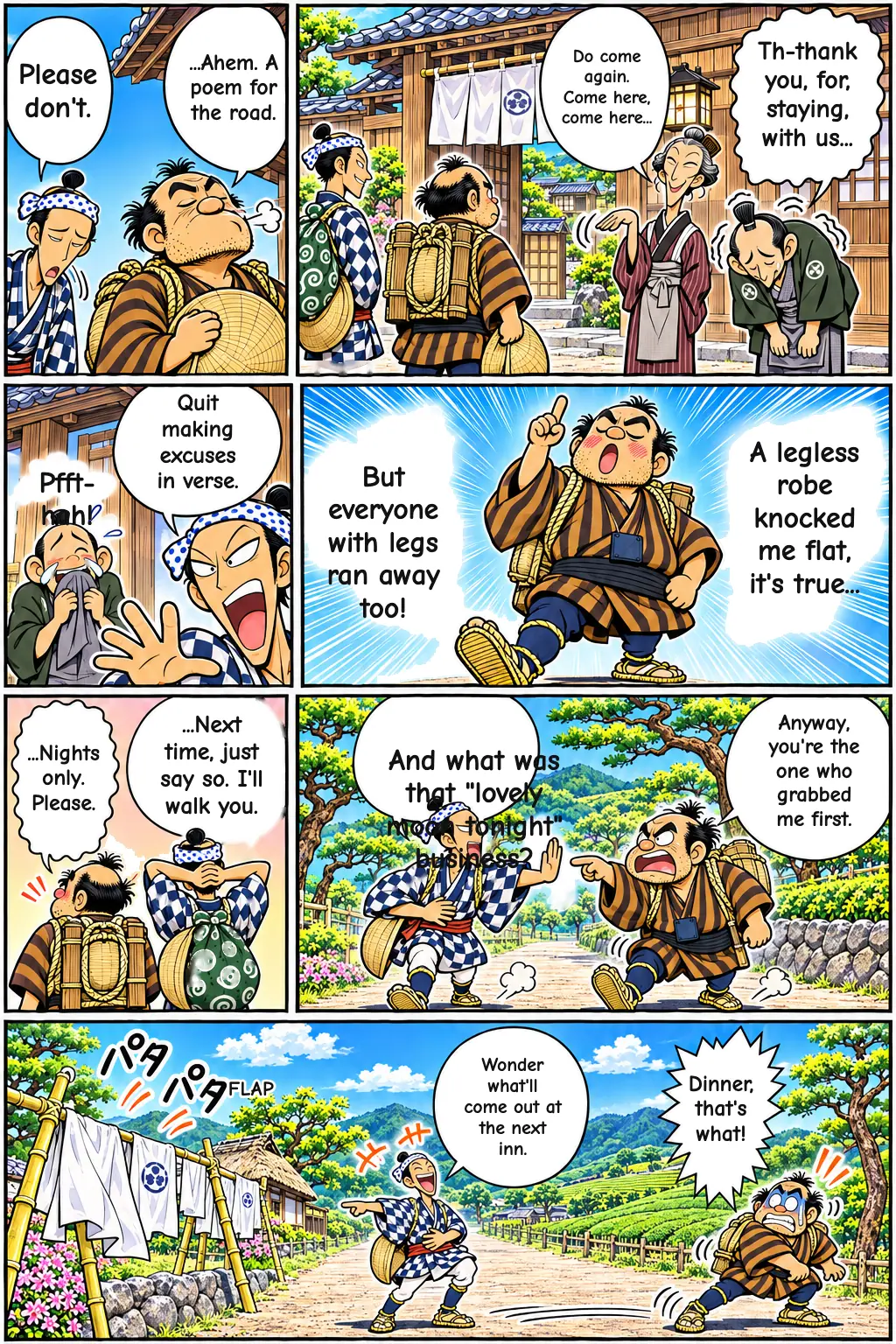
The story itself is simple. That night at the inn, the pair hear talk of a ghost, and it leaves them uneasy as they settle down to sleep. In the middle of the night, Yajirobei needs the privy but is too frightened to go. Then something white seems to float at the edge of the garden. Sure that he is looking at a ghost, he is scared out of his wits. Kitahachi gets caught up in the terror too, and a commotion follows. The white figure is finally revealed to be a garment left hanging on a drying pole.
This summary sticks to the core events. Finer points, such as who tells the ghost story, exactly when the truth comes out, which garment it was, and how many people get woken, are left out here because we have not yet checked them against the original text.
Who Are Yaji and Kita?
Yajirobei, or Yaji, is a middle-aged townsman from the Hatchobori area of Kanda in Edo. He loves wisecracks, wordplay and comic poems, and he cares a great deal about looking good. He also never seems to learn from his failures, which is what keeps the story going from town to town.
Kitahachi, or Kita, is younger and lives with Yaji almost like a freeloader. He is frivolous, fond of pranks and always chasing romance. The two compete with each other and tease each other constantly, and neither has much dignity left by the end of any given adventure. That makes them an early and very recognizable comedy duo: each one is usually ready to laugh at the other, right up until they land in the same trouble.
Why a Drying Kimono Was So Funny in Edo Japan
Hizakurige belongs to a genre called kokkeibon, or comic books, popular reading in the late Edo period. Its humor is close to everyday life: travelers get cheated, embarrassed and fooled, and readers laugh at people much like themselves. The title itself is a joke about the trip. Kurige means a chestnut horse, and hizakurige suggests using your own knees as your horse, in other words, going on foot.
The white shape works as a gag because of how Japanese ghosts are traditionally imagined. In art and on the stage, a ghost, or yurei, is commonly shown in white burial clothing. A pale robe stirring in the dark would be an easy thing for a nervous mind to misread, especially right after a ghost story. Japanese also has a well-known saying about a feared ghost turning out to be nothing more than withered pampas grass. We cannot say whether Ikku had that saying in mind, but it shows how familiar the idea is.
Going to the toilet at night adds a very human layer. The privy in a traditional building was often set apart from the sleeping rooms, so a midnight trip could mean a walk through the dark. Everyone understands that small fear, and the episode's real target is not the ghost at all. It is the distance between the brave front a man like Yaji likes to show and the way he behaves when he is alone in the dark.
What the Manga Changes
Episode 7 of YAJI AND KITA: The Great Tokaido Road Trip keeps the source's core situation: an inn at Hamamatsu, ghost talk, a frightening trip to the privy and a white shape in the garden. Much of the staging belongs to the manga, however. Yaji's boast that he can go to the privy alone, his midnight walk down a long corridor, the dozen steps left to his goal and the moonlit garden are all storytelling choices made for this adaptation.
Other creative touches include the pacing of the ghost story, the exact banter between Yaji and Kita, the layout of the inn, and the visual trick of a robe swaying in the wind until it looks like a person. The manga also draws the garment as a yukata, a light cotton robe, because it reads instantly on the page, and it sets the discovery of the truth the next morning. How the panic spreads through the inn and how the staff react are also shaped by the manga. These details may differ from Ikku's text, so please treat them as the adaptation's version of events.
Where to Read It
The best part of this story is the moment before the laugh, when you know something must be wrong but Yaji still has to keep walking. That slow, creeping tension is exactly what comics do well, and Episode 7 stops right on that frozen moment in the corridor.
You can read YAJI AND KITA: The Great Tokaido Road Trip here on Manga Portal. All episodes are free, and you do not need to sign up. If you enjoyed this slice of Edo comedy, start from the first episode and join the pair on their walk down the Tokaido.
Characters in this episode
Yajirobei (Yaji)
A vain, joke-loving, middle-aged townsman from Edo whose show of confidence collapses when he faces the dark alone.
Kitahachi (Kita)
Yaji's younger, prank-loving travel partner, who gets swept up in the ghost panic alongside him.
The inn's people
The unnamed staff of the Hamamatsu inn, whose faces and reactions in the manga are the adaptation's own creation.
FAQ
What is the ghost in the Hamamatsu episode of Hizakurige?
It is not a real ghost. The white figure that terrifies Yaji and Kita turns out to be a garment hanging on a drying pole. The joke lies in how completely they were fooled.
What is Tokaidochu Hizakurige about?
It is a comic novel by Jippensha Ikku, first published in 1802, about two men from Edo traveling on foot along the Tokaido highway. Their journey is a pilgrimage to the Ise Shrine, and it is filled with pranks, blunders and embarrassment.
What does the word Hizakurige mean?
Kurige means a chestnut horse, and hizakurige suggests using your own knees in place of a horse. In short, it means traveling on foot. This is why the book is often called Shank's Mare in English.
Are Yaji and Kita real historical people?
No, they are fictional characters created by Jippensha Ikku. The Tokaido road and towns such as Hamamatsu were real, which gives their comic adventures a familiar setting. The pair became some of the best-known comic characters of Edo-period fiction.
Is the Manga Portal version faithful to the original story?
It keeps the main situation of a ghost scare at Hamamatsu that ends with a garment mistaken for a ghost. The dialogue, corridor scene, moonlit visuals and some of the plot timing are the manga's own additions. The yukata and the next-morning reveal also belong to the adaptation's version.