Episode 717 Years Later, a Stranger Brings TeaThe Story of O-Tei
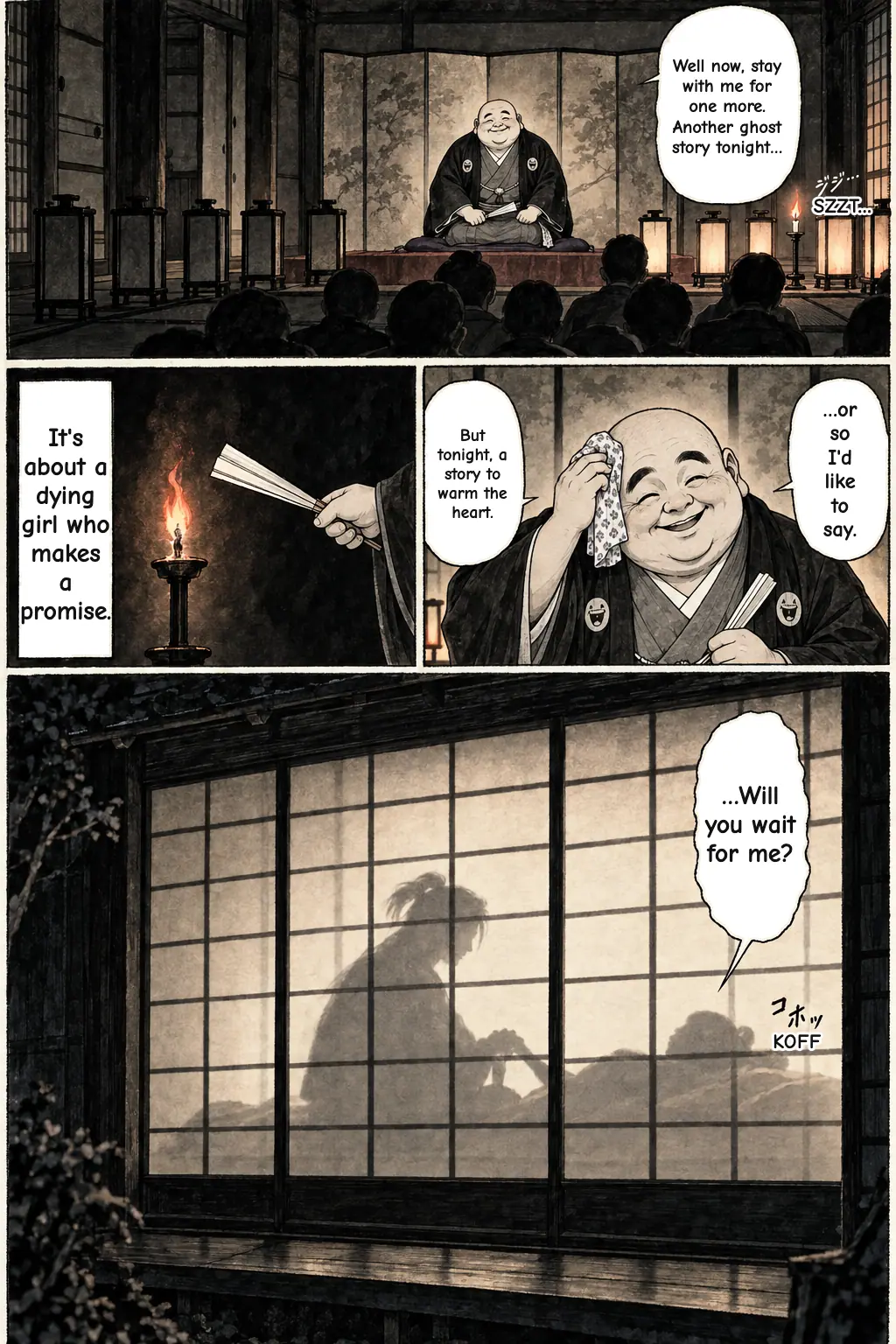
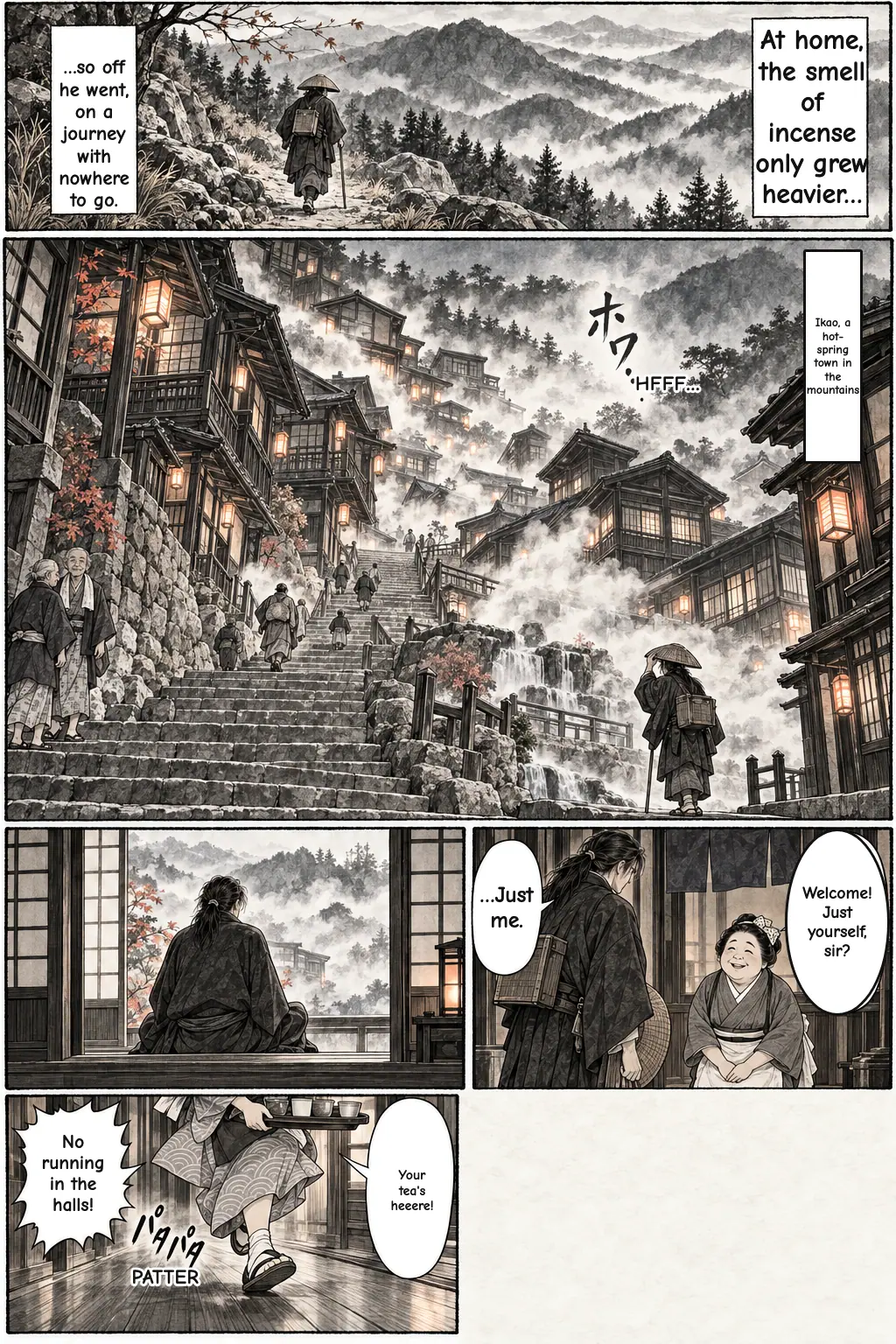
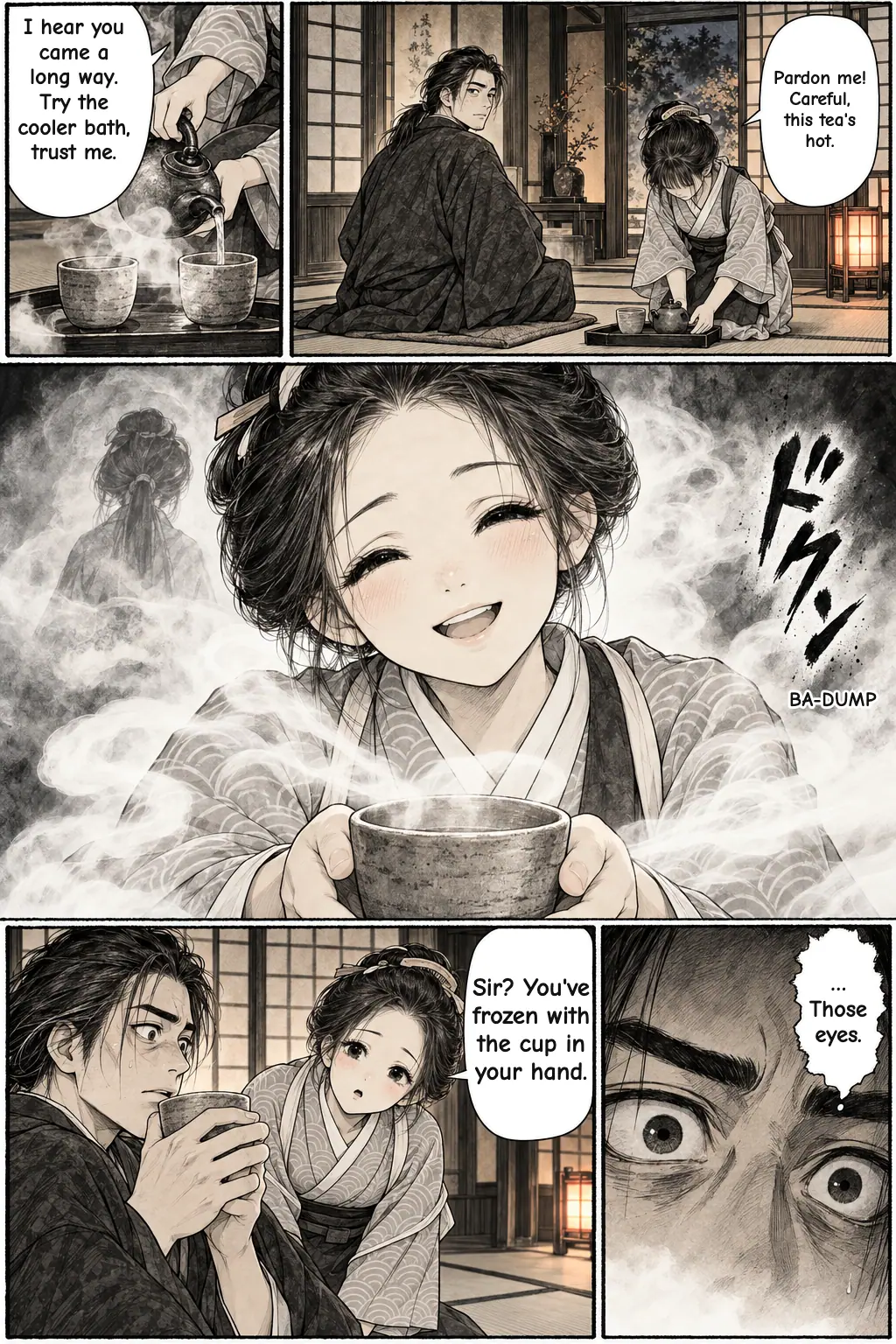
KAIDAN: Japanese Ghost Stories, Episode 7. Dying at fifteen, O-Tei makes a promise to the man she was meant to marry: "I'll be born again, and I'll come back to you." Seventeen years later, Nagao Chosei sets off on a journey alone. At an inn in the mountain hot-spring town of Ikao, a girl he has never met brings him a cup of tea.
Bookmark the series page so you can jump back in when the next episode is out: KAIDANRSS for this series
Get new episodes in your feed. Follow us on:ThreadsBluesky
Story summary
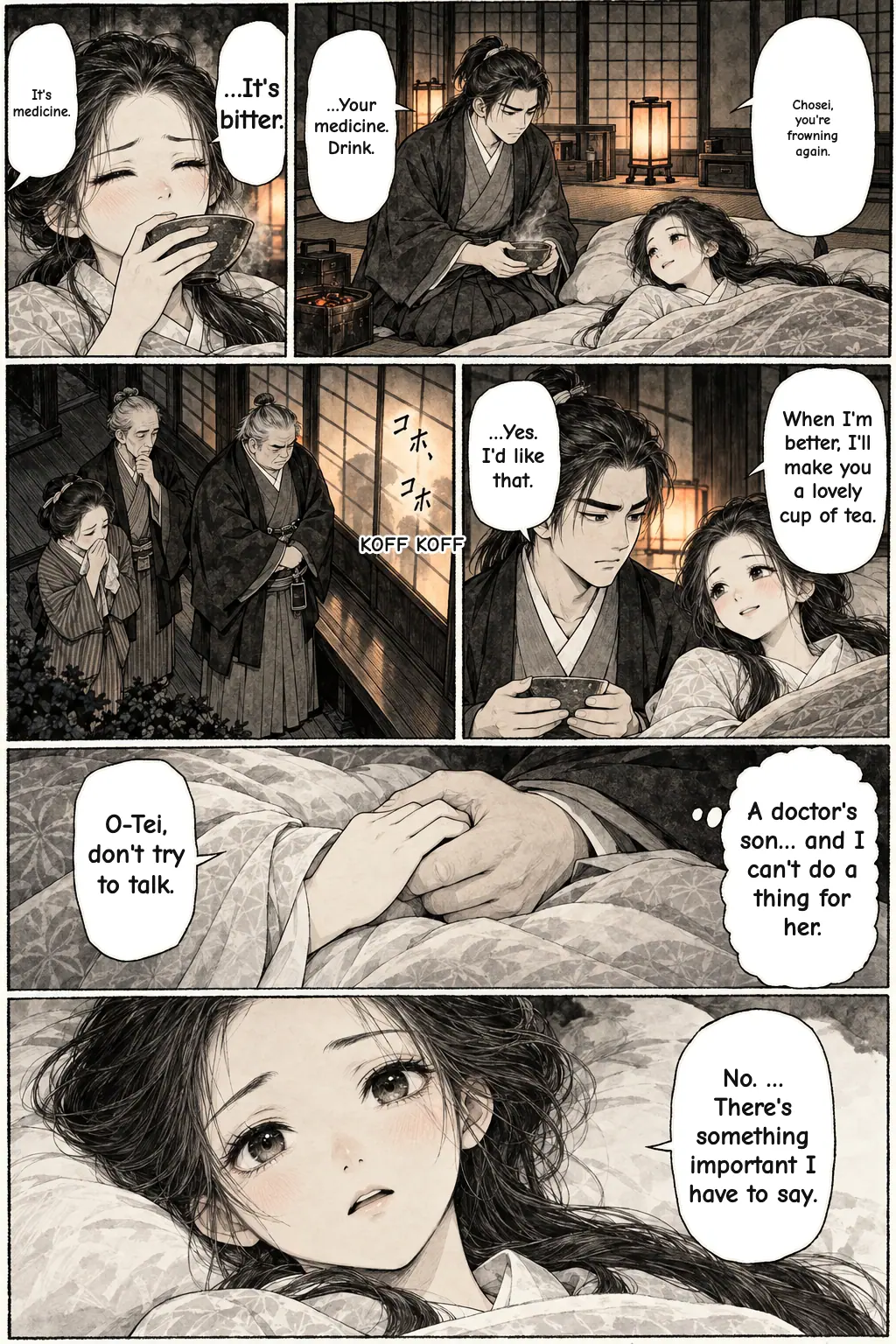
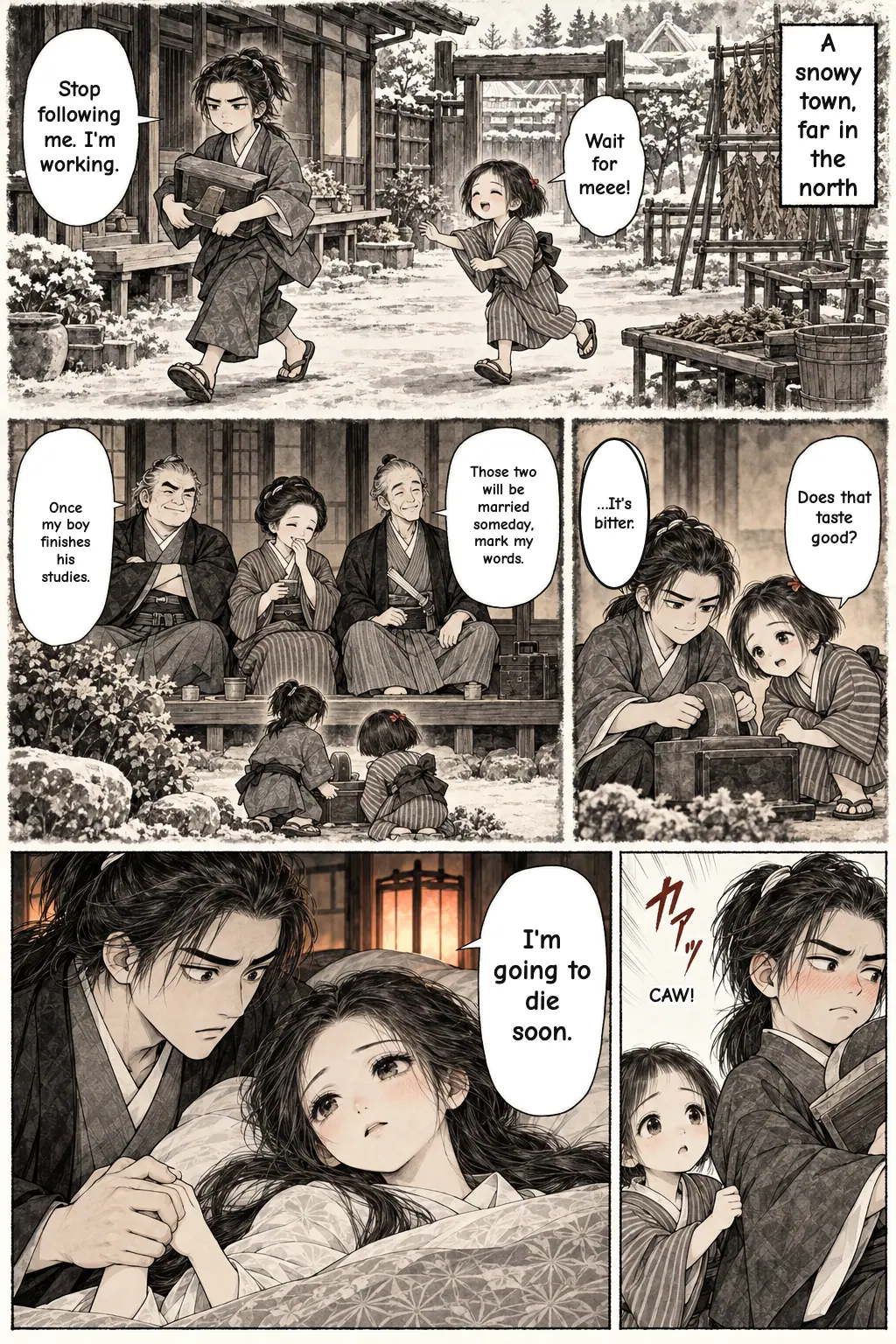
Long ago in the town of Niigata lived Nagao Chōsei, the son of a doctor, who was studying to become a doctor himself. Since childhood he had been engaged to O-Tei, the daughter of a friend of his father. The two families planned the wedding for the day Chōsei finished his studies. O-Tei, however, had always been frail. At fifteen she fell ill with consumption (tuberculosis), and she knew she would not recover. On her deathbed she spoke calmly to Chōsei, who was nineteen. She believed they would meet again within his present life.
The Story of O-Tei Summary: Lafcadio Hearn's Kwaidan Tale of Love and Rebirth
In short: "The Story of O-Tei" is a story from Lafcadio Hearn's Kwaidan (1904). A young woman named O-Tei is dying at fifteen, and she promises her fiancé, Nagao Chōsei, that she will be born again and come back to him. Seventeen years later, after losing his whole family, Chōsei meets a maid at a hot-spring inn in Ikao. For one moment she speaks with O-Tei's voice, and later she becomes his wife.
The Story of O-Tei: Plot Summary
Long ago in the town of Niigata lived Nagao Chōsei, the son of a doctor, who was studying to become a doctor himself. Since childhood he had been engaged to O-Tei, the daughter of a friend of his father. The two families planned the wedding for the day Chōsei finished his studies. O-Tei, however, had always been frail. At fifteen she fell ill with consumption (tuberculosis), and she knew she would not recover.
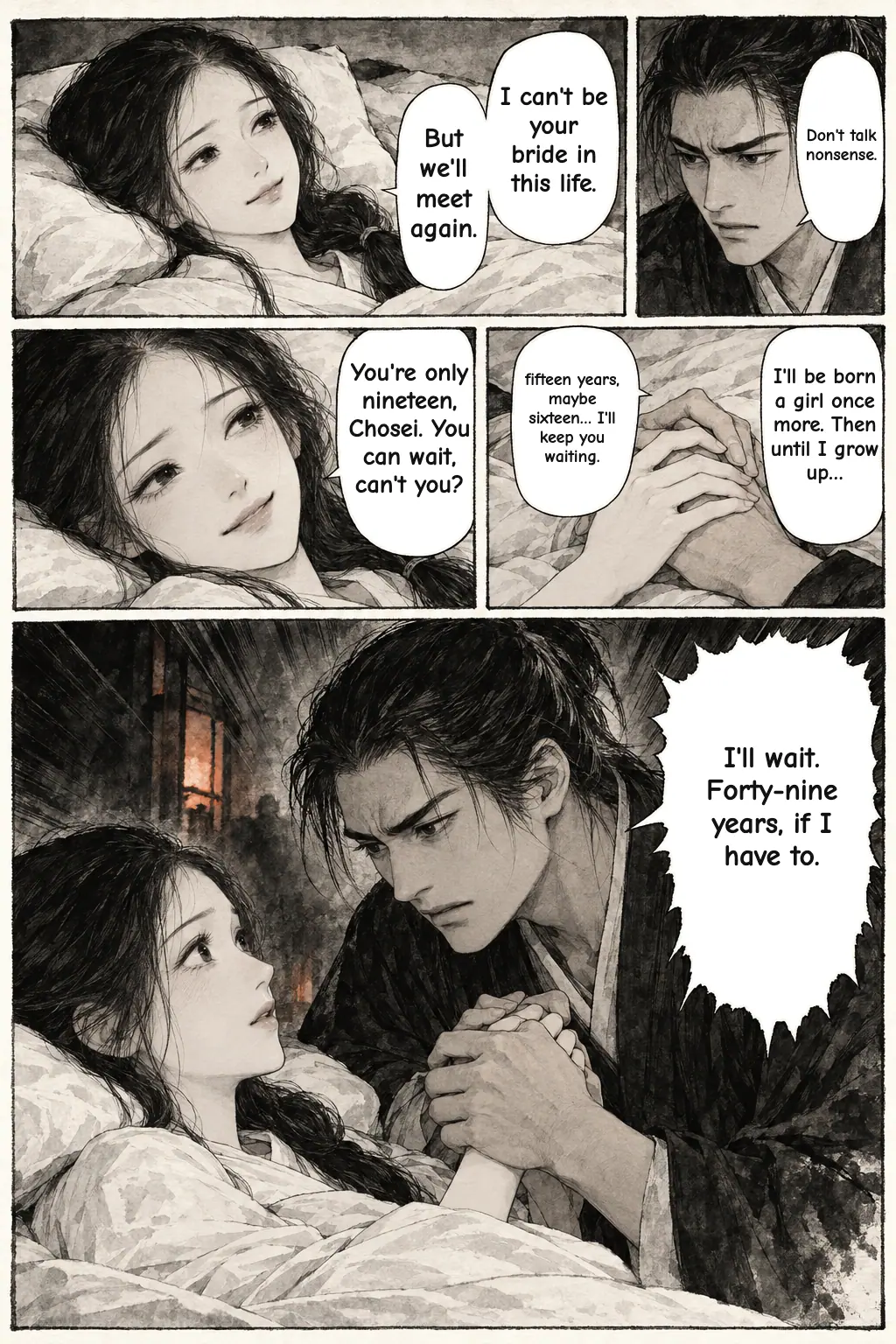
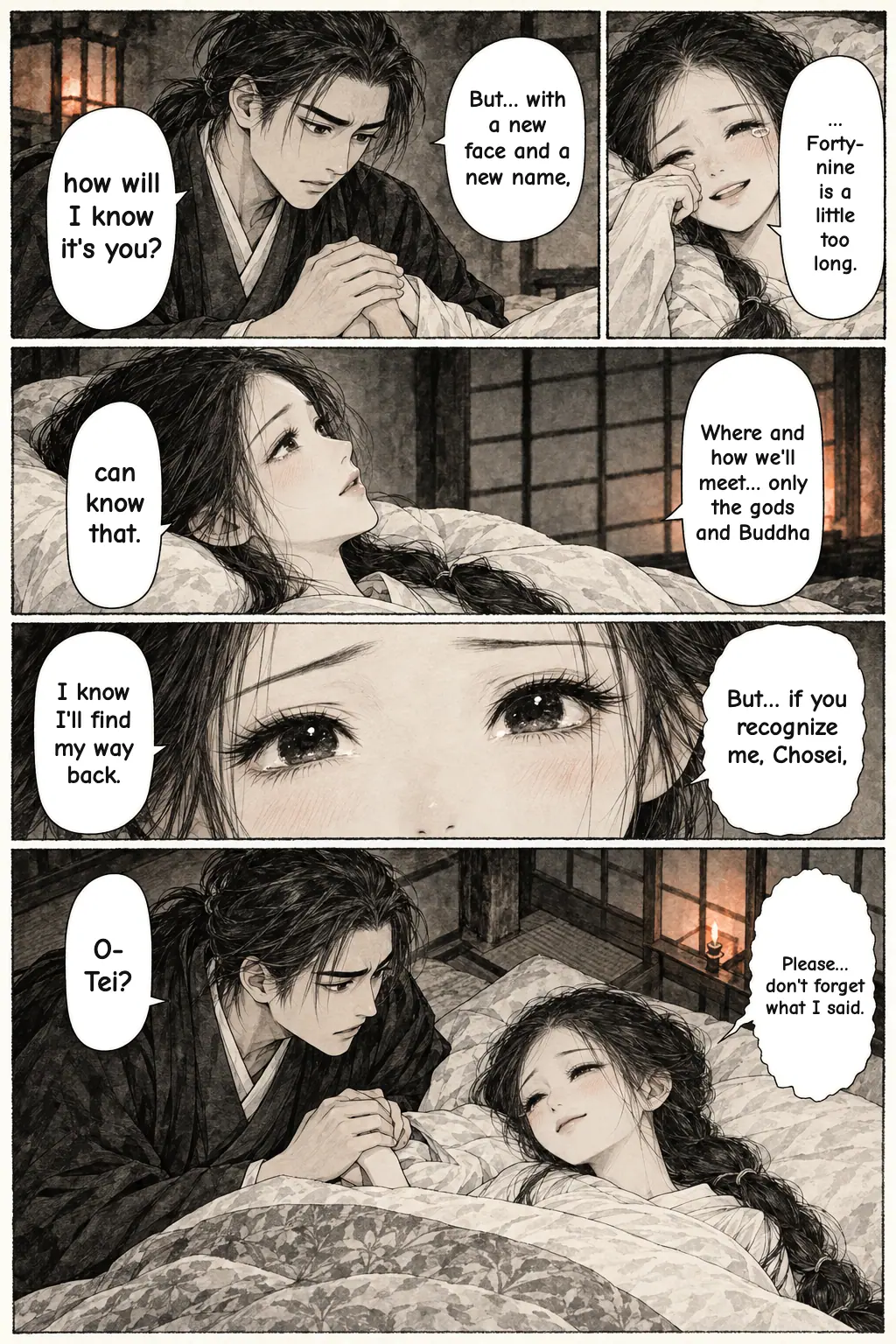
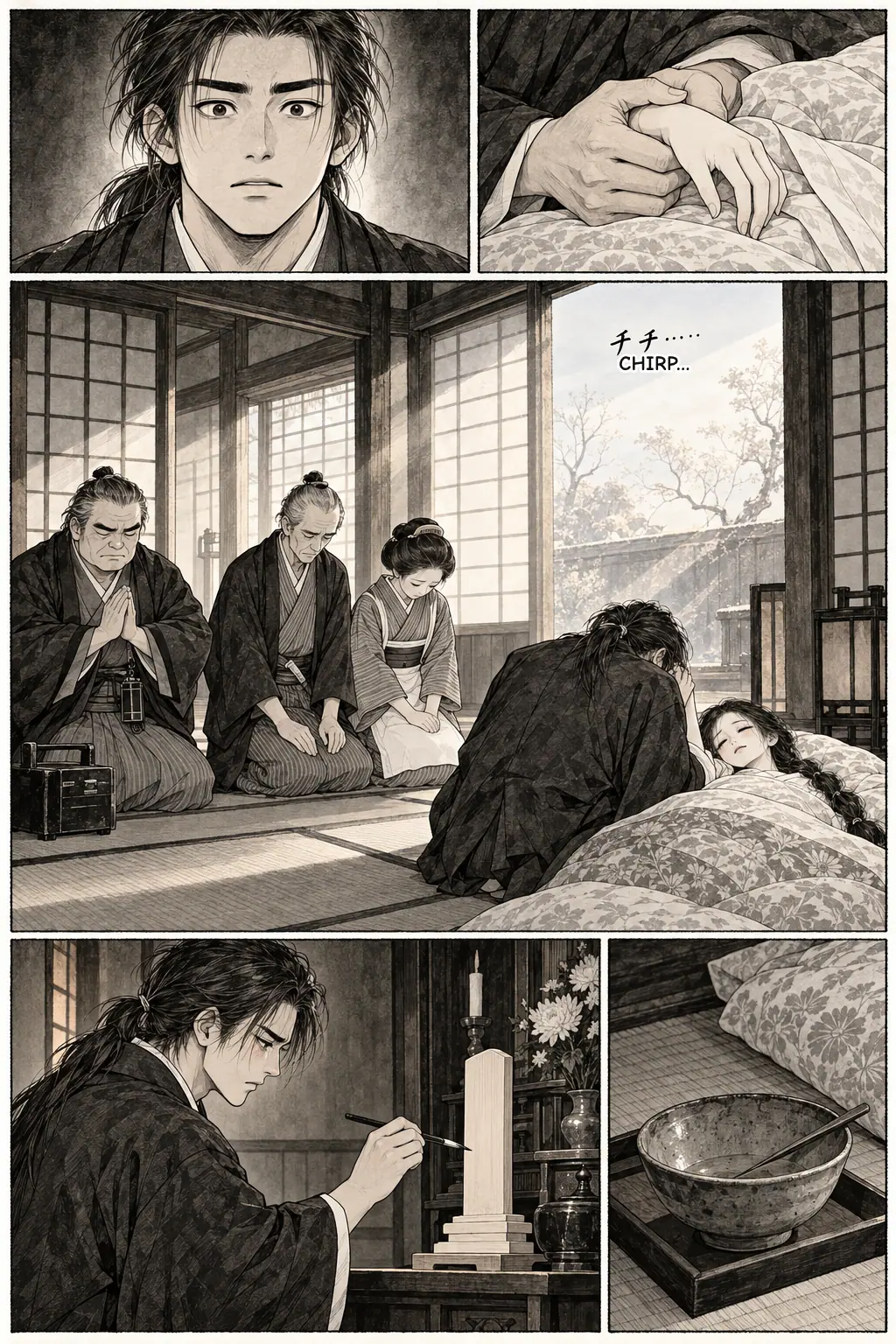
On her deathbed she spoke calmly to Chōsei, who was nineteen. She believed they would meet again within his present life. But first she would have to be born again as a girl and grow up, so he would have to wait fifteen or sixteen years. Chōsei promised he would gladly wait, however long it took. Then he asked how he could recognize her in a different body with a different name. O-Tei said that only the gods and the Buddhas knew where and how they would meet. If he did not refuse her, she was sure she could come back. Then she closed her eyes and died.
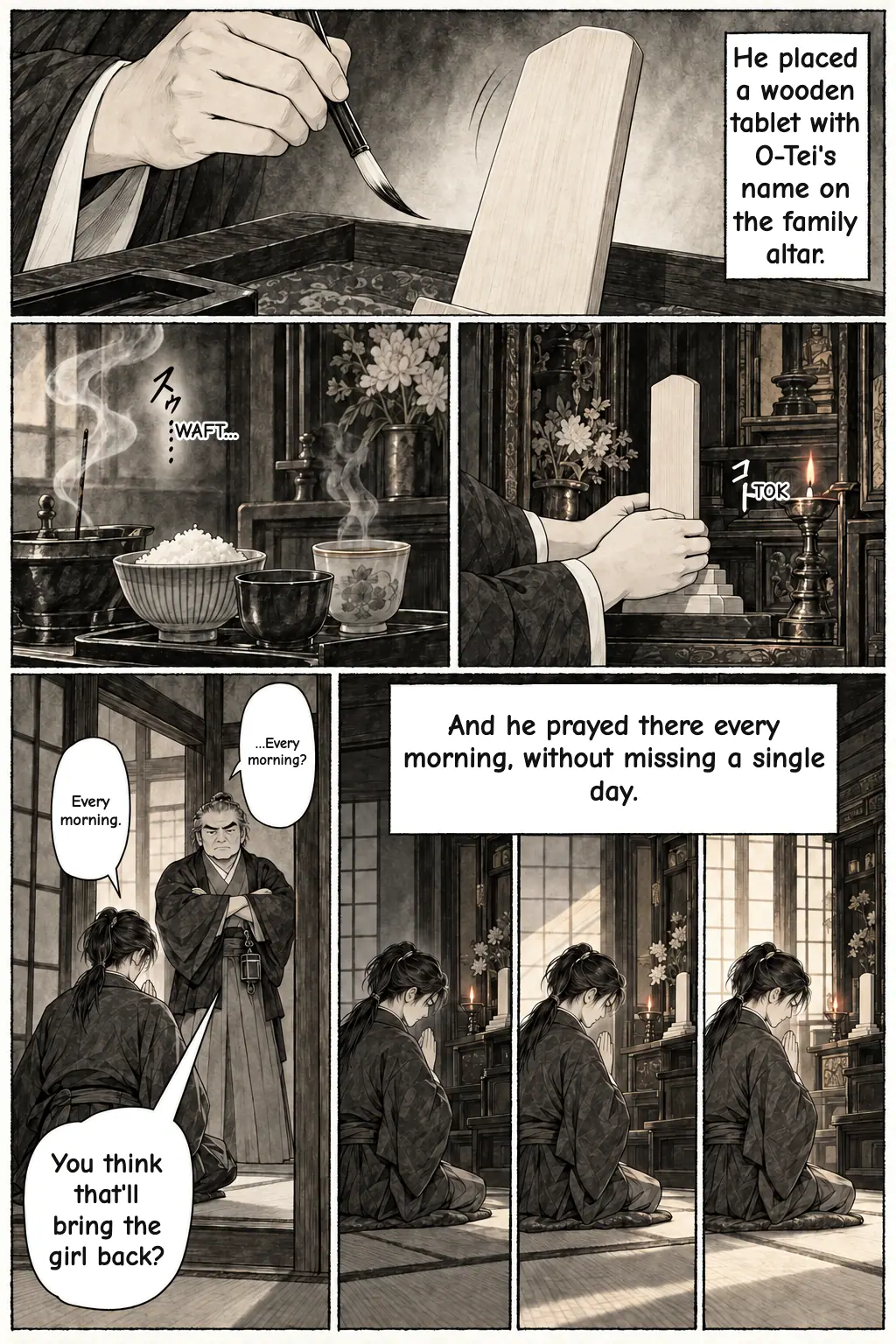
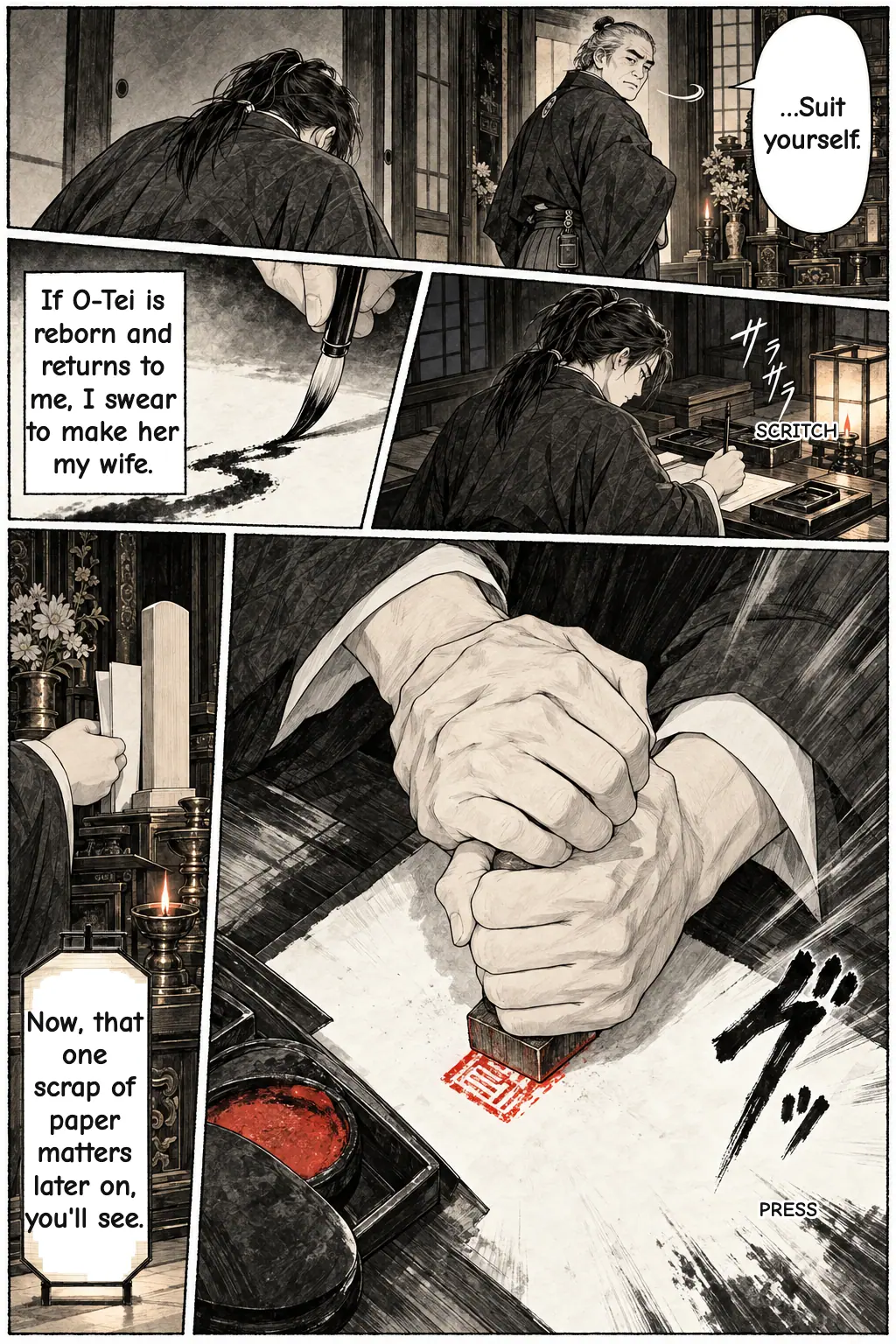
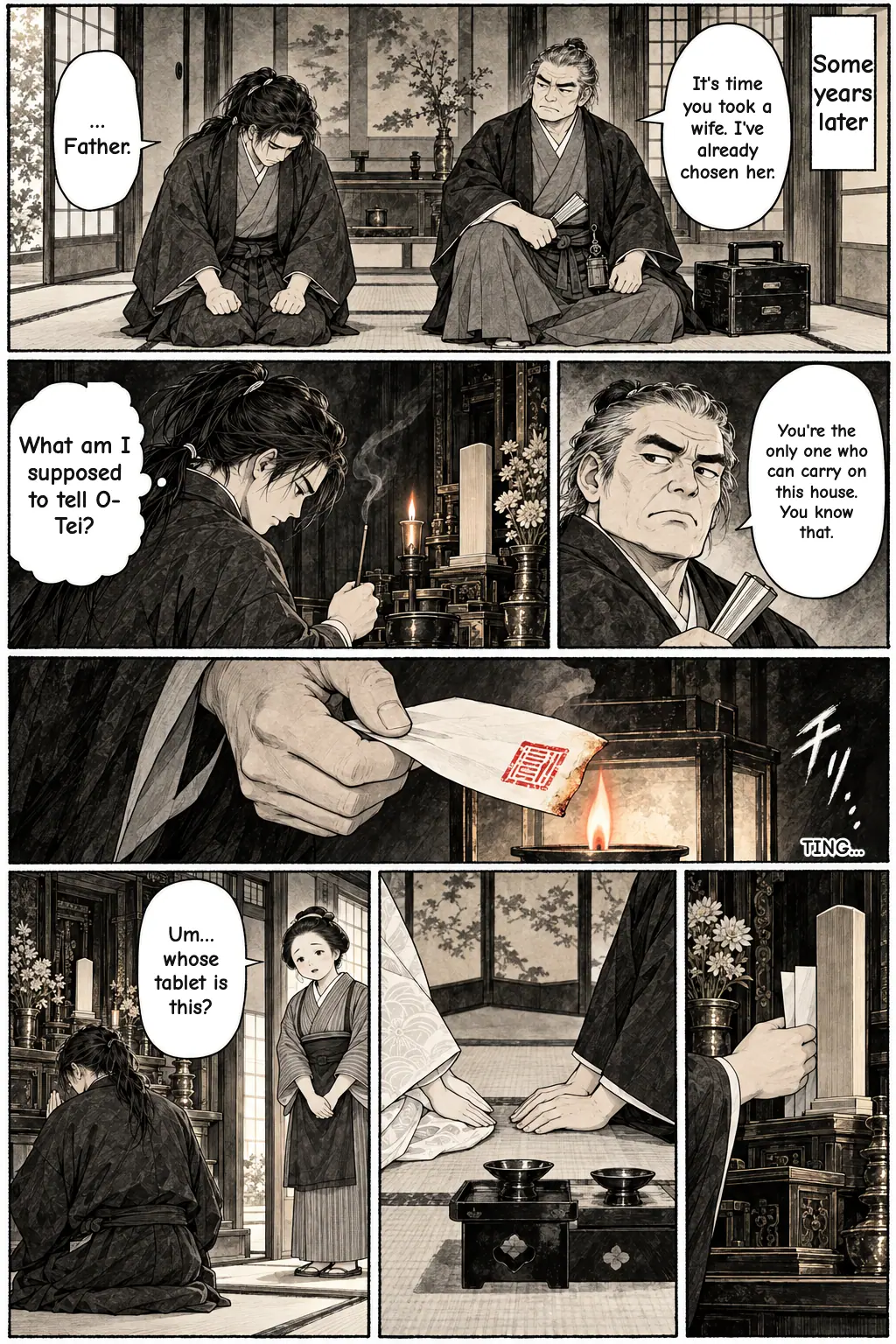
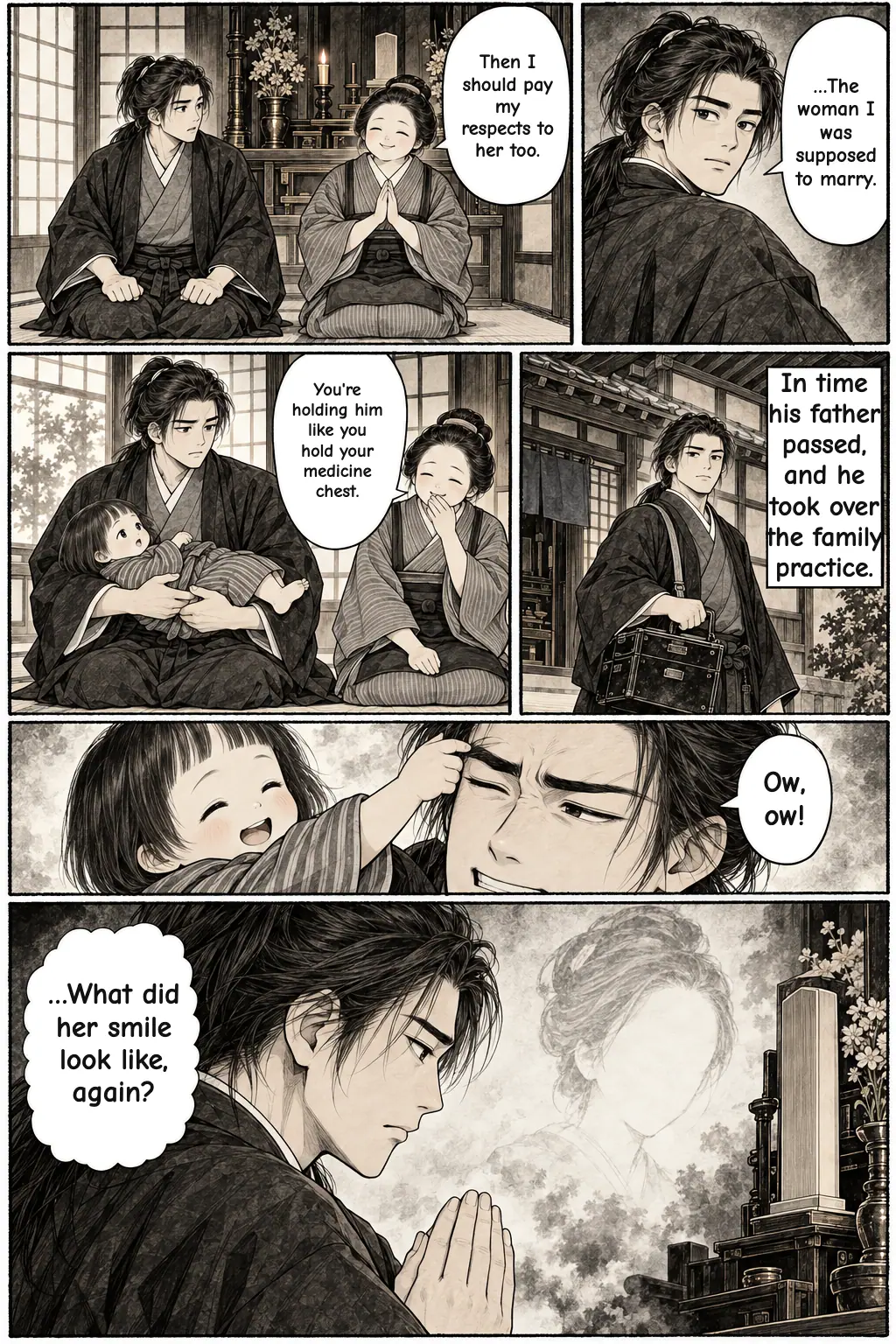
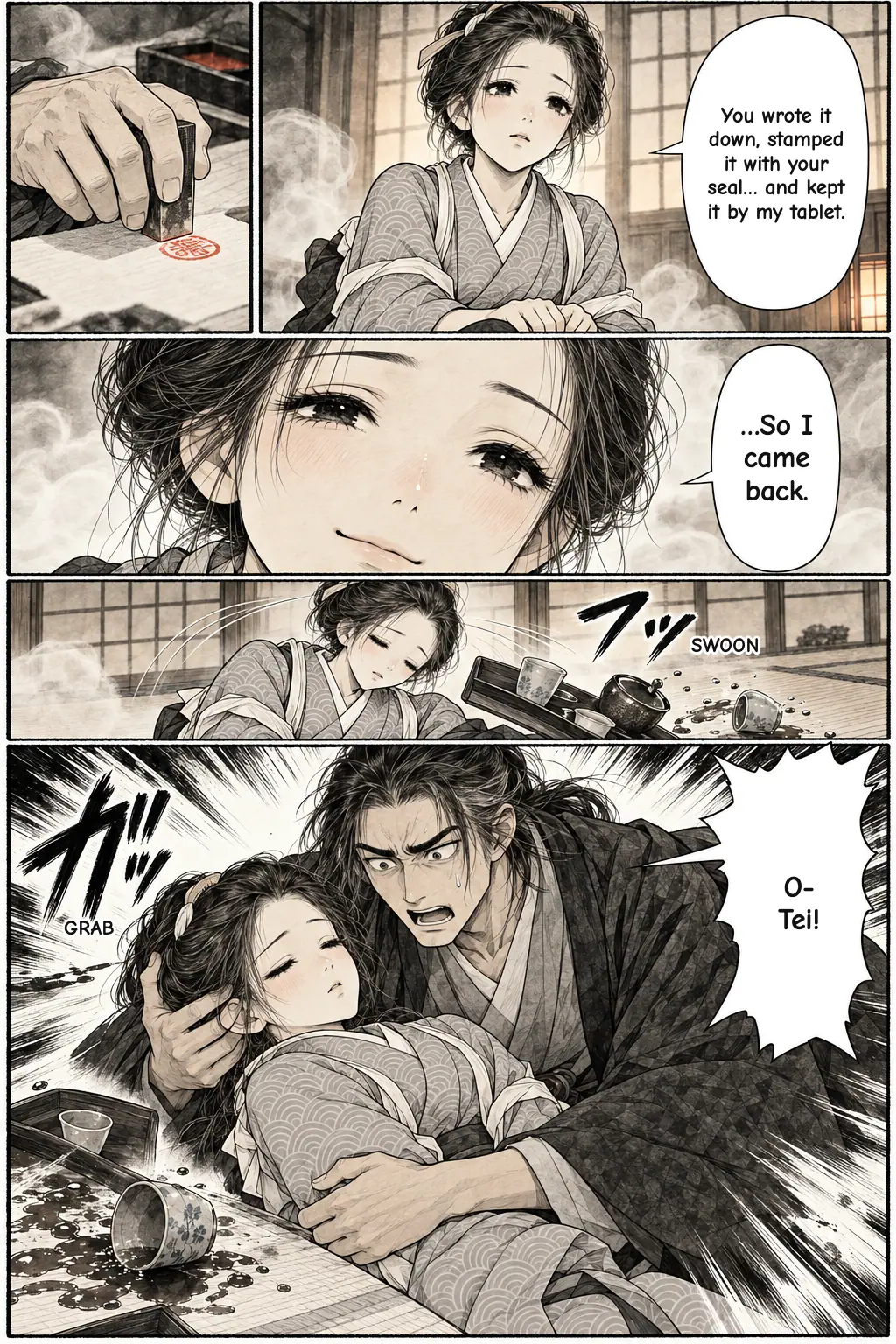
Chōsei grieved deeply. He had a Buddhist memorial tablet (ihai) made with her name on it, placed it in the family altar, and made offerings before it every day. He also wrote a promise to marry O-Tei if she ever returned in another body, stamped it with his personal seal, and put it beside the tablet. As an only son, he later married a woman his parents chose and took over his father's practice. Over the years, his memory of O-Tei faded like a dream.
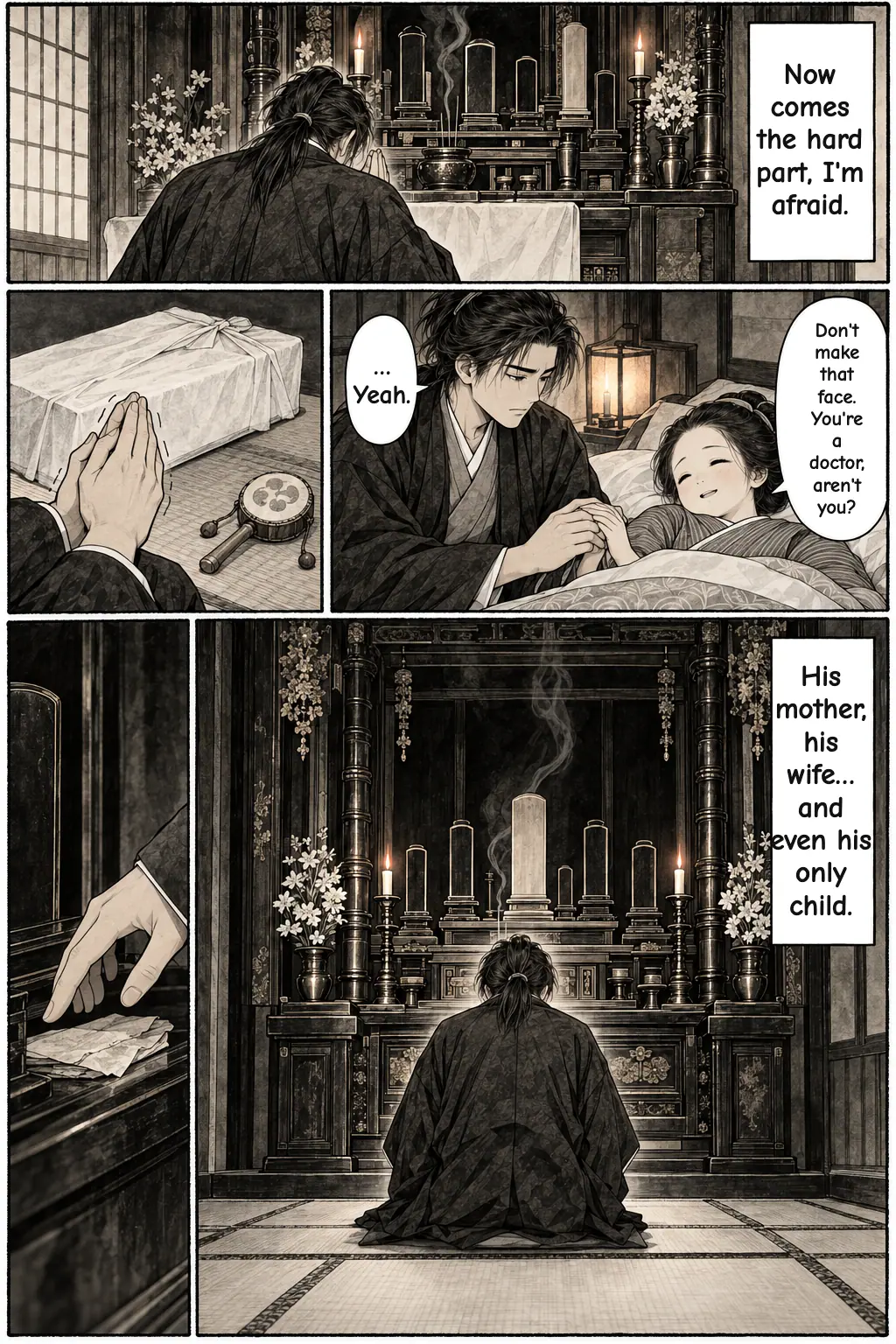
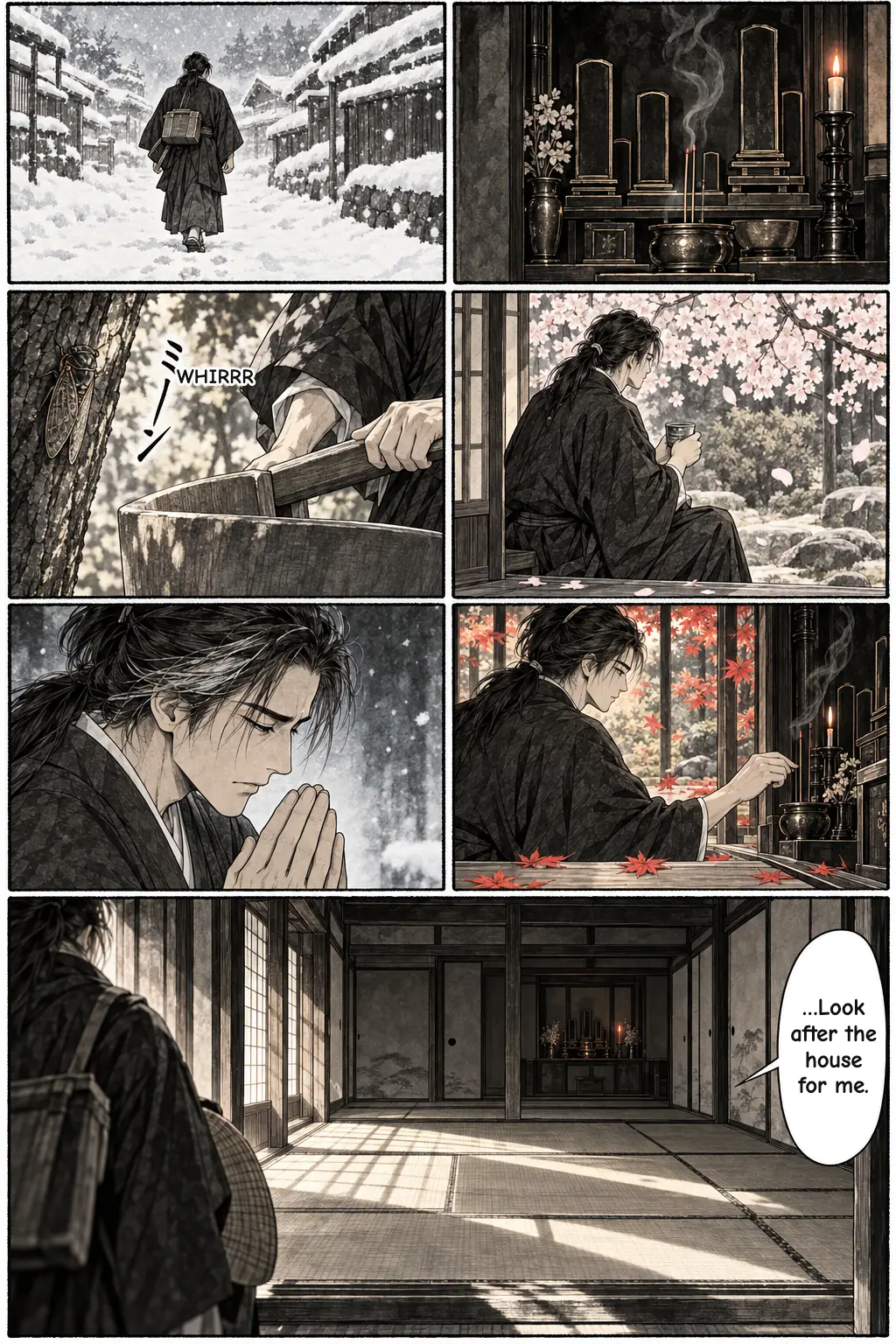
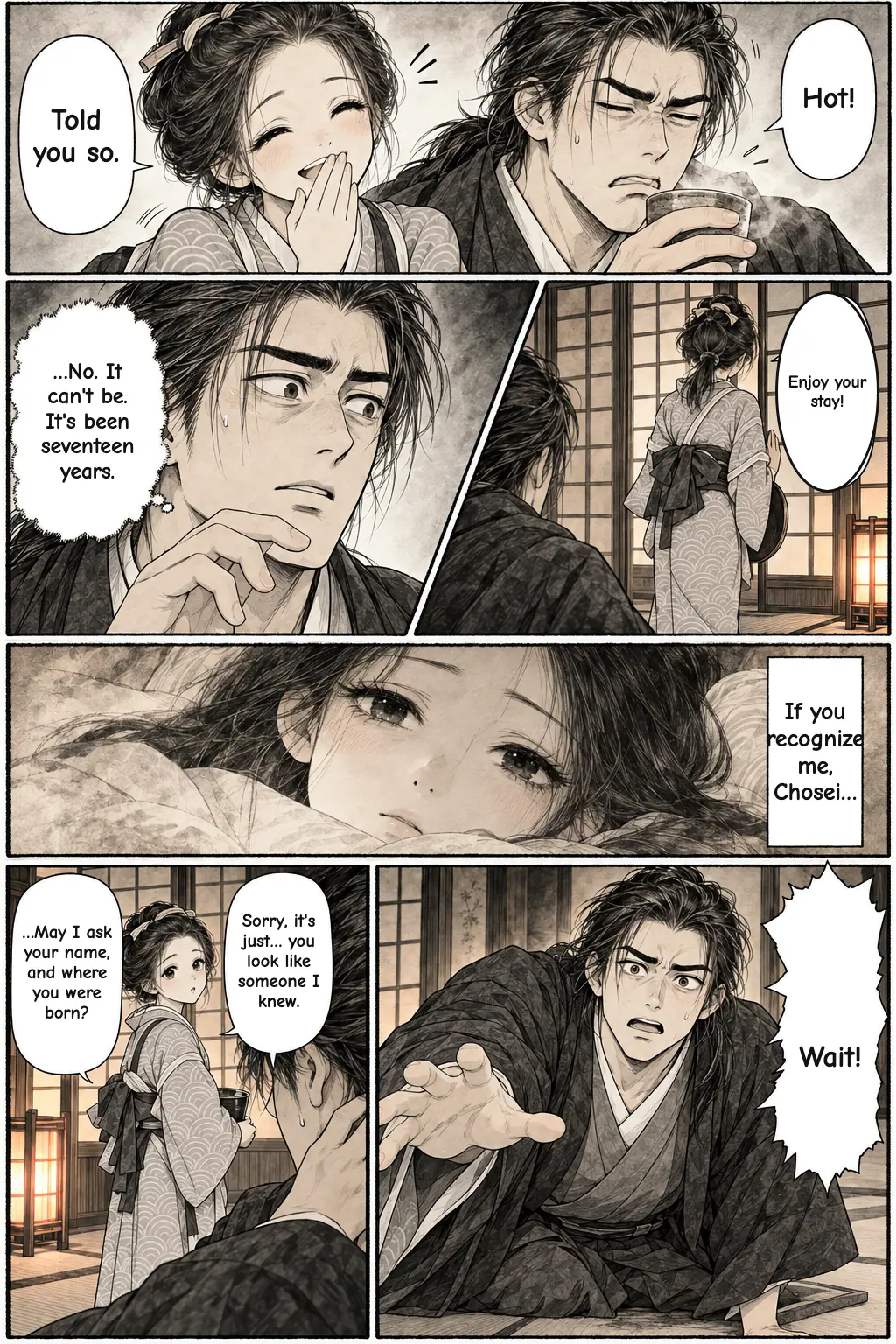
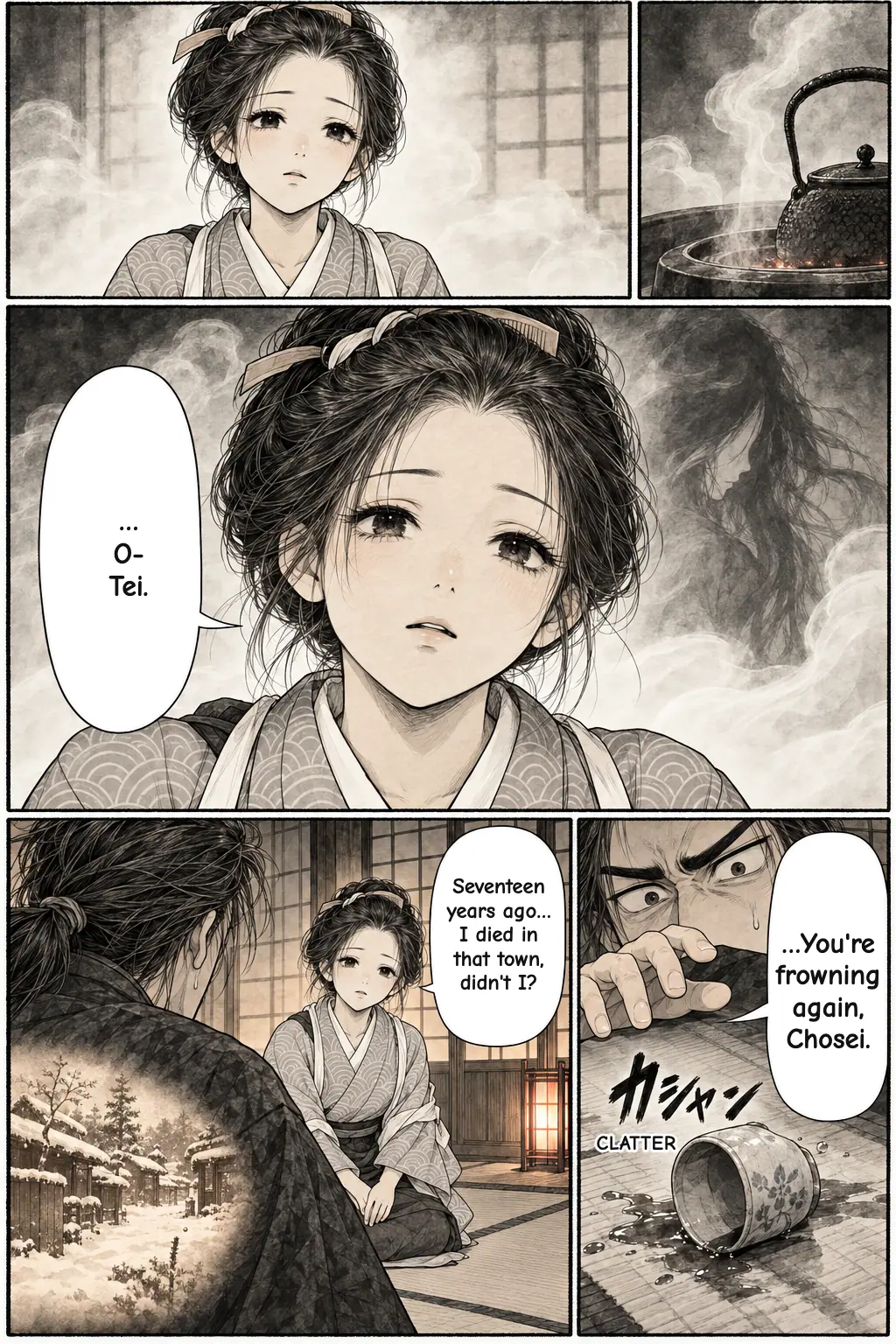
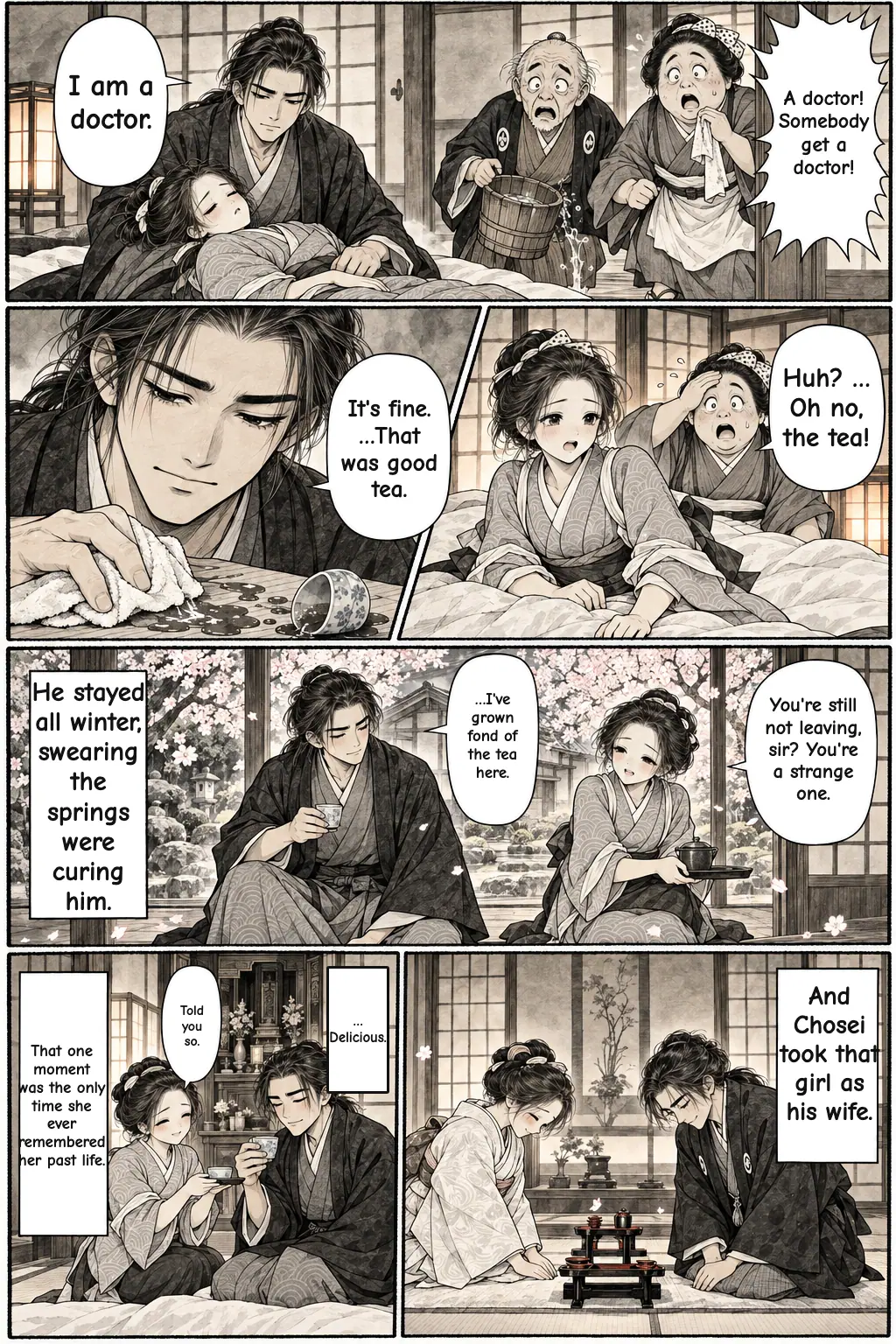
Then misfortune struck again and again: his parents, his wife and his only child all died. Alone, Chōsei set out on a long journey to ease his sorrow. At an inn in Ikao, a mountain village known for its hot springs, a young maid came to serve him, and his heart leapt. She looked and moved remarkably like O-Tei. He asked her name and where she came from. She answered in O-Tei's voice. She said she was O-Tei and he was her betrothed, that she had died in Niigata seventeen years before, and that she had come back because of the sealed written vow he had placed beside her tablet. Then she fainted. When she woke, she remembered nothing of what she had said. Chōsei married her, and they were happy together. She never again spoke of Ikao or of her former life.
Main Characters
Nagao Chōsei is the hero, a doctor's son who becomes a doctor. Hearn shows him as loyal and dutiful: he honors O-Tei every day, and he also obeys his parents when they choose a wife for him. O-Tei is his fiancé. She is gentle but firm in her faith, and she leaves the time and place of their reunion to the gods and Buddhas. The maid at Ikao is the reborn O-Tei. Her memory of her past life comes back for only a single moment. The story gives no names or personalities for Chōsei's parents, his first wife or their child. They are there mainly to show how much he loses and how alone he is.
What the Story Means: Rebirth, Promises and Fate
The tale rests on the Buddhist belief in rebirth, which was common in old Japan. A person's life does not simply end, and strong bonds can carry over from one life into the next. In Japanese this kind of bond is often called en, a connection between people that is fated. O-Tei does not tell Chōsei how to find her. She trusts that if the bond is real, they will meet again.
The story also shows the importance of a written, sealed vow. In Japan, a personal seal stood for a person's word and identity, much as a signature does elsewhere. It matters that the reborn O-Tei names this sealed promise as the reason she could return: a sincere commitment, made before the household altar, is what brings her back. Even so, the story is gentle rather than frightening. Kwaidan means 'strange tales,' and this one is strange in a quiet way. There is no curse, only a promise that is kept.
Lafcadio Hearn (1850–1904), also known by his Japanese name Koizumi Yakumo, was a writer who settled in Japan and retold its legends in English. In Kwaidan he explained that most of the stories came from old Japanese books, and O-Tei's tale is thought to come from that kind of source. Ikao is a real hot-spring town in today's Gunma Prefecture, famous for its stone steps.
What the Manga Changes
The manga follows the plot of Hearn's story: the deathbed promise, the tablet and the sealed vow, the years of loss, and the reunion at Ikao. Some parts are our own additions. Hearn sums up Chōsei's seventeen years in a sentence or two. The manga shows them as silent panels with the seasons changing. Hearn only says that the maid looks remarkably like O-Tei. The manga focuses that likeness on her eyes and her voice.
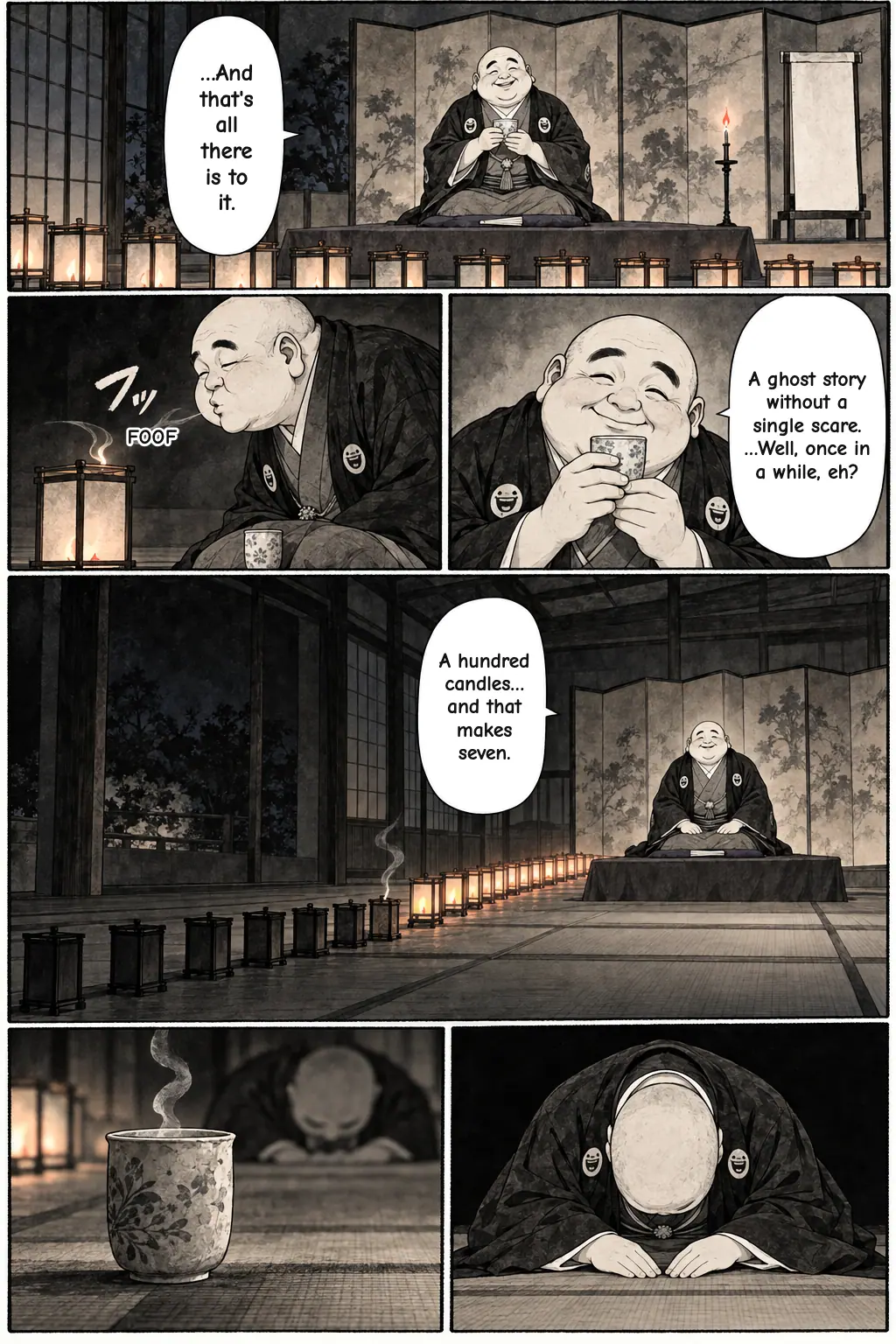
Hearn gives very few details, so all the faces, clothing, the house and clinic, the altar, the journey and the steaming streets of Ikao were designed for the manga. The same goes for scenes like Chōsei's life with his first wife, caring for the maid after she faints, and the wedding. All the dialogue is our own wording. Fukurai, the storyteller who opens and closes each episode by a paper lantern, is our series' original character and does not appear in Hearn's book. You may see versions that say O-Tei promised Chōsei a 'sign' to recognize her by. That is not in Hearn's text. In his version she leaves it to the gods and Buddhas.
Where to Read It
Hearn's original story is in Kwaidan: Stories and Studies of Strange Things (Houghton Mifflin, 1904). The book is in the public domain and easy to find. To see the story told in pictures, read Episode 7 of KAIDAN: Japanese Ghost Stories, '17 Years Later, a Stranger Brings Tea,' here on Manga Portal. Every episode is free, and you don't need an account. If you liked this quiet love story, the other episodes in the series bring more of Hearn's tales of old Japan to life.
Characters in this episode
Nagao Chōsei
A doctor's son from Niigata who promises to wait for his dying fiancé and meets her again seventeen years later.
O-Tei
Chōsei's frail fiancé, who dies of consumption at fifteen and promises to be reborn and return to him.
The maid at Ikao (O-Tei reborn)
A young woman at a hot-spring inn who speaks for a moment with O-Tei's voice, forgets it, and becomes Chōsei's wife.
Chōsei's parents
His father is a doctor and a friend of O-Tei's father; the parents choose Chōsei's first wife and later die.
Chōsei's first wife and child
Unnamed family members whose deaths leave Chōsei alone and send him on his journey.
Fukurai (manga only)
The lantern-side storyteller created for the Manga Portal series; he does not appear in Hearn's original.
FAQ
What is The Story of O-Tei about?
It is about a dying girl, O-Tei, who promises her fiancé Nagao Chōsei that she will be reborn and return to him. Seventeen years later, he meets a young woman at an inn in Ikao. She briefly speaks as O-Tei, and he marries her.
Who wrote The Story of O-Tei?
Lafcadio Hearn, also known as Koizumi Yakumo, included it in Kwaidan: Stories and Studies of Strange Things, published in 1904. Hearn said that most of the book's stories were retold from old Japanese books.
How did O-Tei come back to Chōsei?
She was born again as a new girl and grew up. When they met at Ikao, she said she was able to return because of the written marriage vow Chōsei had sealed and placed beside her memorial tablet.
Does the reborn O-Tei remember her past life?
Only for a moment. After she speaks in O-Tei's voice, she faints, and when she wakes she remembers nothing. She never remembers her former life again.
Is The Story of O-Tei a scary ghost story?
Not really. It is one of the gentlest tales in Kwaidan, a story of love and rebirth with no curse or vengeful spirit.