Episode 6"Tomorrow, I Won't Be Here," She SaidThe Story of Aoyagi
KAIDAN: Japanese Ghost Stories, Episode 6. Lost in a mountain blizzard, the young samurai Tomotada finds shelter in a hut, where a girl answers his poem with a poem of her own. He breaks the rules and makes her his wife. When a great lord's household takes her away, a single poem wins her back, and they share five happy years. Then one morning she tells him, "I can't be here tomorrow."
Bookmark the series page so you can jump back in when the next episode is out: KAIDANRSS for this series
Get new episodes in your feed. Follow us on:ThreadsBluesky
Story summary
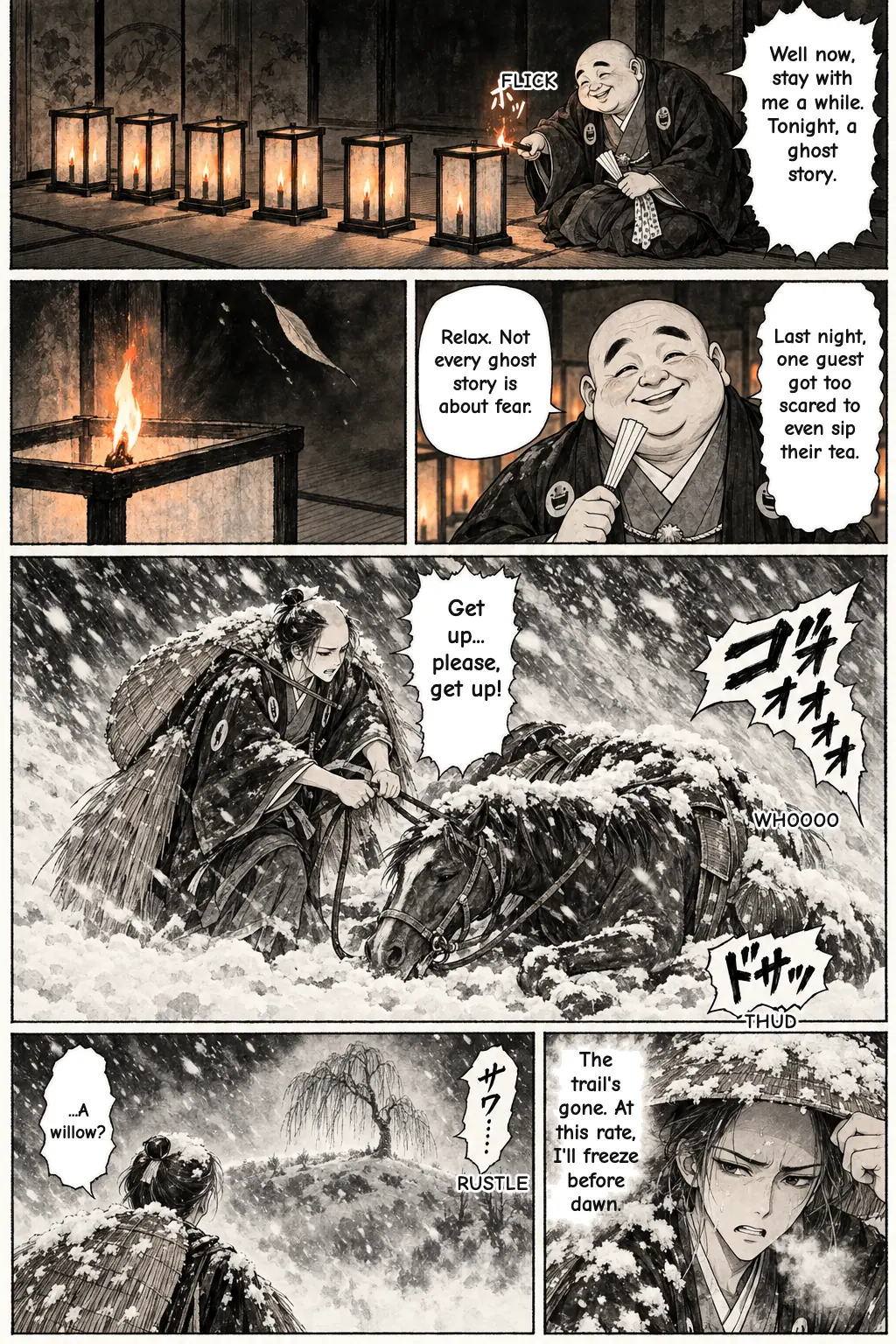
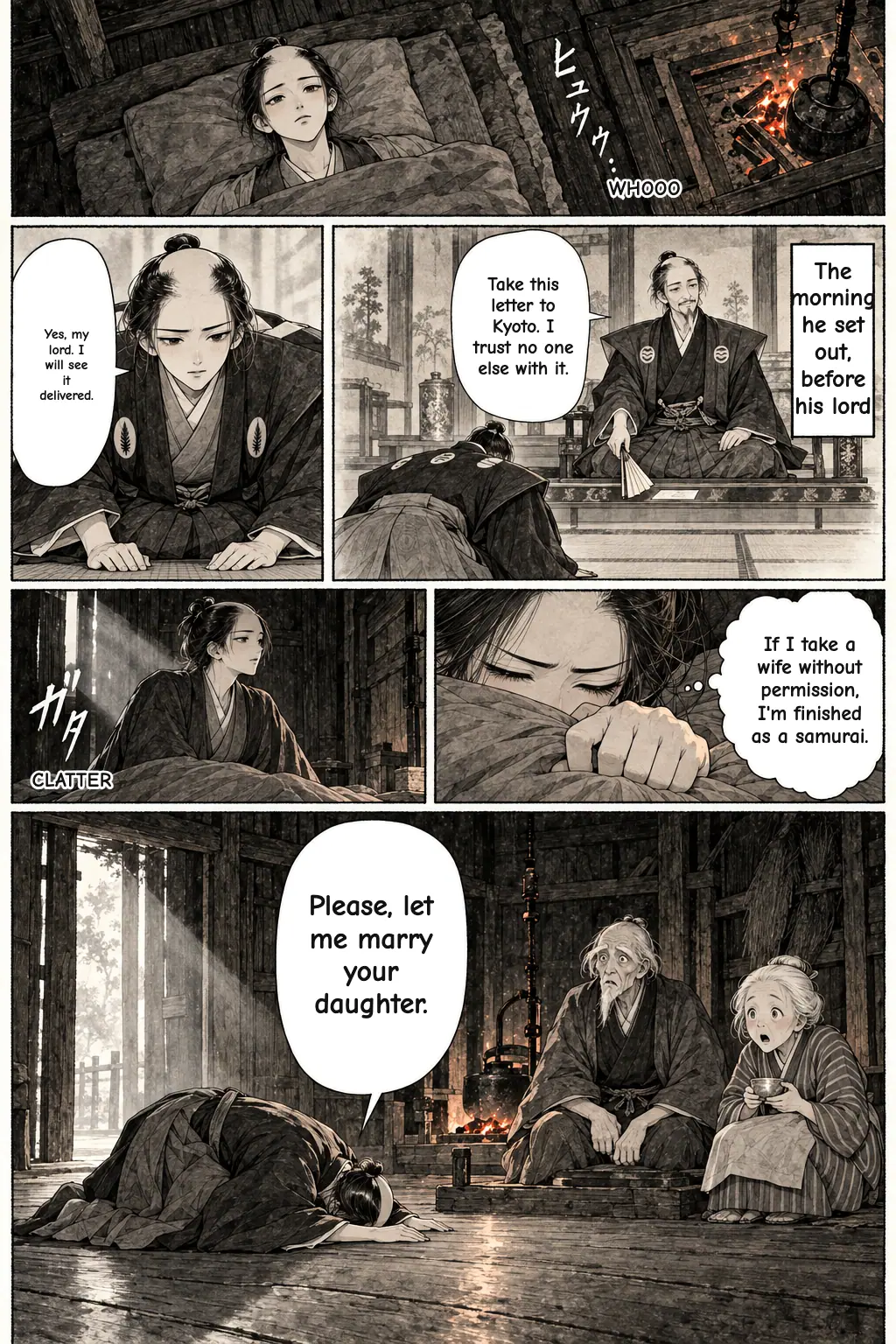
Hearn sets the tale in the Bunmei era (1469–1487), a turbulent time in late medieval Japan. Tomotada is a young samurai serving Hatakeyama Yoshimune, the lord of Noto province. He was born in Echizen province and has served the Hatakeyama household since childhood. He is handsome, well-mannered, and well educated, skilled in Chinese learning and in writing Japanese poetry. His lord sends him on a mission to Kyoto, to the great lord Hosokawa, a relative of the Hatakeyama family, and Tomotada's road takes him through Echizen.
The Story of Aoyagi Explained: Kwaidan's Willow Spirit Bride (Summary)
In short: "The Story of Aoyagi" is a Japanese tale retold by Lafcadio Hearn in Kwaidan (1904). In it, a young samurai named Tomotada marries Aoyagi, a beautiful girl he meets in a mountain snowstorm, after the two exchange poems. A powerful lord takes her away, but a poem wins her back. After five happy years she reveals that she is the spirit of a willow tree, and she vanishes when her tree is cut down.
Summary of the Original Story
Hearn sets the tale in the Bunmei era (1469–1487), a turbulent time in late medieval Japan. Tomotada is a young samurai serving Hatakeyama Yoshimune, the lord of Noto province. He was born in Echizen province and has served the Hatakeyama household since childhood. He is handsome, well-mannered, and well educated, skilled in Chinese learning and in writing Japanese poetry. His lord sends him on a mission to Kyoto, to the great lord Hosokawa, a relative of the Hatakeyama family, and Tomotada's road takes him through Echizen.
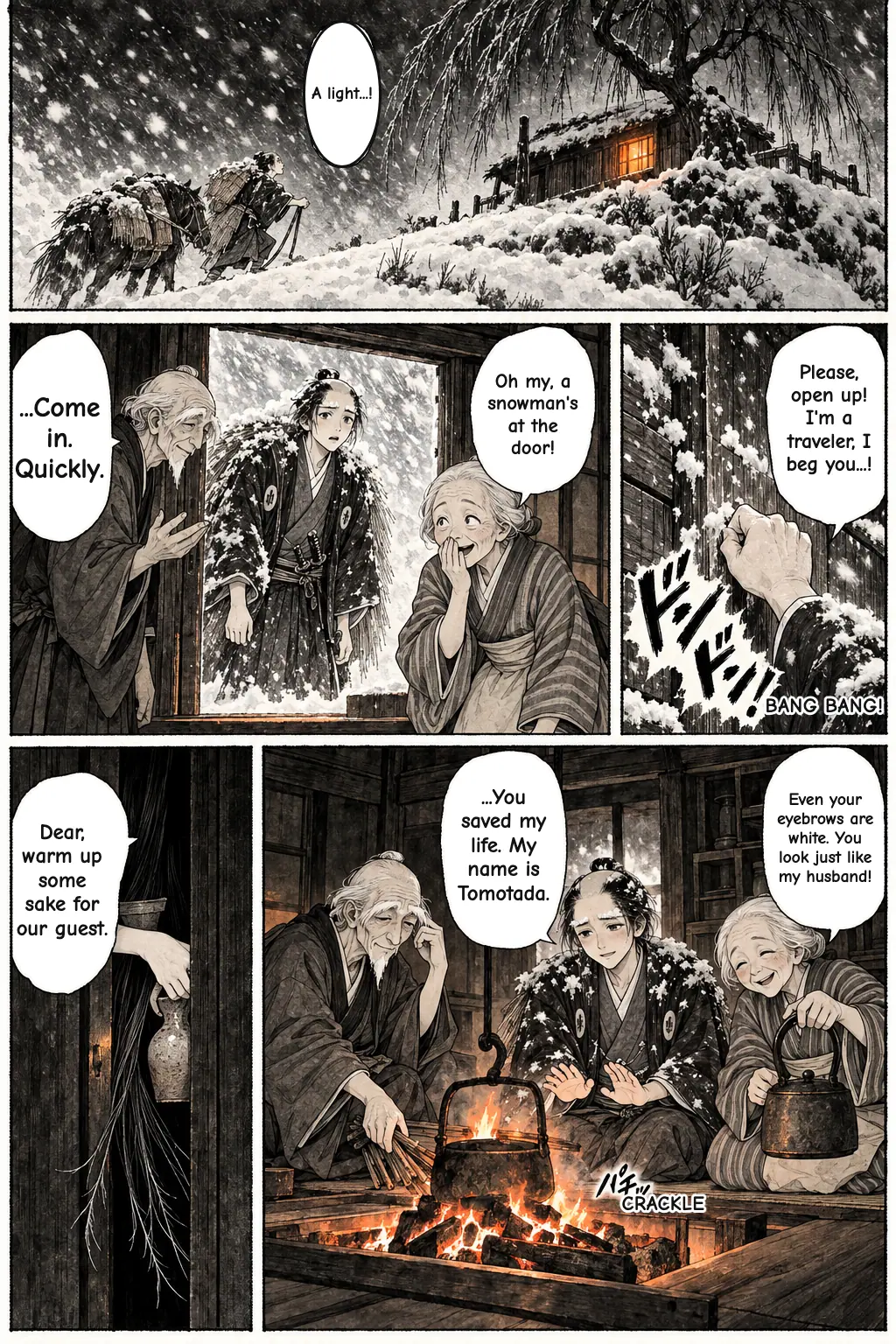
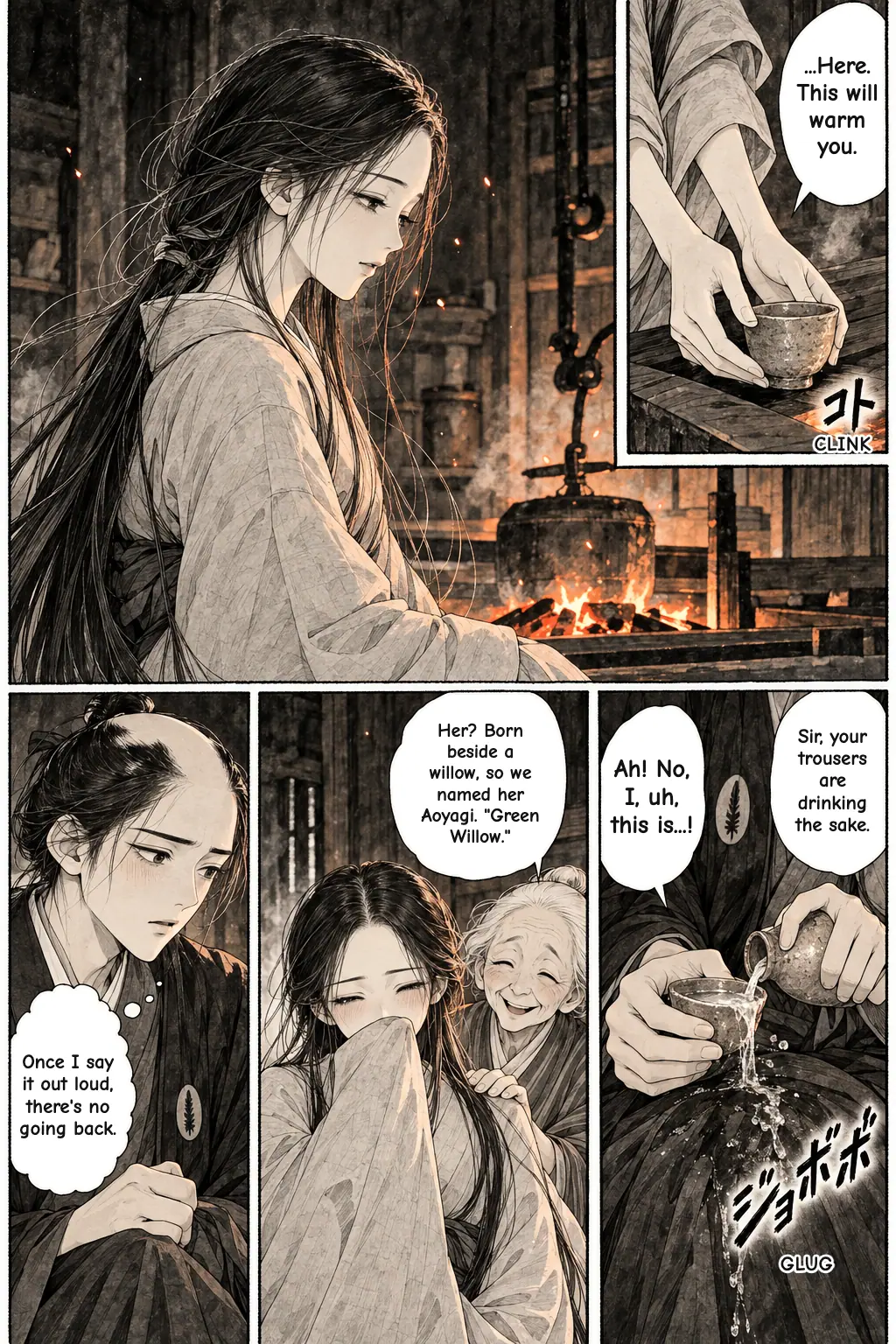
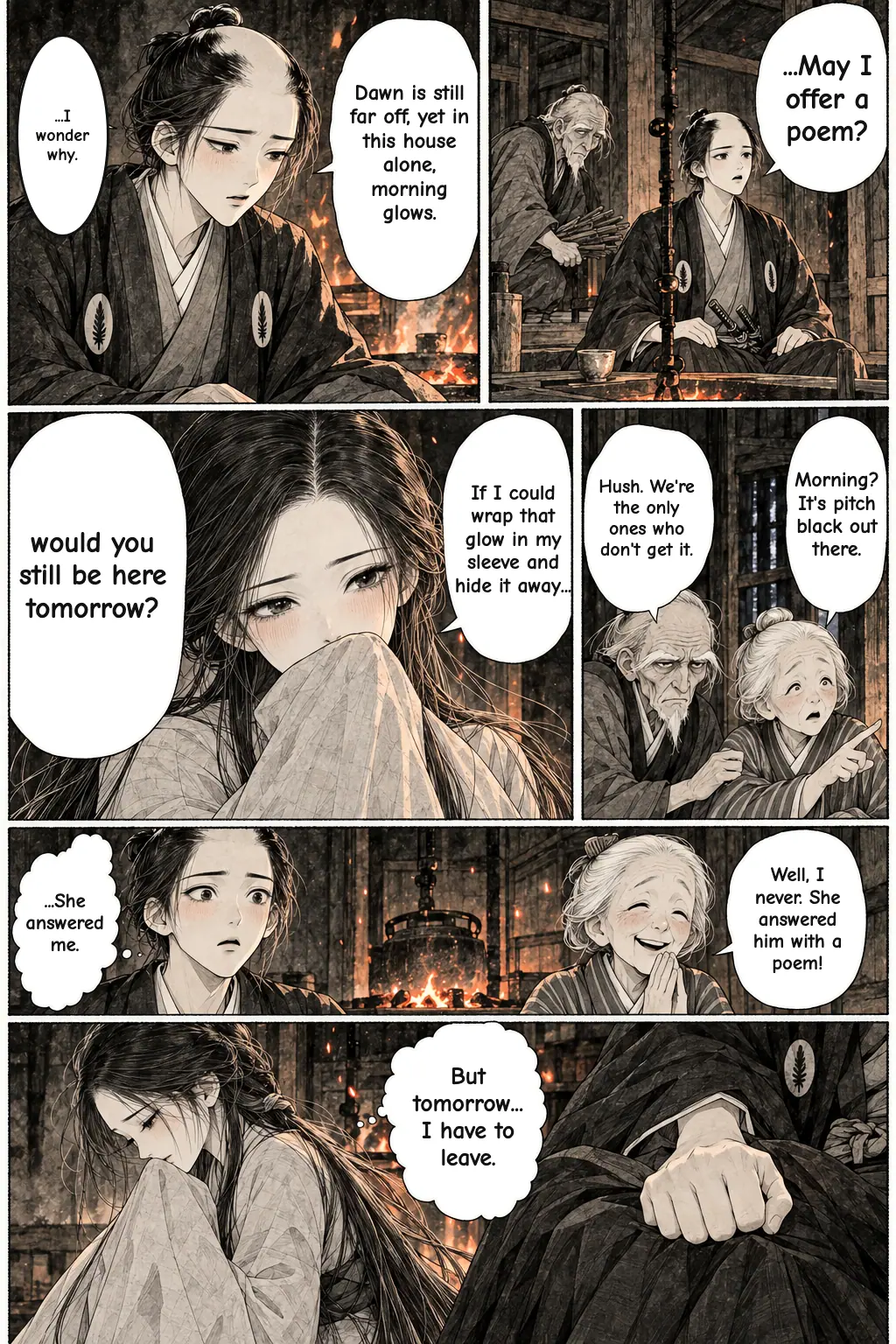
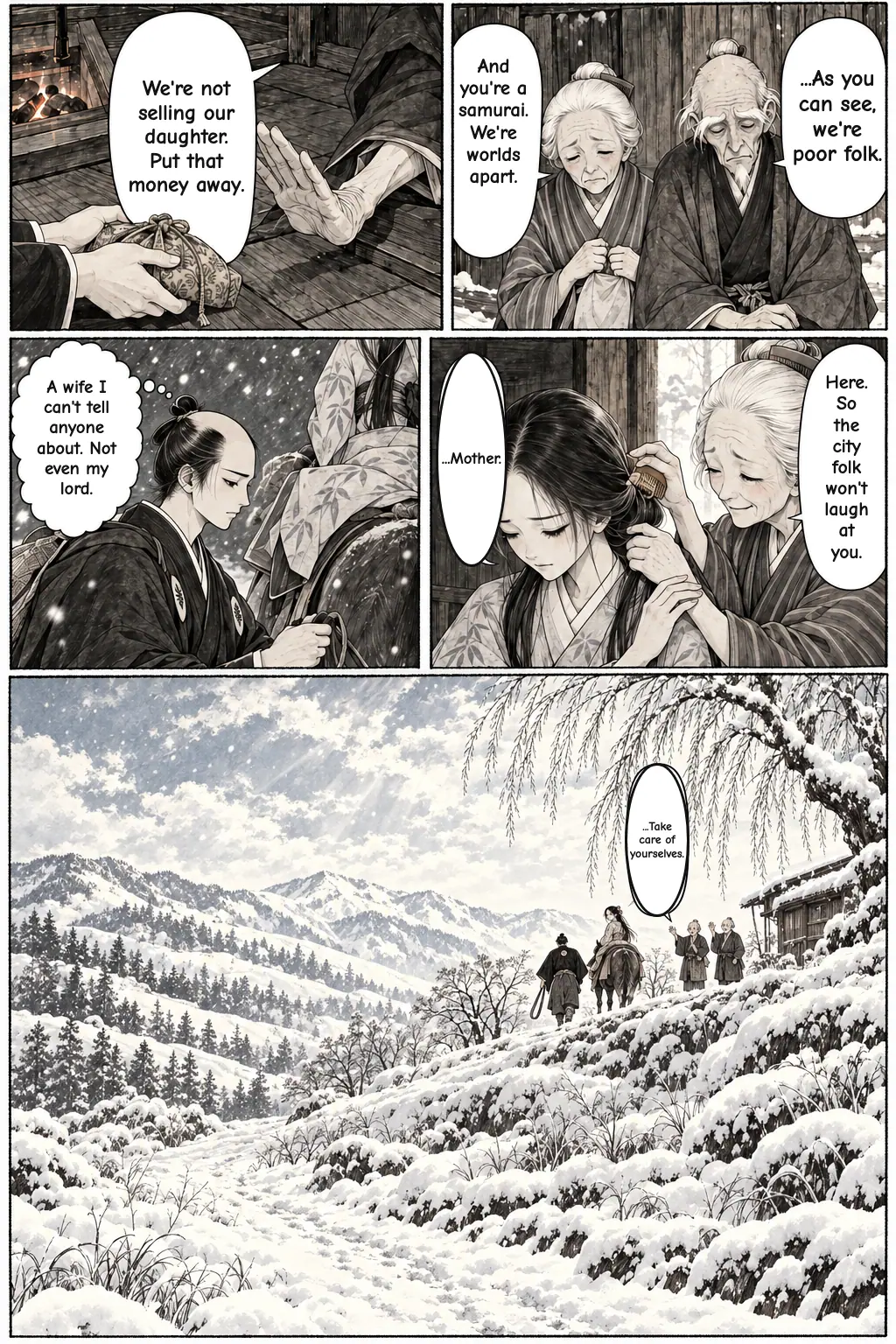
In the mountains a fierce snowstorm catches him, and his horse is worn out. On a hill where willow trees grow he finds a small cottage, and an elderly couple lets him stay the night. Their daughter, Aoyagi (her name means "green willow"), is poorly dressed and her hair is uncombed, yet she is strikingly beautiful and graceful. She warms sake for him, and Tomotada is amazed at her refinement. He puts his feelings into a playful poem shaped like a riddle, and she answers at once with a poem of her own that quietly accepts them.
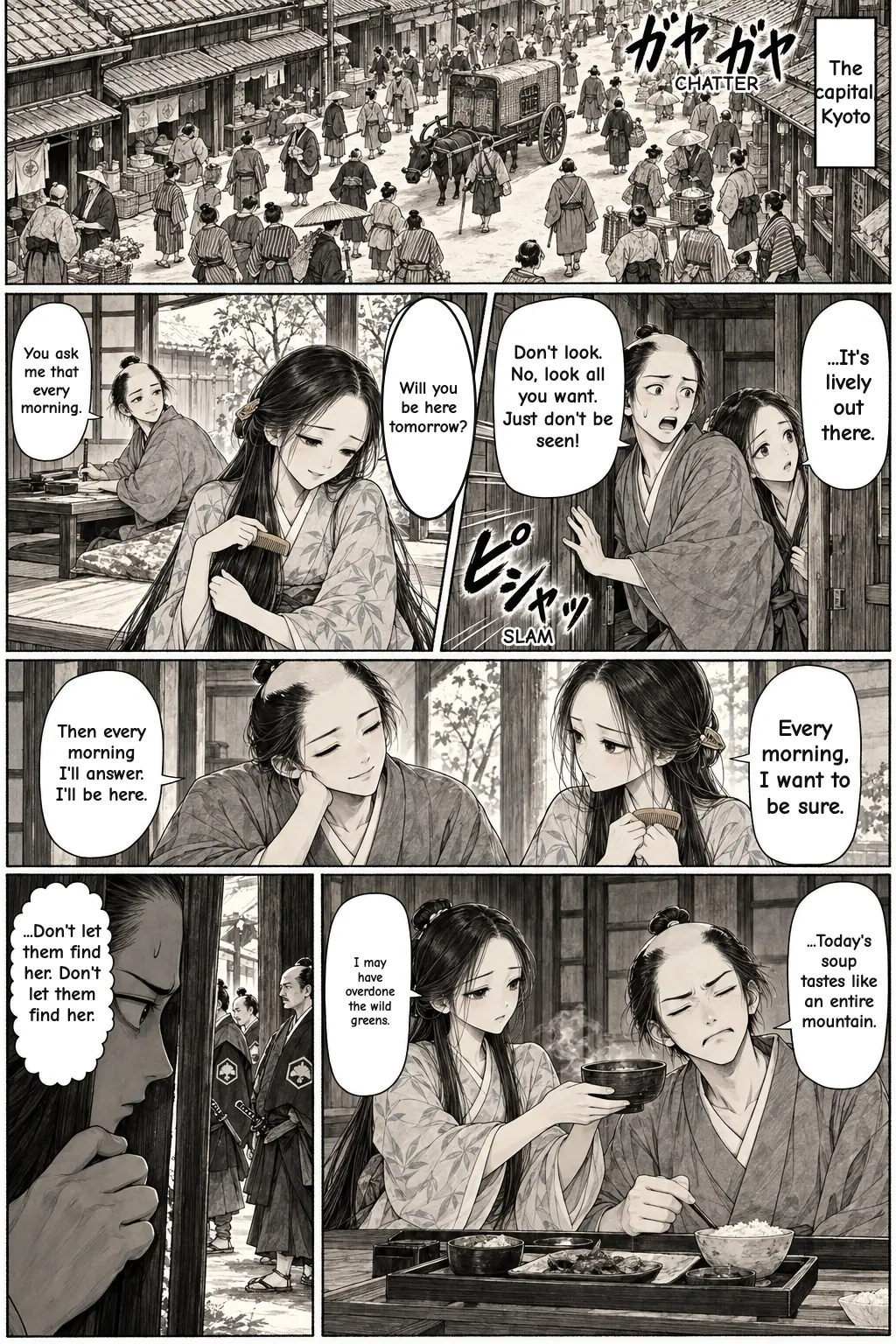
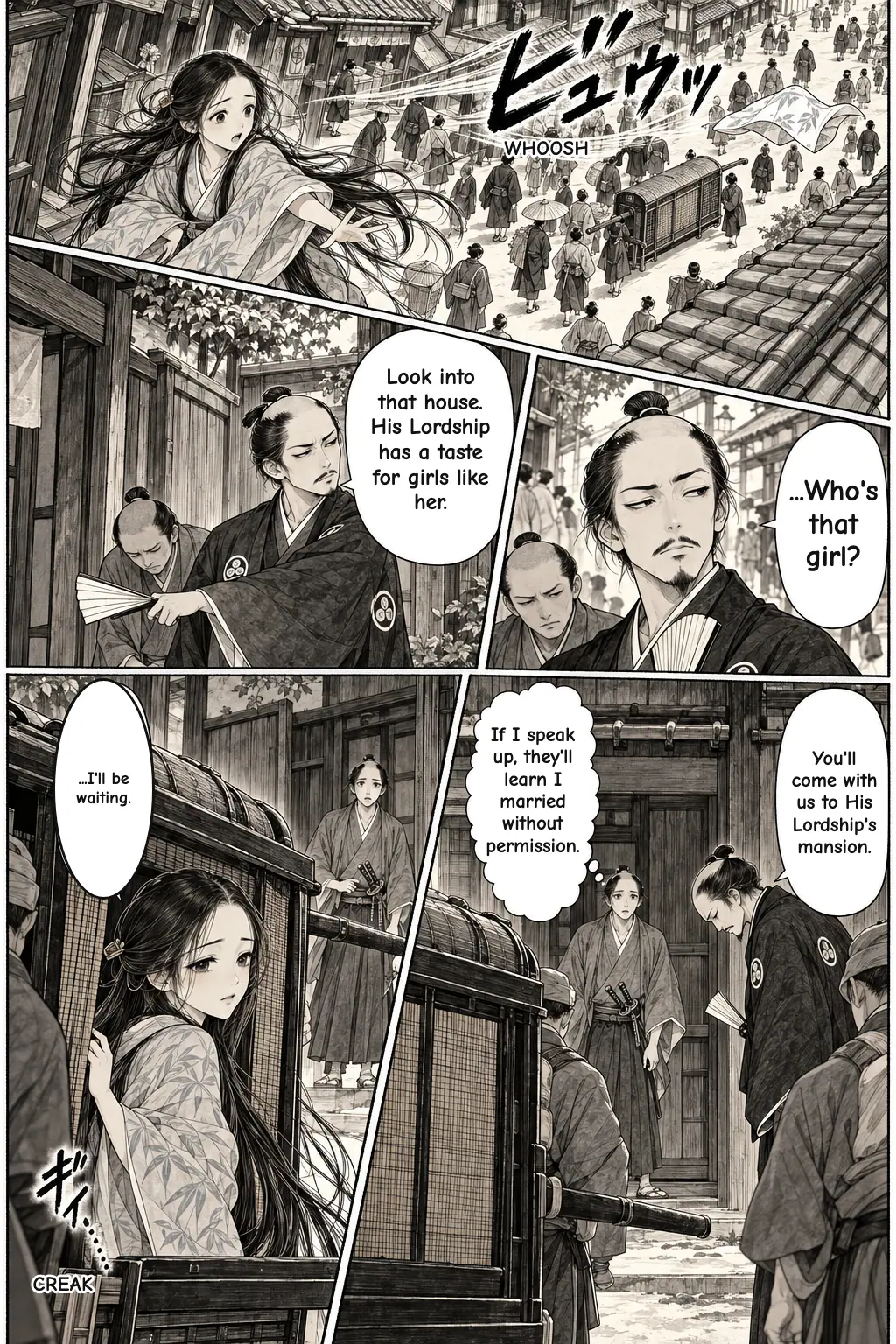
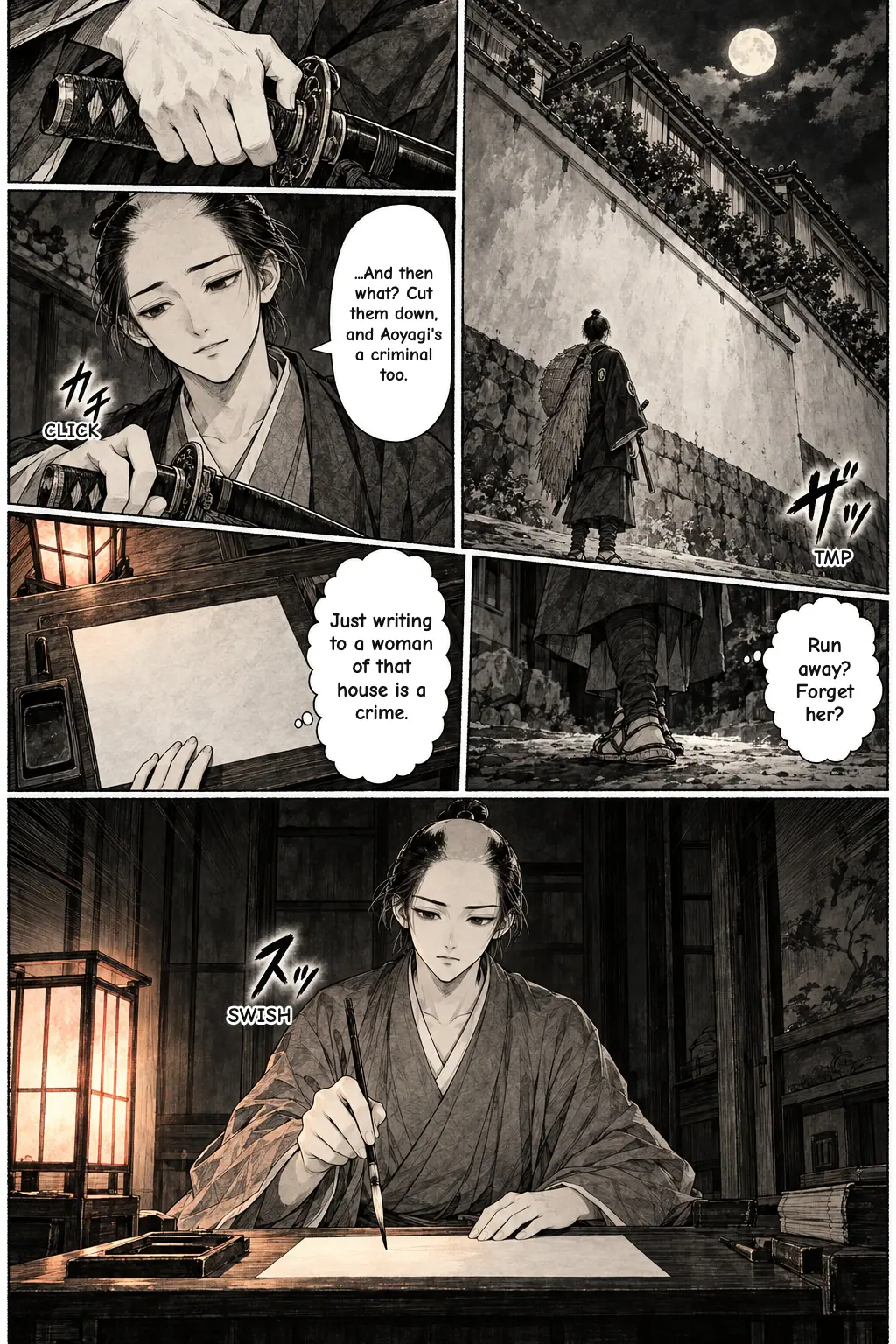
The next morning Tomotada asks her parents if he may marry her. They are humble about their poverty and low rank, but they agree, and they refuse the gold he offers them. Tomotada knows that a samurai may not take a wife without his lord's permission, but he brings Aoyagi to Kyoto anyway and keeps her hidden. Then a retainer of the Hosokawa household sees her, and she is taken into the lord's mansion.
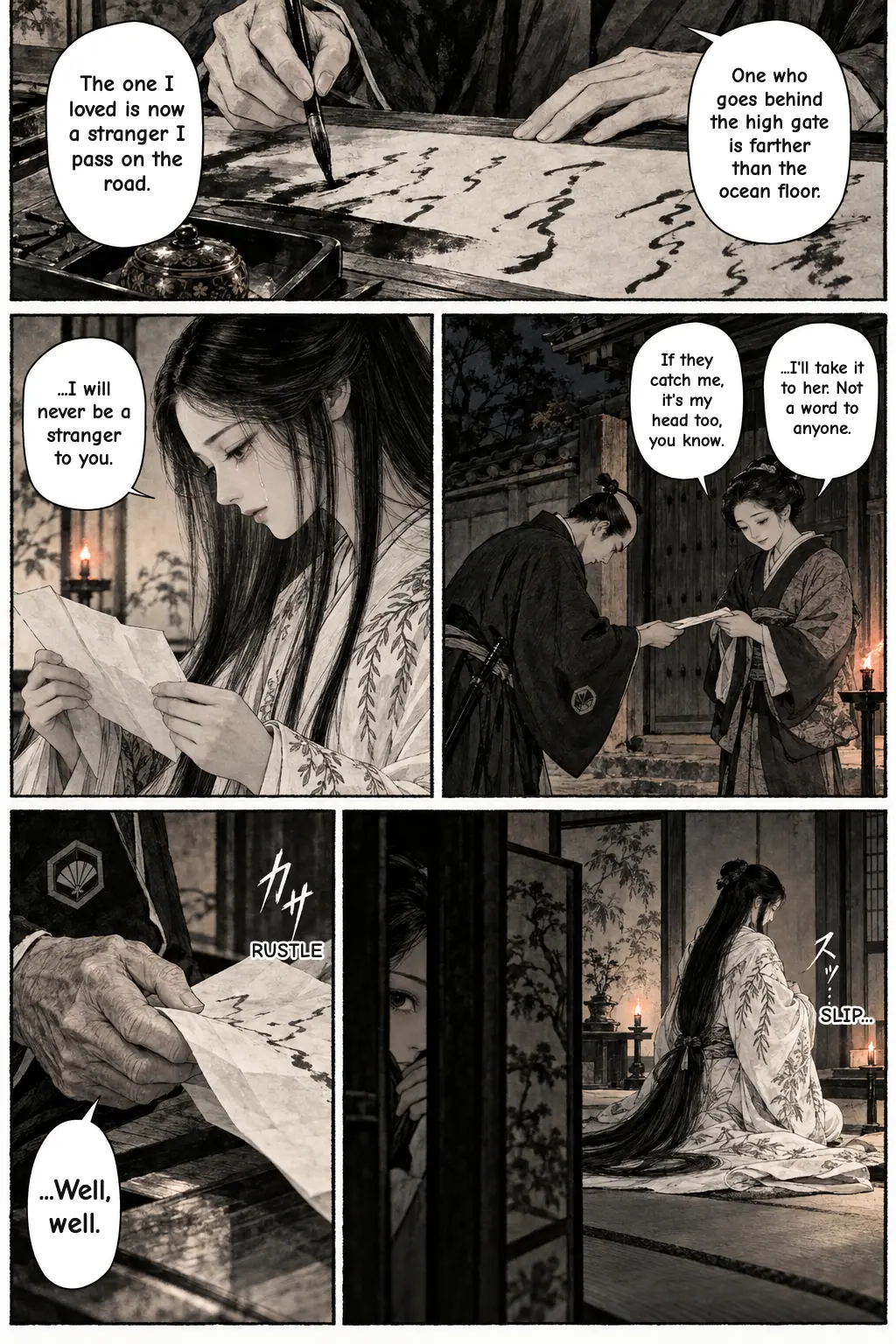
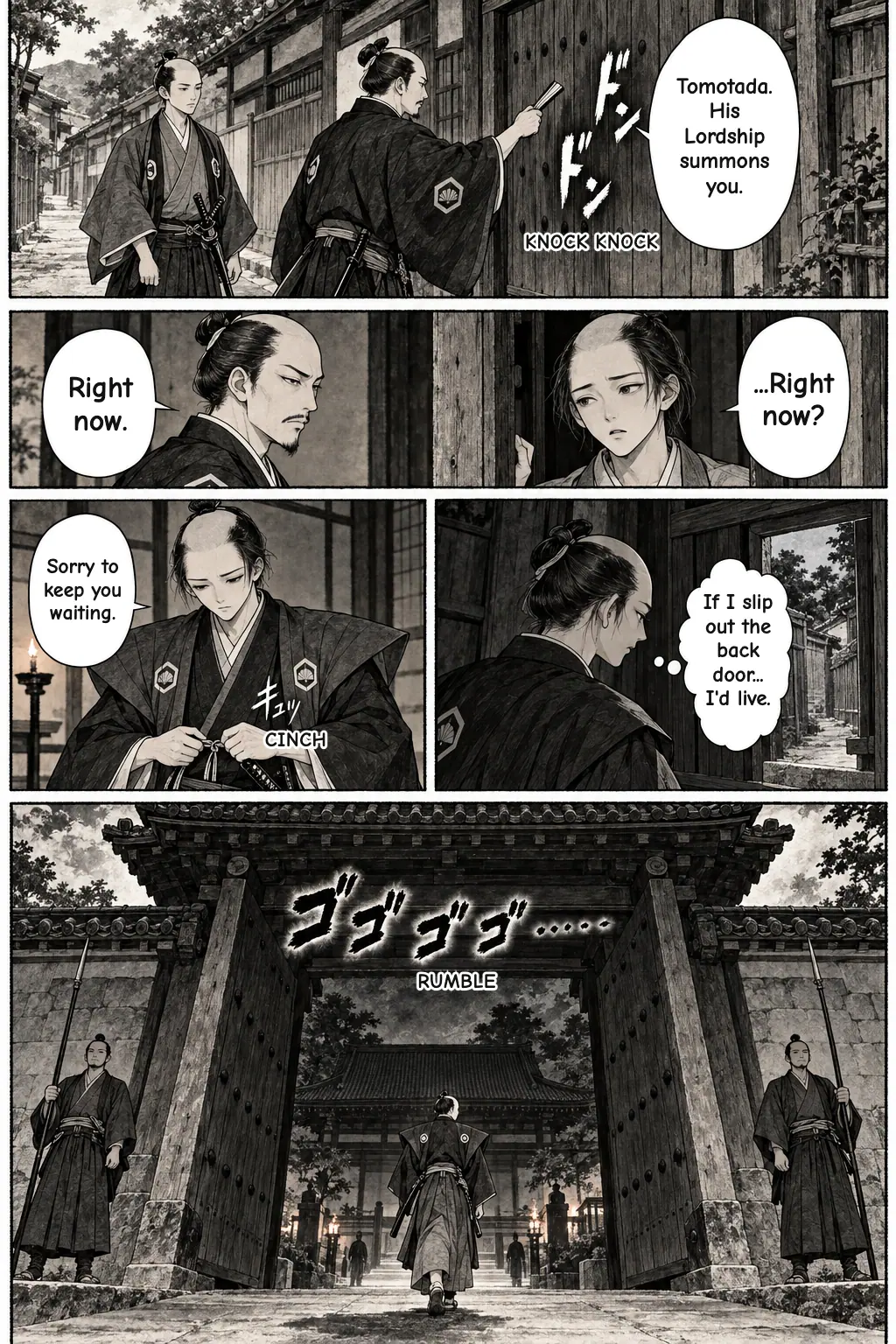
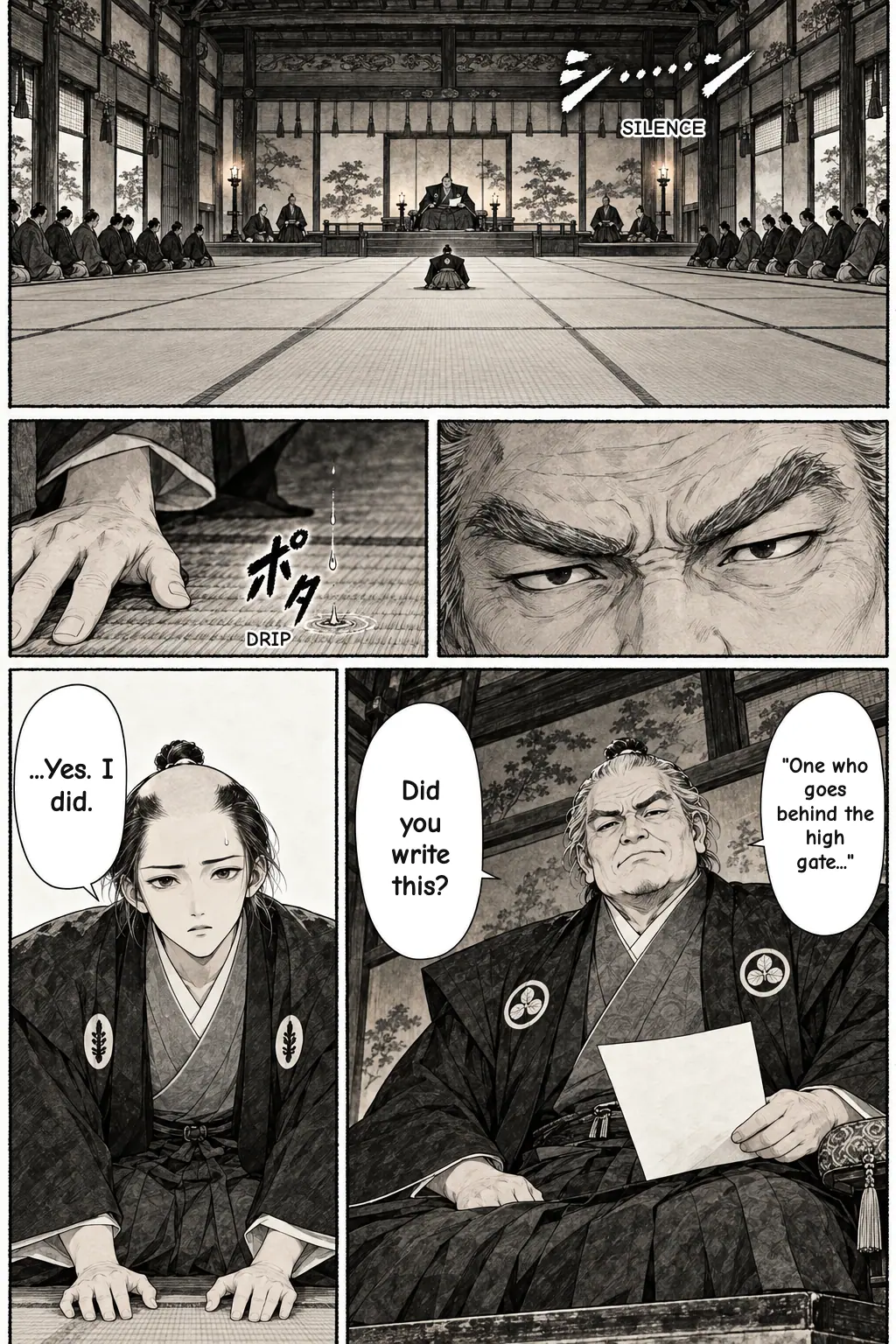
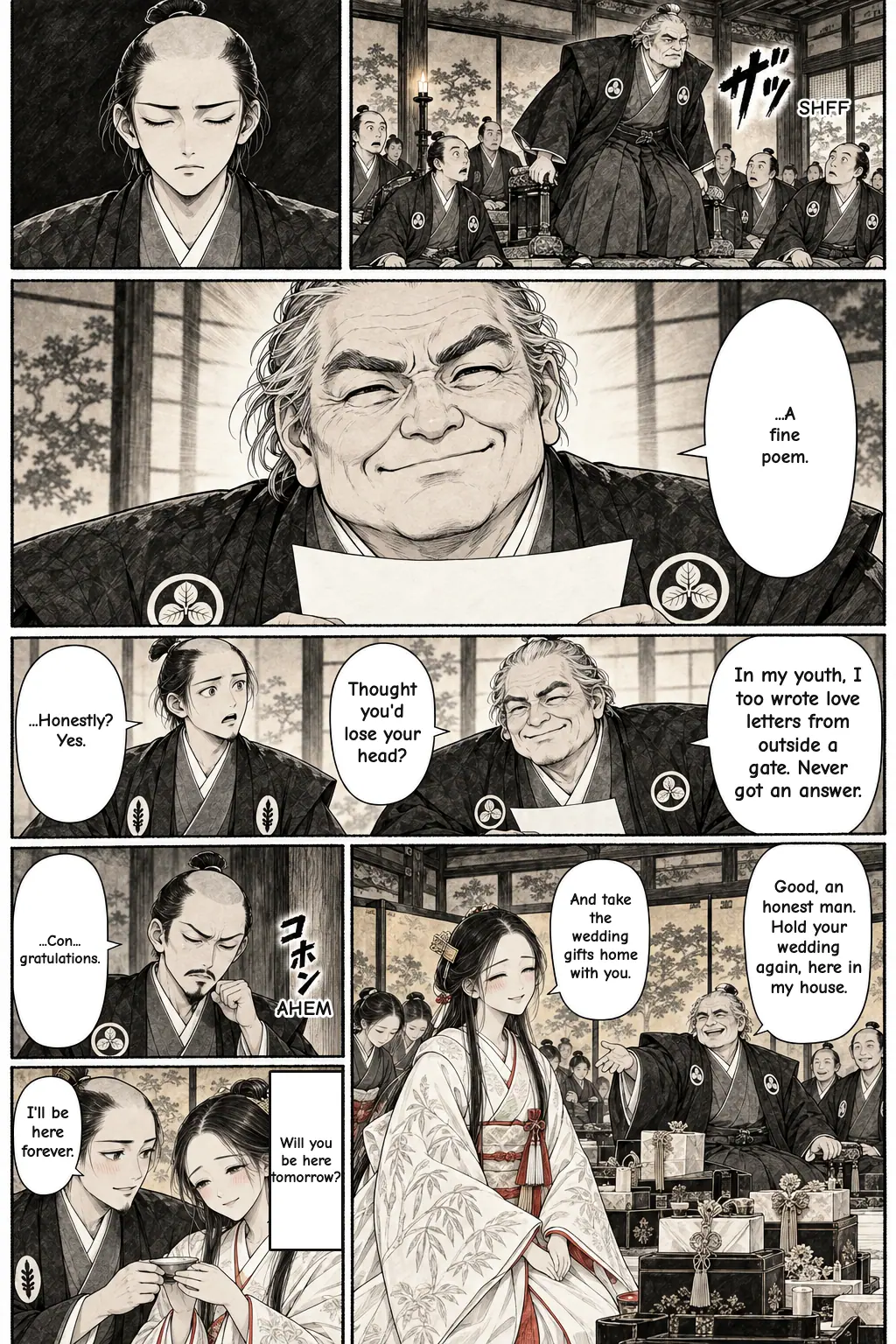
Heartbroken, Tomotada writes a short poem in the Chinese style about a beloved who has entered a great house and become as distant as the sea, and he has it secretly passed to her. The poem reaches Lord Hosokawa, who summons Tomotada. Tomotada goes expecting punishment, perhaps death. Instead the lord, moved by the poem and by the couple's love, holds a proper wedding for them and sends them away with gifts.
The Ending: Five Years, Then the Willow
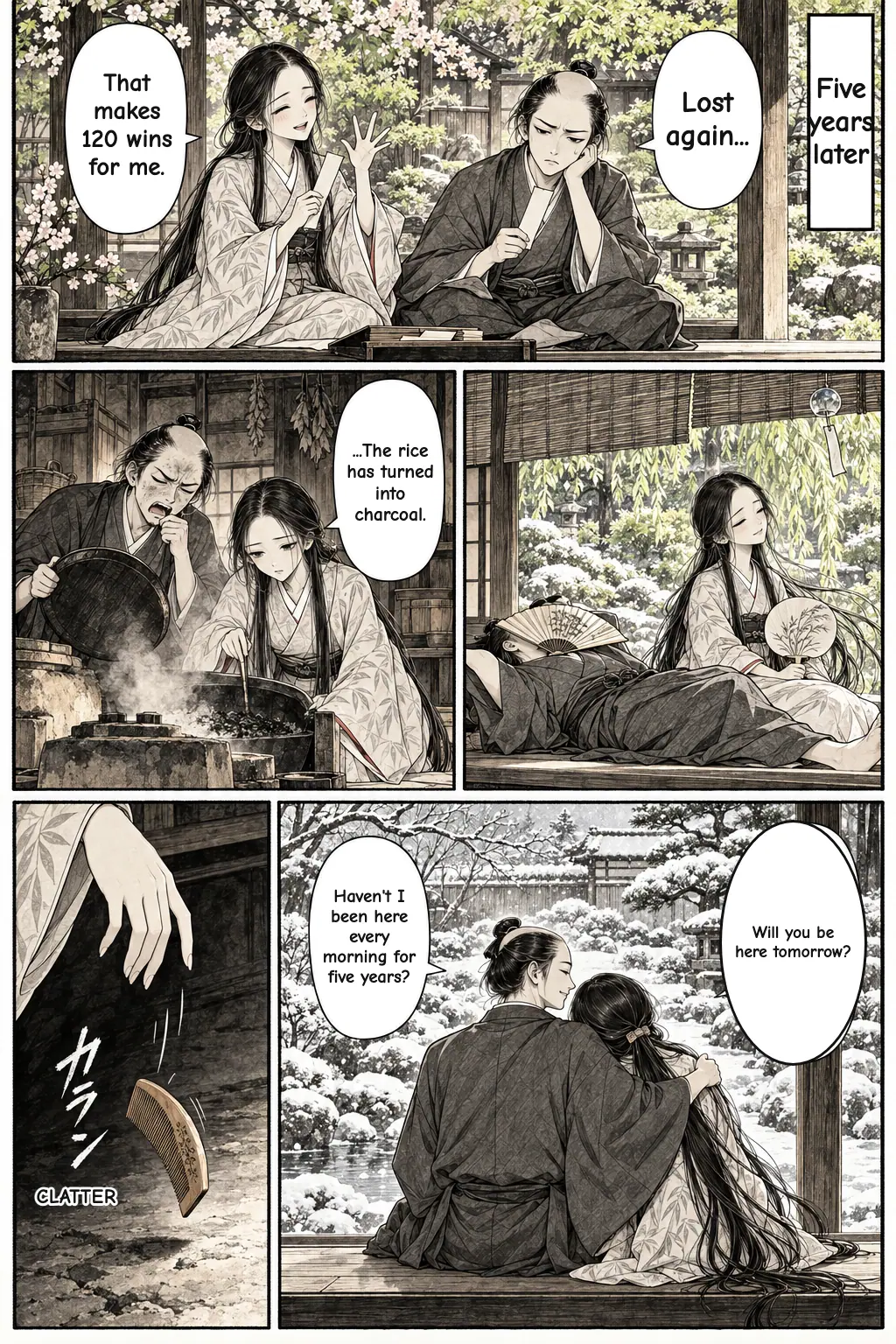
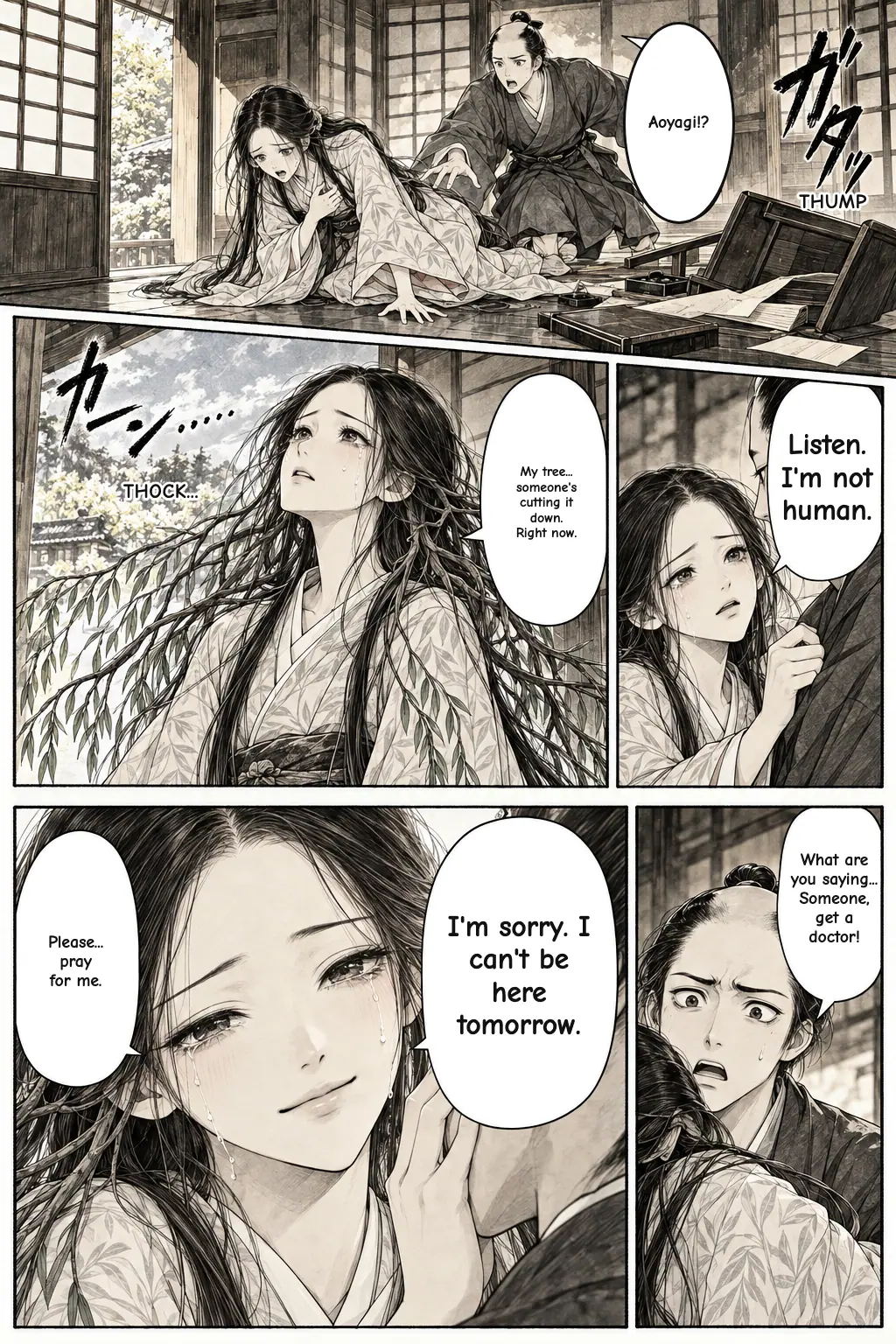
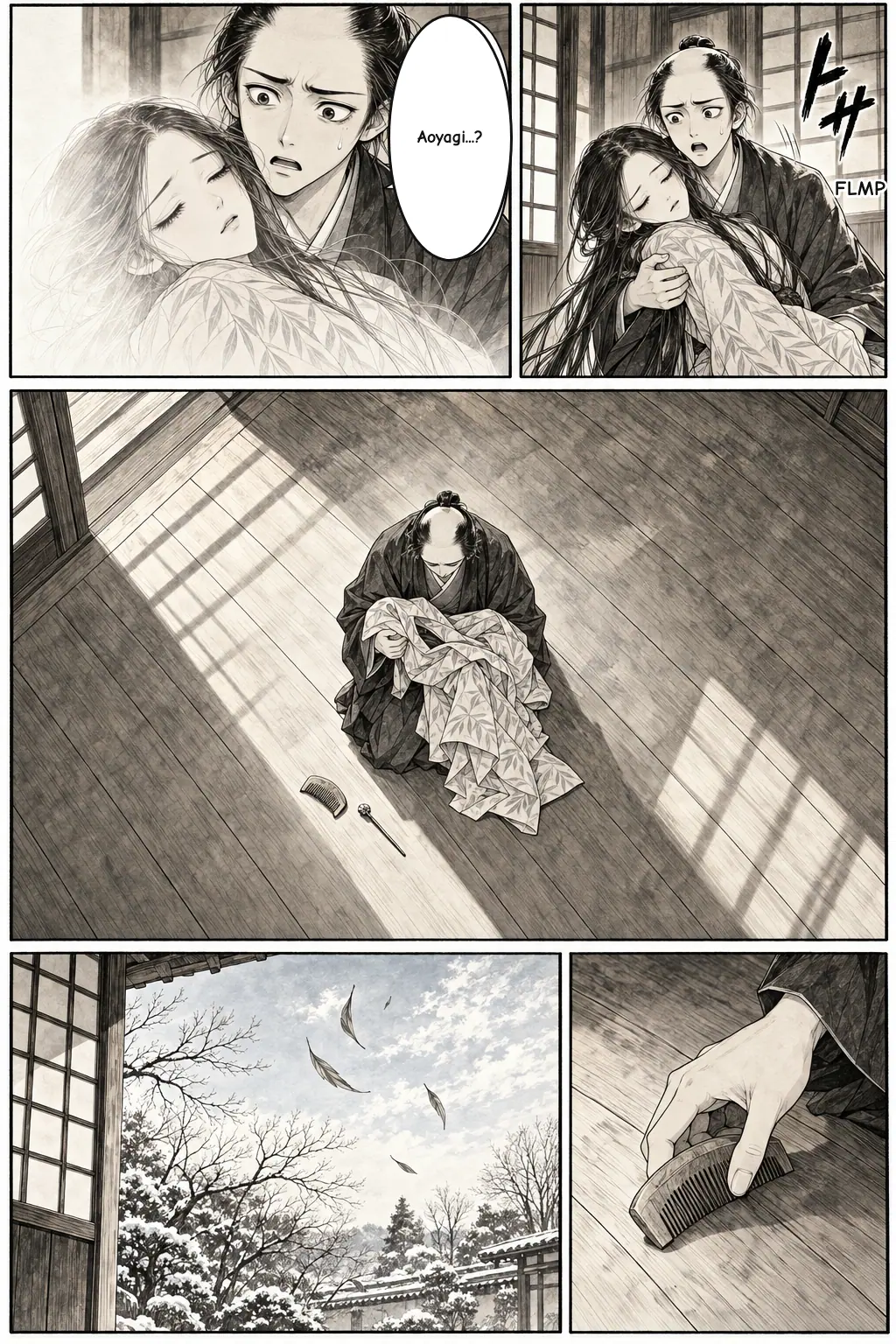
The couple lives happily for five years. Then one morning Aoyagi cries out in pain. She tells Tomotada that she is not human but the spirit of a willow tree, that someone is cutting her tree down at this moment, and that she must die. She asks him to pray the Buddhist nembutsu (a prayer to Amida Buddha) for her. She falls, and when he lifts her, her body is gone. Only her clothes and her hair ornaments are left.
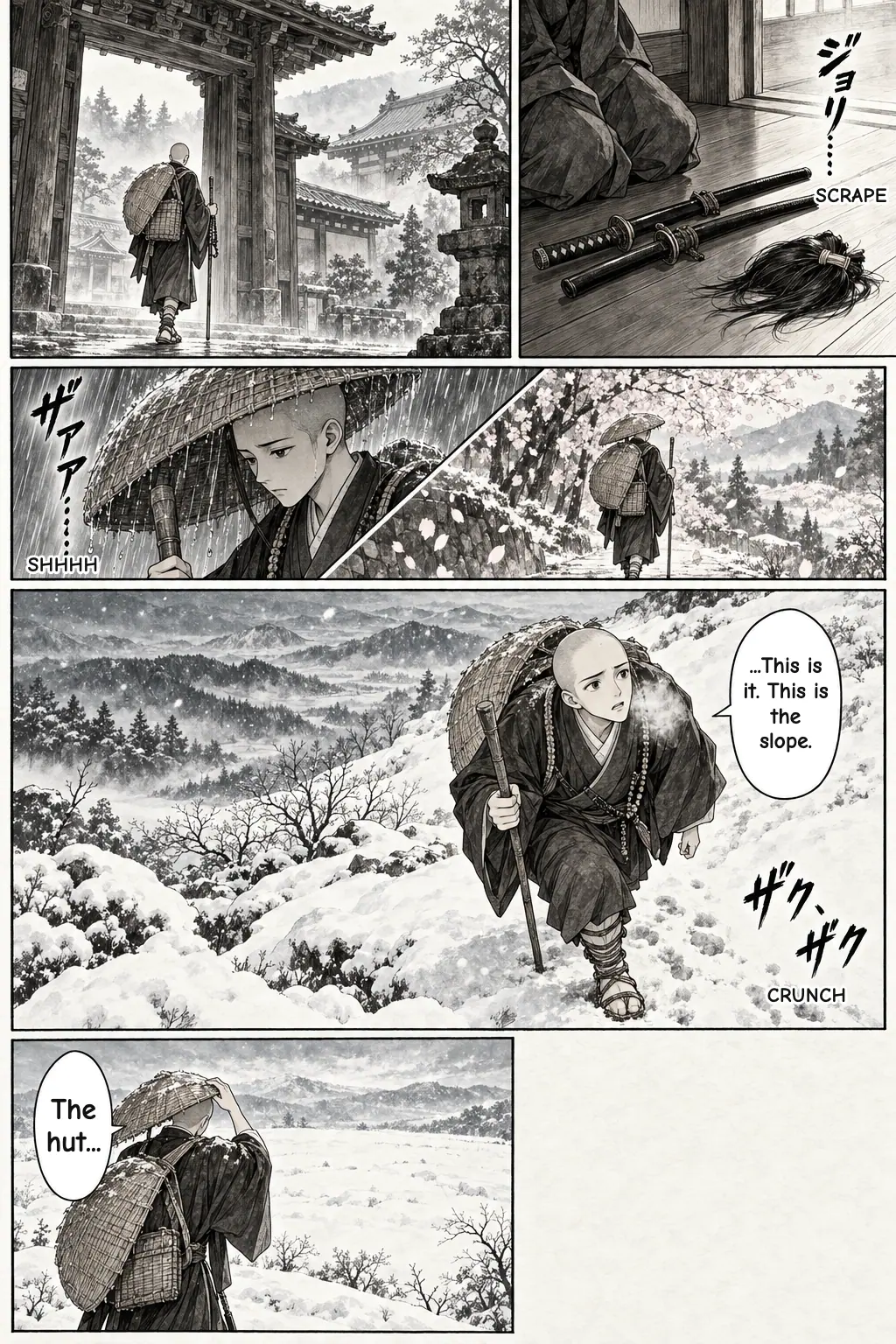
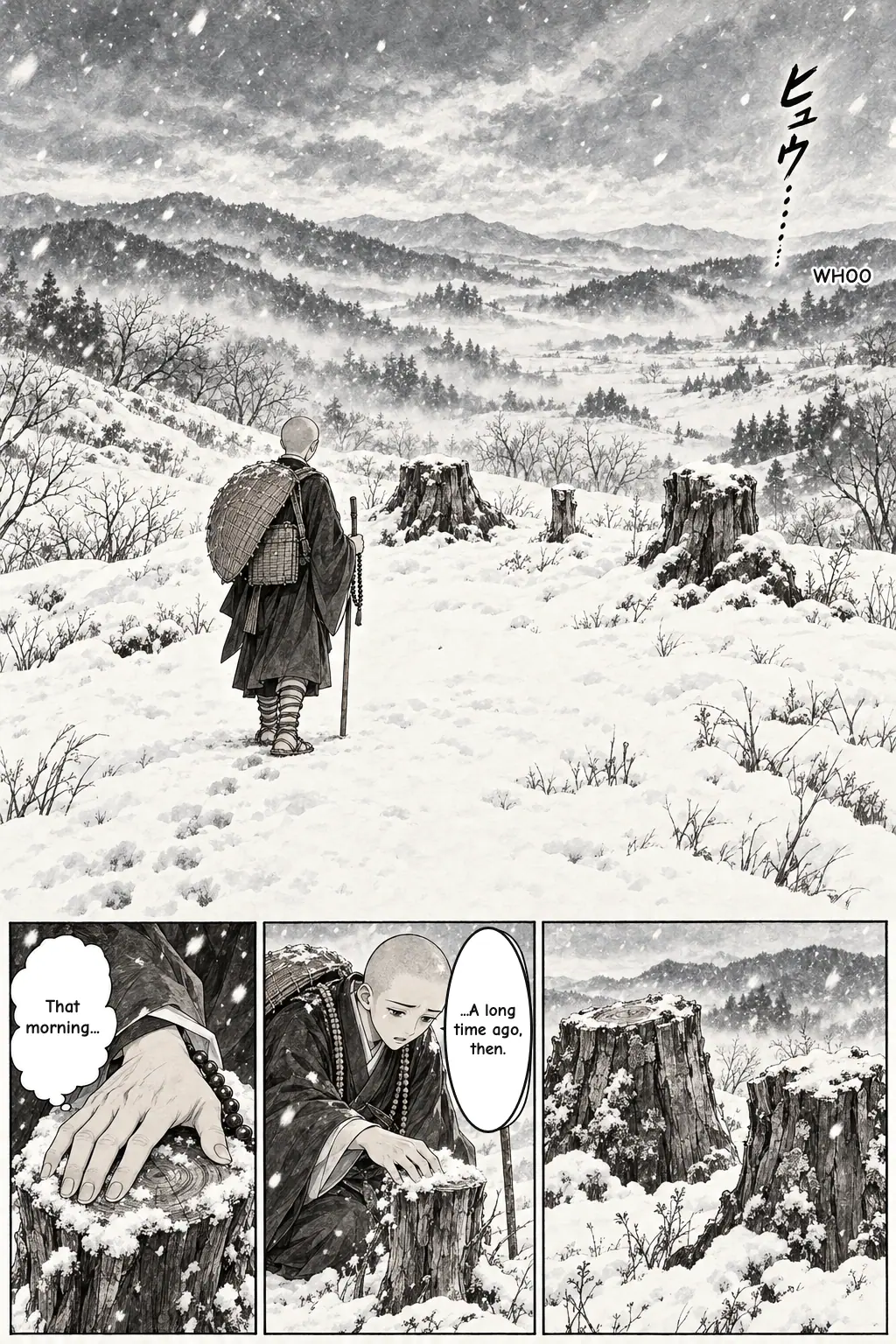
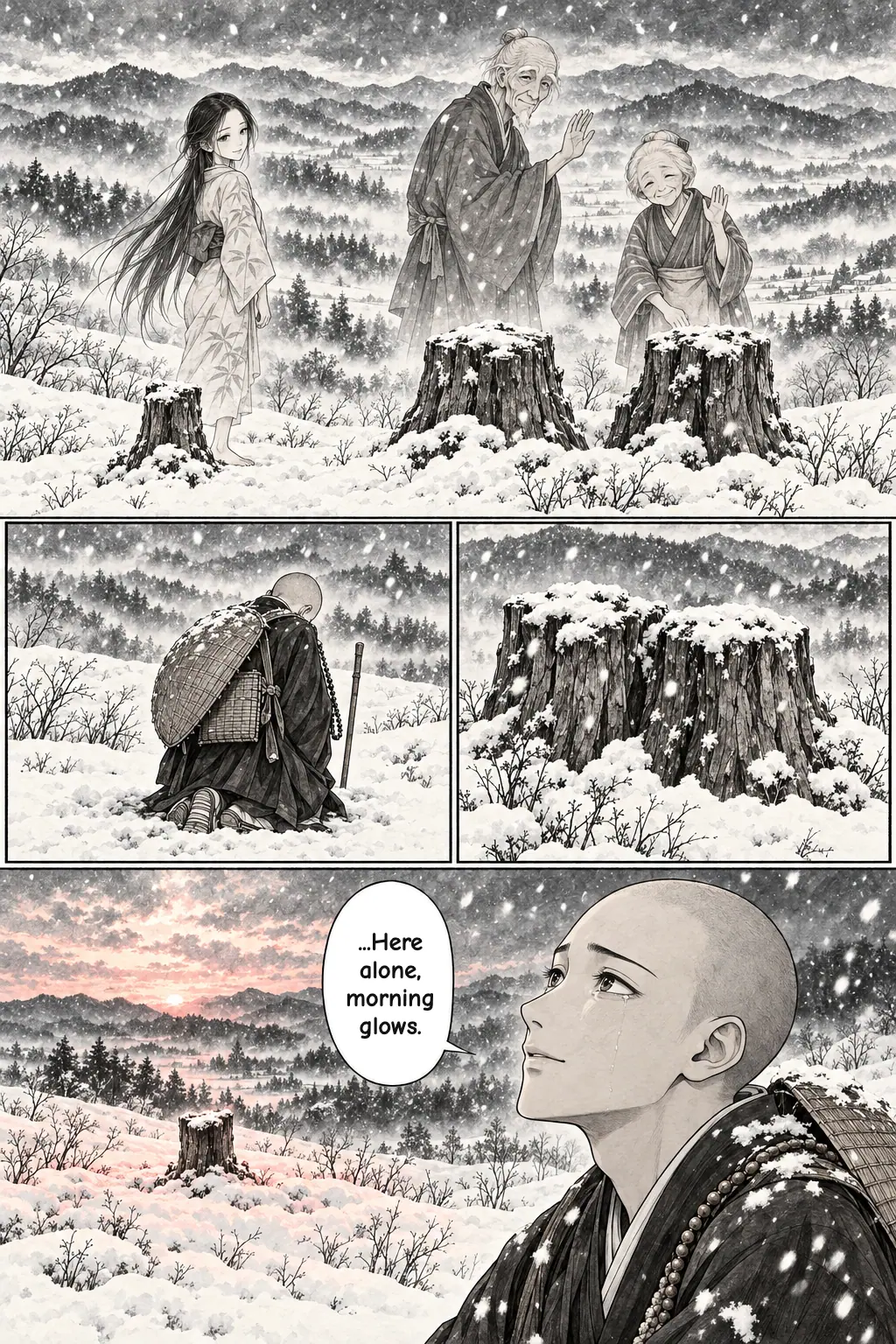
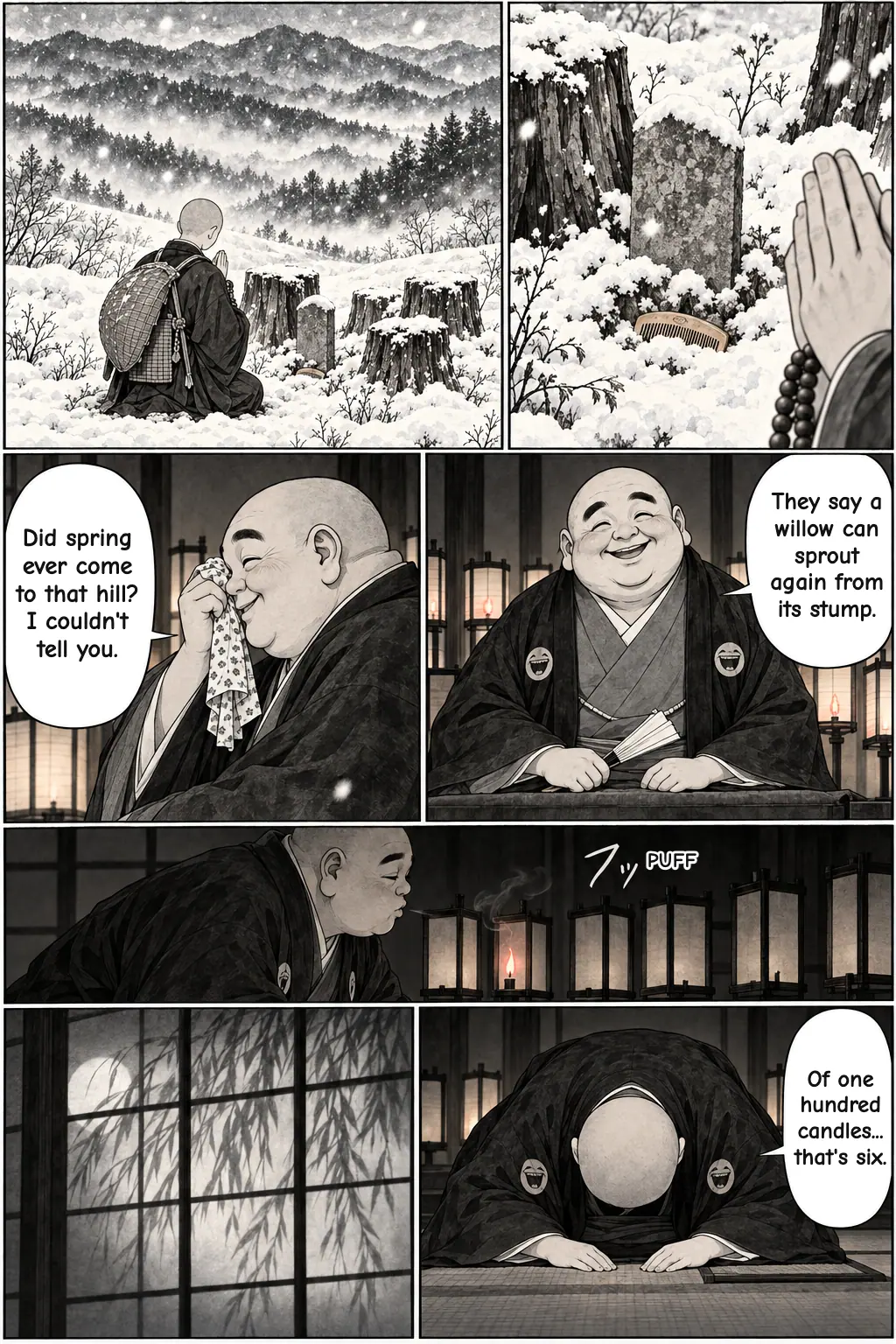
Tomotada shaves his head, becomes a Buddhist monk, and sets out to travel the country. When he reaches the hill in Echizen, the cottage is gone. All that is left are three willow stumps, two old and one young, from trees cut down long before. He has a memorial stone carved with holy texts set up beside them and holds services for Aoyagi and her parents. Many readers take this to mean that the old couple were willow spirits too, but Hearn's text only mentions the stumps and never says so outright.
What the Story Says About Its Culture and Time
Poetry is at the center of this tale. In medieval Japan, being able to answer a poem quickly and cleverly showed education and feeling. Aoyagi's instant reply tells Tomotada, and the reader, that she is no ordinary country girl. Later, a poem saves the lovers, because it moves a powerful man to mercy. In this story words carry real weight.
The story also shows the strict duties of samurai life. Tomotada's marriage breaks the rules of his service, and he expects to pay for it. That is why Hosokawa's kindness is the emotional peak of the middle part of the story. He is not a villain. He is a lord who chooses compassion over the rules.
Finally, the tale draws on the old Japanese belief that trees and other parts of nature can have spirits. Aoyagi's fate is tied to a living willow, and her death comes from the outside world, not from anything she or Tomotada does wrong. That gives the story its quiet sadness. It is less a horror story than a ghost story about love and how short life is.
What the Manga Version Changes
Manga Portal's KAIDAN series follows the main events of Hearn's text, but some parts are our own. The storyteller Fukurai, the stage, and the paper lantern that frame each episode are original to the series. They are not based on any real performer.
We added or expanded these scenes: the details of the snowy mountain road and the inside of the cottage, small everyday moments of the couple's hidden life in Kyoto, how the retainer first spots Aoyagi, a short look at their five years together, and Tomotada's travels as a monk. The poems in the speech bubbles are rewritten as short, modern lines that carry their meaning, not translations of the originals. The episode title, "Tomorrow, I Won't Be Here," is also our own wording.
In Aoyagi's last scene, the manga uses falling willow leaves, but her robes and hair ornaments are left behind just as in the original. The manga also hints that her parents were willow spirits too, without saying it outright, which keeps Hearn's own ambiguity.
Where to Read It
You can read the original in Lafcadio Hearn's Kwaidan: Stories and Studies of Strange Things (Houghton Mifflin, 1904). It is in the public domain and free on Project Gutenberg (eBook #1210).
To see the story drawn as a manga, read Episode 6 of KAIDAN: Japanese Ghost Stories here on Manga Portal. Every episode is free, and you don't need to sign up. If Aoyagi's story stays with you, the other episodes tell more of Japan's classic tales of the strange and the supernatural.
Characters in this episode
Tomotada
A young, well-educated samurai serving the lord of Noto, who marries Aoyagi against the rules of his service and later becomes a Buddhist monk.
Aoyagi
A beautiful, graceful girl from a mountain cottage in Echizen whose name means "green willow" and who turns out to be the spirit of a willow tree.
Aoyagi's parents
A poor, kind elderly couple who take in Tomotada during the storm and give him their daughter, though they will not accept his gold.
Hatakeyama Yoshimune
The lord of Noto province and Tomotada's master, who sends him on the mission to Kyoto.
Lord Hosokawa
A powerful lord in Kyoto who takes Aoyagi into his household, then, moved by a poem, lets the lovers marry.
FAQ
What is the story of Aoyagi about?
It is about the samurai Tomotada and Aoyagi, a girl he meets during a snowstorm and marries after they exchange poems. A powerful lord separates them, and a poem brings them back together. After five happy years she reveals she is a willow spirit and vanishes when her tree is cut down.
Who wrote "The Story of Aoyagi"?
Lafcadio Hearn (Koizumi Yakumo) retold it in English in his 1904 book Kwaidan: Stories and Studies of Strange Things. Hearn collected and retold older Japanese tales instead of inventing them from scratch.
Why does Aoyagi die?
Aoyagi's life is tied to a willow tree. When someone cuts the tree down, she dies with it. Only her clothes and hair ornaments are left behind.
What do the three willow stumps mean at the end?
Tomotada finds two old stumps and one young one where the cottage once stood. Many readers take this to mean that Aoyagi's parents were willow spirits too, but Hearn never says so directly.
Is the Story of Aoyagi a horror story?
Not really. It appears in a book of ghost stories, but it is mainly a love story with a sad, quiet ending, built on the Japanese belief that trees can have spirits.