Episode 9"Not a Drop," He Said, Holding Out His CupSuo Otoshi
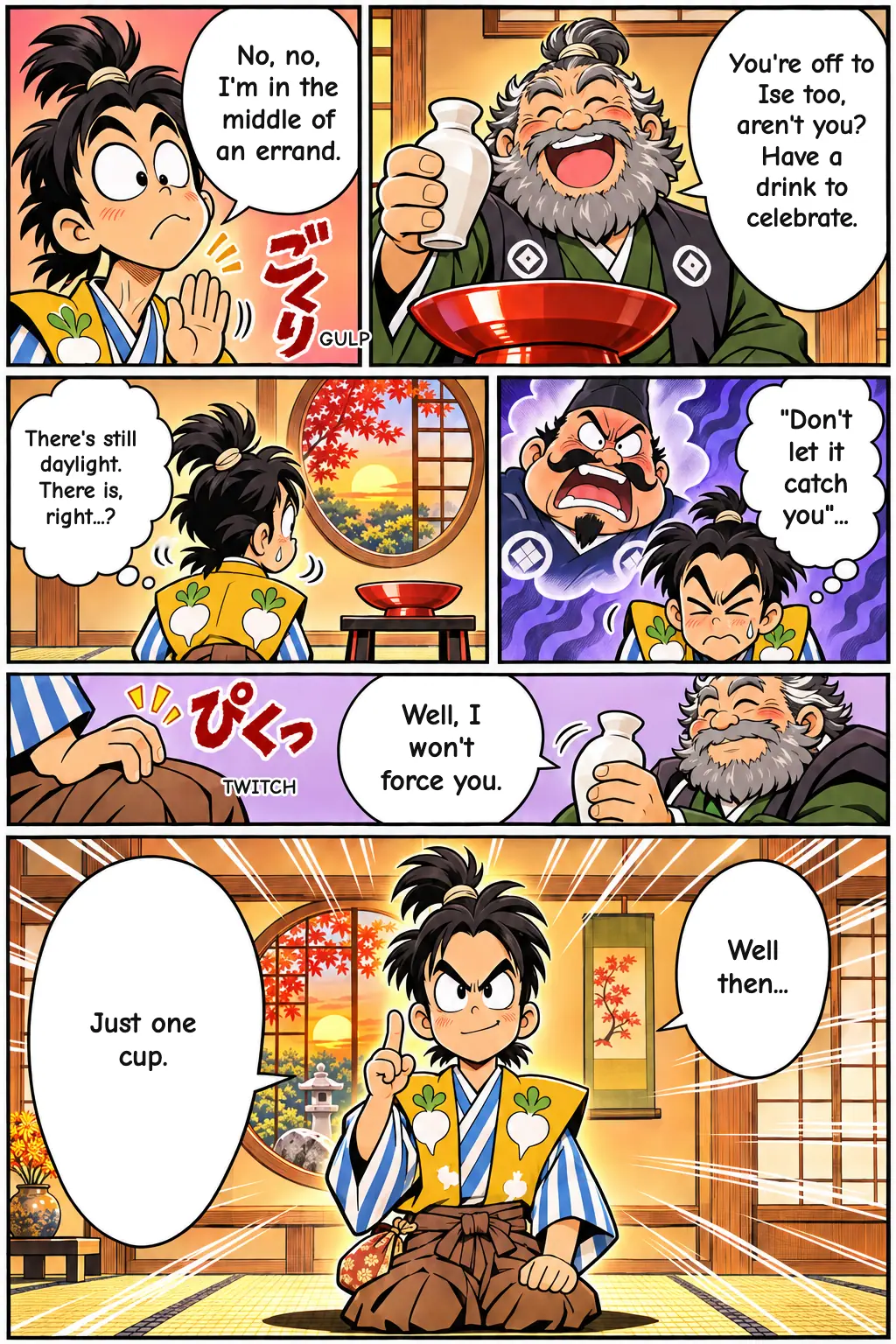
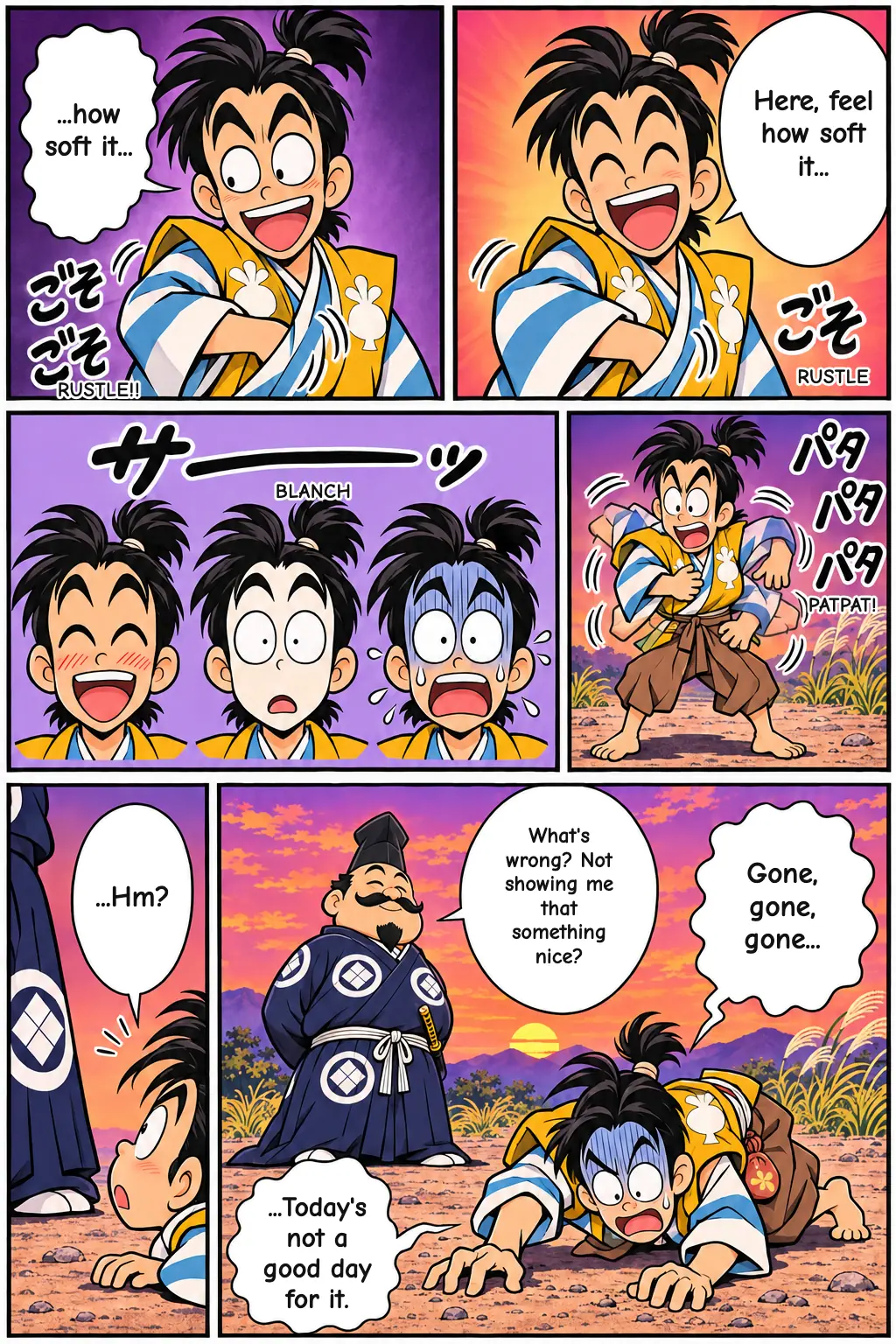
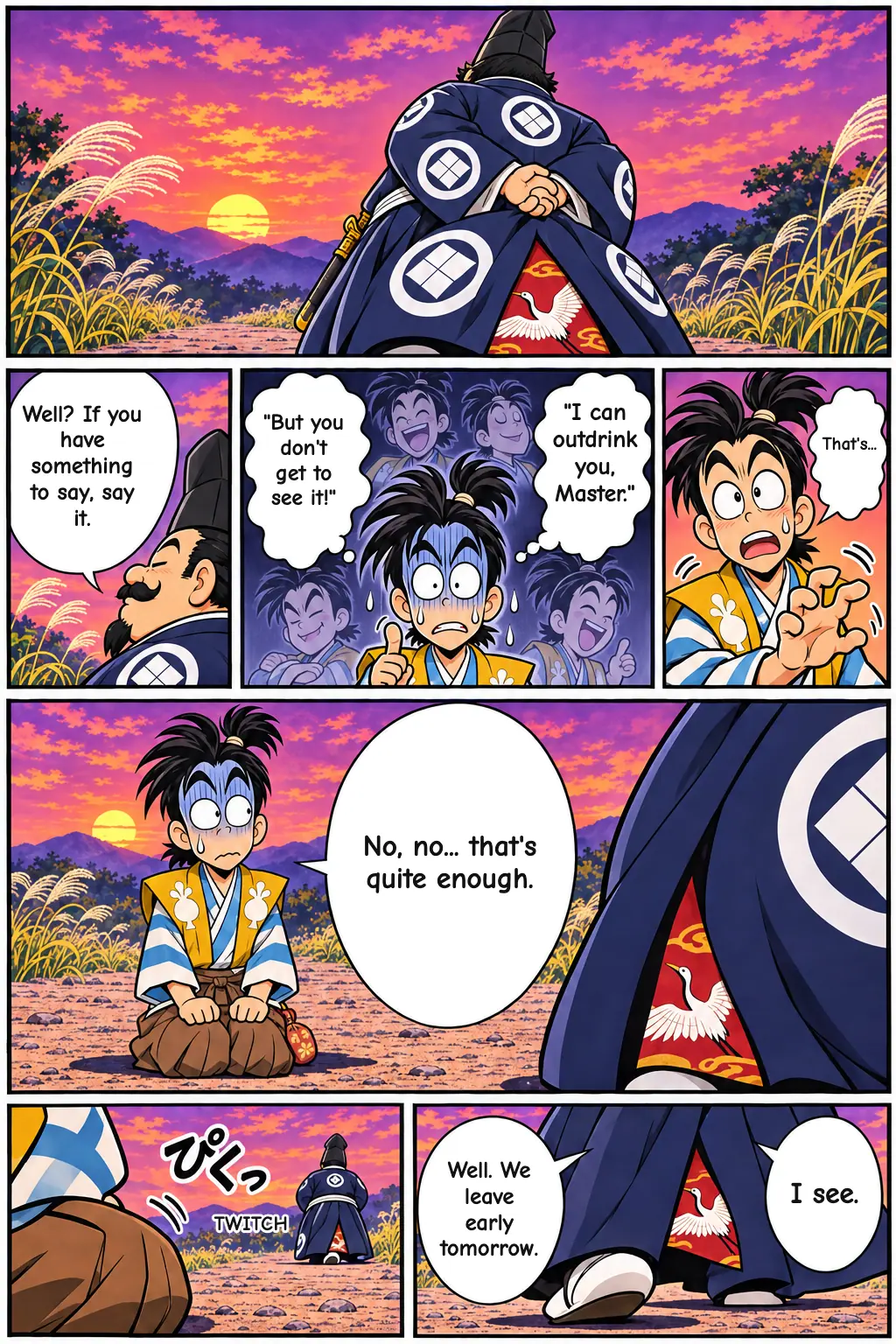
"Not a drop," swears Taro Kaja, then keeps holding out his cup while insisting he's had enough. Drunk, he drops his brand-new formal robe right in front of his master, who picks it up and doesn't shout. That's what makes the cold sweat so much worse. This is the kyogen comedy Suo Otoshi.
Bookmark the series page so you can jump back in when the next episode is out: KYOGENRSS for this series
Get new episodes in your feed. Follow us on:ThreadsBluesky
Story summary
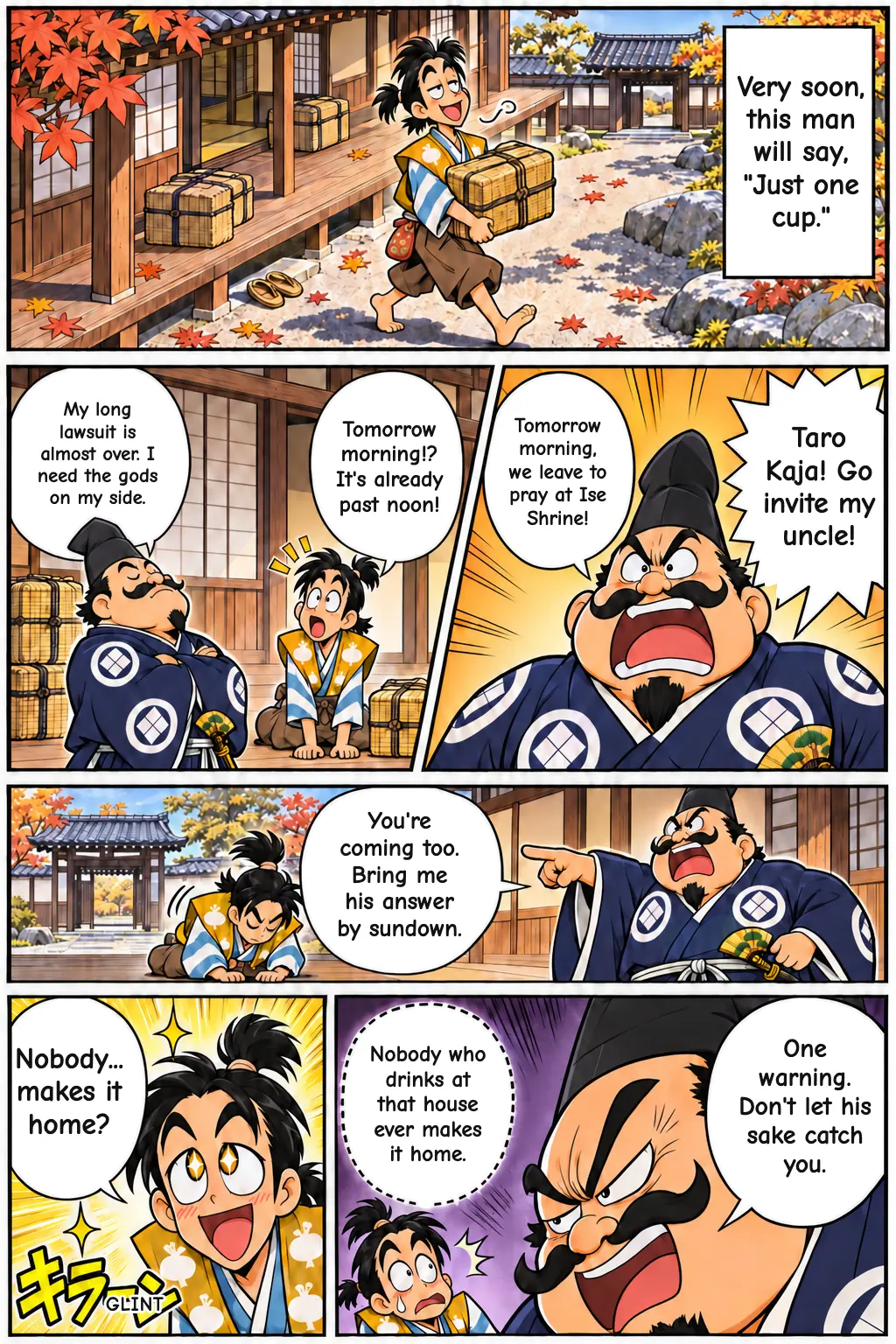
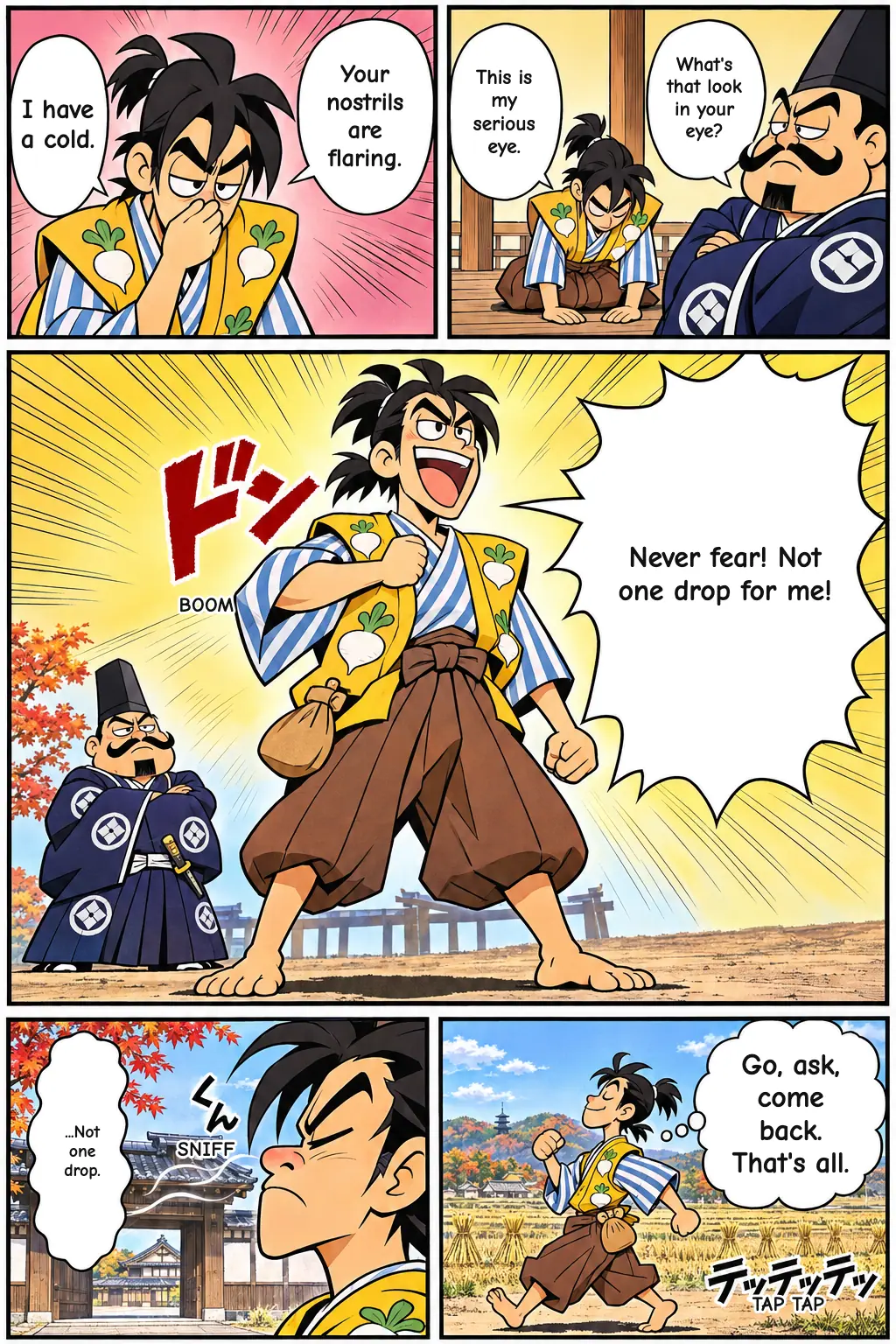
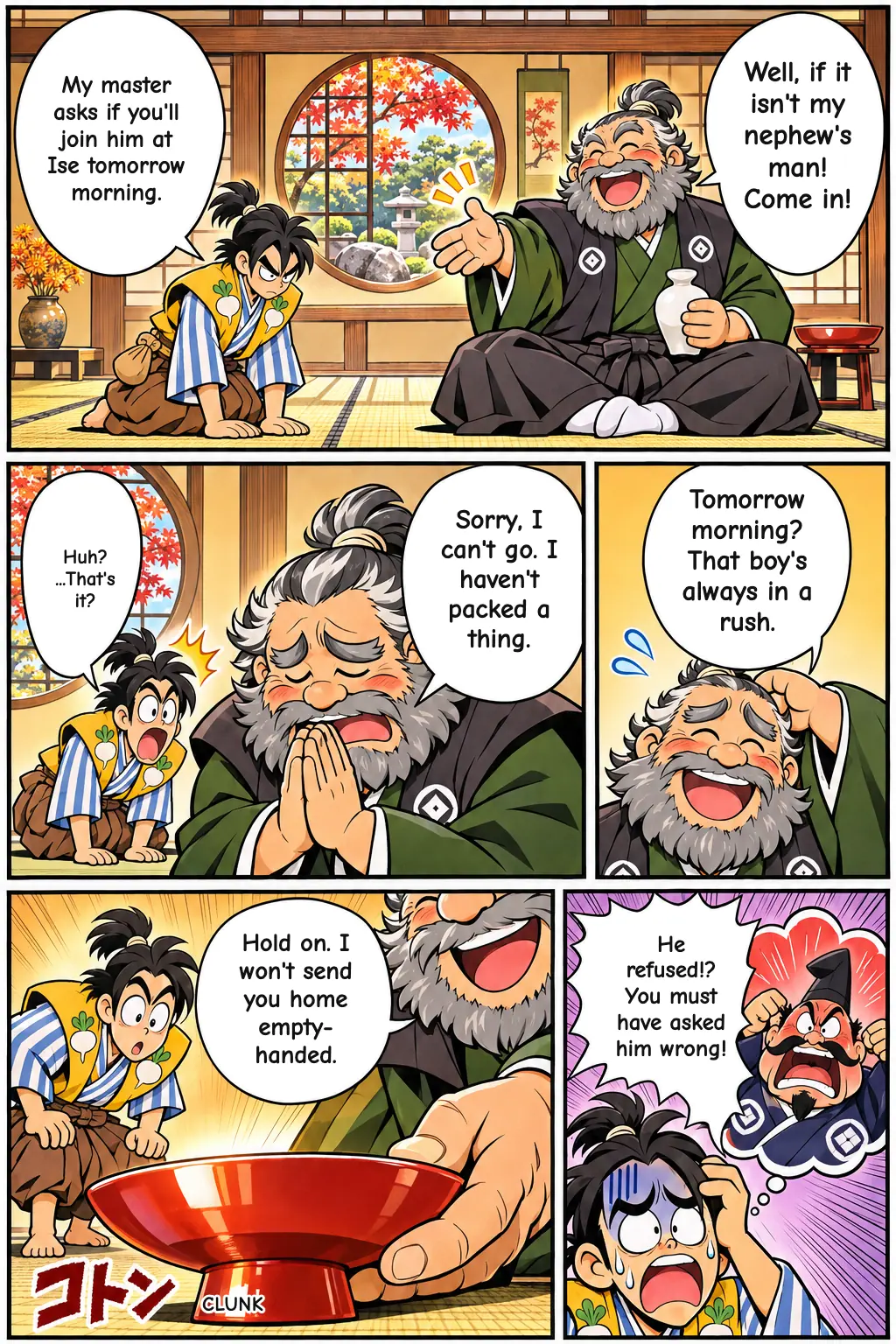
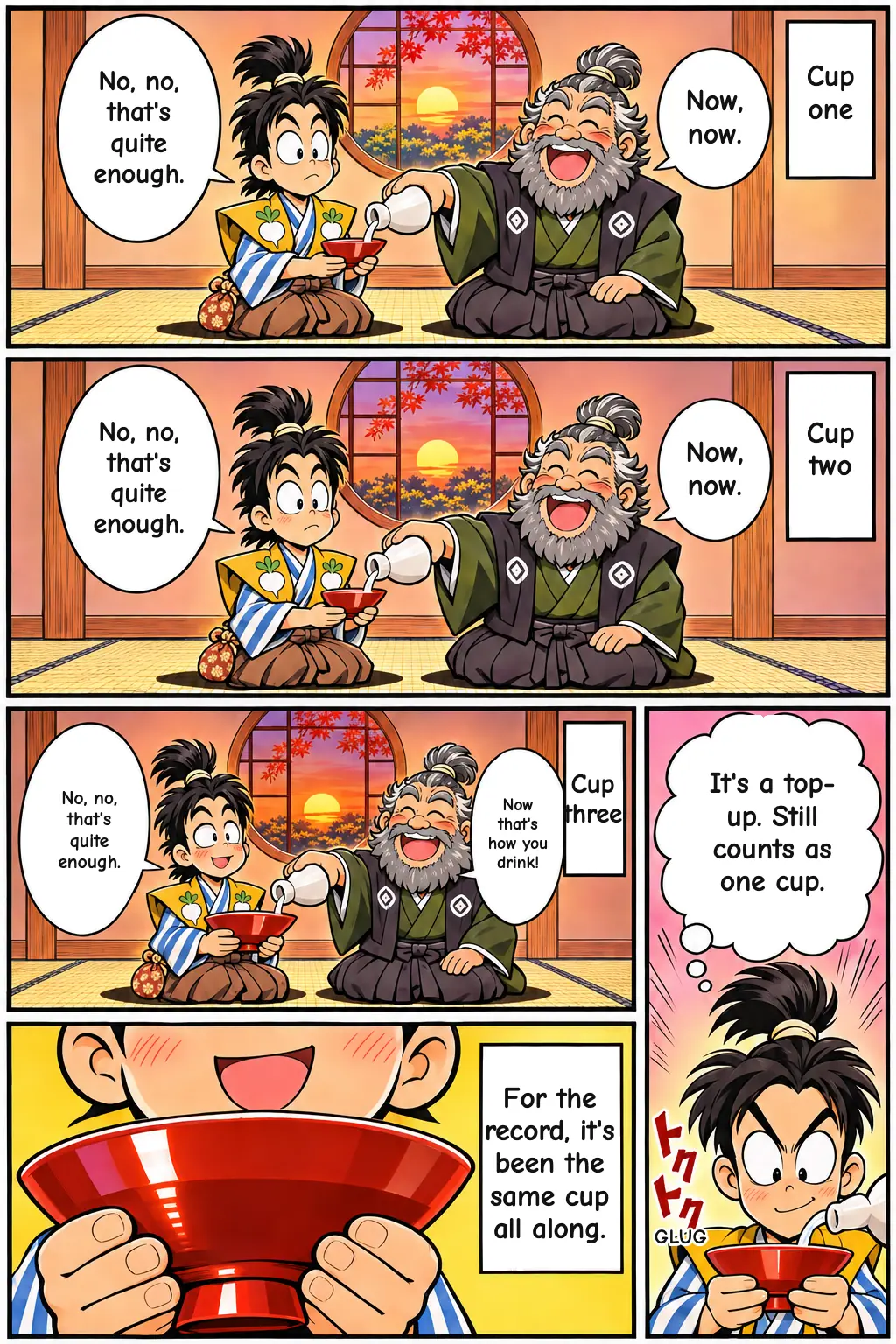
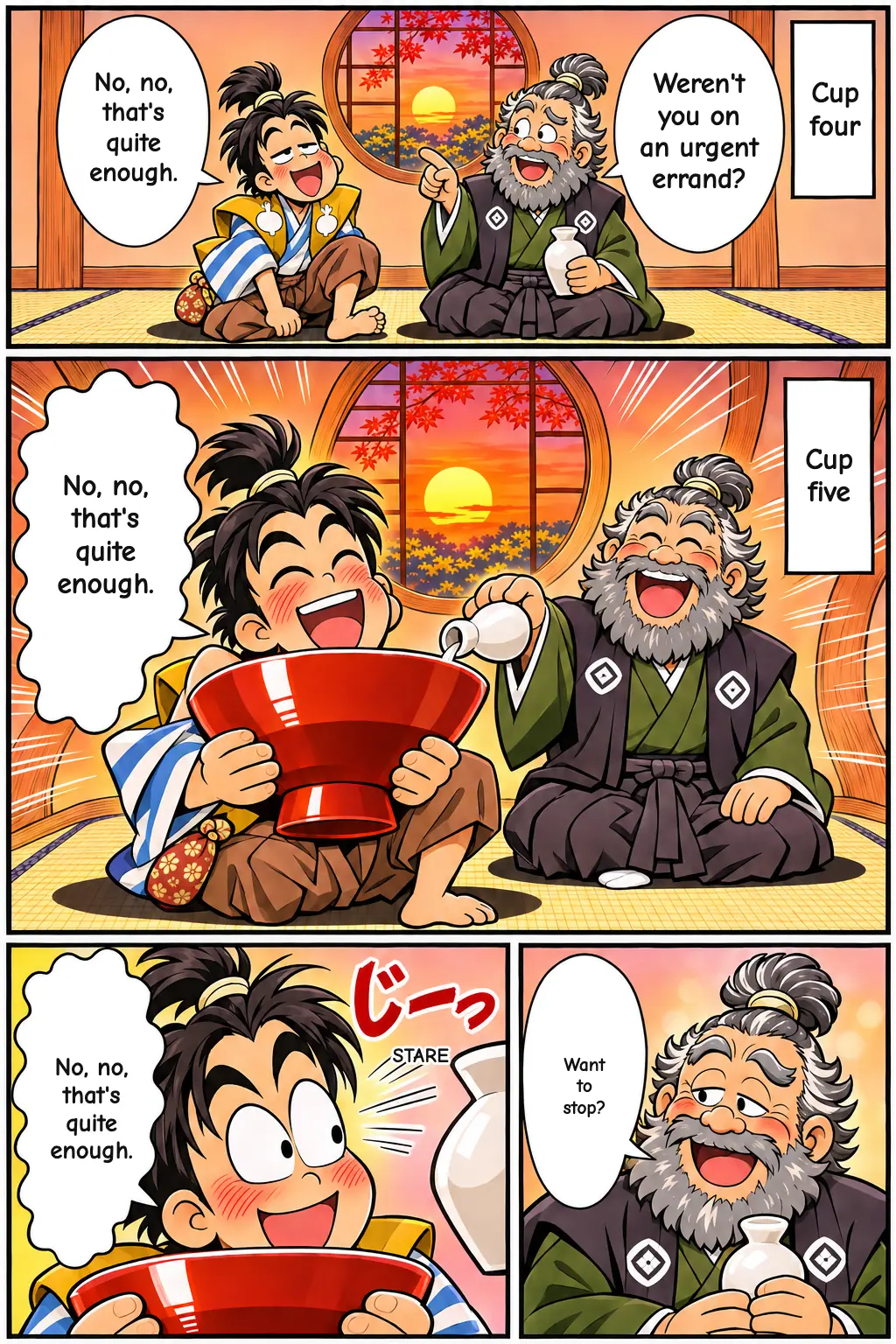
The play begins with a sudden idea. A master decides on the spur of the moment to make a pilgrimage to Ise, home of Japan's most revered Shinto shrine, and tells his servant Taro Kaja to come along. First, though, Taro Kaja has an errand: go to his uncle's house and invite the uncle on the trip. Some accounts add that the two men had already talked about traveling together. The uncle says the notice is too short and he can't go. But since his nephew is about to set off on a journey, he brings out sake to celebrate. Taro Kaja politely holds back at first, then accepts a cup, then another.
Suo Otoshi Summary: The Kyogen Comedy of Taro Kaja's Dropped Robe
In short: Suo Otoshi ("The Dropped Robe") is a traditional Japanese kyogen comedy in which the servant Taro Kaja gets drunk at his uncle's house, receives a formal robe as a gift, and drops it right in front of his master. The master quietly picks it up and walks off pretending to know nothing, with Taro Kaja chasing after him as the play ends. The play has been handed down in the Okura and Izumi schools of kyogen.
The Story of Suo Otoshi
The play begins with a sudden idea. A master decides on the spur of the moment to make a pilgrimage to Ise, home of Japan's most revered Shinto shrine, and tells his servant Taro Kaja to come along. First, though, Taro Kaja has an errand: go to his uncle's house and invite the uncle on the trip. Some accounts add that the two men had already talked about traveling together.
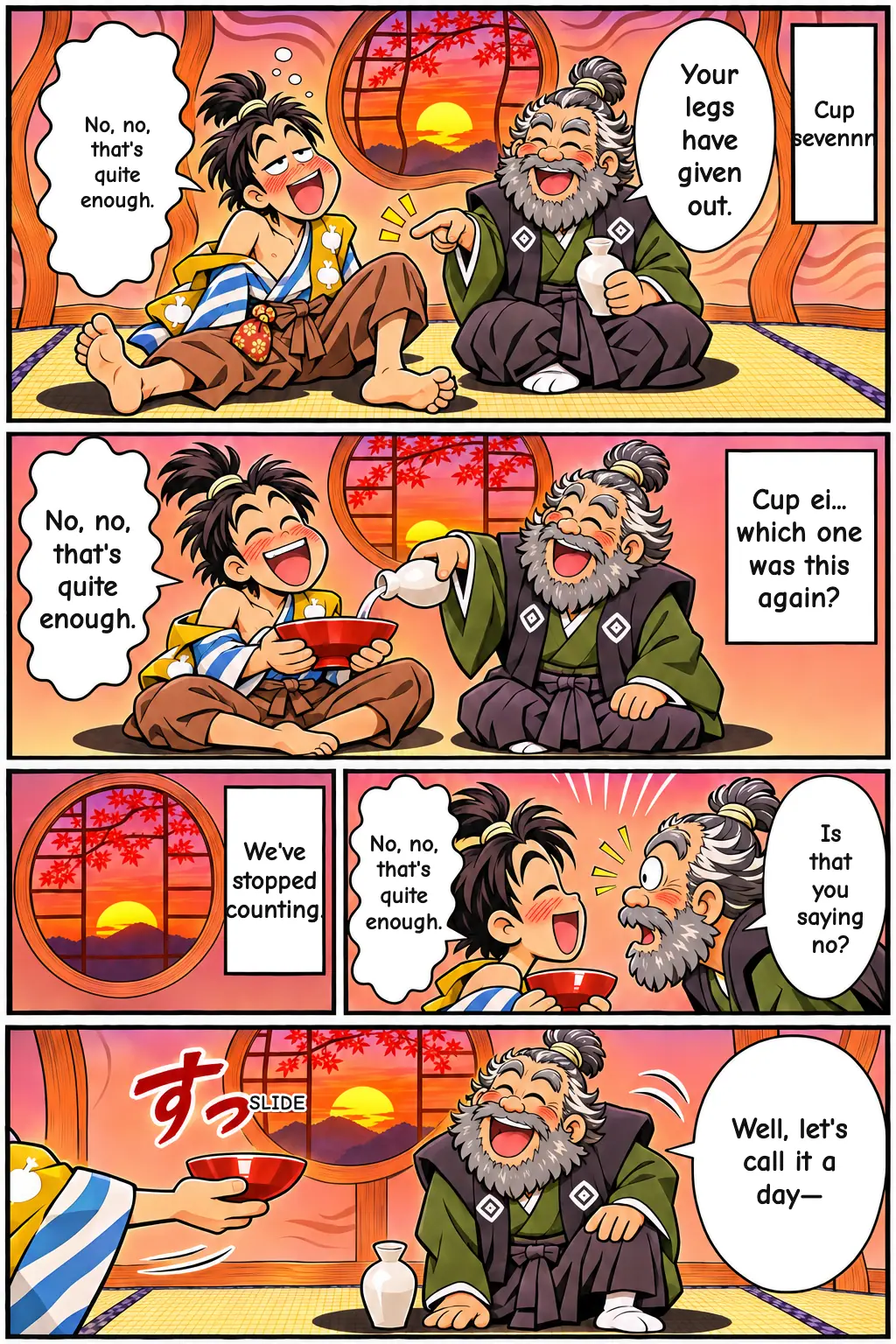
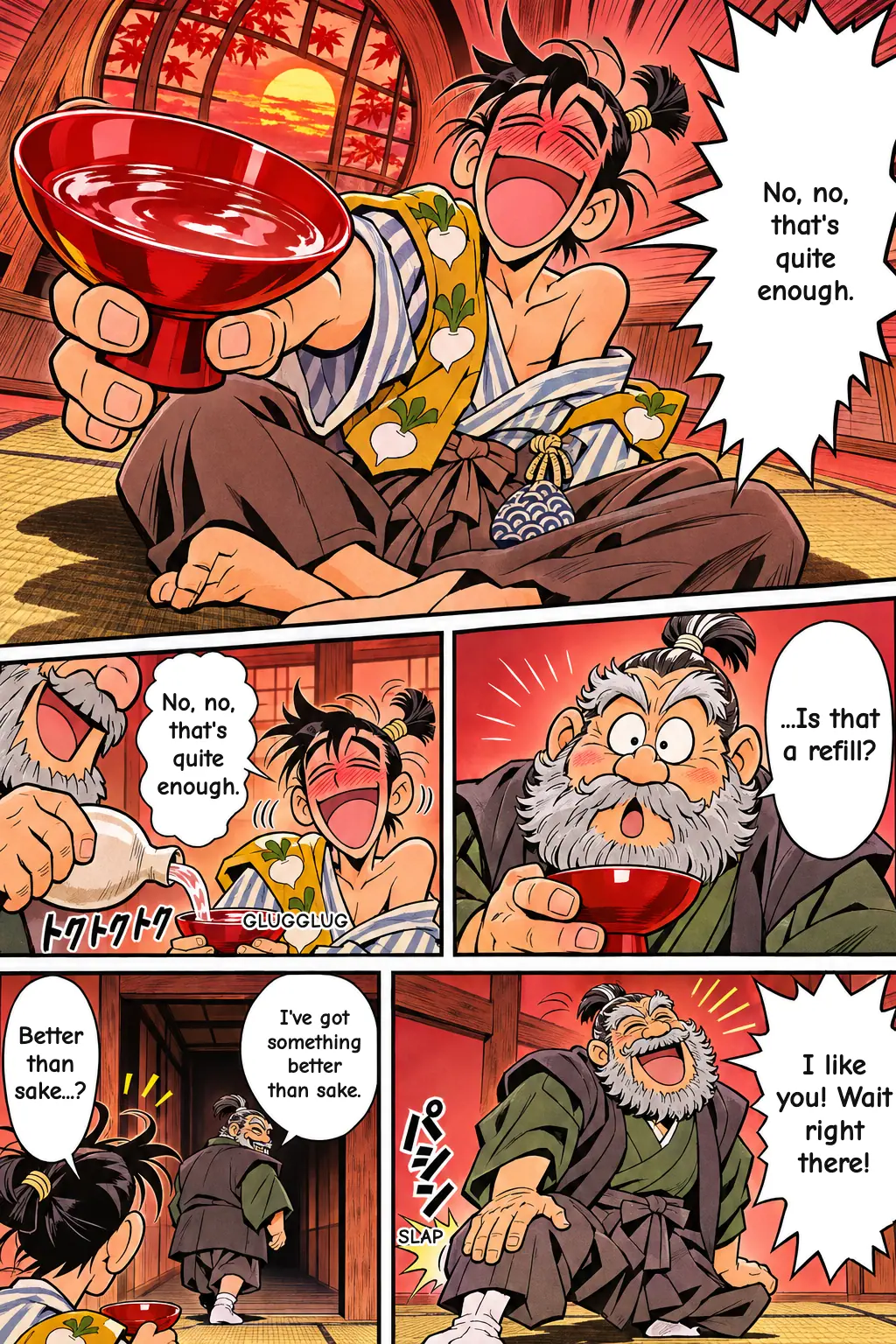
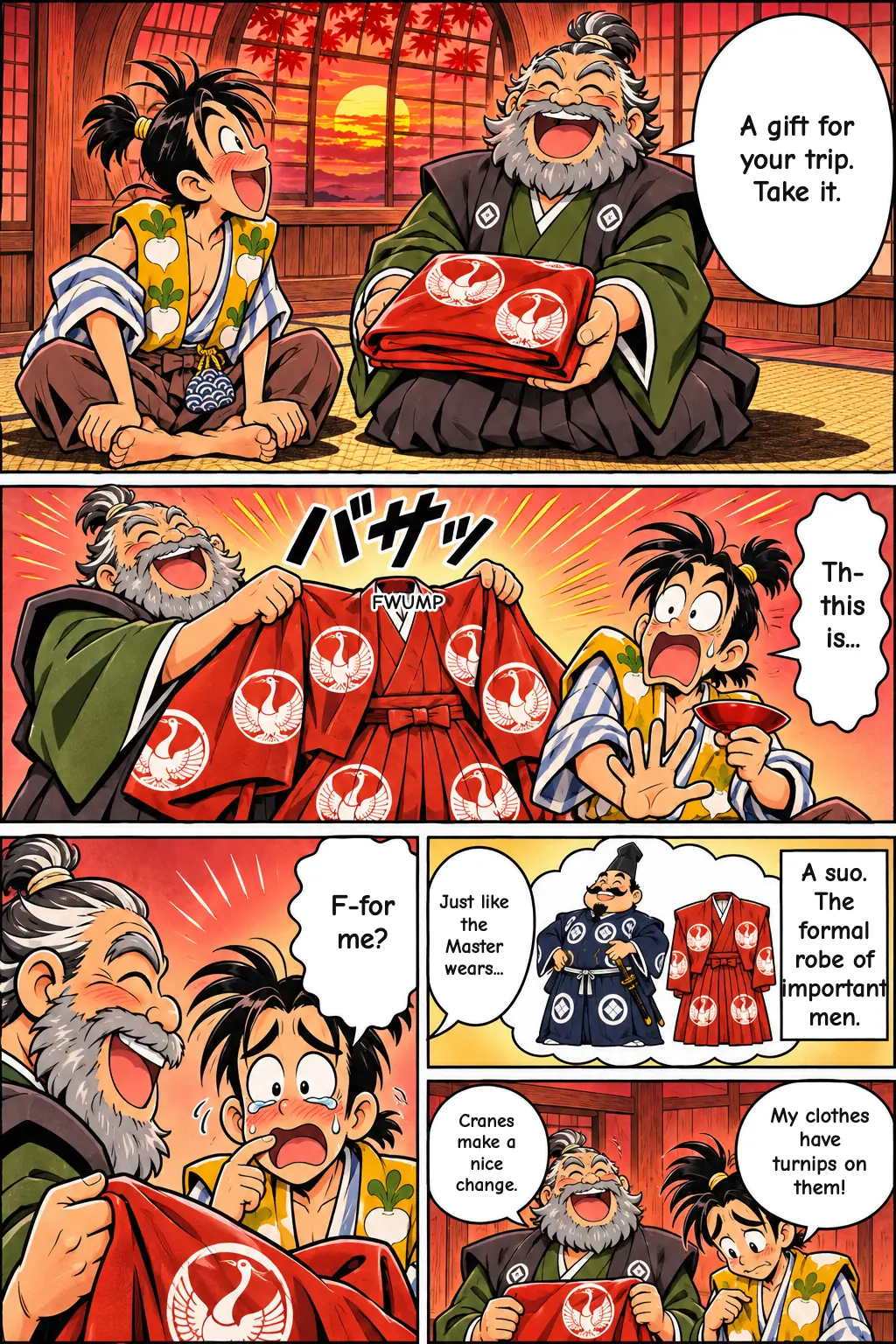
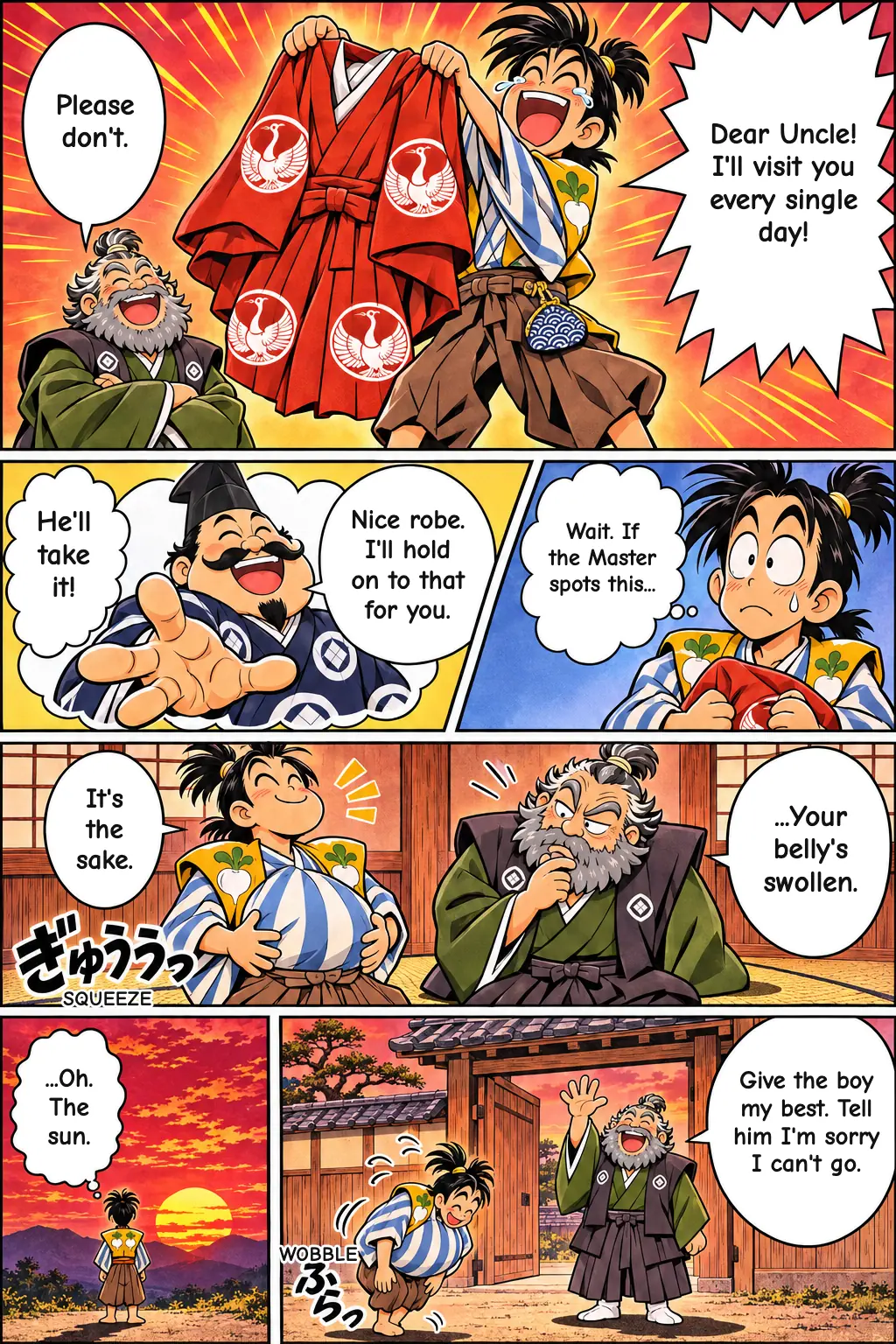
The uncle says the notice is too short and he can't go. But since his nephew is about to set off on a journey, he brings out sake to celebrate. Taro Kaja politely holds back at first, then accepts a cup, then another. The comedy builds as his manners dissolve one drink at a time. How this is staged varies, and some versions play with boasts about how much he can hold or with ever larger cups. Before Taro Kaja leaves, the uncle also gives him a suo, a formal robe, as a farewell gift, and he tucks it inside his clothes. In some tellings there is also a concern about keeping the gift from the master.
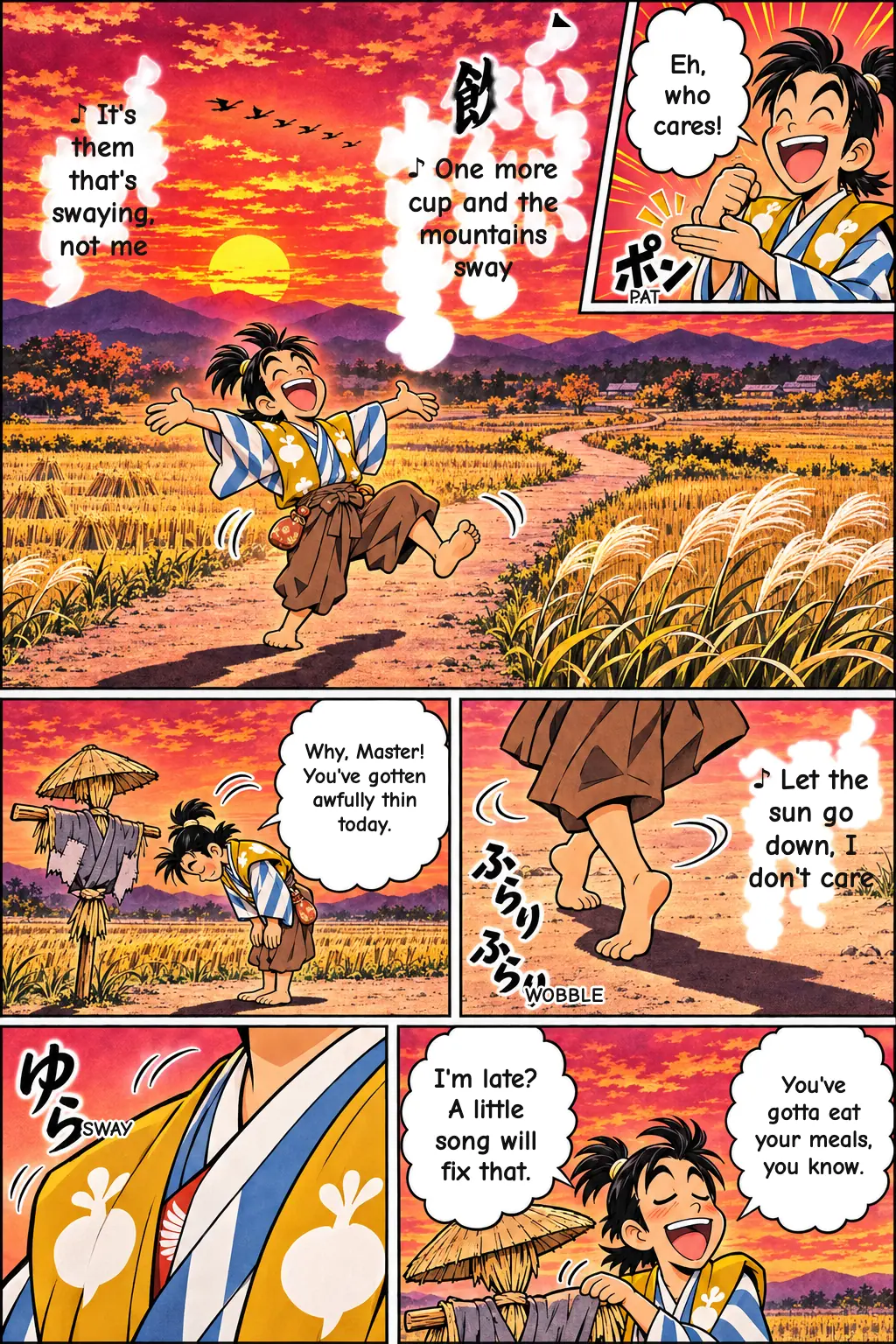
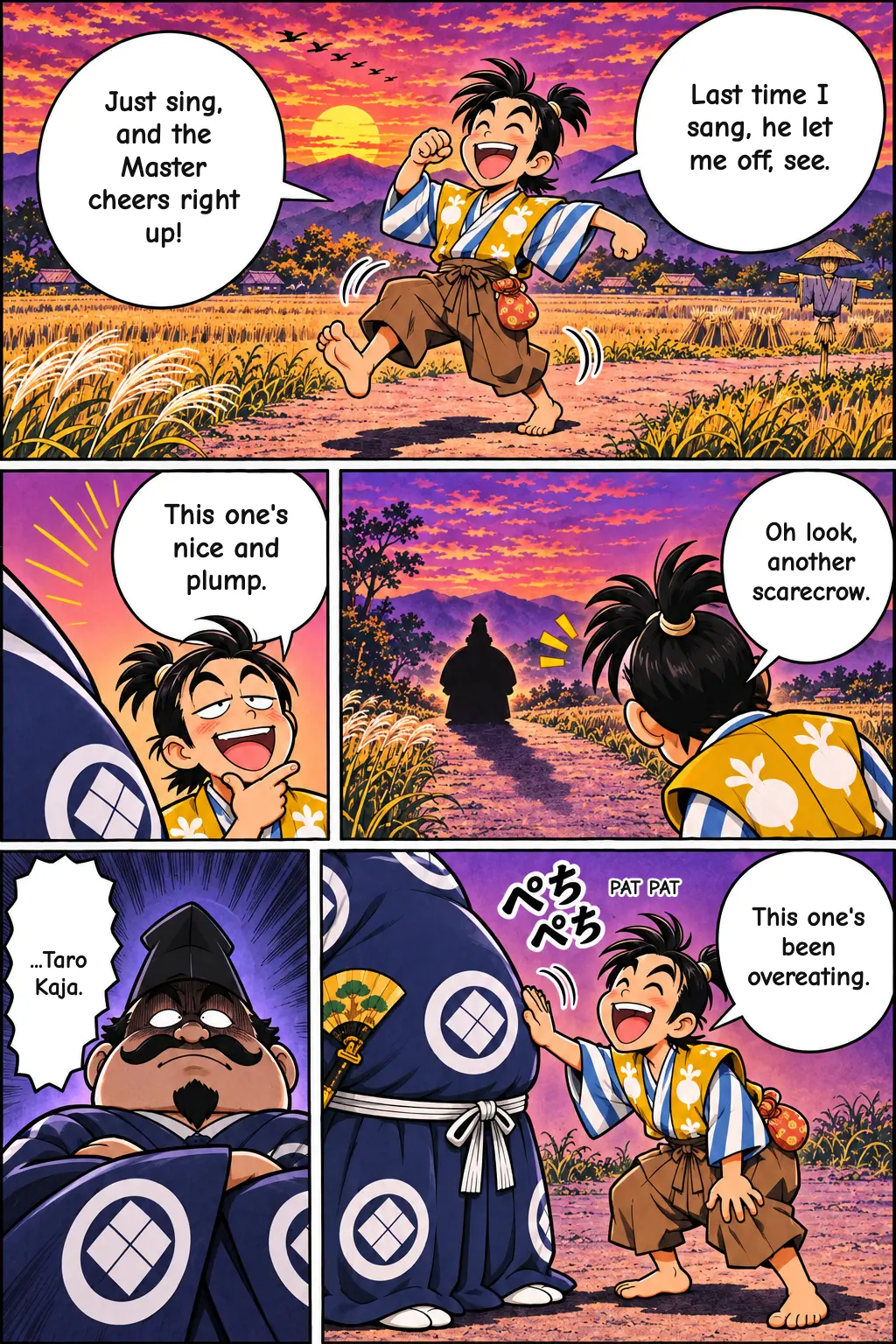
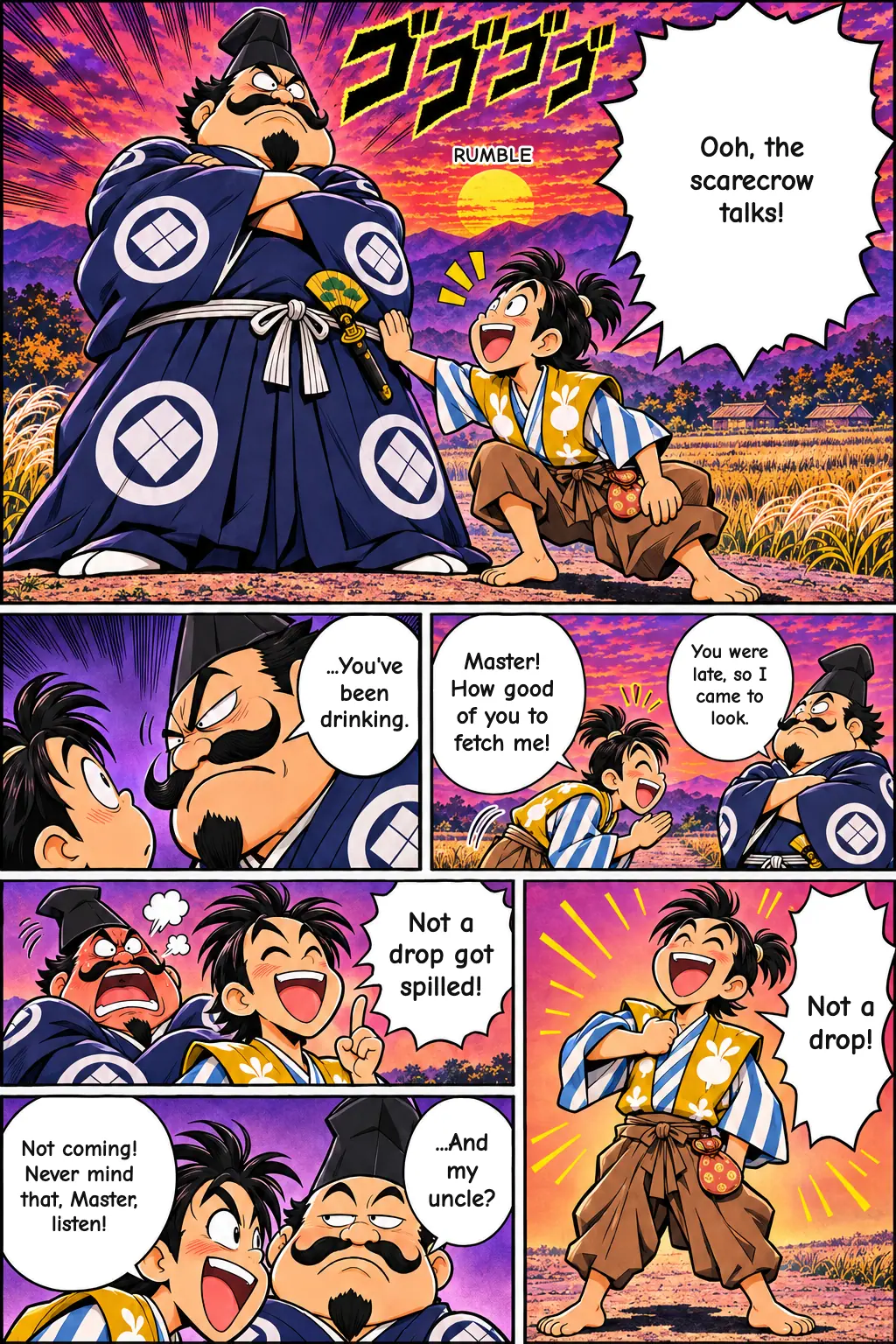
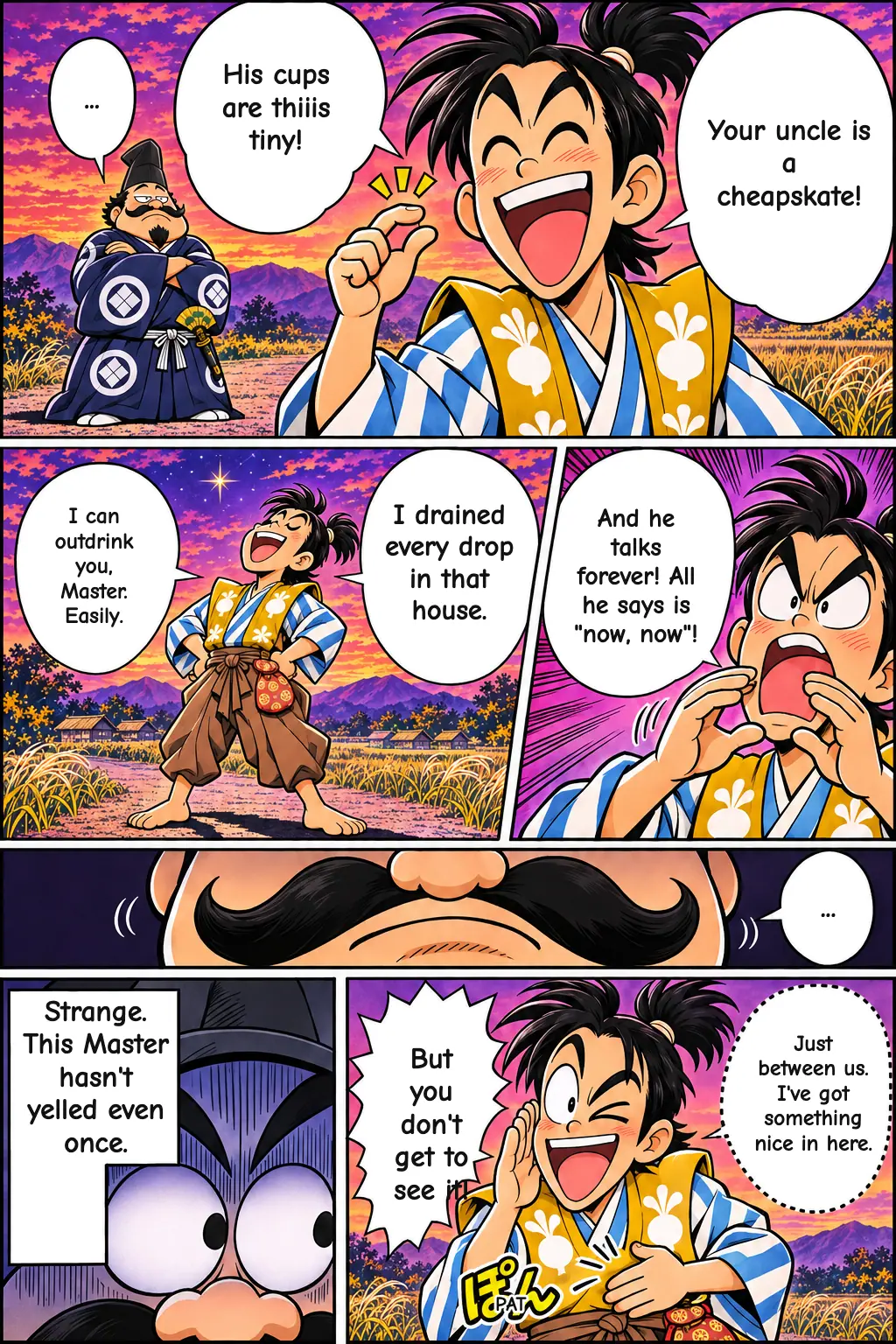
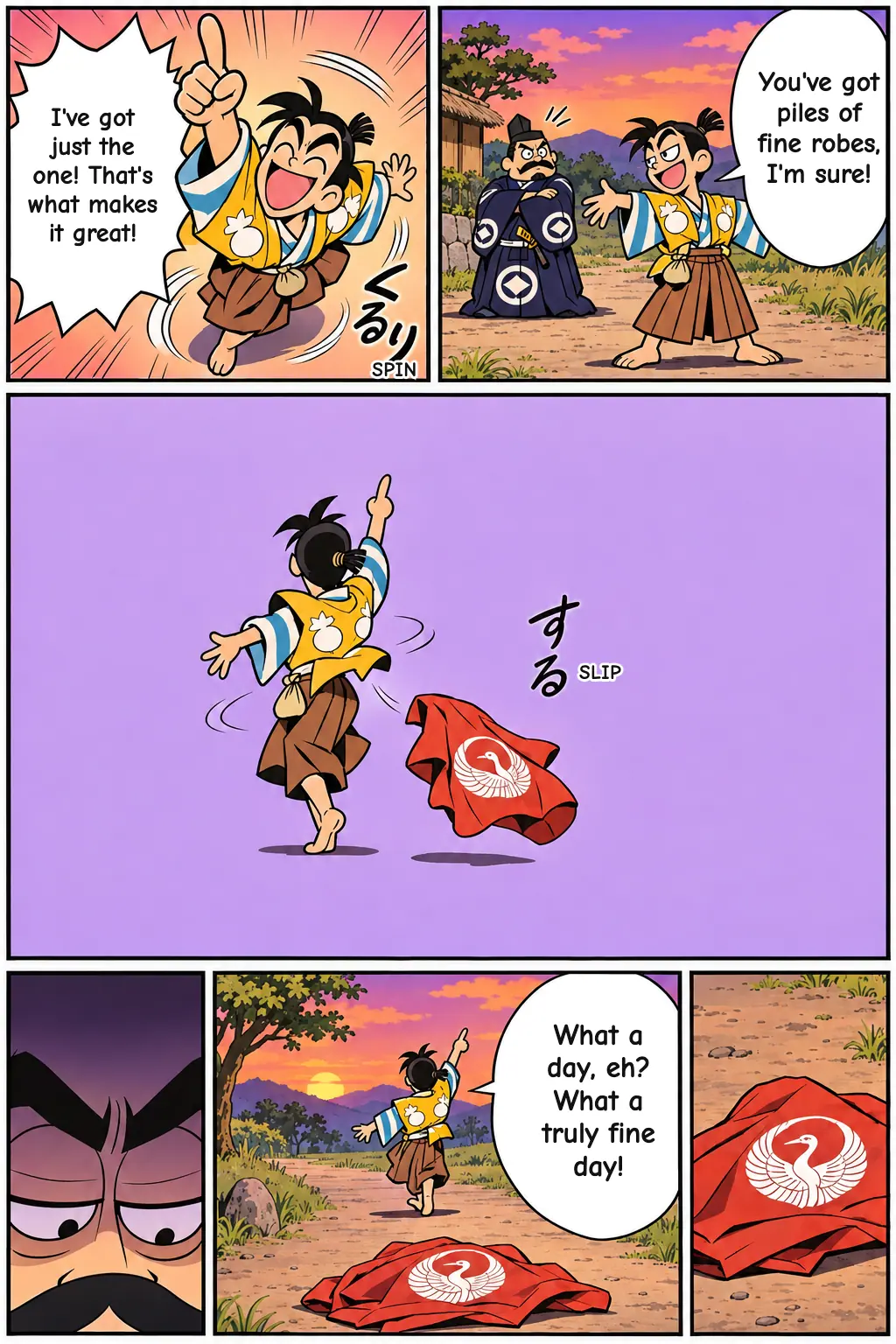
Taro Kaja heads home unsteadily and in high spirits, singing as he goes. Meanwhile his master, wondering what is taking so long, has come out to look for him, and they meet on the road. Emboldened by the sake, Taro Kaja starts running his mouth, bragging and saying things no servant should say to his employer. Exactly what he says, and who bears the brunt of it, may differ between scripts. In the middle of this performance, the robe slips out and falls to the ground.
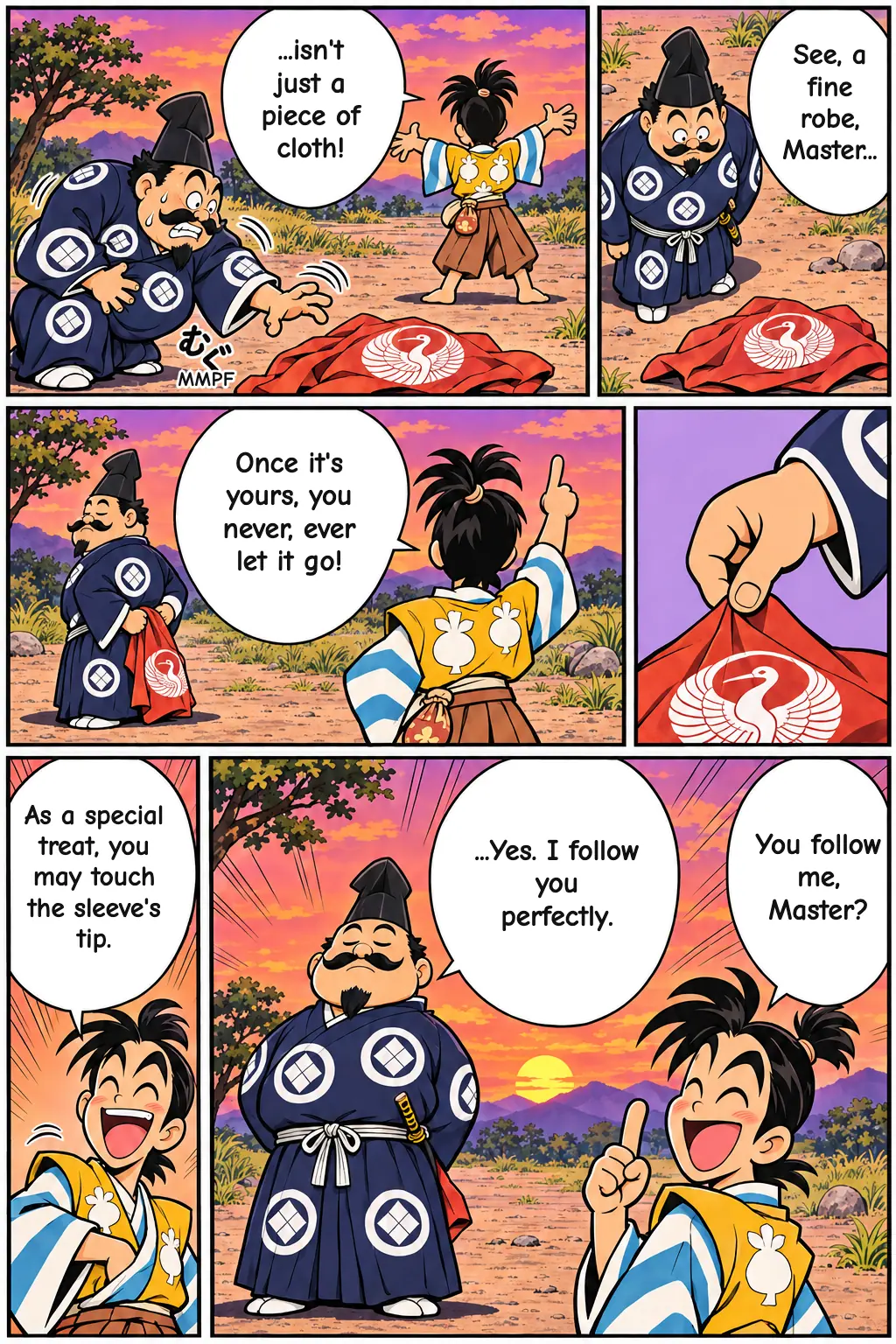
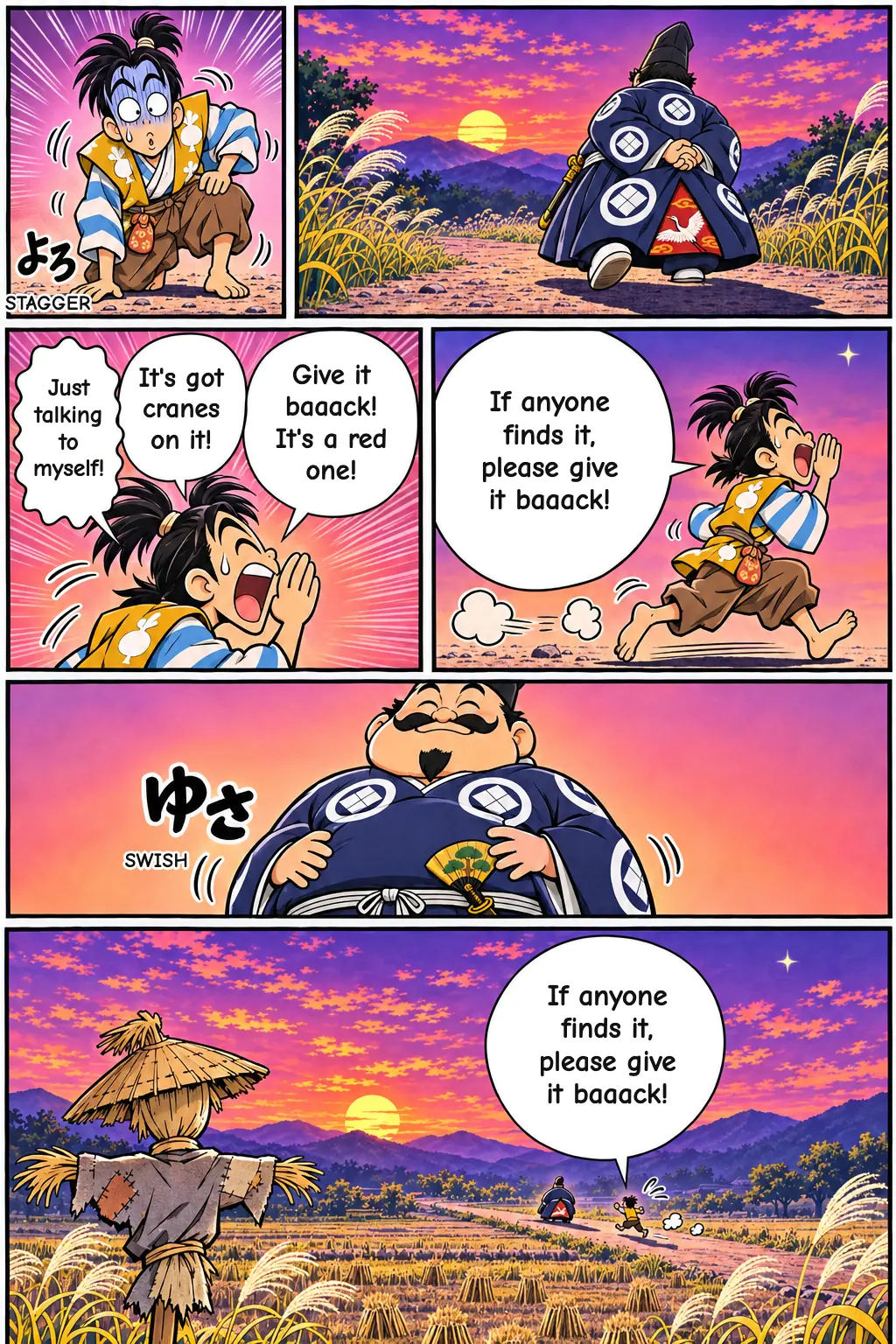
The master picks it up without a word. When Taro Kaja finally notices that the robe is gone, he panics and hunts all over for it. The master simply walks away with it, acting as if nothing has happened, and Taro Kaja hurries after him. That is where the play stops, with no scolding and no neat resolution. The exact wording of Taro Kaja's closing pleas may vary between schools and scripts.
What Is Kyogen, and Why Is This Play Funny?
Kyogen is Japan's classical comic theater, developed alongside the more solemn masked drama known as Noh and performed for around 600 years. Its plays are short, its stages are spare, and its humor comes mostly from ordinary human failings rather than from gods or heroes. Suo Otoshi is classed as a shomyo kyogen, a group of plays built around a minor lord or master and his household servant.
Taro Kaja is the best-known stock character in this tradition, a servant who is often clever, lazy, thirsty, or all three. Plays like this one let audiences enjoy watching the person at the bottom of the household talk back, while also enjoying the moment he gets caught.
The title robe matters because it turns a drinking joke into a trap. A suo is formal wear, so it is a generous present and a real loss. The silent pickup is the play's sharpest move. A furious master would give Taro Kaja something to argue with, but a master who says nothing leaves him alone with his own embarrassment. The play never explains what the master intends to do, and part of the fun is that the audience gets to wonder.
Ise Pilgrimage and the Send-Off Drink
The setting draws on customs that early audiences would have recognized. Ise Grand Shrine, in present-day Mie Prefecture, was a major destination for religious travel, so a pilgrimage is a believable reason to rush a servant out the door. Marking someone's departure with a drink and a parting gift is also a natural social ritual, and the uncle's generosity follows from it. Taro Kaja's downfall therefore doesn't come from wickedness. It comes from good manners, family affection, and being unable to say no to one more cup.
What the Manga Changes
The core of Episode 9 follows the traditional play: the errand, the uncle's refusal, the sake, the gift, the road home, the dropped robe, and the master's quiet pickup. The cold sweat of being caught by someone who won't shout also grows directly out of the play's ending, though the manga's emphasis and its running "Not a drop" gag are its own way of staging the scene.
Several things are new to the manga and shouldn't be taken as part of the traditional play. It portrays the master as a lord with a lawsuit about to be settled, making the Ise journey a trip to pray for a good outcome. This invented backstory also links the episode to the series finale. The manga also fleshes out the master's personality and what he may be feeling after taking the robe, a question the play leaves open.
Other details are creative additions as well, including the uncle's home and way of life, the staging of the drinking scene, the props and snacks, the words of Taro Kaja's song, and the scenery along the road. Any aftermath beyond the chase also belongs to the manga, not to the original play.
Where to Read It
If this story sounds fun on the page, it is even better when you can watch Taro Kaja's face change panel by panel. Episode 9 of KYOGEN: Japan's 600-Year-Old Comedy tells it as a manga, and the whole series is free to read here on Manga Portal with no sign-up. It is an easy way into kyogen even if you have never seen a live performance. Start with this episode, or go back to Episode 1 and meet the rest of the cast.
Characters in this episode
Taro Kaja
The servant at the center of the play and its lead role, a nephew of the uncle who can't turn down a drink and loses his gift robe while bragging drunkenly.
The Master
Taro Kaja's employer, who suddenly decides to visit Ise, goes out looking for his late servant, and silently walks off with the fallen robe.
The Uncle
Taro Kaja's generous uncle, who declines the pilgrimage invitation but sends his nephew off with sake and a formal robe.
FAQ
What is Suo Otoshi about?
Suo Otoshi is a kyogen comedy about the servant Taro Kaja, who gets drunk on an errand to his uncle's house and receives a formal robe as a gift. He drops it while mouthing off to his master, who quietly picks it up and walks away.
What does Suo Otoshi mean?
The title combines suo, a type of traditional formal robe, with otoshi, meaning dropping or losing. It can be understood as "The Dropped Robe."
Who is Taro Kaja in kyogen?
Taro Kaja is kyogen's best-known stock servant and appears in many different plays. He is typically a comic figure whose appetites, excuses, and schemes get him into trouble with his master.
How does Suo Otoshi end?
The master walks off holding the robe and pretends he knows nothing about it, while a panicked Taro Kaja follows him. The play ends there, without a formal punishment or an explanation of what the master will do next.
Is the KYOGEN manga faithful to Suo Otoshi?
The main events follow the traditional play, including the sake, the gift, and the dropped robe. The manga adds its own material, such as the master's lawsuit and vow at Ise, the lyrics of Taro Kaja's song, and much of the visual detail.