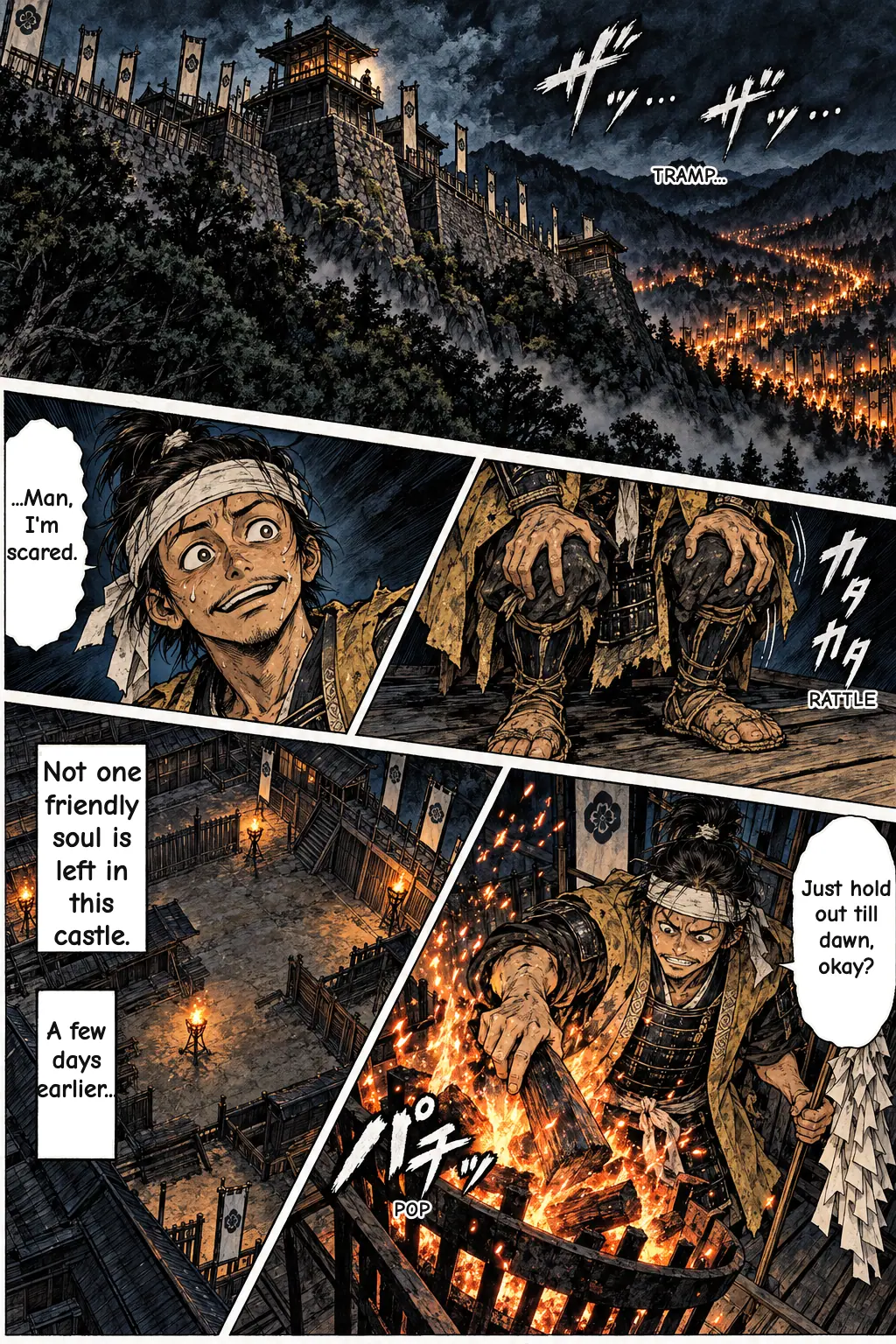
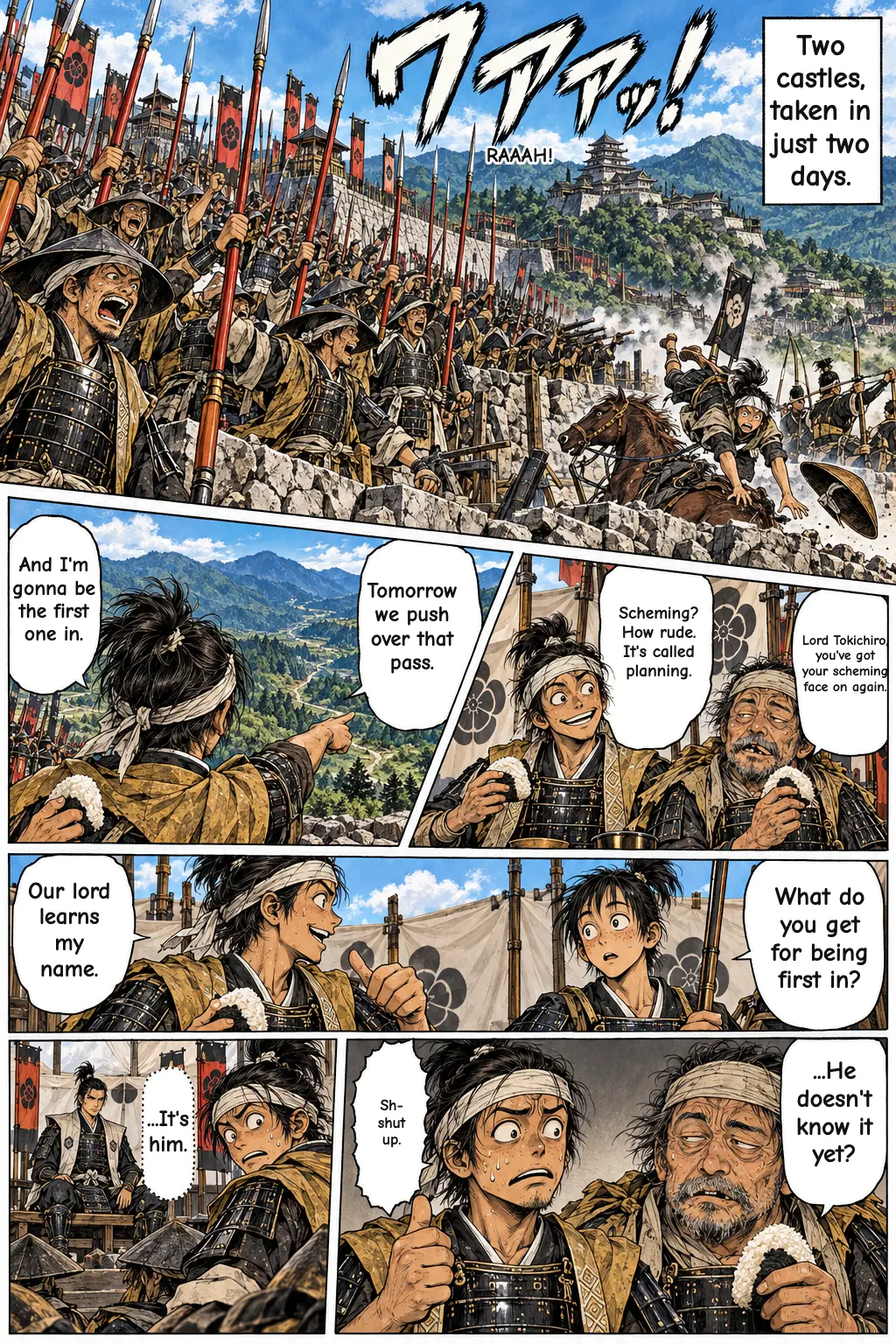
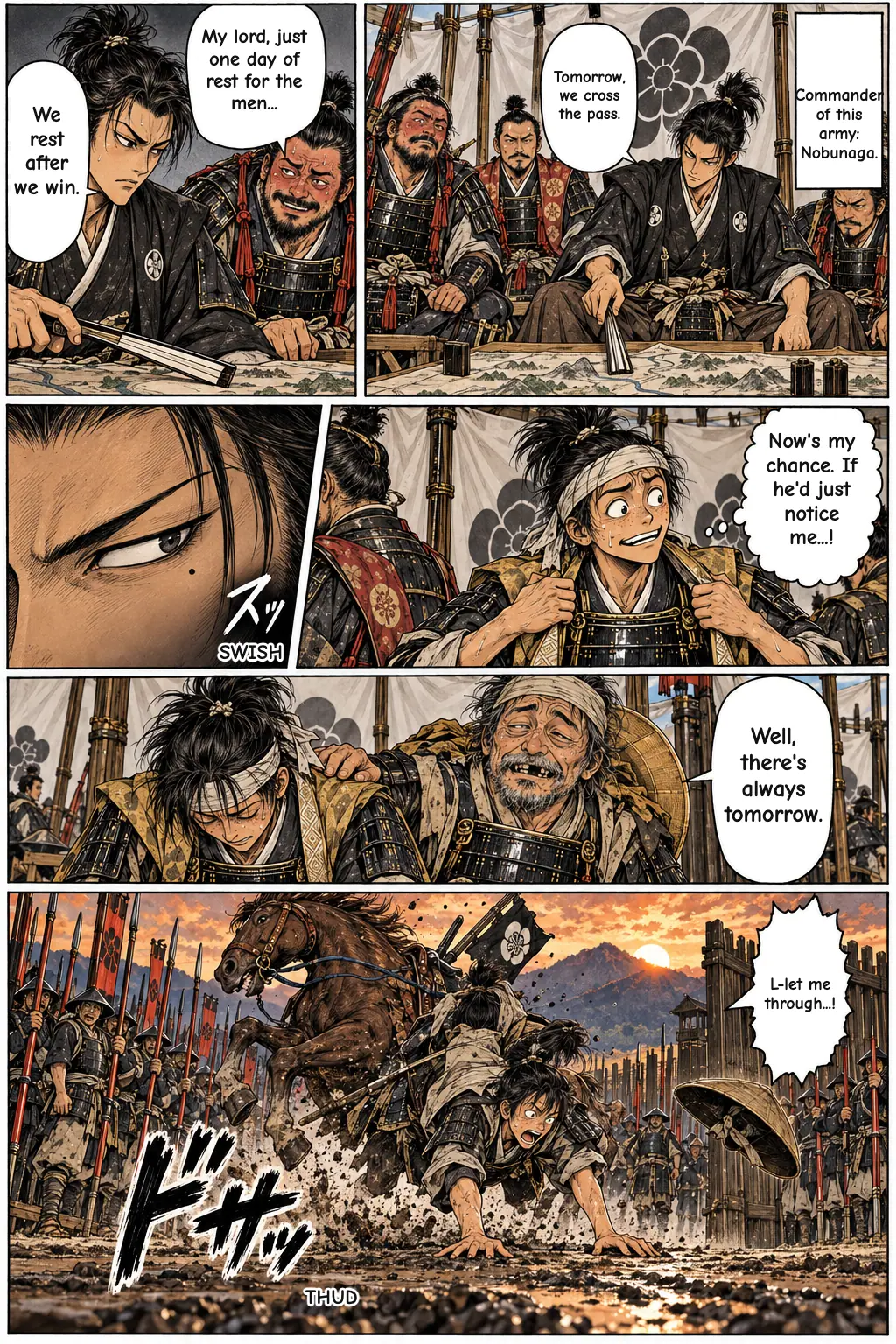
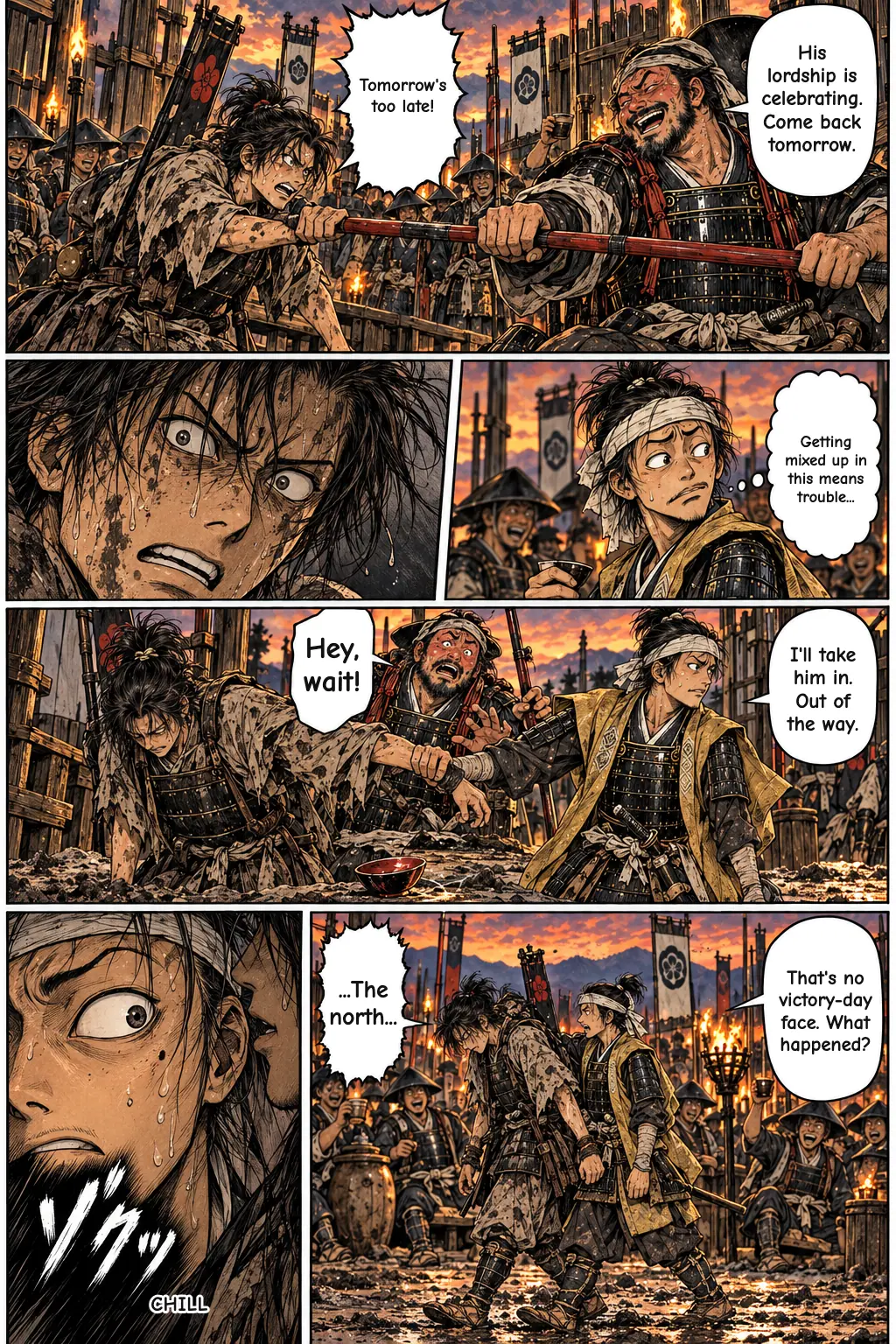
Episode 5Hold the Castle Until Dawn. Alone.The Kanegasaki Retreat
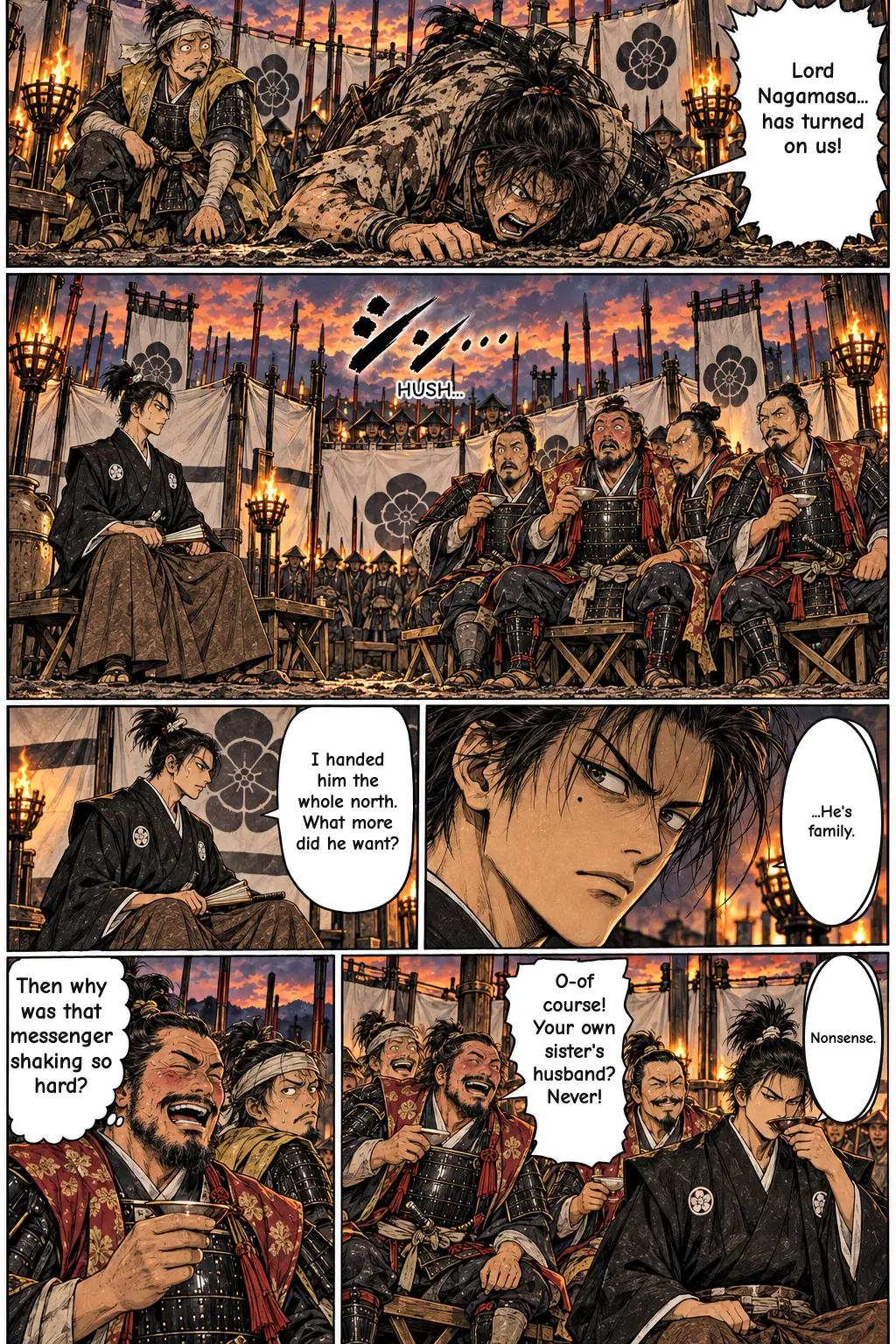
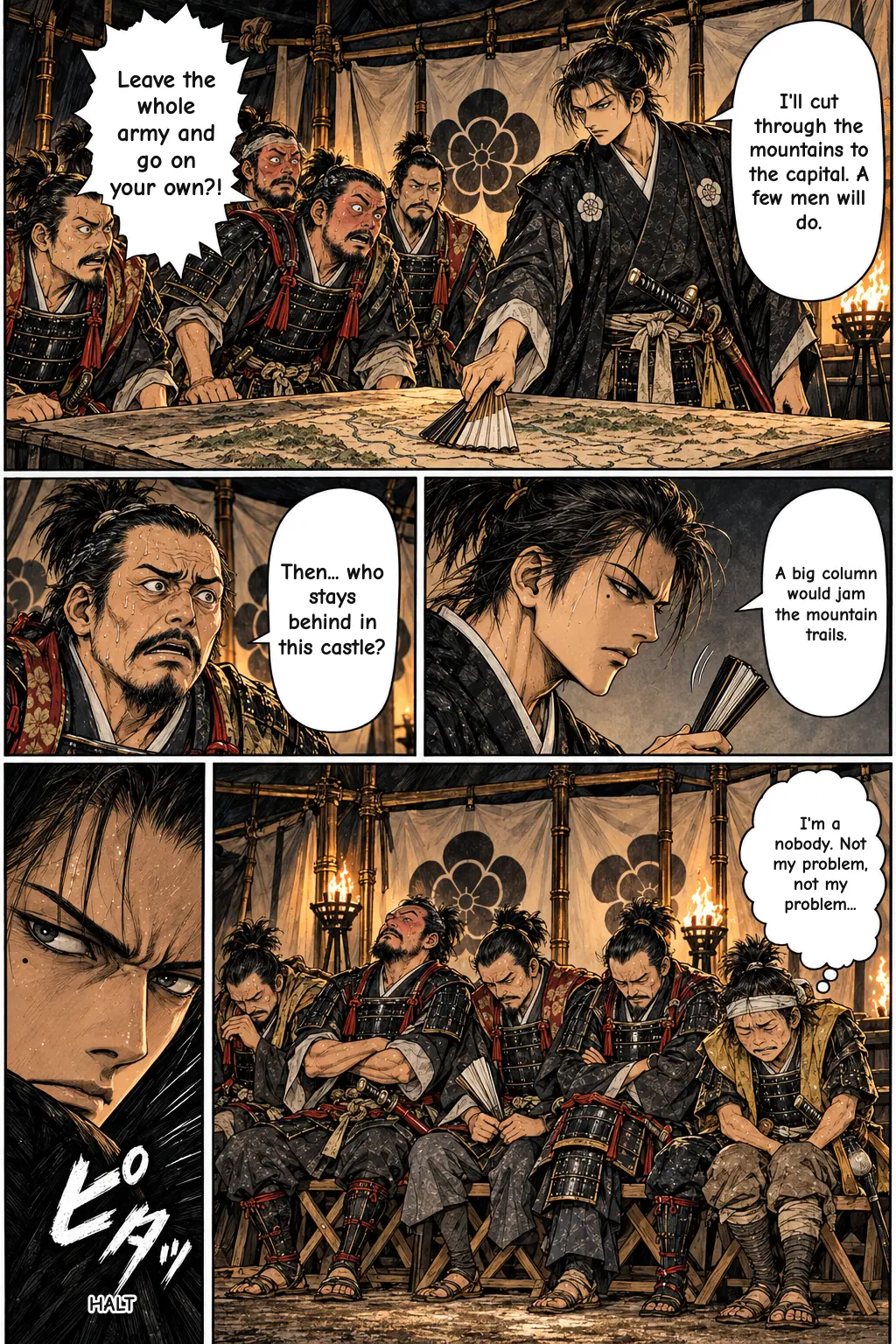
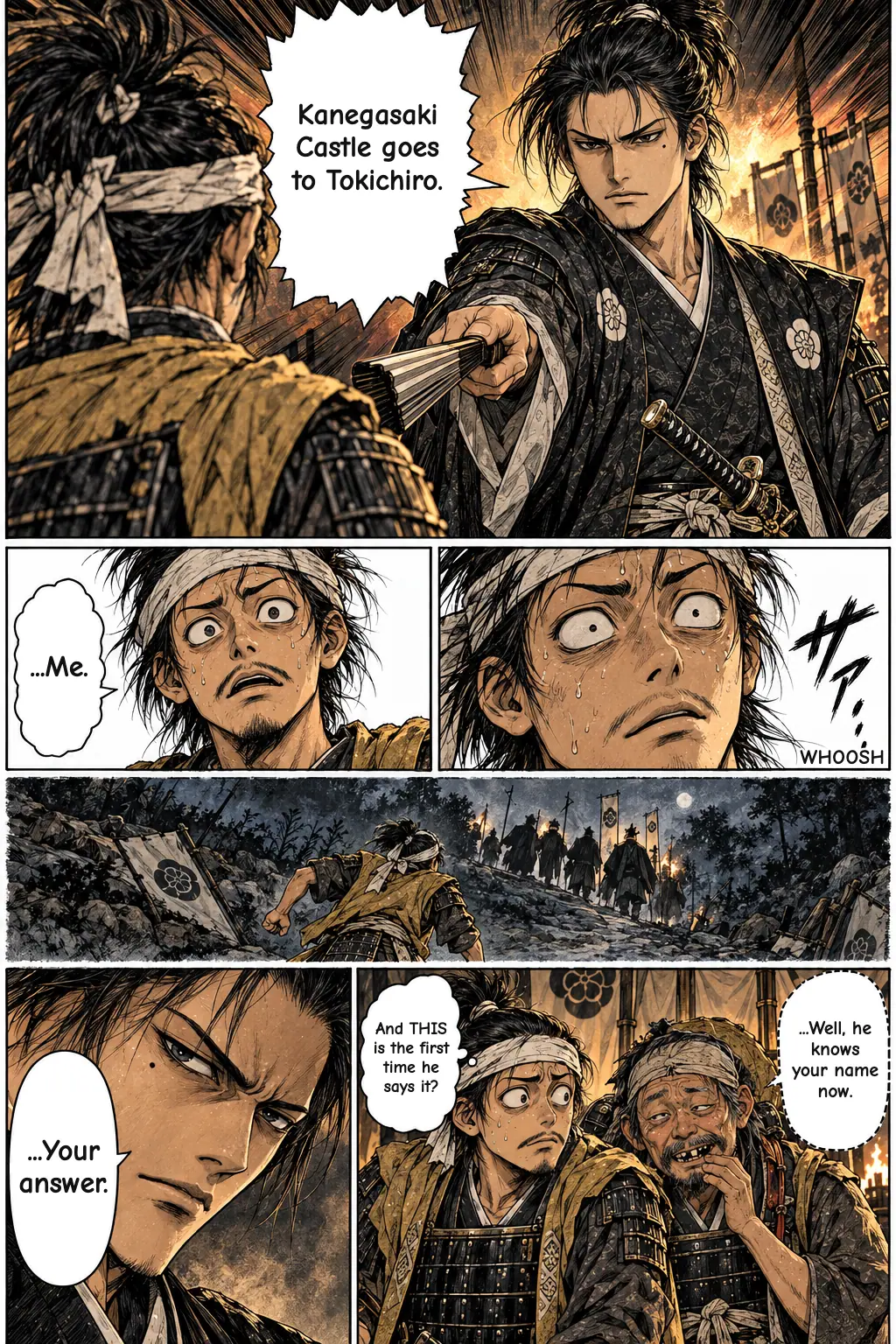
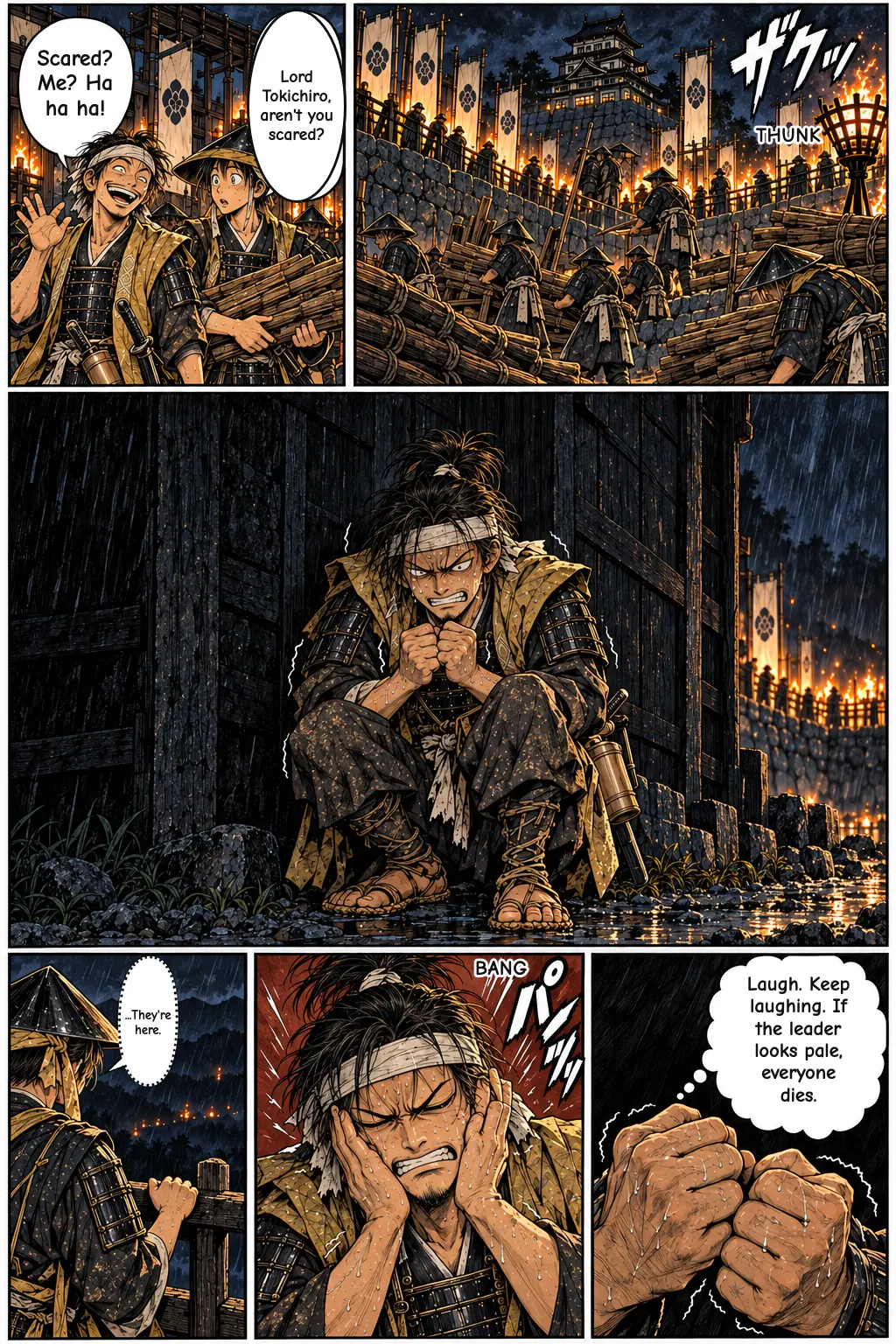
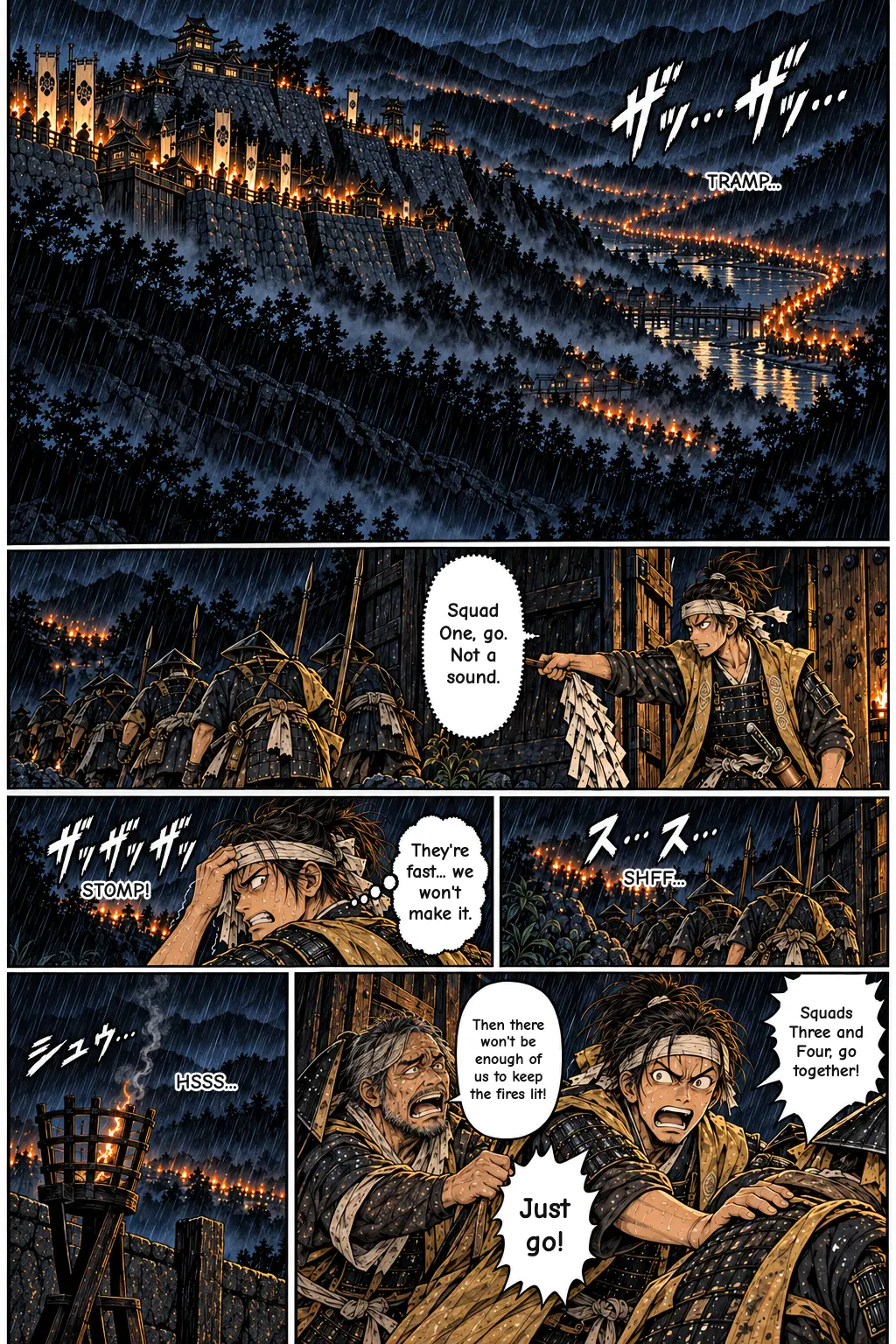
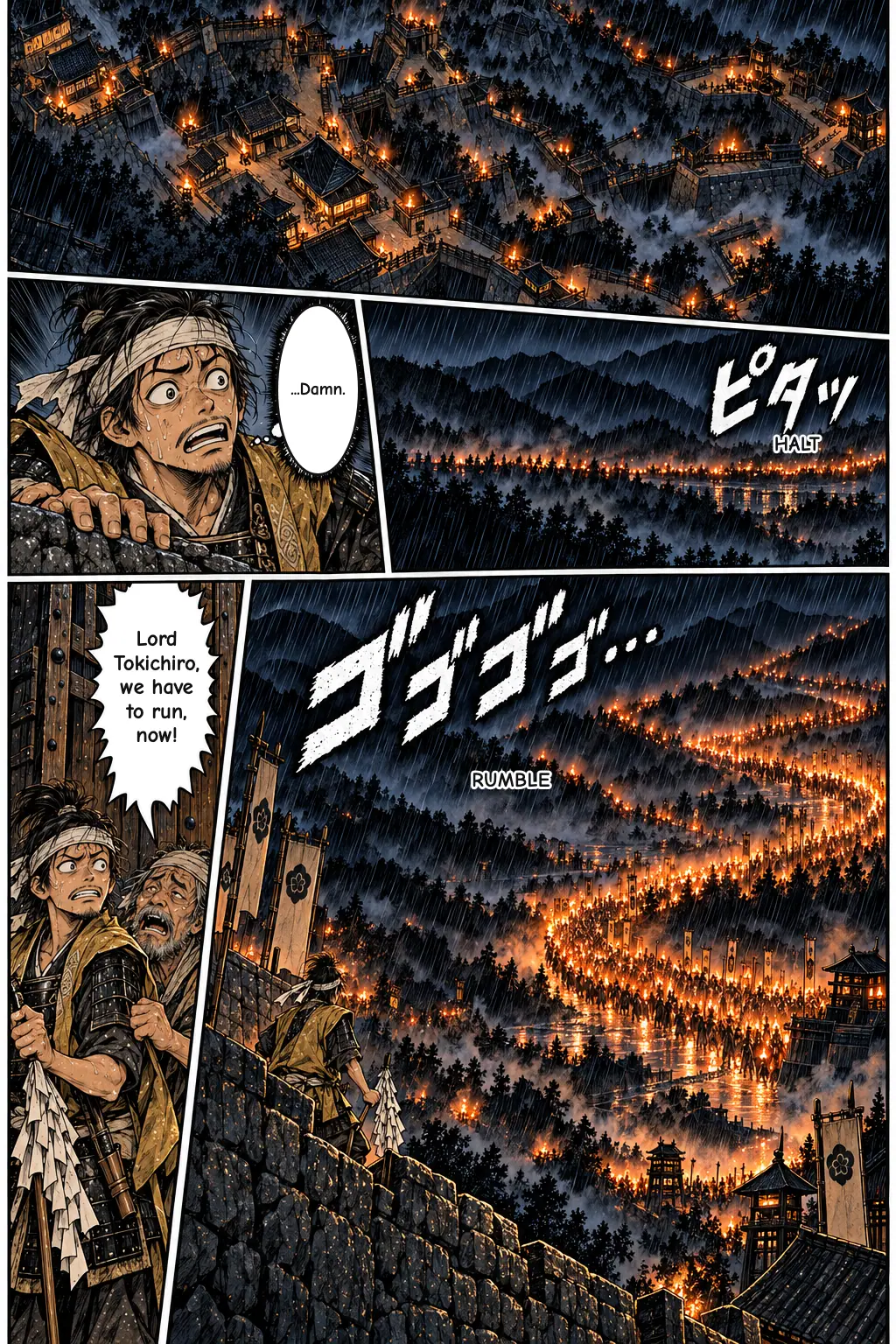
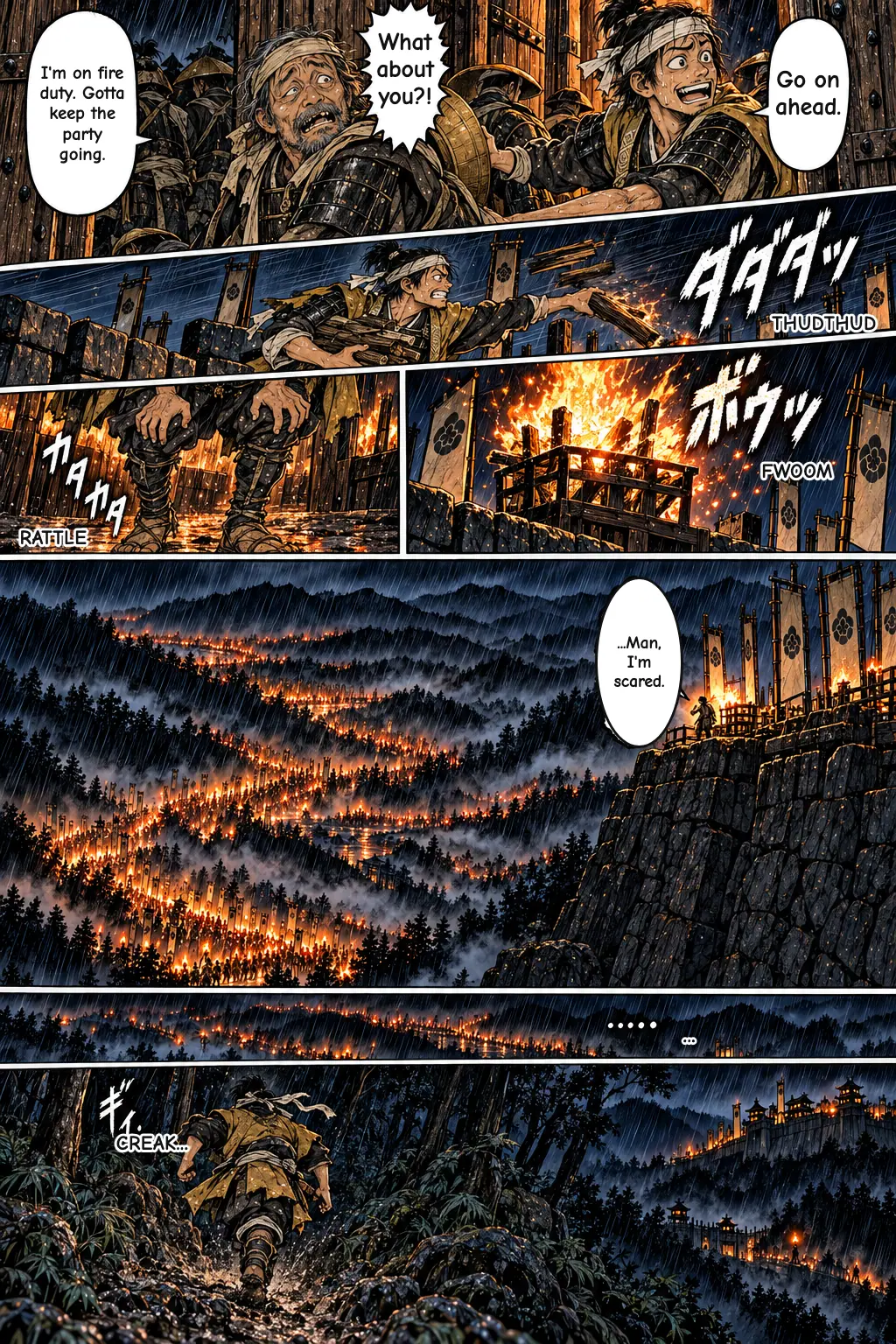
Two castles in two days have the camp celebrating, until word comes that family has switched sides, and the army is trapped front and back in an instant. Lord Nobunaga decides to escape through the mountains. The man left behind in the empty castle is Tokichiro, a small soldier who only ever wanted his lord to learn his name.
Bookmark the series page so you can jump back in when the next episode is out: SAMURAIRSS for this series
Get new episodes in your feed. Follow us on:ThreadsBluesky
Story summary
The main source for this episode is "Shincho Koki" (The Chronicle of Lord Nobunaga), written by Ota Gyuichi, a retainer who served Oda Nobunaga. In its entry for Genki 1 (1570), it says Nobunaga left Kyoto on the 20th day of the fourth month. He passed through Sakamoto and then through Kumagawa and Sakata in Wakasa province, and on the 25th he reached Tsuruga in Echizen, the land ruled by the Asakura clan. Nobunaga attacked Tezutsuyama Castle at once, and the chronicle says his men took a great many heads.
The Kanegasaki Retreat Explained: Nobunaga's Escape and Tokichiro (Hideyoshi) Left Behind
In short: The Kanegasaki Retreat (Kanegasaki no Nokiguchi) took place in 1570. Oda Nobunaga had just captured two Asakura castles in Echizen when word came that his own in-law, Azai Nagamasa, had turned against him. Nobunaga pulled out, left Kinoshita Tokichiro (the future Toyotomi Hideyoshi) at Kanegasaki Castle, and escaped through the Kutsuki mountains to Kyoto. The event is recorded in Ota Gyuichi's chronicle "Shincho Koki."
The Story in the Original Chronicle
The main source for this episode is "Shincho Koki" (The Chronicle of Lord Nobunaga), written by Ota Gyuichi, a retainer who served Oda Nobunaga. In its entry for Genki 1 (1570), it says Nobunaga left Kyoto on the 20th day of the fourth month. He passed through Sakamoto and then through Kumagawa and Sakata in Wakasa province, and on the 25th he reached Tsuruga in Echizen, the land ruled by the Asakura clan.
Nobunaga attacked Tezutsuyama Castle at once, and the chronicle says his men took a great many heads. The next day Asakura Kagetsune, who held nearby Kanegasaki Castle, surrendered and handed it over, and the defenders of Hikita Castle simply abandoned it. Two castles had fallen in two days. Nobunaga meant to keep going over the Kinome Pass into the heart of Echizen.
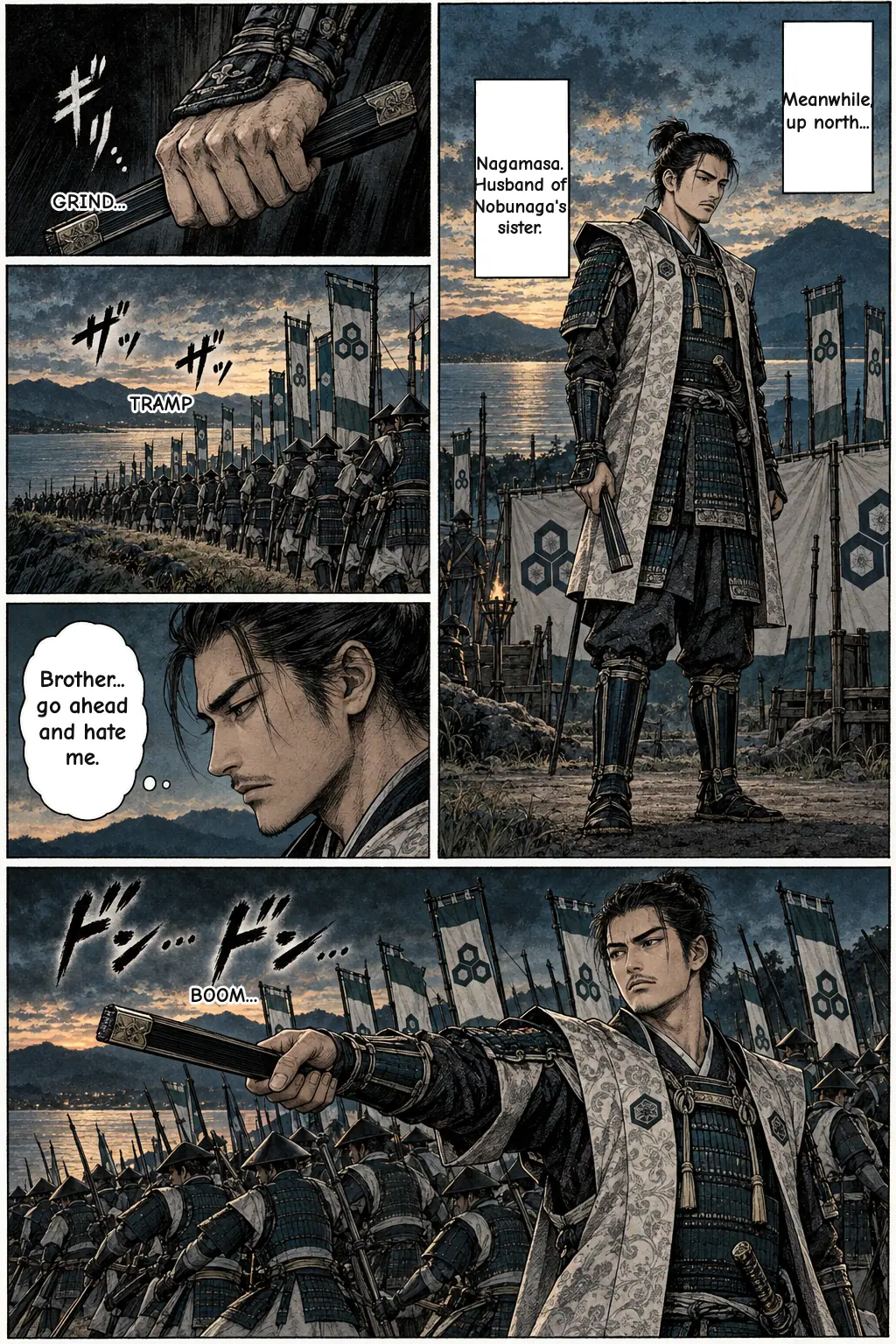
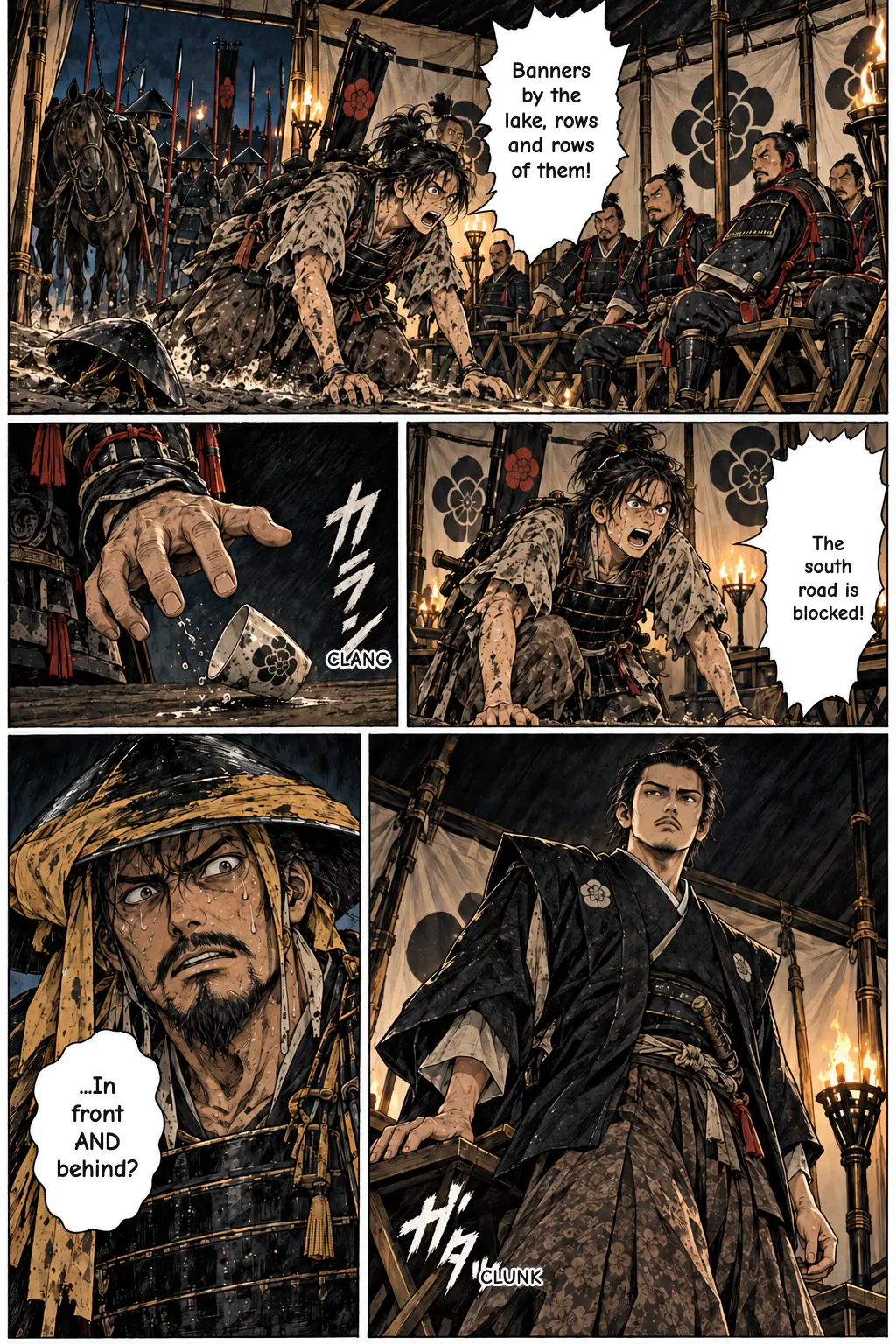
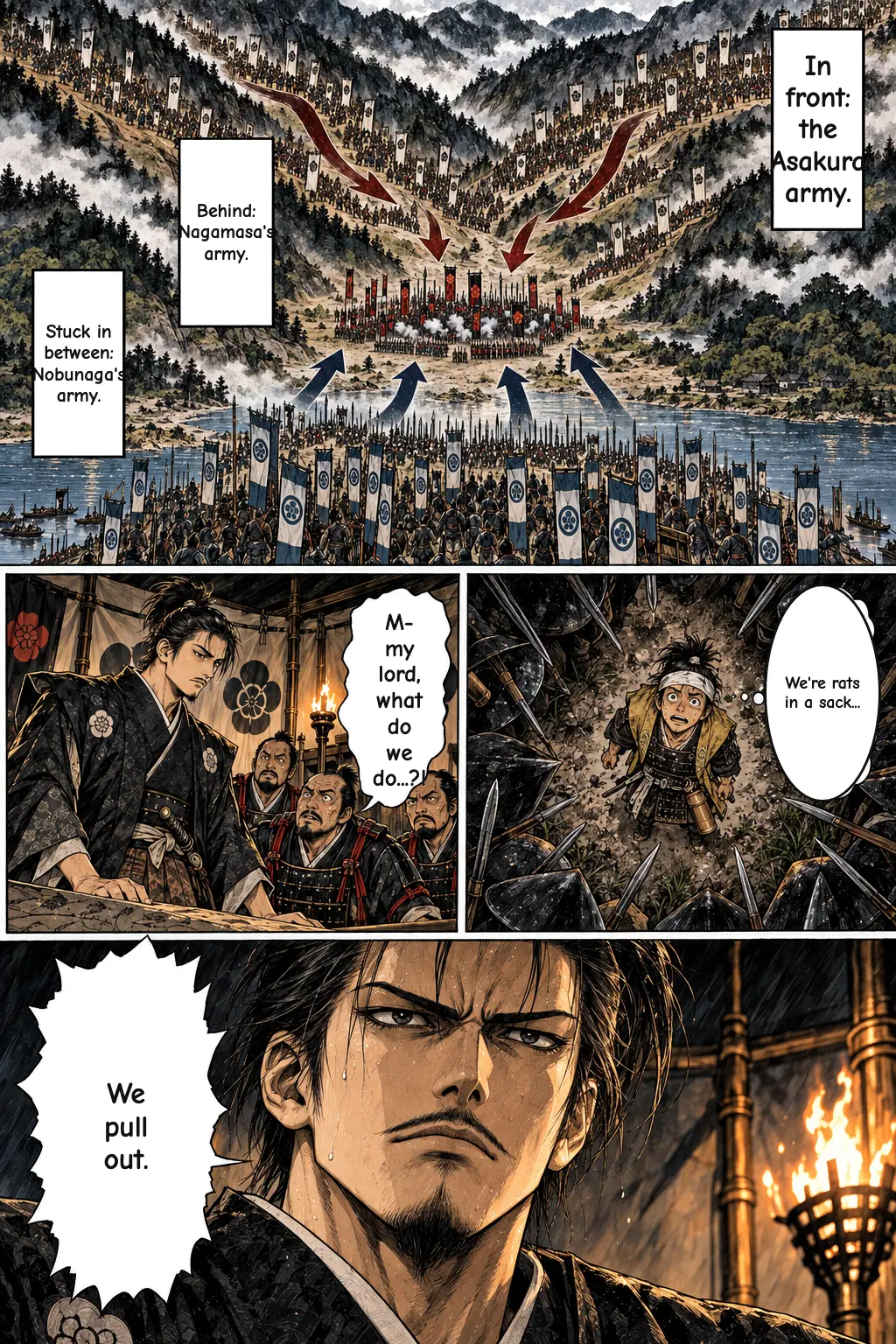
Then news came that Azai Nagamasa of northern Omi had turned against him. Nobunaga at first called it a false rumor. Nagamasa was family to him, and Nobunaga had trusted him with all of northern Omi, so what reason could he have to complain? But more reports came in from many places saying the same thing. Northern Omi sat behind Nobunaga's army, so Azai's betrayal left him facing the Asakura in front with the road home cut off behind.
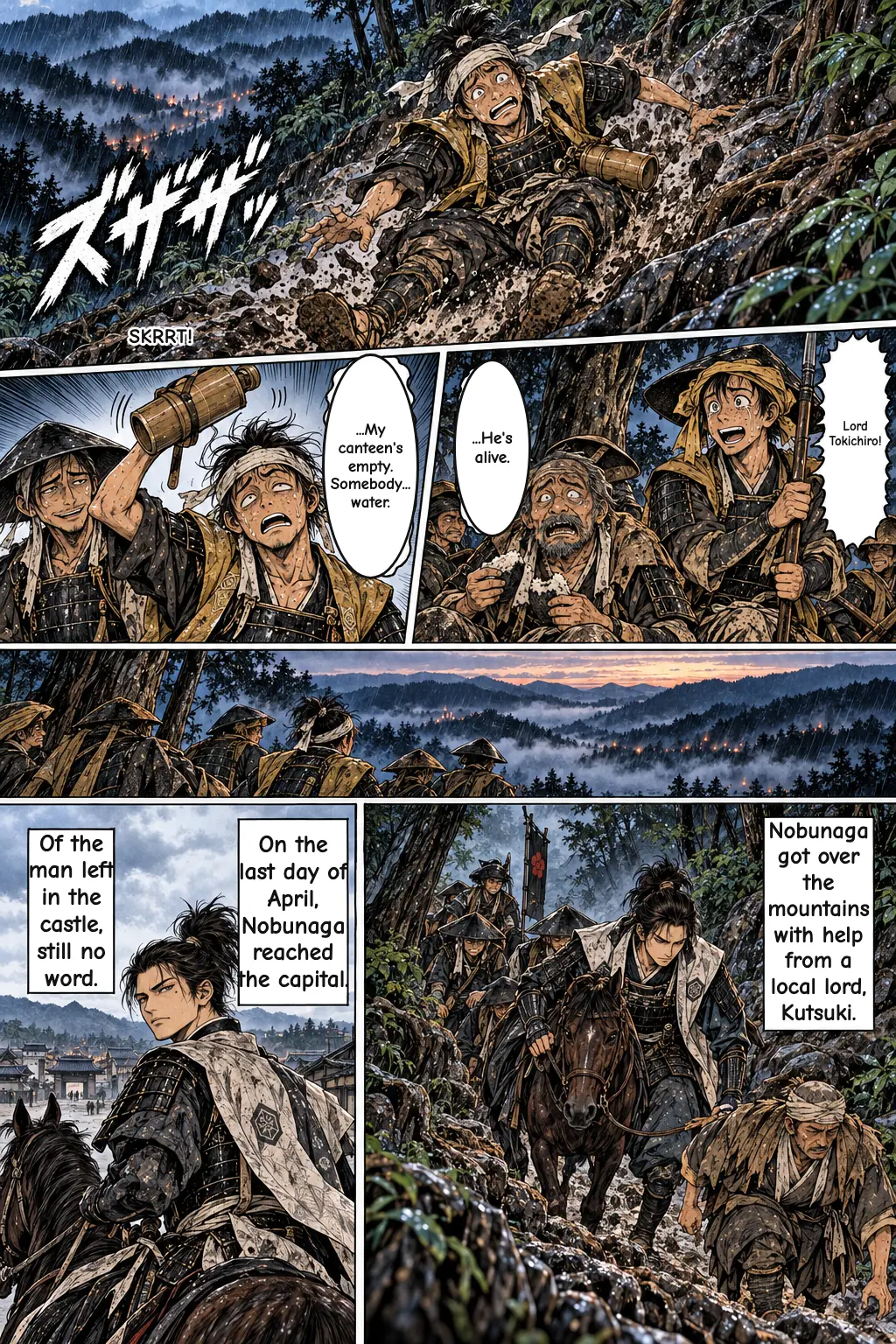
Nobunaga decided to withdraw. The chronicle notes, very briefly, that Kinoshita Tokichiro was left behind at Kanegasaki Castle. Nobunaga himself took the mountain road through Kutsuki with help from Kutsuki Mototsuna, the local lord, and reached Kyoto on the last day of the fourth month.
Main Characters
Oda Nobunaga is the commander of the campaign. In the chronicle he moves fast in both directions: he takes the castles quickly, and once the reports are confirmed he retreats just as quickly. Kinoshita Tokichiro, the man later known as Toyotomi Hideyoshi, gets only one line, which says he was left at Kanegasaki. Azai Nagamasa never appears in person in this passage. He shows up only as news of his betrayal. Widely accepted history holds that he was married to Nobunaga's sister Oichi, which is why the chronicle calls him family.
On the Asakura side, Asakura Kagetsune gives up Kanegasaki Castle. Kutsuki Mototsuna, lord of the Kutsuki valley, makes Nobunaga's escape route possible. Asakura Yoshikage, the lord of Echizen, does not clearly appear on the battlefield in this entry.
Legends and Later Accounts
Many famous details of the retreat do not come from this passage of "Shincho Koki." One popular legend says Oichi sent her brother a bag of red beans tied shut at both ends, as a hidden warning that he was about to be trapped from both sides. It makes a vivid image, but it is a later tale. It is not in the chronicle.
Other details come from different sources or later traditions. One is that Tokichiro volunteered to guard the rear. Another is that Tokugawa Ieyasu, Ikeda Katsumasa and Akechi Mitsuhide also fought in the rearguard. A third says Matsunaga Hisahide convinced Kutsuki Mototsuna to let Nobunaga pass. It is also commonly said that Nobunaga gave the campaign out as a strike against the Takeda (Muto) of Wakasa when his real target was the Asakura, but that is a later reading. The chronicle does not say how Tokichiro fought his way out or when he met Nobunaga again.
Why the Kanegasaki Retreat Matters
Kanegasaki shows how fragile alliances were in the Sengoku, or Warring States, period, when marriage ties between clans could break overnight. In a few days Nobunaga went from winning the campaign to running for his life. Many historians count it among the most dangerous moments of his career.
The retreat also became a key part of Hideyoshi's legend. Holding the rear while the main army escapes, a duty called shingari in Japanese, was among the deadliest jobs a samurai could be given. Later storytellers built Tokichiro's rise from humble soldier to ruler of Japan partly around this night, even though the chronicle itself says almost nothing about it.
What the Manga Changes
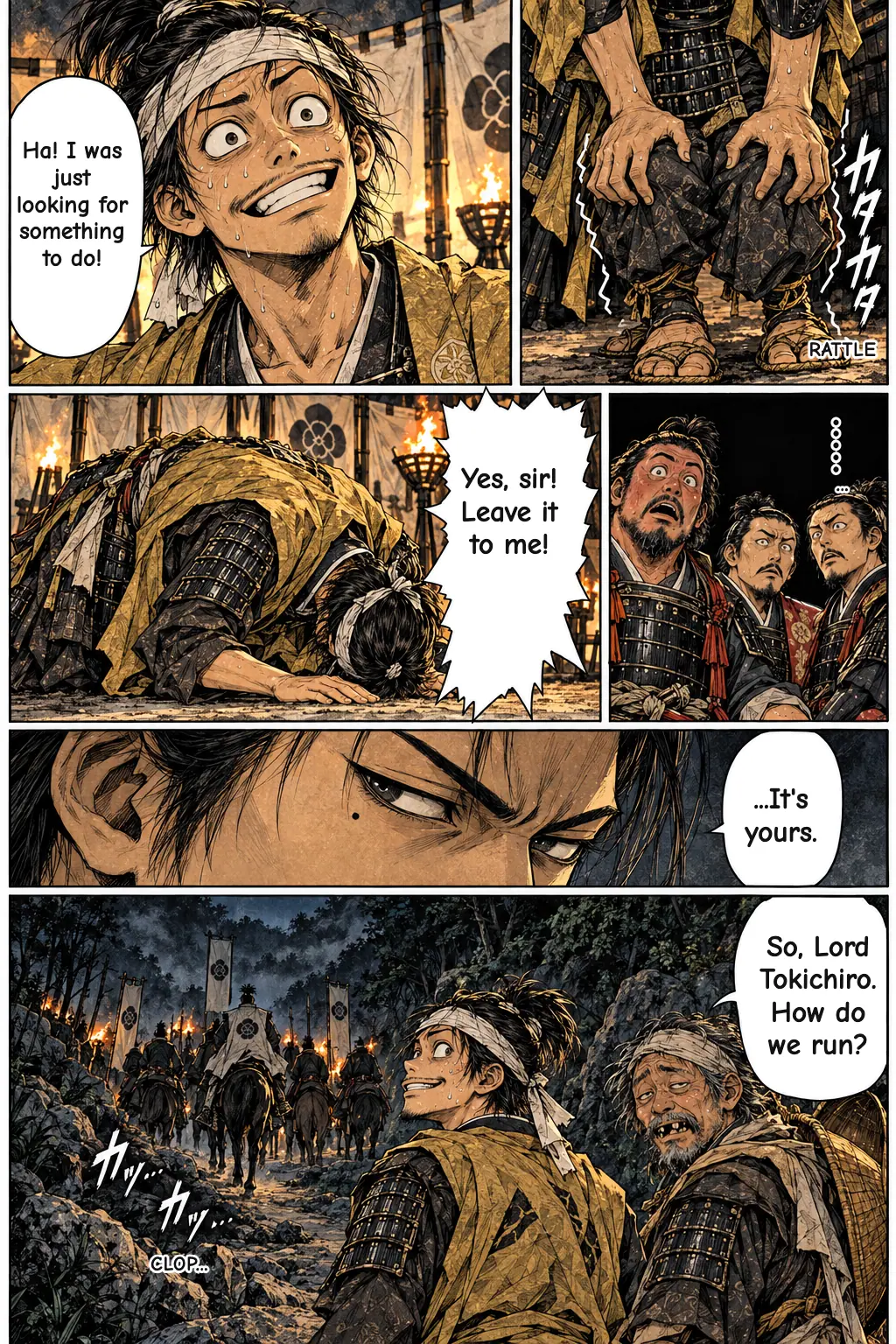
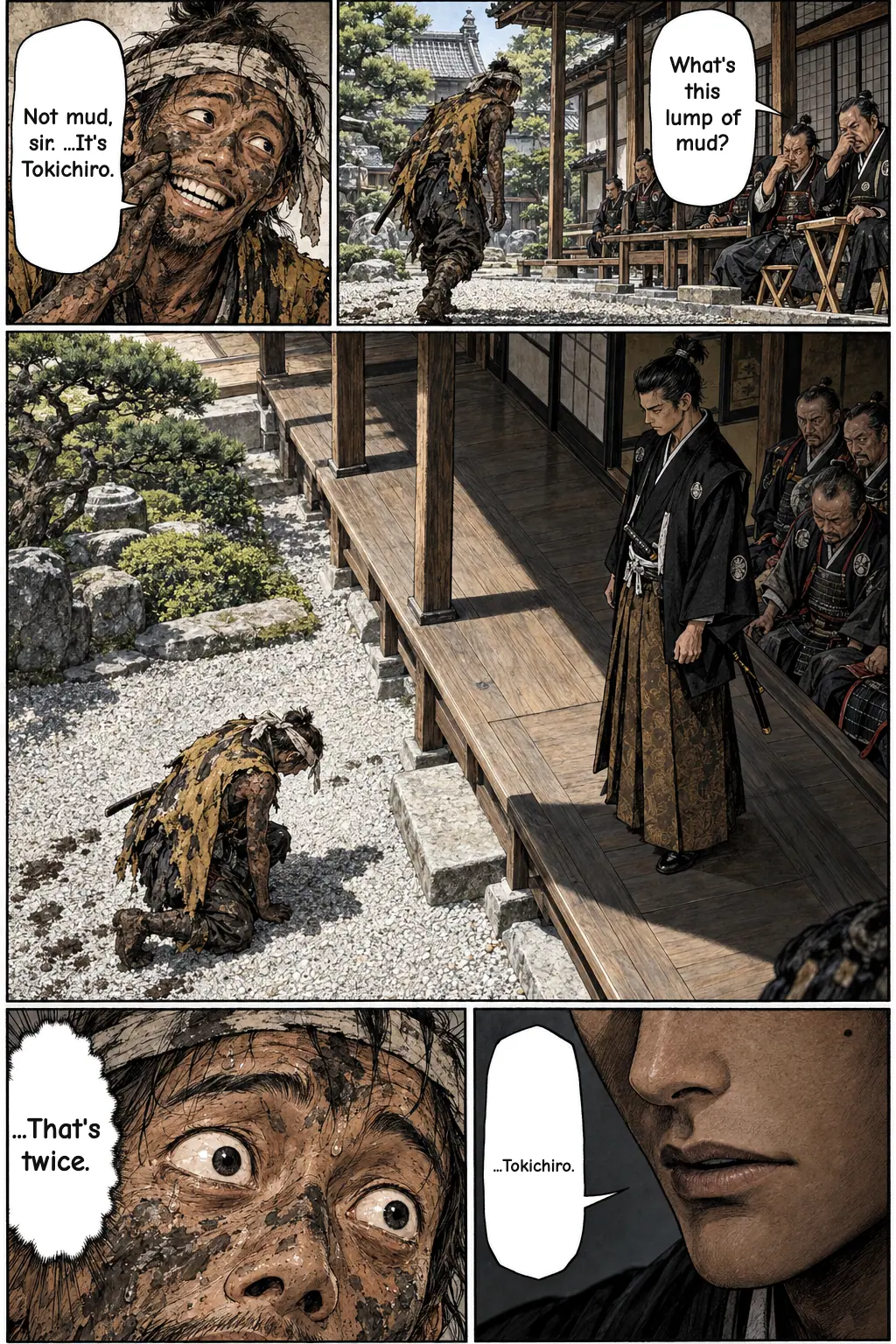
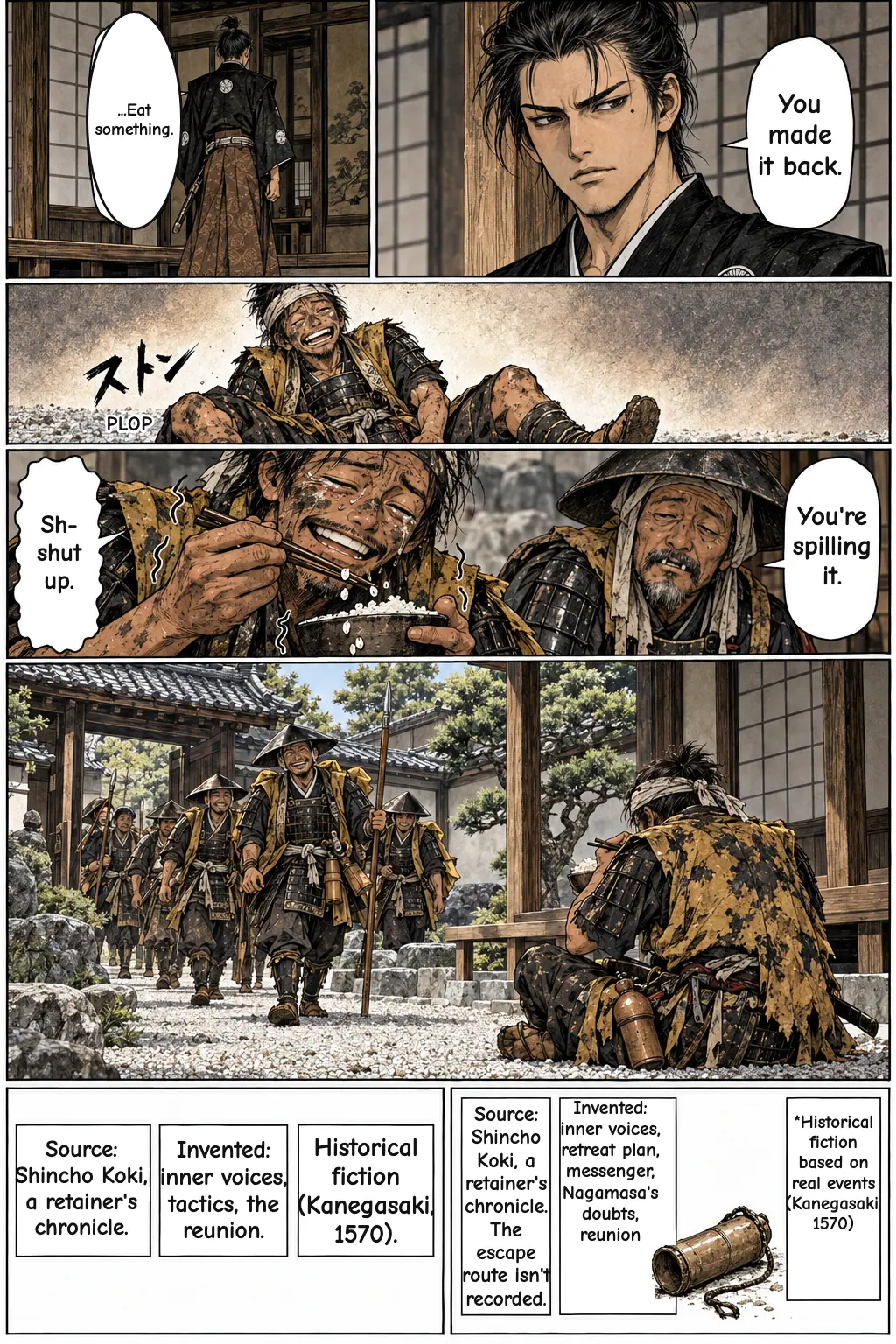
Episode 5 of SAMURAI: Legends of the Warring States follows the chronicle's main events: the two quick victories, the news of Azai's betrayal, Nobunaga's choice to retreat through the mountains, and Tokichiro being left behind. Everything the chronicle leaves out is our own dramatization. That includes Tokichiro's fear and resolve, the look on his face when he is ordered to stay, and his dream of being noticed by his lord.
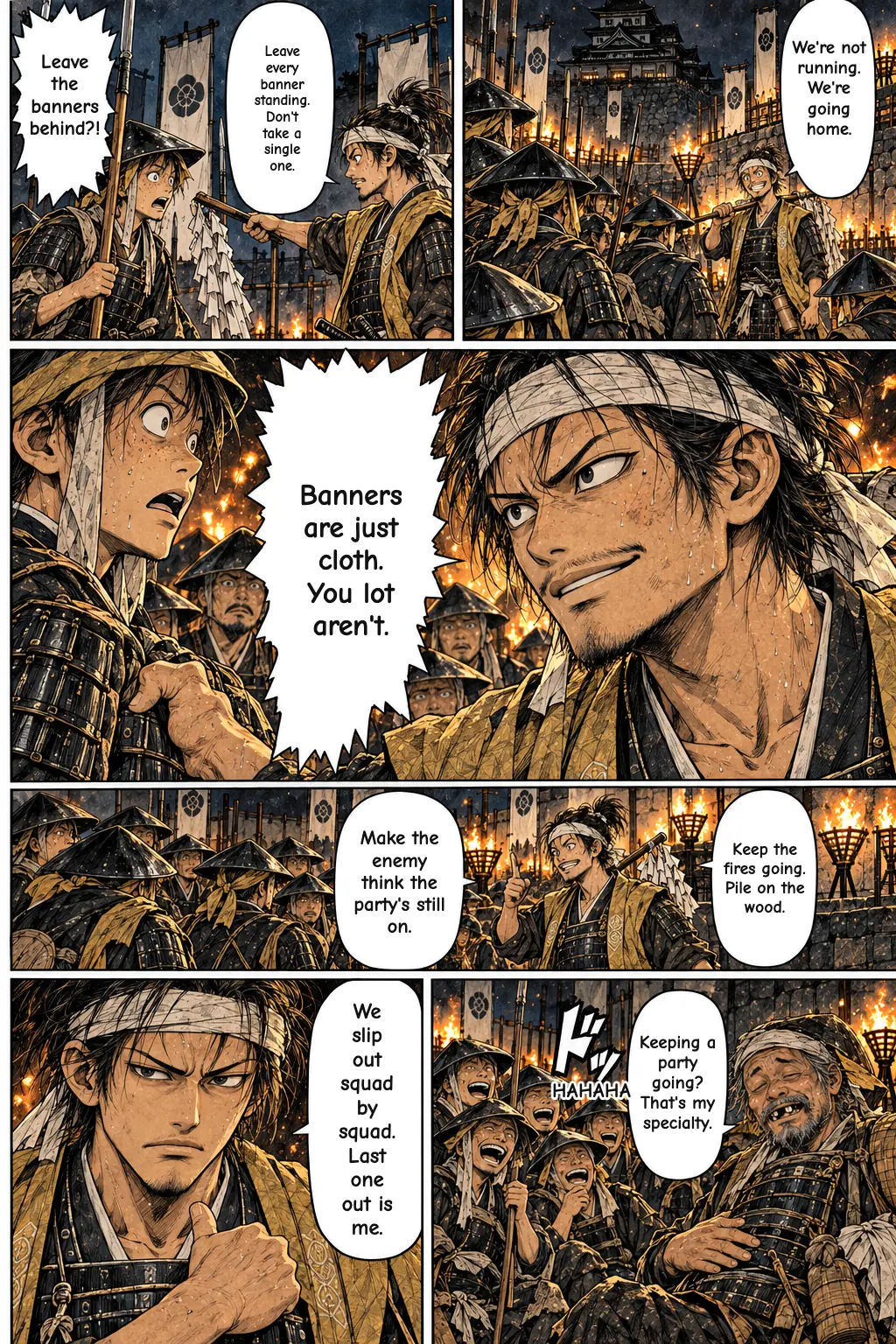
How the rearguard holds the castle is also invented for the manga: the banners left standing, the watch fires, the men slipping away a few at a time. So are the messengers and what they say, the steep and dark Kutsuki road, and the reunion between Nobunaga and Tokichiro in Kyoto. The nameless foot soldiers who carry parts of the story are fictional too. In the manga, Tokichiro is ordered to stay. He does not volunteer, which matches the wording of the chronicle.
Where to Read It
You can read "Shincho Koki" in the original Japanese in a public-domain 1881 printed edition held by the National Diet Library Digital Collections (https://dl.ndl.go.jp/pid/781192). The Kanegasaki passage is in the entry for Genki 1.
If you'd like to see the story first, Episode 5 of SAMURAI: Legends of the Warring States here on Manga Portal tells it from the point of view of the small soldier left in the empty castle. Every episode is free to read, with no sign-up needed.
Characters in this episode
Oda Nobunaga
The warlord leading the attack on Echizen, who first refuses to believe Azai has betrayed him and then swiftly retreats through Kutsuki to Kyoto.
Kinoshita Tokichiro (later Toyotomi Hideyoshi)
The officer left behind at Kanegasaki Castle as Nobunaga's army withdraws, a moment later legends made central to his rise.
Azai Nagamasa
Lord of northern Omi and Nobunaga's in-law, whose betrayal traps the Oda army between two enemies.
Asakura Kagetsune
The Asakura commander who surrenders Kanegasaki Castle after Tezutsuyama falls.
Kutsuki Mototsuna
Lord of the Kutsuki valley in Omi, who helps Nobunaga escape over the mountain road.
Asakura Yoshikage
Lord of Echizen and the target of the campaign, whose forces chase the retreating Oda army.
FAQ
What was the Kanegasaki Retreat?
It was Oda Nobunaga's emergency withdrawal from Echizen in 1570, after Azai Nagamasa betrayed him and trapped his army between the Asakura and the Azai. Nobunaga escaped through the Kutsuki mountains to Kyoto while a rearguard stayed behind at Kanegasaki Castle.
Did Hideyoshi volunteer to guard the rear at Kanegasaki?
"Shincho Koki" says only that Kinoshita Tokichiro (Hideyoshi) was left at Kanegasaki Castle. The story that he volunteered is a later tradition and is not in this passage.
Why did Azai Nagamasa betray Nobunaga?
The chronicle does not explain his reasons. It records only that Nobunaga could not believe it, since Nagamasa was his in-law and had been given all of northern Omi. One common explanation is that the Azai had old ties to the Asakura, but that comes from later interpretation.
Is the story of Oichi's bag of beans true?
The tale that Oichi warned Nobunaga with a bag of red beans tied at both ends is a well-known legend. It does not appear in the Kanegasaki passage of "Shincho Koki."
How did Nobunaga escape from Kanegasaki?
With help from Kutsuki Mototsuna, he took the mountain road through Kutsuki in Omi and reached Kyoto on the last day of the fourth month of 1570.