Episode 445,000 Enemies. He Rode Out With Six.The Battle of Okehazama
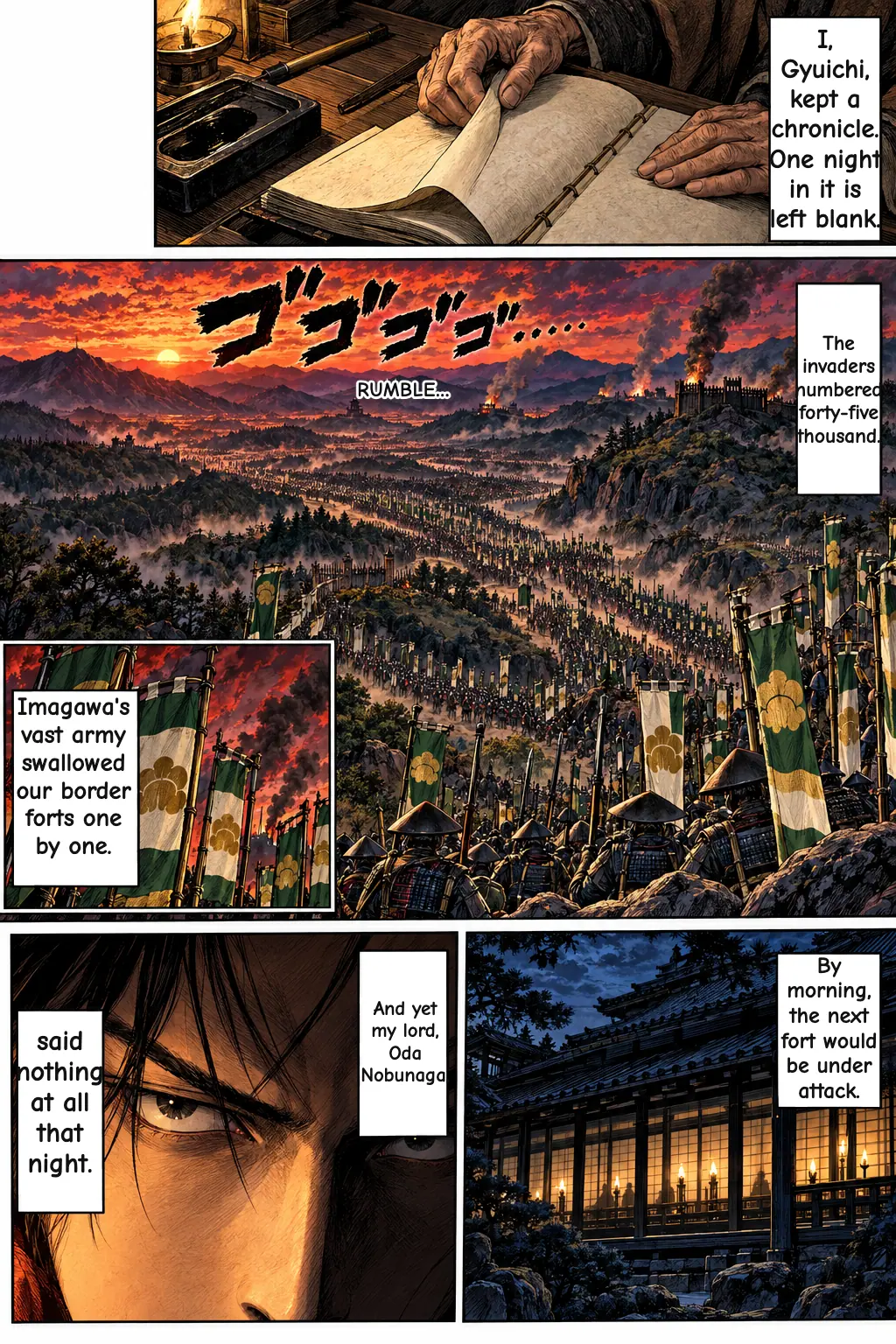
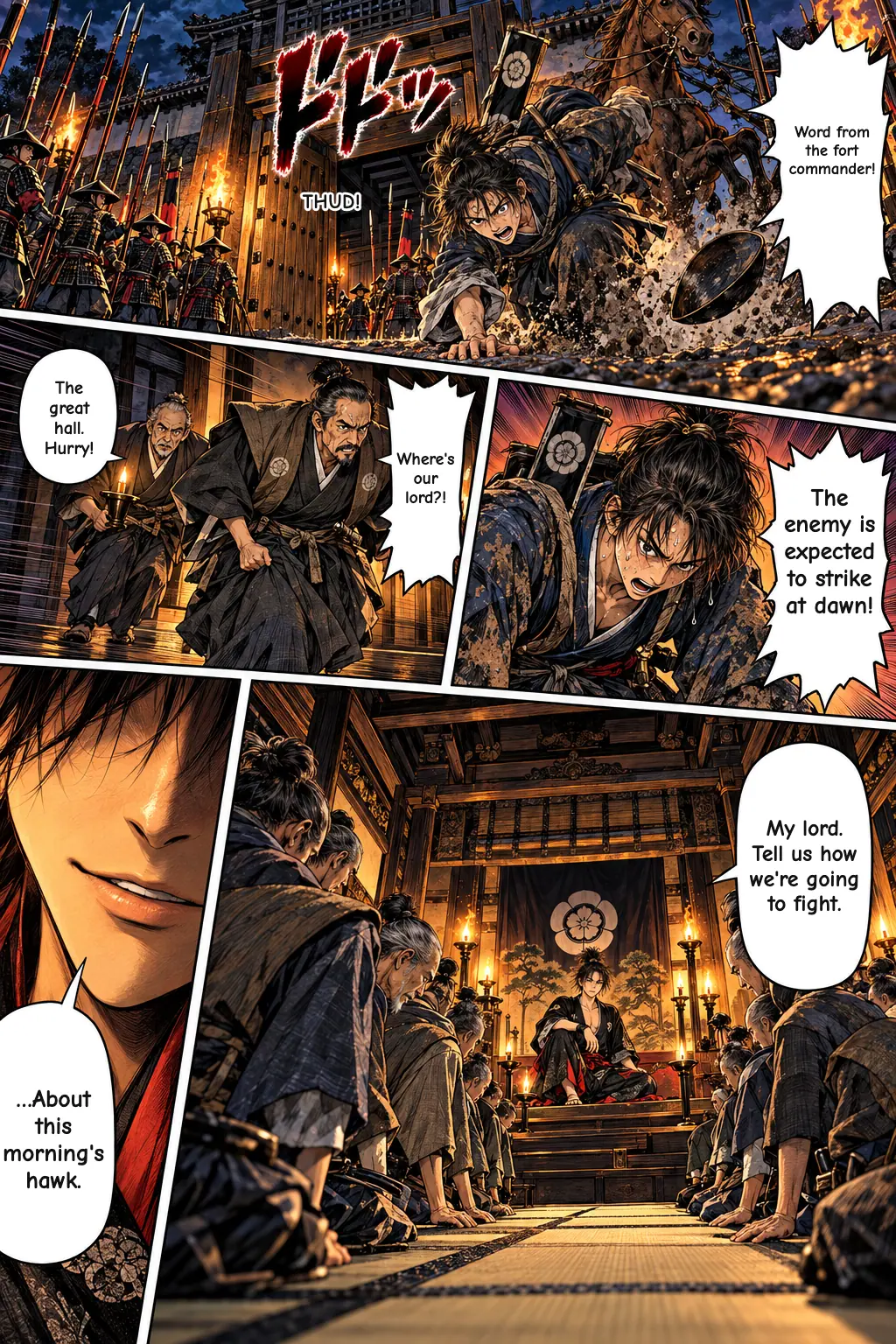
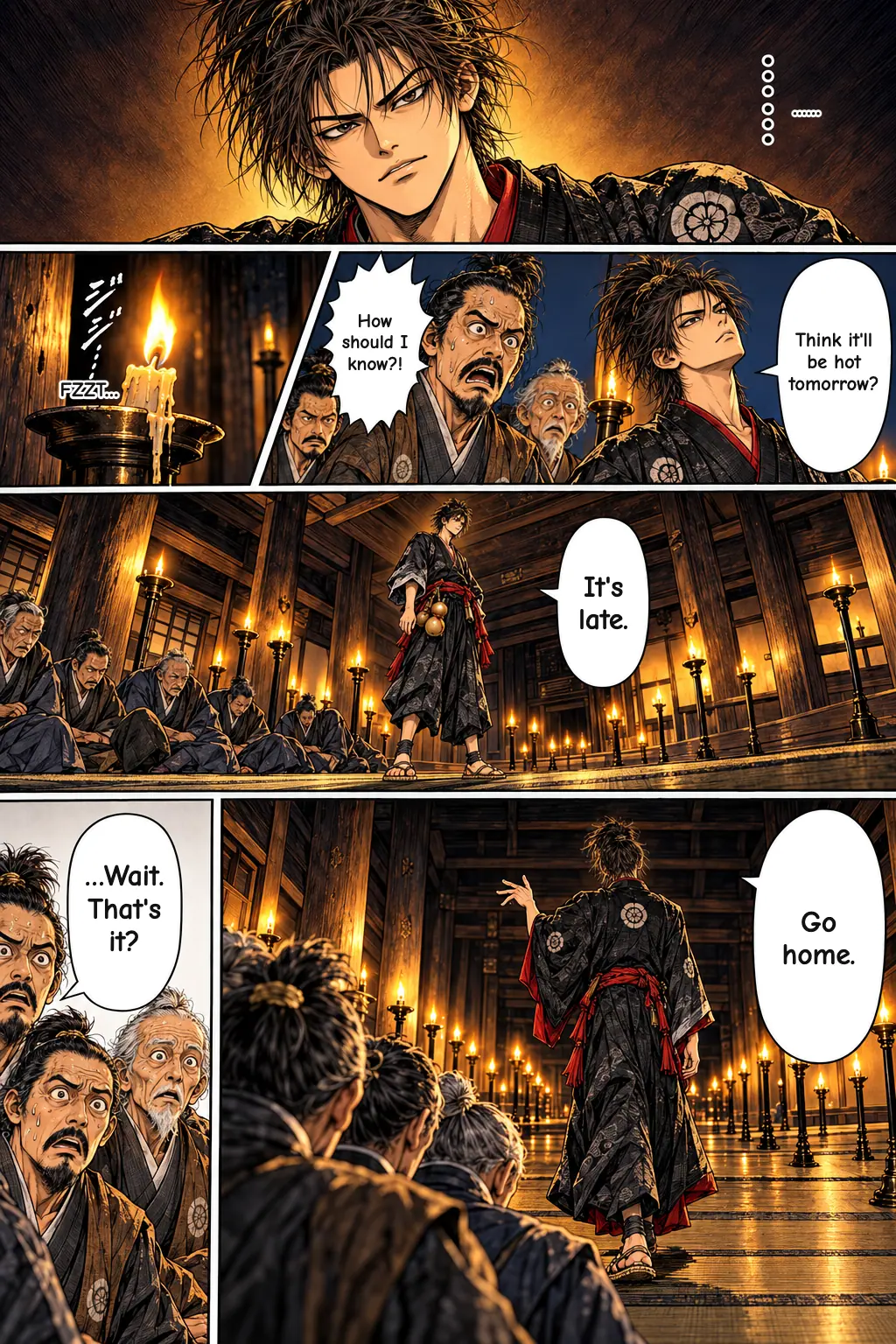
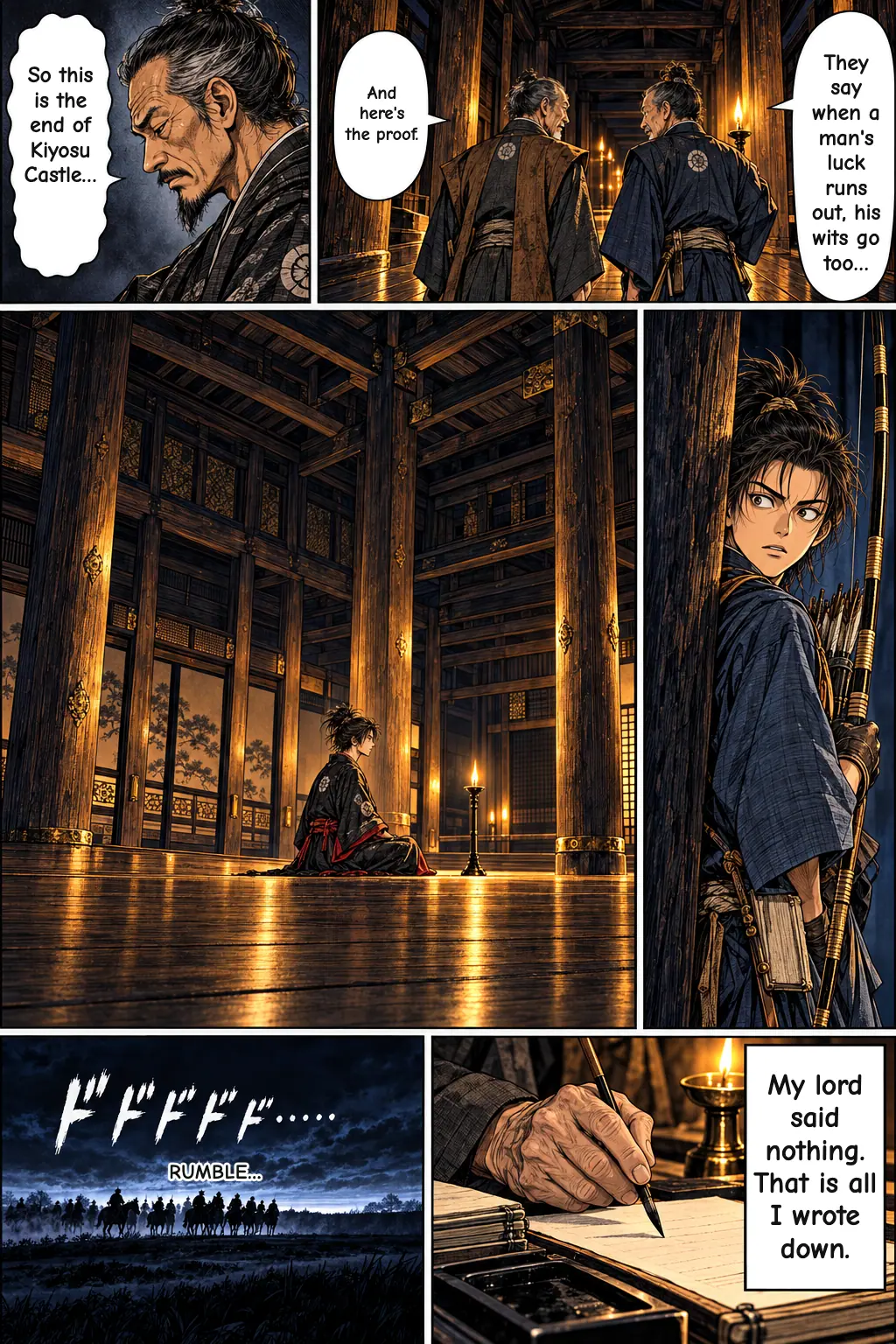
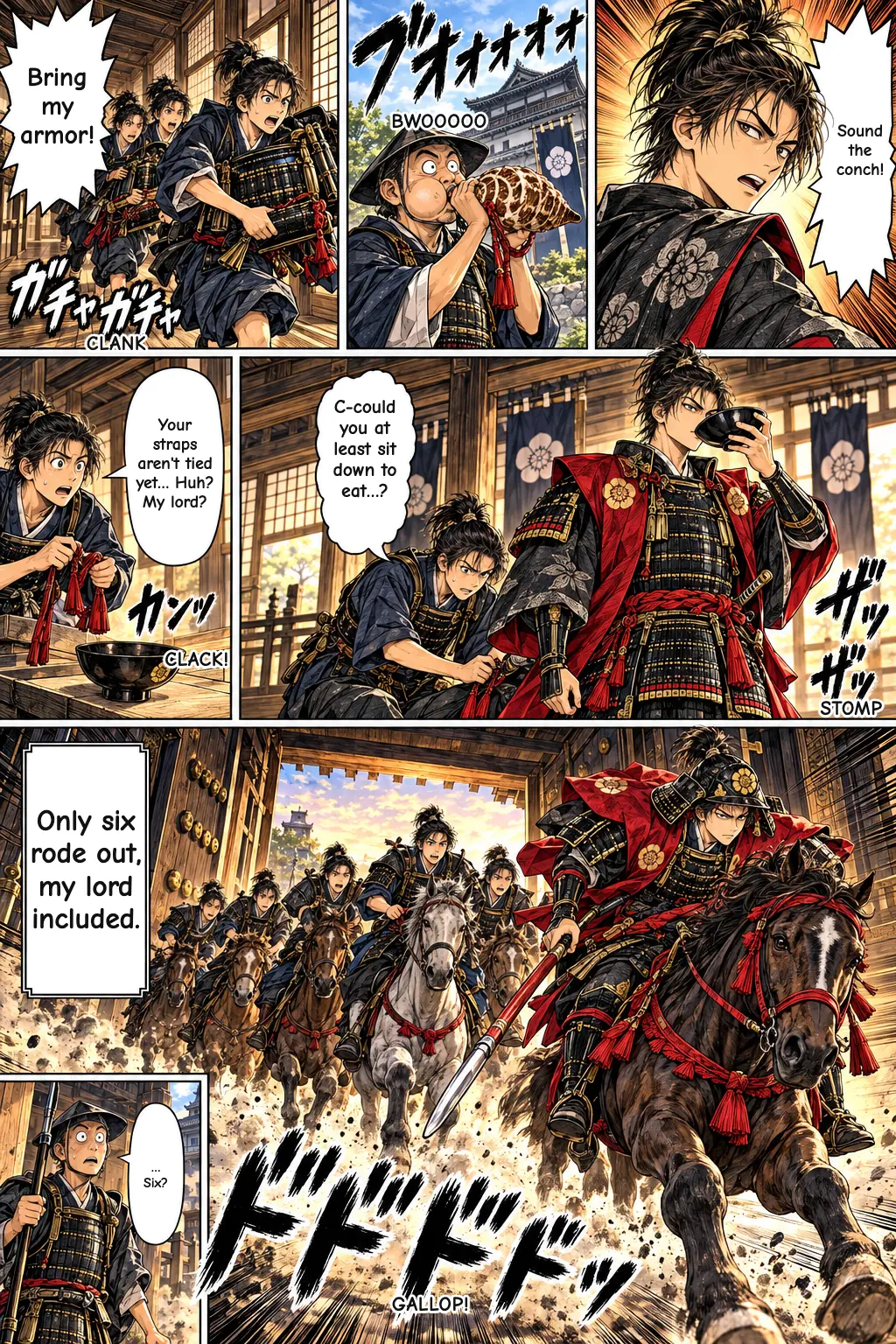
As forty-five thousand Imagawa troops swallow the border forts one by one, Oda Nobunaga gives his senior retainers no battle plan at all, only two words: "Go home." At dawn he dances Atsumori, wolfs down his breakfast standing up, and bursts out of the castle with just six riders.
Get new episodes in your feed. Follow us on:ThreadsBluesky
Story summary
In 1560, Imagawa Yoshimoto, the lord of Suruga, Tōtōmi and Mikawa, marched into Owari, the home province of Oda Nobunaga. The Shinchō Kōki, written by Nobunaga's retainer Ōta Gyūichi, says Yoshimoto led 45,000 men and made camp at Kutsukake. His forces brought supplies into Ōdaka Castle, and two Oda commanders, Sakuma Daigaku and Oda Genba, warned Kiyosu Castle that the border forts of Washizu and Marune would be attacked by morning. That night at Kiyosu, Nobunaga offered his senior retainers no plan at all. He made small talk, then sent them away because it was late.
Battle of Okehazama Summary: How Oda Nobunaga Beat Imagawa Yoshimoto
In short: The Battle of Okehazama (1560) is the clash in which young warlord Oda Nobunaga, heavily outnumbered, struck the army of Imagawa Yoshimoto after a violent rainstorm and killed Yoshimoto himself. Its best-known early account is the Shinchō Kōki, Ōta Gyūichi's chronicle of Nobunaga's life, which says Yoshimoto brought 45,000 men and that Nobunaga left his castle with only six riders, himself included.
The Night Before: Nobunaga Says Nothing
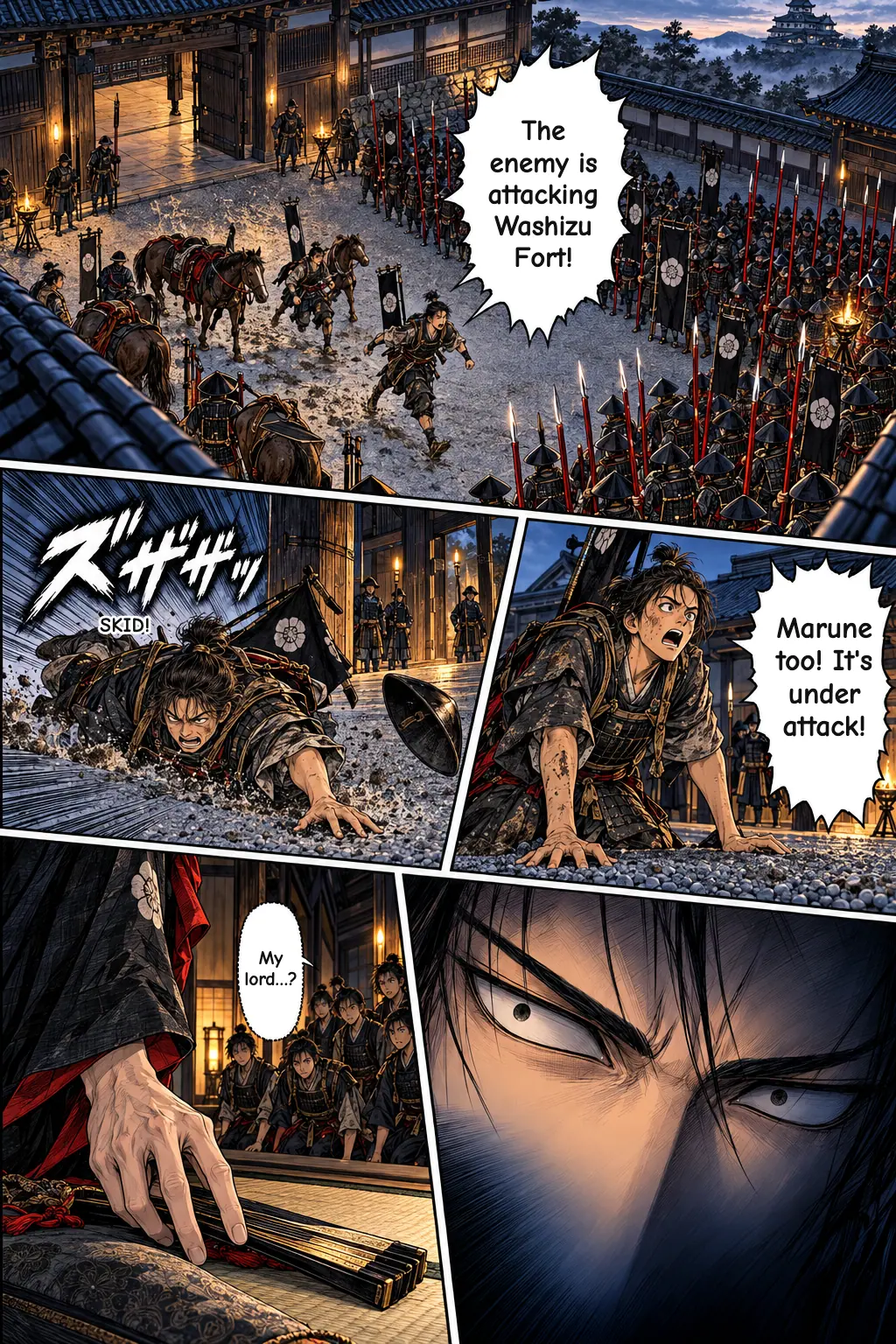
In 1560, Imagawa Yoshimoto, the lord of Suruga, Tōtōmi and Mikawa, marched into Owari, the home province of Oda Nobunaga. The Shinchō Kōki, written by Nobunaga's retainer Ōta Gyūichi, says Yoshimoto led 45,000 men and made camp at Kutsukake. His forces brought supplies into Ōdaka Castle, and two Oda commanders, Sakuma Daigaku and Oda Genba, warned Kiyosu Castle that the border forts of Washizu and Marune would be attacked by morning.
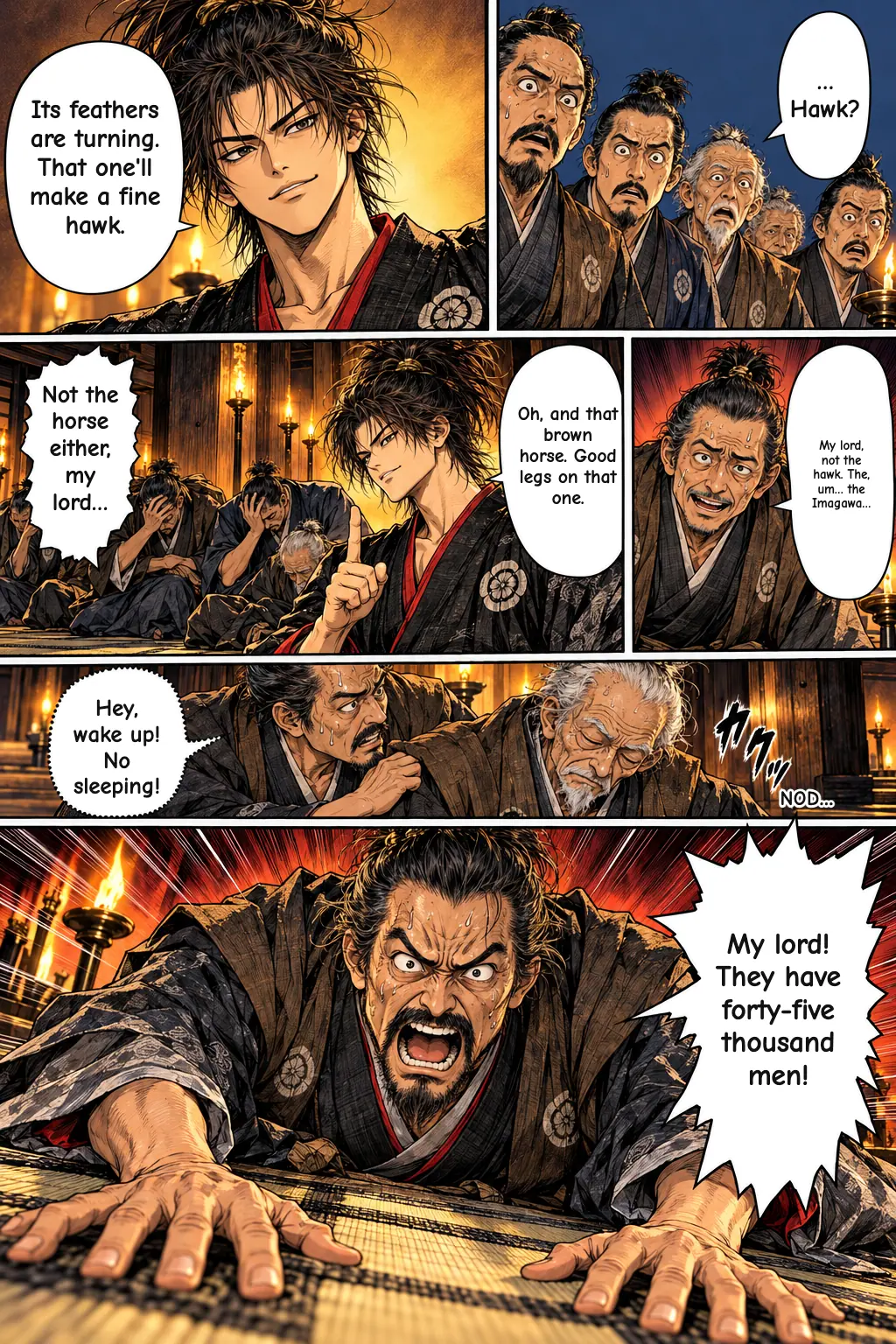
That night at Kiyosu, Nobunaga offered his senior retainers no plan at all. He made small talk, then sent them away because it was late. They left sneering that when a man's luck runs out, even his wits grow dim.
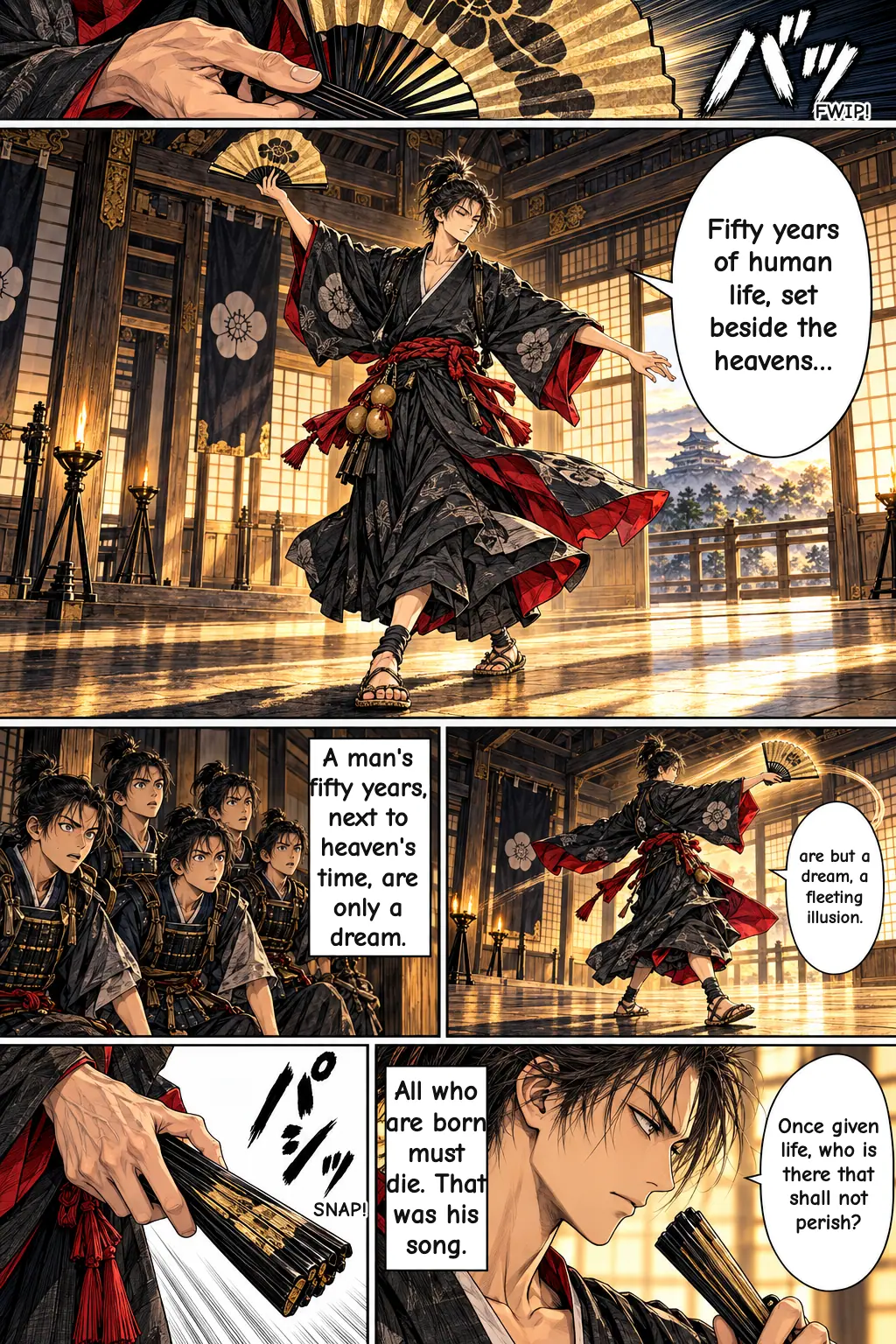
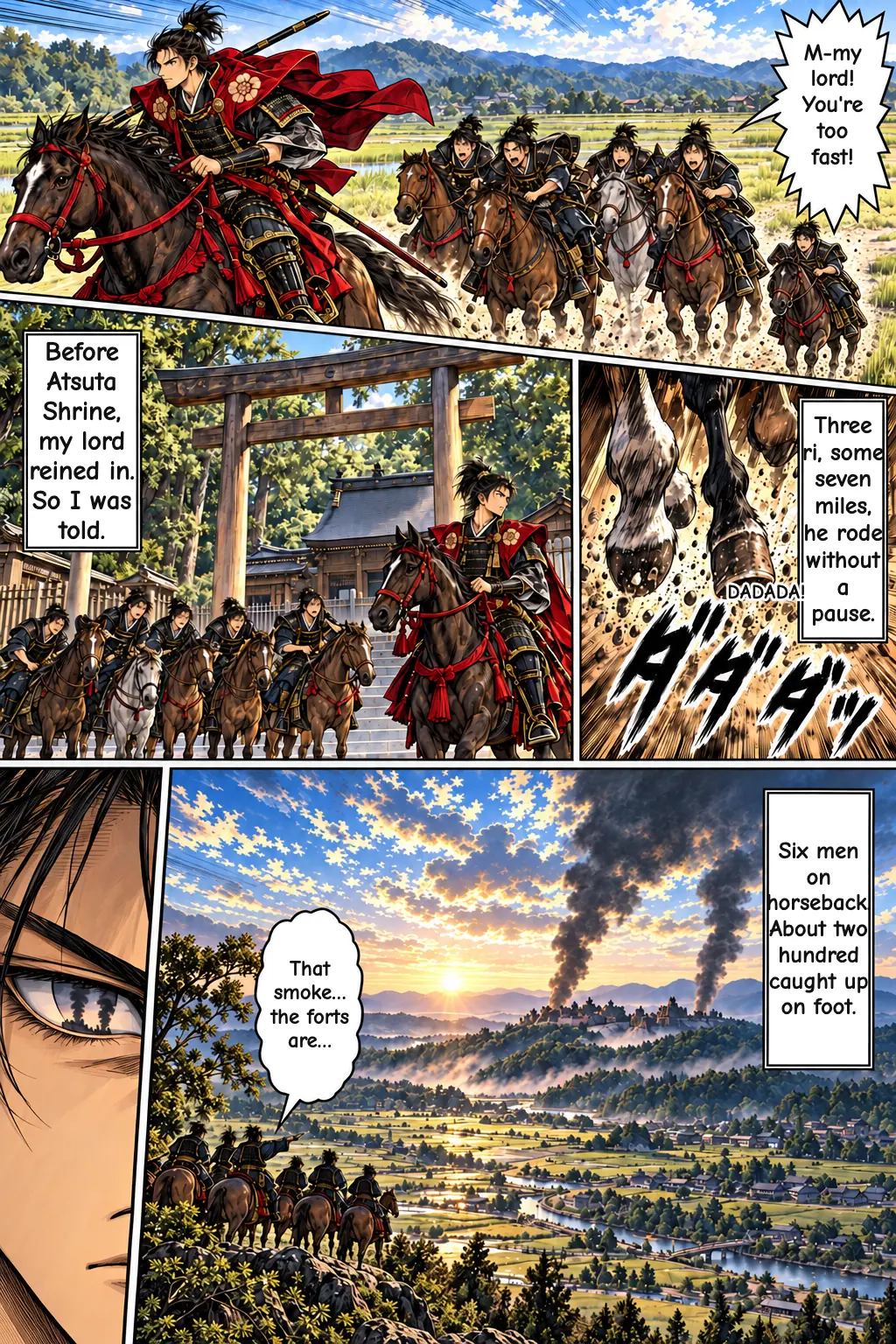
Around dawn, reports of the attack on the forts began to arrive. Nobunaga danced a passage from Atsumori, whose words compare a fifty-year human life to a passing dream and ask who could be born and never die. He called for the conch horn and his armor, ate standing up, put on his helmet and rode out. His party numbered six riders counting himself, with five pages beside him, and they raced about three ri (roughly 12 km) to Atsuta.
The March to Okehazama
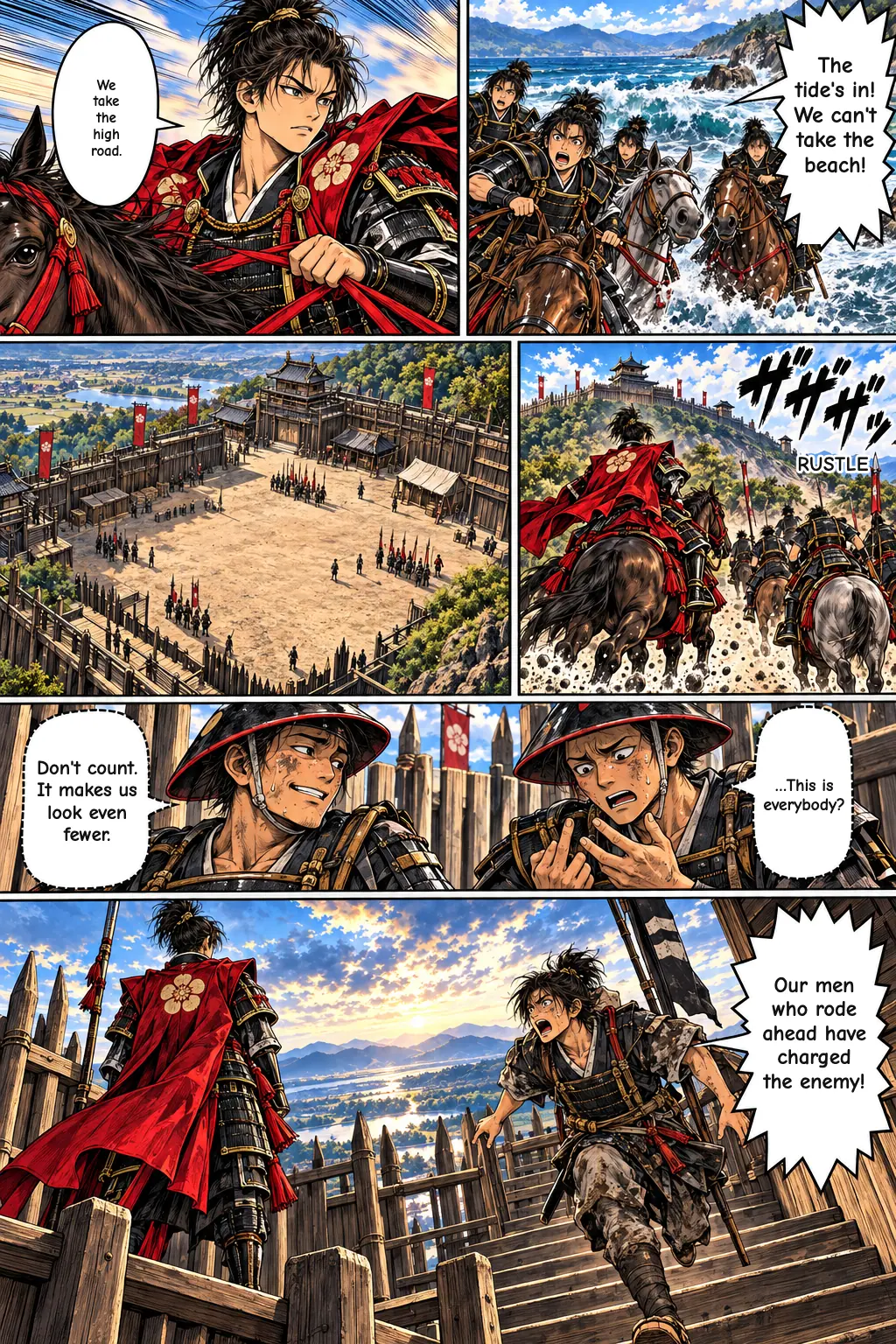
At Atsuta, Nobunaga looked east and saw smoke that suggested Washizu and Marune had already fallen. He still had only those six riders and about 200 foot soldiers. High tide had closed the beach road, so he hurried along the upper road to Tange fort and then to Zenshōji fort, where his troops gathered.
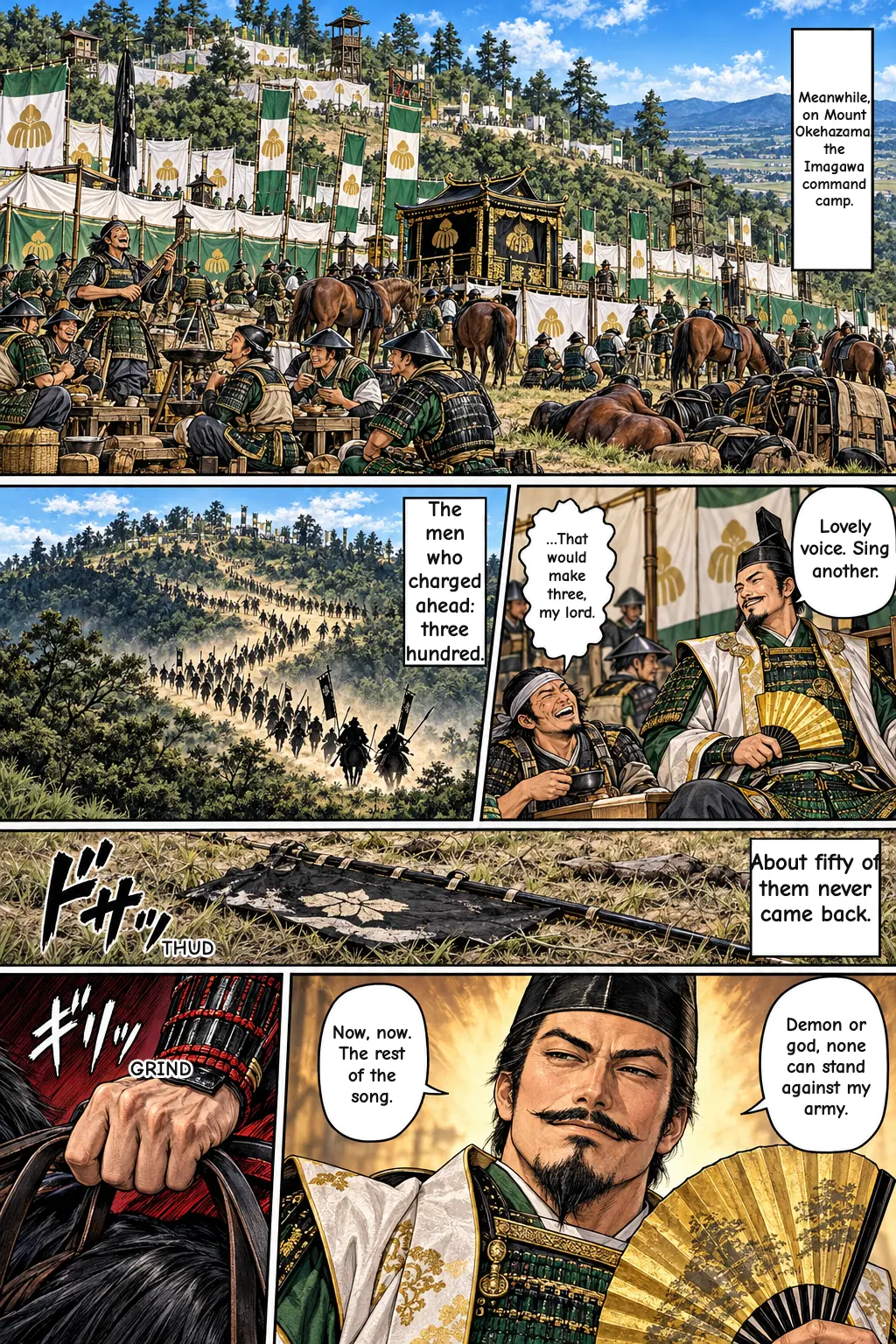
Yoshimoto, meanwhile, rested his army at Okehazama, pleased with the captured forts, and had three songs chanted. A force of about 300 under Sassa Hayato-no-Shō and Senshū Shirō then attacked the Imagawa troops, and both commanders fell with some fifty horsemen. Delighted, Yoshimoto declared that not even demons could stand against him, and he stayed where he was, unhurried.
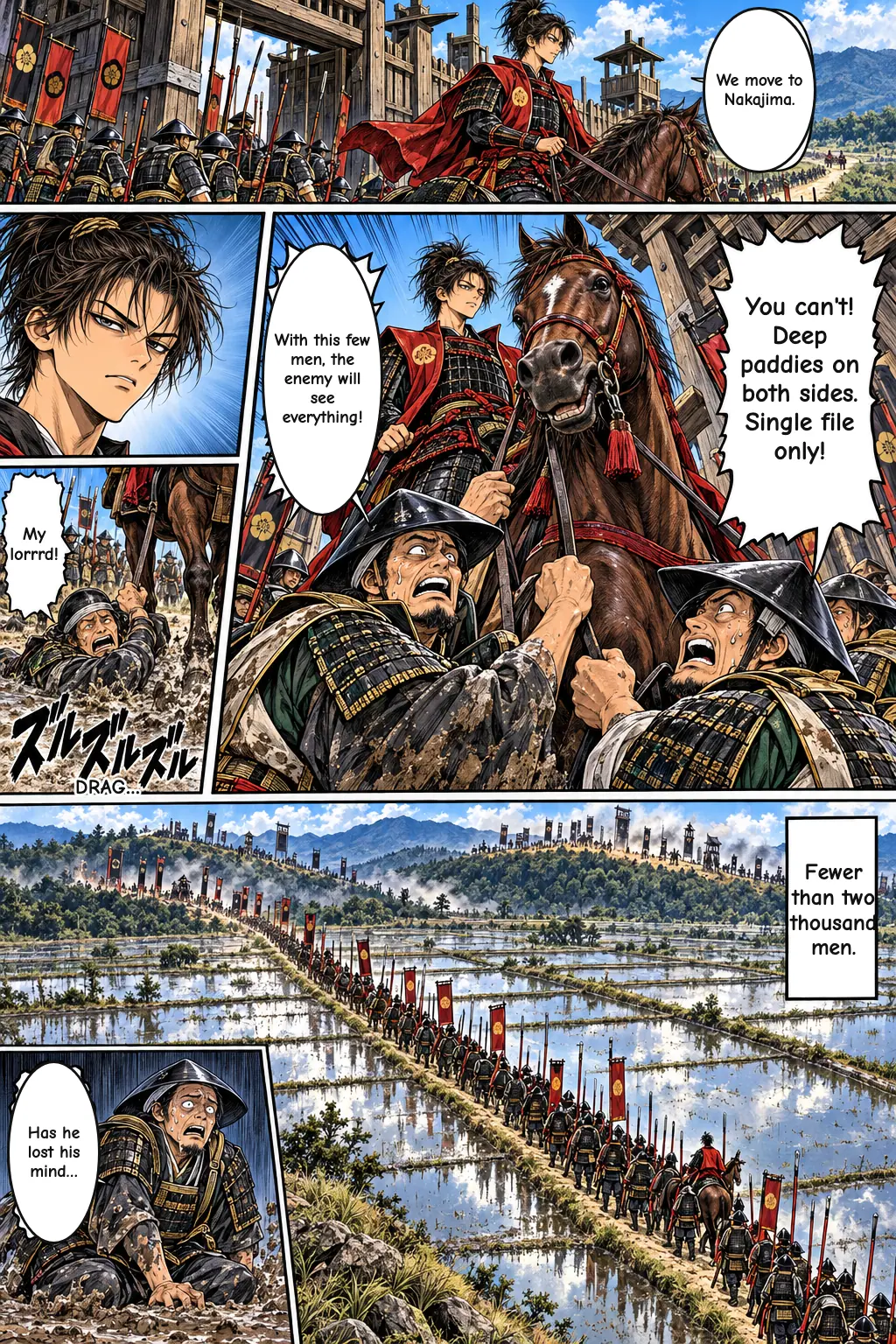
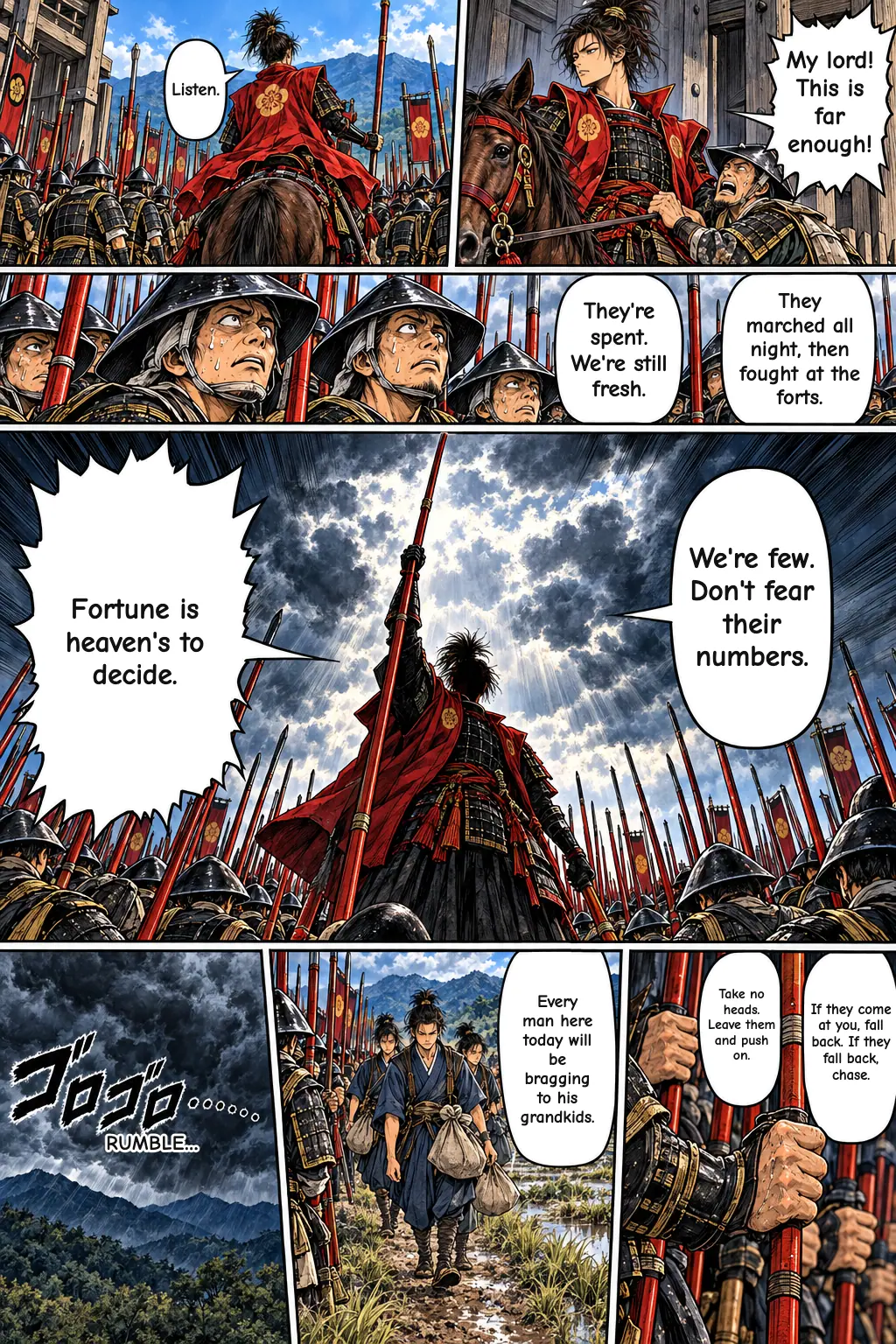
Nobunaga decided to advance to Nakajima fort. His senior retainers grabbed his horse's bit: the road ran between deep rice paddies, wide enough for one rider at a time, and the enemy would see how few they were. He shook them off and moved up with fewer than 2,000 men. Then he addressed them. The enemy, he said, had marched all night, hauled supplies and fought at the forts, while they were fresh. A small force need not fear a large one, because fortune rests with heaven. They should not stop to take heads, and victory would bring honor for generations.
The Storm and the Death of Yoshimoto
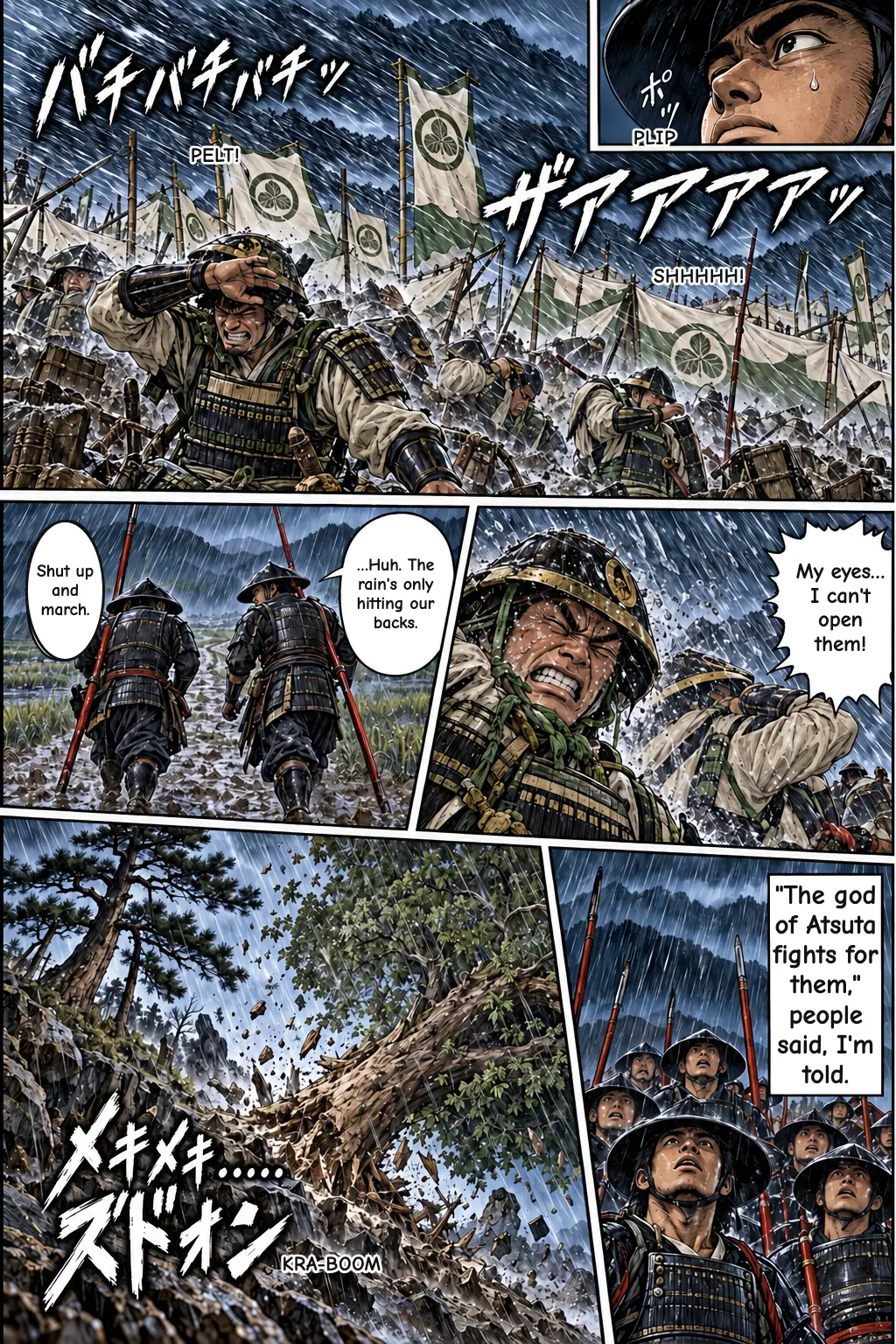
As his men reached the foot of the hills, a sudden downpour struck. The chronicle describes it hitting the Imagawa troops in the face like flung stones and ice, while the Oda men had it at their backs. A great camphor tree by the Kutsukake pass toppled, and people wondered whether the god of Atsuta was fighting for them.
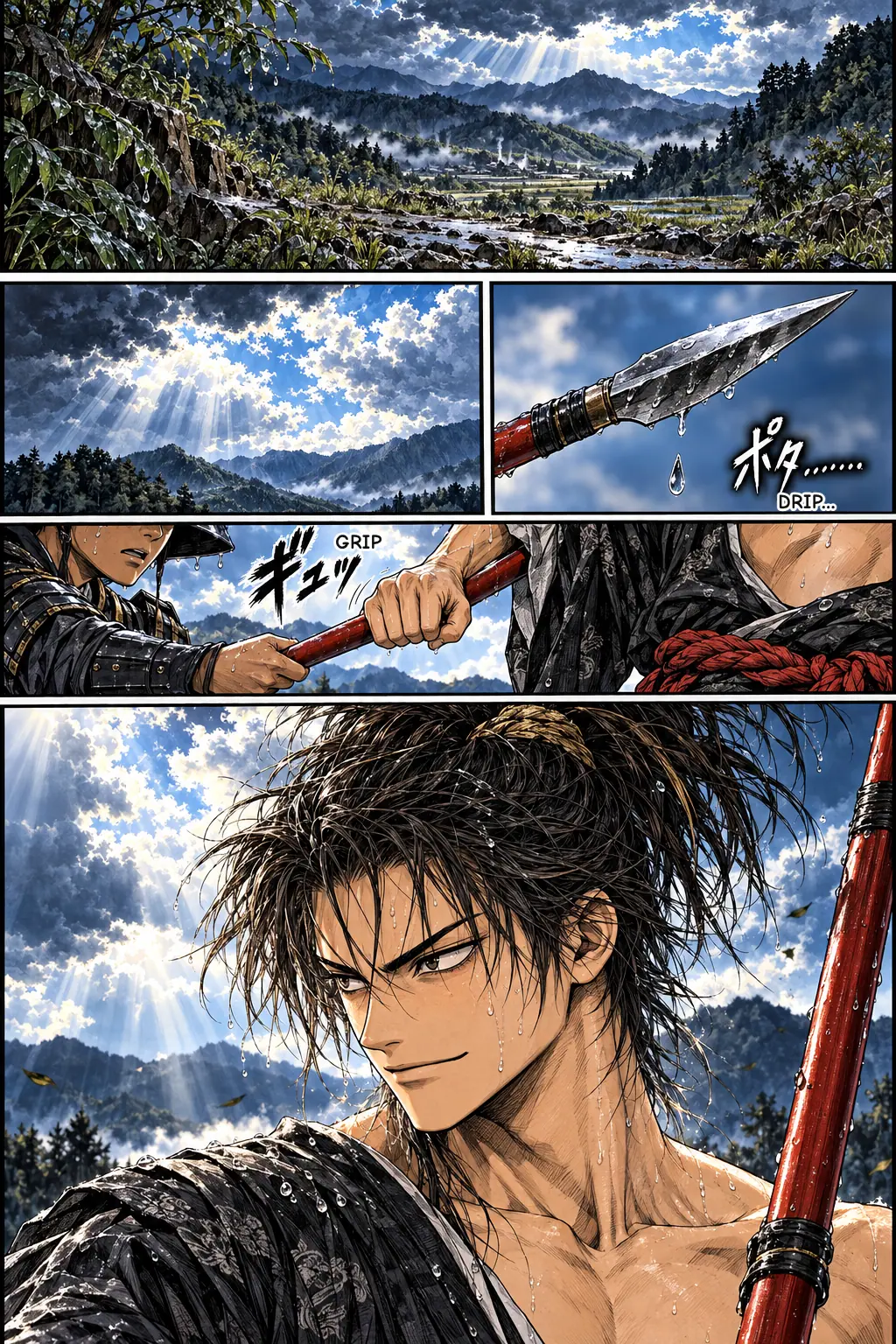
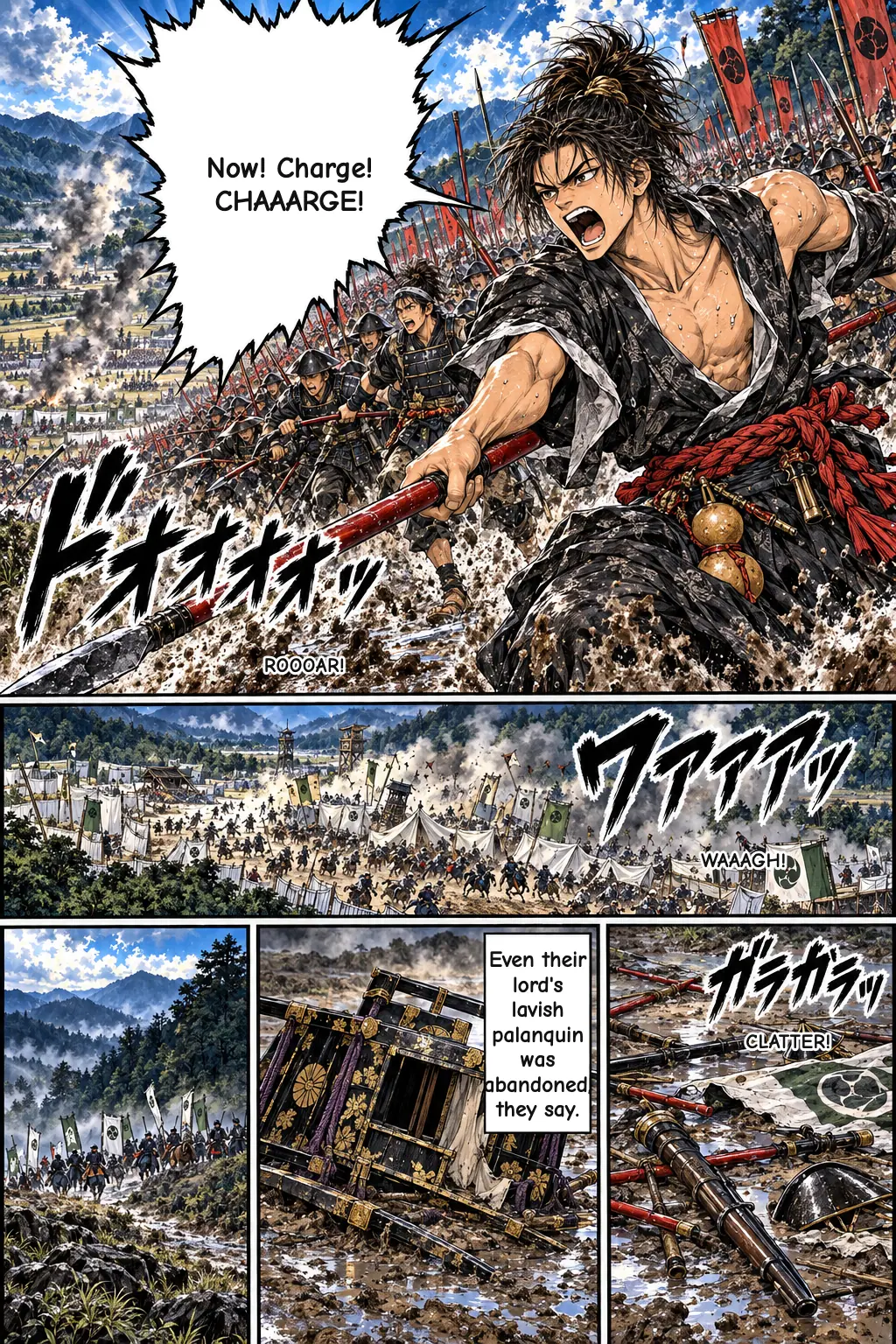
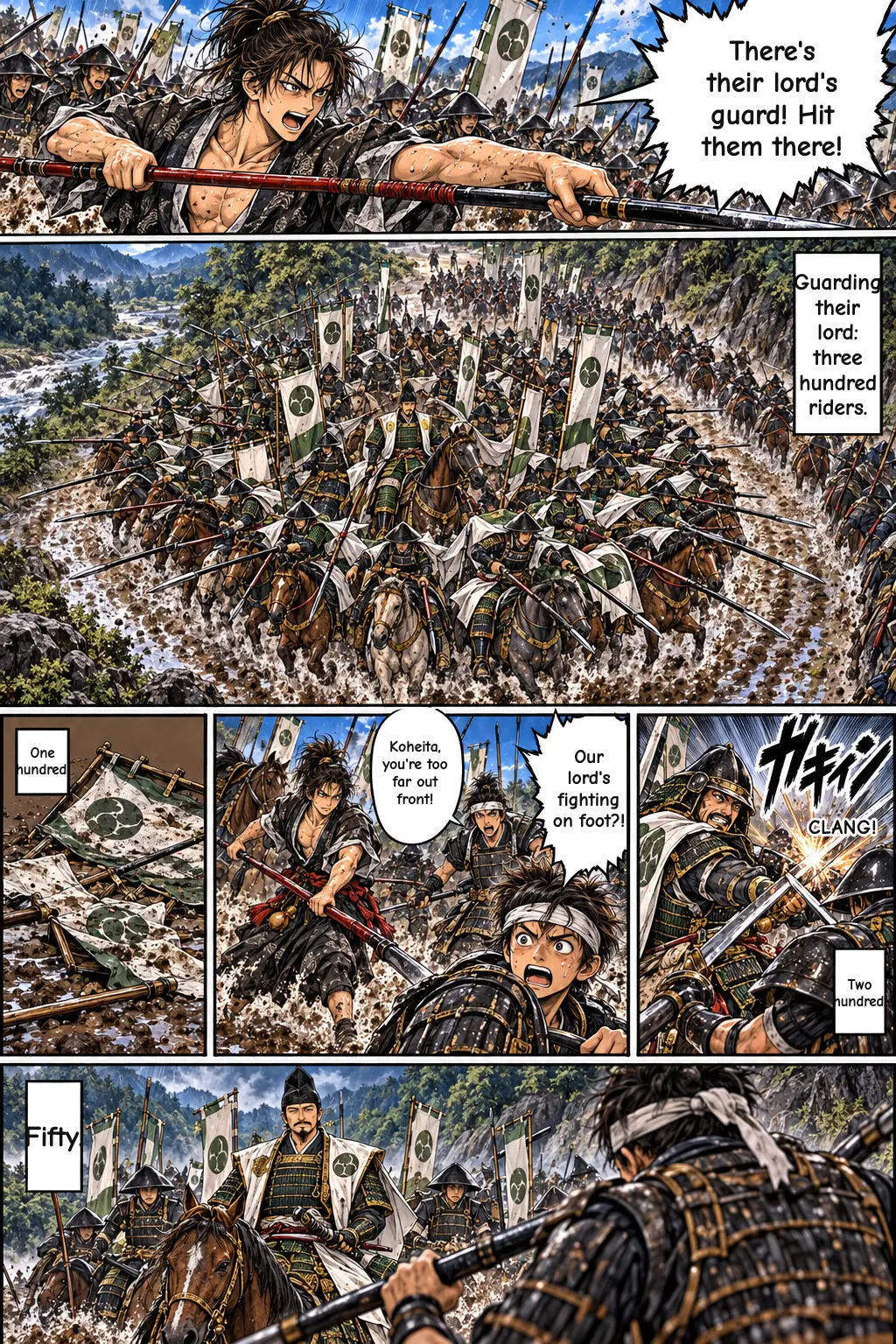
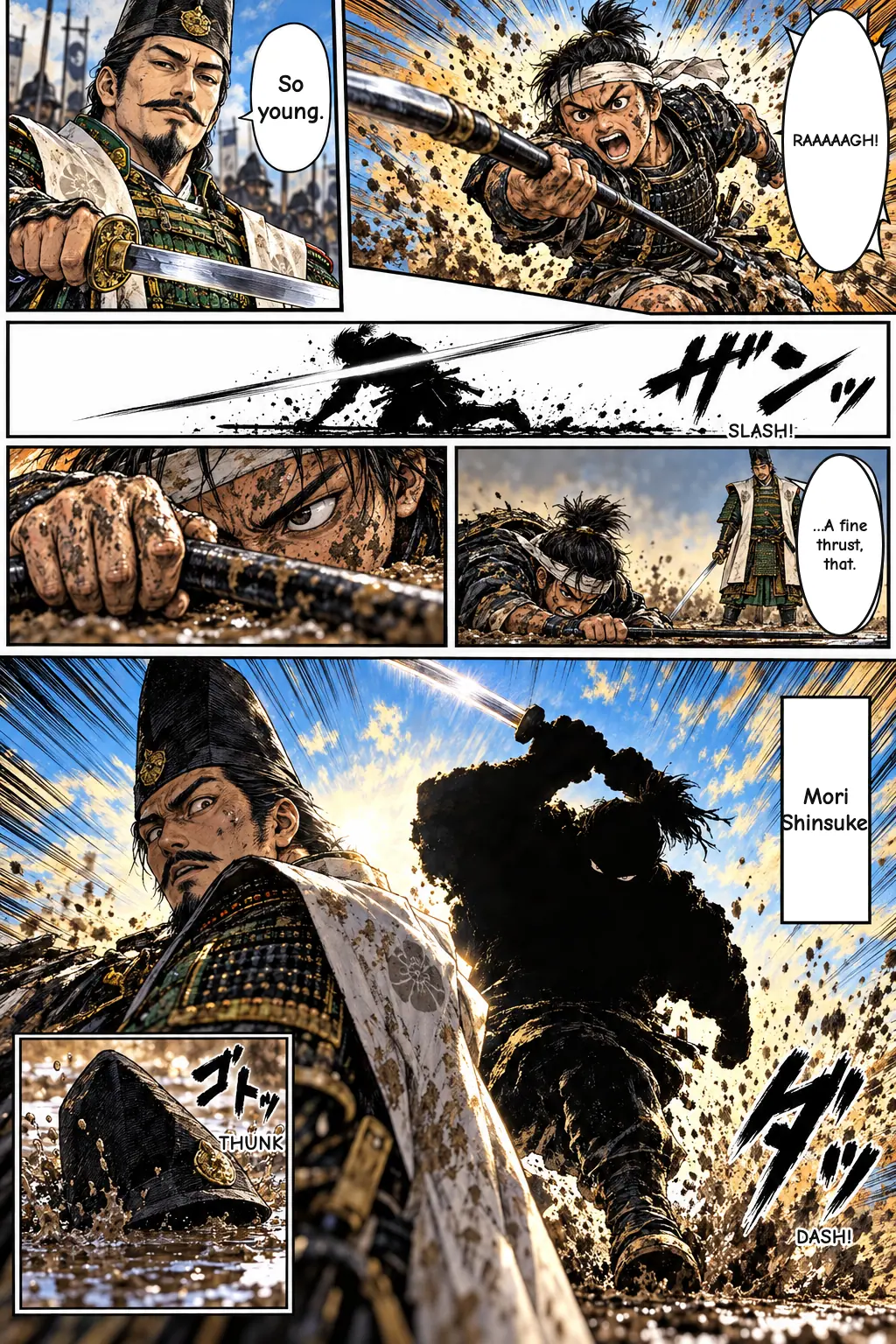
When the sky cleared, Nobunaga seized a spear and shouted the order to charge. The Imagawa lines collapsed like spilled water, leaving weapons, banners and Yoshimoto's lacquered palanquin behind. About 300 horsemen formed a ring around Yoshimoto and withdrew, but repeated fighting cut them down to around fifty. Nobunaga dismounted and fought alongside his young warriors. Hattori Koheita reached Yoshimoto first and fell with a wound at the knee. Mōri Shinsuke then cut Yoshimoto down and took his head.
History, Legend and What Is Still Debated
Okehazama belongs to Japan's Sengoku, or Warring States, period, when regional lords fought for land and survival. The victory ended the threat from one of the region's strongest lords and made Nobunaga a major figure. Atsumori, the piece he danced, comes from a performance tradition called kōwaka-mai and tells of a young warrior killed in the Genpei War, so its theme of a brief life suits the moment. The chronicle never says why Nobunaga chose it, or why he stayed silent the night before.
The Shinchō Kōki also mentions a future ruler. It calls the Imagawa vanguard leader Ieyasu, the man later known as Tokugawa Ieyasu, who was then an Imagawa ally named Matsudaira Motoyasu. He delivered the supplies to Ōdaka, fought at the forts and rested at Ōdaka, so he missed the final battle.
Some details need care. The chronicle dates the battle to the wrong year, and 45,000 is its own figure; many modern estimates are far lower, often around 25,000. Later popular versions add scenes that this chapter lacks, such as Nobunaga eating rice in hot water (it says only that he ate) or praying at Atsuta Shrine and receiving a lucky omen. Older accounts describe a stealthy flank attack, while many historians now read the chronicle as pointing to a more direct advance. Yoshimoto's goal is also disputed: an old view says he was heading for Kyoto, while others think he wanted control of the border region.
What the Manga Changes
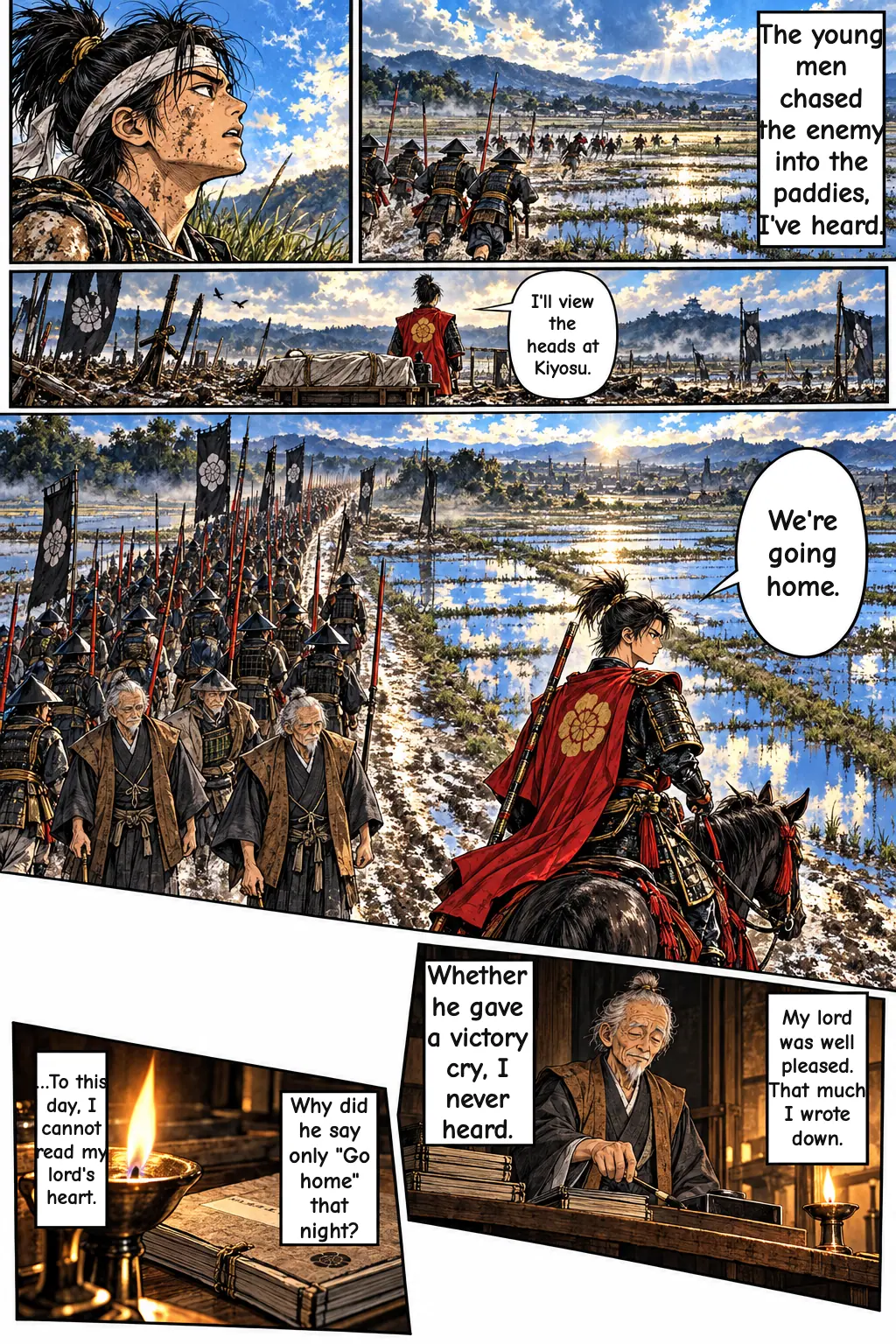
The story's main events come from the chronicle: the silent night, the mockery, the dance, the meal on foot, the six riders, the storm and Yoshimoto's death. The manga sharpens the night scene into a blunt "Go home," which matches the spirit of the source, where Nobunaga dismisses his men because it is late.
The rest is creative staging. The chronicle says only that Nobunaga made small talk, so the conversation's content is invented, as are his expressions and silences, though the manga does not supply an inner voice explaining his motives. The lighting and movement of the dance, the ride to Atsuta and the troops gathering there are also imagined. So are Yoshimoto's looks, clothing and palanquin design, most of his camp life, the visual force of the storm, the elders' exact wording, and the individual moves in the final melee.
Where to Read It
If you want to see this silence-to-storm story drawn panel by panel, this episode is part of ODA NOBUNAGA: The Demon King of the Warring States on Manga Portal. Every episode is free, with no sign-up needed, so you can start right here and keep reading at your own pace.
Characters in this episode
Oda Nobunaga
The young lord of Owari, who hides his plans from his retainers, rides out with a tiny escort and leads the charge at Okehazama.
Imagawa Yoshimoto
The powerful lord of Suruga, Tōtōmi and Mikawa, who invades Owari with a huge army and lingers at Okehazama after his early victories.
Senior Retainers of the Oda Clan
Nobunaga's unnamed elders, who mock his silence at Kiyosu and later physically try to stop his advance.
Matsudaira Motoyasu (Tokugawa Ieyasu)
The future ruler of Japan, here fighting for the Imagawa side by delivering supplies to Ōdaka Castle and fighting at the forts.
Hattori Koheita
An Oda horse guard who is first to attack Yoshimoto and falls with a wound at the knee.
Mōri Shinsuke
The Oda horse guard who cuts down Yoshimoto and takes his head.
FAQ
What happened at the Battle of Okehazama?
In 1560, Oda Nobunaga attacked the invading army of Imagawa Yoshimoto at Okehazama in Owari Province. After a violent rainstorm cleared, his men broke the Imagawa lines and killed Yoshimoto.
How many soldiers fought at Okehazama?
The Shinchō Kōki gives Yoshimoto 45,000 men and says Nobunaga had fewer than 2,000 as he advanced to Nakajima fort. Many modern estimates put the Imagawa army far lower, often around 25,000, though it still greatly outnumbered Nobunaga's force.
Why did Nobunaga dance Atsumori before the battle?
The chronicle records the dance and the verse about life's brevity but gives no reason for it. Readers often see it as acceptance of death before a desperate fight, but that is an interpretation rather than something the source states.
Who killed Imagawa Yoshimoto?
According to the Shinchō Kōki, Mōri Shinsuke cut down Yoshimoto and took his head. Hattori Koheita had reached him first but fell with a wound at the knee.
Was Tokugawa Ieyasu at the Battle of Okehazama?
He took part in the campaign on the Imagawa side, then known as Matsudaira Motoyasu. He delivered supplies to Ōdaka Castle and fought at the forts, but he was resting at Ōdaka during the final battle.