Episode 5"Your Husband's a Serpent." Now Look.Eros and Psyche (Cupid and Psyche)
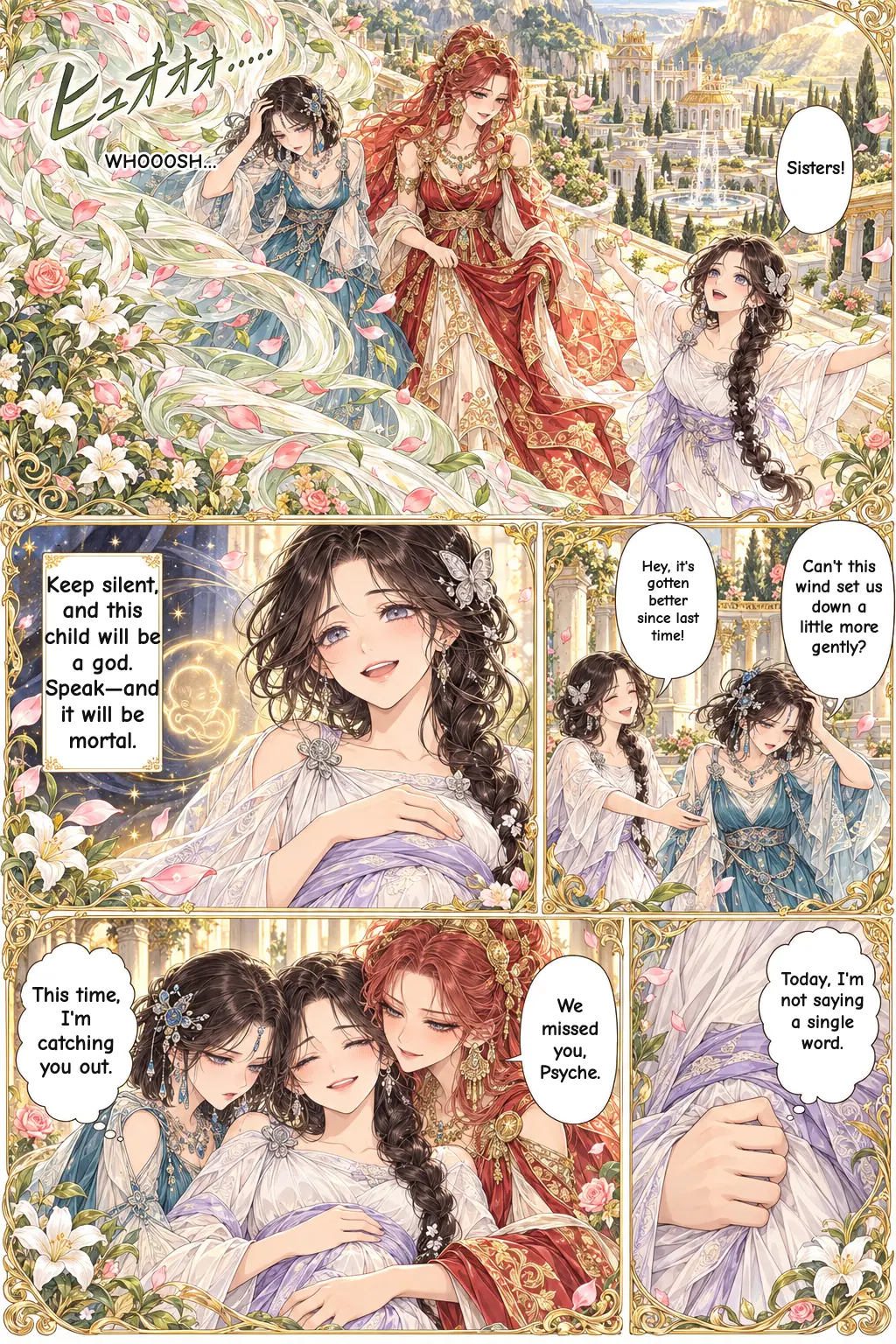
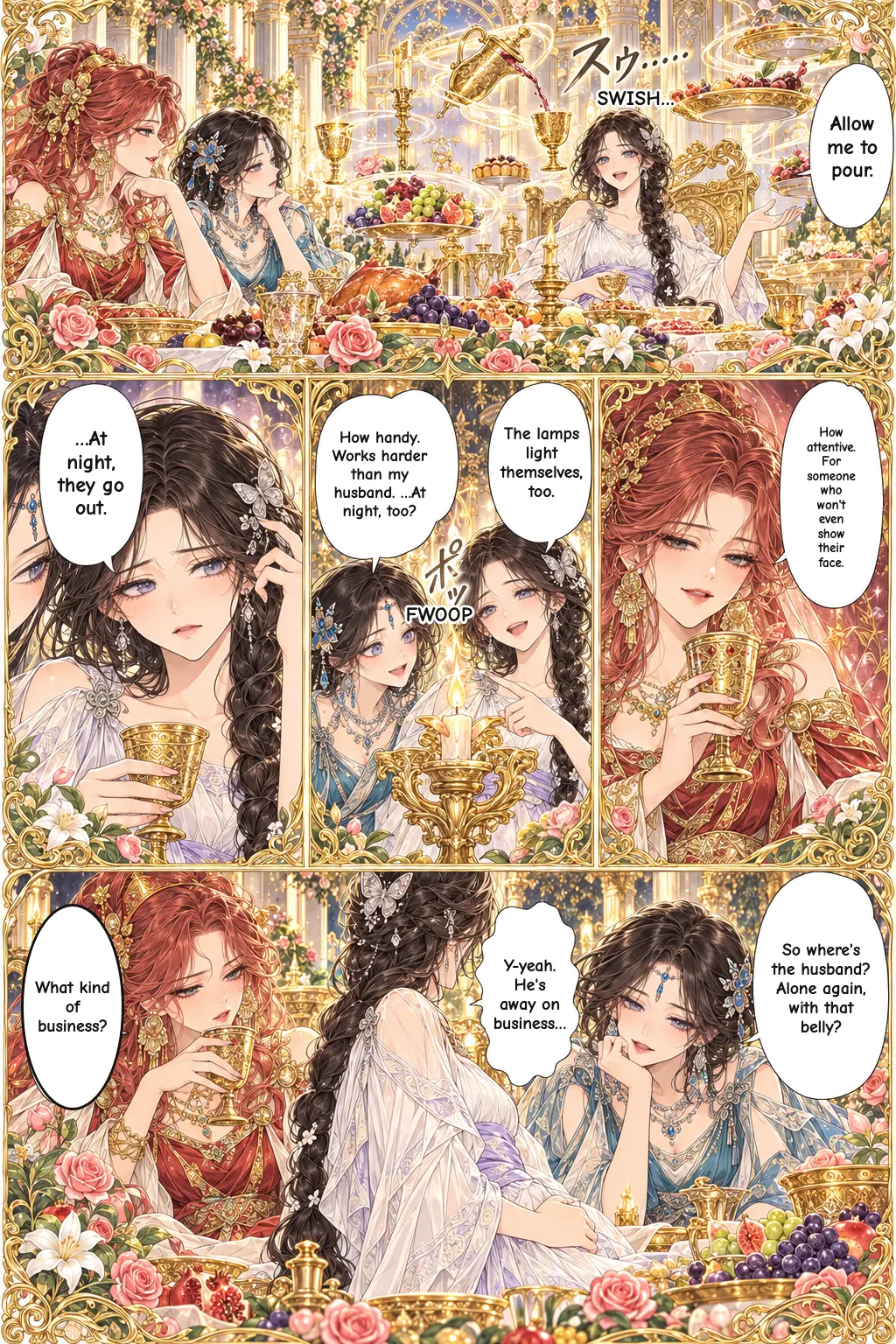
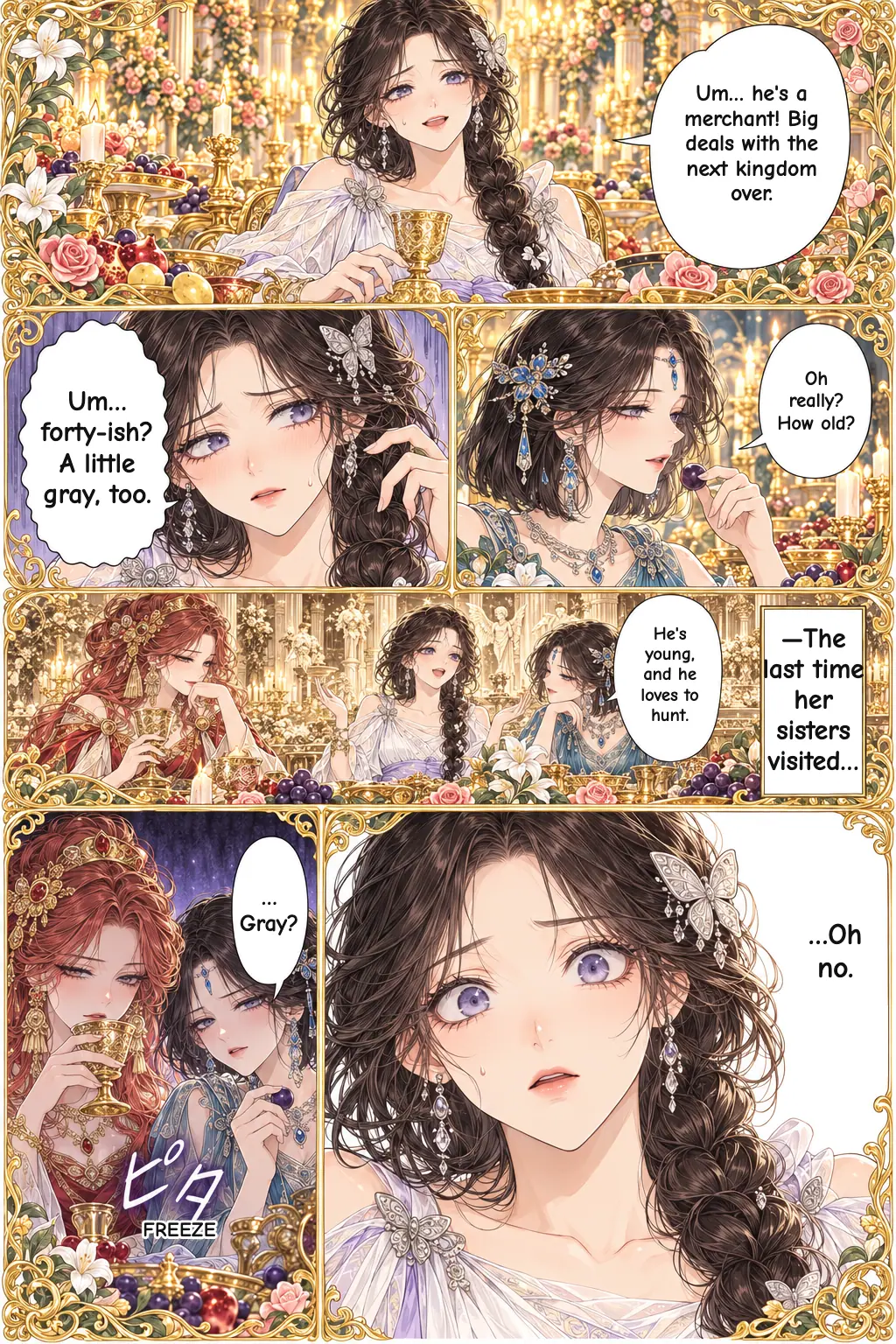
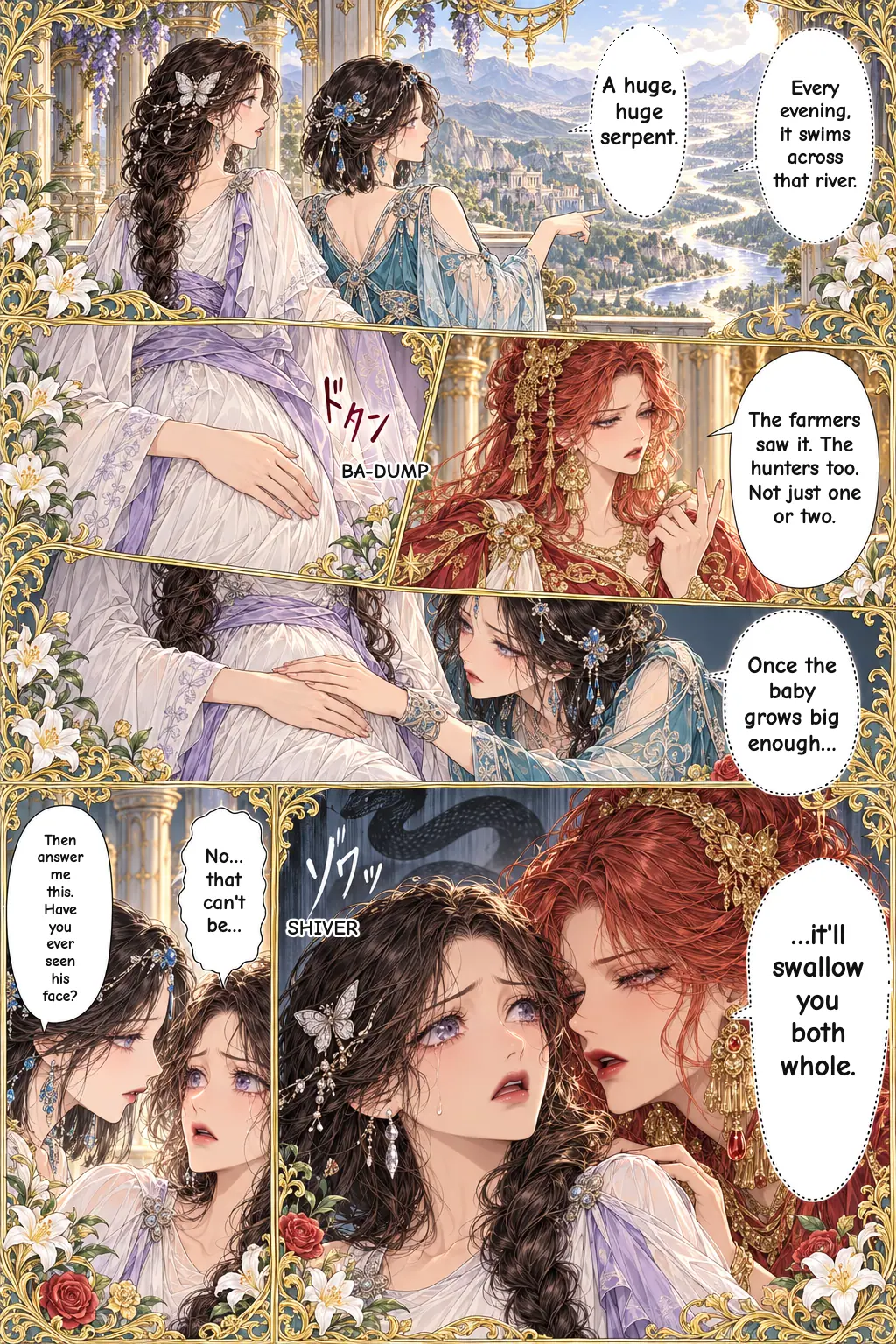
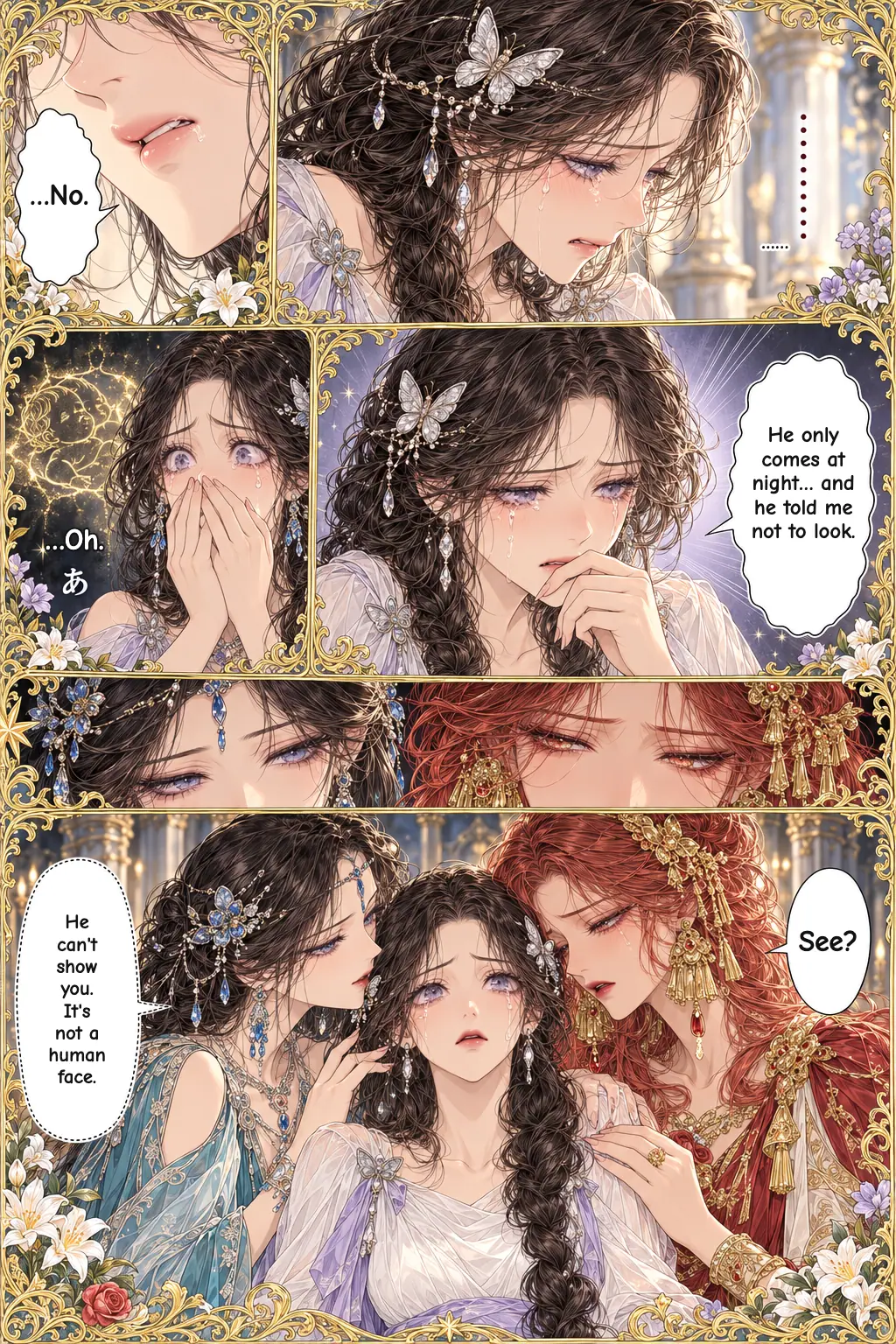
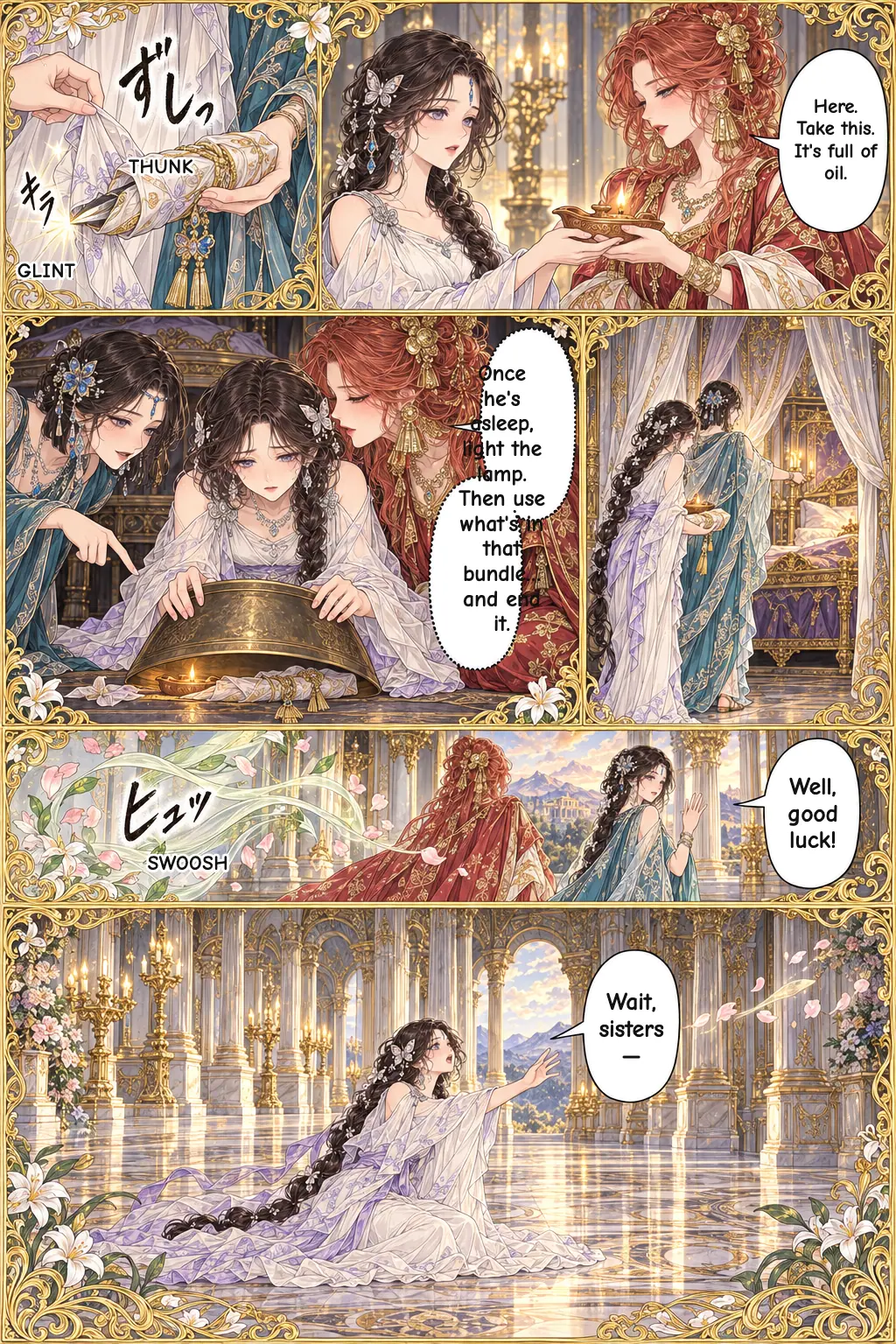
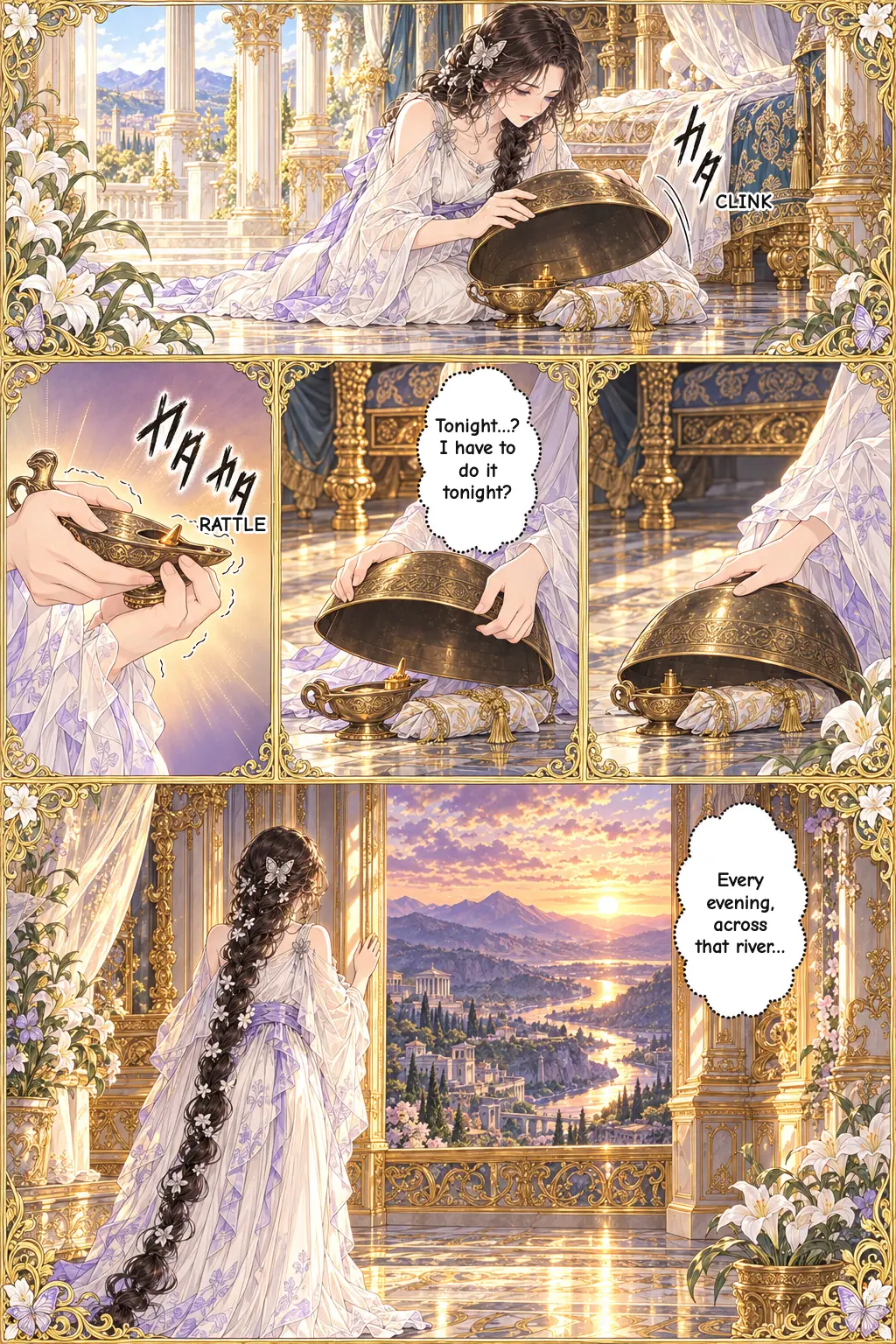
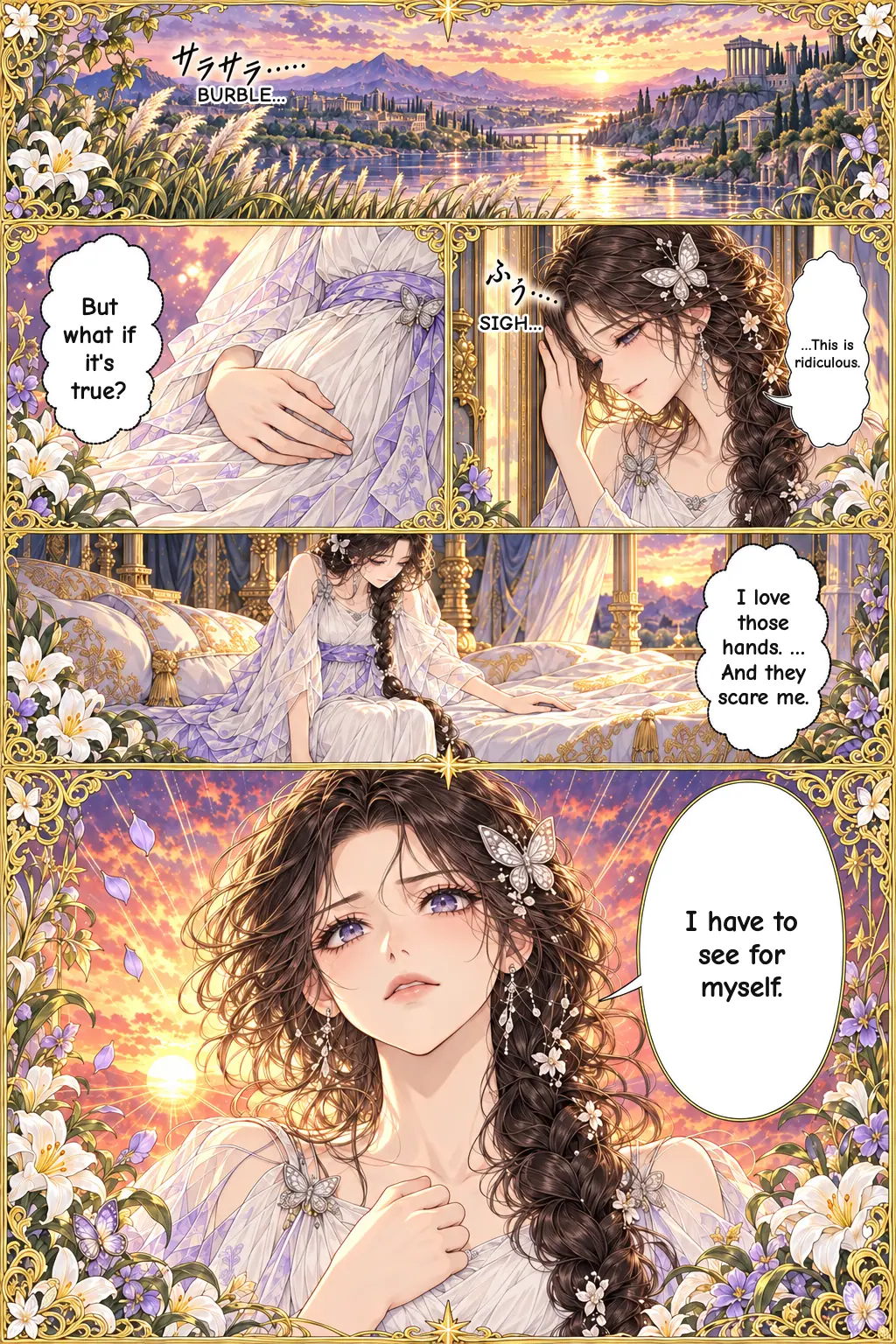
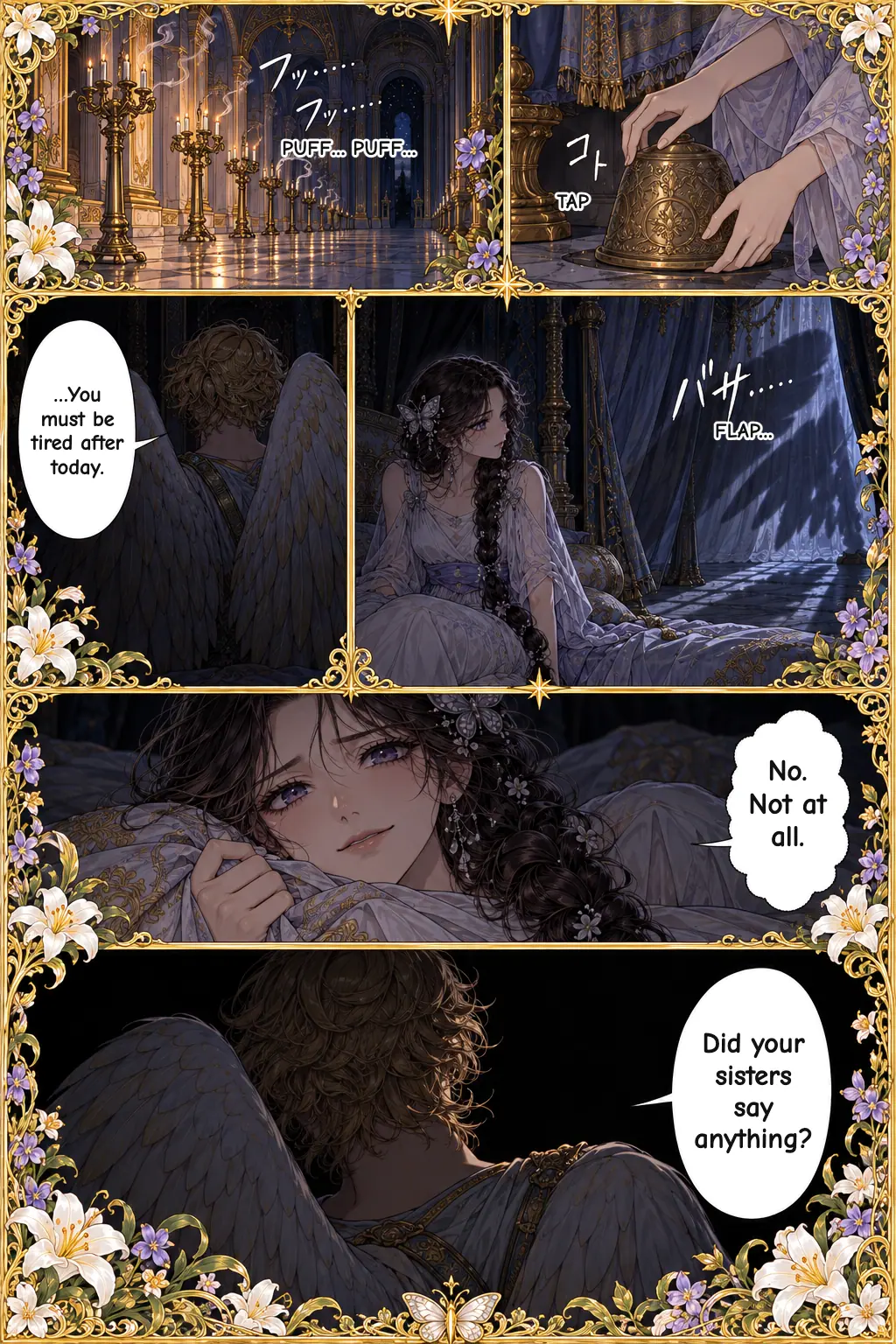
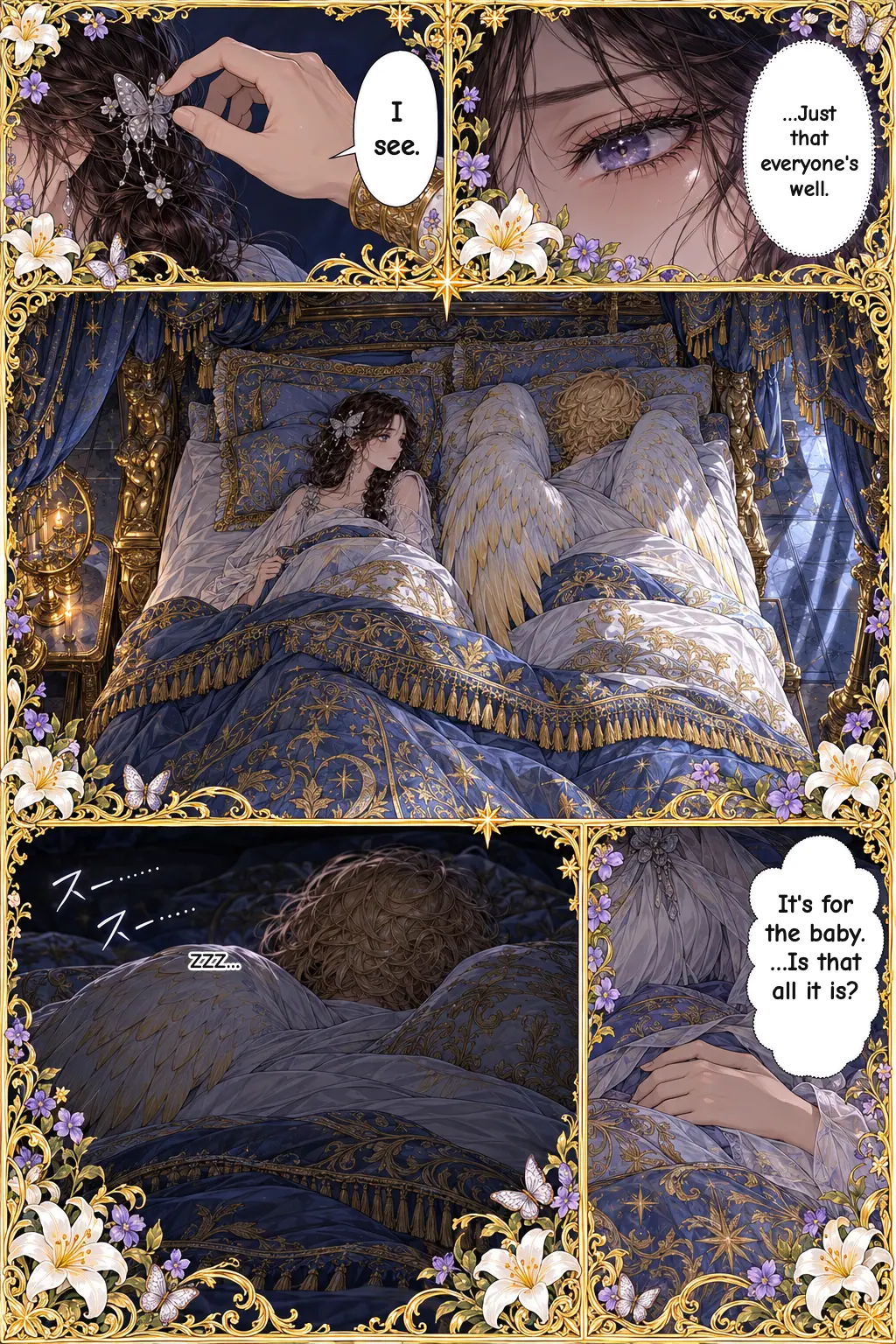
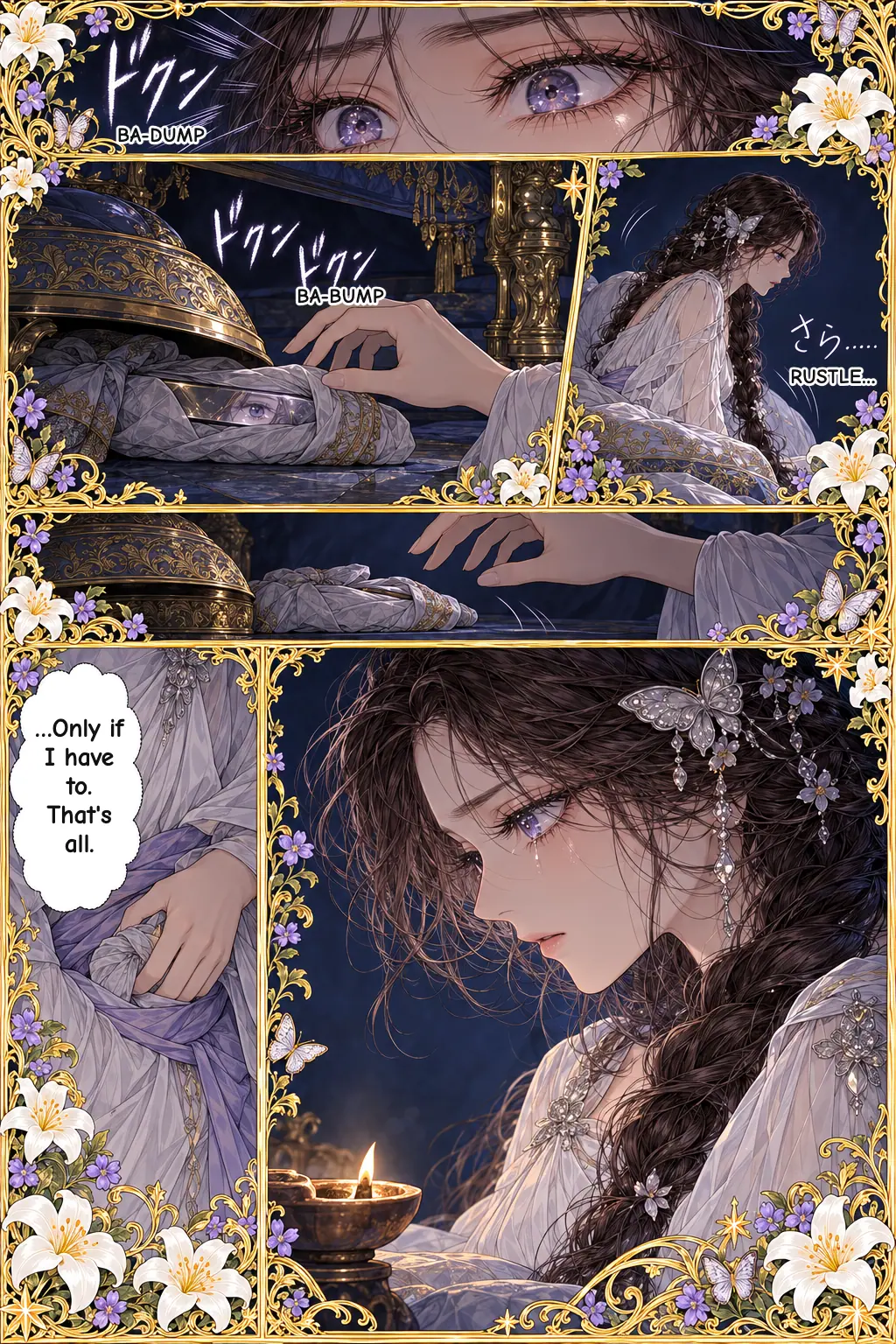
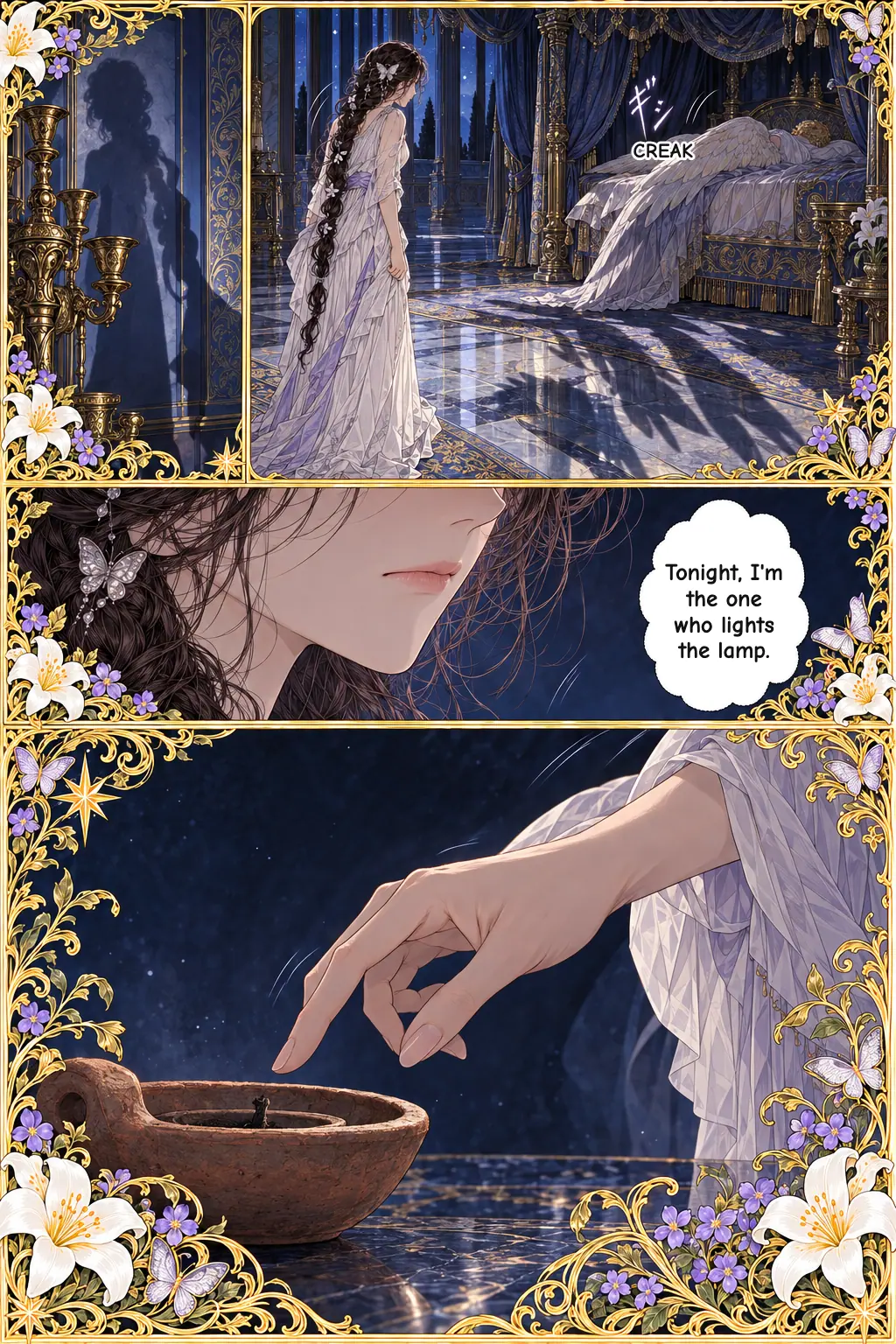
Psyche is pregnant, and her sisters come to visit again. She tries to keep her husband's secret, but she slips and tells them a different story than last time. Jealous, the sisters whisper that her husband is a monster. That night, lying next to her sleeping husband, Psyche reaches a trembling hand toward the lamp…
Get new episodes in your feed. Follow us on:ThreadsBluesky
Story summary
By this point Psyche, a mortal princess famous for her beauty, lives in a palace hidden in a valley. She has married a husband who only visits at night, and she has never seen his face. He has warned her again and again that her two older sisters mean her harm and that she must never try to look at him. He also tells her she is carrying a child. If she keeps his secret, the child will be divine. If she tells it, the child will be mortal. Psyche begs to see her sisters anyway, and he gives in. Zephyrus, the West Wind, carries them gently down from the cliff to the palace.
Cupid and Psyche Summary: The Sisters' Serpent Lie and the Lamp
In short: This part of the Cupid and Psyche myth is the turning point. Psyche, now pregnant, gets her jealous sisters' story wrong and tells them something different about her husband than she did last time. They work out that he must be a god, so they convince her he is a giant serpent who plans to eat her, and they tell her to hide a lamp and a razor and kill him while he sleeps. The story comes from Book 5 of Apuleius' Latin novel "Metamorphoses," also called "The Golden Ass," written in the 2nd century CE.
The Original Myth: What Happens in This Part of the Story
By this point Psyche, a mortal princess famous for her beauty, lives in a palace hidden in a valley. She has married a husband who only visits at night, and she has never seen his face. He has warned her again and again that her two older sisters mean her harm and that she must never try to look at him. He also tells her she is carrying a child. If she keeps his secret, the child will be divine. If she tells it, the child will be mortal. Psyche begs to see her sisters anyway, and he gives in. Zephyrus, the West Wind, carries them gently down from the cliff to the palace.
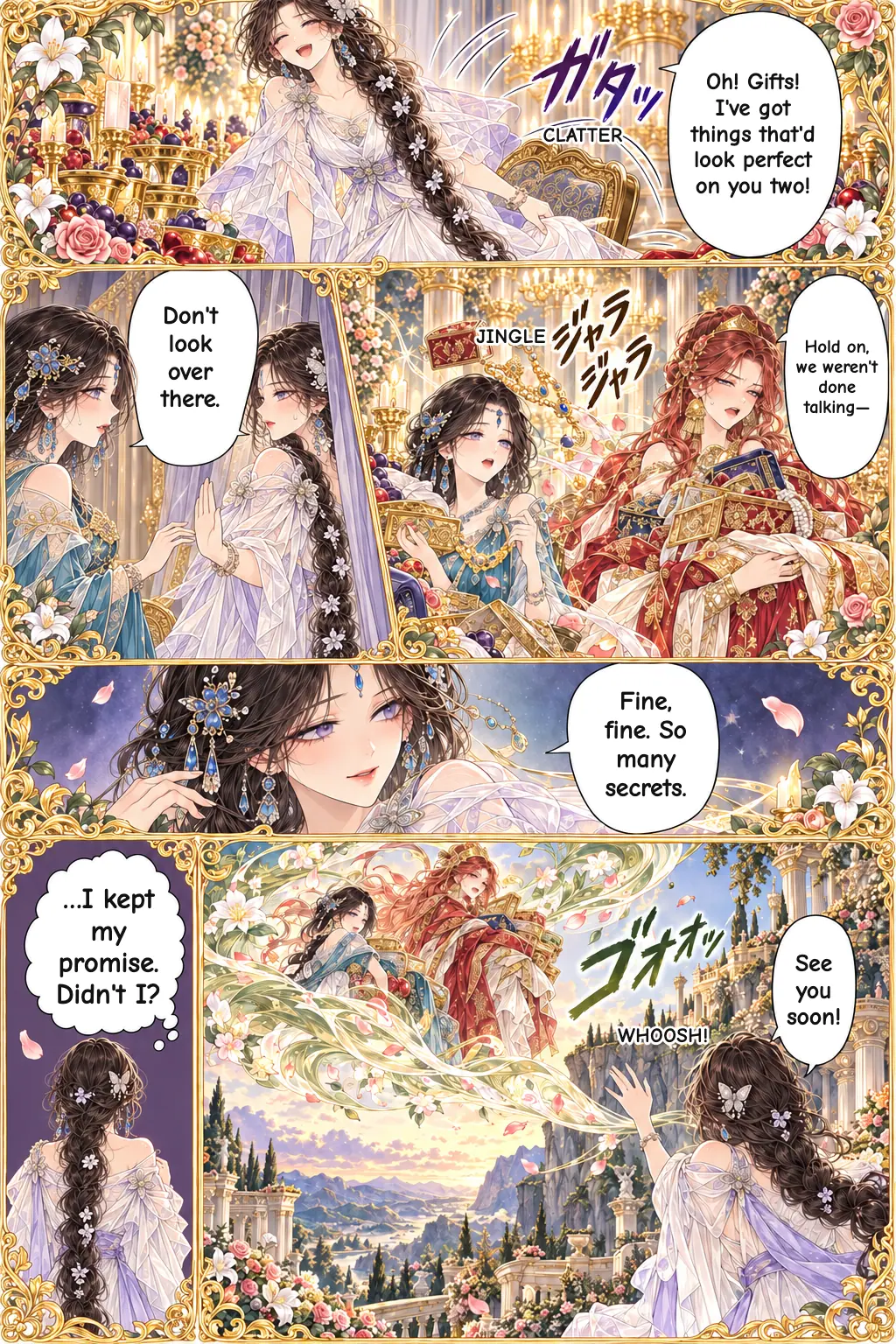
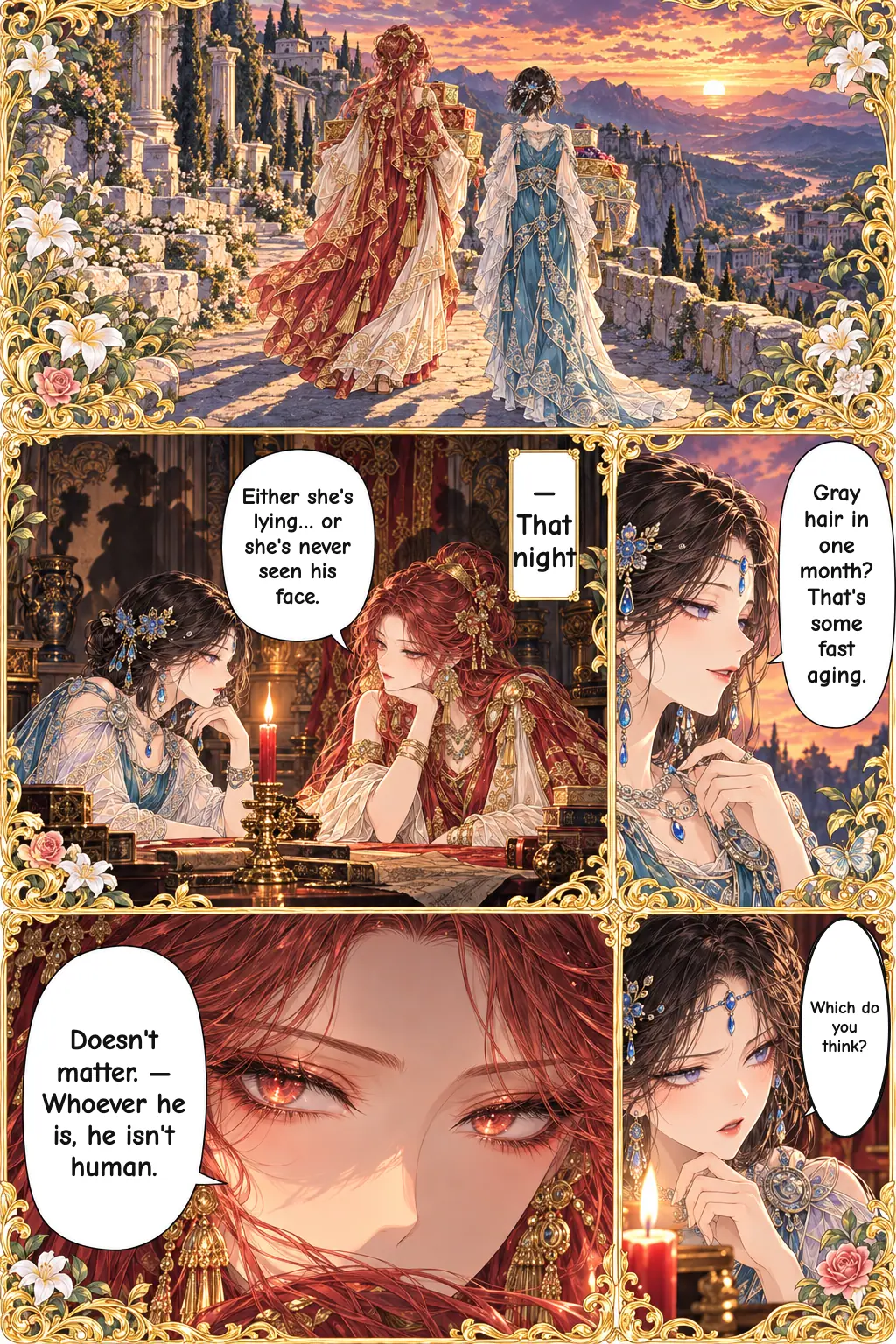
When the sisters ask about her husband, Psyche forgets the story she told on their earlier visit, where he was a young man who hunted. This time she says he is a wealthy merchant from a nearby land, middle-aged, with a little grey in his hair. She realizes she is losing track, so she quickly loads her sisters with gifts and has the wind take them home.
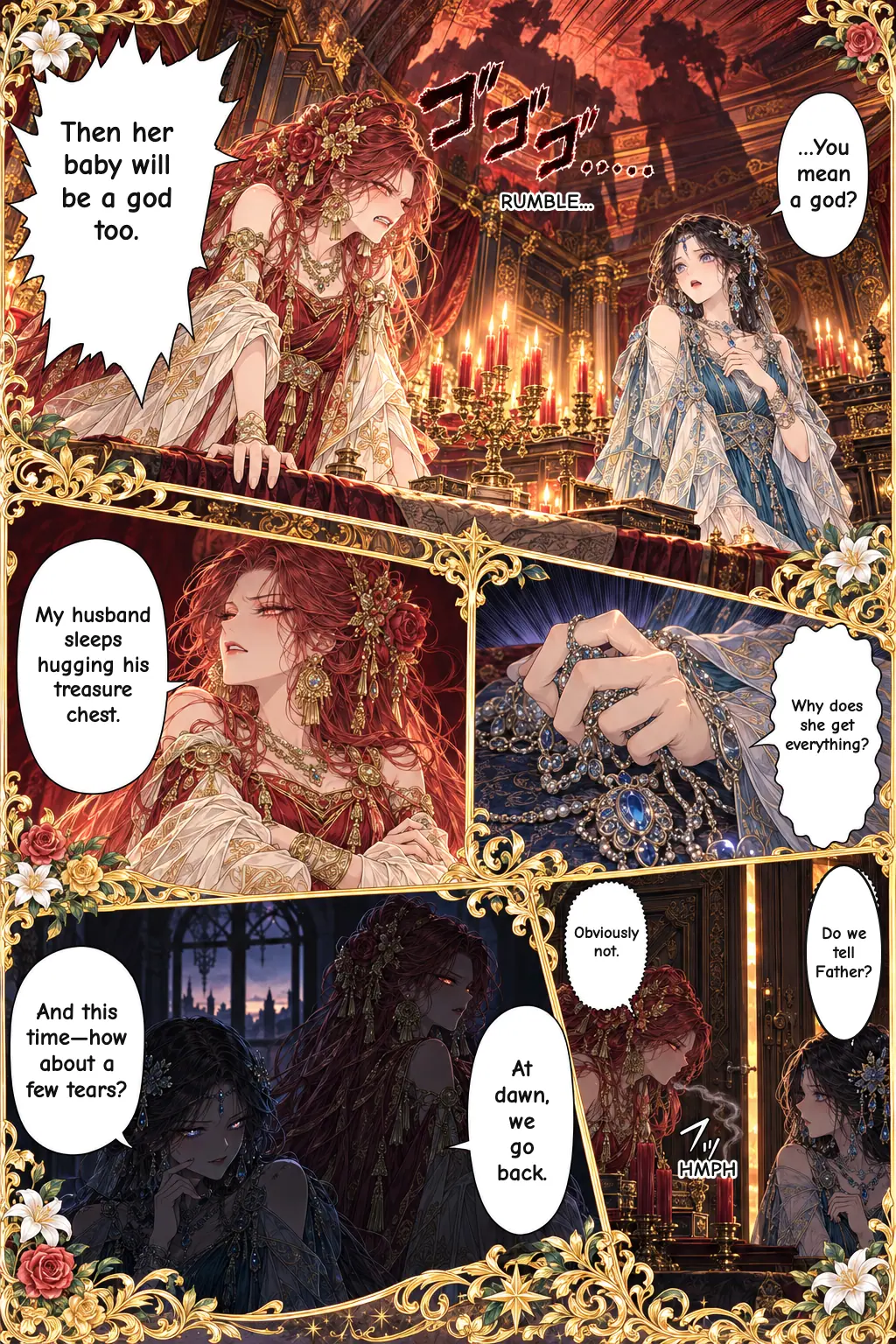
On the way back the sisters notice that the two stories don't match. They reason that Psyche is either lying or has never seen her husband's face. Either way, they decide, he must be a god, which means her child will be a god too. That thought fills them with envy. They keep the truth from their parents, stay up all night plotting, and return to the palace at dawn pretending to cry.
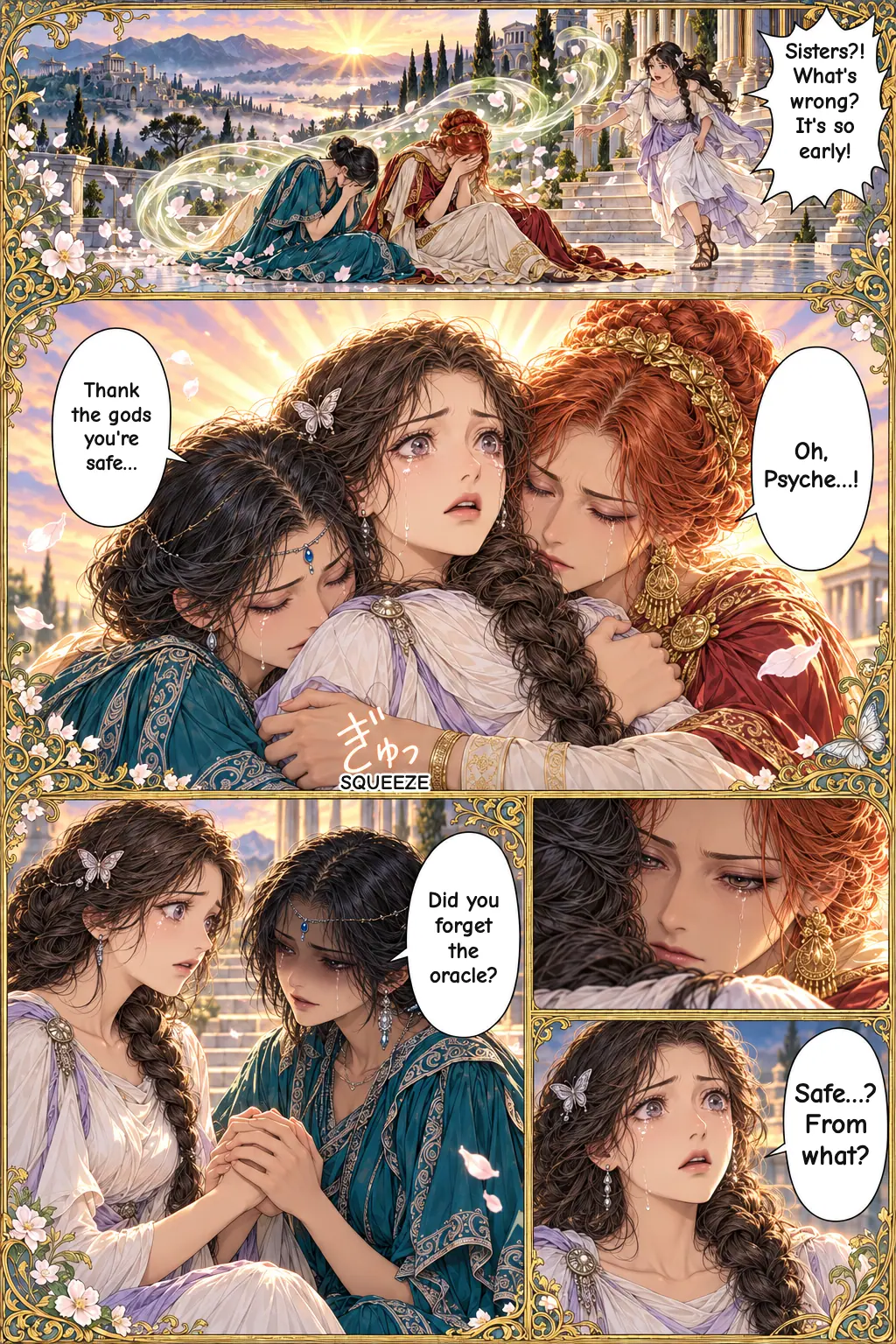
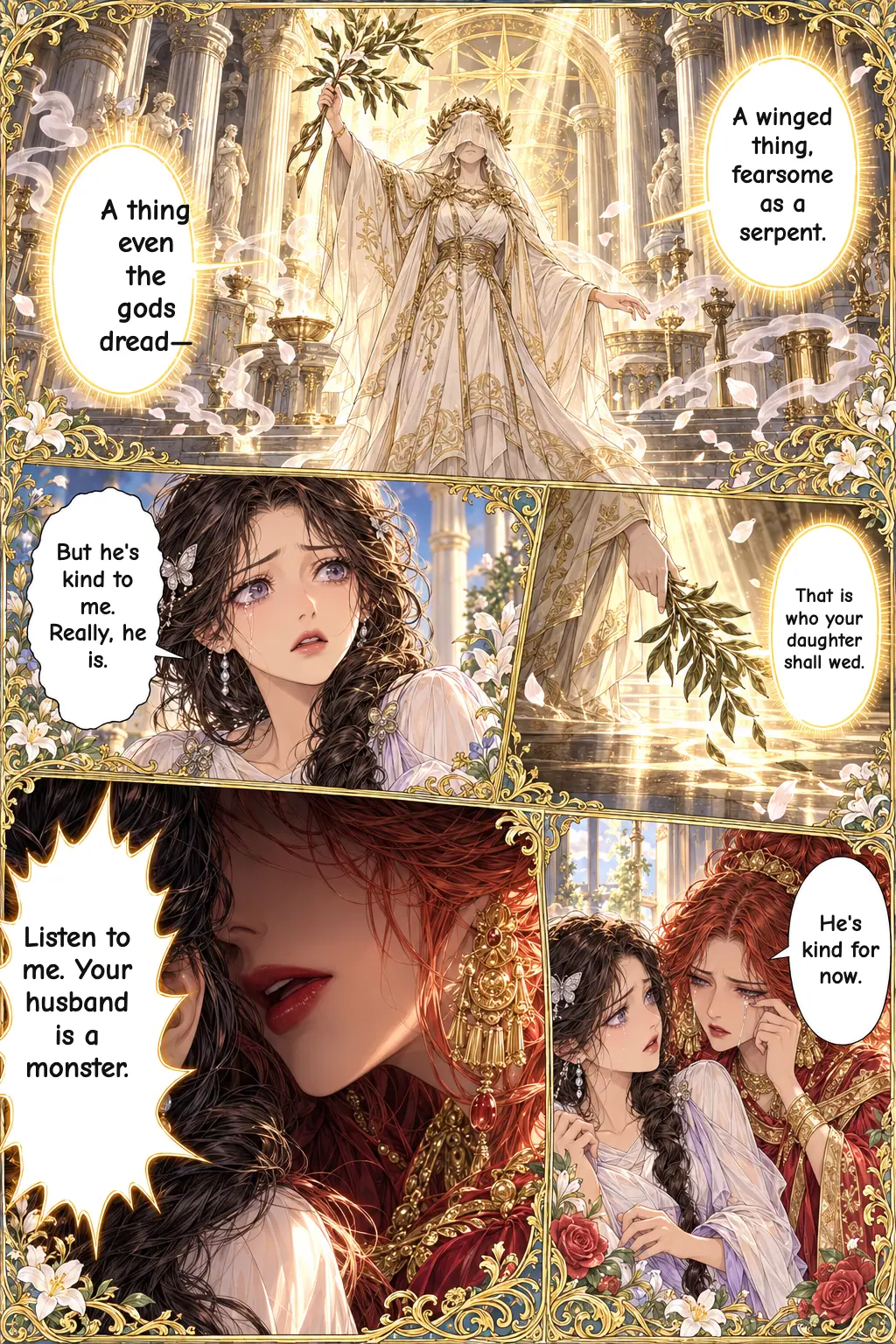
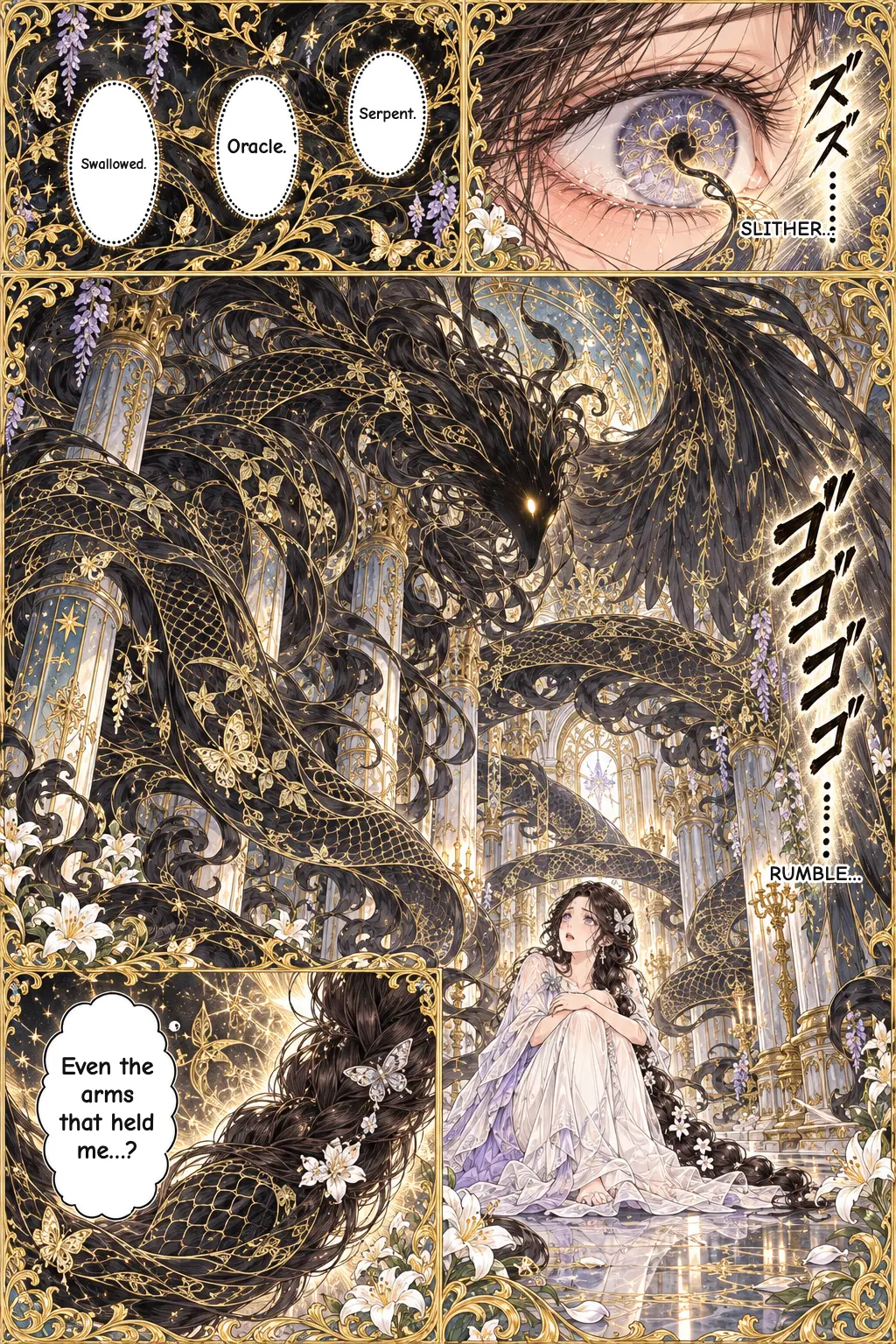
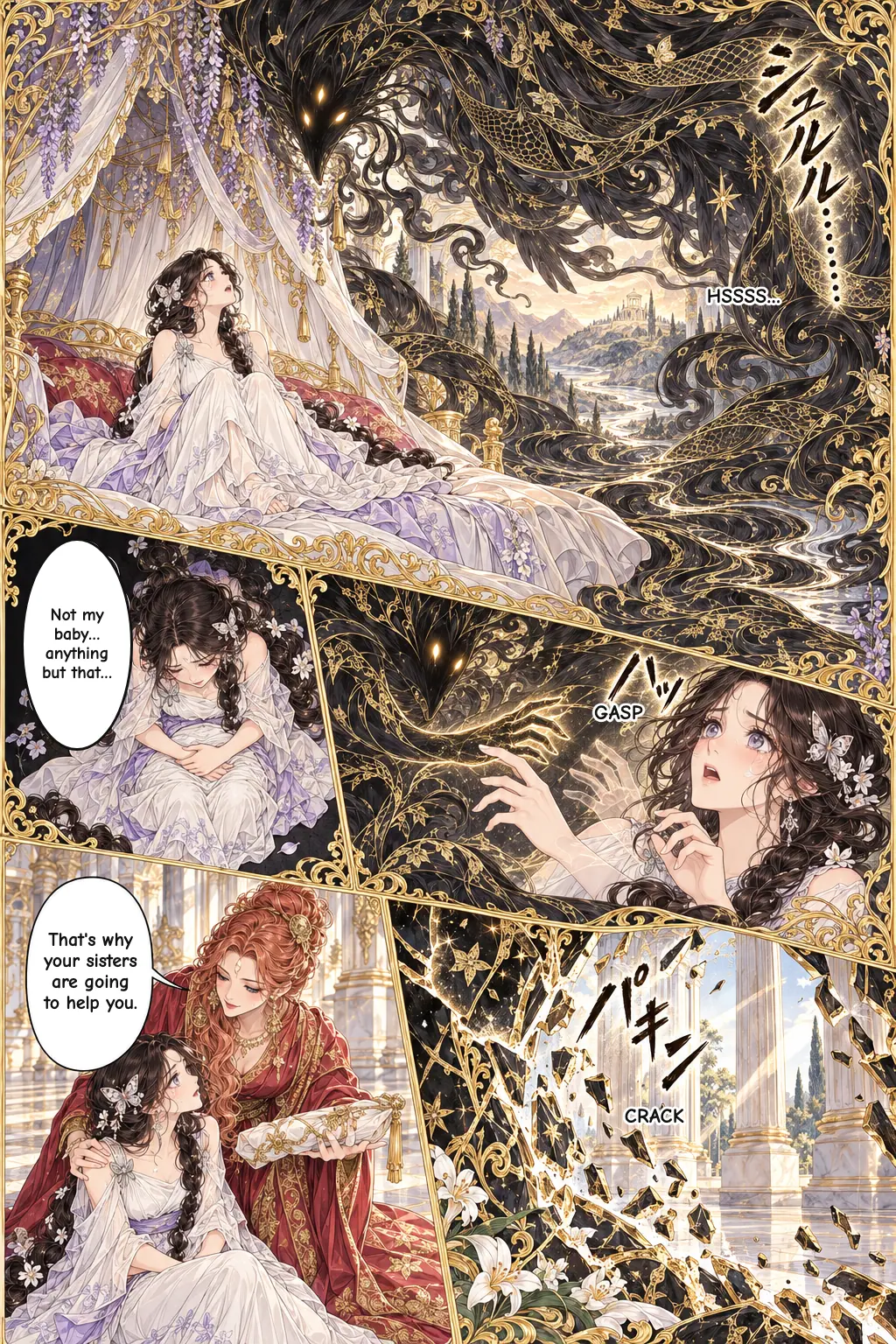
They tell Psyche her husband is a monstrous serpent, just as the oracle of Apollo predicted when she was first sent away to be married. Farmers and hunters, they claim, have seen it swimming across the river at dusk. It is only fattening her up, and once the pregnancy is far enough along it will eat her. Terrified, Psyche admits she has never seen him. The sisters tell her what to do: hide a sharp razor and an oil lamp, wait for him to fall asleep, then light the lamp and cut off his head. Then they leave in a hurry. Alone, Psyche swings back and forth between rushing ahead and holding back, between courage and fear. She hates the beast and loves the husband, and they are the same body. Night falls, he arrives, and he falls asleep beside her.
Who's Who in This Episode
Psyche is the youngest of three royal daughters. People say her beauty rivals Venus (the Roman name for Aphrodite, goddess of love). Here she comes across as loving and trusting, and also careless enough to trip over her own cover story. Her husband is Cupid (Amor in Latin, Eros in Greek), the son of Venus, though Apuleius still hasn't named him at this point. In this section he barely speaks. He just comes to bed and falls asleep.
The two sisters have no names in the original. Each one is married to a foreign king and resents her own marriage. They are the villains, and Apuleius makes it clear that their tears are fake. Zephyrus, the West Wind, carries them down to the valley and back up again without speaking. The palace's invisible servants, who are only voices, take care of Psyche's needs.
What the Myth Is About: Background and Meaning
Apuleius was a writer from Madauros in Roman North Africa. He tells this tale inside his comic novel about a man who gets turned into a donkey. In the novel, an old woman tells it to a frightened young woman held captive by robbers. The novel is the oldest full version of the Cupid and Psyche story we have. Some scholars think he drew on older folk tales, but no earlier full version has survived.
This scene runs on a common folk-tale rule: one thing is forbidden, and the hero will be tempted to break it. The sisters win because they turn Psyche's love into fear. Psyche means "soul" in Greek, so many readers, ancient and modern, have read the story as an allegory of the soul looking for love. That is one interpretation, though, and Apuleius never spells it out. A simpler reading also works: envy hurts people most when it pretends to care about them.
What the Manga Changes and Adds
Everything in the plot summary above comes from Apuleius. The manga invents what he leaves out. That includes the sisters' faces, ages, clothes and body language, and since they have no names in the source, the manga calls them the elder and younger sister. The palace interiors, the valley and the shape of the cliff are designed for the manga too. So is the exact wording of the sisters' plotting on the way home.
Apuleius describes Psyche's inner struggle in a few sharp contrasts. The manga turns that into inner monologue and paced panels. It frames her doubts less as curiosity and more as a mix of fear for herself and her baby and a need to know the man she loves with her own eyes. The source supports this reading but doesn't state it outright. The manga also invents where she hides the lamp and razor (the original only says something like under a vessel) and the way her hands shake.
Two choices are about tone. The husband is drawn asleep only through shadow, breathing and a hand, so his face stays hidden, just as it is hidden from Psyche. Psyche holds the razor or tucks it away but never points the blade at him. In the source, the moment she actually raises the lamp comes in the next part of the story.
Where to Read It
If you'd like to see this scene with its full suspense, Episode 5 of EROS & PSYCHE: The Forbidden Gaze ends with Psyche's shaking hand reaching for the lamp. Every episode on Manga Portal is free to read, with no sign-up needed, so you can start at Episode 1 or go straight on to find out what the light reveals. If you want the original, William Adlington's 1566 English translation, The Golden Asse, is free on Project Gutenberg.
Characters in this episode
Psyche
A mortal princess known for her beauty and married to a husband she has never seen, who is pregnant and torn between love and fear.
Cupid (Eros / Amor)
Venus's son and Psyche's secret husband, who visits only at night and forbids her to look at his face.
The Elder Sister
Psyche's unnamed, envious sister, who figures out the husband must be a god and leads the plot against him.
The Younger Sister
Psyche's other unnamed sister, who joins the scheme and fakes tears to make the serpent story believable.
Zephyrus, the West Wind
The wind that carries the sisters down to the hidden valley palace and back up again.
The Invisible Servants
Bodiless voices in the palace that wait on Psyche and her guests.
FAQ
Why did Psyche's sisters say her husband was a serpent?
They were jealous. When Psyche's stories about her husband didn't match, they concluded he was a god and that her child would be divine. To ruin her happiness, they claimed he was the monstrous serpent from Apollo's oracle and would eat her once her pregnancy was far along.
Why couldn't Psyche look at Cupid's face?
Her husband made her promise never to try to see him. He warned that if she kept his secret their child would be divine, and if she broke it the child would be mortal. Apuleius never fully explains why he hides, but the rule drives the whole plot.
What did the sisters tell Psyche to do with the lamp and razor?
They told her to hide a sharp razor and a lamp full of oil, wait until her husband was asleep, light the lamp, and cut off his head. Psyche gets everything ready, but the moment she actually lights the lamp comes in the next part of the story.
Where does the story of Cupid and Psyche come from?
The oldest full version is in the Latin novel Metamorphoses (The Golden Ass) by Apuleius, written in the 2nd century CE. In the novel, an old woman tells it as a story within the larger book.
Is Psyche pregnant in the myth?
Yes. In Apuleius, Psyche is carrying Cupid's child during her sisters' visits. Later in the story the child is born, a daughter named Pleasure (Voluptas).