Episode 2To Become Human, Add Bread and BeerEnkidu and Shamhat
At the watering hole, Enkidu meets Shamhat. He can never run with the herd again, but he gains wisdom, and with bread and beer he becomes human. Meanwhile in Uruk, King Gilgamesh dreams that a friend as strong as he is will soon arrive.
Enkidu and Shamhat in the Epic of Gilgamesh: Summary of How Enkidu Becomes Human
The Original Story: From the Watering Hole to the Shepherds' Camp
The Epic of Gilgamesh is one of the oldest long stories in the world. It comes from ancient Mesopotamia, in what is now Iraq. This episode follows the Standard Babylonian version, best known from clay tablets found at Nineveh. It covers the second half of Tablet I and the first part of Tablet II. Tablet II is badly damaged, so its missing lines are filled in from an older Old Babylonian copy called the Pennsylvania Tablet.
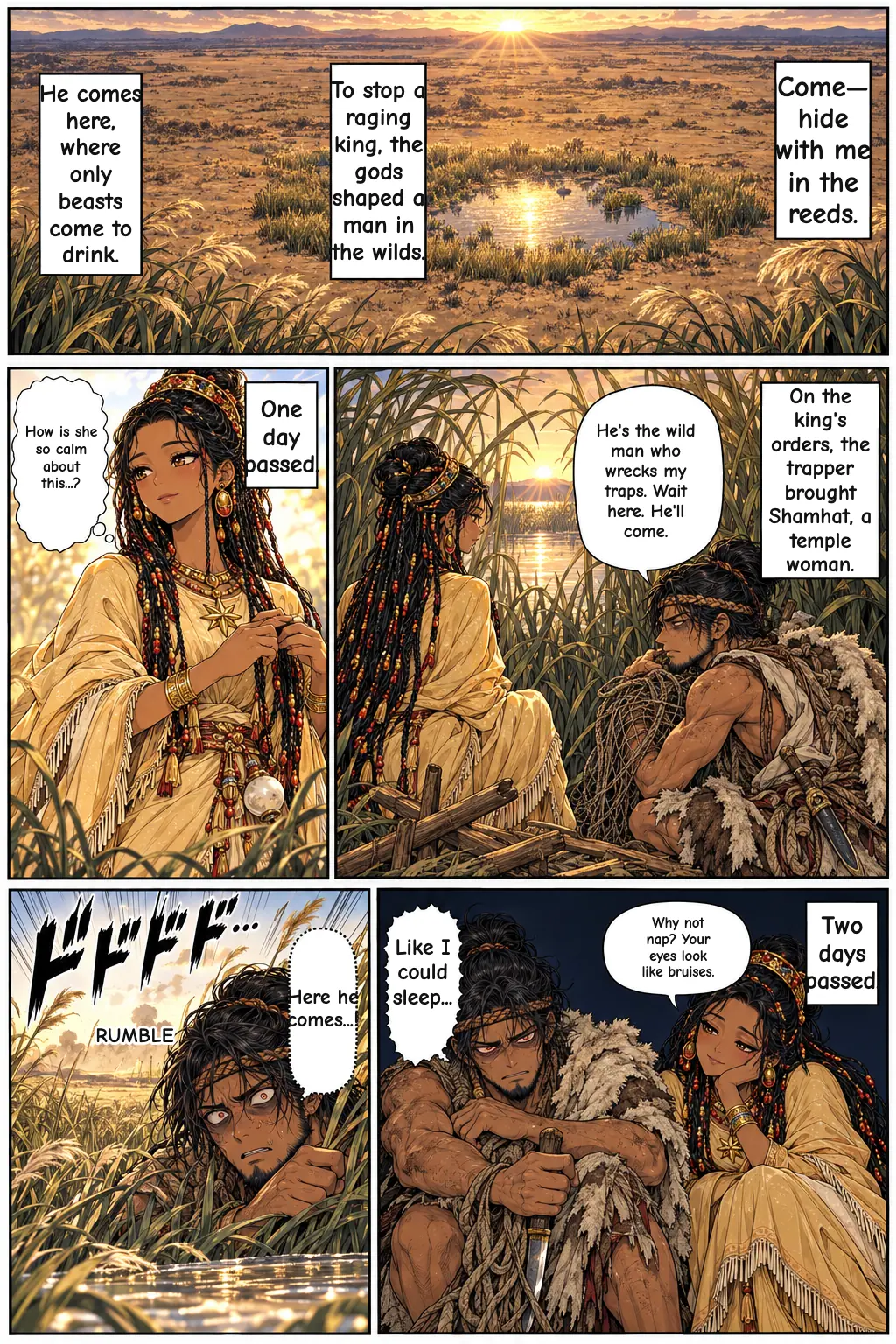
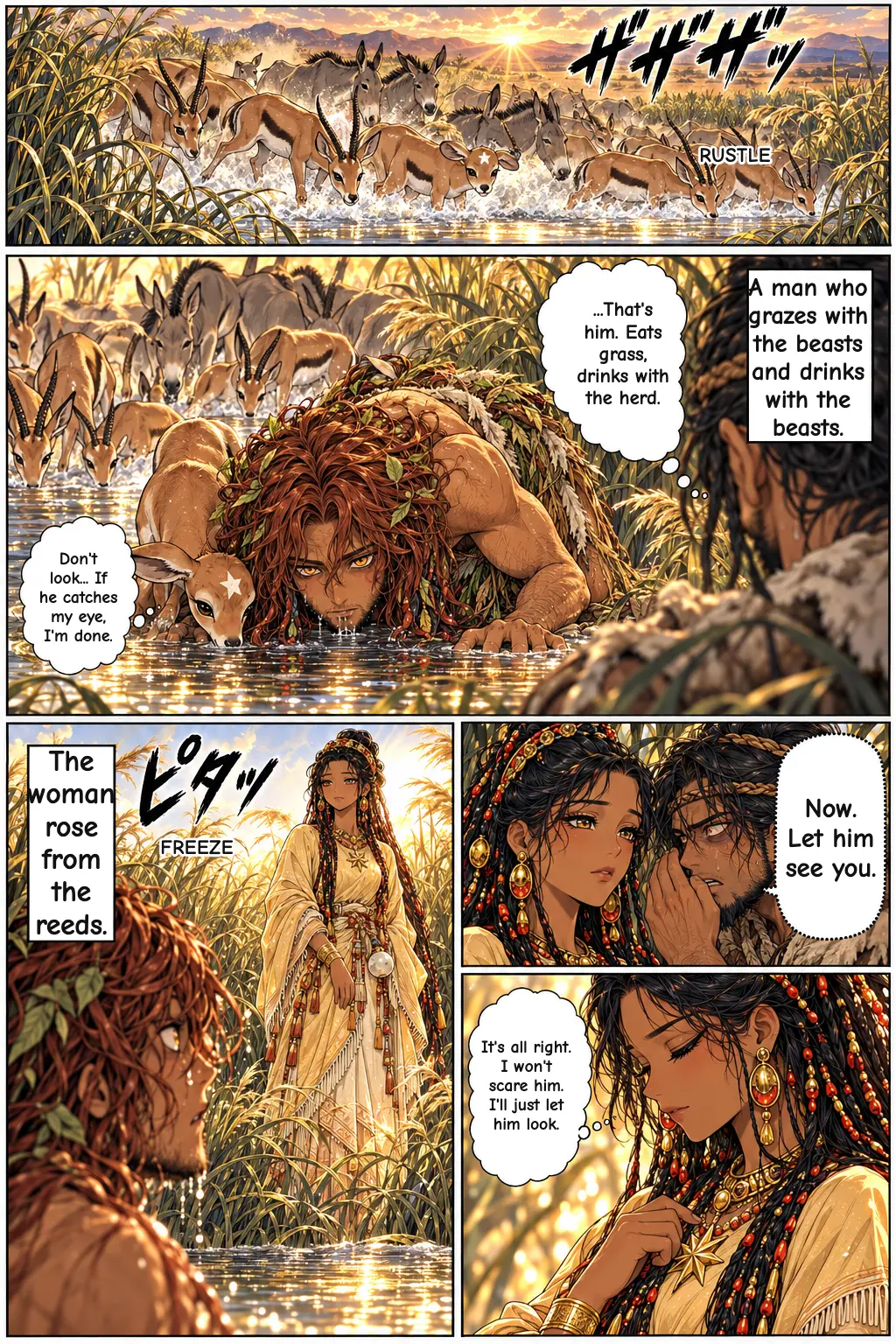
Out in the wilderness, a hunter keeps finding his pits filled in and his traps torn apart. A wild man named Enkidu has been freeing the animals. The frightened hunter asks his father what to do. His father tells him to go to the city of Uruk, report this to King Gilgamesh, and bring back Shamhat, a woman of Uruk. Gilgamesh agrees and orders the hunter to take Shamhat to the watering hole. After a three-day walk, they wait there for two more days.
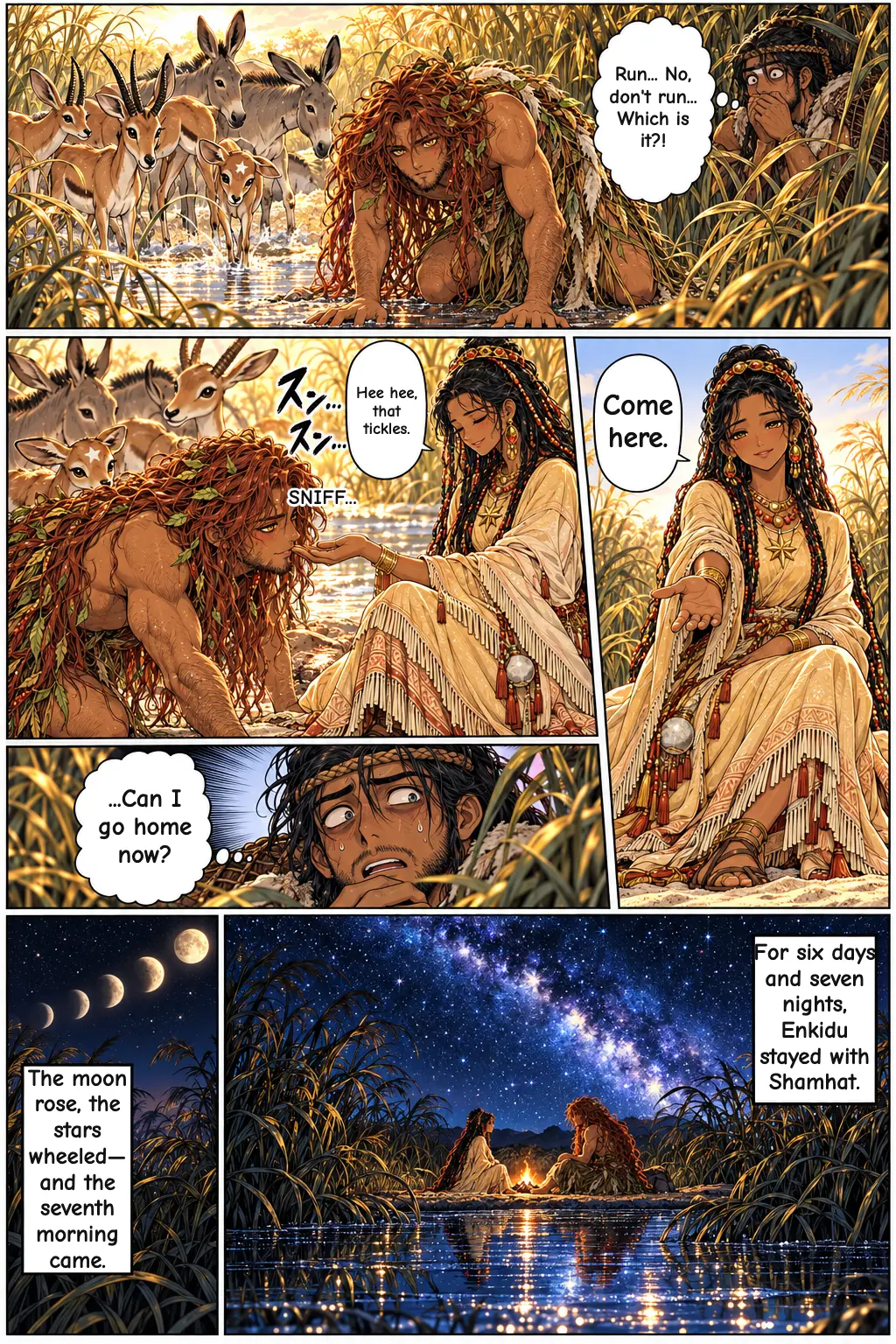
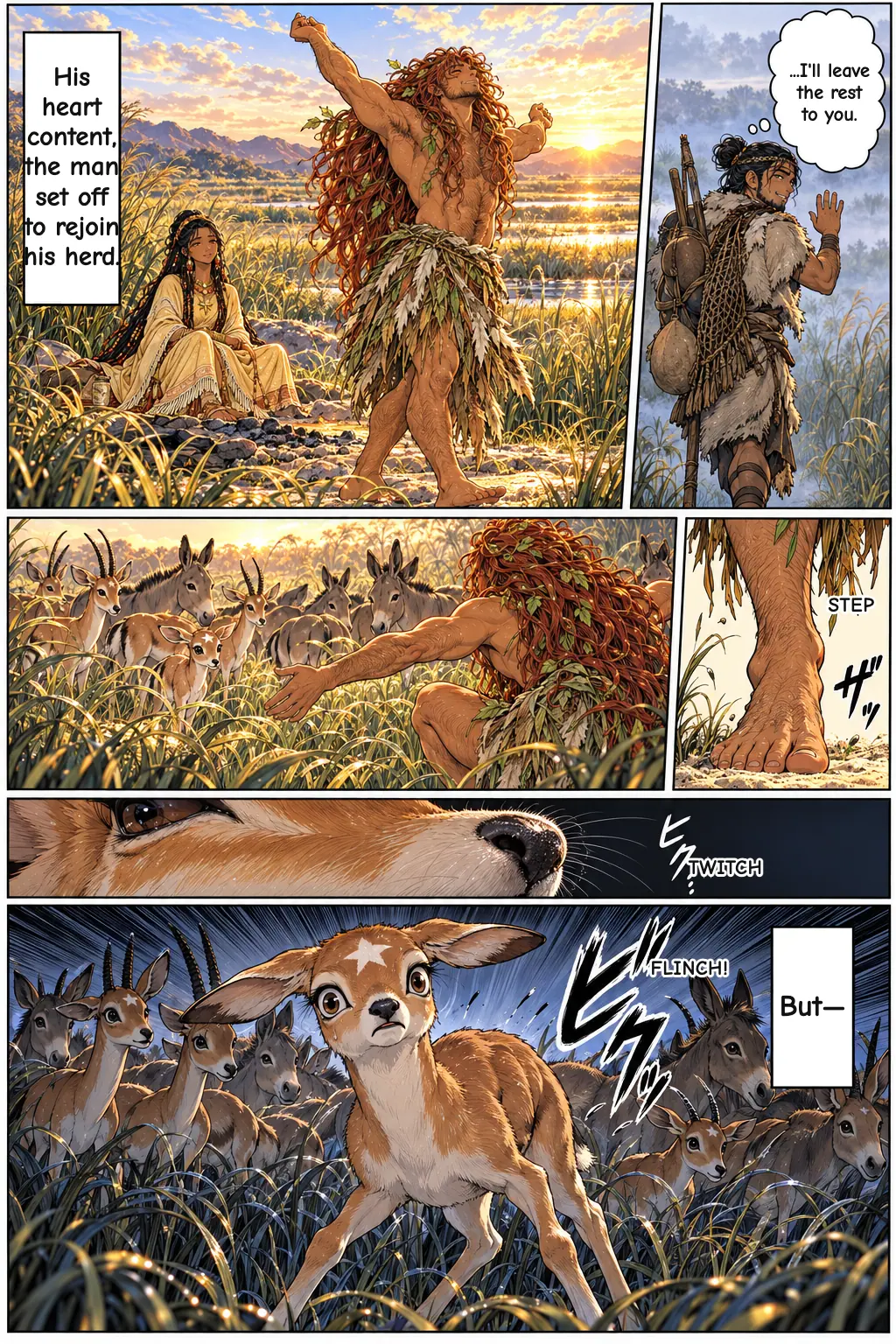
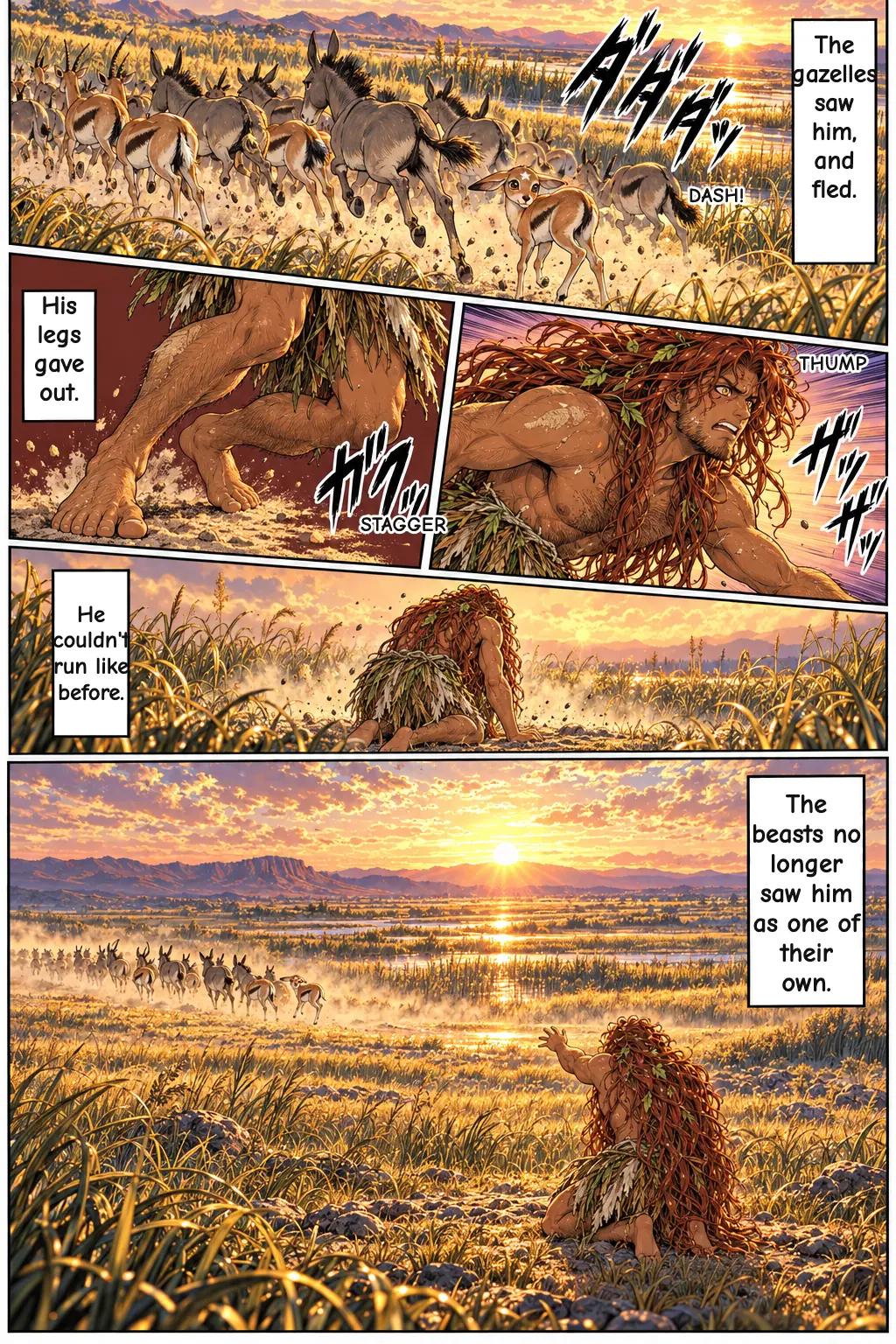
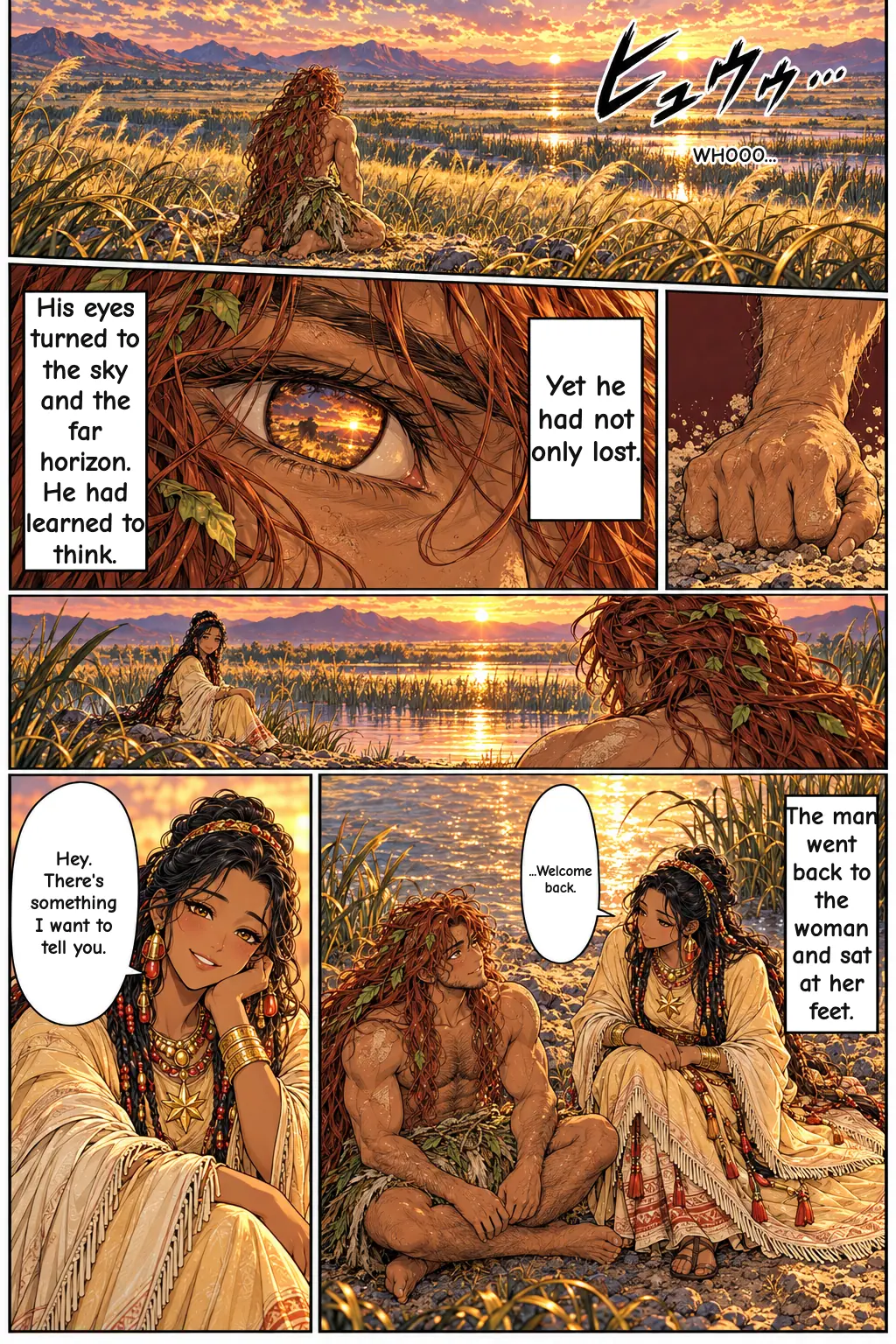
When Enkidu comes to drink with the herd, Shamhat shows herself, and the two spend six days and seven nights together. Afterward, Enkidu tries to rejoin his animals, but the gazelles run from him. His legs, once so fast, no longer carry him the way they did. In exchange, he has gained something new: reason and a broader understanding of the world.
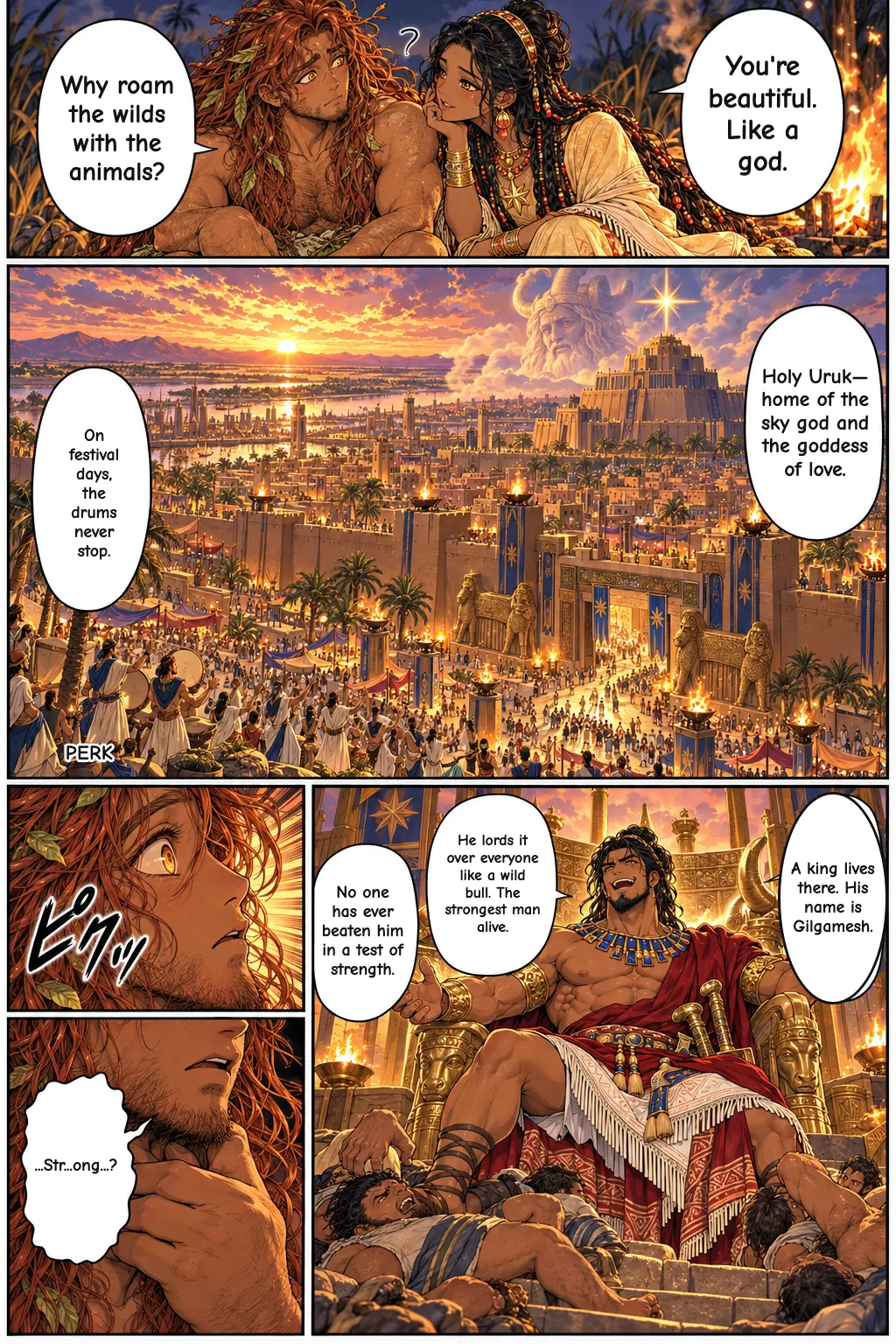
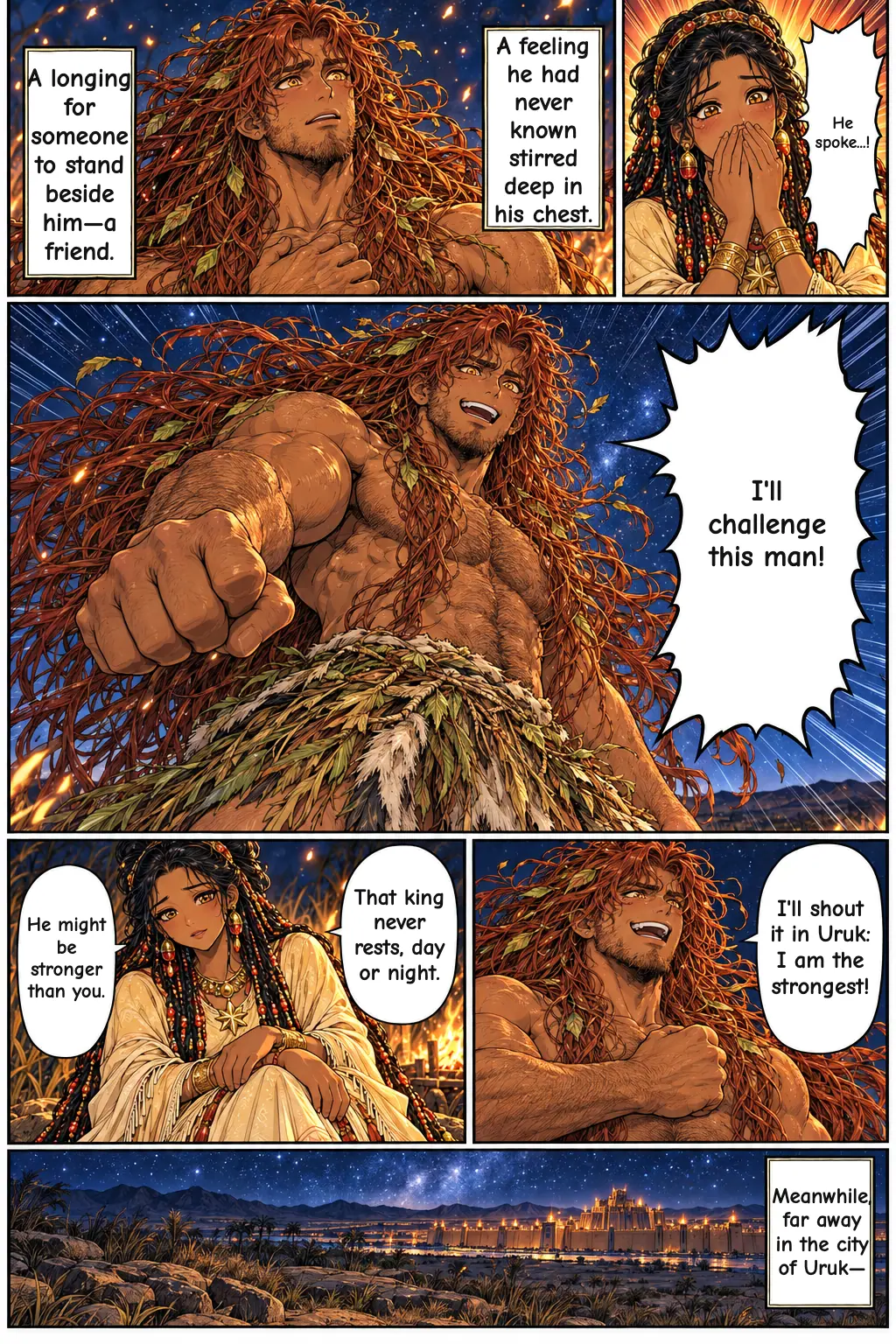
Enkidu sits at Shamhat's feet and listens. She tells him he is like a god and asks why he roams the wild with beasts. She describes Uruk, the holy city of the gods Anu and Ishtar, and its restless, bull-like king. Enkidu feels a longing for a friend, but he also announces that he will go to Uruk and challenge Gilgamesh as the strongest man there.
Gilgamesh's Two Dreams
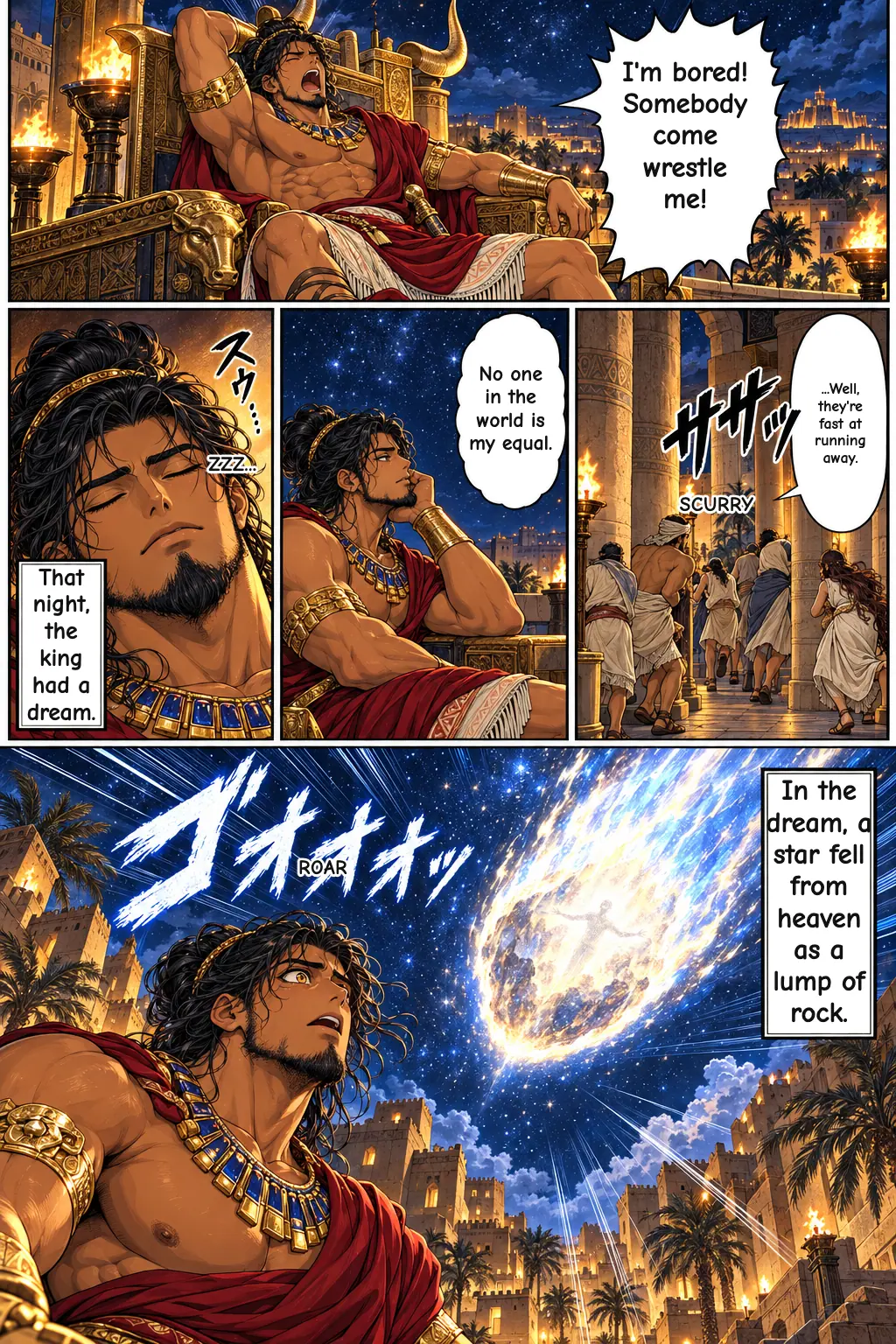
Shamhat then reveals that Gilgamesh already knew Enkidu was coming. Before Enkidu ever left the hills, the king had dreamed about him and told his dreams to his mother, the wise goddess Ninsun.
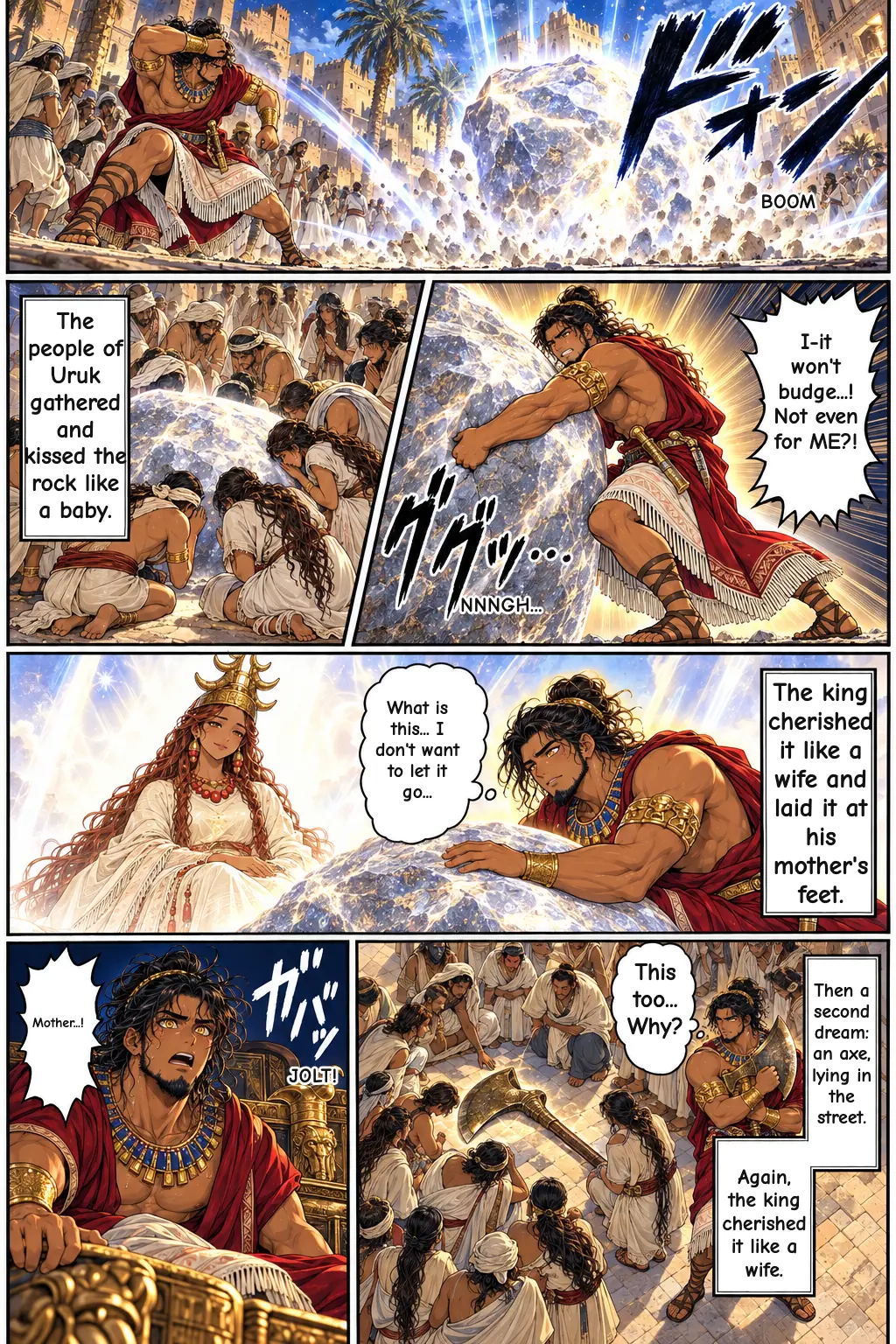
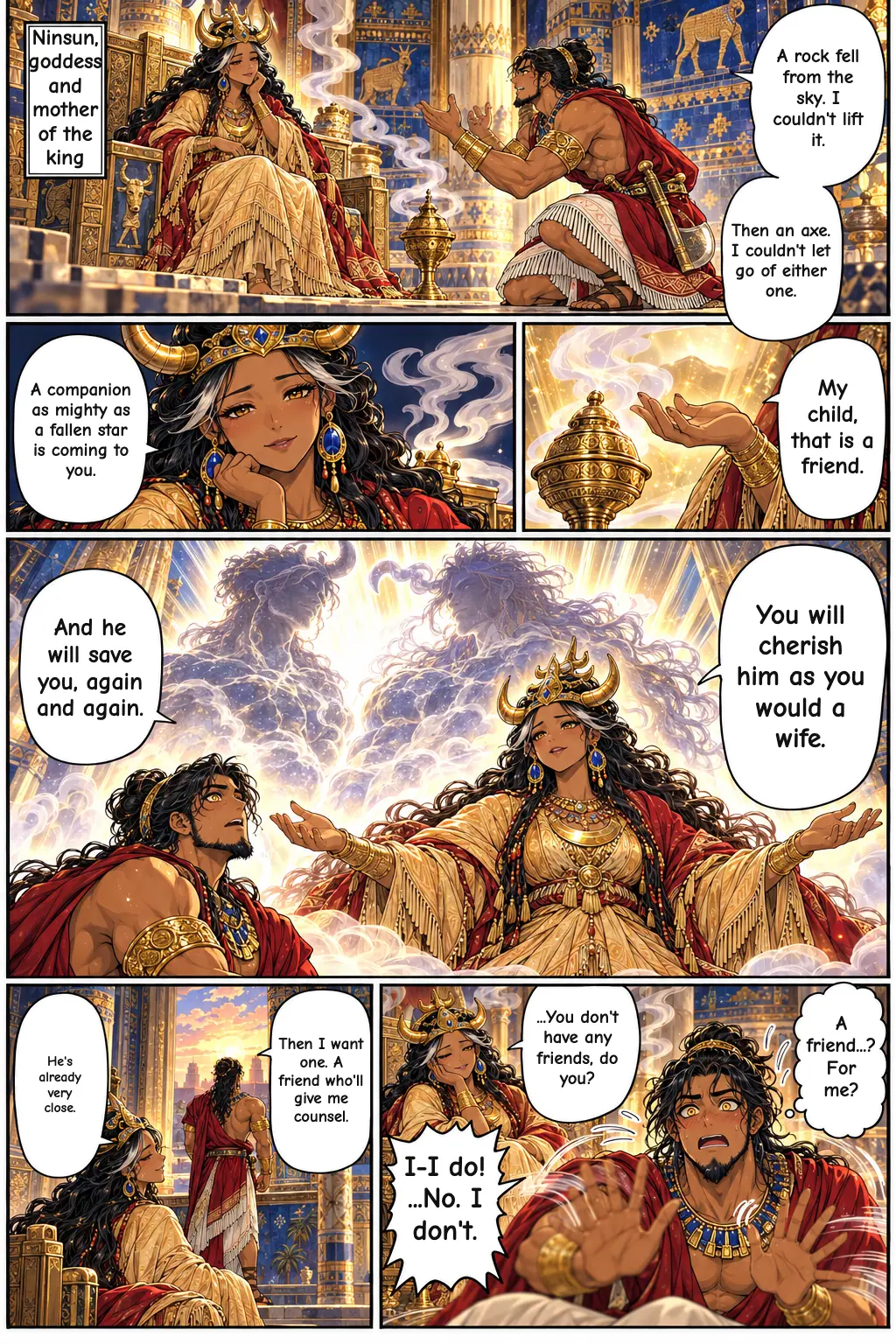
In the first dream, a heavy lump, described as a lump or rock of the sky god Anu, falls down to Gilgamesh. He cannot lift it, while the people of Uruk crowd around it. He loves it, embraces it, and lays it before his mother, who treats it as his equal. In the second dream, an axe lies in the streets of Uruk, and the same thing happens. Ninsun explains both dreams the same way: a mighty companion is on his way, someone Gilgamesh will love deeply and who will save him again and again. Some scholars think the words for the lump and the axe may also contain wordplay with Akkadian terms for people, but this reading is debated. Gilgamesh says he hopes for such a friend and adviser.
Bread, Beer, and Becoming Human
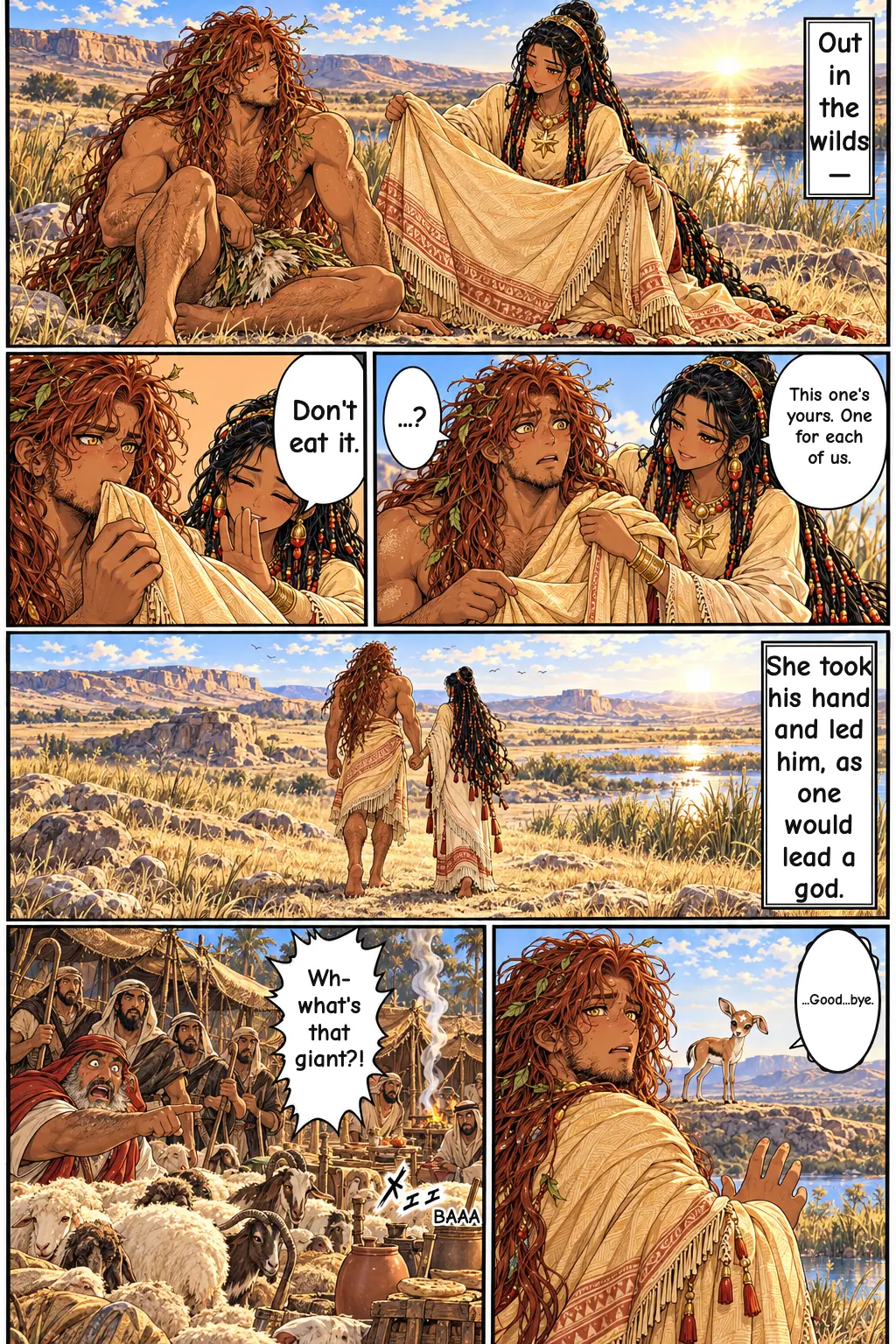
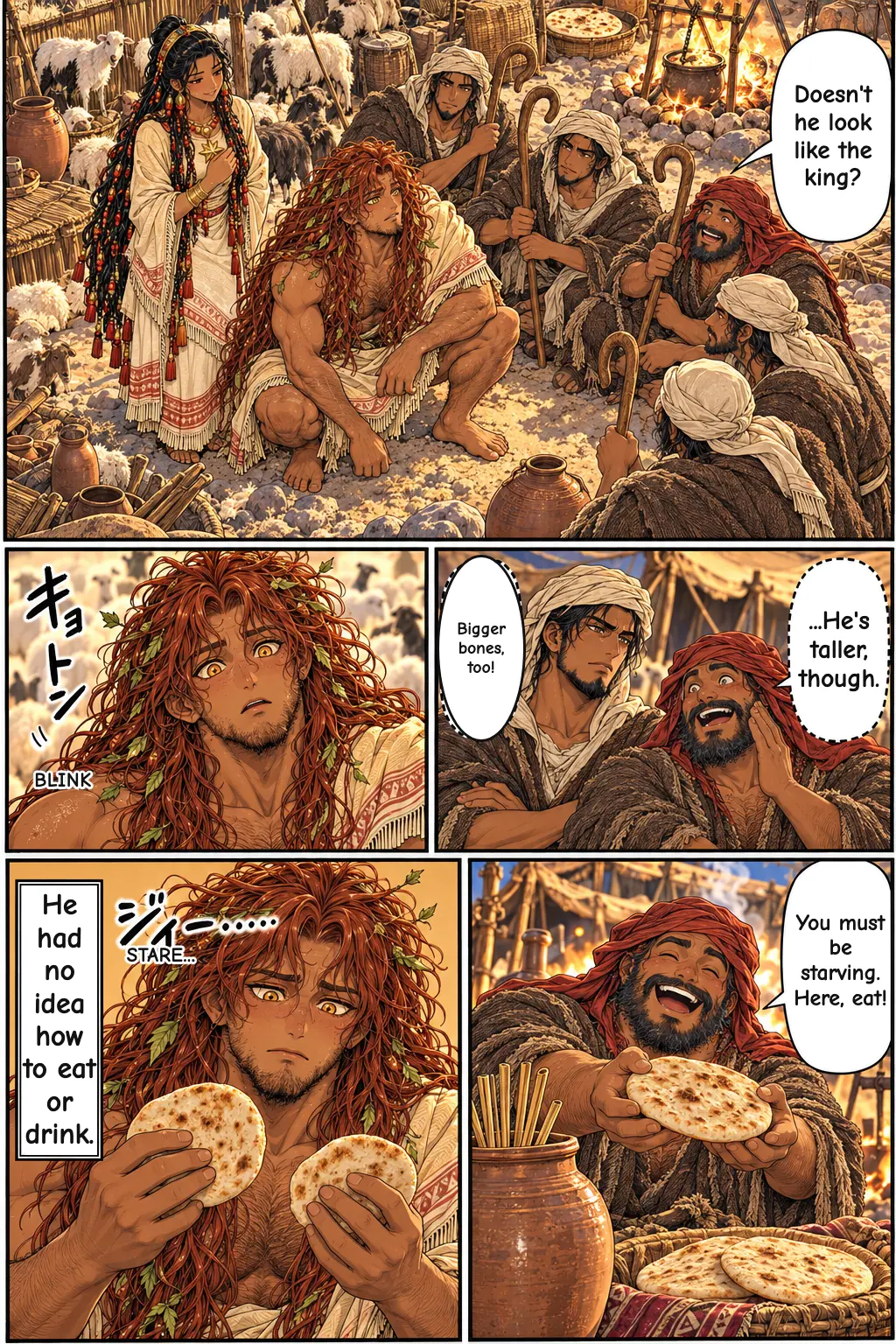
In the Old Babylonian version, Shamhat divides her clothing, dresses Enkidu in one piece, and leads him by the hand to a shepherds' camp. The shepherds gather around him and say he looks like Gilgamesh, but taller and more powerfully built.
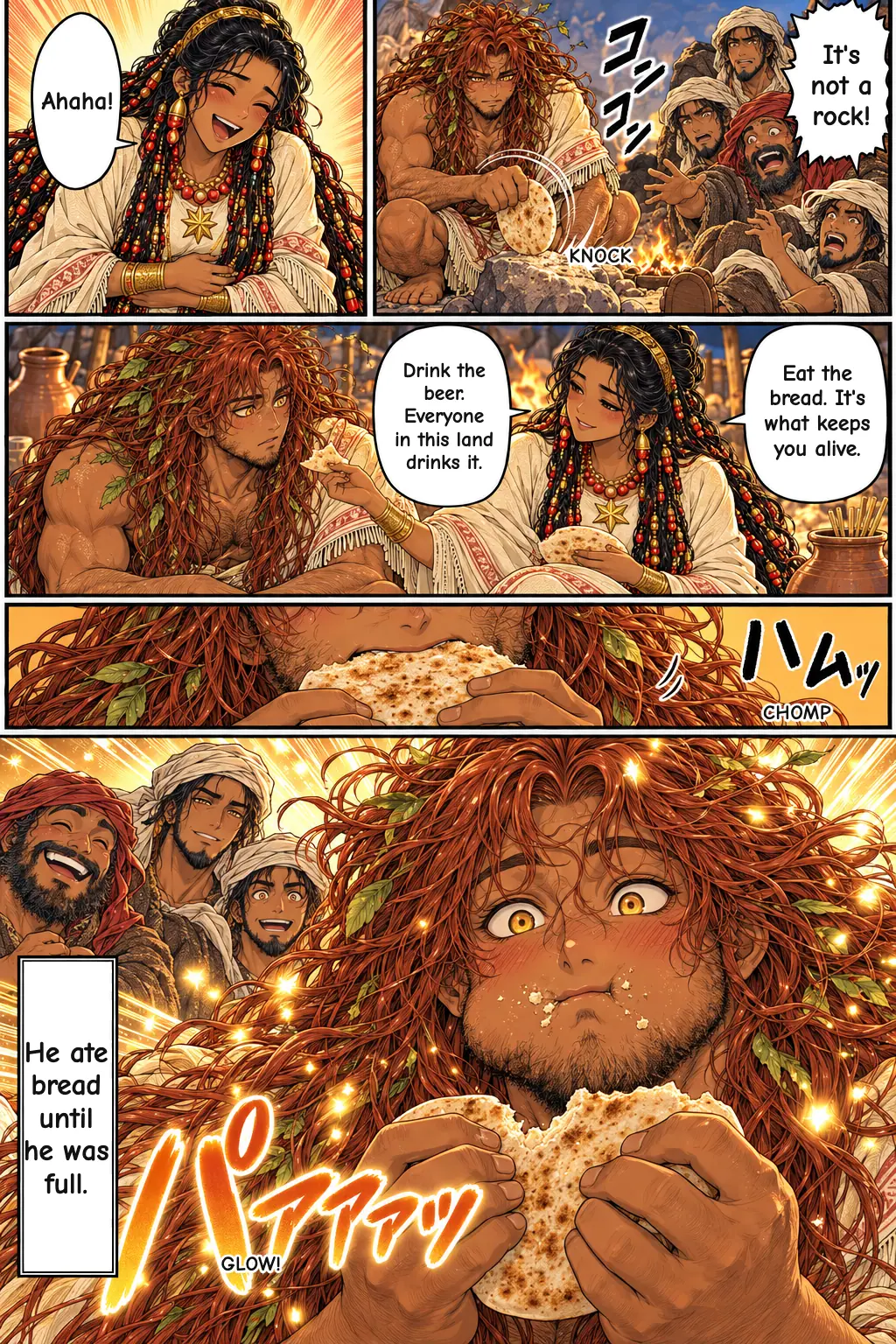
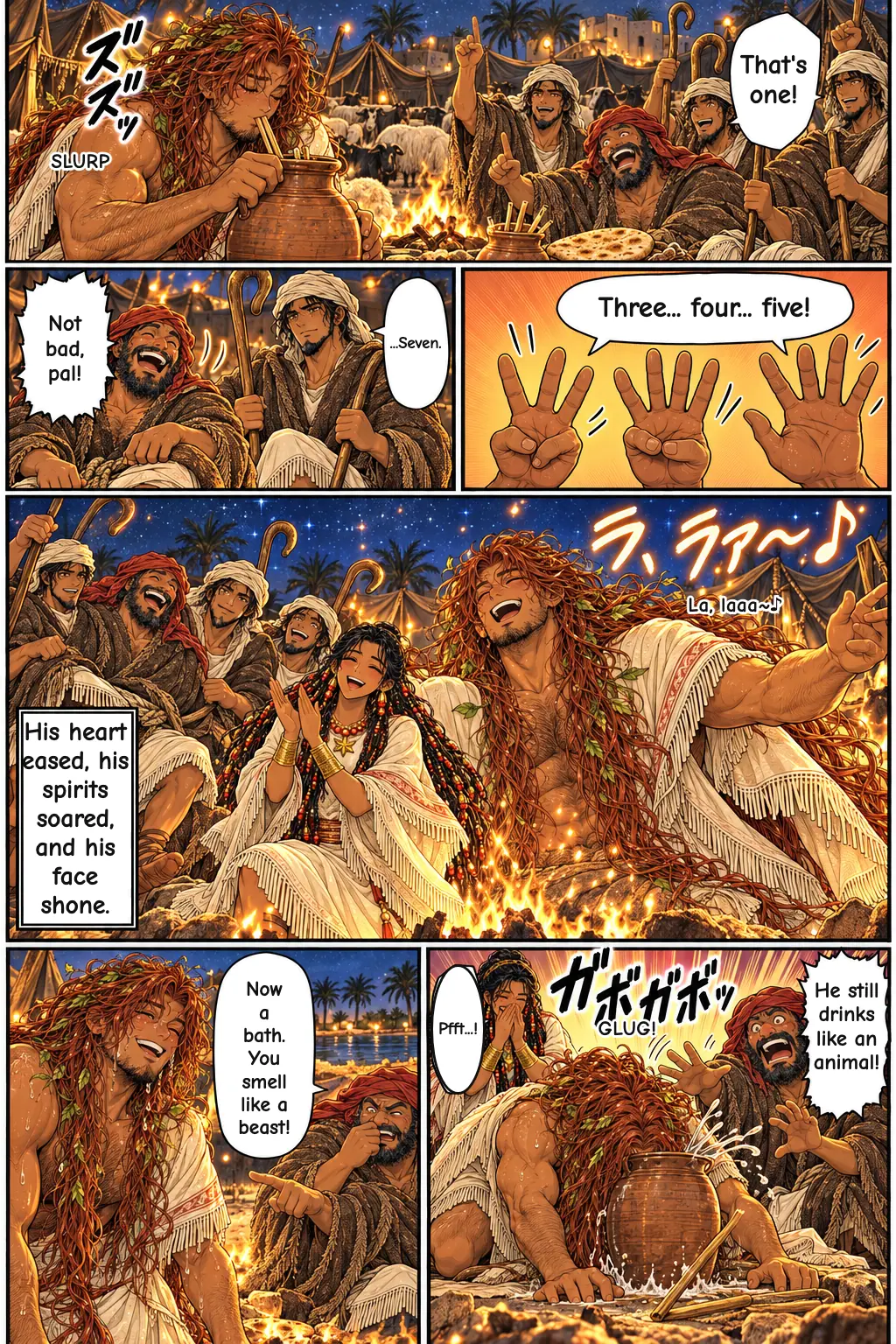
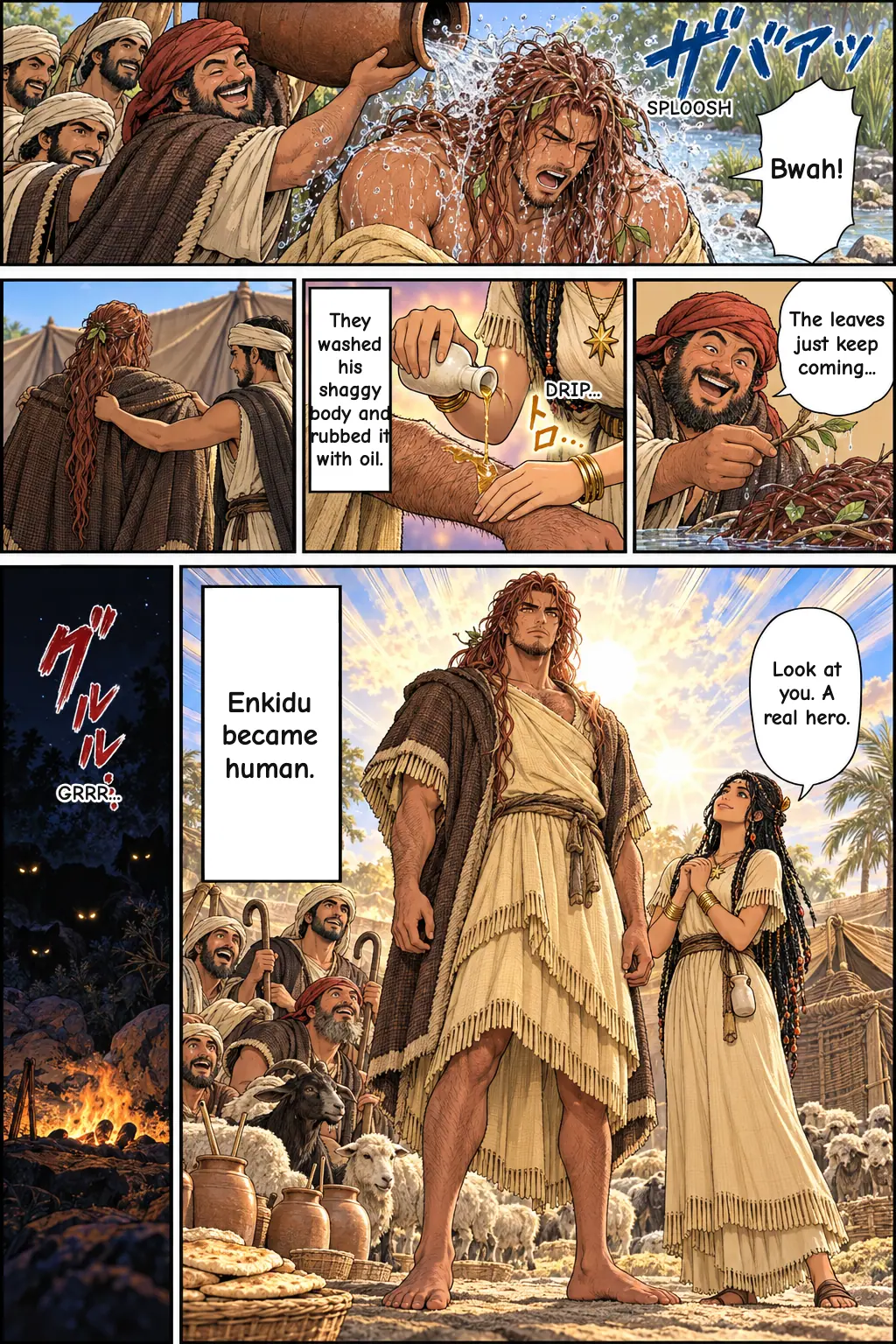
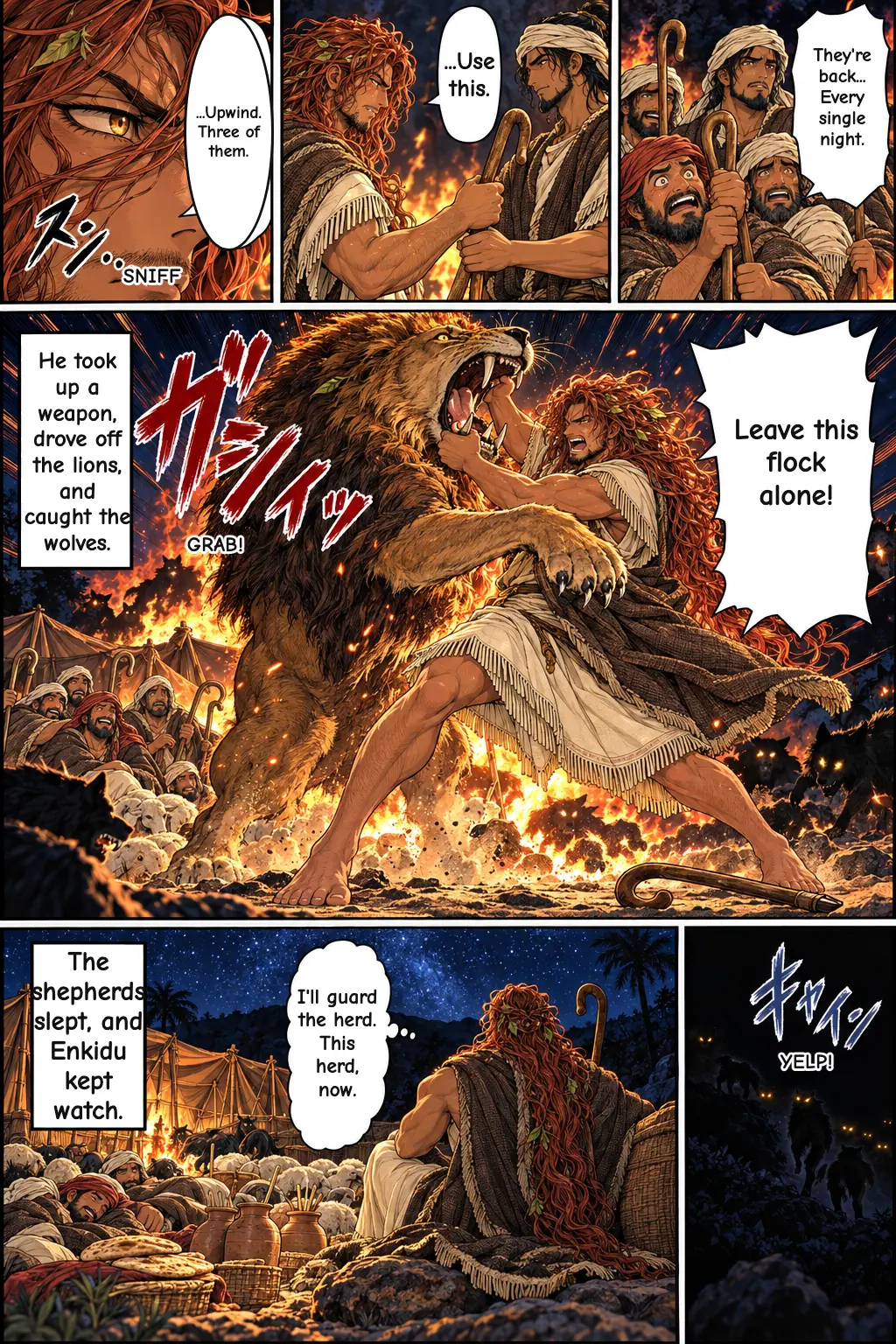
They set out bread and beer, but Enkidu has never seen either and just stares. Shamhat tells him that bread is what keeps people alive and that beer is the custom of the land. He eats until he is full and drinks seven jugs of beer. His heart loosens, he starts to sing, and his face shines. He washes his hairy body, rubs himself with oil, puts on clothes, and becomes a human being. The Akkadian text uses the word awilum, meaning a man or a person. He then takes up weapons and drives off lions and wolves so the shepherds can sleep, becoming their night watchman.
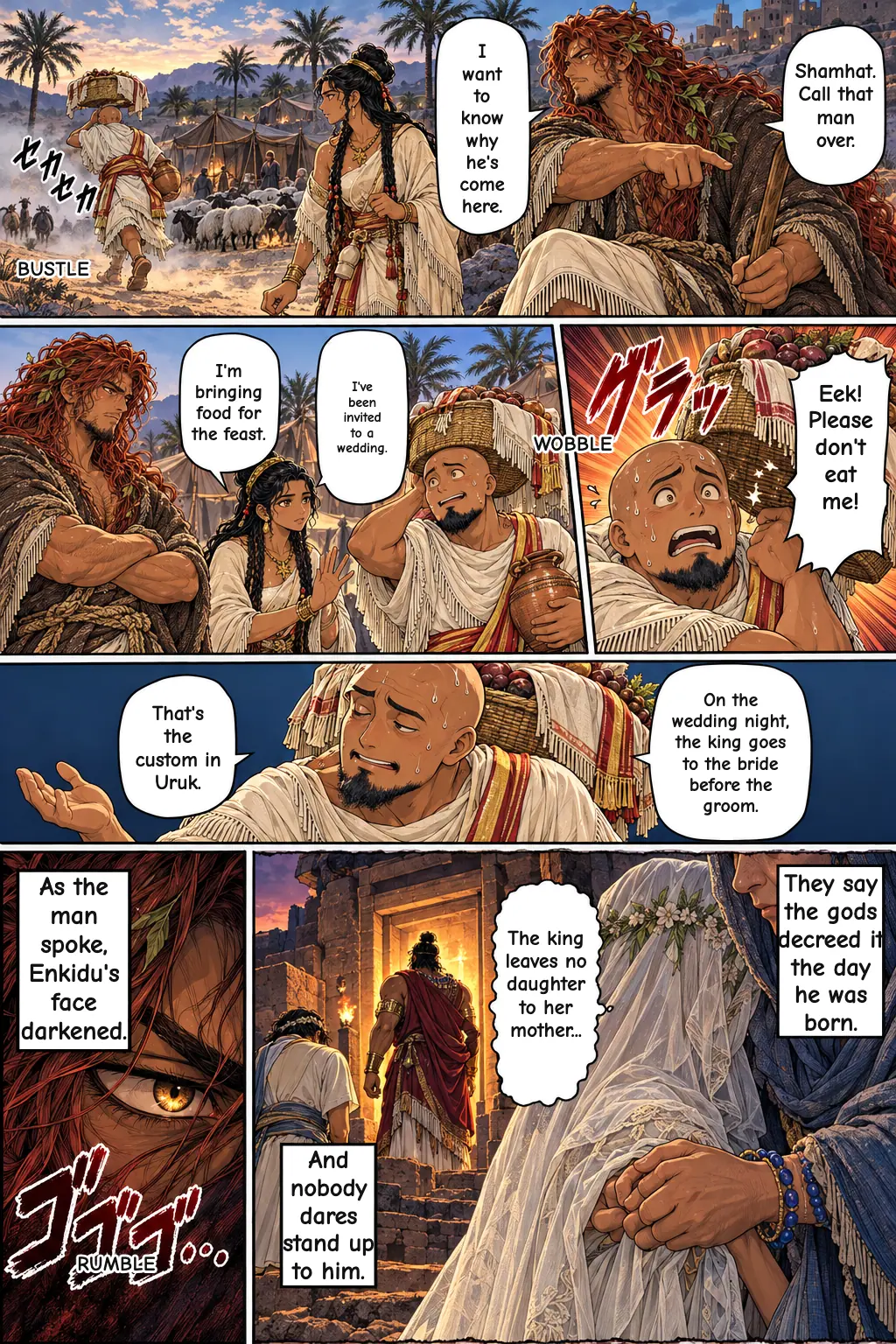
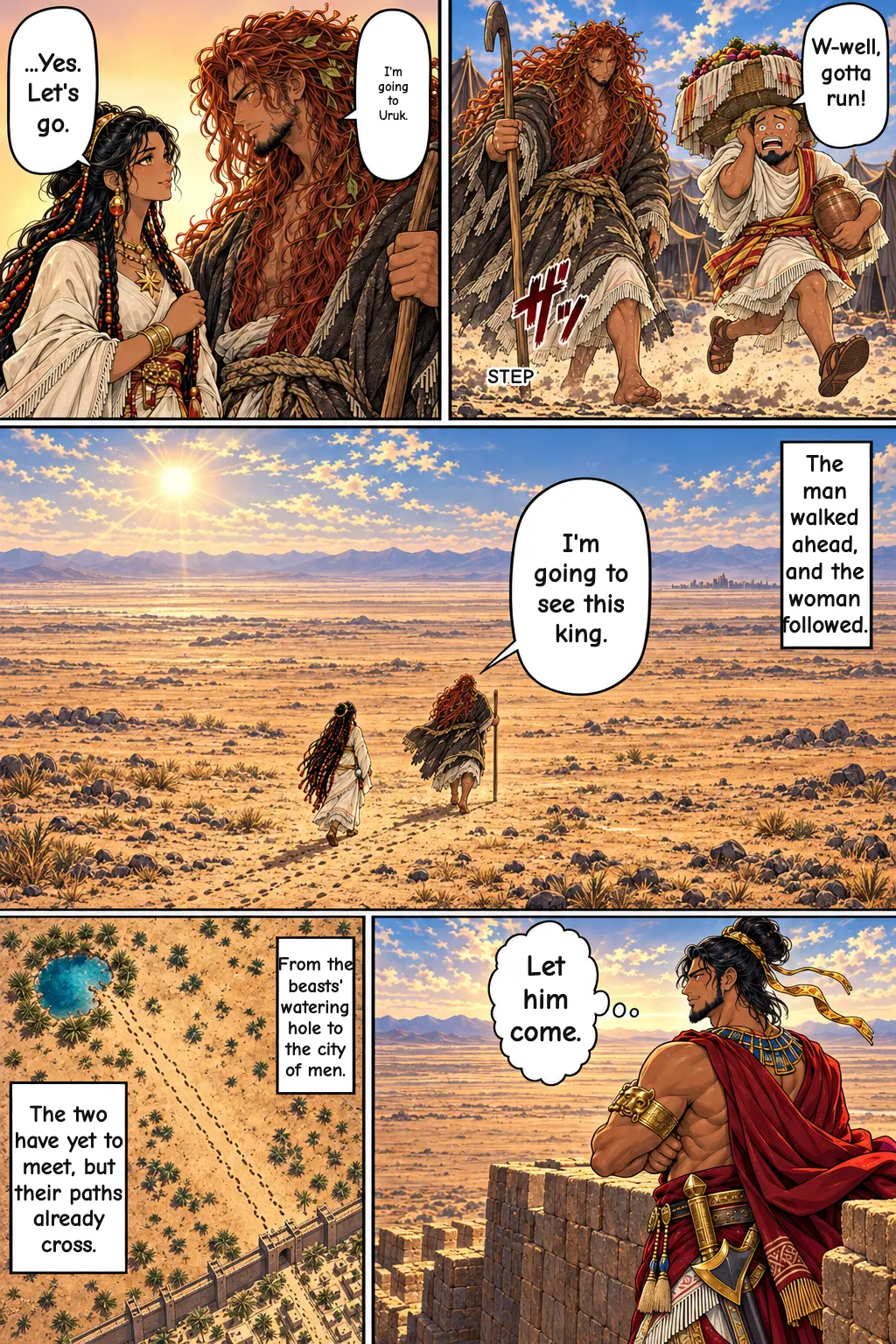
Later, Enkidu sees a man hurrying past and has Shamhat call him over. The traveler says he is going to a wedding in Uruk, where the king has the right to go to the bride before the groom. Furious, Enkidu sets off for the city.
What This Myth Tells Us
This part of the epic is a Mesopotamian picture of what it means to be civilized. Enkidu does not become human by being born into a city. He becomes human by learning things: intimacy, conversation, clothing, cooked food, beer, washing, and work that protects a community. Bread and beer were the basic food and drink of Mesopotamia, so eating and drinking them is a sign of joining human society.
The story also shows that this change has a cost. Enkidu loses his bond with the animals and his old speed, but he gains wisdom and the ability to have a friend. Shamhat's exact role is often discussed. The Akkadian word for her status, harimtu, has been understood in different ways by scholars. In the text itself, she is above all a guide who uses words to bring Enkidu into the human world.
What the Manga Changes
The manga follows the order of events in the ancient text, but some parts are new. The faces, hair, and costume designs are the artist's own, since the epic describes almost none of this (Enkidu's hairy body is kept). The hunter, his father, the shepherds, and the traveler have no names or personalities in the original, so any the manga gives them are invented.
The six days and seven nights are shown in an all-ages way, through starry skies, phases of the moon, and campfires. The look of the dreams, such as the glowing, meteor-like lump and the design of the axe, is a visual choice. In the Standard Babylonian version, Shamhat tells the dreams as a story about the past. The manga shows them as a parallel scene in Uruk. The words of Enkidu's song, the cups used for the bread and beer, and the details of how he washes are also creative additions, because the text only says that these things happened.
Where to Read It
If you want to see Enkidu's first taste of bread and beer, along with Gilgamesh's strange dreams, the manga MESOPOTAMIAN MYTH: THE EPIC OF GILGAMESH — No One Lives Forever tells the story episode by episode on Manga Portal. Every episode is free to read, with no sign-up needed. Episode 2 is a good place to watch the friendship at the heart of the epic begin to form.
Characters in this episode
Enkidu
A wild, hairy man who lived among animals until Shamhat led him into human life, where he became Gilgamesh's destined companion.
Shamhat
A woman of Uruk who meets Enkidu at the watering hole and teaches him about the city, its king, and the ways of people.
Gilgamesh
The powerful, restless king of Uruk, who dreams that a friend as strong as he is will soon arrive.
Ninsun
Gilgamesh's mother, a wise goddess who explains that his dreams of a heavy lump and an axe mean a mighty friend is coming.
The Hunter
An unnamed trapper whose traps Enkidu ruins, and who brings Shamhat to the watering hole on the advice of his father and the king.
The Shepherds
Herders at a wilderness camp who give Enkidu his first bread and beer and later sleep safely while he guards their flocks.
FAQ
How does Enkidu become human in the Epic of Gilgamesh?
After spending six days and seven nights with Shamhat, Enkidu loses his place among the animals but gains reason and understanding. In the Old Babylonian version, he then eats bread, drinks seven jugs of beer, washes, oils his body, and puts on clothes. The text says that at this point he became a human being.
Who is Shamhat in the Epic of Gilgamesh?
Shamhat is a woman from Uruk who is sent to the watering hole to meet Enkidu. The Akkadian word for her status, harimtu, is interpreted in different ways by scholars. In the story, she guides Enkidu into human life and leads him toward Gilgamesh.
What do Gilgamesh's dreams mean?
Gilgamesh dreams of a heavy lump falling from the sky and of an axe lying in Uruk's streets. His mother Ninsun explains that both dreams mean a strong companion is coming. She says Gilgamesh will love him and that this friend will save him many times.
Why does Enkidu drink seven jugs of beer?
The text says only that he drank seven jugs. Seven is a meaningful number in Mesopotamian literature, and some readers see it as a sign of fullness or completeness. Either way, the beer loosens his heart, he sings, and he joins human society.
Why does Enkidu go to Uruk?
Shamhat's stories about Uruk make Enkidu want to challenge Gilgamesh. In the Old Babylonian version, he is also angered when a traveler tells him that the king goes to the bride before the groom at weddings. He then sets off for the city.