Episode 3Love Him All You Want. Just Never Look.Eros and Psyche (Cupid and Psyche)
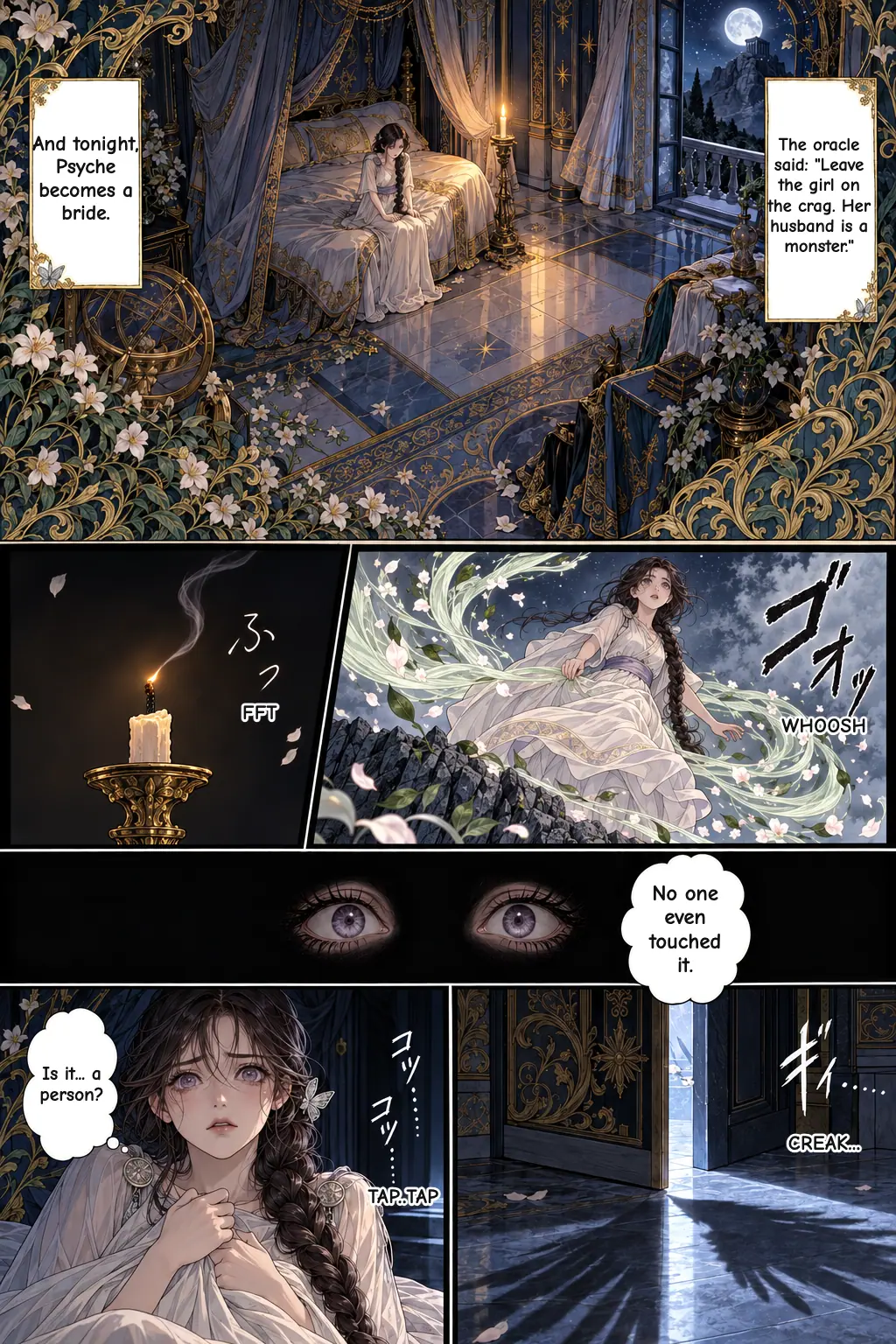
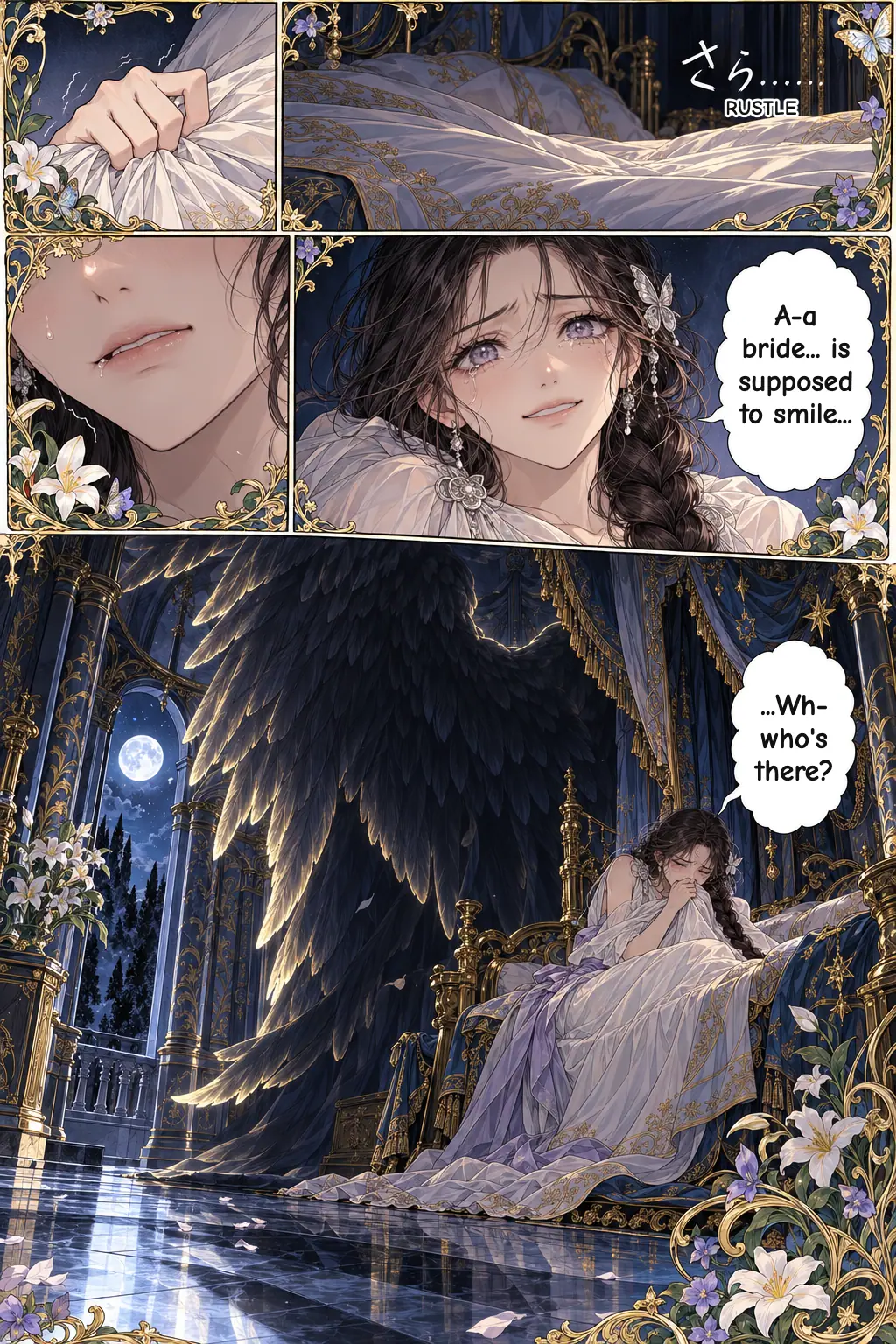
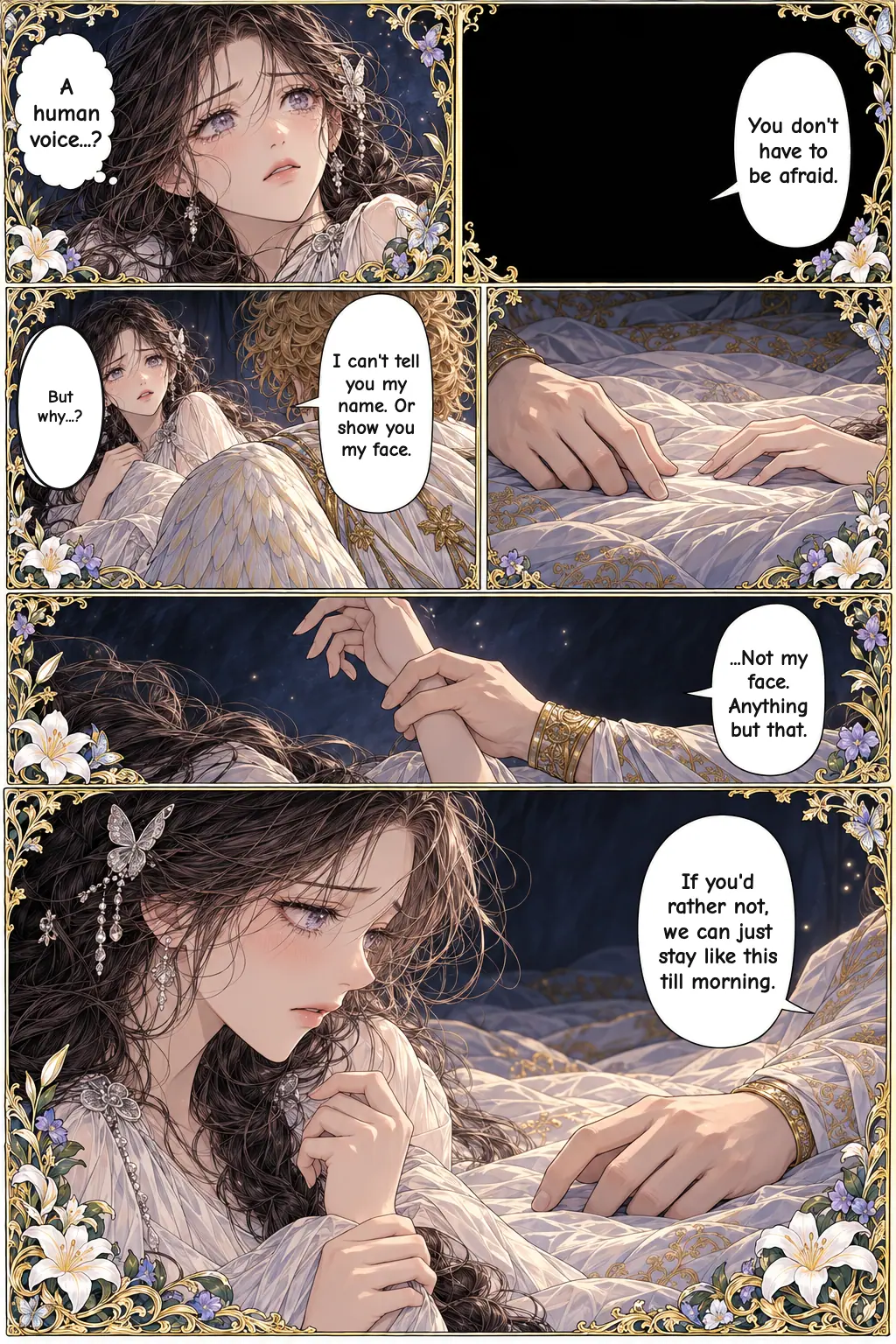
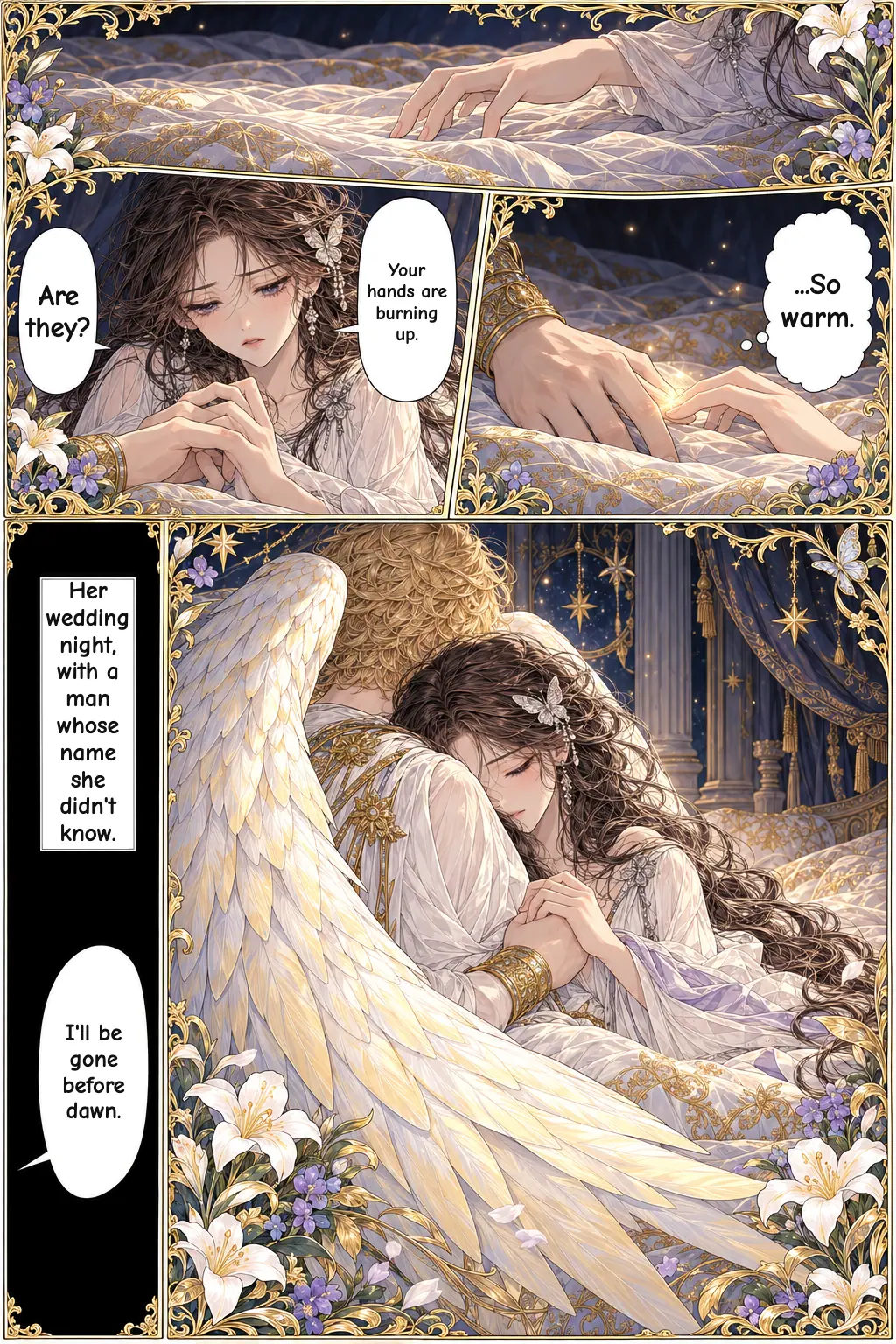
Just as the oracle foretold a monster for a husband, Psyche is wed in a darkened bedchamber to a man whose face and name she will never know. His voice and the warmth of his hands slowly win her heart, until one night he gives her a single warning: "Don't try to see my face." Could you keep that promise?
Get new episodes in your feed. Follow us on:ThreadsBluesky
Story summary
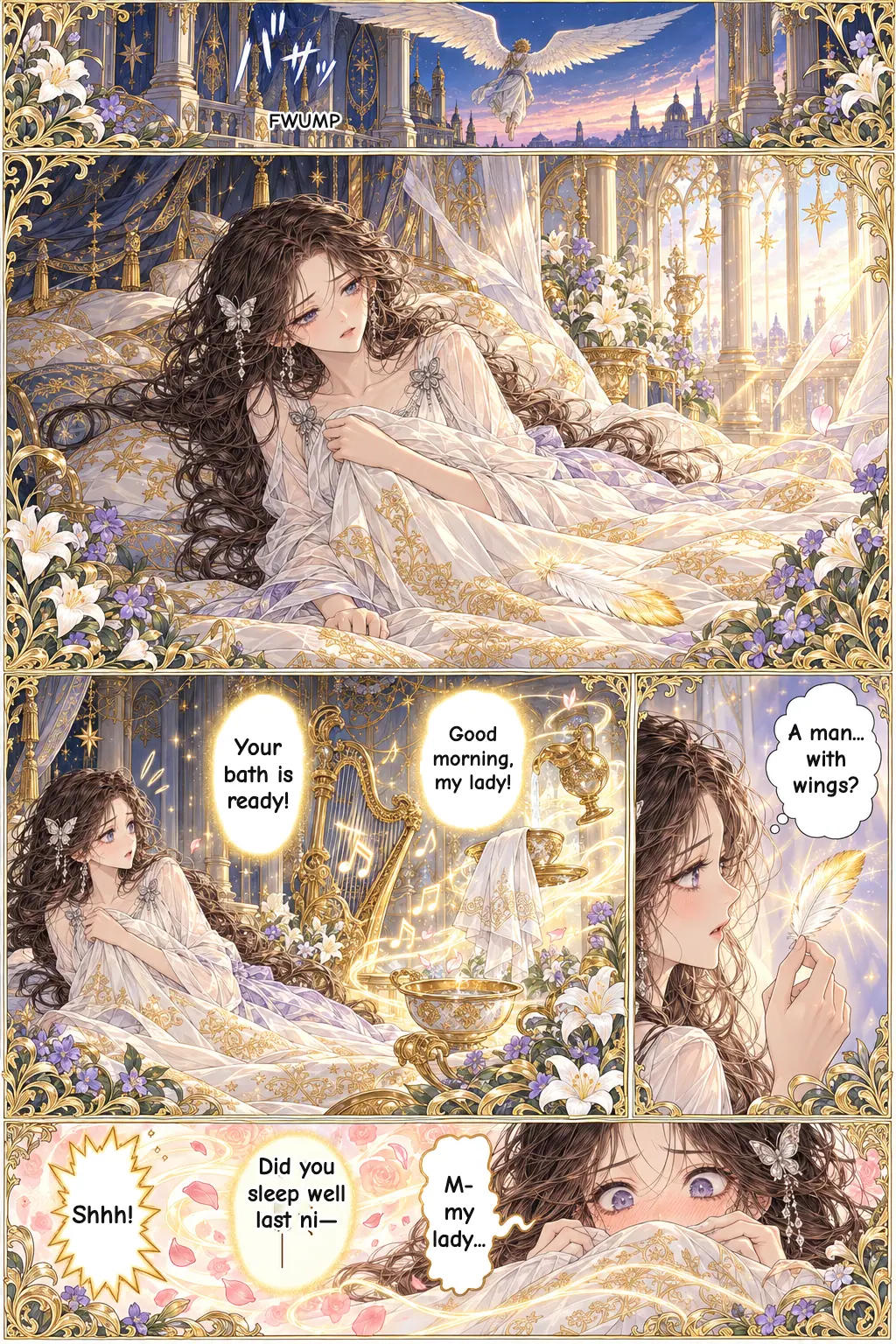
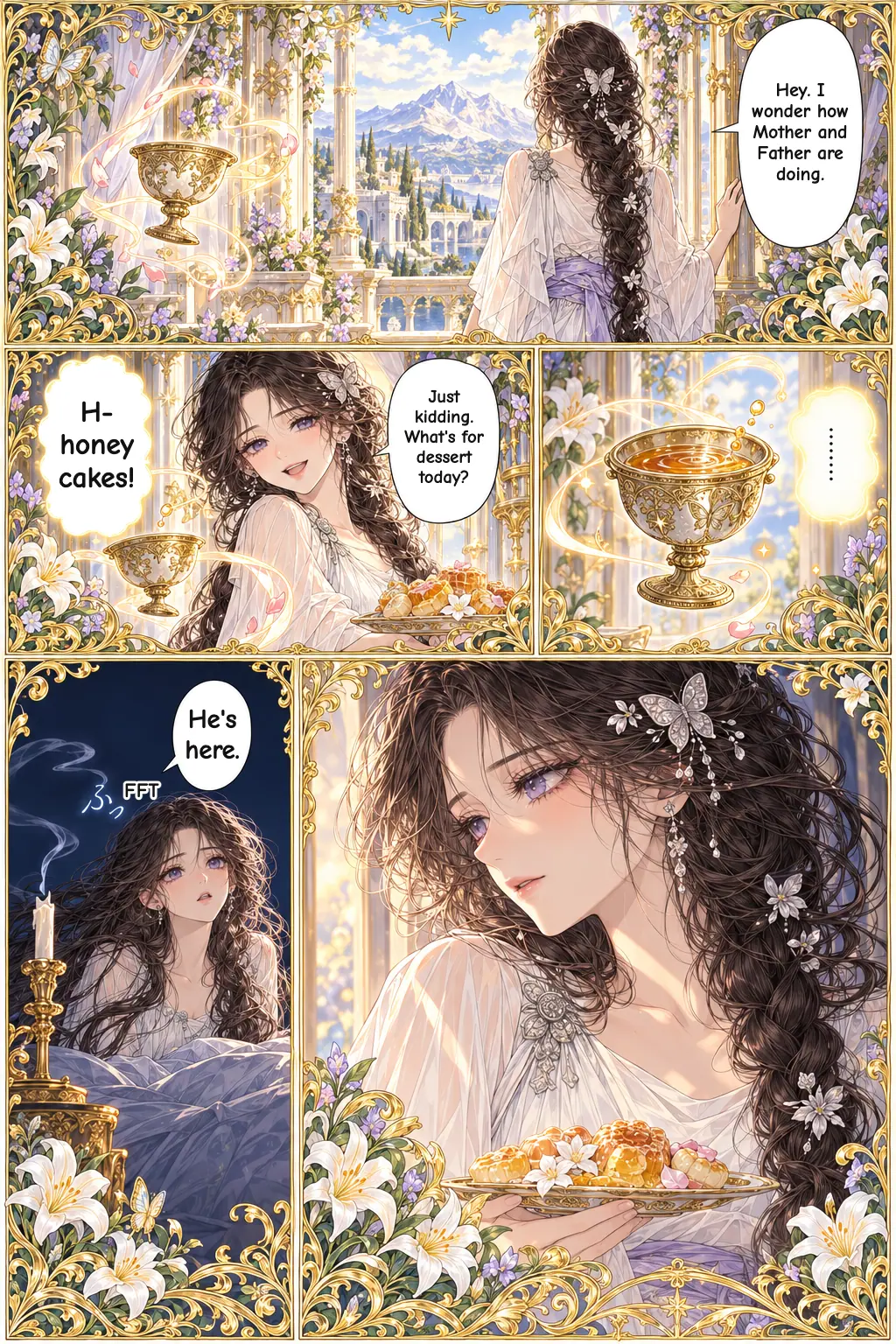
Before this part of the story begins, Psyche, the youngest of a king's three daughters, is so beautiful that people worship her as if she were Venus, the goddess of love. An oracle of Apollo orders her parents to leave her on a mountain crag to marry a frightening, monster-like being. Instead of a monster, she meets Zephyrus, the west wind, who gently carries her down into a valley. She wakes beside a palace made of gold and jewels. Inside, voices with no bodies serve her. They prepare her bath, bring her meals and sing for her. When night falls, Psyche is alone and afraid.
Eros and Psyche (Cupid and Psyche) Summary: The Unseen Husband
In short: Eros and Psyche (also called Cupid and Psyche) is the tale of a princess who marries a husband she can touch and hear but never see. He comes to her only in darkness, leaves before dawn, and makes her promise never to try to find out what he looks like. The story comes from Book 5 of Apuleius' Latin novel Metamorphoses (The Golden Ass), written in the 2nd century CE.
The Original Story: A Bride in the Golden Palace
Before this part of the story begins, Psyche, the youngest of a king's three daughters, is so beautiful that people worship her as if she were Venus, the goddess of love. An oracle of Apollo orders her parents to leave her on a mountain crag to marry a frightening, monster-like being. Instead of a monster, she meets Zephyrus, the west wind, who gently carries her down into a valley. She wakes beside a palace made of gold and jewels. Inside, voices with no bodies serve her. They prepare her bath, bring her meals and sing for her.
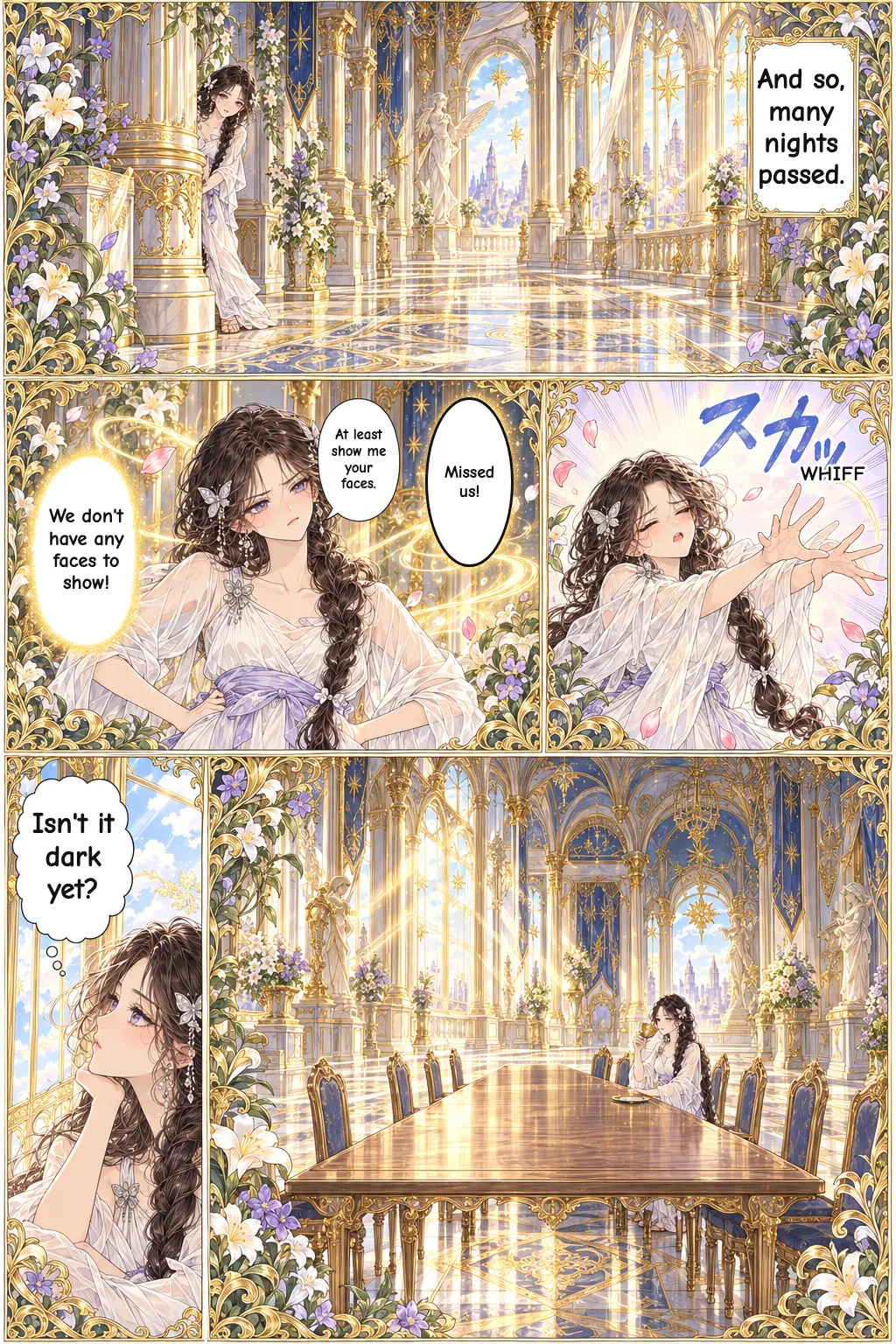
When night falls, Psyche is alone and afraid. She fears losing her maidenhood, and most of all she fears not knowing who is coming. An unknown husband arrives in the dark, makes her his wife, and hurries away before dawn. The invisible servants then look after the new bride. This goes on night after night. Apuleius sums it up briefly: as time passes, what was strange becomes a pleasure, and the voices ease her loneliness. Back home, though, her parents think she is dead and grow old with grief, and her two older sisters hear the news and rush back to their family.
The Warning and the Promise (Book 5, Chapters 5–6)
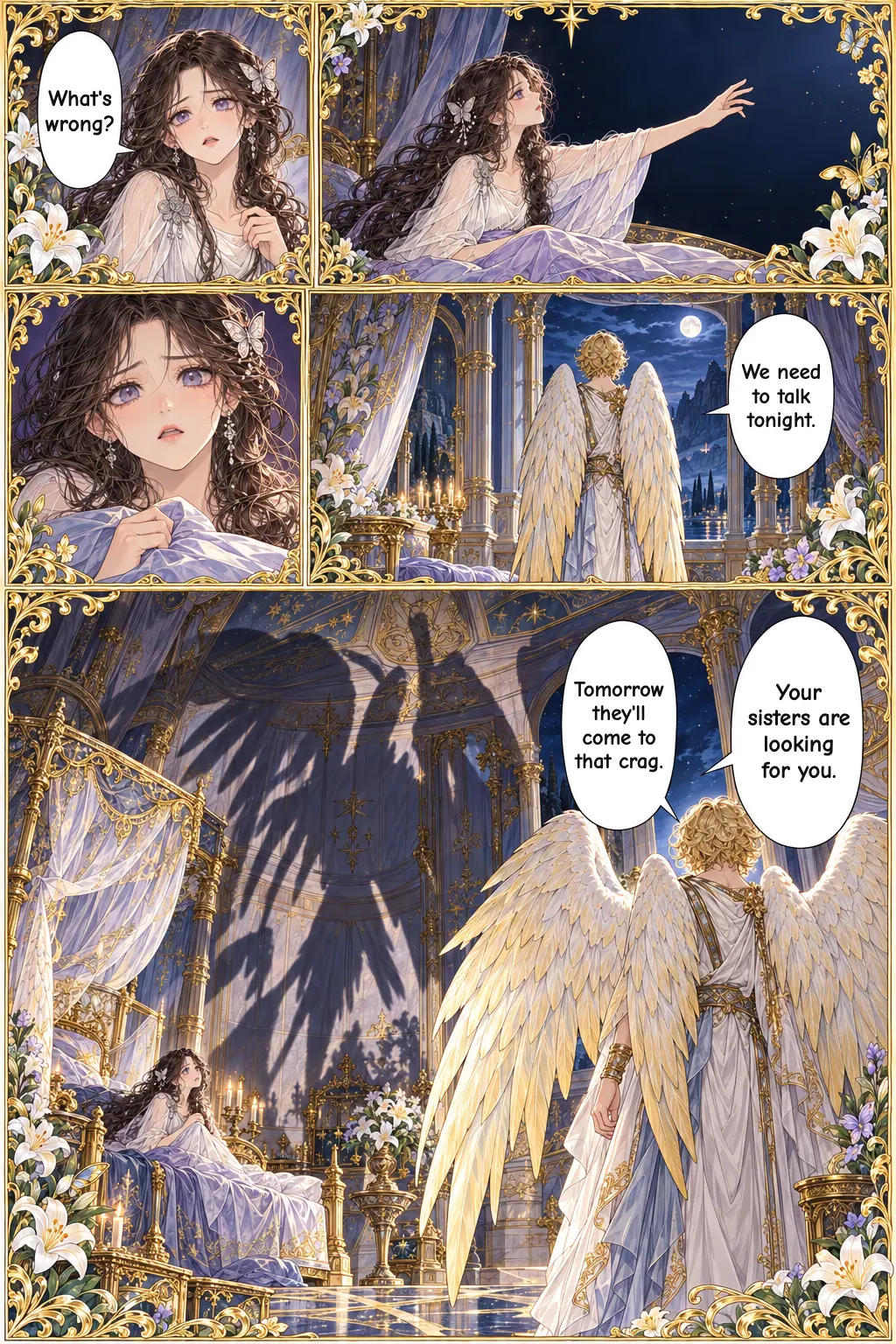
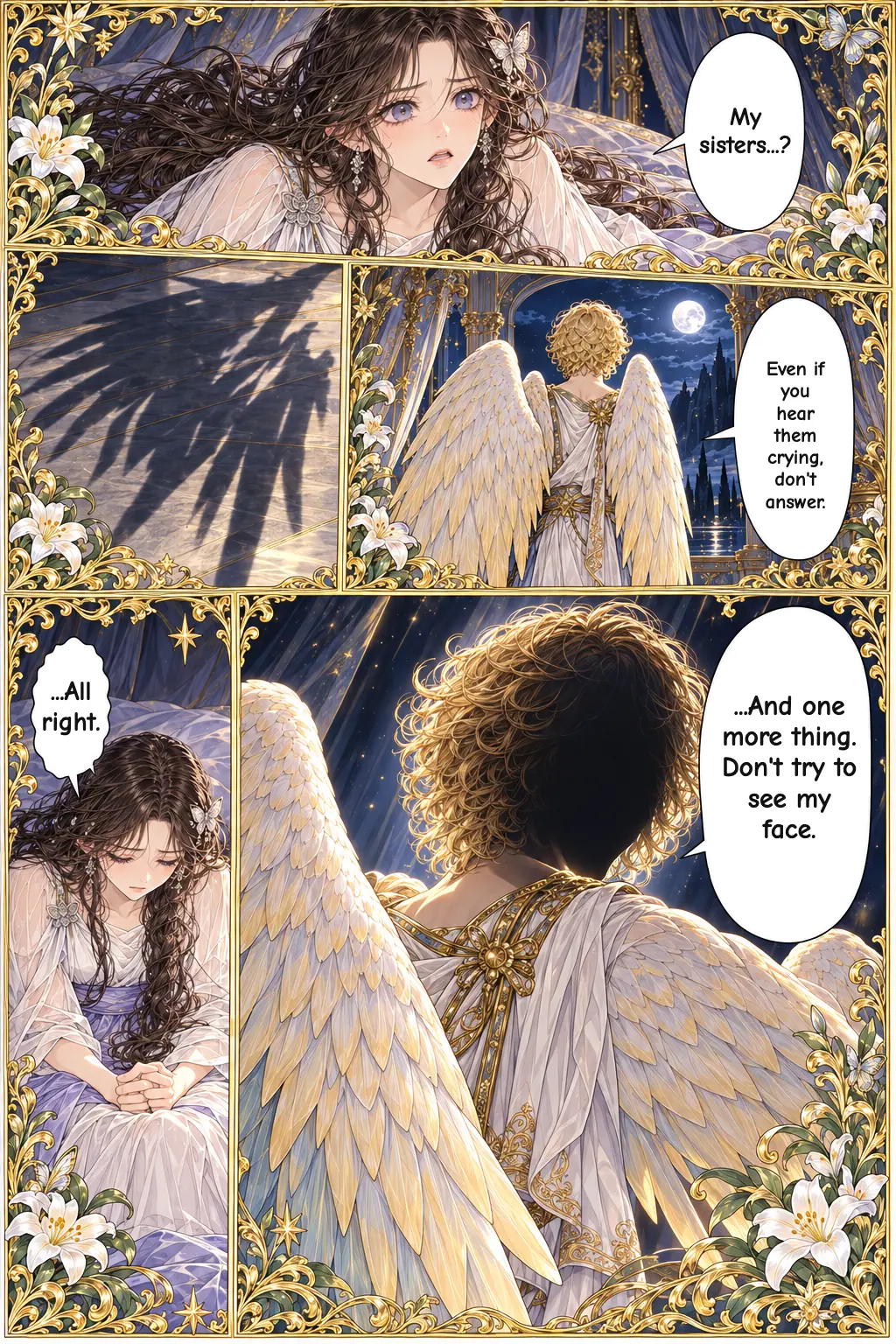
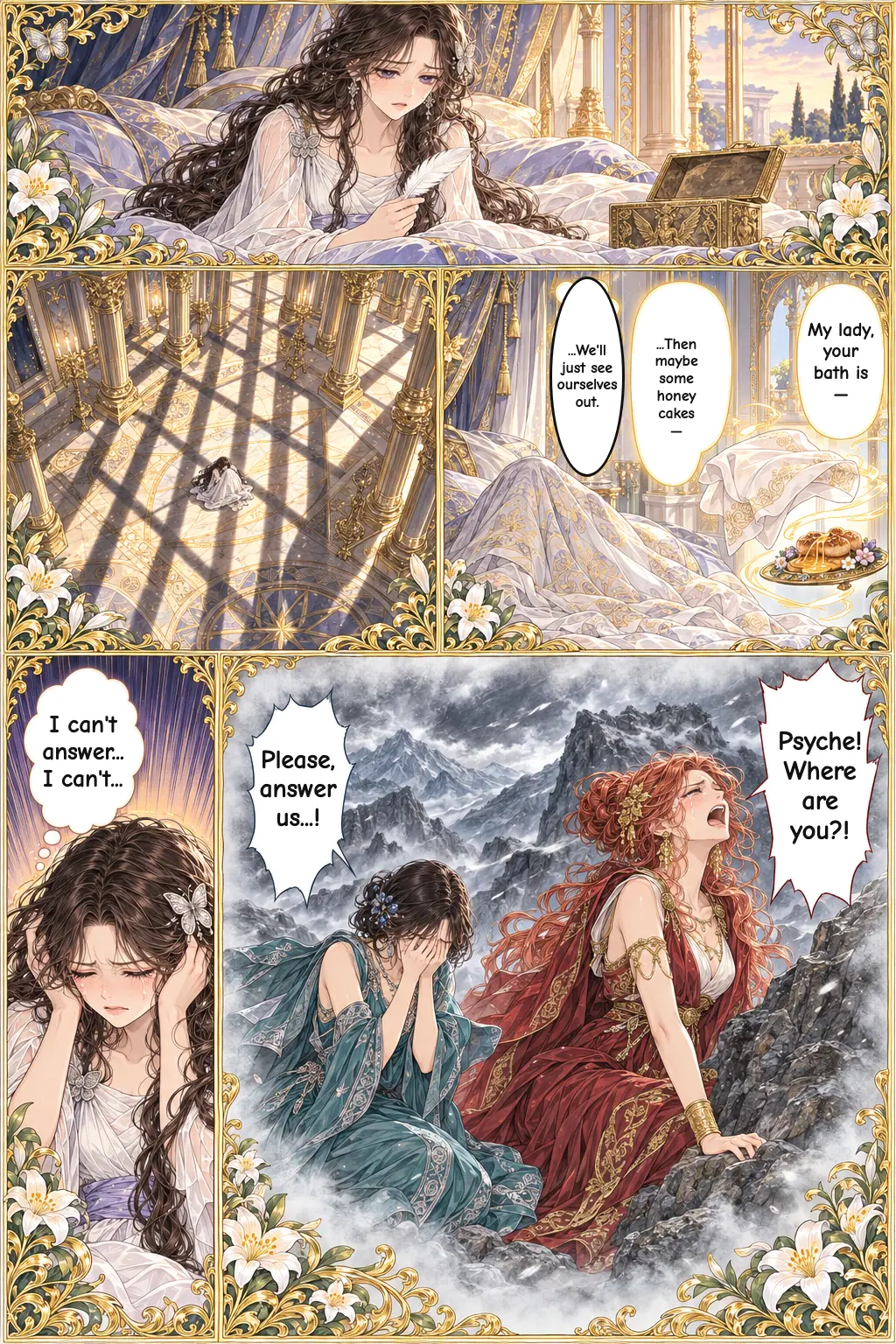
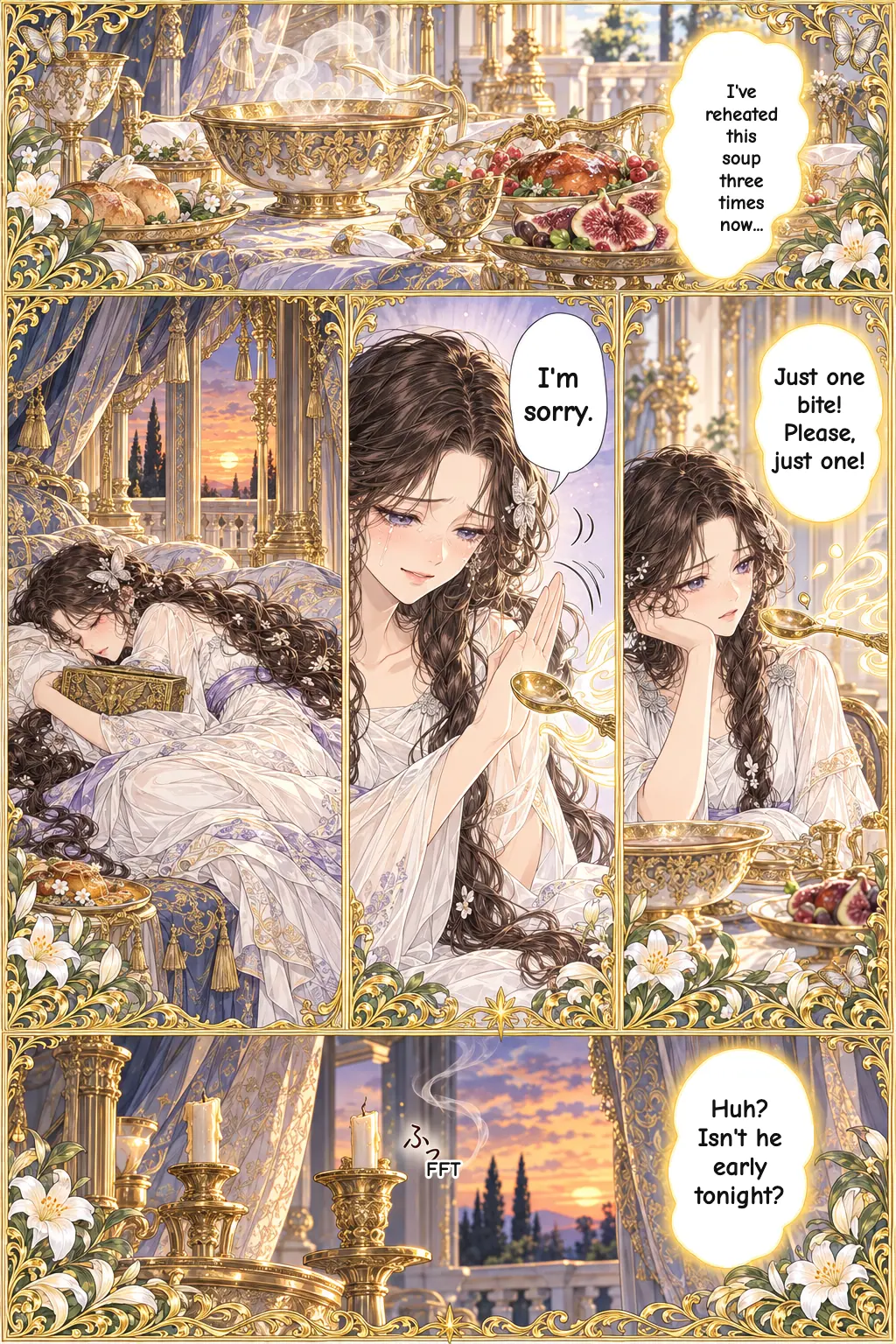
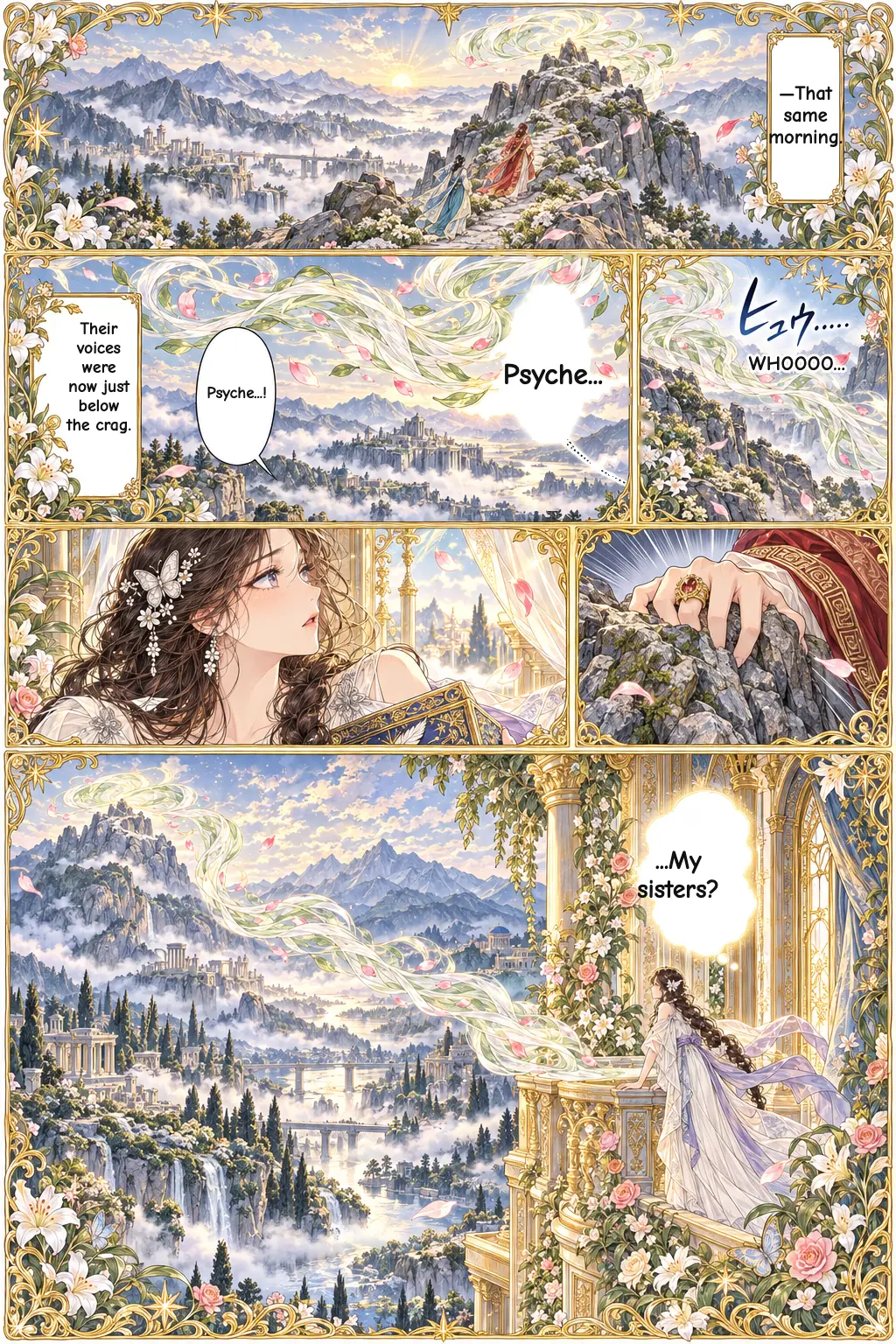
One night the husband, whom Psyche can feel and hear but cannot see, warns her. Her sisters will come to the crag to mourn her. She must not answer their cries or even look at them, or she will bring him great sorrow and bring ruin on herself. Psyche agrees. But once he leaves, she cries all day. She calls her happy life a prison: she has no one to talk to and cannot comfort her grieving family. She skips her bath and her food and cries herself to sleep.
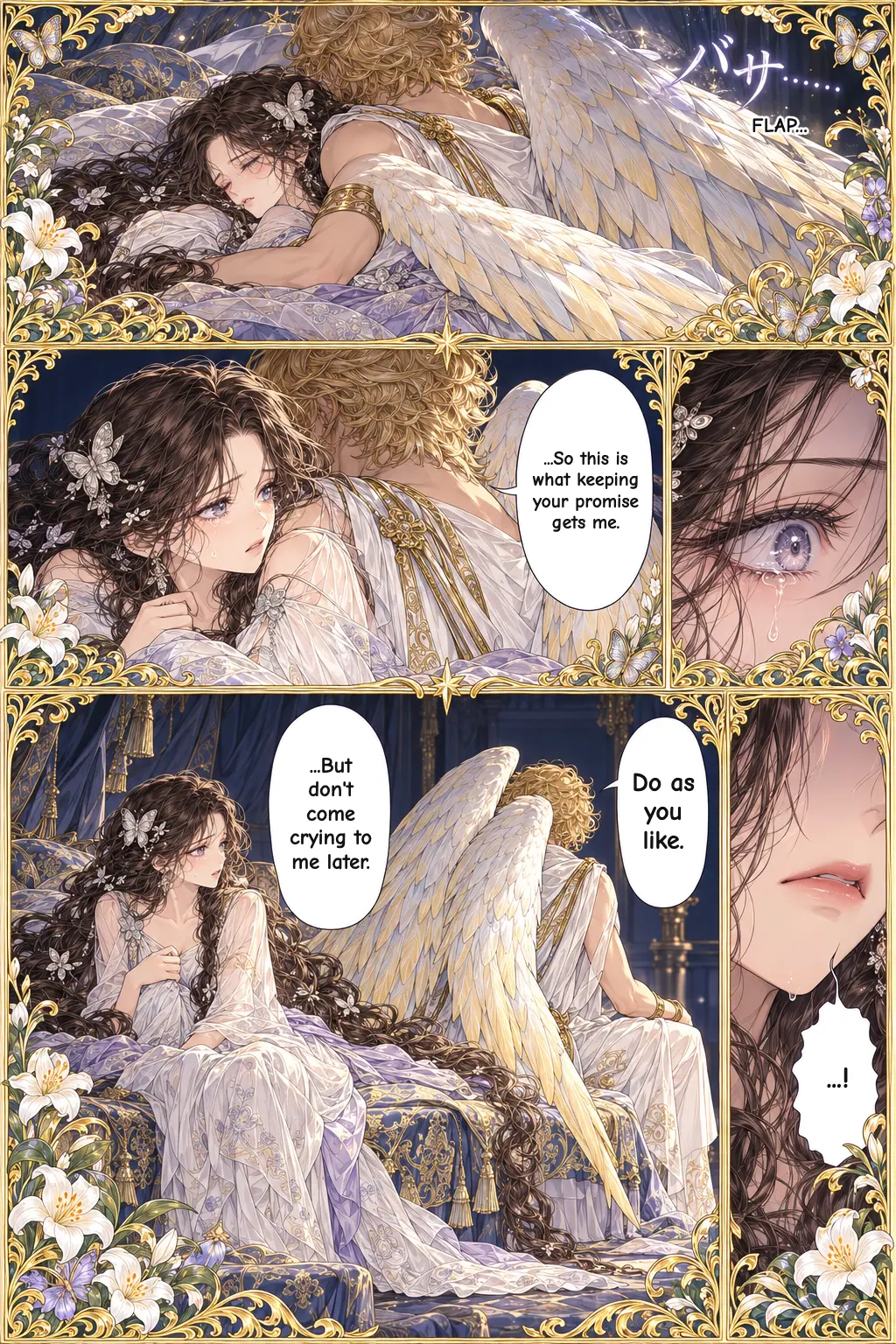
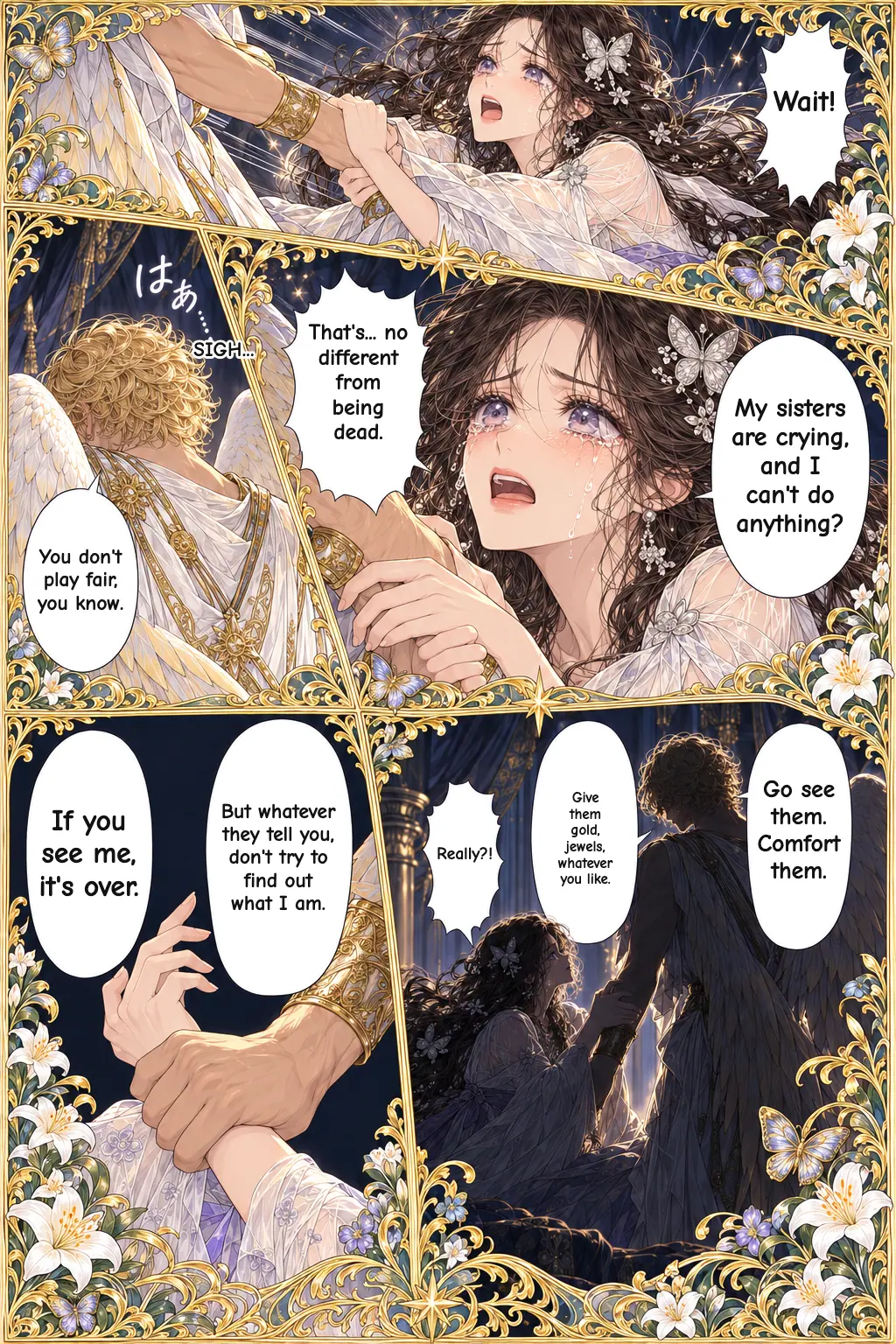
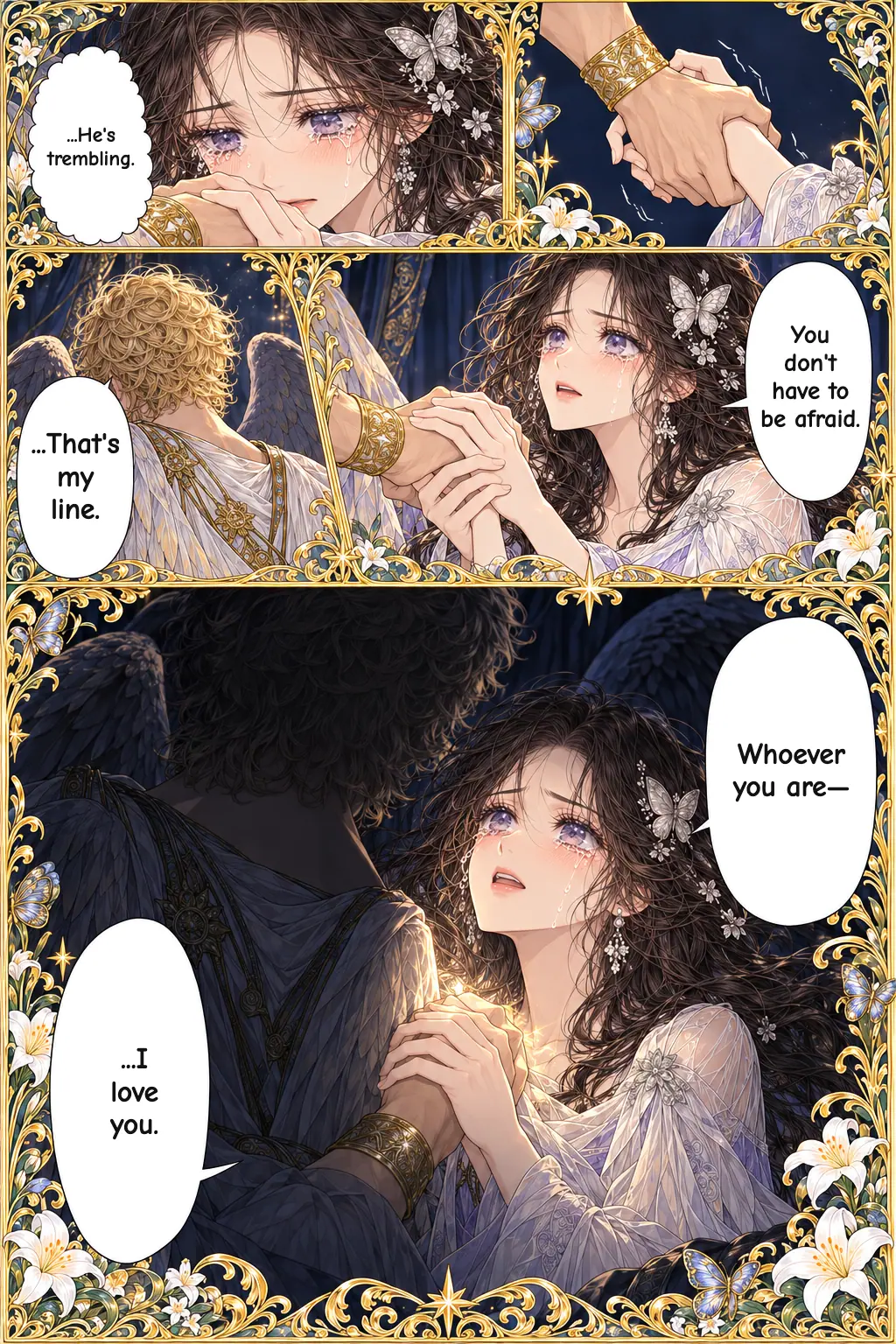
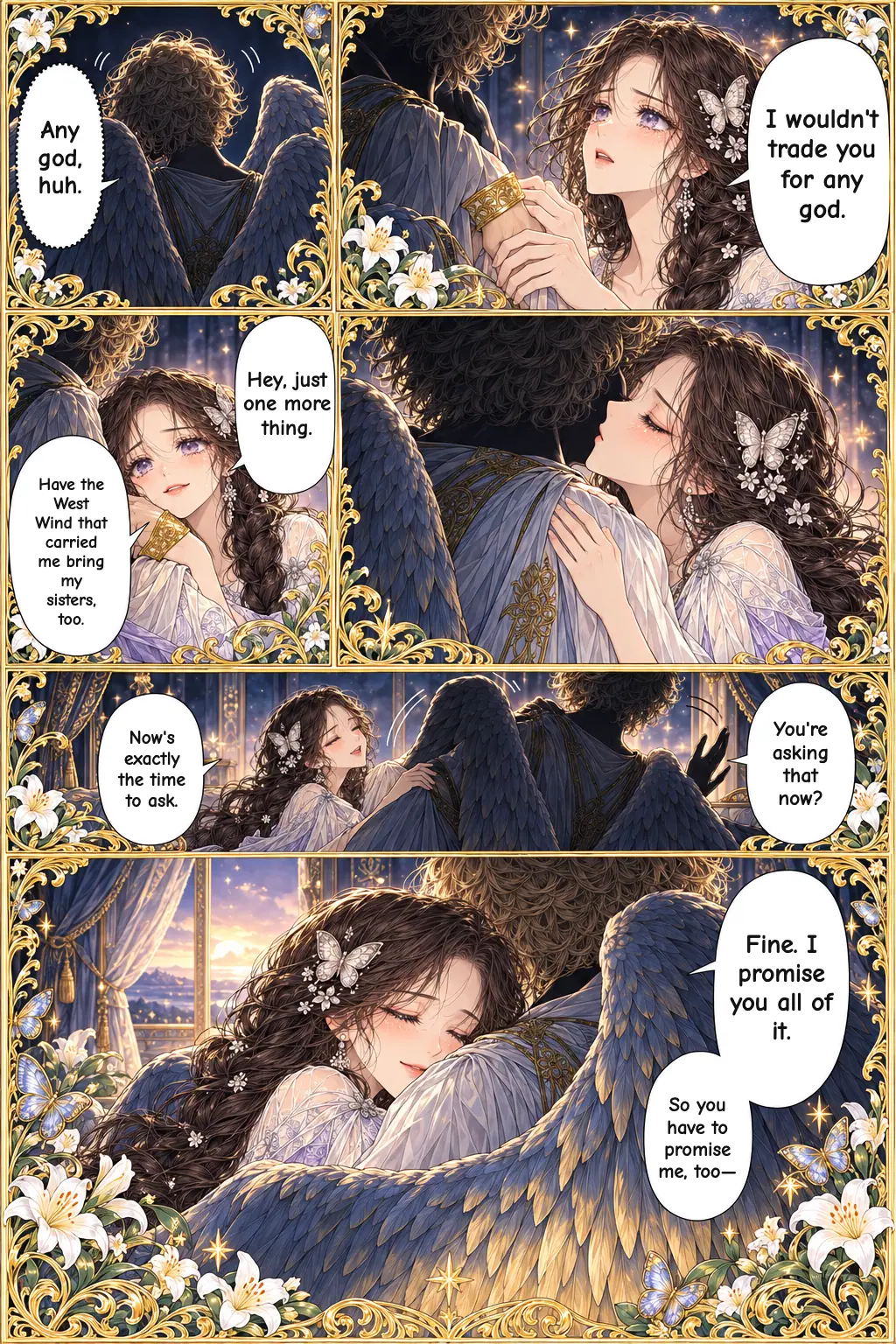
He comes back earlier than usual, holds her, and scolds her for breaking her word so quickly. Then he gives in: she may do as she likes, but she should remember his warning when she regrets it. Psyche begs, and even says she will die, until he agrees to let her see her sisters and give them as much gold and jewels as she wants. He repeats one condition many times. She must never let her sisters talk her into trying to learn what he looks like. If she does, her sinful curiosity will cost her this happiness and she will never be in his arms again. Psyche answers that she would rather die a hundred times than lose him. Whoever he is, she says, she loves him as much as her own soul, more than she would love even Cupid. With kisses and sweet words she asks him to have Zephyrus carry her sisters down. He cannot resist, promises everything, and leaves before dawn.
Main Characters
Psyche is a grown princess, deeply attached to her family and far more determined than she first seems. Her husband is Cupid (Amor in Latin, Eros in Greek), the god of love. In this part of the story his identity is kept from her and from the reader, and his invisibility is the whole point. The bodiless voices are the palace servants. Her two unnamed sisters, both already married to foreign kings, appear here only in rumors and in his warning. Their darker side shows up later in Book 5.
What the Myth Says: Background and Meaning
Apuleius sets the tale inside his novel as a story an old woman tells to a kidnapped young bride in a bandits' cave. Curiosity is a key theme of the whole book. Its hero, Lucius, is turned into a donkey because he pries into magic. Psyche's husband warns her against exactly that kind of curiosity. 'Psyche' is also the Greek word for 'soul', so since late antiquity many readers have taken the story as an allegory of the soul's journey toward love. Some scholars also think Apuleius reworked an older folktale about a mysterious bridegroom.
The rule "don't look" shows up in myths all over the world. Orpheus loses Eurydice by looking back, and in Japan's Kojiki, Izanagi loses Izanami after he sees her in the underworld. Psyche's version is unusual because the ban has nothing to do with death. It is part of a love story, and it tests whether love can survive without knowing who the other person is.
What the Manga Changes
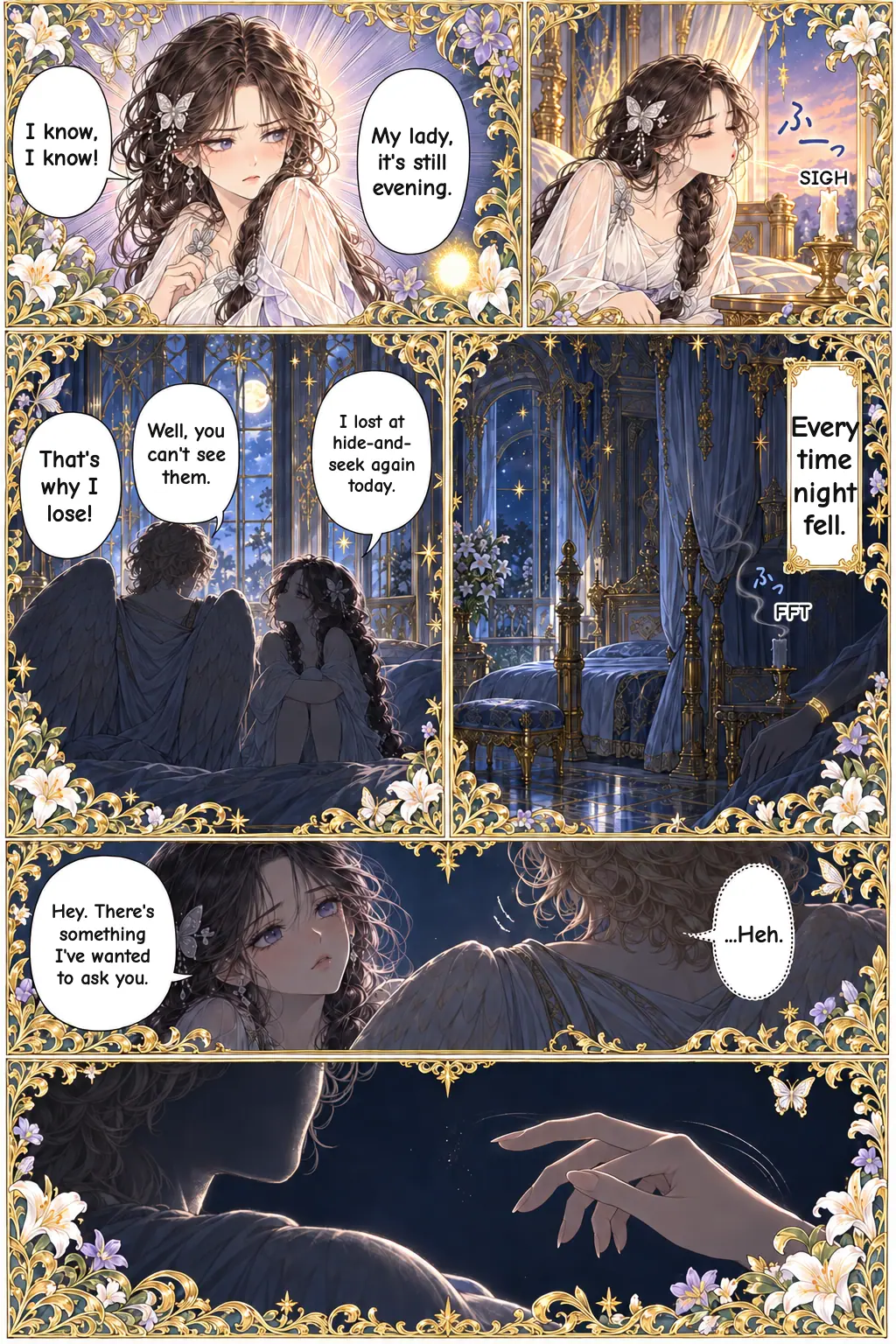
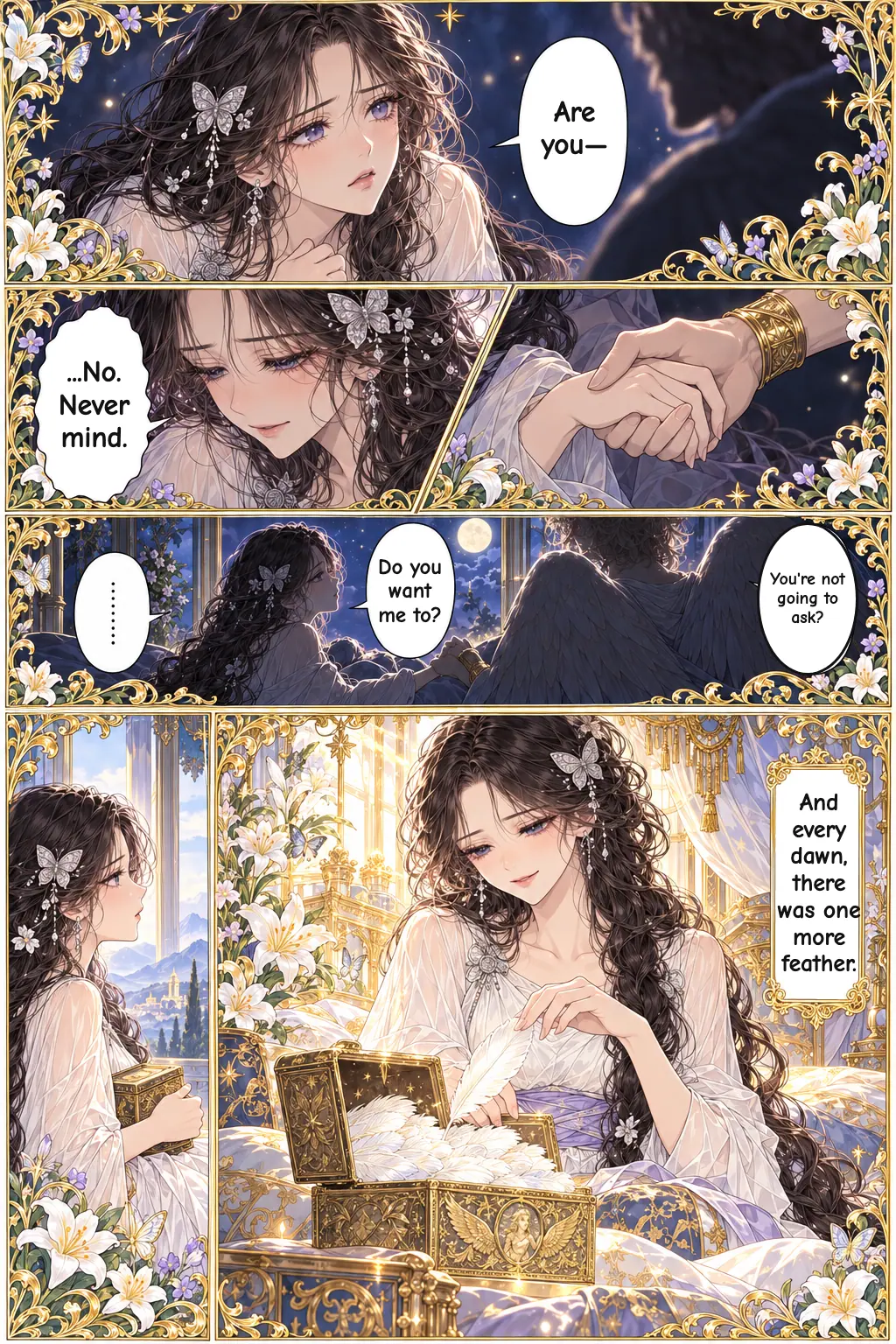
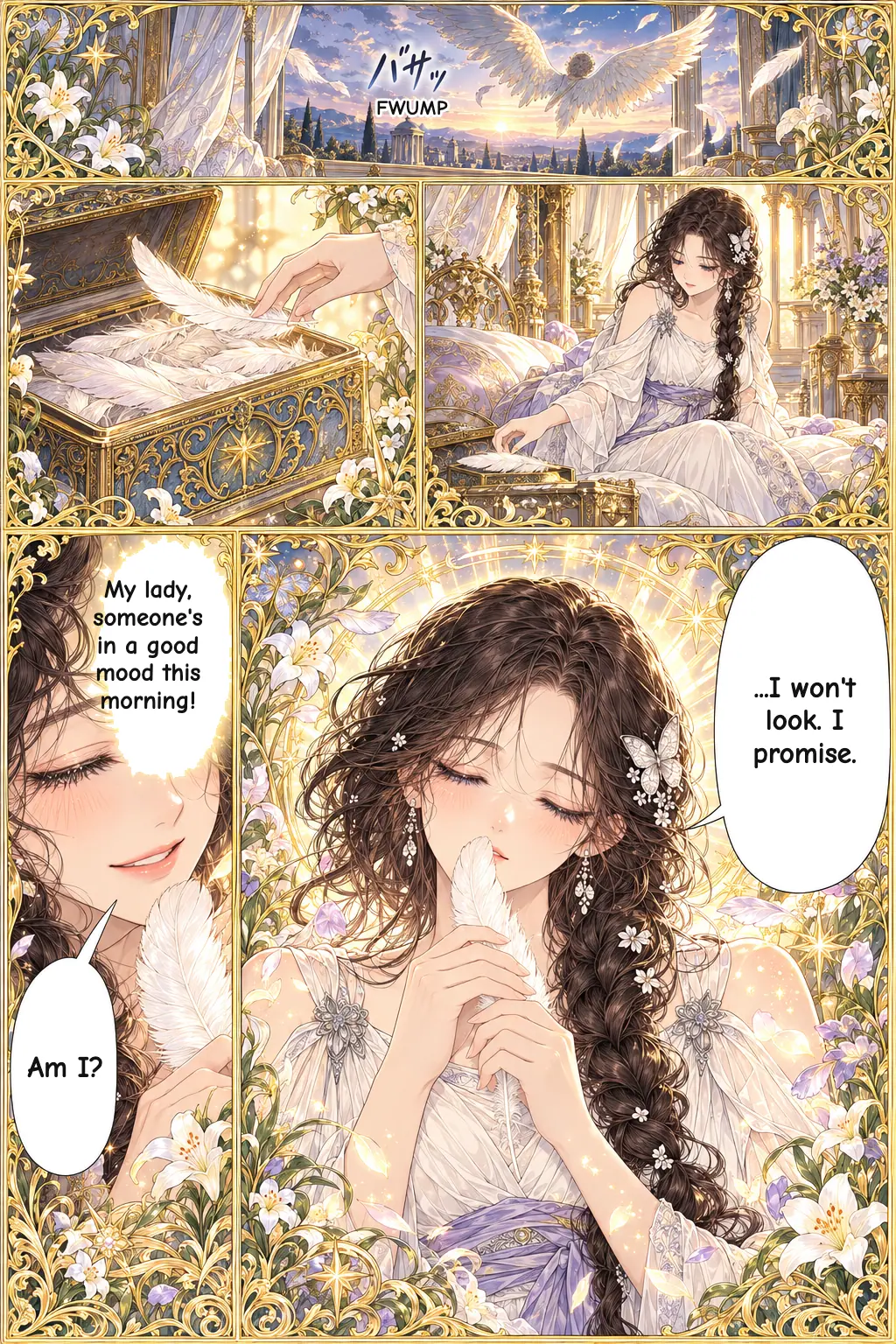
Apuleius describes the nights in only a few lines, so the manga fills in a lot. The bedroom's moonlight and shadows, the tone of the husband's voice, the warmth of his hands, and the conversations through which Psyche slowly opens up to him are all invented. So are her days exploring the palace, the quiet morning after the first night, and short cutaways to her grieving family. The first night is shown gently: his voice and touch, Psyche leaning toward him, then a fade to black. That handling is the manga's choice. The original only mentions her fear and the marriage.
The manga also combines the warning about the sisters and his later permission into a single night, although Apuleius spreads them over two. The moment when Psyche takes his hand and chooses to stay is new. The line "If you see my face, we can no longer be together" is a simplified version of his warning. The famous scene of Psyche holding up a lamp comes much later in the original. Throughout, his face stays hidden in darkness, backlight or the shadow of wings, which matches the source, where he is never seen.
Where to Read It
If you want to see what those dark nights in the golden palace feel like, Episode 3 of EROS & PSYCHE: The Forbidden Gaze, "Love Him All You Want. Just Never Look.", tells this part of the story in manga form. Every episode on Manga Portal is free to read, and you don't need to sign up. You can start from Episode 1 or jump right in here, and then find out whether Psyche keeps her promise.
Characters in this episode
Psyche
A princess so beautiful she was worshipped like Venus, now married to a husband she is forbidden to see.
Cupid (Eros / Amor)
The god of love and Psyche's invisible husband, who visits only at night and forbids her to seek out his appearance.
The Invisible Voices
Bodiless servants of the golden palace who bathe, feed and sing to Psyche.
Psyche's Two Sisters
Unnamed older sisters married to foreign kings, whose visit her husband sees as a danger.
The King and Queen
Psyche's unnamed parents, who believe their daughter is dead and grow old with grief.
Zephyrus
The west wind, who carried Psyche down from the crag and is asked to bring her sisters the same way.
FAQ
Who is Psyche's husband in the myth?
Her husband is Cupid (Amor in Latin, Eros in Greek), the god of love and son of Venus. In this part of Apuleius' tale he comes only at night, so Psyche has no idea who he is.
Why can't Psyche look at Cupid's face?
He warns her that if she tries to find out what he looks like, she will lose her happiness and never be in his arms again. Apuleius doesn't give one simple reason at this point. Many readers connect the secrecy to Venus, who had ordered Cupid to punish Psyche, not marry her.
Where does the story of Cupid and Psyche come from?
The earliest full version is in Books 4 to 6 of Apuleius' Latin novel Metamorphoses, also called The Golden Ass, from the 2nd century CE. In the novel, an old woman tells the tale to a captive young woman.
Is Cupid and Psyche a Greek or a Roman myth?
The only complete ancient version was written in Latin by Apuleius, a Roman-era author from North Africa. The characters have Greek roots, though, and some scholars think he drew on older folktales.
Does Psyche keep her promise not to look?
In Book 5, chapter 6, she swears she would rather die a hundred times than lose him. Later in Book 5 her sisters talk her into breaking that promise, and that turns the story in a new direction.