Episode 3I Fell for My Dead Lover's BrotherThe Izumi Shikibu Diary
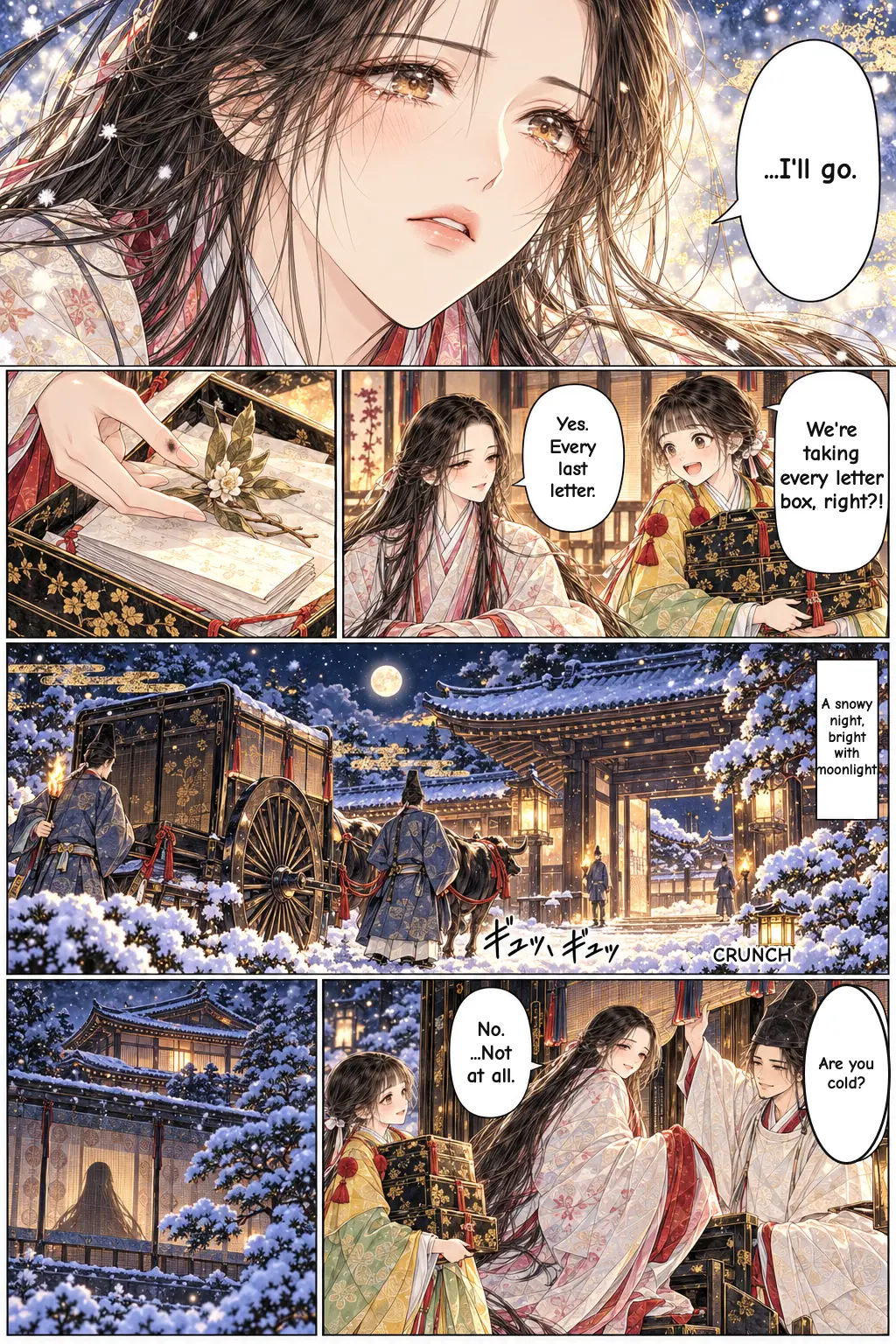
A year after losing the man she loved, Izumi Shikibu has shut herself away—until his younger brother, Prince Atsumichi, sends her a sprig of white orange blossoms. A reply in verse sparks a love that survives rumors and lonely nights, and leads to a carriage waiting for her on a snowy night. But in the shadows, someone else quietly leaves the house.
19 pagesFree · No sign-up
In short: The Izumi Shikibu Diary (Izumi Shikibu Nikki) is an early-11th-century Japanese poem-tale about the love between the poet Izumi Shikibu and Prince Atsumichi, the younger brother of her dead lover. It opens with a sprig of orange blossoms and an exchange of poems. Through rumors, missed nights and anxious letters, their love grows until the prince brings her to live in his own house, and his wife decides to leave.
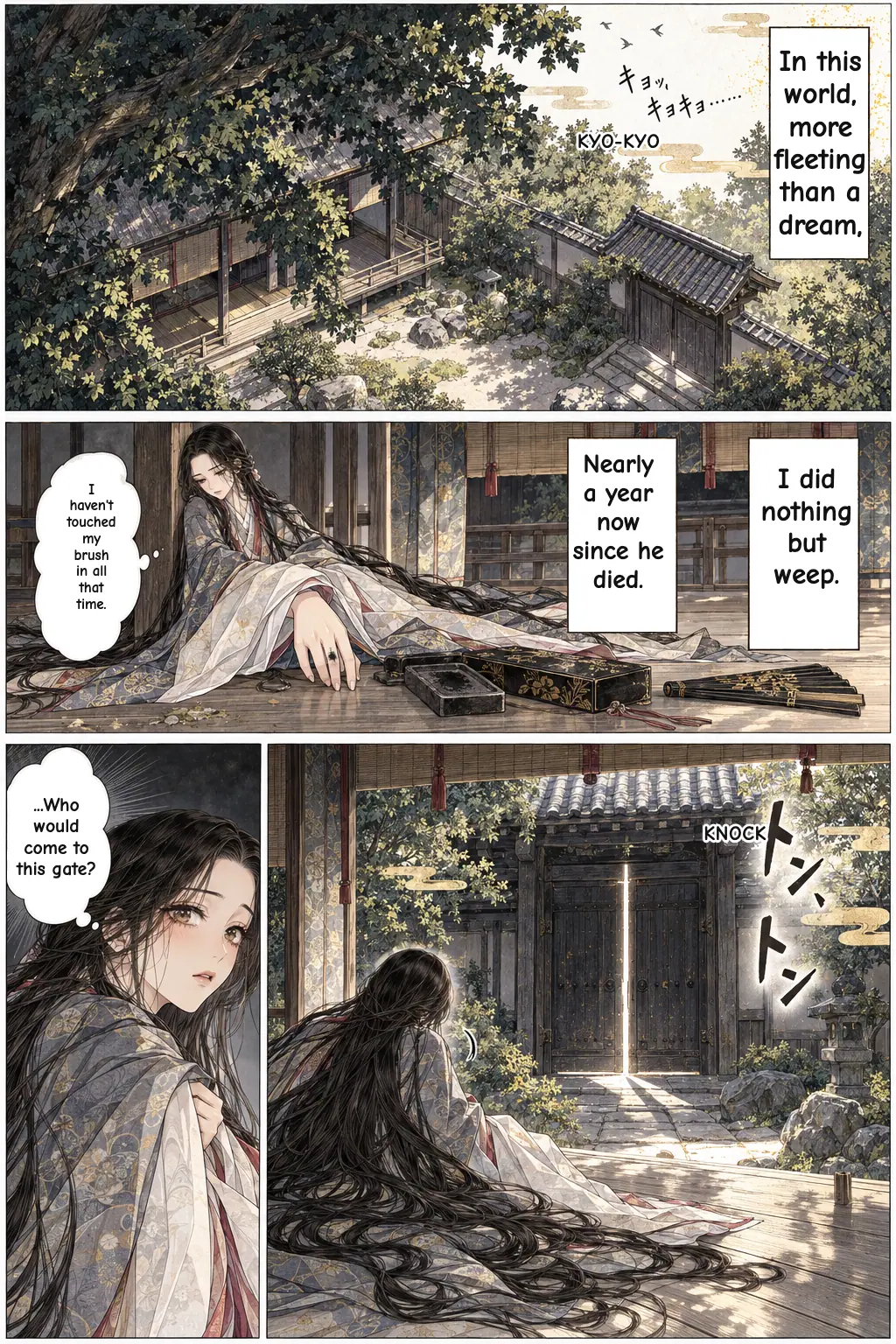
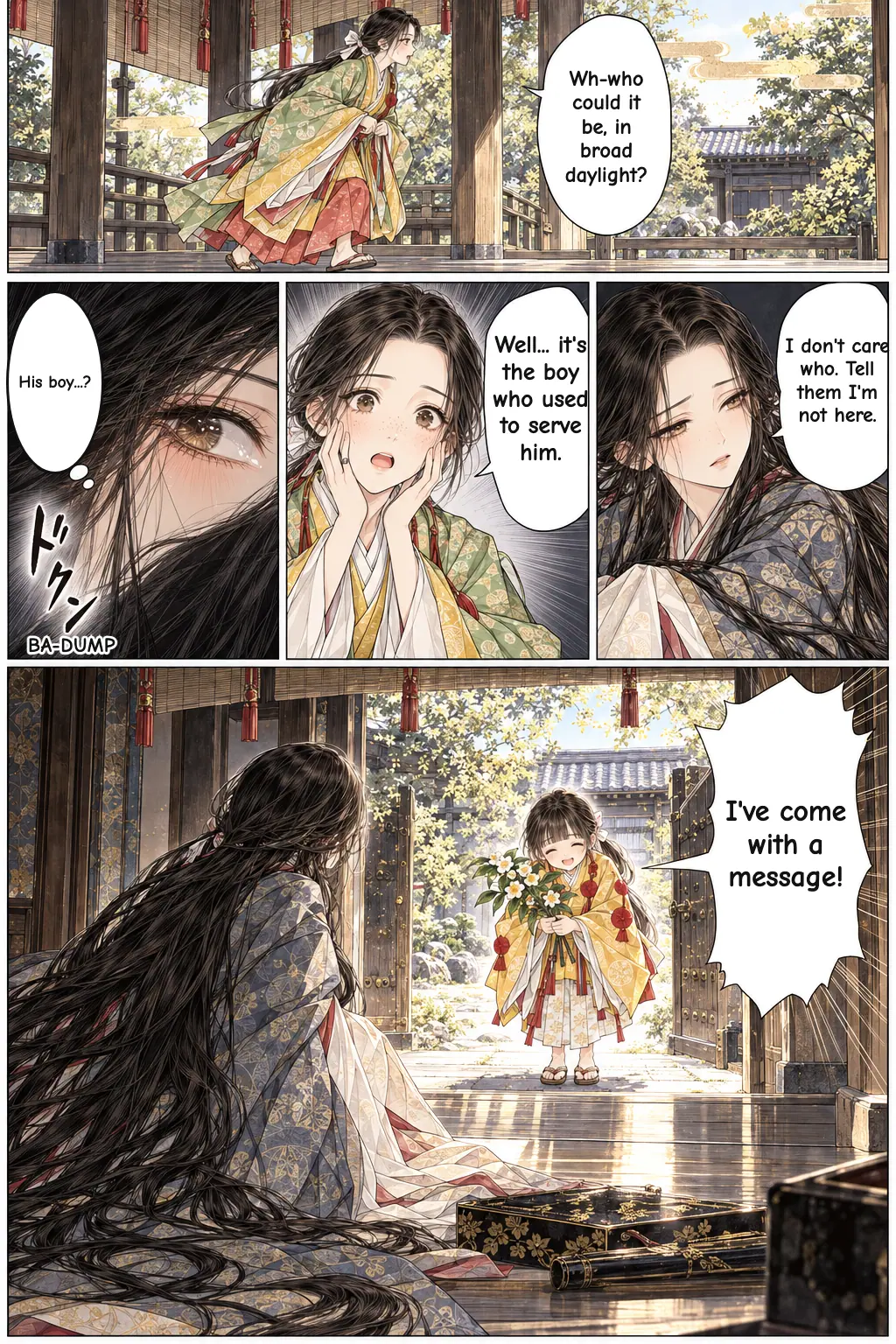
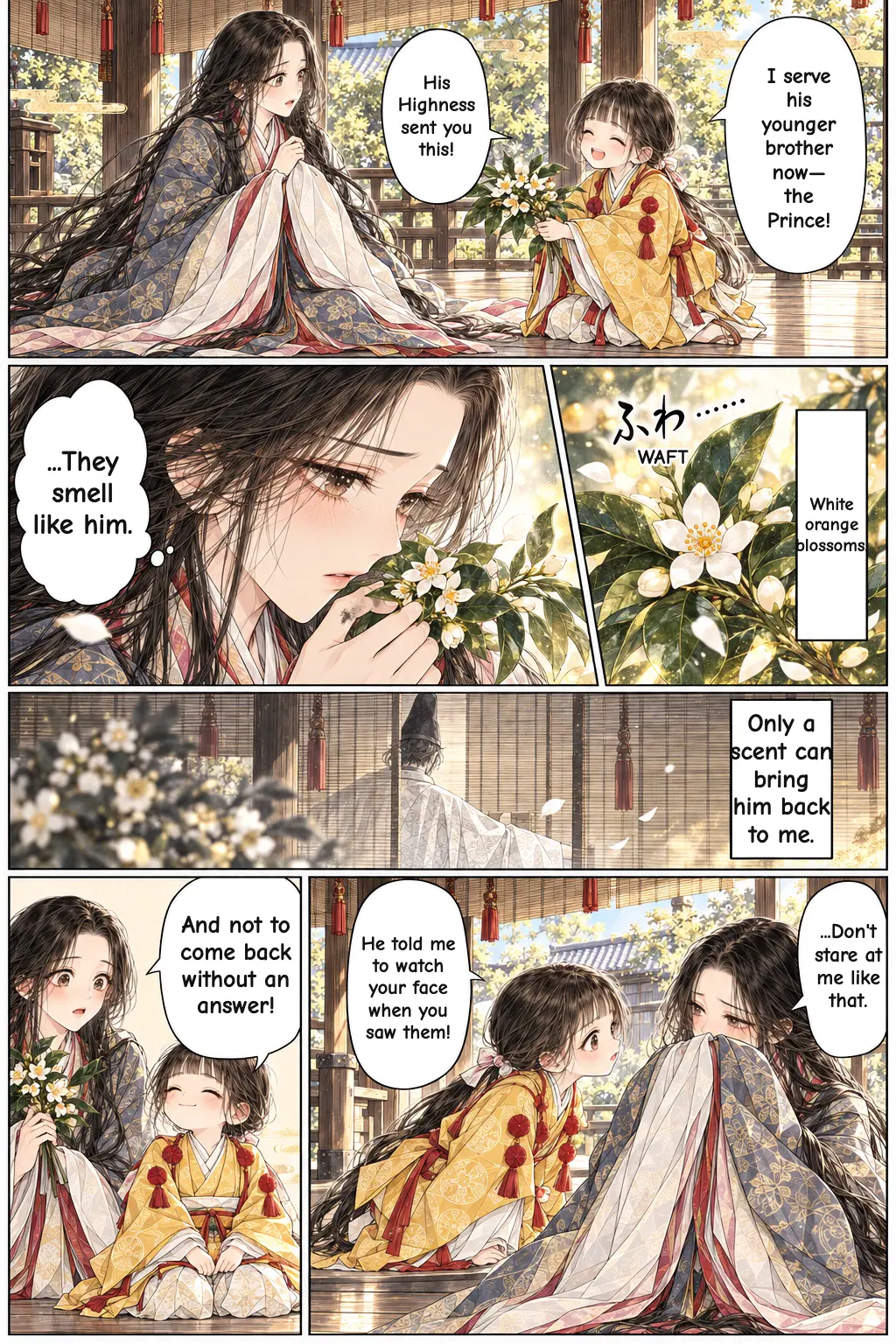
The diary opens in the fourth month of the old lunar calendar. Its heroine, called only "the woman," has spent almost a year grieving Prince Tametaka, the man she loved, who died the year before. She feels the world is more fleeting than a dream. Then a young page who once served Tametaka turns up at her door. He now serves Tametaka's younger brother, Prince Atsumichi, and he has brought her a sprig of tachibana, a fragrant citrus blossom. The gift carries a message. In a famous older poem, the scent of tachibana brings back the memory of someone loved long ago.
The Izumi Shikibu Diary Summary: Izumi Shikibu and Prince Atsumichi
The Original Story: A Love Told in Poems
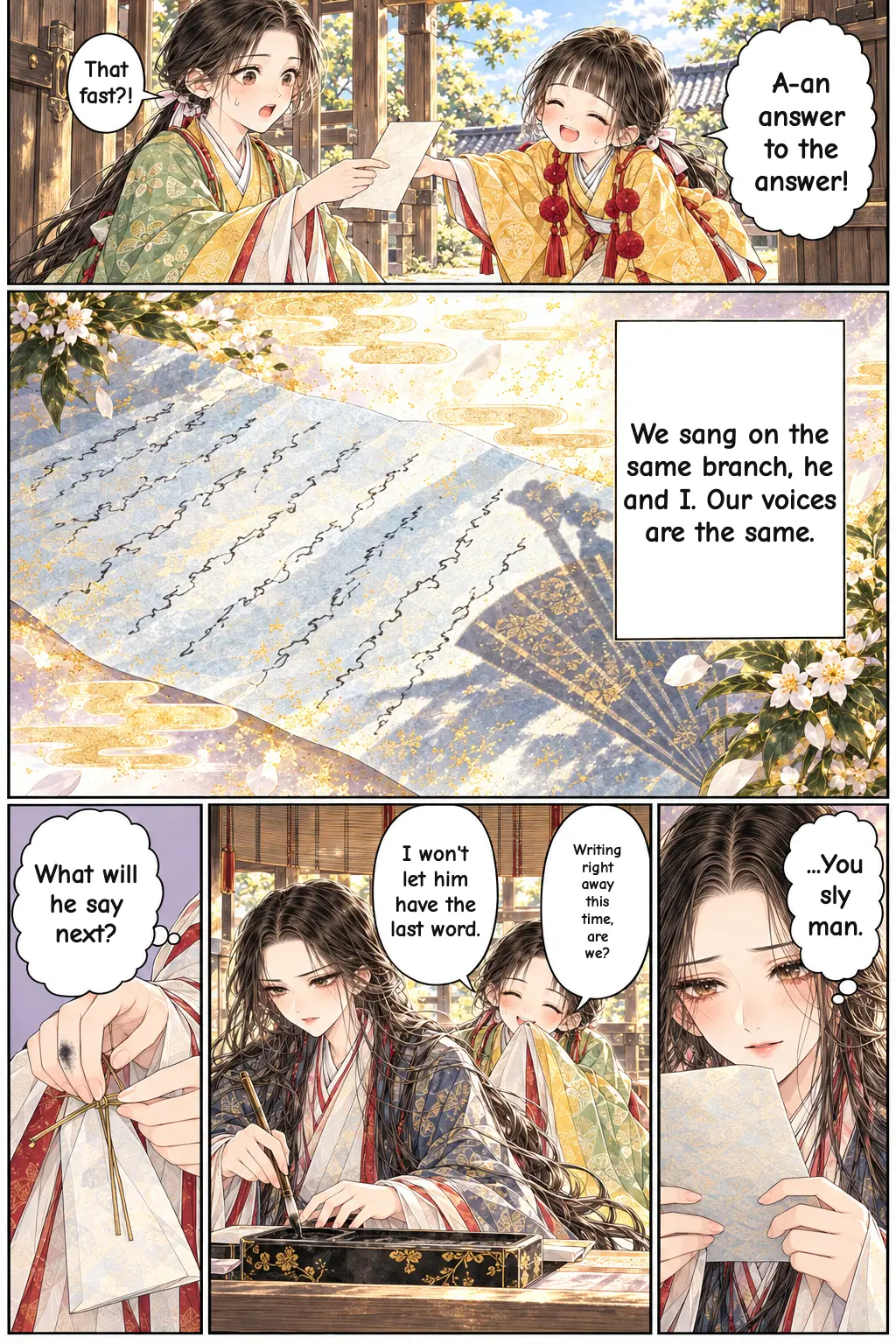
The diary opens in the fourth month of the old lunar calendar. Its heroine, called only "the woman," has spent almost a year grieving Prince Tametaka, the man she loved, who died the year before. She feels the world is more fleeting than a dream. Then a young page who once served Tametaka turns up at her door. He now serves Tametaka's younger brother, Prince Atsumichi, and he has brought her a sprig of tachibana, a fragrant citrus blossom.
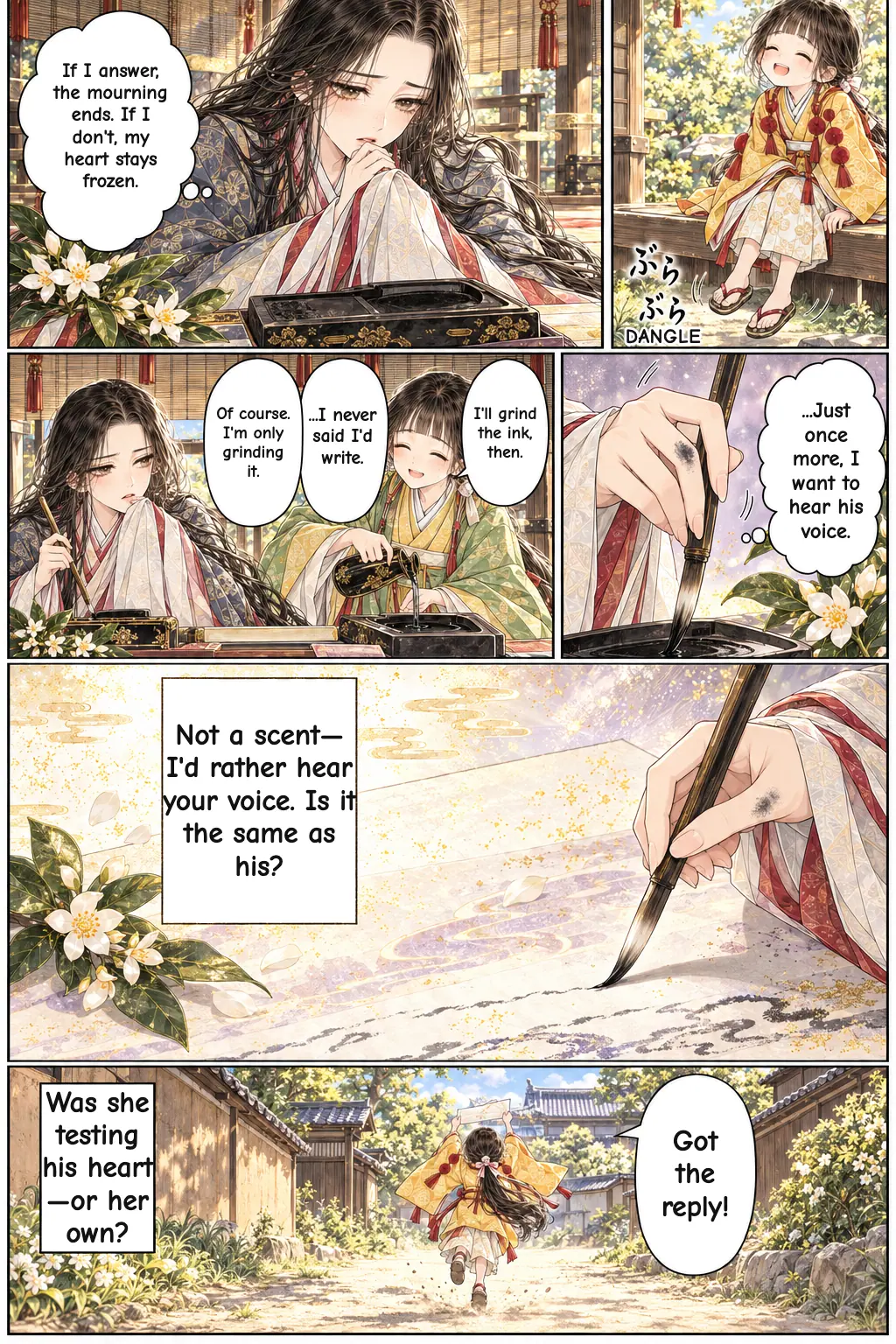
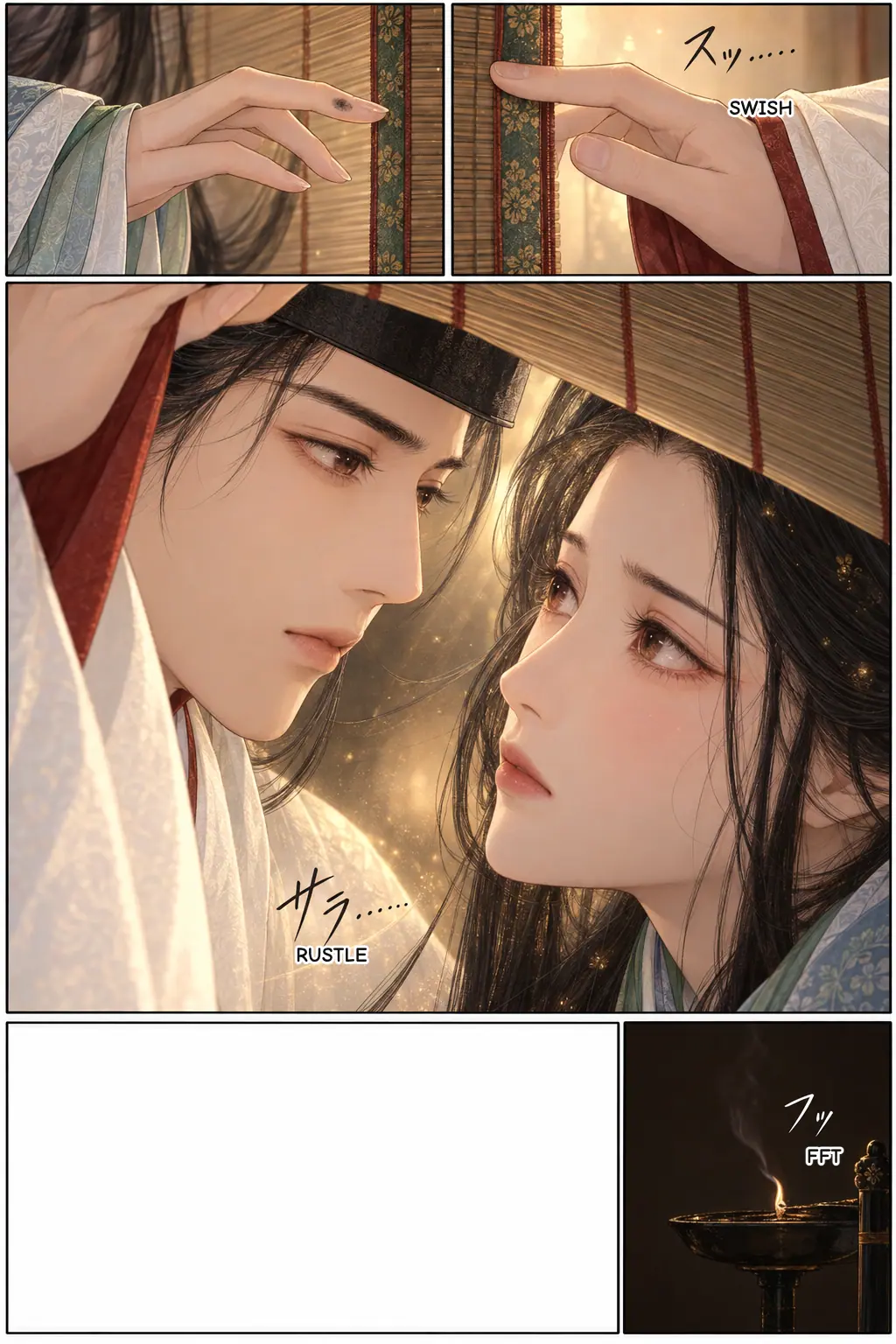
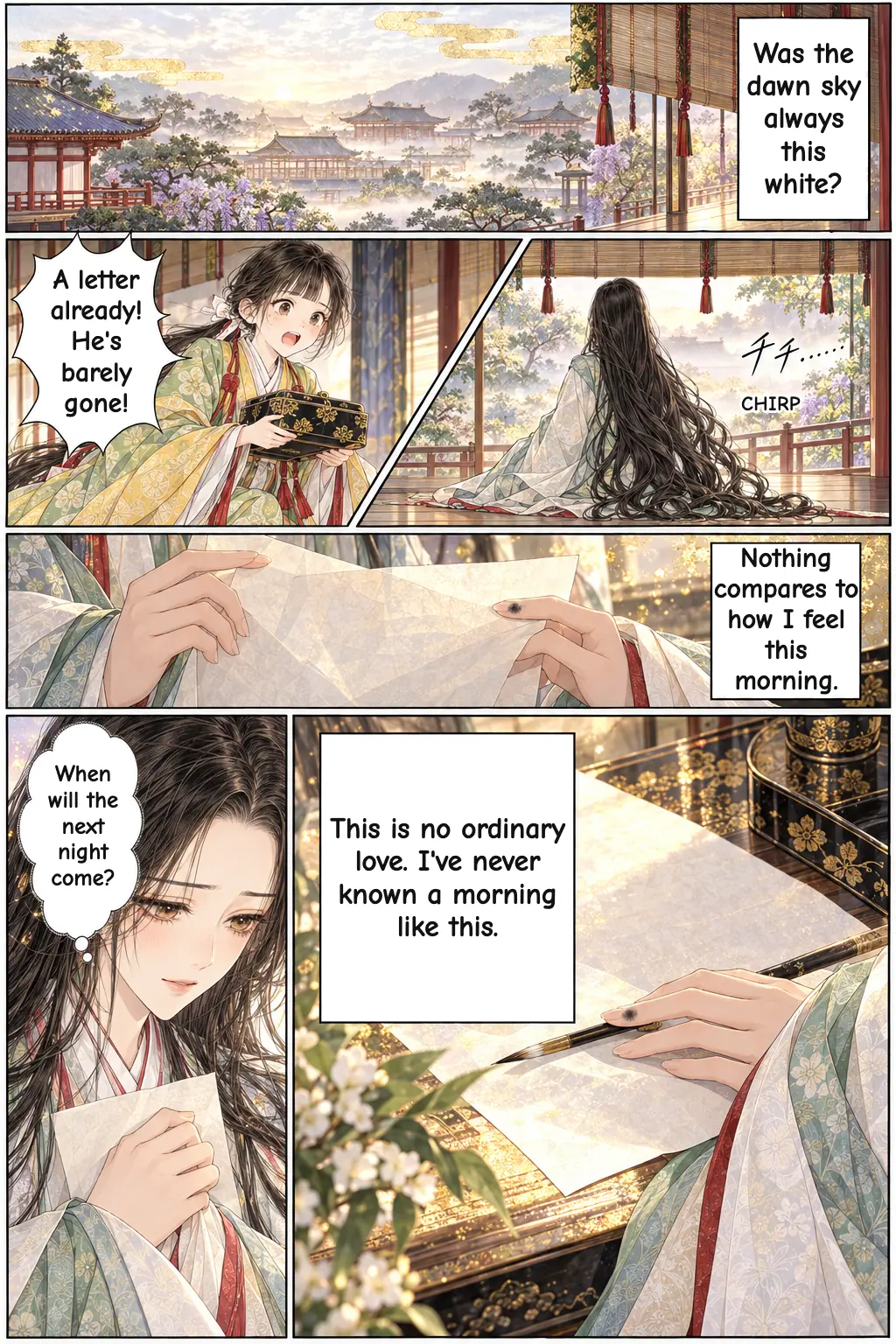
The gift carries a message. In a famous older poem, the scent of tachibana brings back the memory of someone loved long ago. The woman sees the hint at once. In her reply she asks whether the cuckoo (hototogisu, the bird of early summer) sings in the same voice as before. In other words: are you like your brother? The prince answers that birds singing on the same branch share the same voice. Letters start to pass back and forth, and soon he visits her in secret. After their first night they trade the customary "morning-after" poems, each saying this feeling is unlike any other.
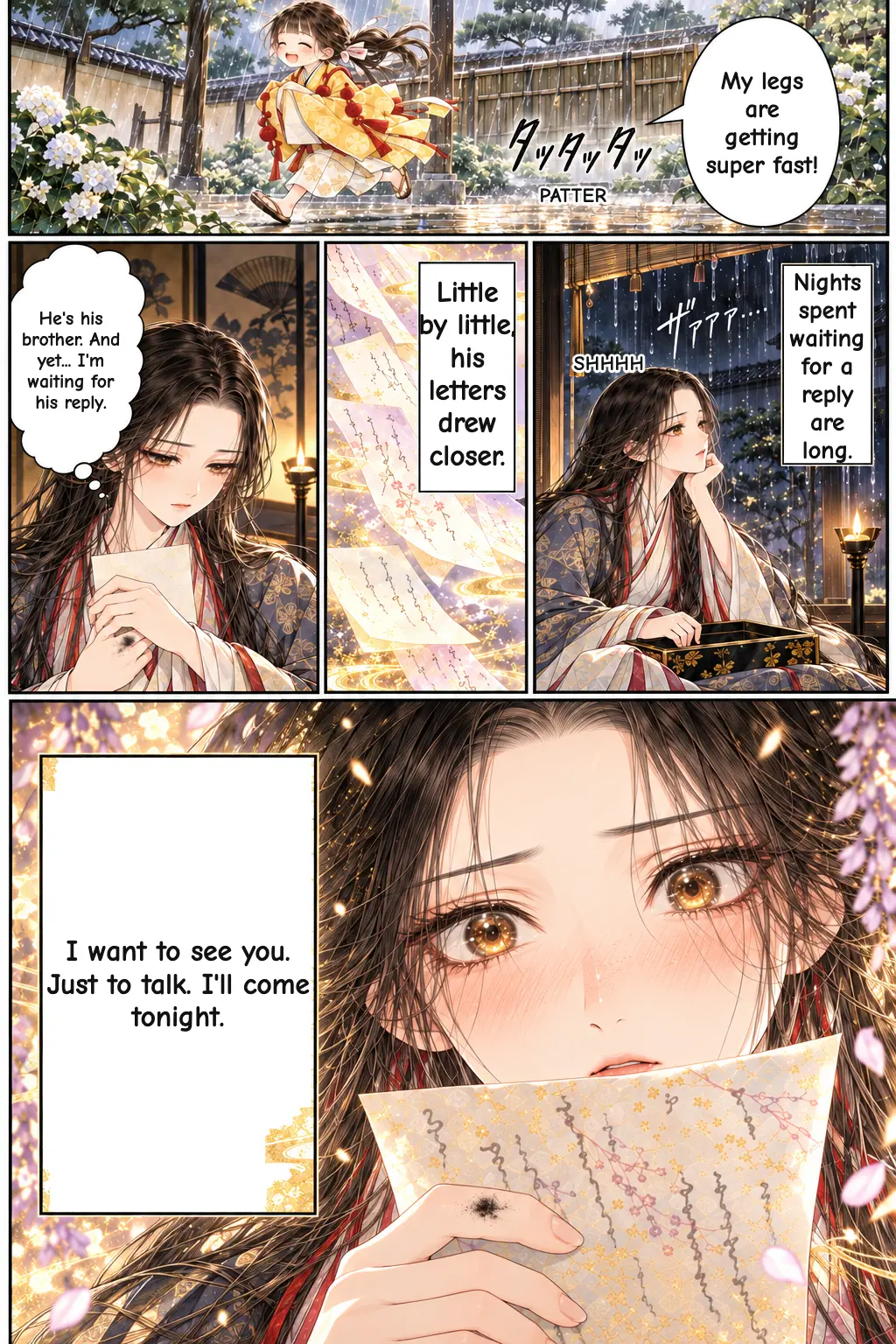
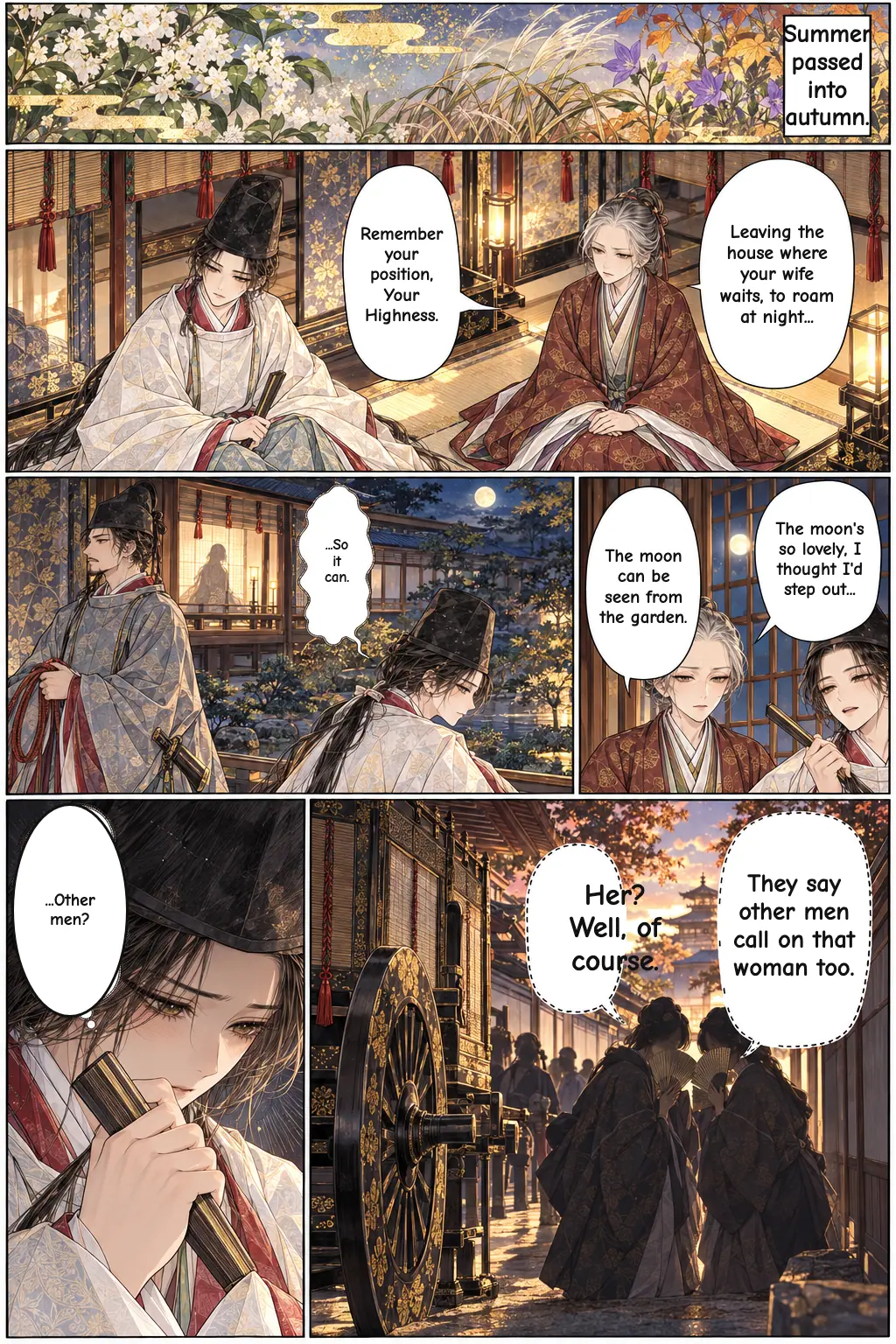
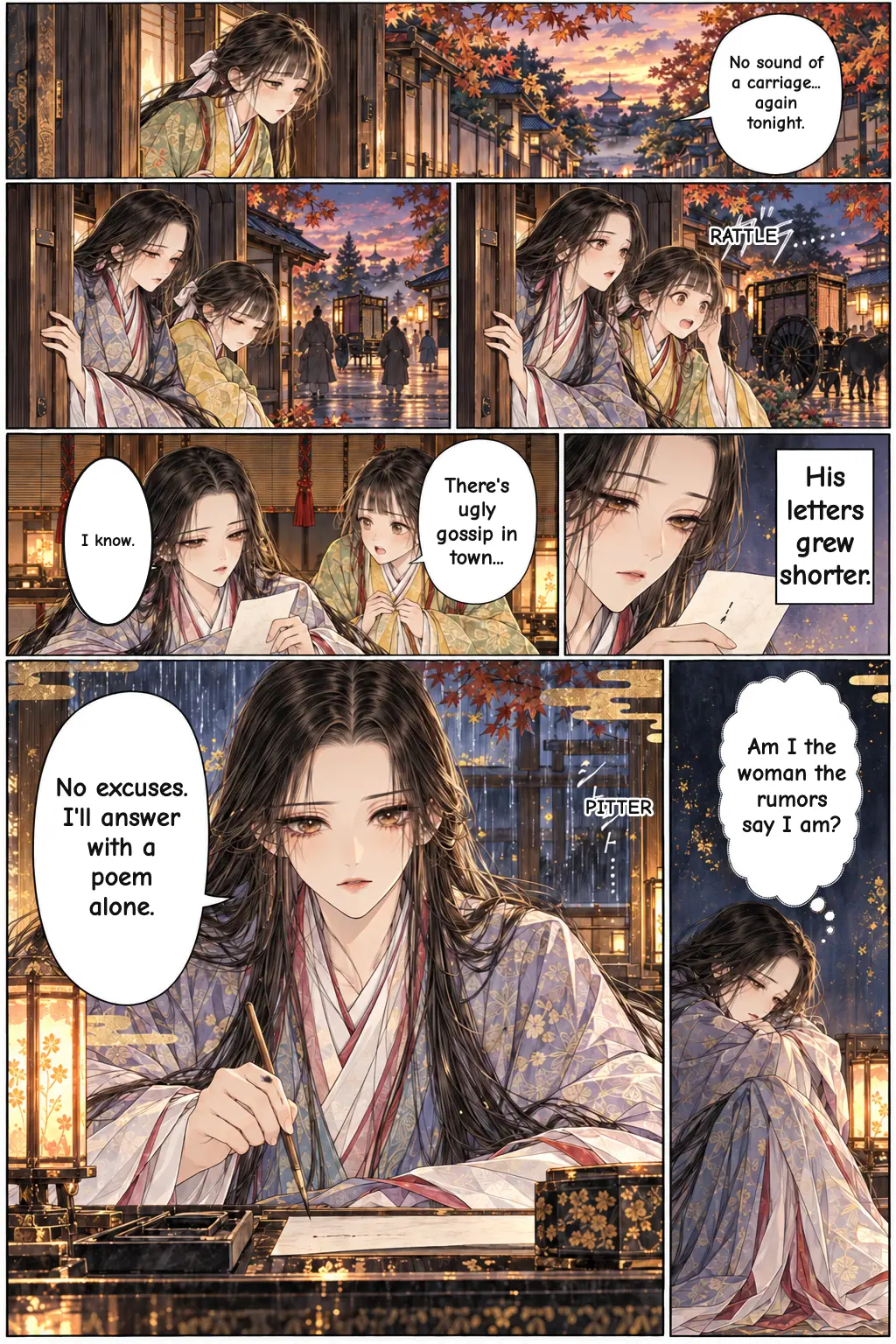
Then things get harder. Atsumichi is a son of Emperor Reizei, and his nurse and attendants disapprove of his visits to a woman with a reputation. He can't come as often as he wants to. One night he arrives and the gate stays shut, so he leaves. Rumors reach him that other men visit her, and his visits slow down. Even so, he once takes her away in his carriage to spend a night somewhere private, and he writes to her when she goes on retreat at Ishiyama Temple.
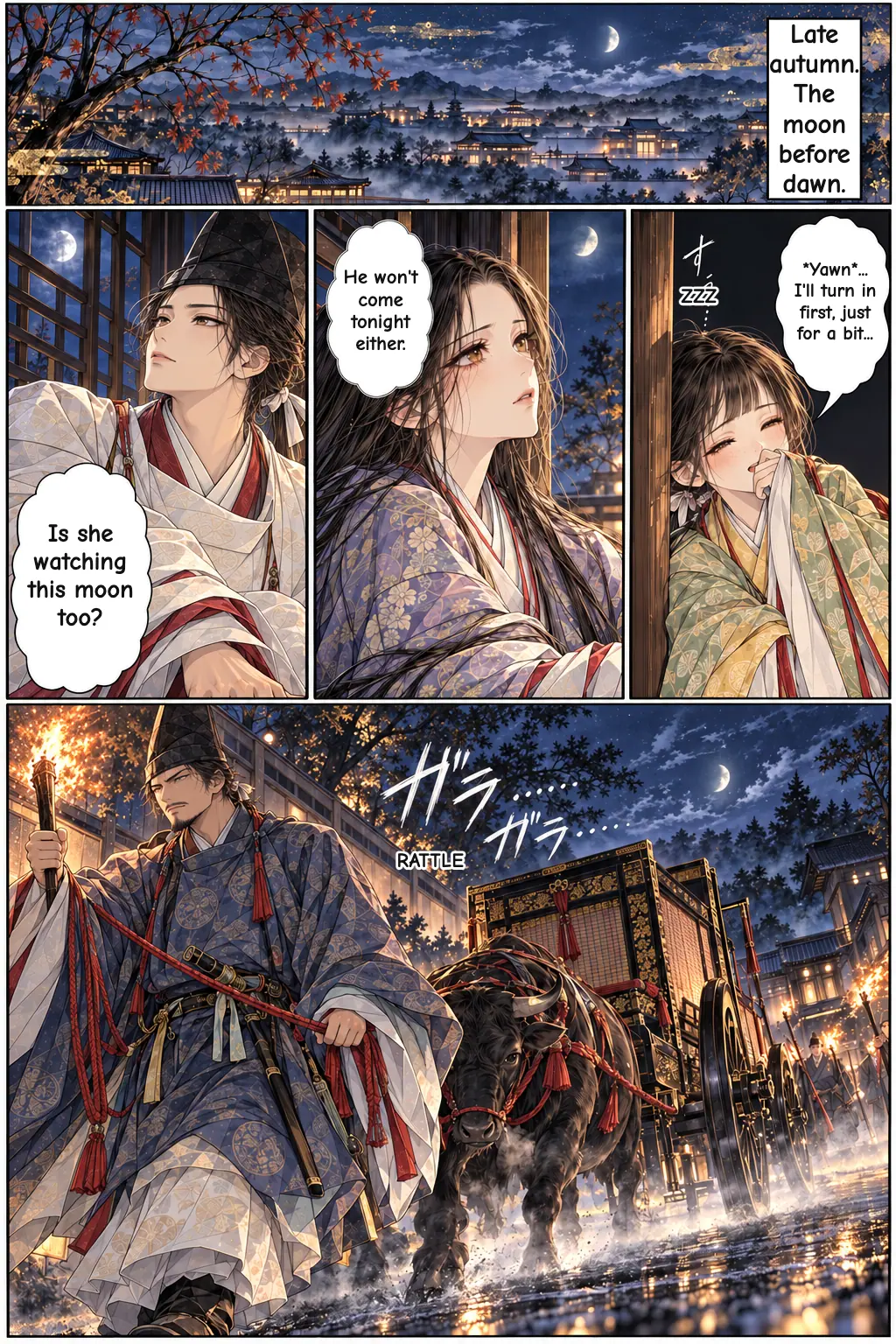
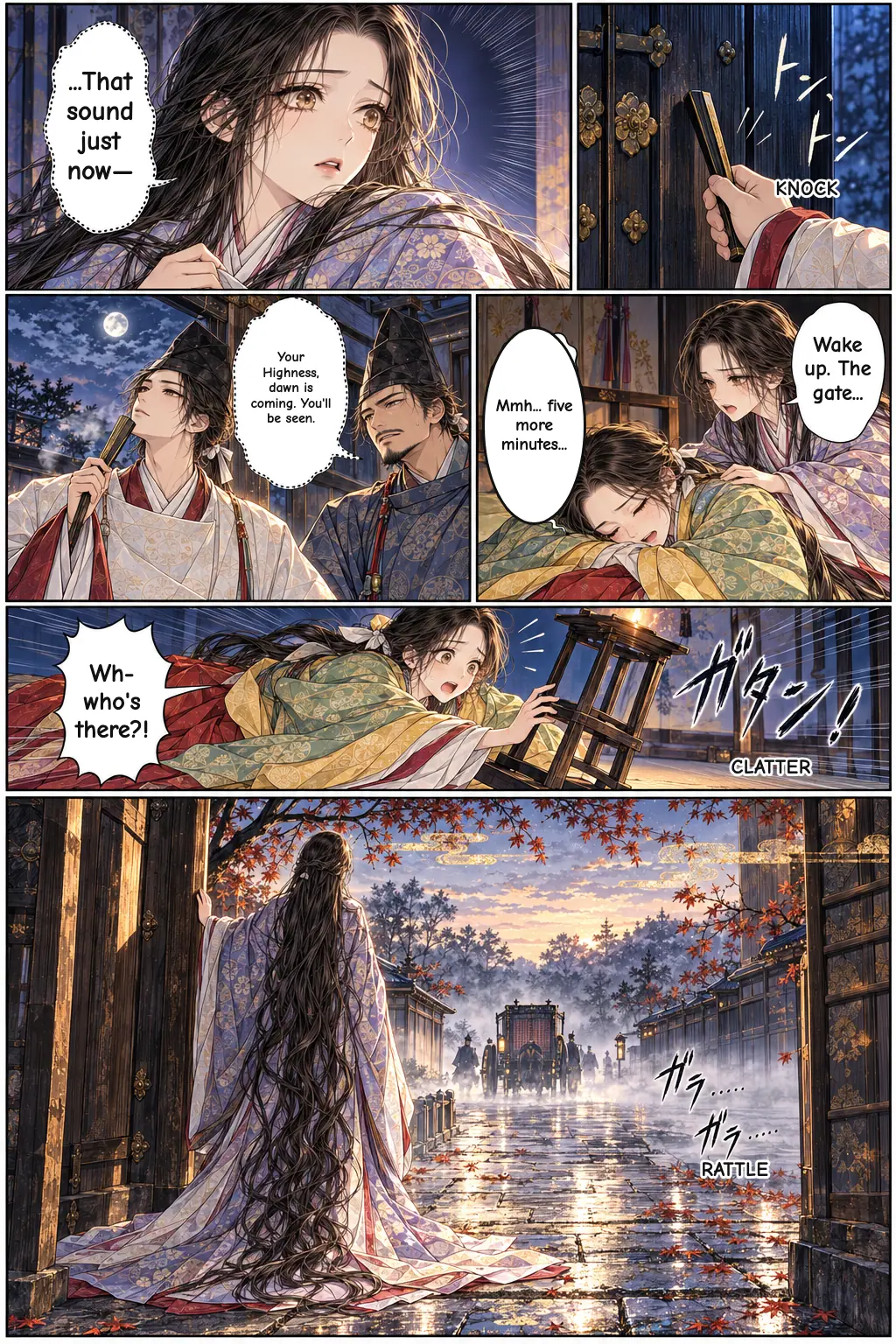
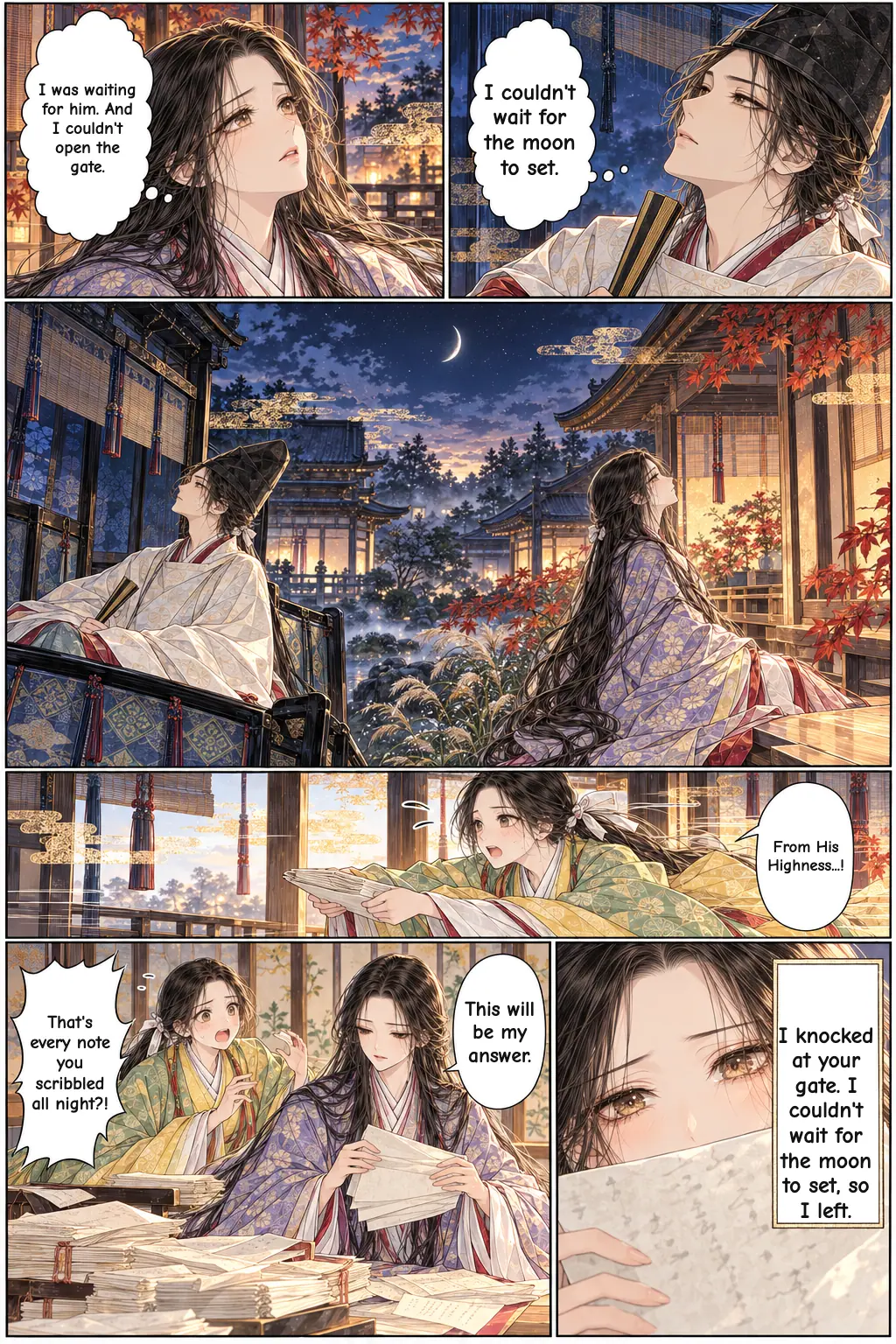
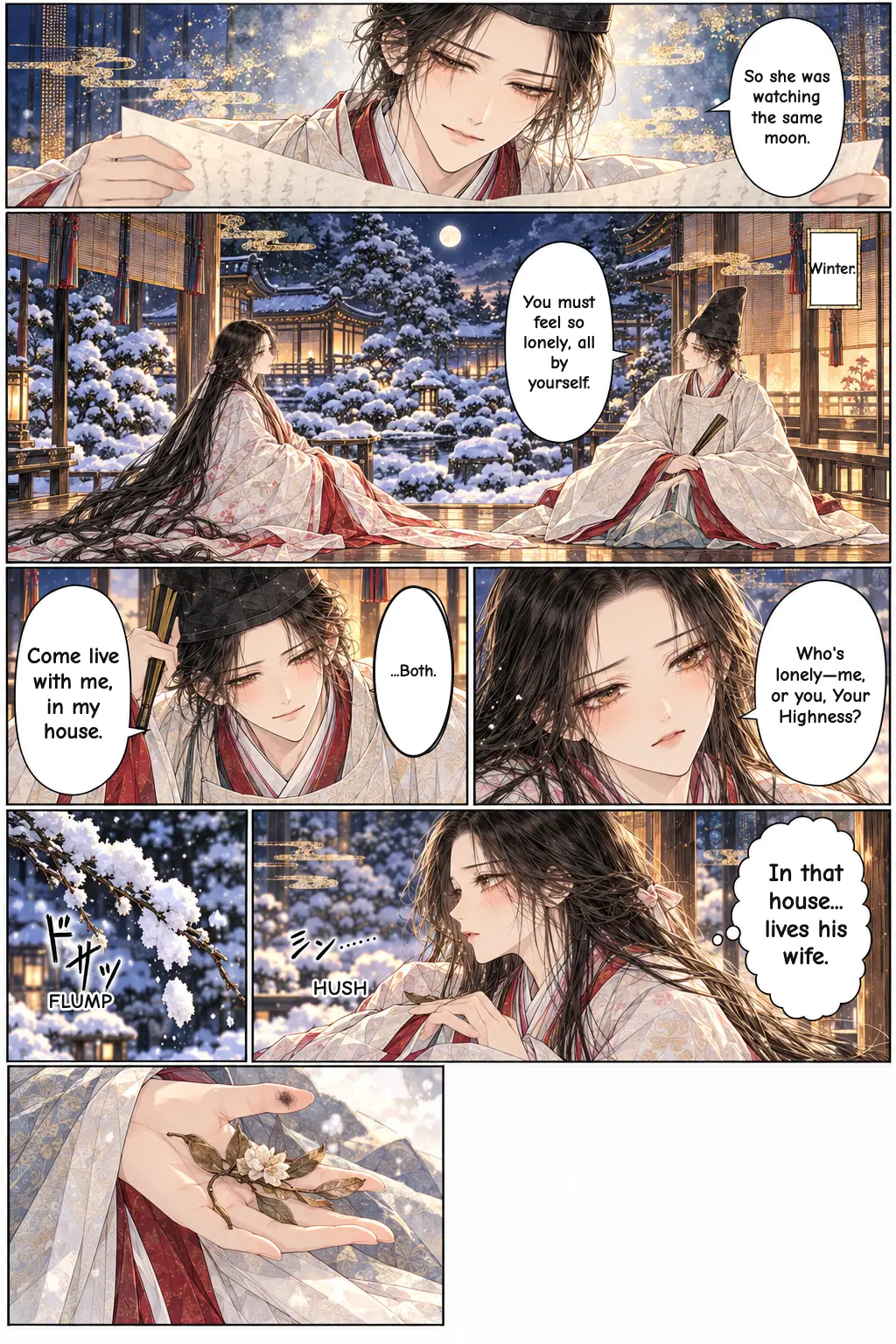
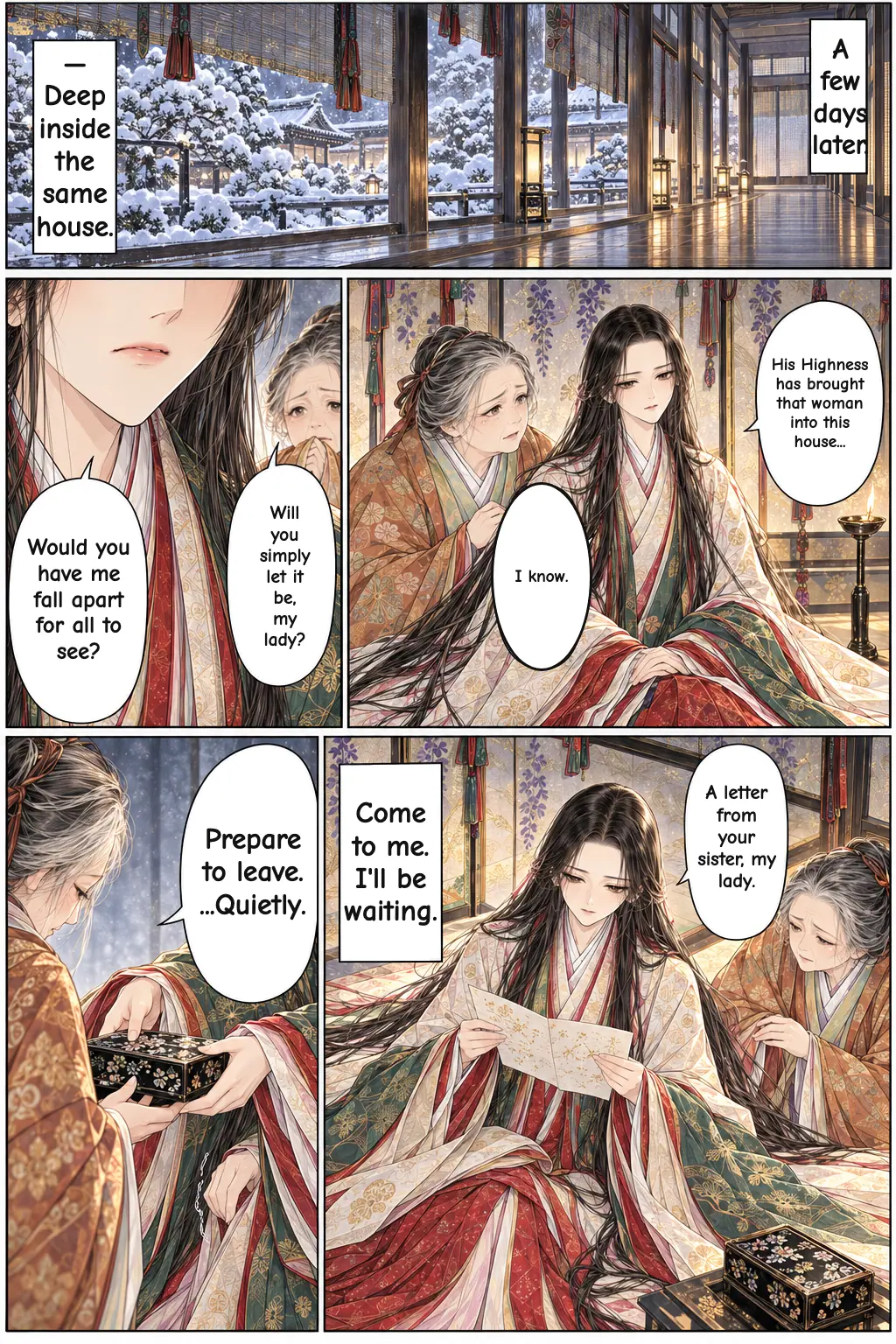
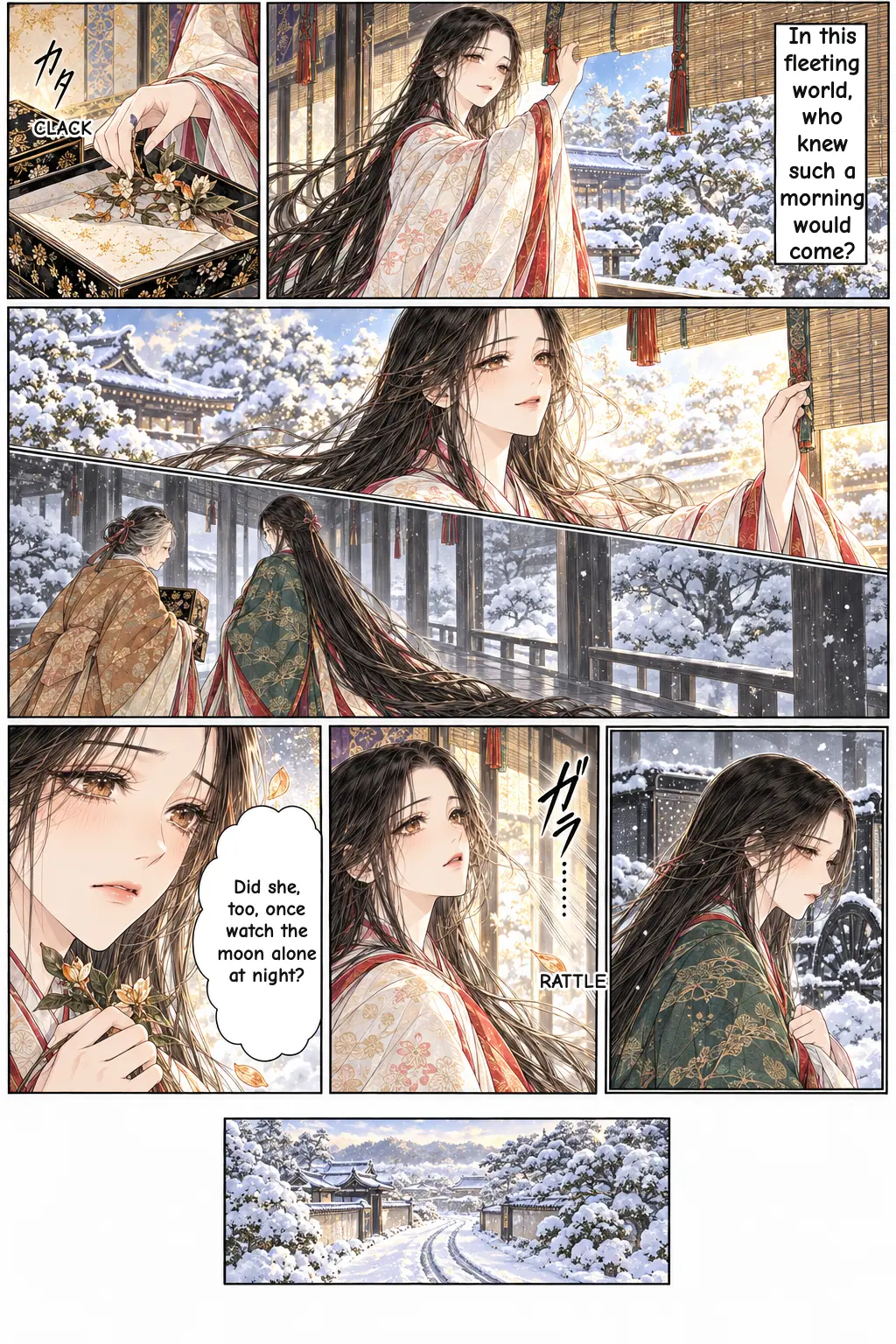
Late in the ninth month comes the most famous scene. Before dawn, under the ariake moon (the moon still in the sky at daybreak), the prince knocks at her gate. It isn't opened in time and he goes away. She has been lying awake looking at the moon, and she writes her feelings down as if practicing calligraphy, then sends the pages to him. In winter he decides she is too alone and asks her to live at his residence. She hesitates because of what people will say, but on the eighteenth of the twelfth month, on a moonlit night, she moves in. The prince's wife takes offense. Her sister, a consort of the Crown Prince, invites her to come and stay, and the diary ends as the wife prepares to leave.
Main Characters
Izumi Shikibu is one of the great poets of Heian Japan (794–1185). The diary is usually credited to her, although scholars have debated who wrote it, and it calls her "the woman" in the third person. She is quick-witted and hurt by gossip, and she sees her own position clearly. Prince Atsumichi, known by his court title Sochi no Miya, is passionate and acts on his feelings, but rumor and duty pull him in other directions. Their go-between is a page boy who served both brothers. Prince Atsumichi's wife appears only briefly at the very end, and the original says almost nothing about what she felt.
What This Story Tells Us About Heian Japan
In Heian court society, love was largely carried on in writing. A man visited a woman at night and left before dawn. Letters and short 31-syllable poems (waka) did much of the courting, and a fast, clever reply showed both feeling and refinement. That is why the diary reads like a long conversation in verse. Small things like a flower, a bird or the moon carry the emotional weight.
The story also shows how much rank and reputation mattered. A prince openly bringing a lower-ranking woman into his house was a scandal, and it was humiliating for his principal wife, who came from a powerful family. Historically, the romance didn't last long. Prince Atsumichi died a few years later, in 1007, and Izumi Shikibu wrote many poems mourning him. She later served at the court of Empress Shōshi, where Murasaki Shikibu, author of The Tale of Genji, was also working.
What the Manga Changes
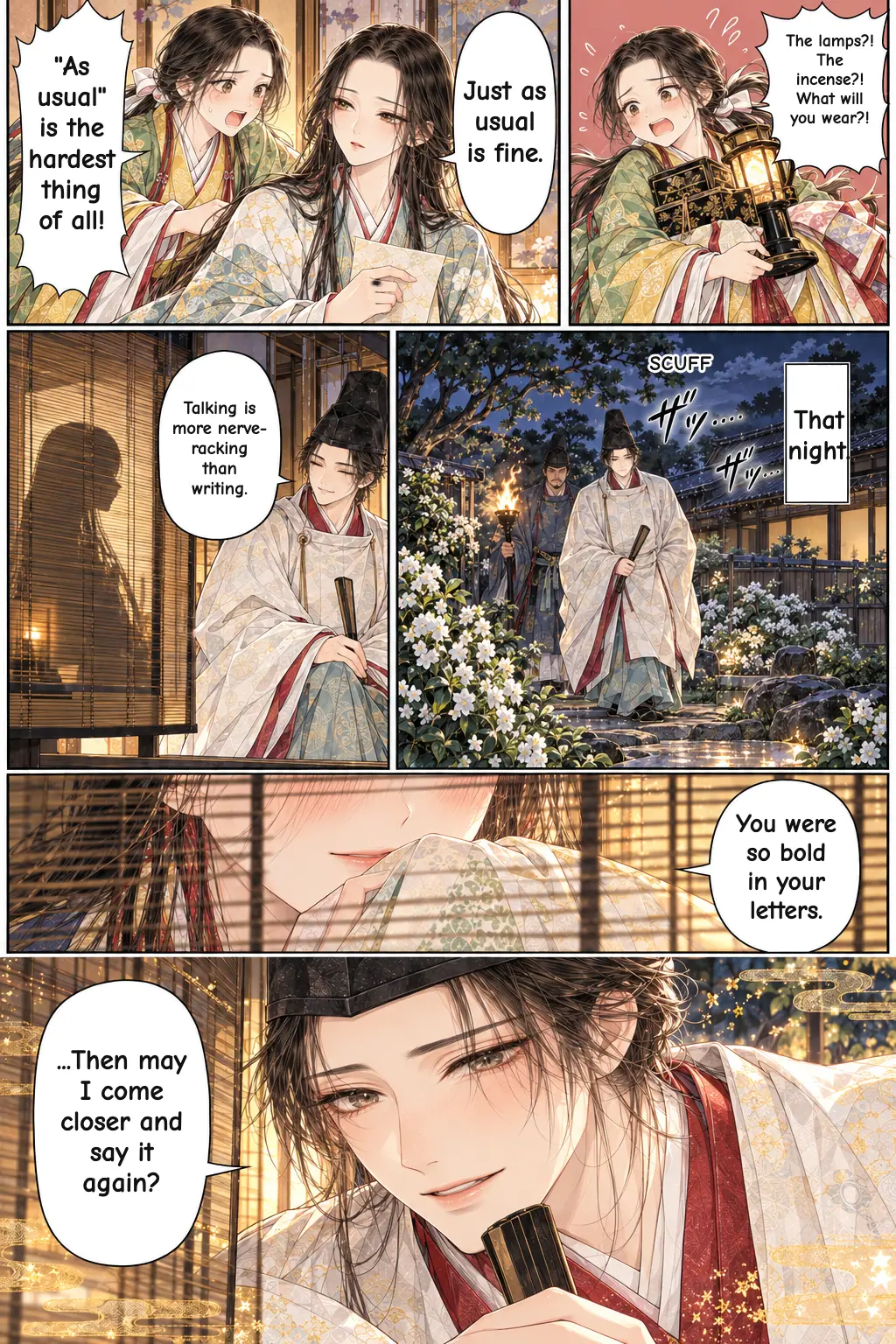
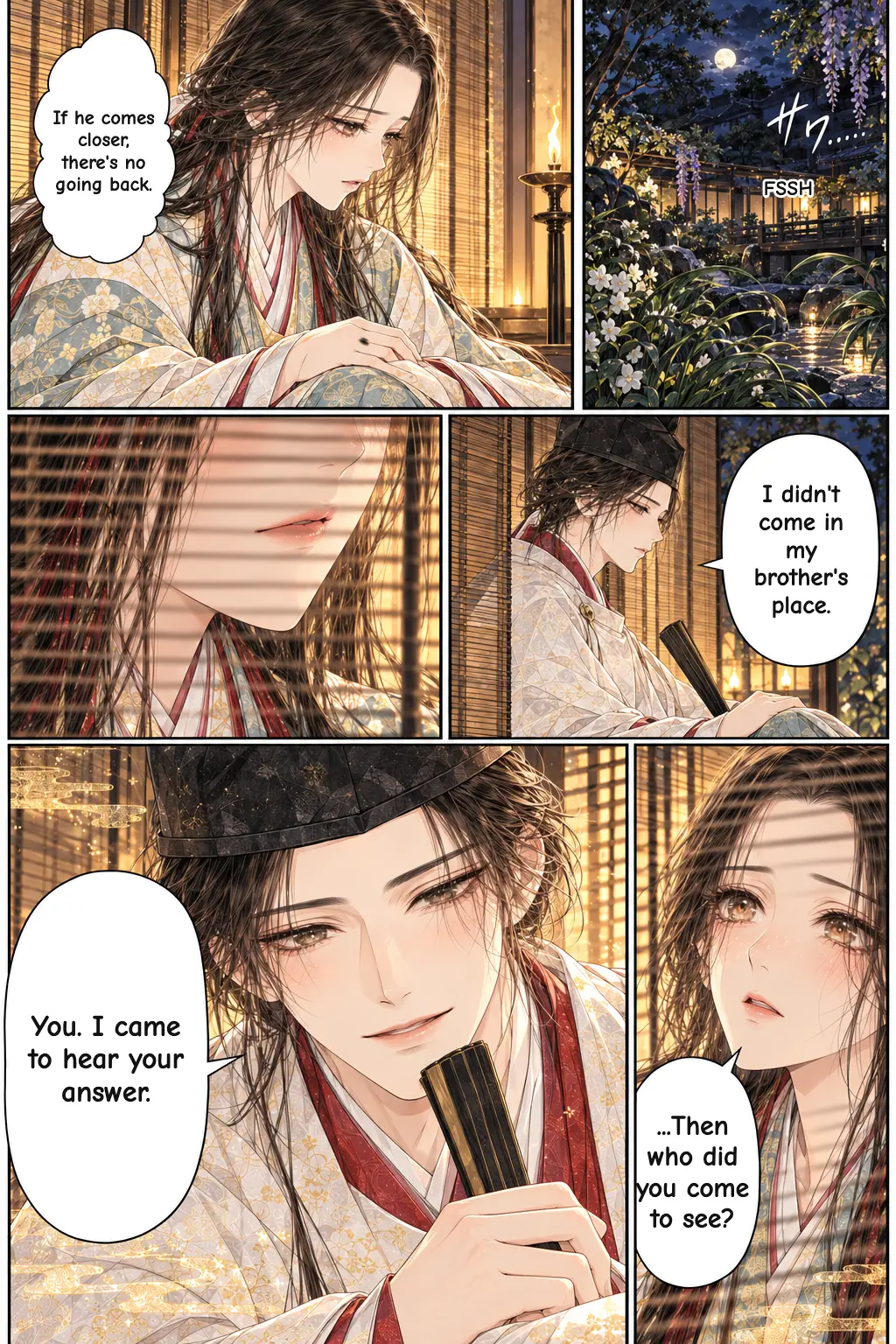
Episode 3 focuses on four moments: the orange blossoms, the first night, the dawn moon, and the move to the prince's house. The many letters in between become a short montage. The original only notes their first meeting briefly, so the manga's conversation through the bamboo blind is written new. The first night itself happens off-page, and the story picks up with the morning-after poems.
Two scenes are clearly the manga's own staging. In the dawn-moon chapter, cuts showing the prince and the woman looking at the same moon are built from what the text says, but the strong side-by-side contrast is the manga's interpretation. The manga also gives the prince's wife a few panels of her own: hearing the news, talking with her maids, packing, and the back of her figure as she leaves. The diary gives her almost no inner life and ends before her departure is actually shown, so these panels are invented, and they are drawn to treat her with sympathy, not as a villain. The poems are shown in the original Japanese with our own plain-English explanations. The characters' faces and costumes are original designs.
Where to Read It
If you'd like to see this exchange of poems play out in pictures, Episode 3 of LOVE & ALLURE: Classic Japanese Tales of Romance on Manga Portal tells the story from the orange blossoms to the snowy night of the move. Every episode is free to read, and you don't need to sign up. The series also adapts other classic Japanese love stories, so you can read on from here.
Characters in this episode
Izumi Shikibu ("the woman")
A celebrated Heian poet still grieving her dead lover, whose sharp replies in verse win the heart of his younger brother.
Prince Atsumichi (Sochi no Miya)
Son of Emperor Reizei and younger brother of her late lover, a passionate suitor held back by his rank, his attendants and the rumors he hears.
Prince Tametaka
Atsumichi's older brother and Izumi Shikibu's former lover, who died the year before the diary begins and appears only in memory.
The page boy
A young servant of both princes who brings the orange blossoms and carries the couple's letters.
The prince's wife (Kita no Kata)
Atsumichi's principal wife from a powerful family, who is offended when the woman moves in and prepares to go to her sister.
The Crown Prince's consort
The wife's elder sister, who invites her to come and stay with her.
FAQ
What is The Izumi Shikibu Diary about?
It tells the love affair between the poet Izumi Shikibu and Prince Atsumichi over about ten months, mostly through the poems and letters they exchange. It starts with a gift of orange blossoms and ends when she moves into his residence.
Who wrote The Izumi Shikibu Diary?
It is traditionally credited to Izumi Shikibu herself and is usually dated to the early 11th century. Because it calls her "the woman" in the third person, scholars have debated whether she wrote it or someone else did.
Why did Prince Atsumichi send orange blossoms?
A well-known older poem links the scent of tachibana blossoms to memories of a lost love. The flowers were a delicate way to remind her of his late brother and to see whether she would welcome him.
How does The Izumi Shikibu Diary end?
In the twelfth month the woman moves into the prince's house. His wife, upset, accepts her sister's invitation to come and stay, and the diary ends around that point.
Who was Izumi Shikibu?
She was one of the most admired waka poets of Heian Japan, known for passionate love poetry. She later served Empress Shōshi at the same court as Murasaki Shikibu.