Episode 10Open It Only When You're DesperateKusanagi, the Grass-Cutting Sword
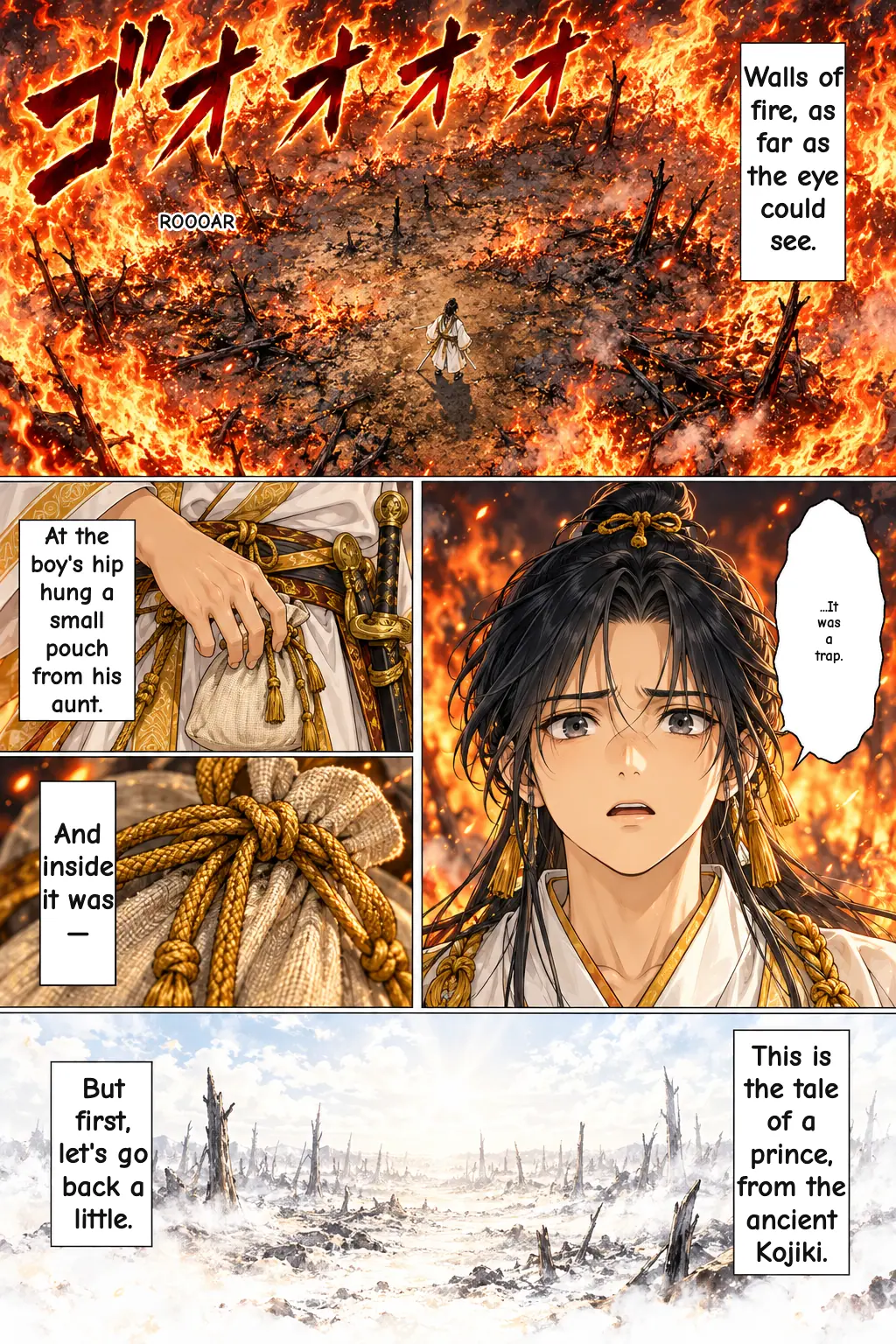
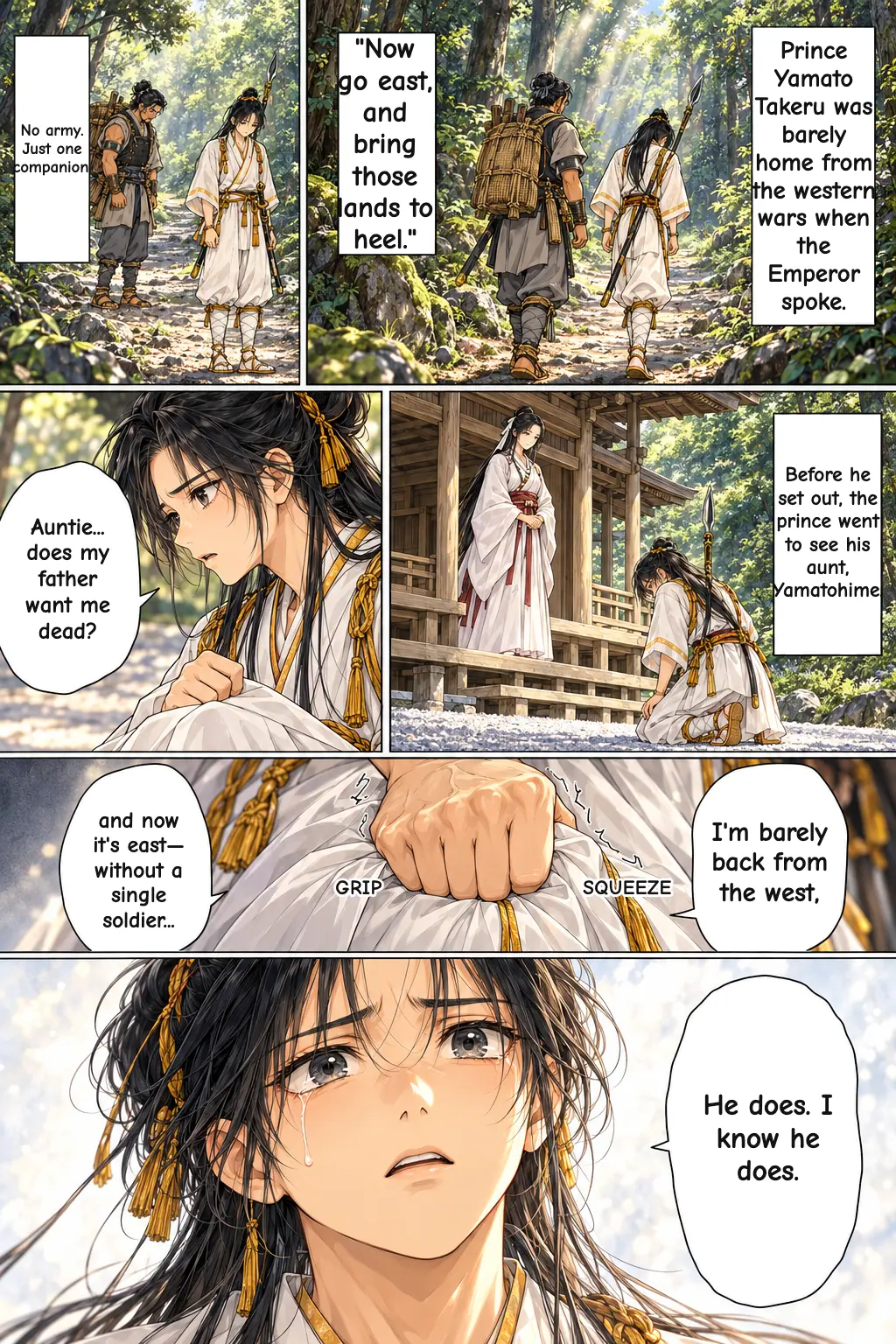
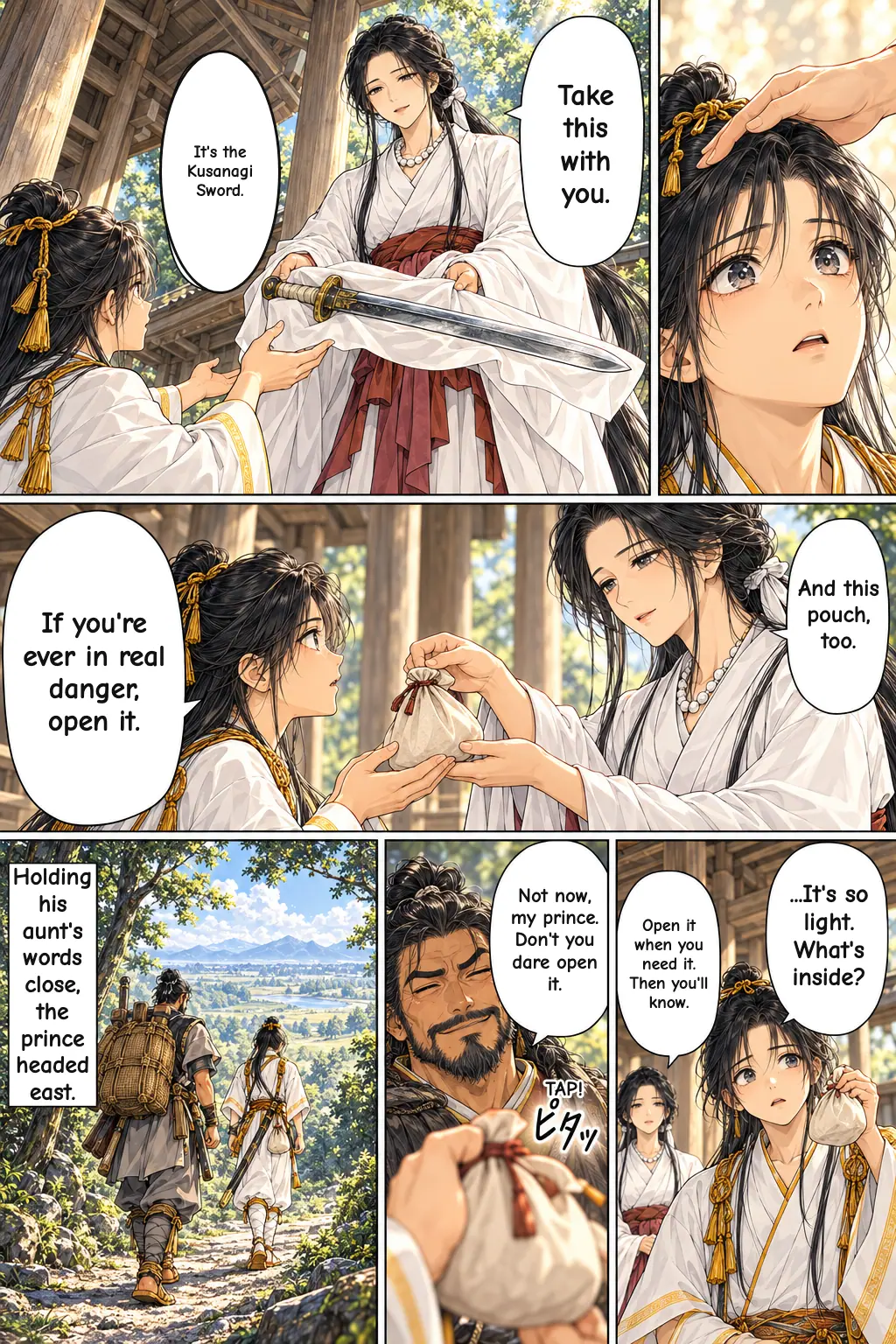
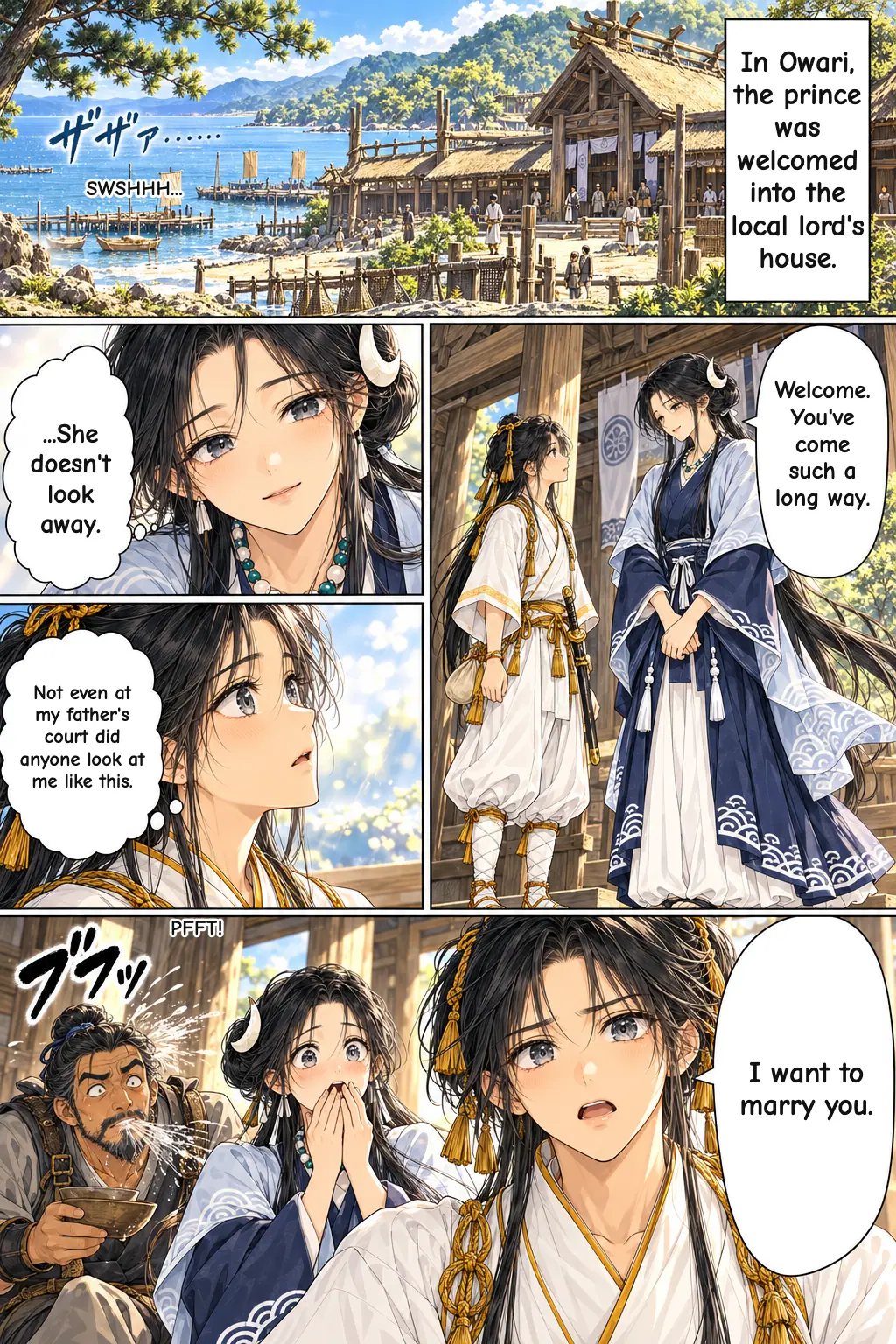
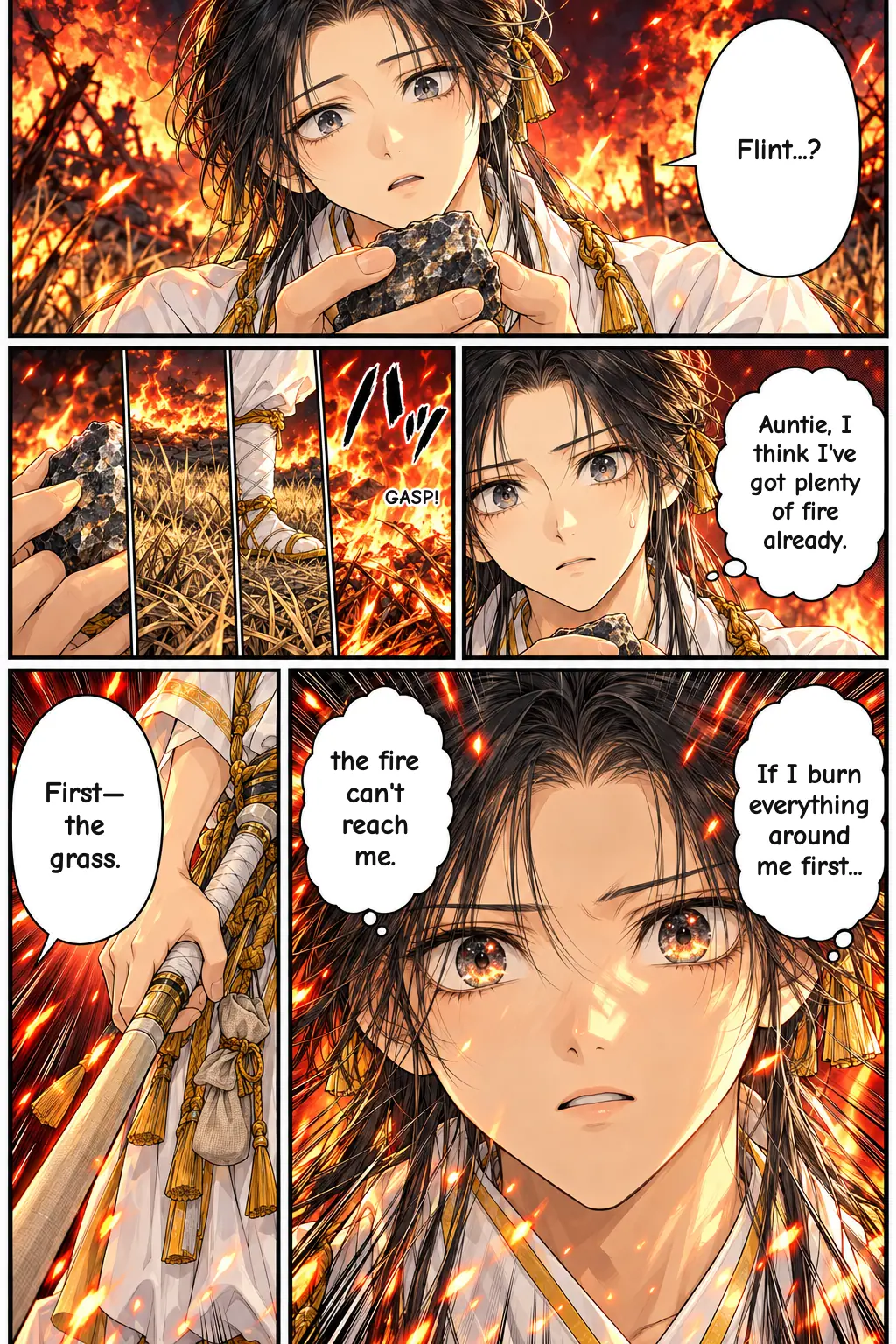
Before heading east, Yamato Takeru receives a sword from his aunt Yamatohime, along with a small pouch she tells him to open only when he's in real trouble. In Owari, he and Miyazuhime promise to marry when he comes back. Then, in the land of Sagamu, the Chieftain lures him into a field with a story about a violent god and sets it on fire. With flames closing in on every side, what saves him is the gift in his aunt's pouch.
Yamato Takeru and Kusanagi: The Burning Field Story in the Kojiki
The Original Myth: What the Kojiki Says
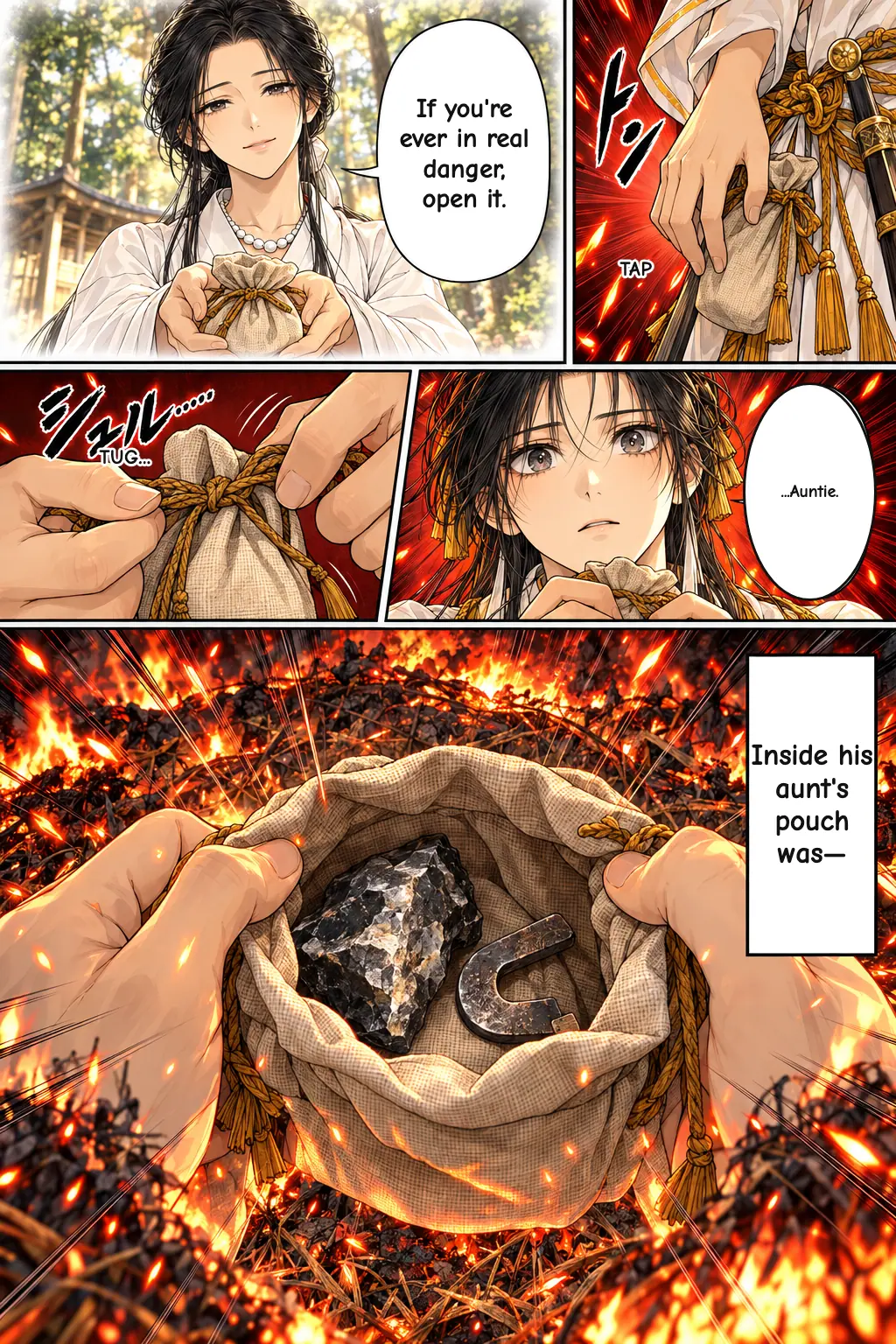
The Kojiki ("Record of Ancient Matters," compiled in 712) is Japan's oldest surviving chronicle. Its second book follows legendary emperors and their heroic sons, and the best known of those sons is Yamato Takeru, a prince of Emperor Keikō. His father has just sent him to subdue the unruly lands of the east. On his way he stops at the Ise shrine, where his aunt Yamatohime gives him two things: a sword, and a small pouch. She tells him that if he ever finds himself in sudden danger, he should untie the pouch.
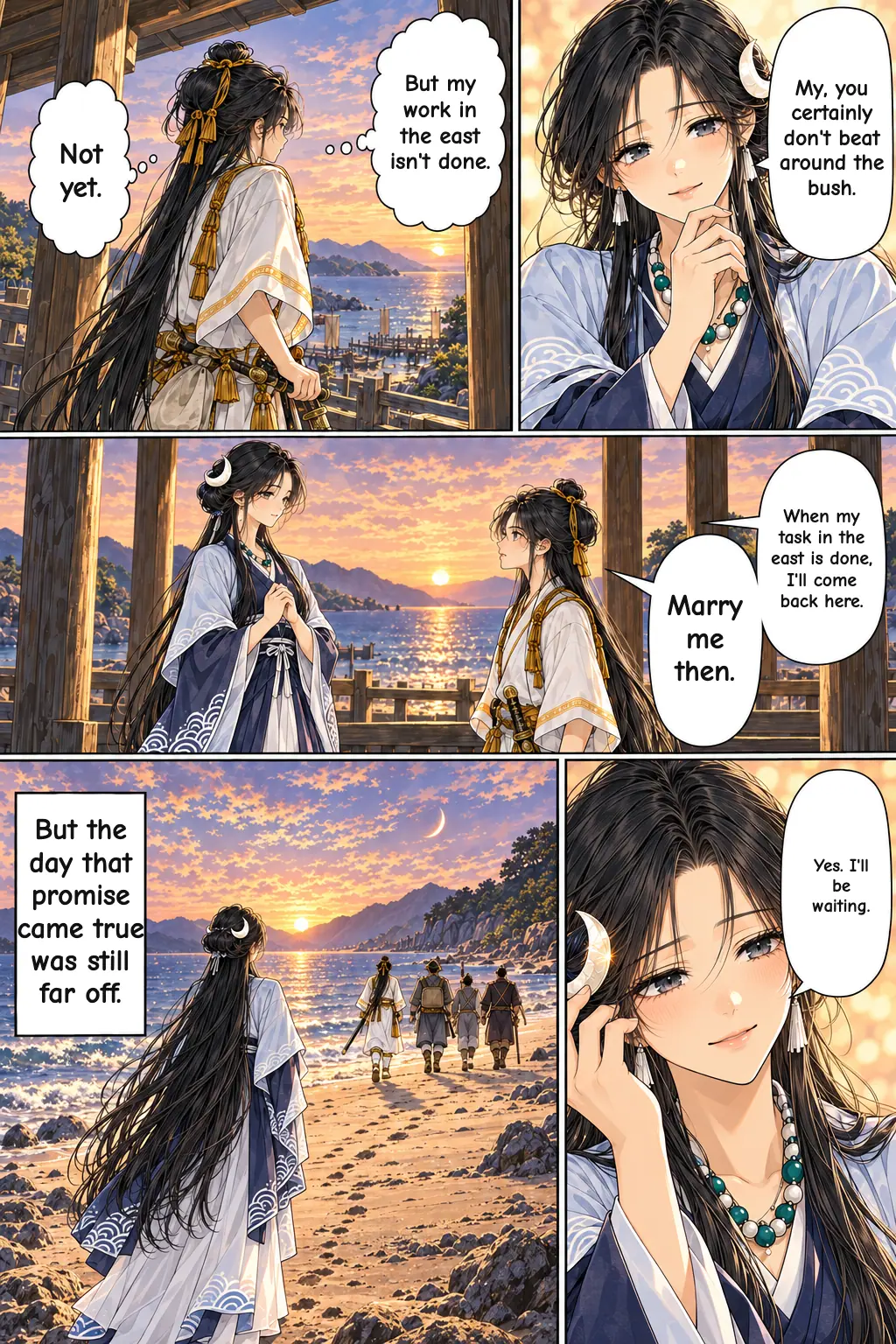
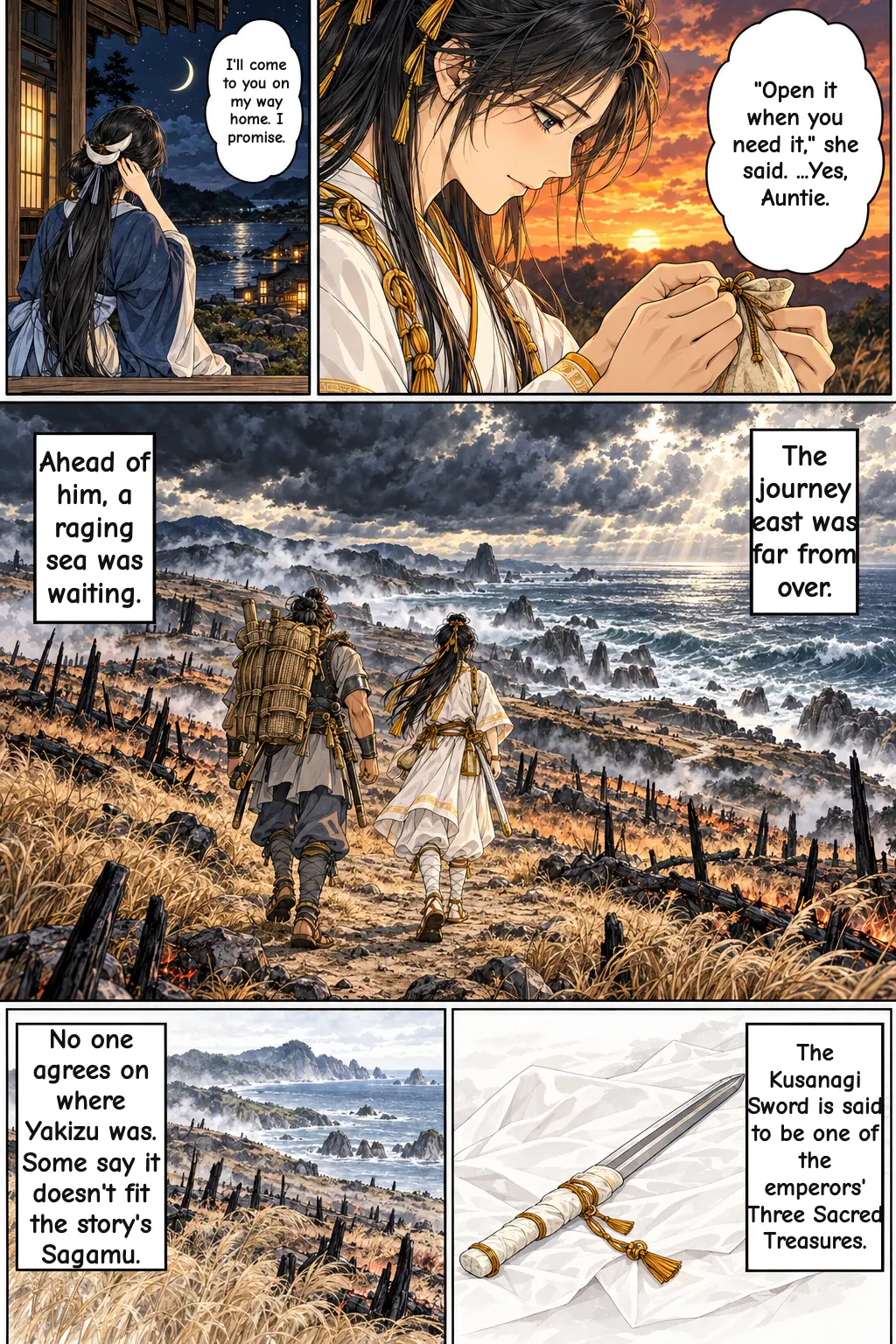
From there the prince travels to Owari, a province in central Japan. He goes into the house of Miyazuhime, who the Kojiki names as an ancestor of the local governors of Owari. He thinks about marrying her right away. Then he changes his mind and decides to marry her on his way home, and the two agree on it before he leaves. The text gives no reason for the delay.
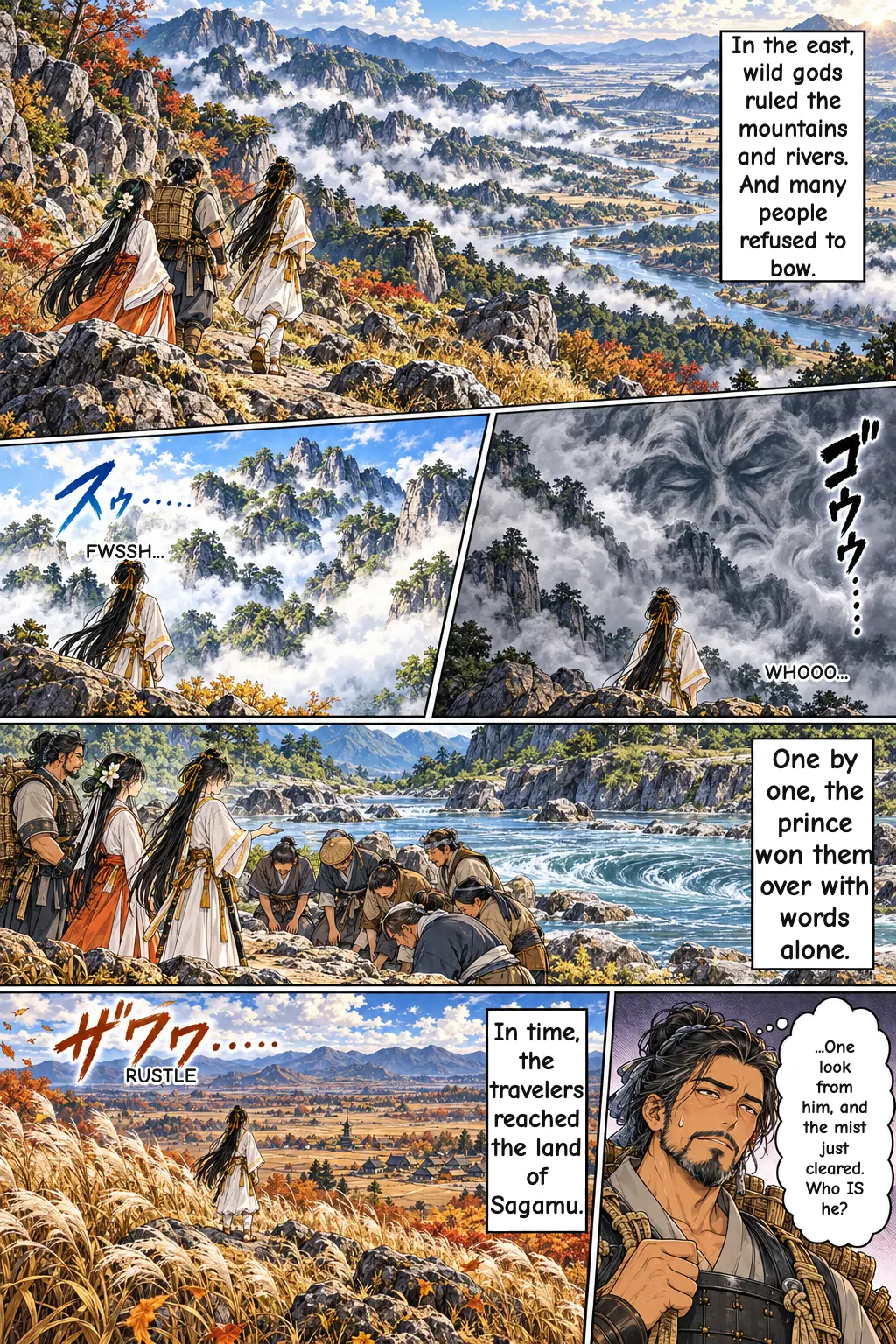
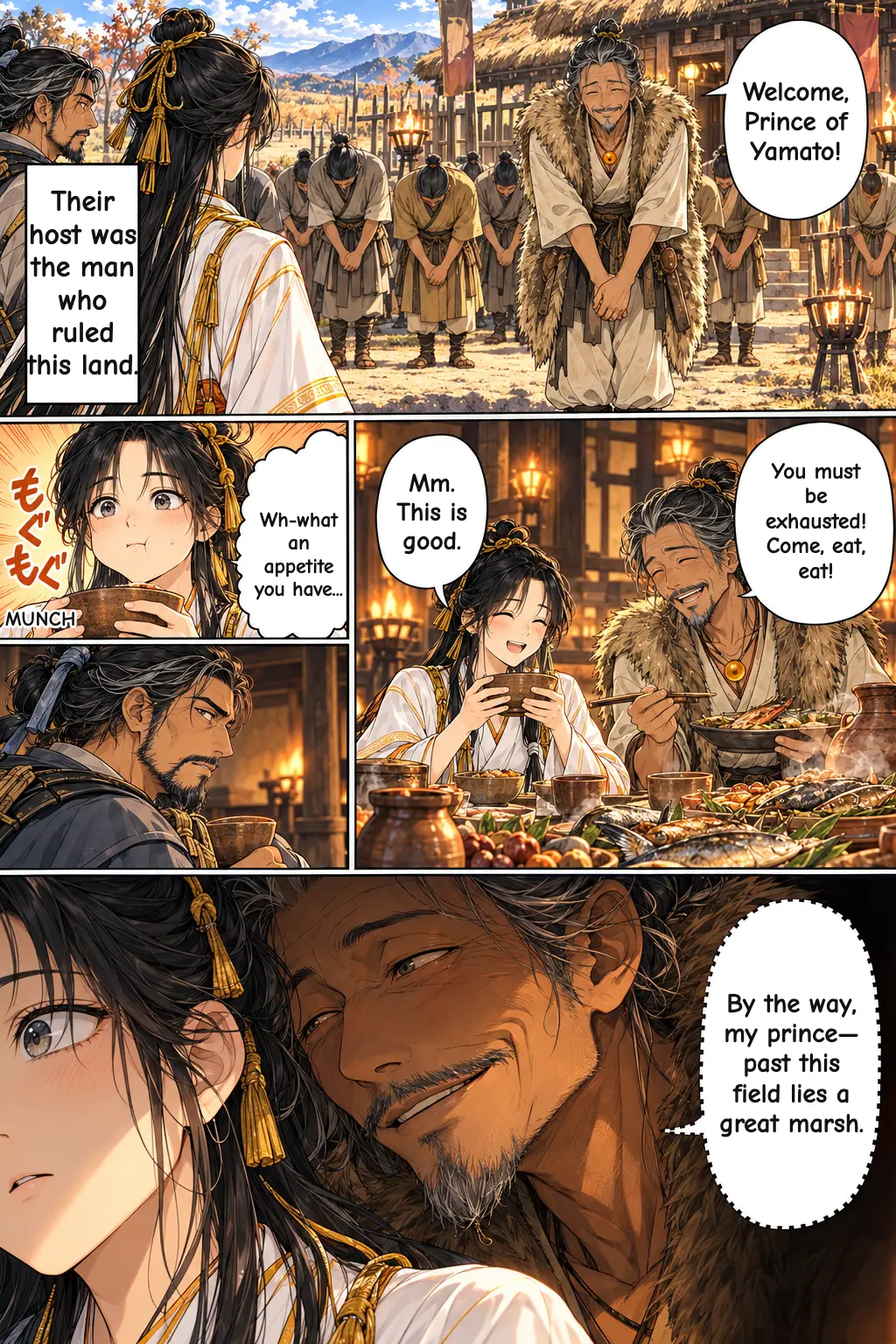
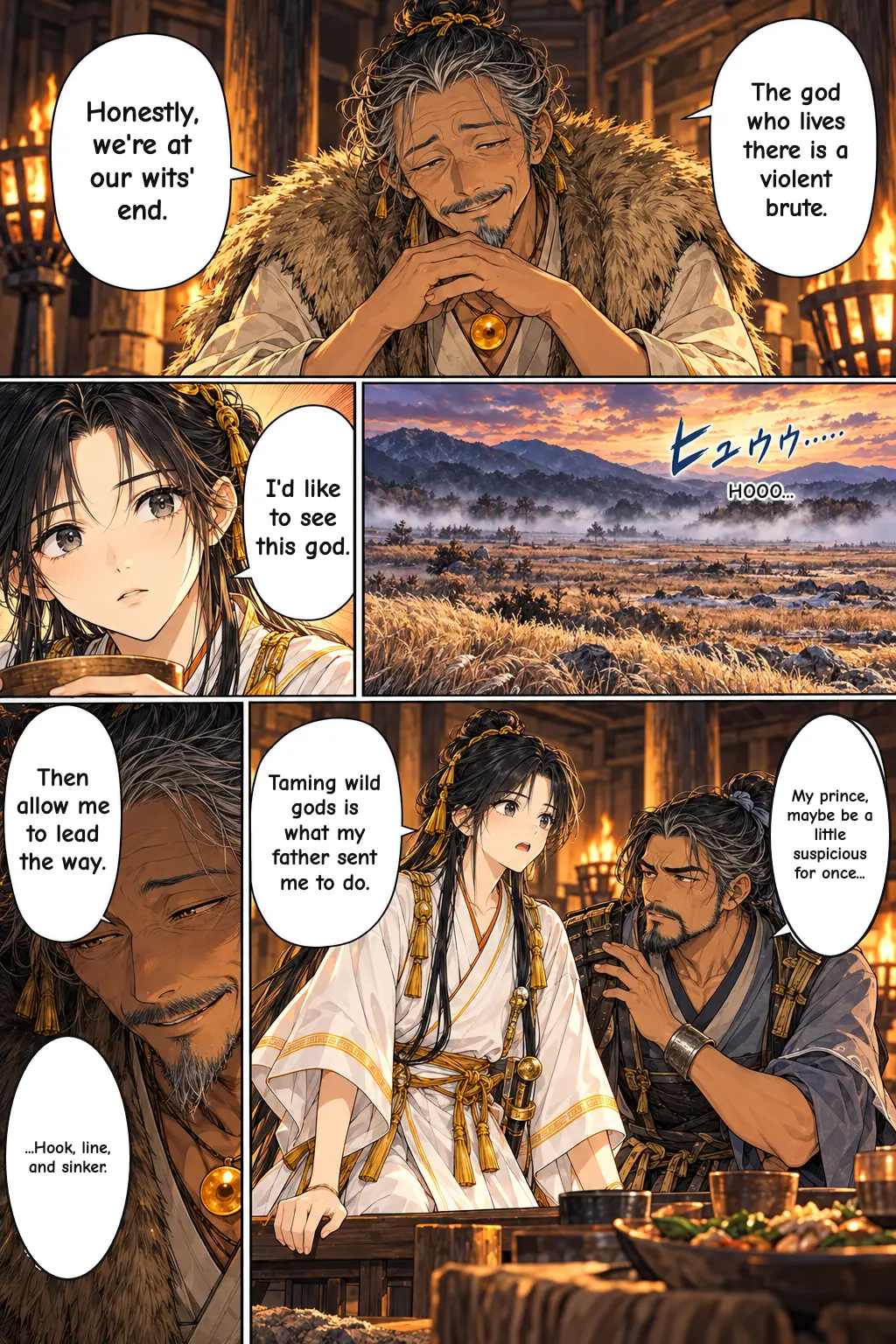
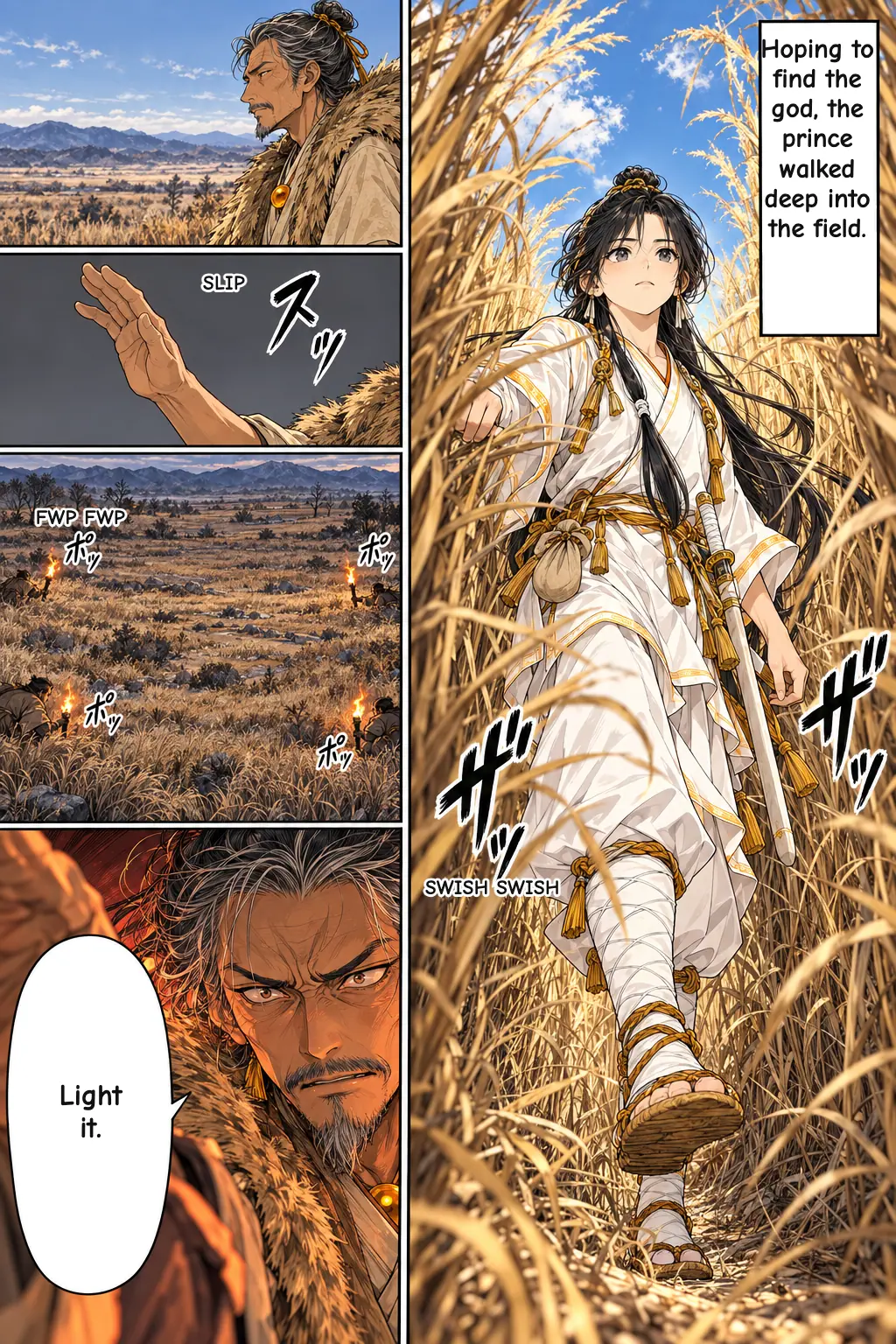
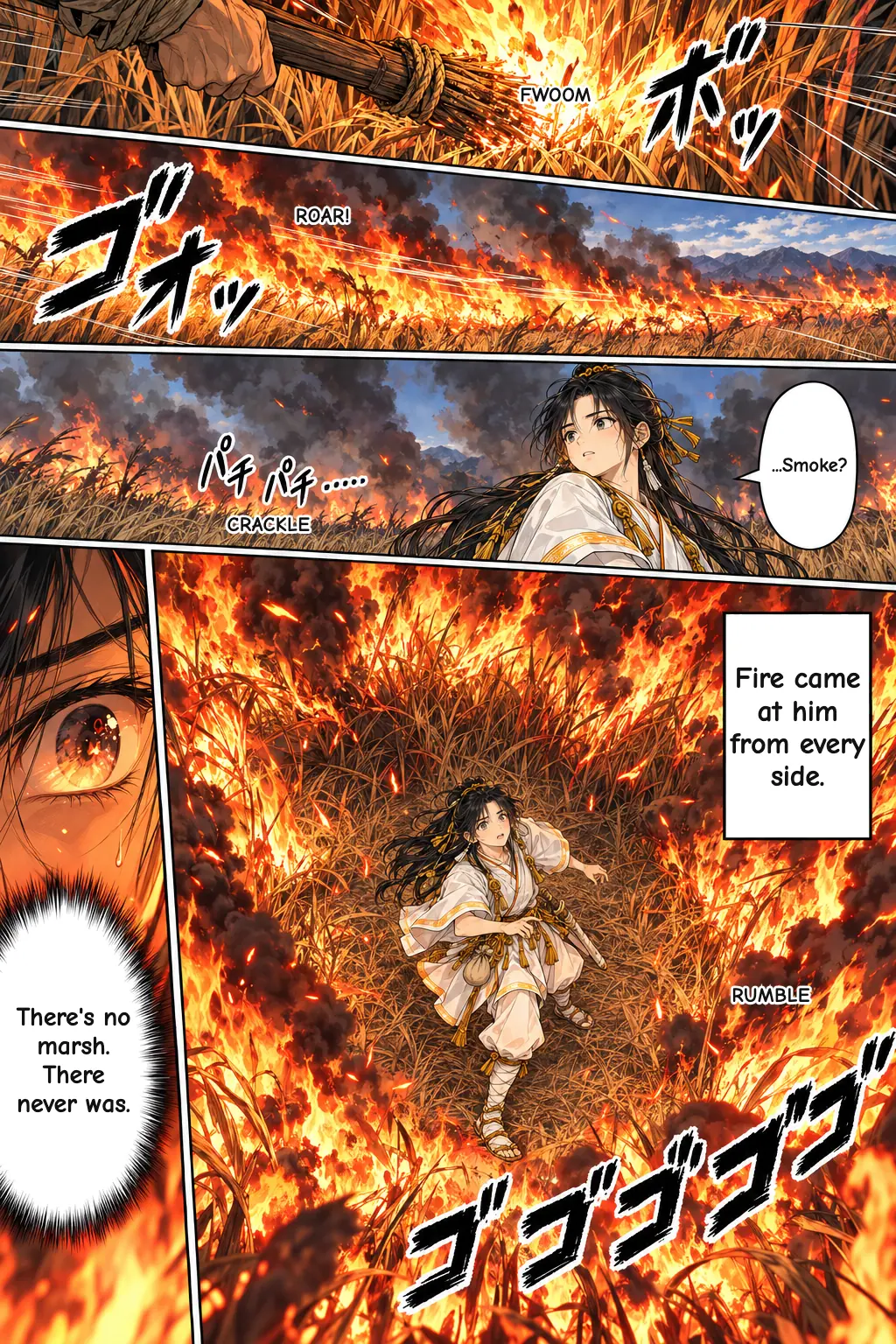
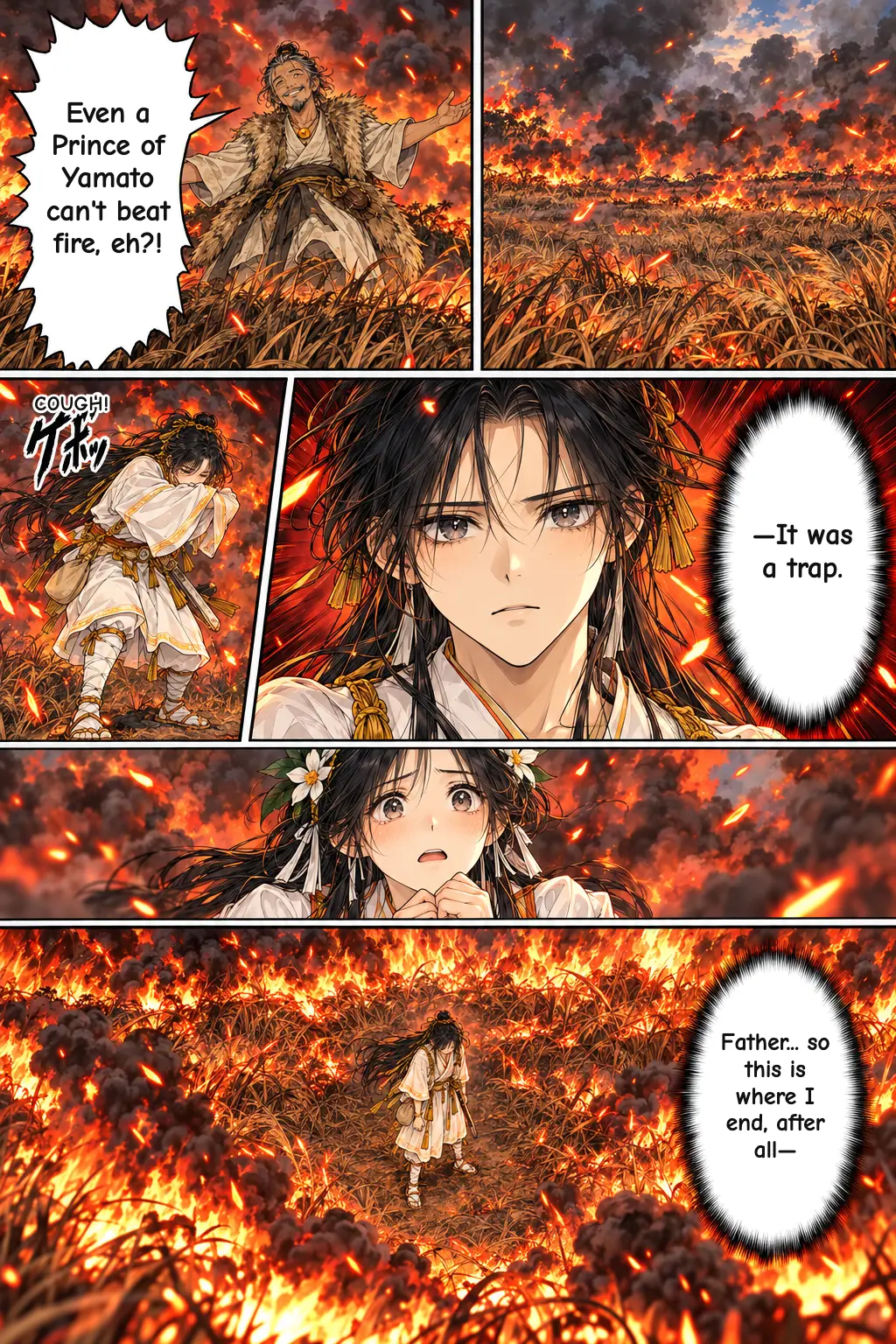
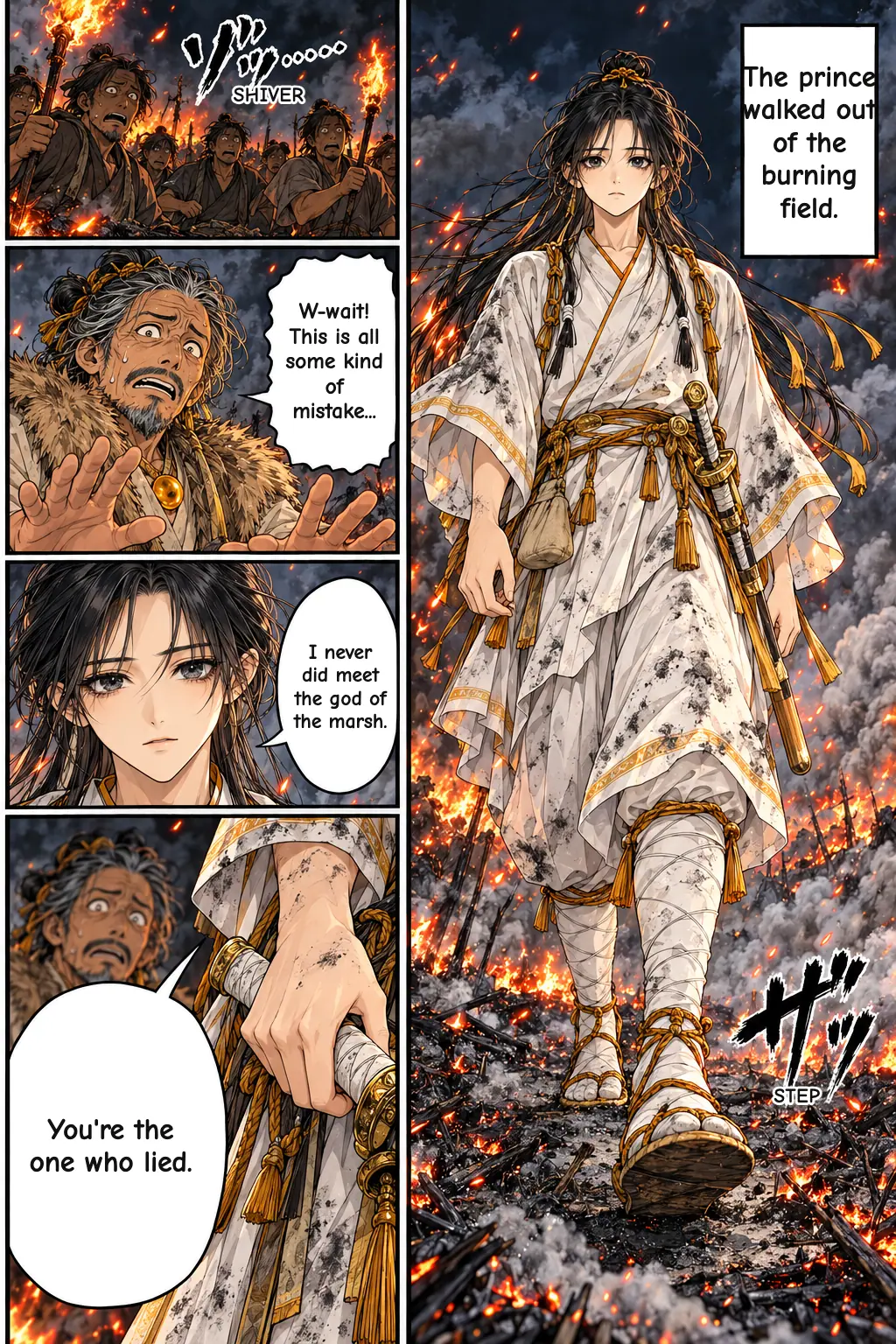
The Kojiki then sums up a long campaign in one sentence. Yamato Takeru talks the violent gods of the mountains and rivers, and the people who refuse to obey, into submission. Then he reaches the land of Sagamu. The local chieftain tells him that a huge marsh lies in the middle of a nearby field, and that the god living there is extremely fierce. The prince goes into the field to see this god, and the chieftain sets the field on fire.
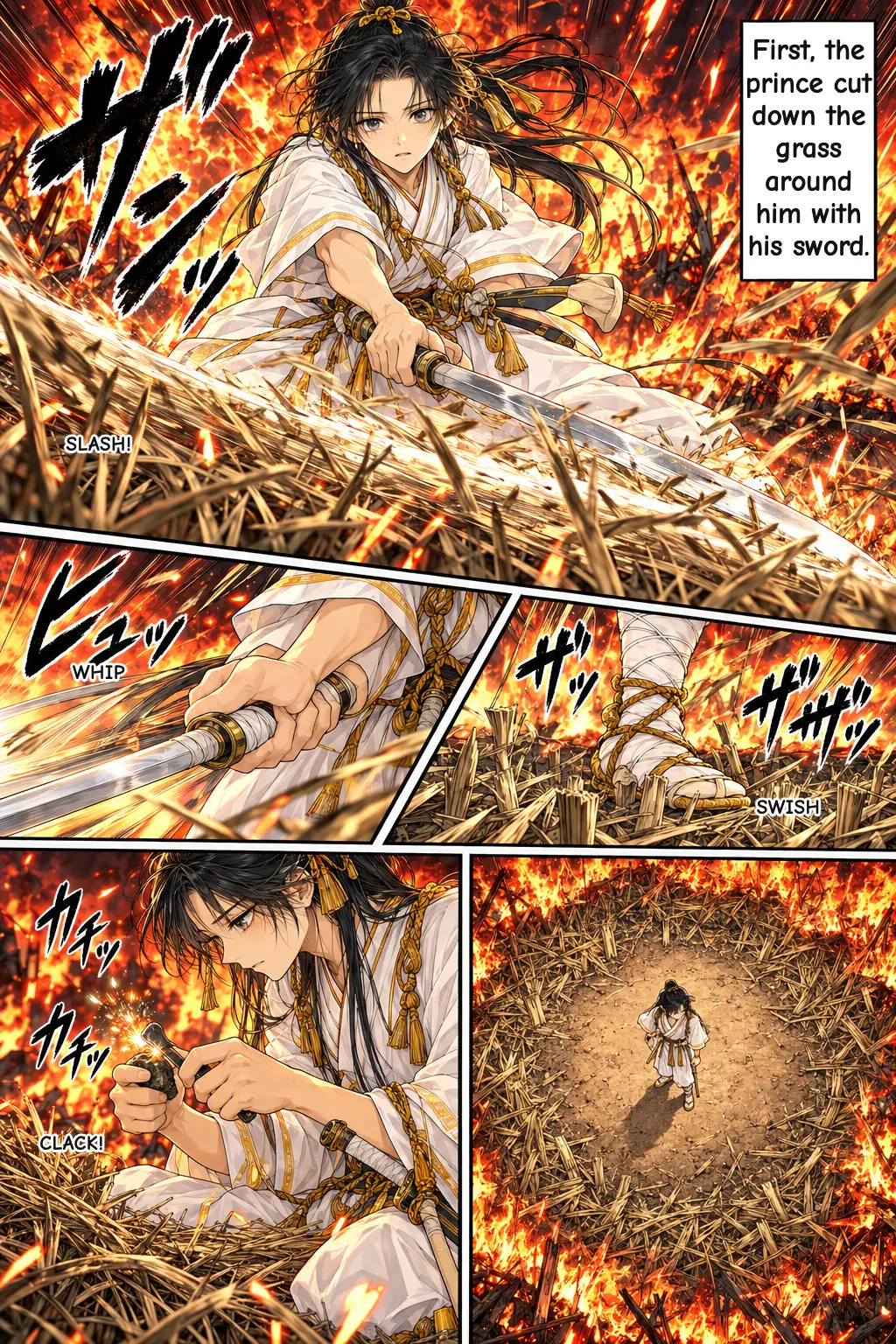
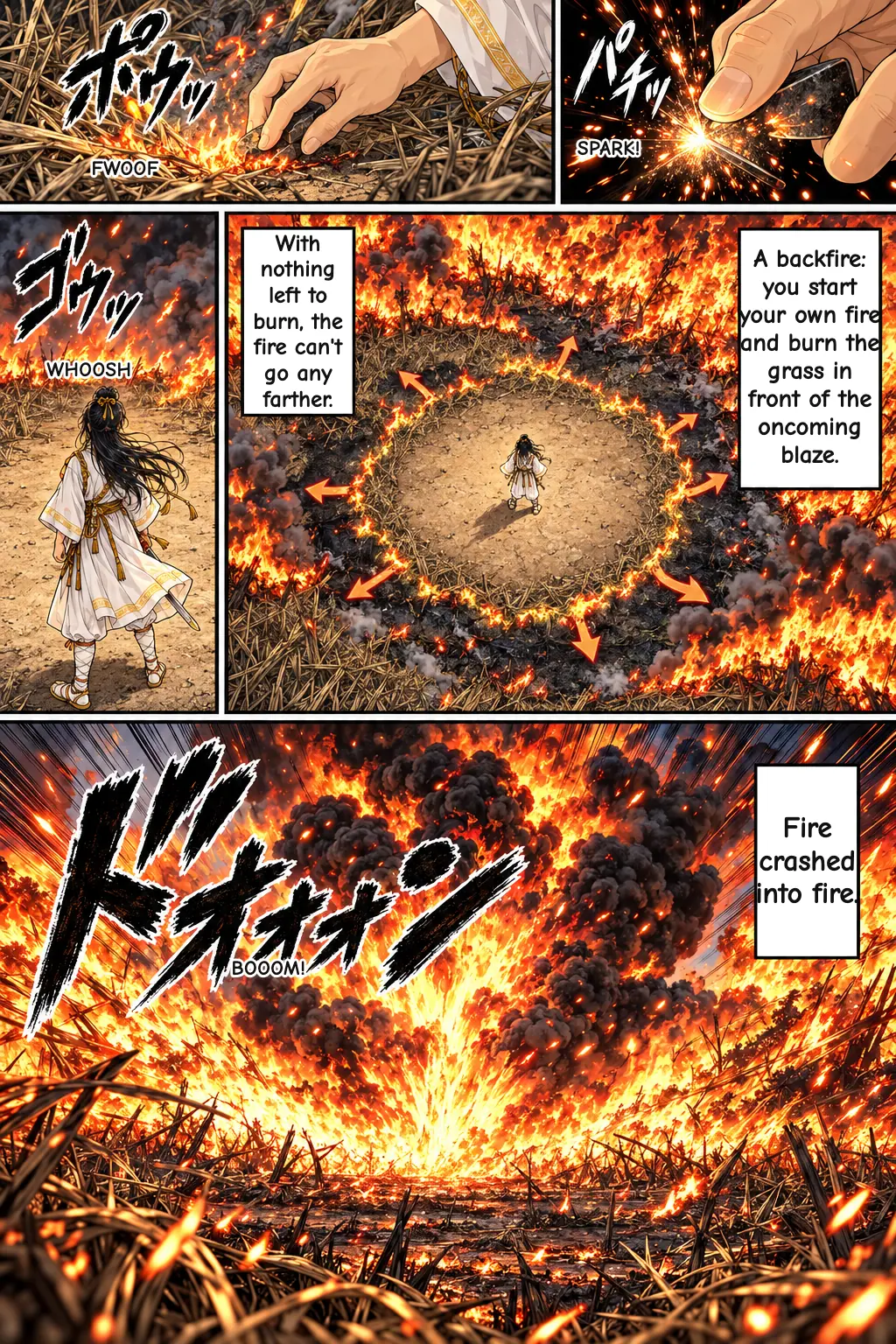
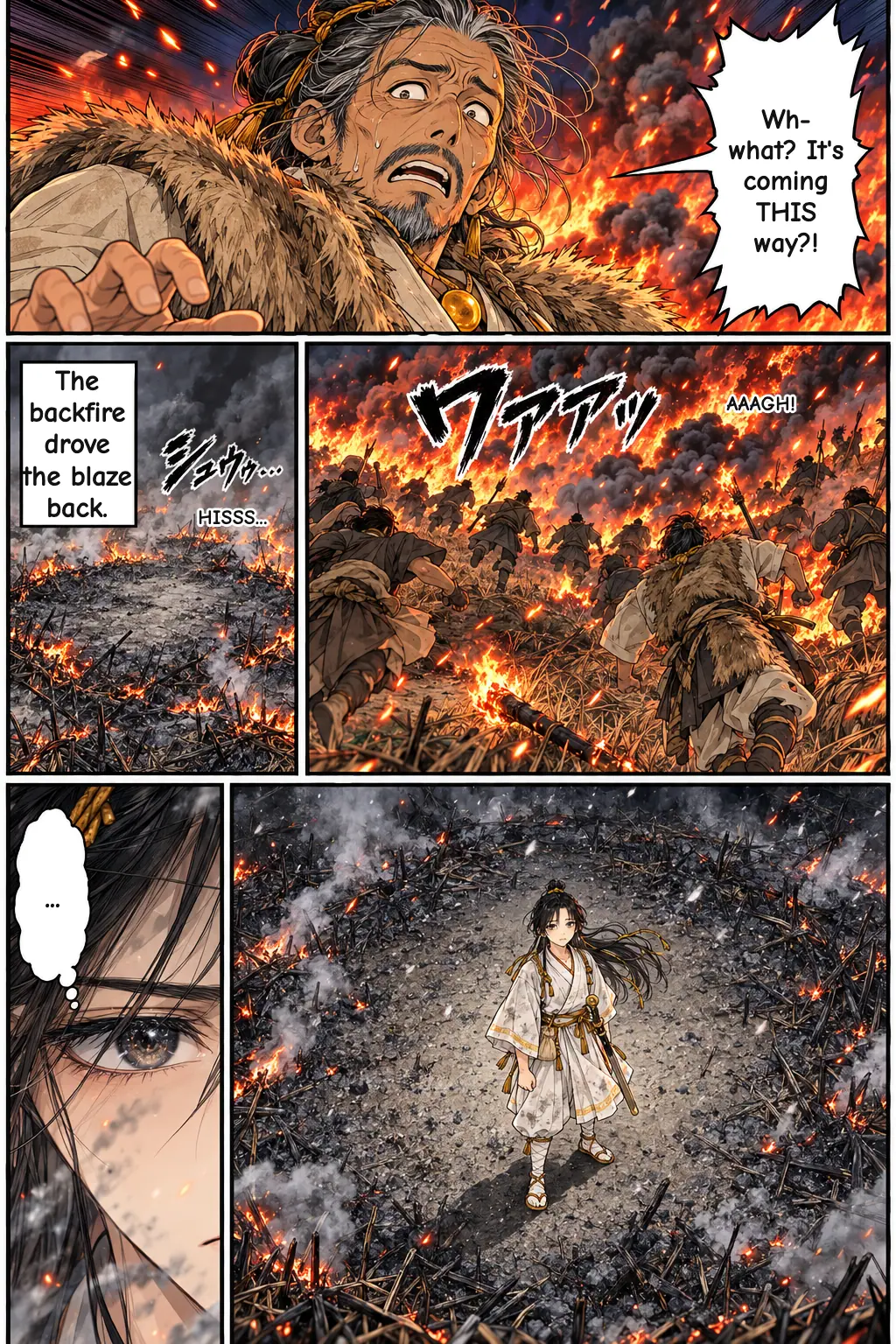
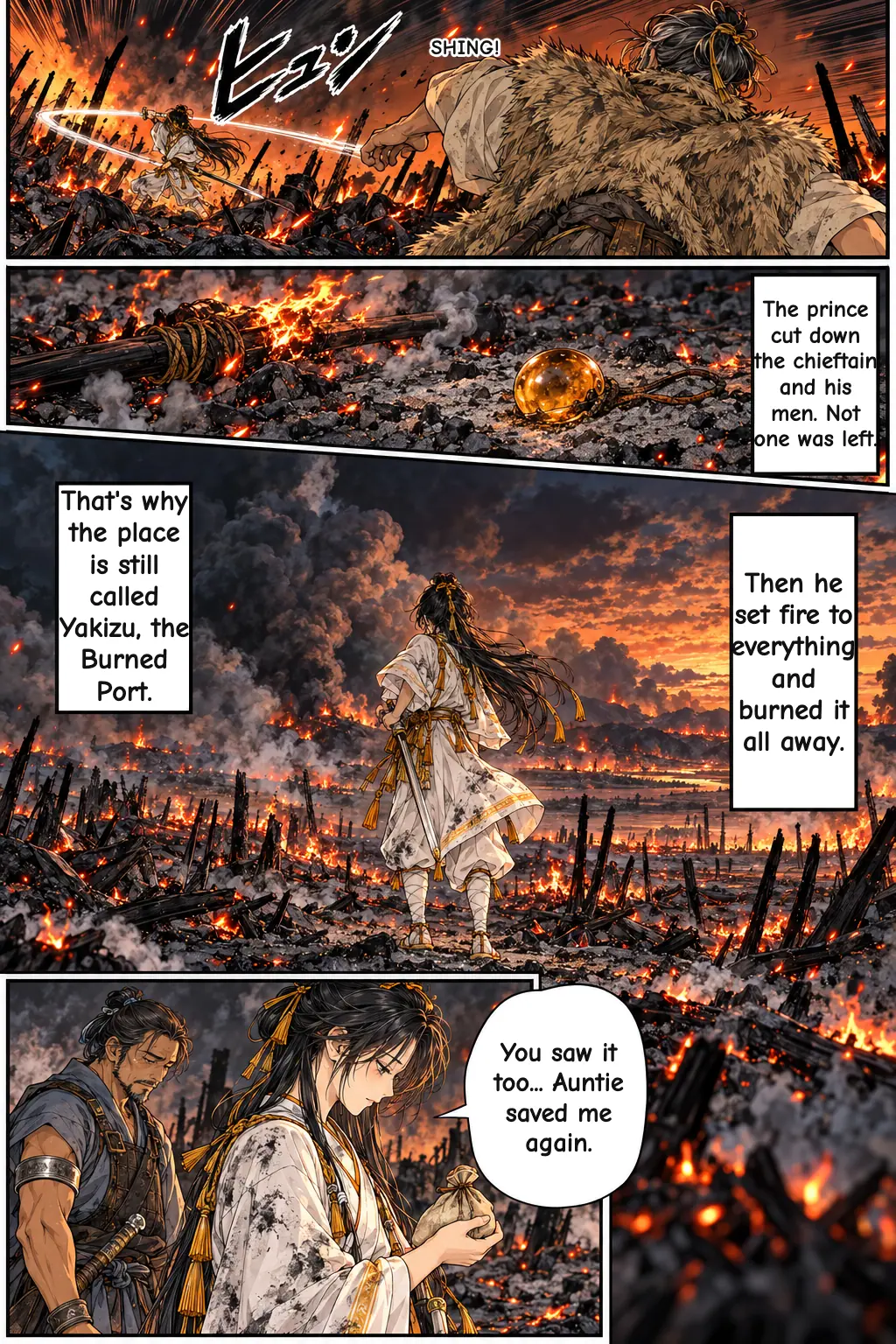
Once he sees he has been tricked, Yamato Takeru opens his aunt's pouch and finds a fire-striker inside. He uses his sword to cut away the grass around him, strikes a flame, and lights a counter-fire that burns back the blaze coming at him. When he walks out of the field, he cuts down the chieftain and his followers and burns them. The Kojiki says this is why the place is still called Yakitsu, which roughly means "the burned place."
Main Characters
The Kojiki tells this scene in few words and gives almost no feelings. Yamato Takeru, the hero, acts fast and is ruthless with his enemies. The text only says that he realized he had been deceived. Miyazuhime appears here in a single sentence, with nothing about her looks, her words, or her personality. Yamatohime never appears in the scene herself. She is present only through the pouch she gave him. The chieftain of Sagamu has no name, and the text never says how many people helped him. The "fierce god of the marsh" is only his lie, and the Kojiki never says whether such a god exists.
The Sword and Its Famous Name
The sword has a long history before this scene. In the first book of the Kojiki, the storm god Susanoo kills the eight-headed serpent Yamata no Orochi and finds a sword inside one of its tails. He offers it to his sister Amaterasu, the sun goddess. Later it is handed down to the imperial line. The Kojiki already calls it Kusanagi (often translated "Grass-Cutter") when Yamatohime gives it to her nephew.
Many retellings say the sword got its name in this very fire, because it mowed down the grass. That explanation actually comes from the Nihon Shoki, Japan's other early chronicle, which includes an account linking the name to this event. The Kojiki does not name the sword here. Today Kusanagi is counted as one of the three Imperial Regalia of Japan, along with a mirror and a jewel.
What the Story Tells Us (Cultural Background)
This episode shows how ancient Japan told the story of the Yamato court reaching out from its home region to bring distant lands under its rule. Yamato Takeru wins partly through talk and partly through force, and the Kojiki puts both side by side without judging him. His harsh revenge was probably meant to show the price of betraying the court, not to make readers dislike him.
The story also shows how much divine protection mattered. The help comes through Yamatohime, who served at Ise, the shrine of the sun goddess. A sacred sword and a gift from a priestess save the hero when his own judgment fails him. Fighting fire with a controlled counter-fire is also a real technique for wildfires, so the myth may hold some practical knowledge.
Place-name stories like Yakitsu are common in the Kojiki, which often ends an episode by explaining where a local name came from. Yakitsu is usually linked to the modern city of Yaizu in Shizuoka Prefecture. Some people point out a problem with this, because Yaizu lay in old Suruga Province, not in Sagami, and the Nihon Shoki places the fire in Suruga.
What the Manga Changes
The manga follows the Kojiki's order of events, but it fills in many things the original leaves out. Miyazuhime's appearance, personality, and dialogue, and the scene where she and the prince make their promise, are the manga's own creation. So is any reason it gives for putting off the marriage. The journey through the east, the chieftain's looks, words, and motives, and the season and size of the field are also added.
Some details are often taken for part of the myth when they are not. The Kojiki only says the chieftain set the field on fire. Flames closing in "from every side" are a dramatic addition. The prince's hesitation before opening the pouch, his memories of his aunt's words, the look of the fire-striker, and his swordwork are all the manga's visual retelling. The original also mentions no followers with him in this scene. The chieftains' deaths are shown with restraint, which fits the Kojiki's short report of the outcome.
Where to Read It
If you would like to see this scene, from the quiet promise in Owari to the wall of fire in Sagamu, read Episode 10 of KOJIKI Book II: The Age of Heroes here on Manga Portal. Every episode is free to read, and you don't need to sign up. Miyazuhime's story continues later in the series, when the prince comes back to Owari.
Characters in this episode
Yamato Takeru
A prince of Emperor Keikō who is sent to subdue the eastern lands; he is quick-witted in danger and merciless toward the people who betray him.
Miyazuhime
An ancestor of Owari's local governors who agrees to marry Yamato Takeru when he returns from the east.
Yamatohime
Yamato Takeru's aunt, who served at Ise and gave him the Kusanagi sword and a pouch to open only in an emergency.
The Chieftain of Sagamu
A local ruler who tricks the prince into a field with a story about a fierce god and then sets the field on fire.
The God of the Great Marsh
A "violent god" the chieftain made up as bait; the Kojiki never says whether it exists.
FAQ
How did Yamato Takeru escape the fire?
In the Kojiki, he opened the pouch his aunt Yamatohime gave him and found a fire-striker inside. He cut away the grass around him with his sword and lit a counter-fire that burned back the oncoming flames.
Why is the sword called Kusanagi, the Grass-Cutter?
A popular explanation says it got the name by mowing down grass in this fire. That account comes from the Nihon Shoki. In the Kojiki, the sword is already called Kusanagi before the fire.
Where did the Kusanagi sword come from?
In Japanese myth, the storm god Susanoo found it inside the tail of the eight-headed serpent Yamata no Orochi after killing it. It passed to the imperial line and is counted as one of Japan's three Imperial Regalia.
Where is Yakitsu, the burned field?
The Kojiki says the place was named Yakitsu after the fire. It is usually identified with Yaizu in Shizuoka Prefecture, though some people note that Yaizu was in Suruga, not Sagami.
Who is Miyazuhime in Japanese mythology?
She is a woman of Owari, named as an ancestor of its local governors, and Yamato Takeru promises to marry her when he returns. The Kojiki tells almost nothing else about her in this scene.