Episode 1When Oxen Dragged the King's Land to SeaThe Deluding of Gylfi (Gylfaginning)
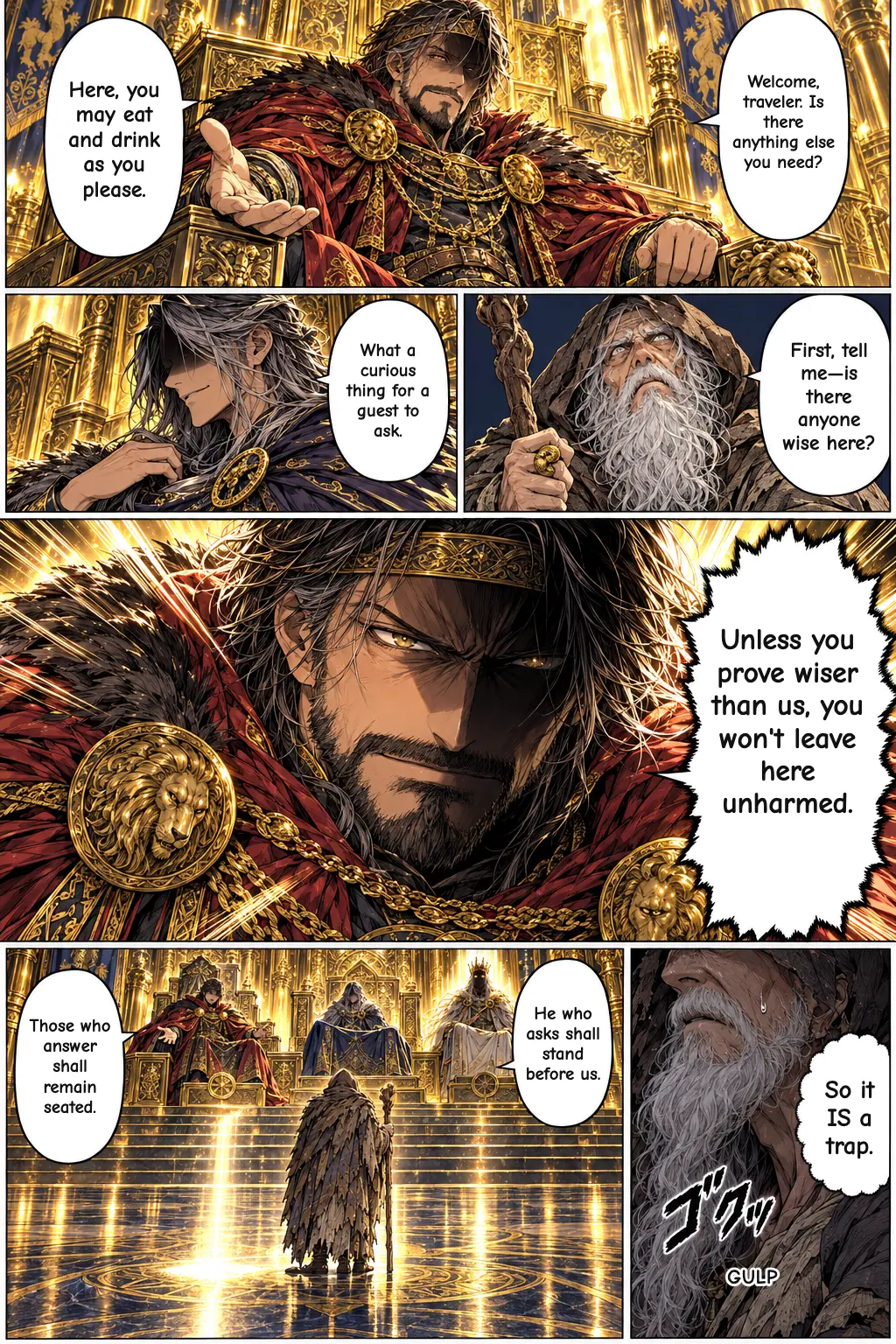
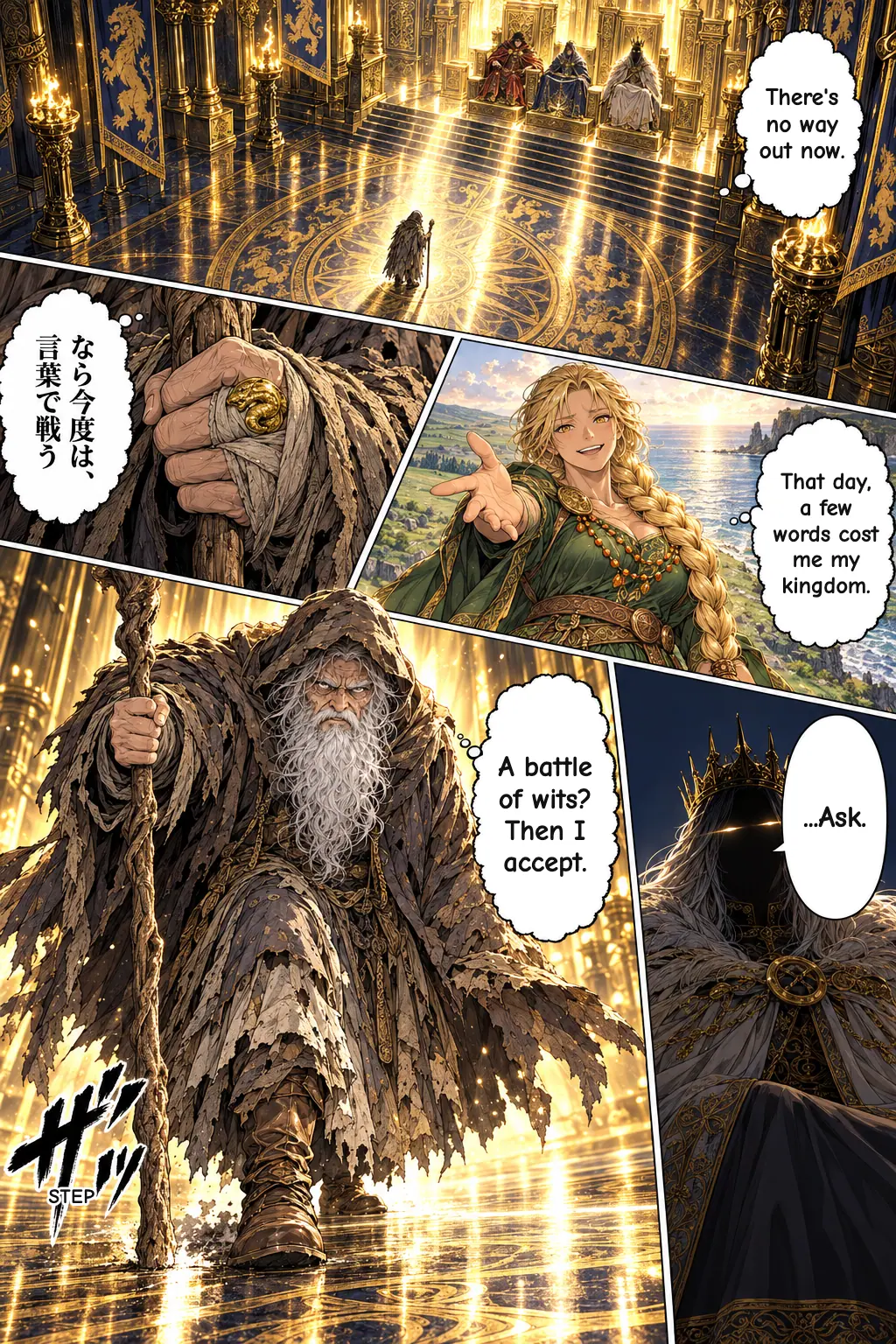
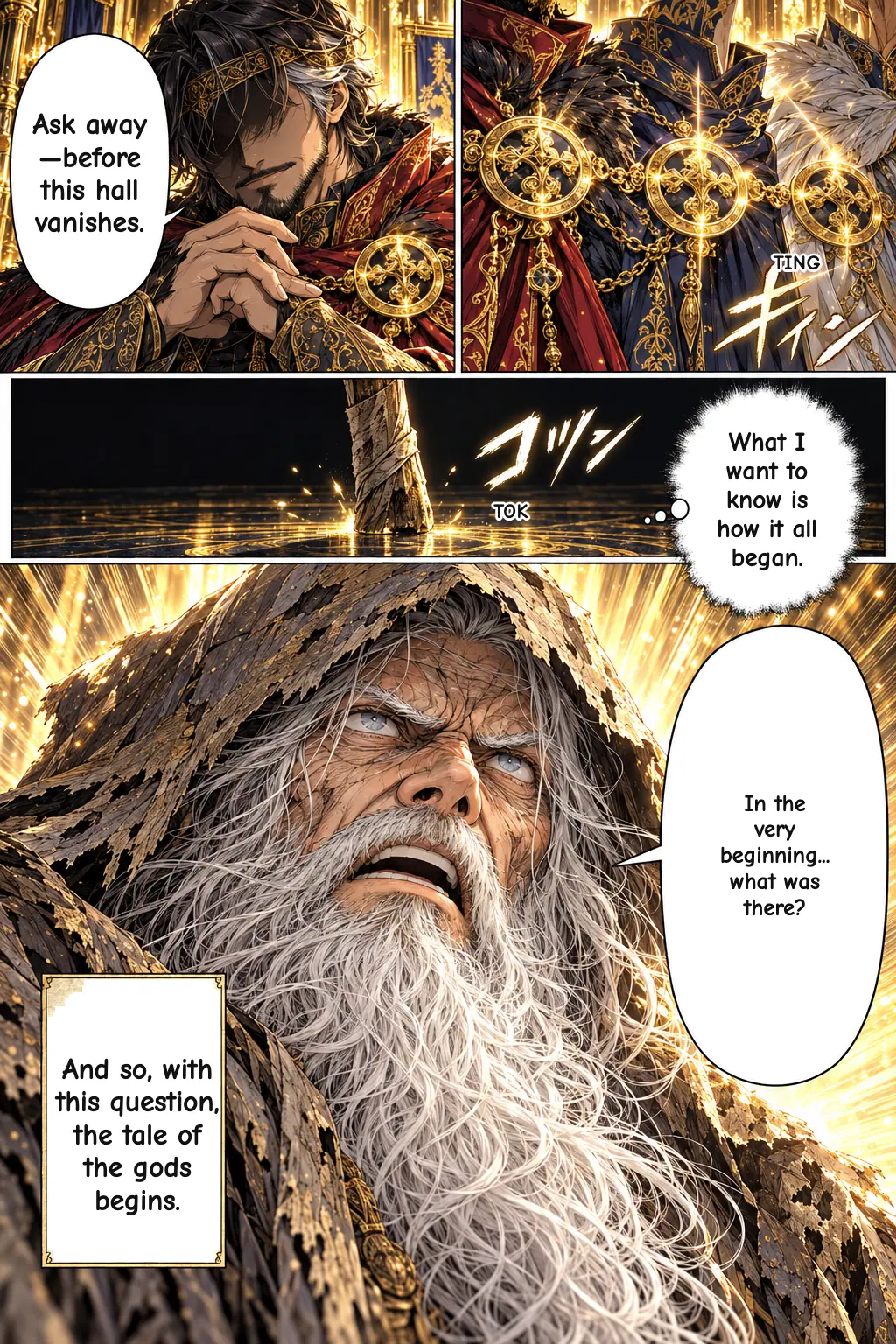
of the Norse Mythology series. King Gylfi makes one promise to a traveling woman and watches a piece of his kingdom get dragged into the sea. Determined to learn where the gods' power comes from, he disguises himself as an old man and sets out. At a golden hall he is told he won't leave unharmed, and with his life at stake, he asks his first question.
The Deluding of Gylfi (Gylfaginning) Explained: Gefjun and Gylfi
The Original Myth: Gefjun's Plough and Gylfi's Journey
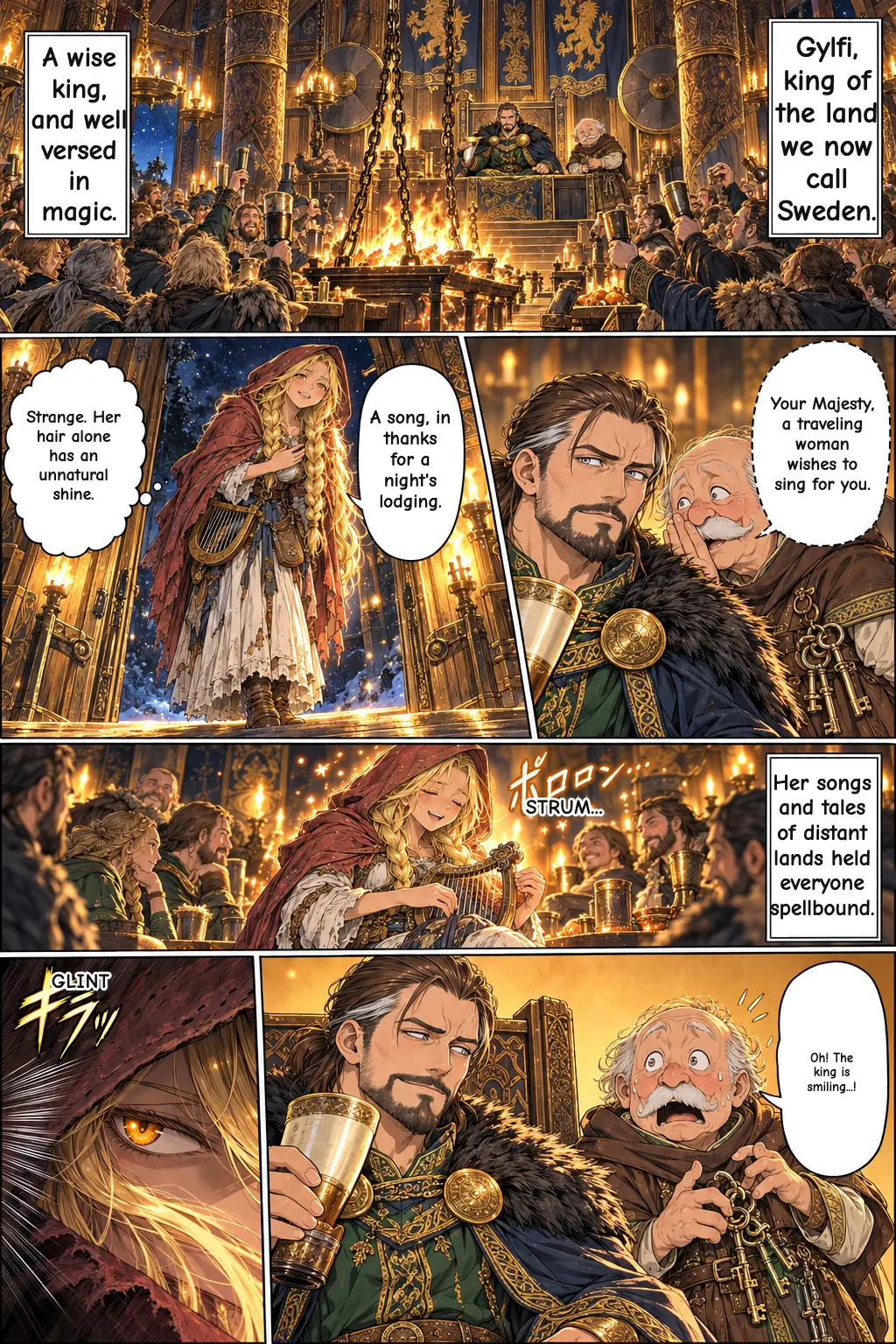
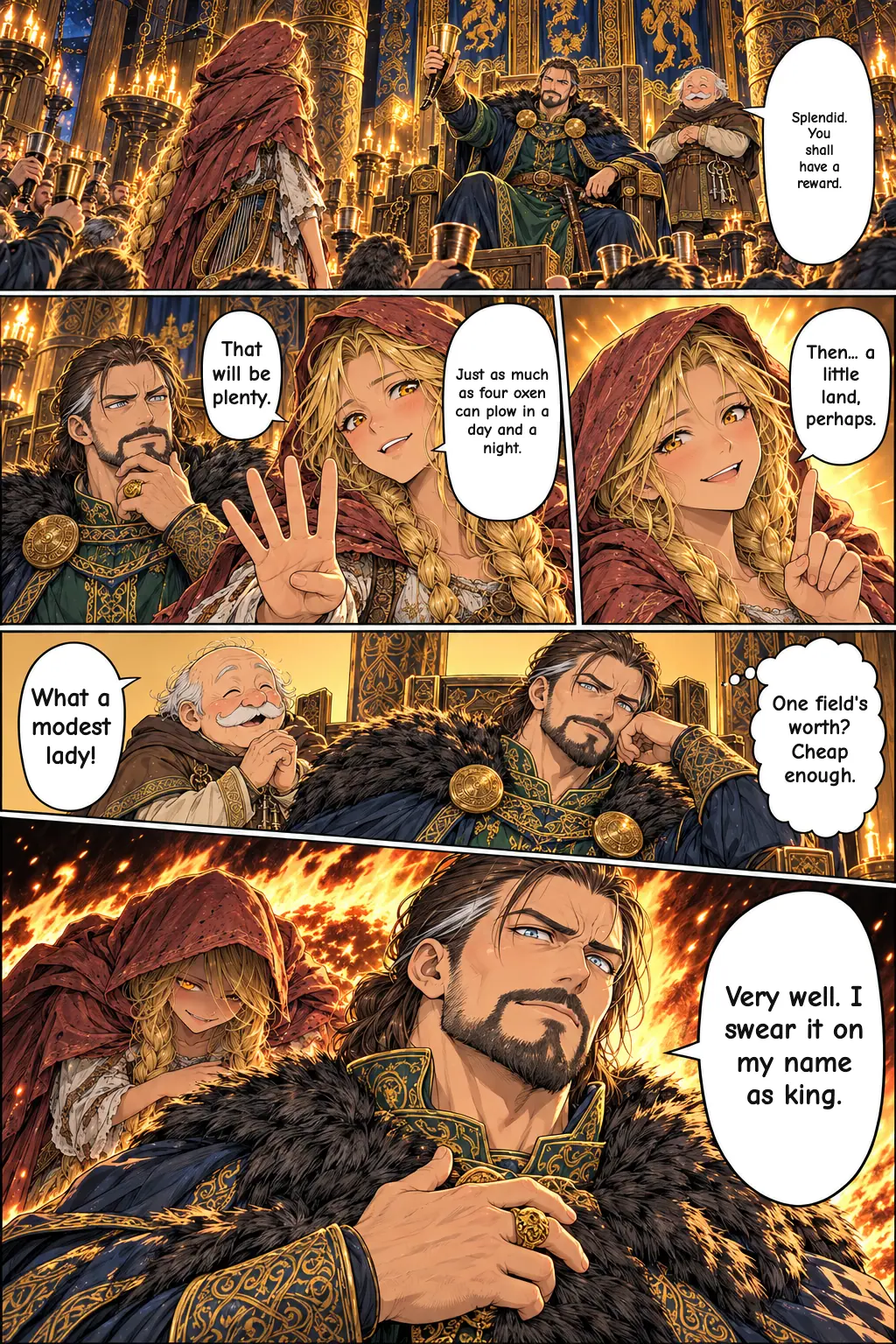
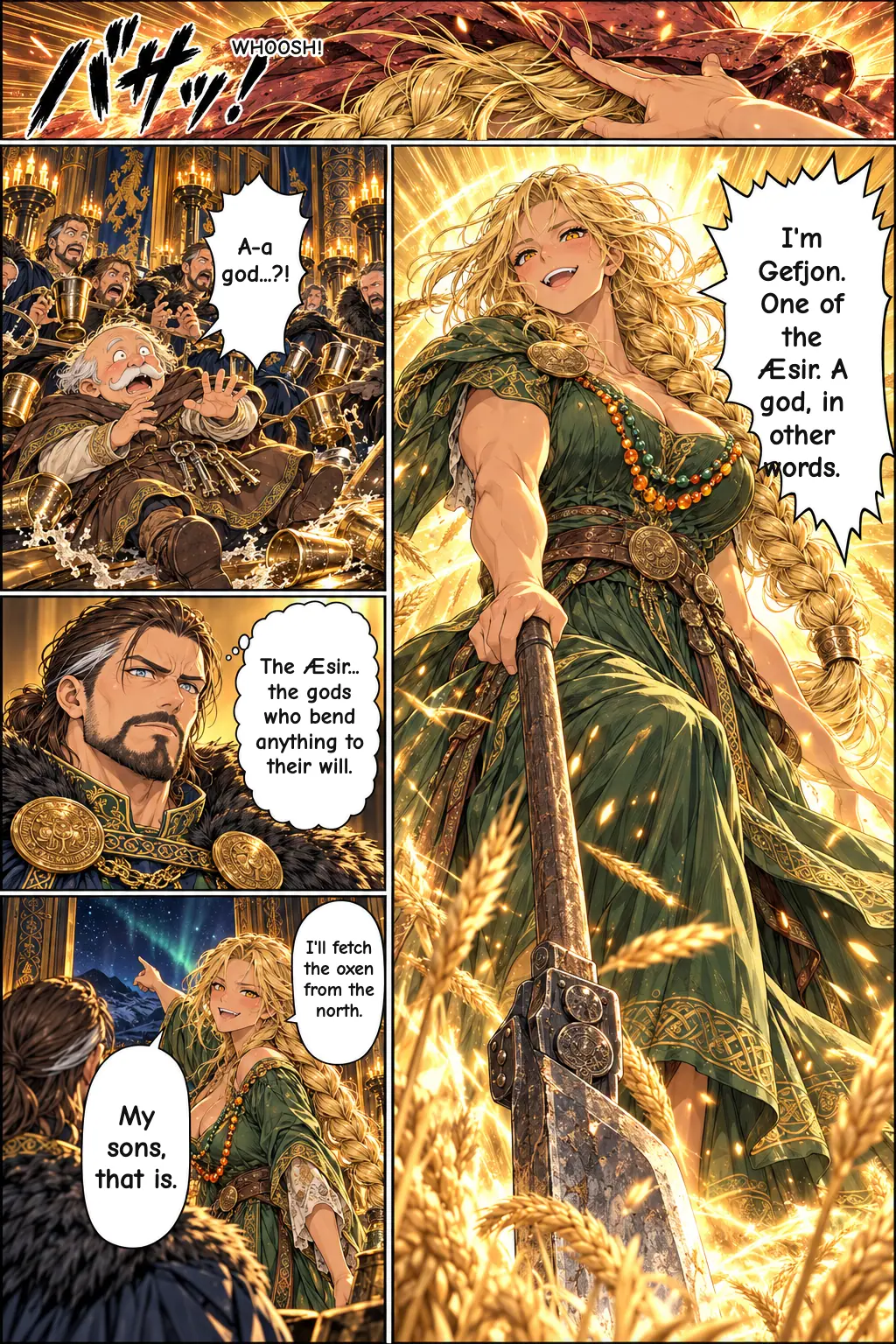
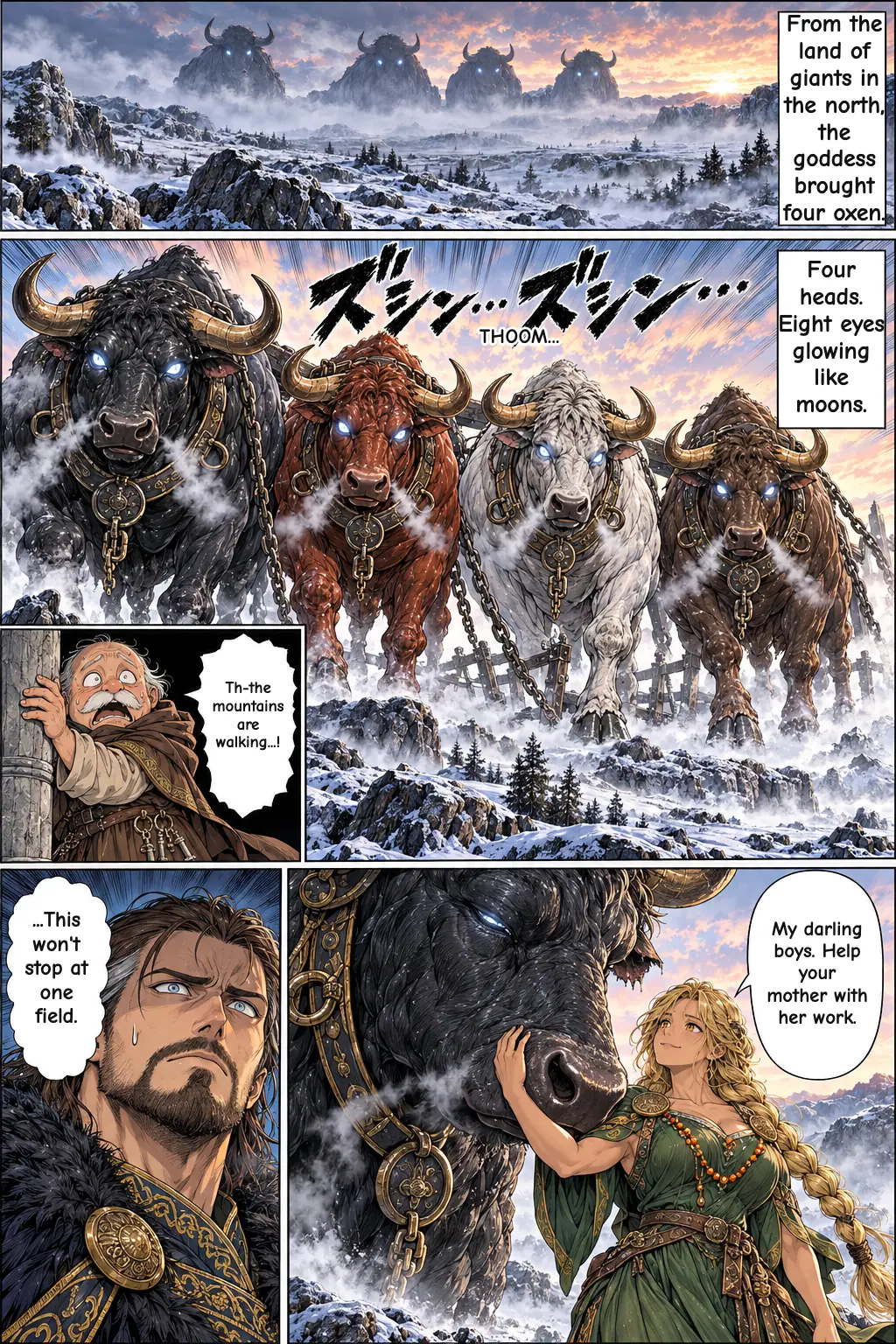
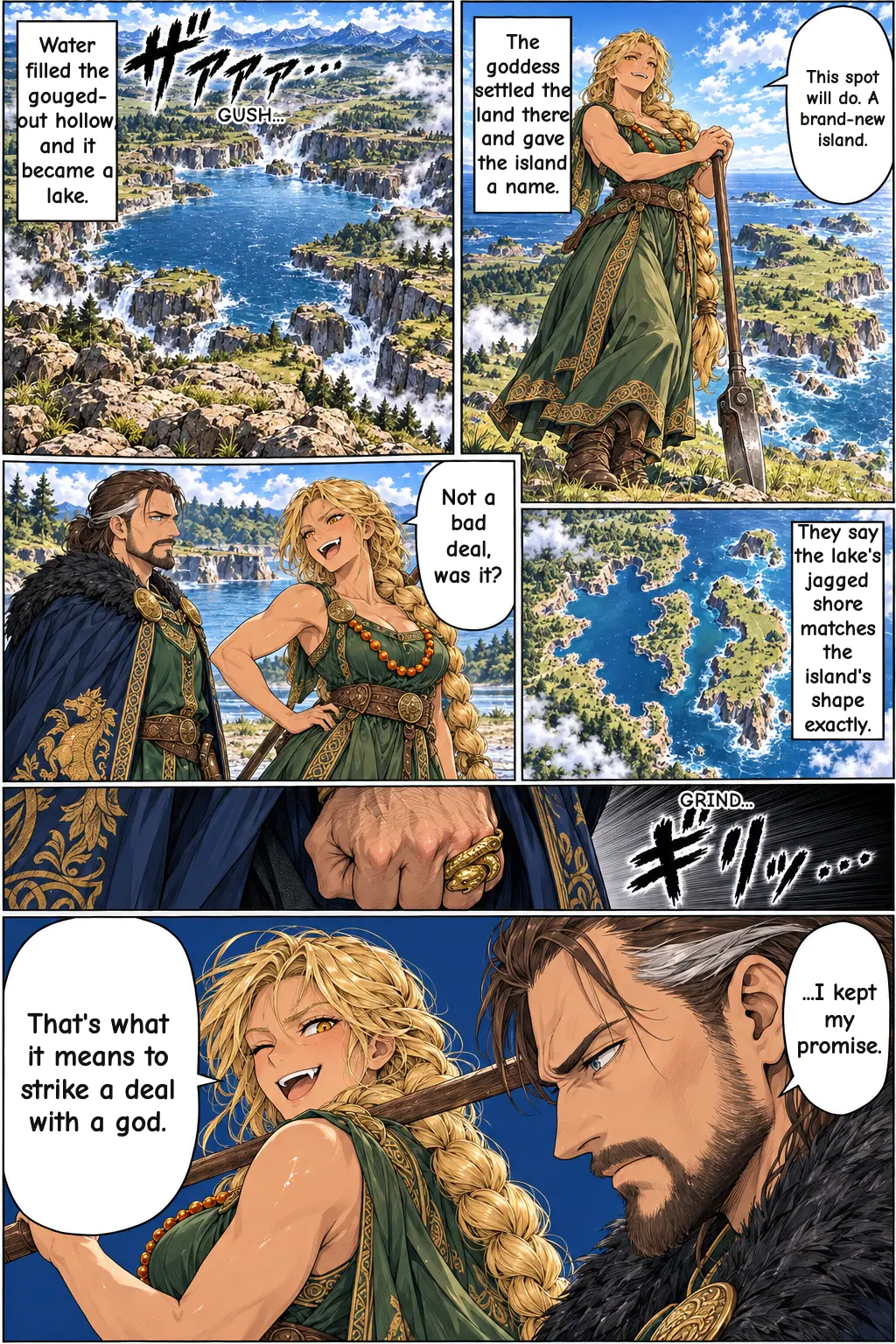
Gylfaginning, "the Deluding of Gylfi," is the first part of the Prose Edda, written by the Icelander Snorri Sturluson around 1220. It begins with Gylfi, king of the land now called Sweden. A travelling woman entertains him, and he rewards her with as much of his land as four oxen can plough in one day and one night. The woman is Gefjun, one of the Æsir (the main family of Norse gods). She brings four oxen down from Jötunheim, the land of the giants in the north. The oxen are her own sons by a giant, and the text never gives his name.
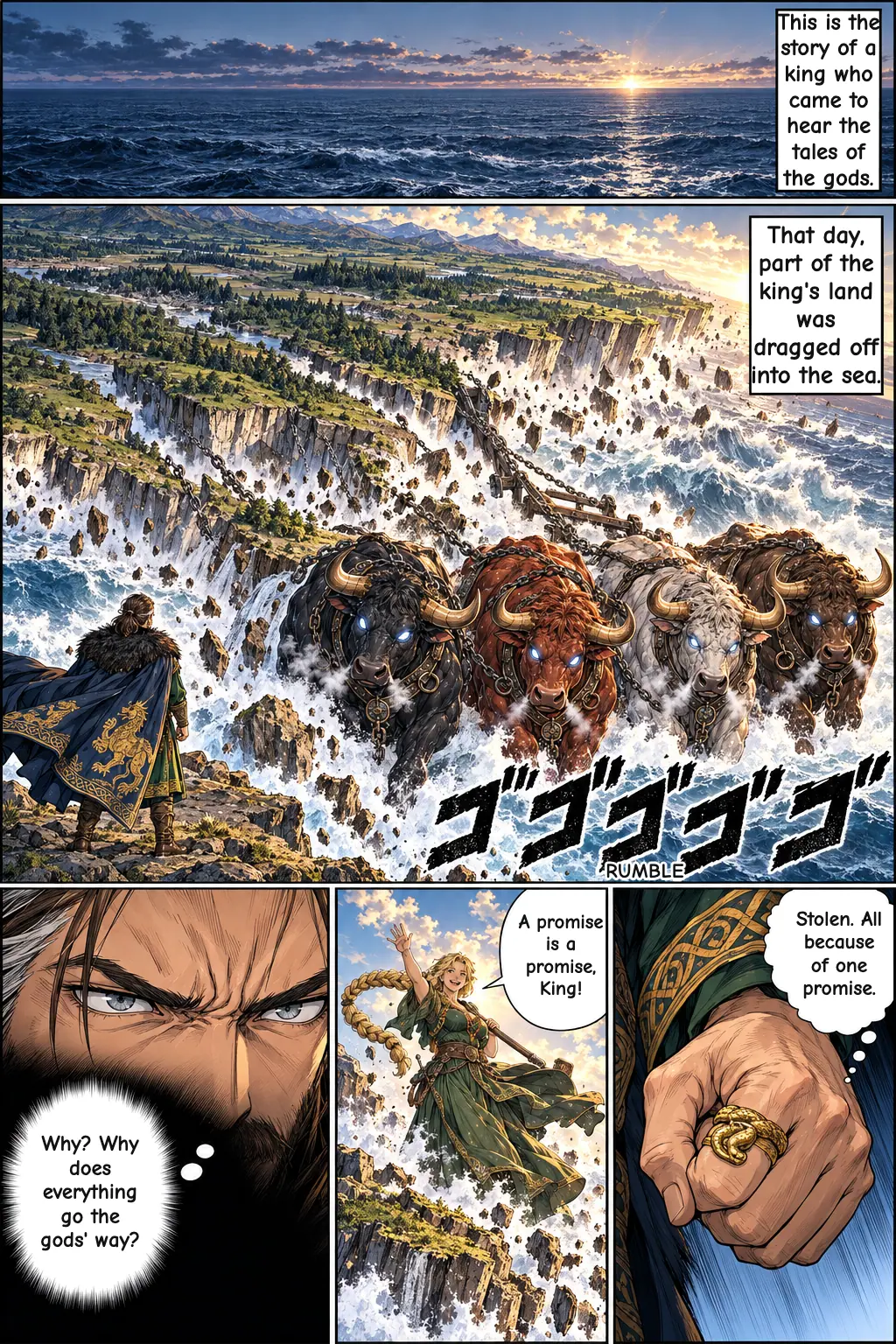
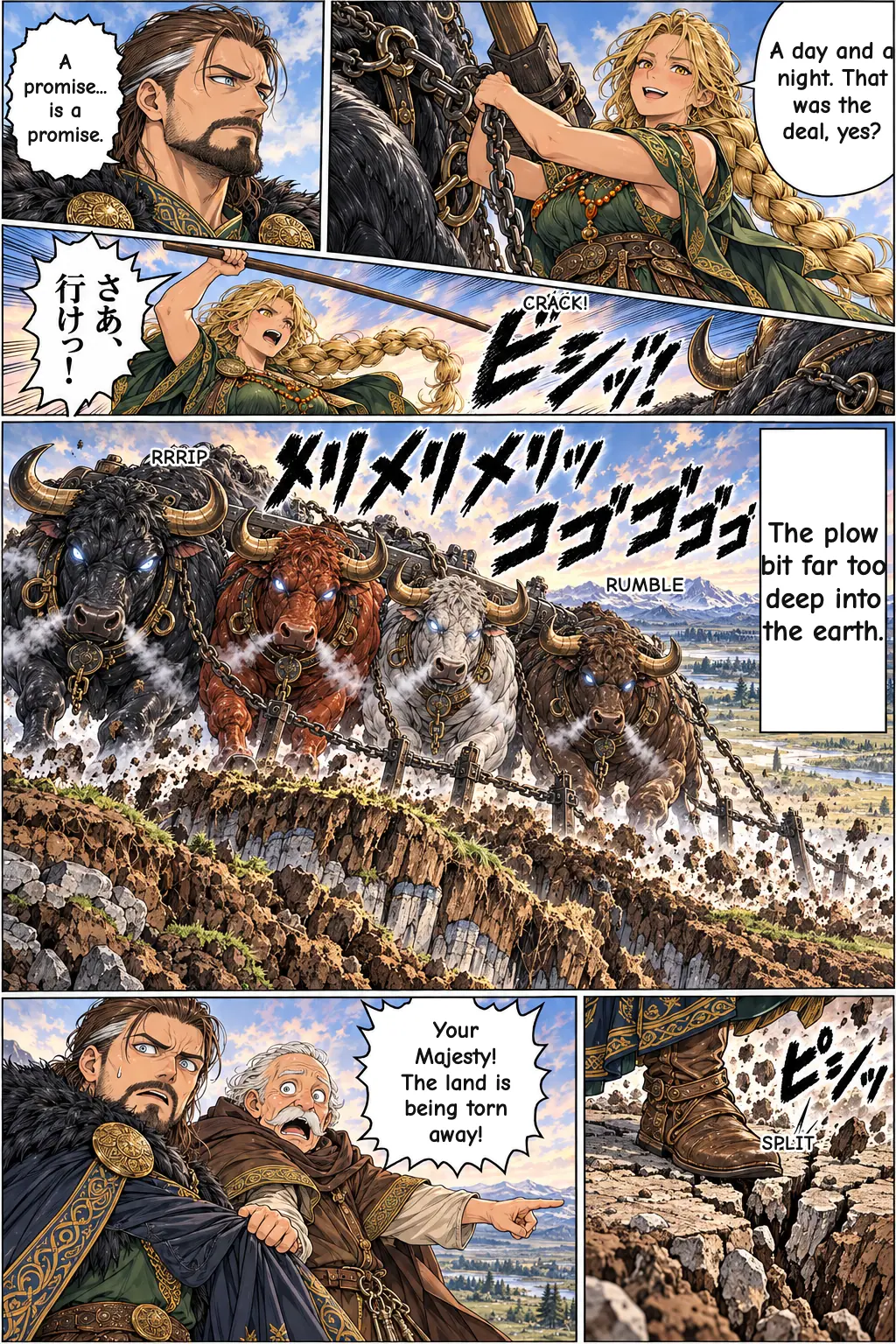
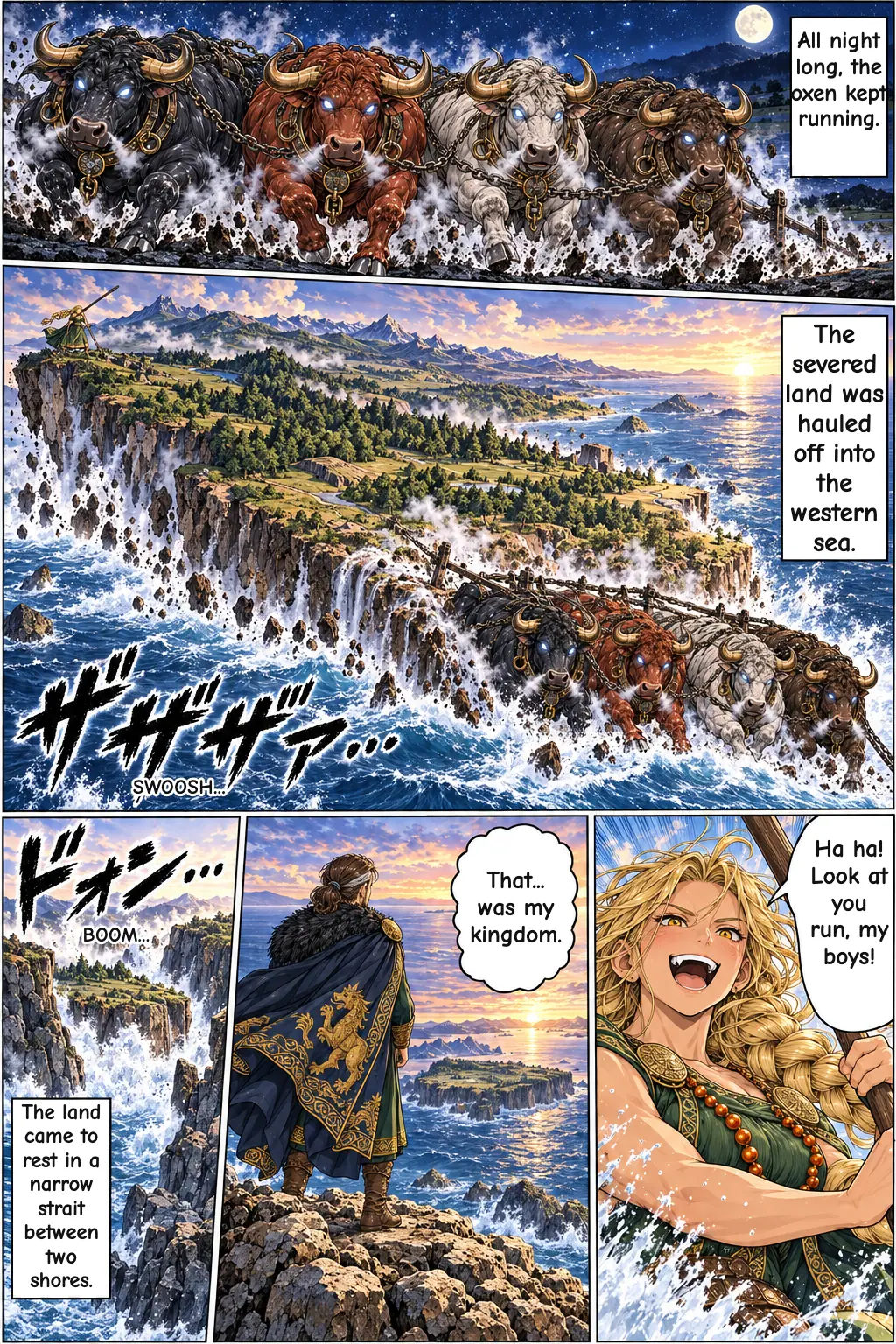
The plough cuts so deep that the land comes loose. The oxen drag it west into the sea and stop in a strait. Gefjun fixes it there and names it Selund, the Danish island of Zealand. The hole left behind fills with water and becomes a lake in Sweden called Lögrinn, and its bays have the same shapes as Zealand's headlands. Snorri backs up the story with a verse by the early poet Bragi the Old, which shows Gefjun happily hauling the land away from Gylfi with oxen that have four heads and eight eyes between them. The lake is usually taken to be Mälaren, though some readers say Lake Vänern's outline is a closer match for Zealand.
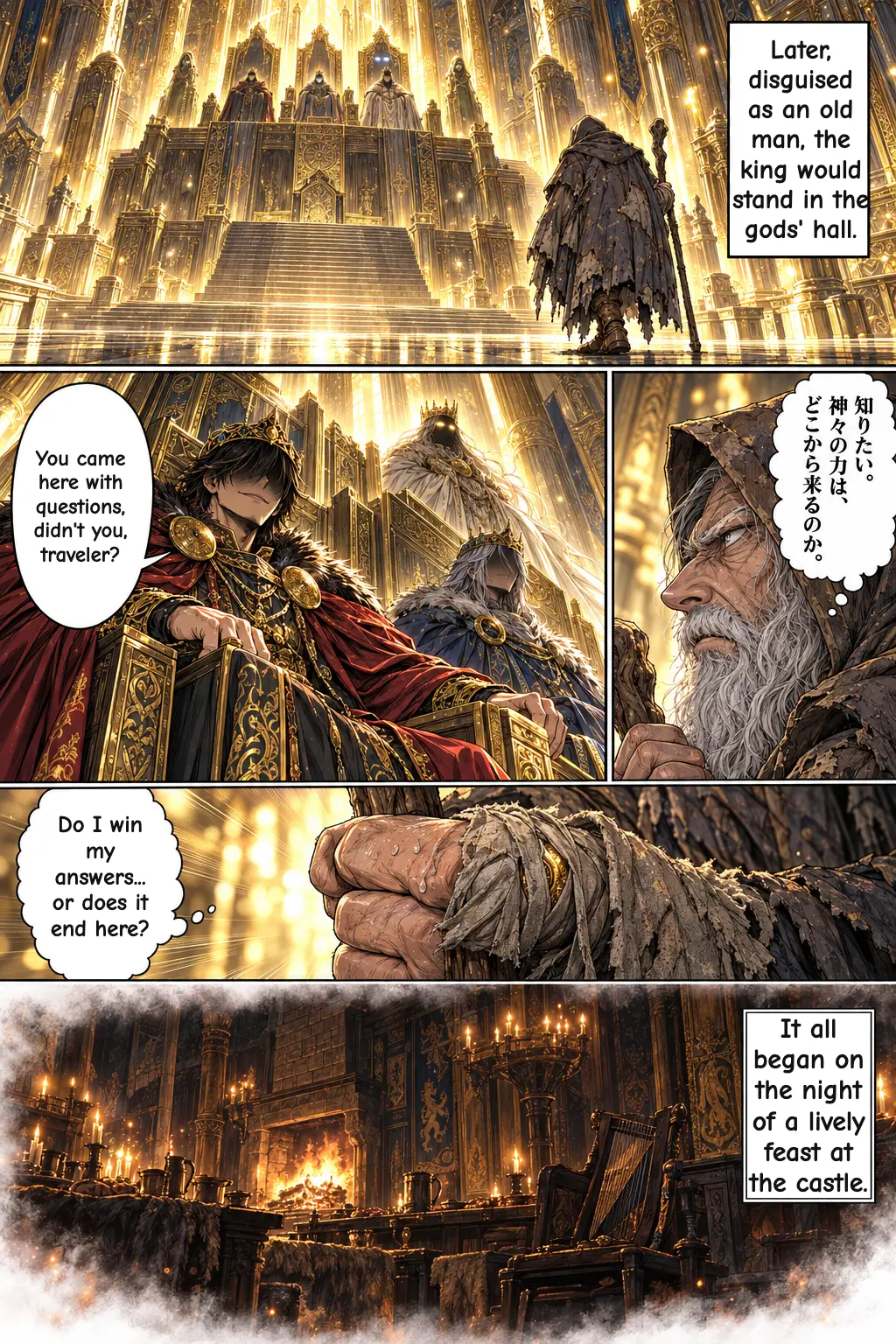
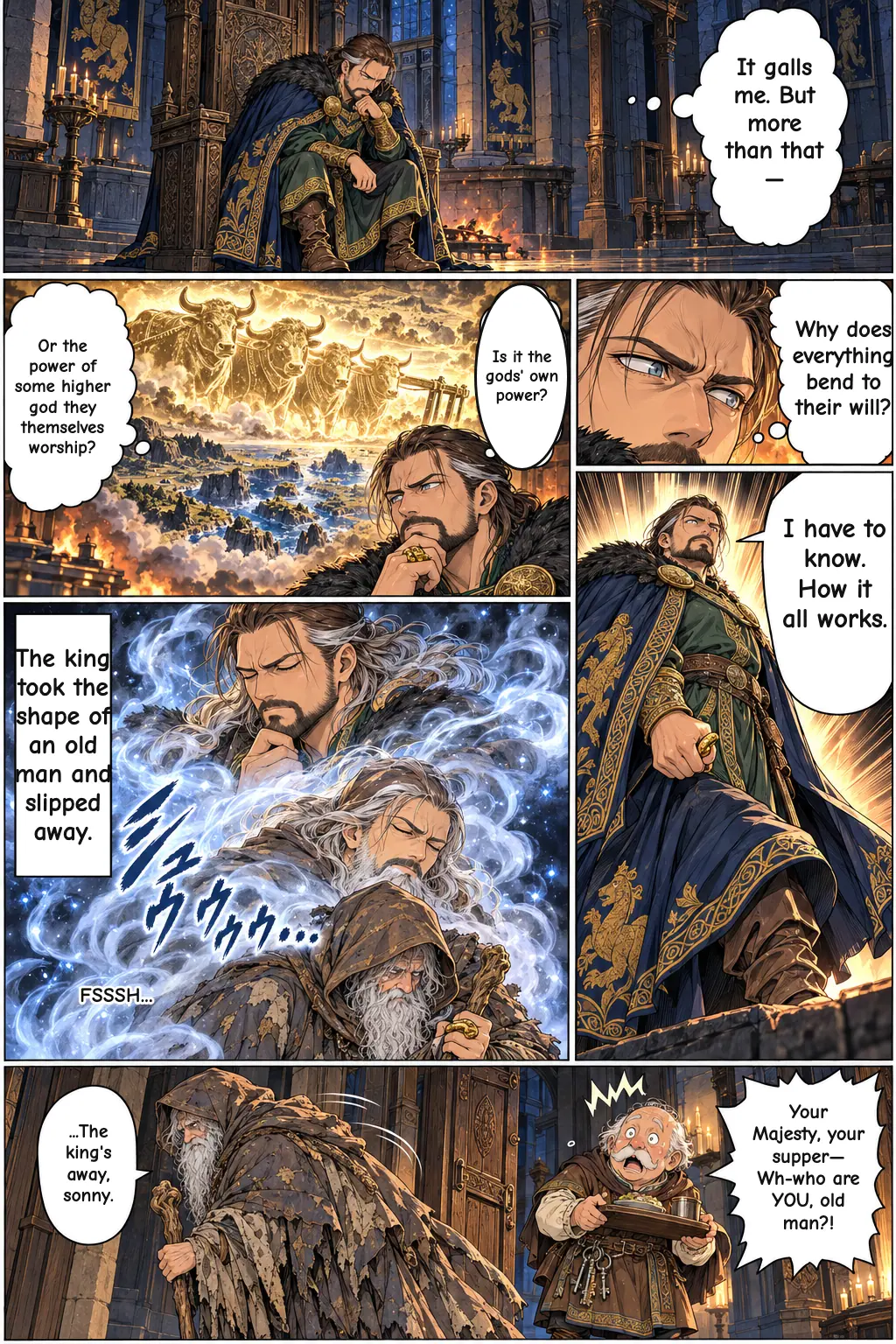
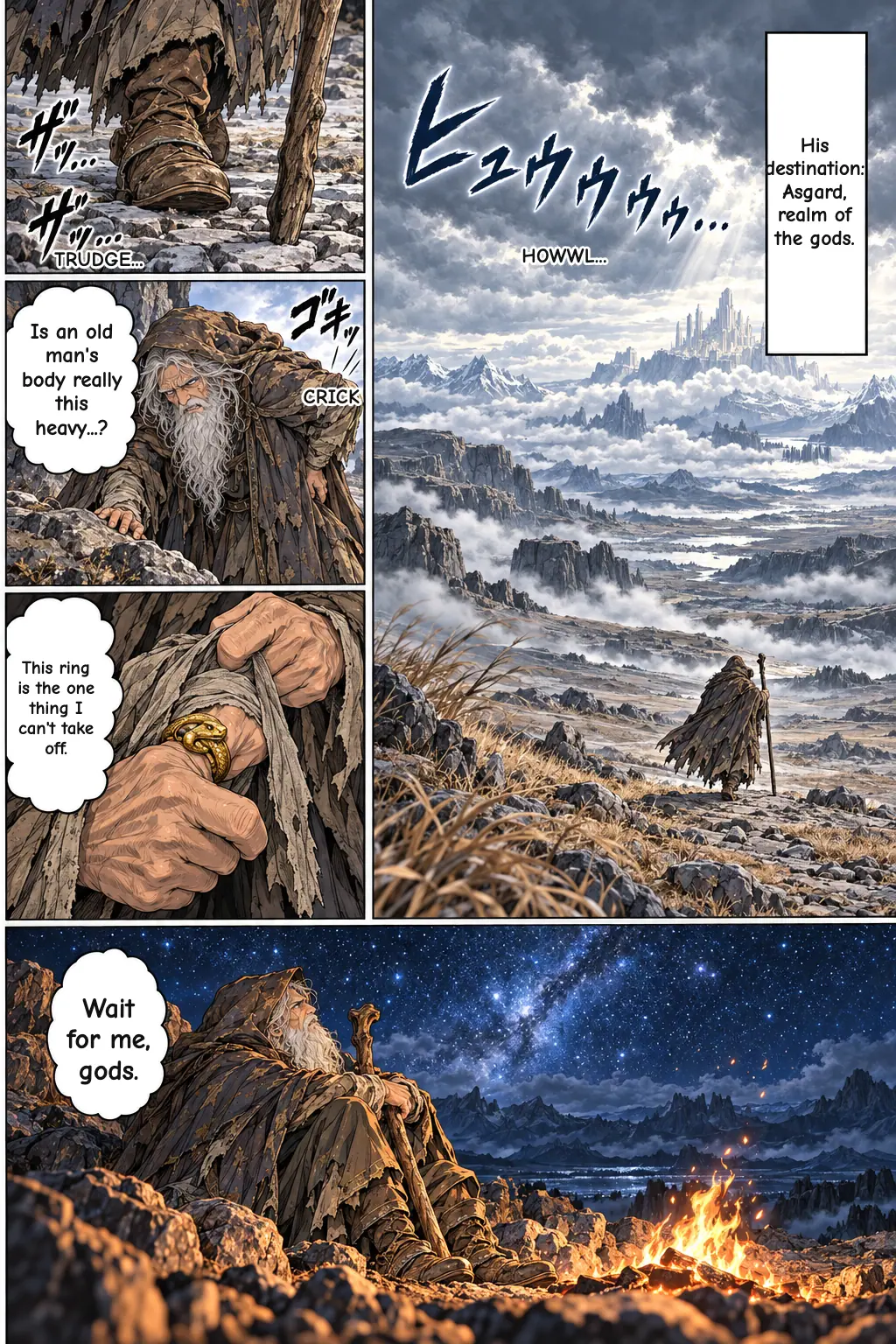
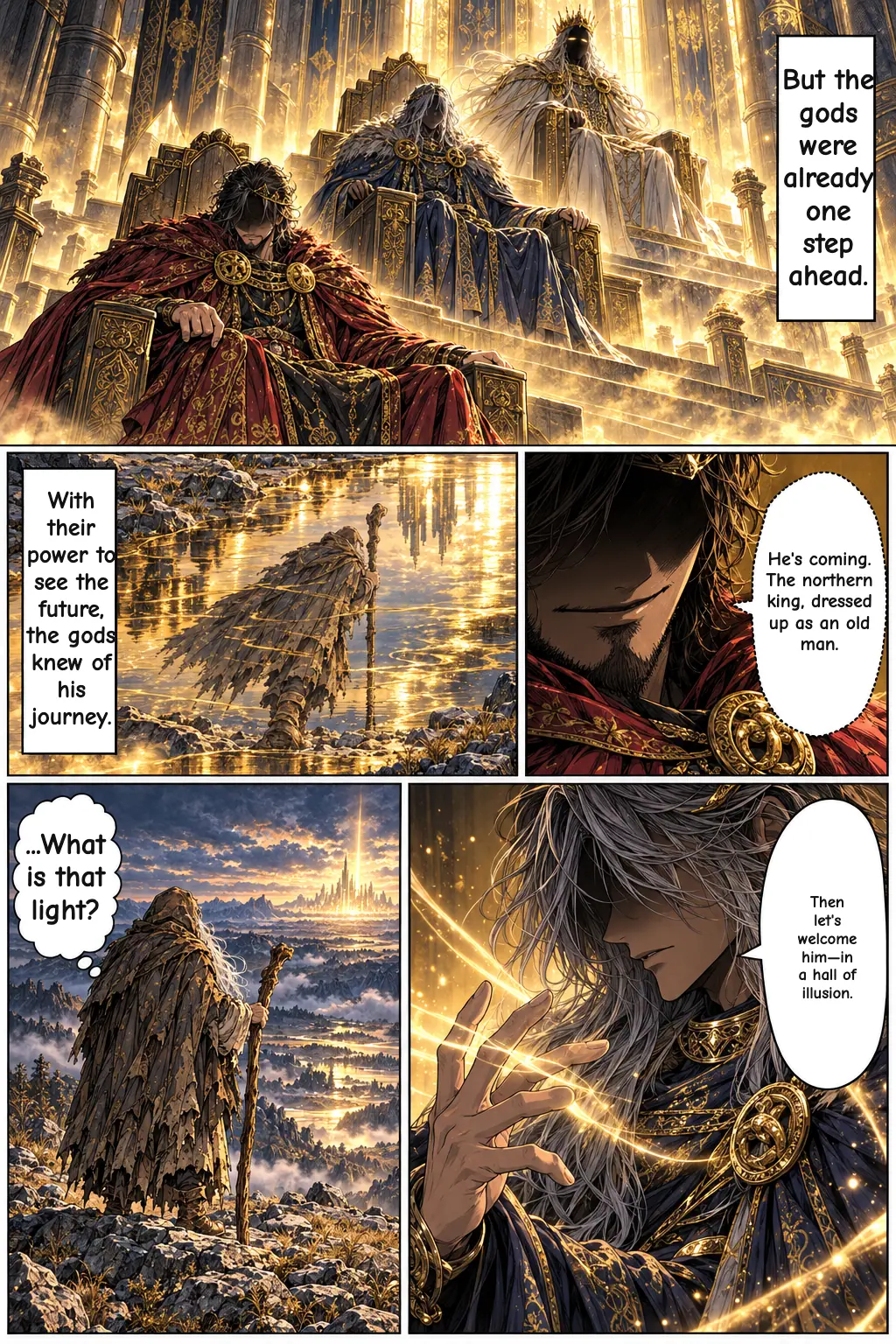
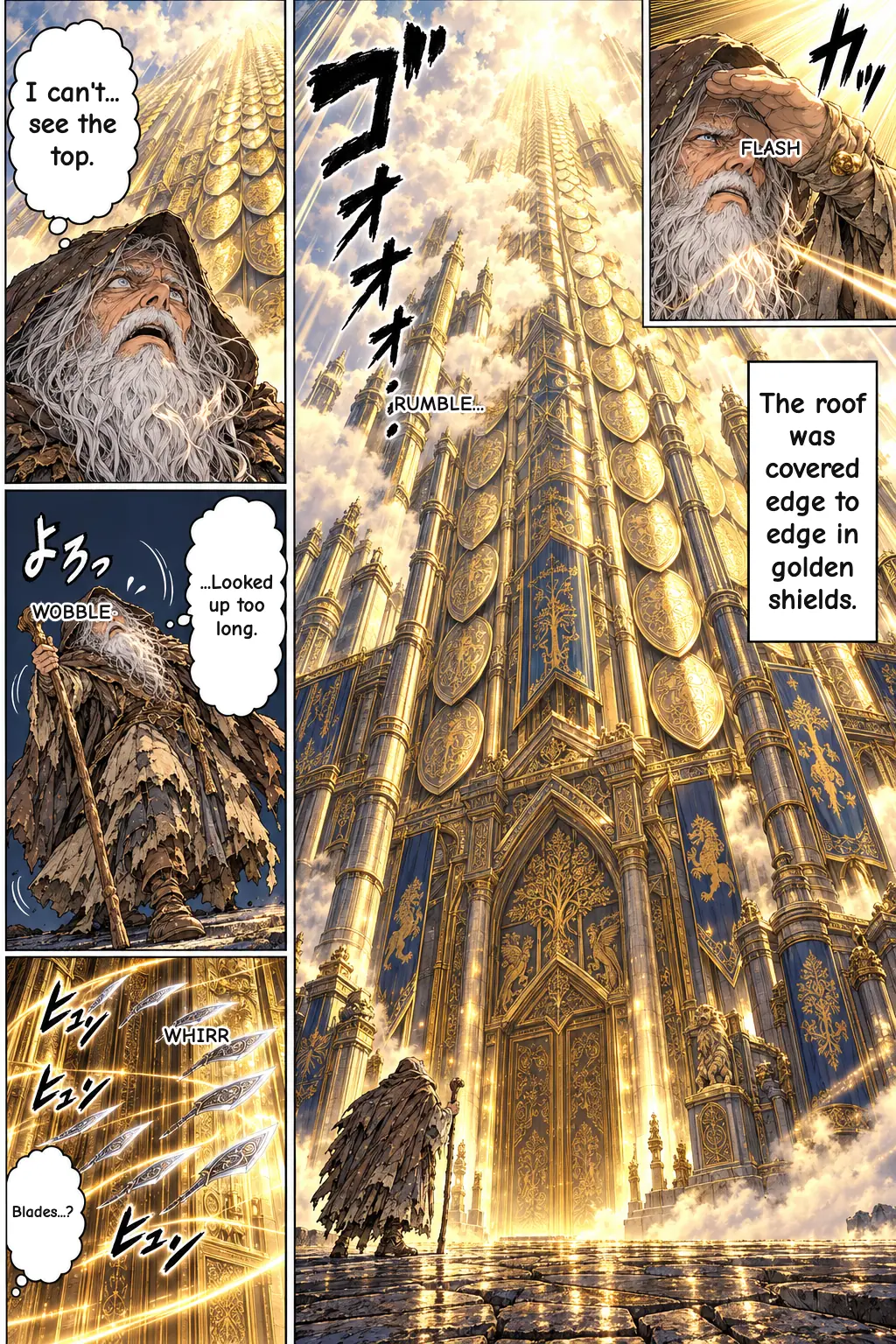
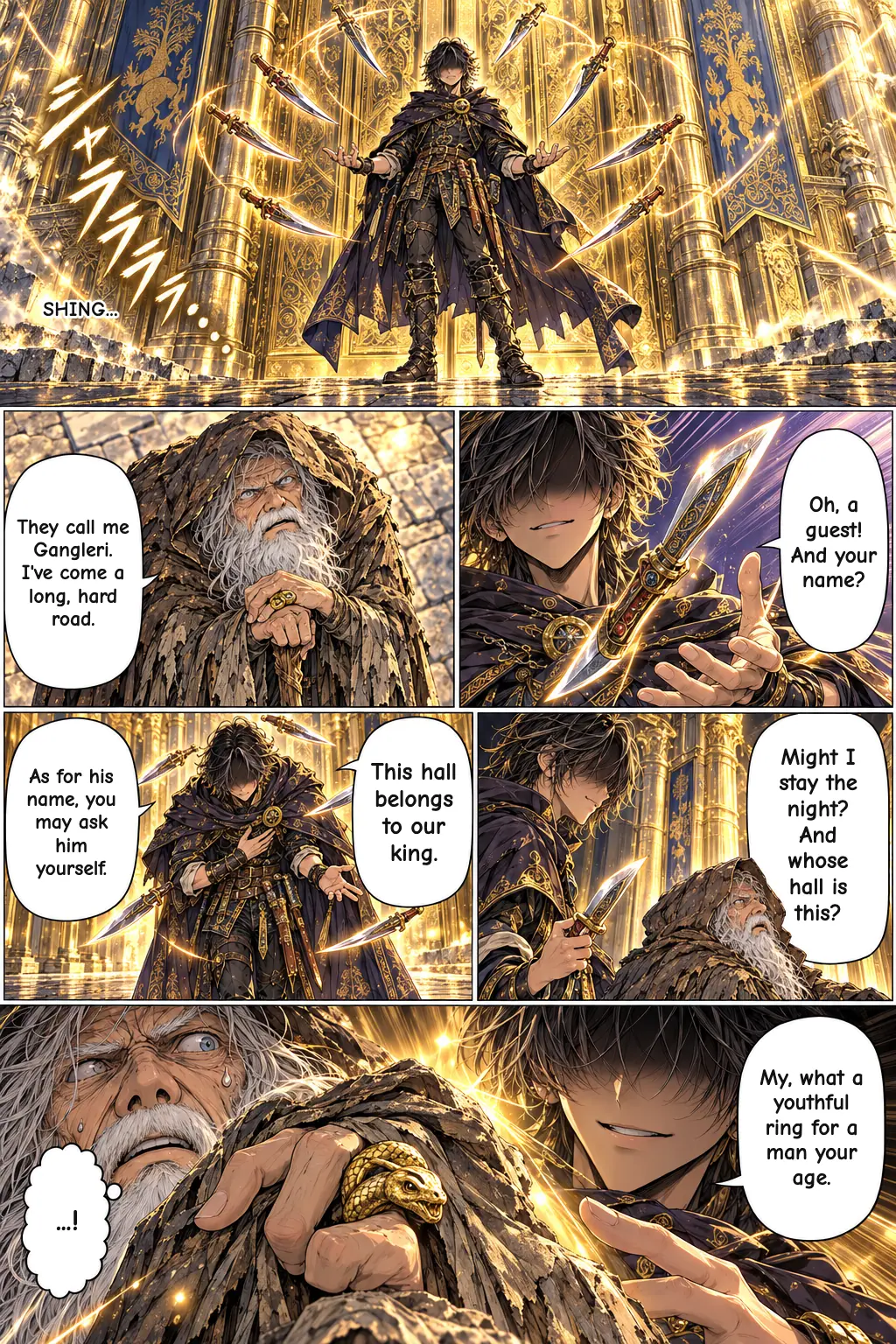
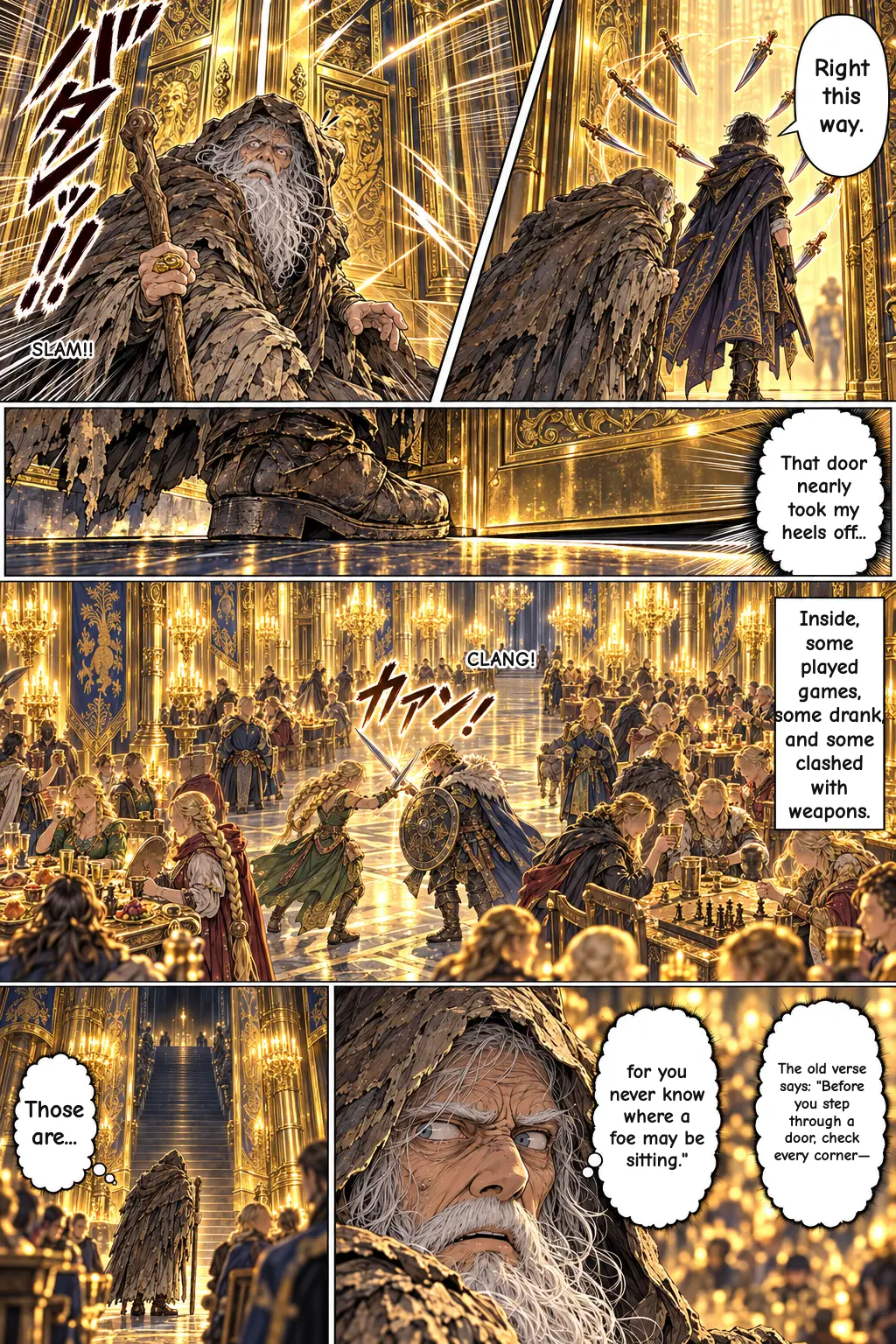
Then the story moves on. Gylfi is wise and skilled in magic, and he wonders why everything goes the way the Æsir want. Does their power come from their own nature, or from the gods they worship? To find out, he travels to Asgard in secret, disguised as an old man. The Æsir see him coming through their gift of foresight and prepare illusions for him. He finds a hall so tall he cannot see the top, roofed with golden shields laid like shingles. At the door, a man is juggling short swords, with seven in the air at once. Gylfi says his name is Gangleri, that he has come along rough paths, and asks for a bed for the night. He is led inside, and the door shuts right behind his heels.
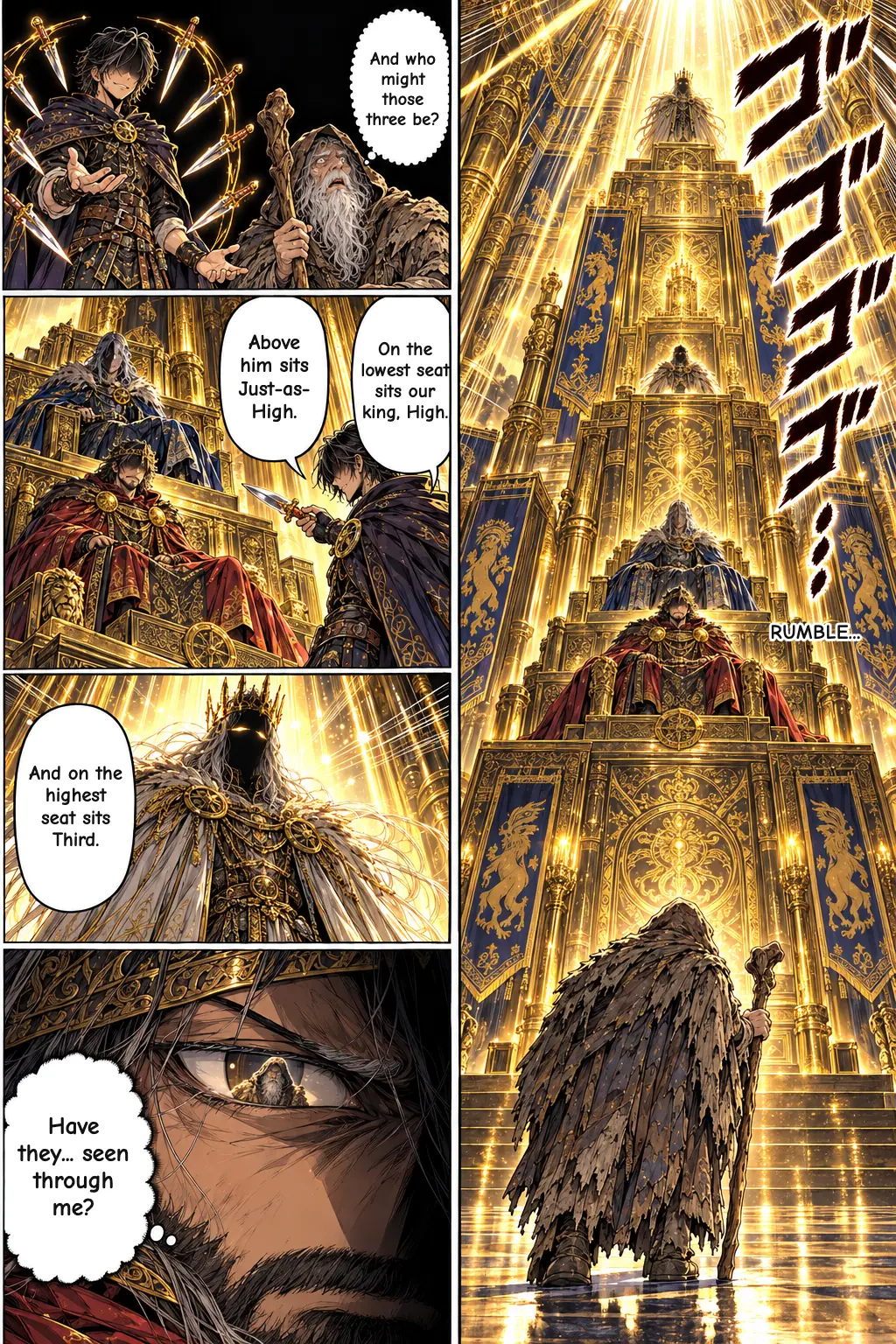
Inside are many rooms full of people playing games, drinking, and fighting with weapons. On three high seats, each higher than the last, sit Hár ("High"), Jafnhár ("Just-as-High"), and Þriði ("Third"). Hár tells the guest he will not leave unharmed unless he proves the wiser, and that the questioner must stand while the one who answers stays seated. Gangleri then asks his first question: who is the highest, or the oldest, of all the gods? Hár begins his answer: that god is called All-Father (Alföðr), and he has twelve names.
Main Characters
Gylfi (alias Gangleri) is a curious and careful king. Gefjun is a goddess who uses a reward to take a whole island. Her four ox-sons do the work, and the sword-juggler at the door acts as guard and guide. Hár, Jafnhár, and Þriði are the three figures on the high seats who answer every question. Behind all of them stand the Æsir as a group, who know Gylfi is coming before he arrives.
What the Story Tells Us: Snorri, Iceland, and the Old Gods
Snorri wrote more than two hundred years after Iceland became Christian, around the year 1000. One of his goals seems to have been keeping the old myths alive for poets, because traditional Norse poetry was full of references to them. Using a question-and-answer contest as the frame lets him tell the myths in order while keeping some distance from them. In the Prologue, the Æsir are even presented as people from Asia, not as true gods. Life-or-death wisdom contests also appear in older Eddic poems, such as Vafþrúðnismál.
The title is a clue. The whole conversation is set up as a deception, and the hall itself is an illusion. Readers often point out that Hár, Jafnhár, Þriði, and even the name Gangleri all appear in Eddic poetry as names of Odin. For that reason, many interpret the three figures as forms of Odin, which makes the disguised king's alias a sly joke. The Gefjun episode works as an origin story for a landscape, explaining both an island and a lake. Some scholars connect it to Danish traditions about how their kingdom began.
What the Manga Changes
The manga keeps the original's framework: the reward of ploughland, the single day and night, the four ox-sons, the westward drag, the stop in a strait, the lake whose bays match Zealand's headlands, the towering hall roofed with shields, the seven swords, the three high seats one above another, and the rules of the contest.
Some parts are invented. Snorri never says how Gylfi felt about losing his land, and he never connects the Gefjun story to the journey to Asgard. In the source, they are simply two episodes told back to back. The manga adds Gylfi's humiliation and regret and turns the lost land into his reason to seek out the source of the gods' power. That link is the series' own interpretation. The manga also invents how Gefjun entertained the king, her appearance, the visual drama of the land tearing loose and crossing the sea, the oxen's look and their journey, how Gylfi disguises himself and what he looks like, his road to Asgard, the hall's decorations, the faces and voices of the three figures and the juggler, and Gangleri's fear when the door closes behind him.
Where to Read It
The Prose Edda is easy to find in English translation, and Gylfaginning is its most-read section. The events in this episode come from the first three chapters (by Anthony Faulkes' chapter numbering). If you want to see the island torn from the earth and the golden hall where a king bets his life on asking the right questions, Episode 1 of NORSE MYTHOLOGY: The King Who Heard the End of the Gods is free to read on Manga Portal, with no sign-up needed.
Characters in this episode
Gylfi / Gangleri
A wise king of what is now Sweden, skilled in magic, who travels to Asgard disguised as an old man named Gangleri to learn where the gods' power comes from.
Gefjun
One of the Æsir who comes to Gylfi as a travelling woman, wins a gift of ploughland, and uses it to drag Zealand out to sea.
The Four Oxen
Gefjun's sons by an unnamed giant, brought from Jötunheim to plough the land loose and haul it west.
The Sword-Juggler
The doorkeeper of the golden hall, who keeps seven short swords in the air and leads Gangleri inside.
Hár (High)
The figure on the lowest of the three high seats, called the king, who sets the deadly rules of the contest of questions.
Jafnhár and Þriði (Just-as-High and Third)
The two figures on the higher seats, who answer Gangleri's questions together with Hár.
FAQ
How was Zealand created in Norse mythology?
In the Prose Edda, King Gylfi gives the goddess Gefjun as much land as four oxen can plough in a day and a night. Her oxen, who are her own sons by a giant, cut the land loose and drag it west into the sea, where she names it Selund (Zealand). The hole left behind becomes a lake in Sweden.
Who is Gefjun in Norse mythology?
Gefjun is one of the Æsir gods. In Gylfaginning, she visits King Gylfi disguised as a travelling woman, earns a gift of land, and ploughs it away with four ox-sons. Her story is told mostly through Snorri Sturluson and a verse by the poet Bragi the Old.
What does Gylfaginning mean?
Gylfaginning means "the Deluding (or Tricking) of Gylfi." It is the first part of Snorri Sturluson's Prose Edda, written around 1220. The disguised King Gylfi questions three mysterious figures about the gods, and the whole meeting turns out to be an illusion.
Who are High, Just-as-High, and Third in the Prose Edda?
They are the three figures on the stacked high seats who answer Gangleri's questions in Gylfaginning. All three names appear in Eddic poetry as names of Odin, so many readers see them as forms of Odin. The text itself never states this outright.
Why did King Gylfi go to Asgard?
According to Snorri, Gylfi wondered why everything always went the way the Æsir wanted, and whether their power came from their own nature or from the gods they worshipped. The original never says the journey was revenge for the land Gefjun took. That connection is added in some retellings, including this manga.